
Last updated: Apr 19, 2026
You face a distinct mid-year monsoon window that can turn a sunny, heat-stressed roof into a rapid problem if not watched closely. Wind-driven debris, sudden downpours, and hail can arrive with little warning, especially after weeks of harsh desert sun. Your tile or shingle roof is already under heat stress from the season's extreme heat, and that combination raises the likelihood of micro-cracks, lifted shingles, and accelerated leakage once a storm hits. If a storm blows in fast, small weaknesses become big leaks in a matter of minutes. This is not a "maybe later" issue-it's a today problem you must treat as urgent.
The local climate compounds risk before a storm even starts. The extreme summer heat pre-ages roofing materials, so damage often shows up precisely where UV exposure and storm stress converge. You might notice hairline cracks in concrete or clay tiles or granule loss on asphalt shingles after a long sequence of heat waves. When a monsoon rolls in, those weak points become failure points: a single gust can peel a corner or loosen a fastener, and hail can fracture compromised surfaces that otherwise looked fine. Because damage can be hidden, you should examine not just obvious impacts but areas that have peeled, curled, or lifted in the past season. If you ignore these signs, a small issue today becomes a costly repair tomorrow, especially when roof lines span wide, flat runs that catch storm winds.
Emergency responses matter locally because storm demand spikes can slow contractor scheduling after a widespread weather event. When a monsoon strikes and you notice active leakage or visible daylight from the attic, take decisive steps. Start with a temporary tarp or plywood patch over obvious penetrations if safe to do so, and move valuables away from affected areas. Document the damage with photos for your records and for any claims you may file later. Do not assume a leak is isolated to a single spot; water can travel along underlayment and fascia, creating hidden damage that worsens quickly in heat and humidity. If you hear wind or hail impact on metal fasteners, shingles, or tile ridges, treat those sounds as alarms and inspect the roof as soon as conditions permit safely. Time you spend inspecting promptly after the storm is time you save on bigger, more disruptive repairs later.
Different roof materials respond to monsoon stress in distinct ways. Tile systems-especially clay and concrete-tend to show wear along ridges, hips, and edges where wind can pry pieces upward. Asphalt shingles can lift at the edges and openings where granules have thinned. Metal roofs might dent or puncture where hail is heavy, but often reveal issues more gradually as sealing laps or fasteners loosen. Wood shingles and synthetic/composite shingles have their own vulnerability profiles, bending or splitting under rapid temperature swings and hail strikes. For all types, the common thread is that heat-primed weaknesses invite rapid storm damage, and timing your response to an early warning makes the most difference. Stay vigilant, act fast, and keep a ready plan for securing the roof and protecting interior spaces as monsoon season progresses.
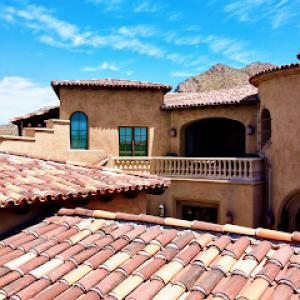
Clay and concrete tiles dominate the roofing landscape in this area. Their mineral beauty and long service life are well known, but rapid desert day-to-night temperature swings can make brittle components crack or gradually delaminate. In this climate, heat and monsoon movement aren't isolated events-they interact. A bright afternoon sun can push tile surfaces past their comfort zone, then a sudden cool evening or a storm-driven gust can shift or loosen them. The result is not just a cosmetic issue; compromised tiles can expose underlayment and create moisture pathways that weaken the roof deck over time. Tile specialists are a common sight in the local market, so when you notice something off, a dedicated tile pro can diagnose material fatigue, mortar joints, and fastener integrity with the right tools and experience.
Heat drives expansion and contraction in clay and concrete tiles. Over years, that movement loosens fasteners and can create hairline cracks that seem minor but let moisture in behind the surface. Monsoon shear-strong winds, blowing dust, and sudden downpours-can dislodge or crack stressed tiles, turning a small gap into an underlayment exposure problem. Once underlayment is exposed, you may see rapid deterioration of the roof deck, especially where underlayment was not designed for direct sun exposure or where it has aged beyond its intended life. Even when the surface looks "good," the underlying mat of the roof remains vulnerable if the tile itself is cracked, chipped, or displaced.
After a monsoon event or a stretch of extreme heat, start with a careful, ground-level survey. Look for any visible cracking, spalling, or displaced tiles along ridges and eaves. Pay attention to areas where the tile color or texture changes slightly, which can indicate new cracks or microfractures. From the ground, you may notice broken ceramic chips or gaps where tiles no longer align. If you can safely access the roof, do a shallow, non-destructive pass to identify loose fasteners or unusual movement at ridge caps, hips, and along perimeter edges. A sure sign of deeper trouble is dark, wet staining on underlayment or decking visible from attic access or vent openings. In Mesa, where tile specialists are common, a trained eye can distinguish surface wear from structural risk more quickly than a general contractor.
Regular inspection schedule matters more here than in milder climates. Schedule seasonal checks immediately after the hottest weeks and again after the first major monsoon movement. Keep debris out of roof valleys and ridge lines to prevent moisture buildup during storms. Clean gutters and downspouts so water moves away from hips and edges rather than pooling on the tiles. For tile surfaces, replace cracked or chipped tiles promptly to prevent water intrusion; don't wait for a visually unsettling break to call a tile pro. Consider evaluating underlayment condition during routine tile work, since exposure in hot weather accelerates aging of synthetic or fiberglass underlays. Ventilation around the attic should keep heat from transferring into the deck area; if the attic runs hot, add or adjust intake soffit vents or ridge vents as needed, ideally with a professional assessment that respects the local tile system and underlayment type.
If you notice persistent cracking, movement of multiple tiles, or any sign of underlayment exposure, bring in a tile specialist promptly. Their scope goes beyond surface appearance and includes fastener integrity, tile-to-underlayment compatibility, and the suitability of the current tile system for Mesa's heat patterns. For heat-stressed roofs, a pro can recommend repair versus replacement paths that align with the specific tile type (clay or concrete) and the anticipated monsoon cycle. Early intervention saves both deck integrity and long-term roof performance, particularly when heat-driven stress coincides with monsoon winds and moisture.
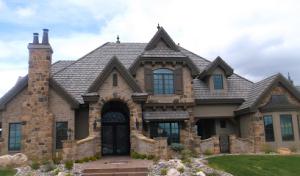
Find contractors who specialize in clay and concrete tile roofs, known for their durability and curb appeal.
Stout Roofing, Inc. | Mesa
(480) 660-3360 stoutroofing.com
1117 W University Dr, Mesa, Arizona
5.0 from 175 reviews
Mighty Dog Roofing of Southeast Valley Phoenix
(480) 934-0682 www.mightydogroofing.com
456 E Juanita Ave Ste 7, Mesa, Arizona
5.0 from 132 reviews
Rdr Roofing
(602) 738-5902 www.homeadvisor.com
529 N Sirrine, Mesa, Arizona
5.0 from 129 reviews
RDR Roofing is a family-owned roofing business based in Phoenix, Arizona. Run by two brothers and their father, our company's focus is on providing high quality roofing services at affordable rates throughout the valley. With strong commitment to our customers, RDR strives to provide reliability, professionalism and high quality workmanship in every project. With our family-centered approach, we operate with a sense of trust, honesty, and dedication that reflects our family values to our community.
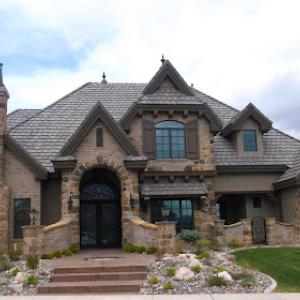
Stout Roofing, Inc. | Mesa
(480) 660-3360 stoutroofing.com
1117 W University Dr, Mesa, Arizona
5.0 from 175 reviews
Serving Arizona, Utah and Nevada since 1998. Stout Roofing is your trusted expert for all types of roof repairs and replacements. As a company operated by second and third generation roofers, we bring decades of experience and industry knowledge to every project. We specialize in both commercial and residential roofing, offering expert solutions for all roofing applications. Call us today at 480-660-3360
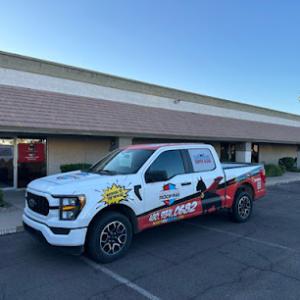
Mighty Dog Roofing of Southeast Valley Phoenix
(480) 934-0682 www.mightydogroofing.com
456 E Juanita Ave Ste 7, Mesa, Arizona
5.0 from 132 reviews
When it comes to your home’s exterior, Mighty Dog Roofing delivers top-of-the-line services matched with the neighborly customer care our clients have come to love. Our team of skilled experts will conduct a free, detailed inspection of your home, treating it as our own. Whether your home needs a simple repair or a full roof replacement, expect to receive the transparent guidance you deserve. Whatever the case, our team will work to meet your safety and budget needs. We take pride in operating with quality materials, hiring skilled roofers, and providing our customers with a high-quality experience. See for yourself; our reviews say it all. Schedule your free, home inspection today!

Axis Roofing
(480) 567-0105 www.axisroofing.com
6928 E Main St #101, Mesa, Arizona
4.9 from 353 reviews
We believe "We Have to Be Different to Make a Difference". This shows by our community we serve voting us the best roofer in the east valley, and most competitive in Arizona year after year. When it comes to roofing, there is no one more qualified to inspect it, repair it, or replace it. As a full-service roofing and general contractor, our extensive experience completing complex residential and commercial projects means that we not only understand your needs but can meet them. Our staff consists of experts with over 20 years of roofing knowledge and experience and over 15 years of hands on experience in the insurance claims industry. This allows us to set the standard for best practices within our community and the roofing industry!

Titan Roofing & Construction
(602) 300-0177 www.titanroofingaz.com
1107 S Gilbert Rd #210, Mesa, Arizona
4.9 from 175 reviews
Are you in search of expert commercial roofing services in Mesa, AZ? Look no further than Titan Roofing & Construction. We're not just a roofing company; we're your trusted consultants and strategists. Our team educates clients and ensures they have the information needed to make informed decisions. With our licensed adjuster and insurance claim expertise, we navigate the claims process seamlessly. Whether you need flat roofs, modified bitumen, SPF, or elastomeric coating, we handle it all. We also offer commercial repair jobs, maintenance contracts, and storm damage assessment. Trust Titan Roofing & Construction for all your commercial roofing needs.

Overson Roofing
(480) 618-1198 www.oversonroofing.com
842 E Isabella Ave Ste. 101, Mesa, Arizona
4.8 from 688 reviews
Overson Roofing has 30 plus years of professional experience servicing Mesa, Arizona. Overson Roofing is the Most Awarded Roofing Company in Arizona, including the BBB Torch Award for Ethics. Our expertise covers tile roofs, shingle roofs, asphalt composition, spray foam roofing, and flat/low sloped. Whether you have an ongoing leak, or are simply interested in knowing the condition of your roof, Overson Roofing provides homeowners with a free estimate. With our A+ BBB accredited rating, fully licensed, bonded and insured roofers, Overson provides the highest integrity and service to mimic our foundation of a family run business. All of our work is guaranteed.
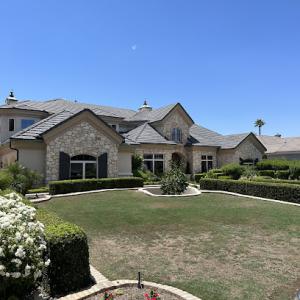
Romco Roofing
(480) 788-1152 romcoroofing.com
7526 E Lockwood Cir, Mesa, Arizona
4.9 from 159 reviews
Romco Roofing, in Mesa, AZ, is the premier roofing company serving Mesa and the surrounding areas. We specialize in residential and commercial roofing, asphalt shingles, tile re-roofs, foam and modified bitumen flats, wind and hail related claims, and much more. For all your roofing needs, contact Romco Roofing in Mesa.

Vero Exteriors
(833) 654-0654 www.veroexteriors.com
1640 S Stapley Dr Suite #239, Mesa, Arizona
5.0 from 65 reviews
Vero Exteriors is the premier choice for top-quality roofing solutions in Arizona. With decades of combined industry experience, their highly trained professionals are dedicated to delivering outstanding craftsmanship and exceptional service. They take pride in their meticulous attention to detail, ensuring every project meets the highest standards of excellence. From small jobs to complete installations, Vero Exteriors provides reliable, lasting solutions tailored to your home. Discover the difference that true expertise and commitment to customer care can make for your exterior needs.

R4 Roofing
(602) 727-0116 r4roofingaz.com
123 N Centennial Way Ste 138 138, Mesa, Arizona
5.0 from 60 reviews
R4 Roofing is a family owned and operated roofing contractor serving the greater Phoenix area and beyond in our great state of Arizona. We specialize in residential and commercial roofing and would love to partner up on your next roofing project.
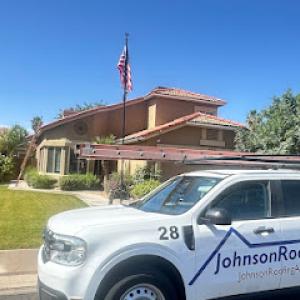
Johnson Roofing
(480) 467-4572 johnsonroofingaz.com
1121 S Horne, Mesa, Arizona
4.9 from 633 reviews
Johnson Roofing has been offering quality roofing services for the state of Arizona since 2004. No job too small. One of the highest rated roofing companies in Arizona.

Express Roofing
1640 S Davis, Mesa, Arizona
4.9 from 117 reviews
Guaranteed And Affordable Residential Roof Installation Need an experienced roofer? Work with the ones who focus on integrity and safety. Call (877) 419 8468 today for a free estimate in the Mesa, Gilbert, Chandler, Tempe, Scottsdale, and Phoenix markets.
Romney Roofing
(480) 565-0619 romneyroofing.com
1026 E Fairbrook Cir, Mesa, Arizona
5.0 from 56 reviews
Our goal is to provide professional roofing solutions at the best price. We invest more in our crews, to ensure a culture of quality and responsibility. Our Product reflects (professional quality, at an honest price).
In this desert climate, the sweet spot for re-roof work sits between the peak heat and the mid-year monsoon. Spring and fall offer the most reliable combination of cooler temperatures and lower storm risk, which translates to better shingle handling, faster installation, and fewer heat-related delays for crews. With tile and shingle systems common in many homes, having milder days helps sealants cure properly and reduces the chance of rapid thermal cycling that can drive fastener work off schedule. If a roof project can be lined up during these seasons, the crew can move steadily without fighting an aggressive sun or sudden downpours.
Extreme summer heat in this climate can affect installation conditions for asphalt shingles and make roof work more difficult for crews and materials. Heat not only speeds up material expansion and contraction but also increases the risk of worker fatigue and safety holds during the hottest afternoons. For asphalt shingle jobs, plan for early start times, with the bulk of the work before 11 a.m., and consider pausing during the afternoon heat if temperatures push toward mid-day highs. If the house uses heat-sensitive underlayment or adhesive, scheduling with the hottest days in mind reduces the chance of workmanship setbacks. For tile roofs, heat can shorten panel handling and lift times, so align crews to cooler mornings and shade-protected access points when possible.
The mid-year monsoon cycle can disrupt progress with sudden downpours, wind bursts, and flying debris. In harder-hit periods, crews may need to pause, tarp vulnerable areas, or secure loose materials to prevent storm damage. A well-timed reroof window in the months surrounding the monsoon helps keep repairs on track and minimizes rework from wind-driven dust, rain intrusion, or hail impacts on stressed surfaces. If a project spans monsoon onset, establish a contingency plan for sudden weather changes and a clear sequence for re-sealing and re-anchoring after storms pass.
Cool winter nights are usually not a major frost-related barrier, so scheduling pressure is driven more by heat and storms than by freeze conditions. Winter work is feasible when daytime temperatures remain comfortable and dry. However, cooler days can shorten daylight hours and reduce visibility, so plan for adequate daylight or extend work into late afternoon if permissible. In homes with clay or concrete tile, winter dryness helps with set times, but cold nights can slow curing of certain coatings or sealants. Weigh these factors against the urgency of repairs after a harsh monsoon season or following a severe storm, and set a realistic pace that avoids cramming material handling into unfavorable temps.
Coordinate a target start window in spring or fall, with flexible milestones that accommodate an early-morning start and a buffer for potential heat or monsoon interruptions. If the weather forecast calls for dry days within the preferred window, lock in the crew and supplier slots to minimize delay risk. Establish a protocol for hot days: start early, sip breaks, and shade material stockpiles. For monsoon-prone periods, assign priority to securing edges, flashing, and sealants, and have tarps ready for rapid deployment. Finally, align the project with the household calendar-school calendars, high-traffic family weeks, and significant gatherings-to minimize disruption during the busiest installation phases.
Get a clear picture of your project costs upfront - no commitment required.

Overson Roofing
(480) 618-1198 www.oversonroofing.com
842 E Isabella Ave Ste. 101, Mesa, Arizona
4.8 from 688 reviews

Wpd Roofing
(480) 924-5272 www.wpdroofing.com
3829 E. Adobe St 3751 E. Cullumber Gilbert, 3829 E Adobe St, Mesa, AZ
5.0 from 25 reviews
In Mesa, the roof landscape is defined by a mix of asphalt shingles, metal, clay tile, concrete tile, wood shingles or shakes, and synthetic or composite shingles. This blend reflects the Sonoran Desert heat, the mid-year monsoon cycle, and the need for roofs that hold up under intense sun and sudden wind-driven rain. The dominant residential roofing mix means homeowners commonly choose from tried-and-true options that balance durability with value, while local crews bring experience with the harsh sun and monsoon humidity. Tile remains especially important in Mesa-area architecture, while asphalt shingles stay relevant because they offer a lower entry cost in a hot-weather replacement market. That combination helps many houses hit a pragmatic balance between long-term performance and initial affordability.
Tile roofs, whether clay or concrete, are a defining feature in many neighborhoods, with textures and profiles that top the aesthetic of Southwestern design. Clay tile brings robust heat resistance and a proven life span when paired with proper underlayment and ventilation. Concrete tile offers similar benefits with potential weight and installer considerations. Metal roofing is another common sight, chosen for its wind resilience and rapid installation. In climates like this, metal panels can shed heat efficiently and resist debris from monsoon storms, but they require careful panel detailing and flashing to prevent wind-driven leaks in storm surges. Both tile and metal perform well when matched to dwellings with appropriate attic ventilation and a solid deck, especially on roofs that face intense solar exposure.
Asphalt shingles remain a practical entry option for households reevaluating replacement timing, particularly when heat exposure and fast turnaround matter. Modern asphalt systems offer reflective granules and upgraded blends that help mitigate heat gain, extending roof life in a scorching climate. Synthetic or composite shingles provide another middle-ground choice, combining color flexibility with enhanced impact resistance and wind performance. For homes with low-slope or flat sections, a specialty approach is essential: these roof forms demand precise drainage, durable underlayment, and careful interface details where they meet steeper sections.
Low-slope and flat sections are a meaningful local specialty, reflecting the presence of roof forms beyond standard pitched tile neighborhoods. When selecting materials for these areas, focus on membrane compatibility, slope transitions, and flashing strategies that accommodate monsoon moisture and daytime heat. In any tile-heavy neighborhood, confirm that underlayment and ventilation are sized to contend with Mesa's heat load and storm cycles, ensuring the roof system can respond to both sun exposure and sudden monsoon downpours.
Asphalt shingles in this area run about $350 to $650 per square, a range shaped by heat exposure, roof slope, and local labor costs. Metal roofs typically fall between $700 and $1200 per square, reflecting their durability and steady demand after monsoon season damage. Clay tile can push $900 to $1800 per square, while concrete tile sits around $800 to $1200 per square. Wood shingles or shakes are commonly $600 to $1000 per square, and synthetic or composite shingles offer a more affordable option at roughly $500 to $900 per square. These numbers capture typical Mesa pricing and the way tile systems influence overall reroof timing, material choice, and work scope.
Monsoon storms can abruptly shift pricing, especially when emergency repairs are needed, tile work is involved, or an insurance-related replacement is in play. After a season with heavy winds or sudden hail, crews tend to be in higher demand, and that can push labor and disposal costs upward for a short period. The heat-stressed roof you're replacing may also require extra attention to underlayment and deck repair, which adds to the square-rate once the scope expands beyond a simple shingle swap. Expect some fluctuation around the late summer and early fall window when storm activity peaks.
Mesa pricing is strongly influenced by the region's common tile systems and the scale of re-roof projects in the market. Tile roofs dominate the landscape, and the choice between clay, concrete, or tile-over replacements affects both cost and long-term performance under the Sonoran Desert sun. Synthetic or composite shingles provide a hedge against higher material costs while delivering faster install times in some cases, which can be appealing for crews juggling multiple reroofs after a monsoon season. Local crews often tailor solutions to heat exposure, warranty considerations, and the city's typical permit-and-inspection flow, which can indirectly shape the overall project price.
When budgeting, start with the base per-square costs for your chosen material and add a prudent contingency for potential roof deck repairs, venting adjustments, and underlayment upgrades. If monsoon damage has created gaps in your current roof's integrity, anticipate a larger share of the budget going to tile work or replacement of damaged decking. In a market with strong reroof activity, timely scheduling and material ordering can influence both price and project duration, so building a plan that aligns with shoulder-season availability often yields better outcomes.
Get a clear picture of your project costs upfront - no commitment required.
Overson Roofing
(480) 618-1198 www.oversonroofing.com
842 E Isabella Ave Ste. 101, Mesa, Arizona
4.8 from 688 reviews
Wpd Roofing
(480) 924-5272 www.wpdroofing.com
3829 E. Adobe St 3751 E. Cullumber Gilbert, 3829 E Adobe St, Mesa, AZ
5.0 from 25 reviews
In Mesa, a building permit is normally required for a full re-roof, with permits handled by the City of Mesa Building Safety division. That means the project starts with the plan review and ends with a formal approval before any contractor lifts the first shingle. If you're dealing with a monsoon season or a heat-stressed tile roof, getting the permit early helps prevent a sidelined project when storm delays arrive or when a crew discovers hidden damage that changes scope. If the permit isn't pulled, you risk noncompliance penalties and potential denial of occupancy that can complicate a move-in timeline.
Mesa inspections occur at key milestones during installation and again after completion rather than only at the end of the job. Expect an initial inspection once the decking, underlayment, and flashing are in place, another midway check as the roof surface progresses, and a final inspection once everything is installed, sealed, and likely to shed heat and withstand monsoon cycles. Rely on the inspector's checklist rather than the contractor's assurances; missed details here can require re-work that tightens a schedule and increases weather exposure risk.
Inspection scheduling in Mesa can be affected by both weather and department workload, which matters more during busy storm periods and seasonal reroof rushes. Plan a buffer for monsoon windows and the high likelihood of short-notice reschedules when sudden rains hit or when the Building Safety division is handling a backlog. Coordinate with the contractor to align material deliveries and scaffold setup so that an inspection window isn't missed due to a weather pullback.
Have your permit in process before any material is removed, and keep a dedicated contact with the roofing crew and the inspector for timely updates. Document with photos at each milestone, especially where heat-stressed tile or shingles reveal underlying deck or underlayment issues. If a repair or redesign is needed, address it within the permit's scope to avoid a second round of approvals and repeat inspections.
Arizona insurers commonly expect thorough documentation of current roof condition for hail or wind claims, including photos and repair history, which is especially important in the monsoon-driven claim environment. After a storm, you should capture wide shots and close-ups of damaged tiles or shingles, flashing, and supporting decks. Keep a dated record of any temporary fixes and note weather timing to build a clear timeline for the adjuster.
Adjusters in this market may review prior roof work and apply depreciation in some cases, so homeowners benefit from documenting maintenance before storm season. Gather service reports, warranty letters, and contractor notes that show when protective coatings, underlayment, or cap tiles were last addressed. This trail helps when evaluating what qualifies as pre-existing versus storm-related damage.
Weather-related claim patterns in Arizona can influence replacement timing and insurer expectations, making prompt post-storm documentation especially important in Mesa. Delays can complicate coverage discussions, so act quickly to document changes, and be prepared for insurers to request additional photos or contractor assessments within a short window after the storm passes.
After a storm, photograph exposed roof areas from ground level and from the attic if accessible for internal signs of water intrusion. Keep a written log of any leaks, unusual noises, or discoloration on ceilings. Notify the insurer promptly and follow up with a reputable local roofer who can provide a detailed damage assessment and project notes to support the claim.
Connect with contractors who help homeowners navigate the claims process from damage assessment to final approval.
Mighty Dog Roofing of Southeast Valley Phoenix
(480) 934-0682 www.mightydogroofing.com
456 E Juanita Ave Ste 7, Mesa, Arizona
5.0 from 132 reviews

Axis Roofing
(480) 567-0105 www.axisroofing.com
6928 E Main St #101, Mesa, Arizona
4.9 from 353 reviews
Titan Roofing & Construction
(602) 300-0177 www.titanroofingaz.com
1107 S Gilbert Rd #210, Mesa, Arizona
4.9 from 175 reviews
When storms hit, quick response matters. Look for a contractor who can validate access to the roof, safely tarp exposed sections, and set a timeline for the tear-off and replacement window. In Mesa, contractors that advertise rapid mobilization and onsite crew control often minimize further heat-related damage and wind-driven debris intrusion. Ask about how soon they can be on site after a storm and how they manage cleanup to prevent secondary damage during monsoon season.
A true Mesa-based estimator will outline a clear, itemized plan that covers debris removal, dumpster handling, roof teardown, and the sequence of the replacement. Confirm that cleanup-included service is part of the package, since storm debris often leaves nails and shingle fragments that can pose hazards. Ensure the plan accounts for heat-stressed tiles or shingles and includes protection for landscaping and exterior finishes during tear-off.
Residential work dominates the local signal mix, but a competent choice may also come from commercial or flat-roof specialists who can address mixed materials on some properties. Look for crews that understand hail and monsoon impacts on tile and shingle systems, plus the constraints of partially shaded or sun-exposed roofs common in the area. A site-specific assessment should reflect equal attention to detail on tile, shake, or composite options.
Long-established, family-owned firms are common, and homeowners often value local tenure and continuity when comparing bids. Such firms typically offer steadier project oversight, easier accessibility for follow-up, and longer-term accountability. Ask about local references and how the company handles warranty work after the monsoon cycle.
Request references from nearby neighborhoods with similar roof types and exposure. A bidder who can document successful post-storm recoveries within Mesa neighborhoods provides a practical gauge for performance, timeliness, and site management under local conditions.