Last updated: Apr 19, 2026
In this part of the Valley, prolonged summer roof-surface temperatures and intense sun exposure accelerate asphalt shingle aging faster than in milder climates. That means what might look like a minor surface issue on a cool day can translate into deeper, harder-to-diagnose problems once the sun blazes again. The practical takeaway is to treat a seemingly small curling, granule loss, or microcrack as a warning sign rather than a one-off nuisance. When the heat pushes weak spots to the surface, the waterproofing beneath-the underlayment-takes the first hit. In many homes with tile roofing, the underlying waterproofing is the real limiter, and underlayment-driven replacement cycles show up sooner than you'd expect from the tile itself. For homeowners, this translates into a simple rule of thumb: if you notice aging under the tiles or a stained attic, don't assume the surface is the sole failure point.
Tile roofs are common here, but their longevity depends on the compatibility of the underlayment with the climate and the tile choice. When underlayment reaches the end of its life, leaks can appear even though the visible tile looks sound. The cooling season can mask polymer degradation, while the hottest months accelerate oxidation and fabric fatigue. The practical implication is clear: schedule regular inspections that specifically evaluate the underlayment, not just the visible tile surface. If the underlayment shows signs of wear, delamination, or moisture backing, it deserves prompt attention, because replacing the underlayment before it fails saves more disruption later on than patching after a leak develops. For a typical homeowner, this means planning a mid-life check of the waterproofing layer when the roof is still in decent shape, rather than waiting for an active leak to force a costly retrofit.
Late-summer monsoon storms in the West Valley can turn an aging but manageable roof into an active leak problem, making pre-monsoon scheduling especially important in Peoria. A practical plan is to complete a comprehensive roof assessment several weeks before the monsoon season begins, focusing on the underlayment, flashing, penetrations, and any sign of edge deterioration. If anticipated storms reveal weak points, address them before they're tested by wind-driven rain and sudden downpours. After monsoon events, perform a quick follow-up inspection to confirm there are no new issues from wind-bourne debris or hail impact. In the weeks leading into the dry late-summer period, verify attic ventilation and the roof's overall dry-out status; good ventilation can slow underlayment aging and help preserve shingles or tile seals through peak heat.
Begin with a targeted attic and roof-line walkaround to look for staining, damp patches, or granule loss on shingles. If you have tile, inspect the underlayment edge and any exposed membrane near roof penetrations. Document any irregularities with photos and notes, then schedule a professional inspection focused on underlayment condition and flashing integrity before the monsoon season ramps up. If you encounter a known vulnerability-such as aging underlayment, compromised seals around vent stacks, or misaligned flashing-plan a pre-monsoon repair window to prevent a summer leak cascade. By aligning inspection and repair with the heat-driven aging pattern, you keep the roof more resilient when the first storm bursts through the dry air.
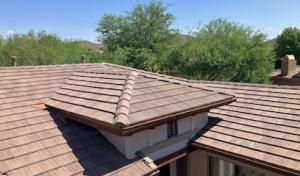
In many master-planned neighborhoods and desert-style homes, clay or concrete tile is the visible roof system. That tile underlines the texture and color of the neighborhood, and it also sets up a few practical realities for upkeep. The tile itself is often seeing more sun and heat than a traditional shingle roof, and that prolonged exposure matters. When planning maintenance, expect that the visible tiles are only part of the story: the real condition often hides underlayment, flashings, and valley details that take the brunt of heat, sun, and seasonal monsoon swings.
Extreme Phoenix-area heat accelerates aging for tile roofs. Concrete tile profiles can trap heat differently from clay, and both varieties rely on an underlayment system that is not always visible from the ground. In Peoria, worn underlayment, degraded valley membranes, and compromised flashing are common culprits behind leaks long before a cracked tile becomes obvious. The tired underlayment may fail unevenly, creating hotspots for water intrusion that don't always show up as readily as a slipped tile. When choosing replacement or repair timing, focus on the underlayment's condition and the integrity of flashings around chimneys, vents, and roof edges, not just tile surface issues.
Concrete tile weight and profile are a familiar challenge on this market. Heavier tiles can complicate repairs, especially when the job requires matching older tile profiles or reworking a slope to preserve drainage. That means simple tile replacements can become more labor-intensive than shingle work, particularly on roofs with complex ridges or layered valleys. When a tile roof ages, the difficulty of sourcing exact profile pieces grows, and embedded fasteners may corrode or loosen, which complicates re-sealing and re-fastening efforts. The result is that timely planning for replacement or targeted repairs reduces the risk of extended, markup-heavy labor later on.
On a Peoria roof, cracked or slipped field tiles are often less critical than worn flashings, valley details, and aged underlayment hidden below the tile layer. Valleys bear the brunt of runoff during summer storms, and if the valley membranes are aged or improperly sealed, leaks can appear where tiles themselves seem intact. Flashings around vents and chimneys are another common leak path after years of heat cycling. Regular inspection should include a close look at sealant joints, step flashing, and the transition zones where different roof planes meet. Keeping these details sound is frequently more cost-effective than chasing a few cracked tiles.
Since monsoon season brings sudden wind bursts and heavy rainfall, roof health matters more than ever when those storms roll in. A tile roof that has aged underlayment or compromised flashings is more vulnerable to rapid water intrusion as wind-driven rain finds its way through marginal seals. Proactive reinforcement of flashings, valley protection, and ensuring the underlayment is still providing a stable barrier can help prevent leaks when storms arrive. In practice, schedule a targeted evaluation of underlayment condition, flashing integrity, and valley linings before the onset of the monsoon season to protect long-term roof performance.
Find contractors who specialize in clay and concrete tile roofs, known for their durability and curb appeal.
Allstate Roofing
(602) 620-2755 www.allstateroofingaz.com
30521 N 126th Dr, Peoria, Arizona
4.9 from 101 reviews
Gen2Roofing
(602) 619-5648 www.gen2roofing.com
8544 W Laurel Ln, Peoria, Arizona
5.0 from 51 reviews
Sunland Development Corporation - Roofing Division (SDC Roofing)
(623) 330-2444 www.sunlanddc.com
9593 West Bellissimo Lane, Peoria, Arizona
5.0 from 38 reviews
Precision Roofing
(602) 456-0323 www.precisionroofingaz.com
8449 W Laurel Ln, Peoria, Arizona
4.9 from 209 reviews
Precision Roofing is the premier roofing company for all of your roofing needs. As a top-rated roofer, we specialize in roof repair, roof replacement, commercial roofing, and residential roofing services. Our team of experienced and skilled local roofers is dedicated to providing exceptional quality workmanship and superior customer service. We service Scottsdale, Phoenix, Mesa, Tempe, Peoria, Glendale, and the entire Valley. We prioritize customer satisfaction above all else, ensuring that every project is completed to the highest standards. Our roofing contractors are committed to delivering top-notch results, no matter the size or scope of the job. Contact us today for a free estimate for your roof repair or your roof replacement.
Allstate Roofing
(602) 620-2755 www.allstateroofingaz.com
30521 N 126th Dr, Peoria, Arizona
4.9 from 101 reviews
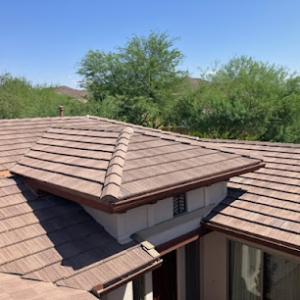
Allstate Roofing is a trusted roofing contractor in Peoria, providing expert residential roofing services. Our team specializes in tile roof installation, replacement, and re-roofing, ensuring durability and long-term protection. We also offer high-quality foam and shingle roofing solutions designed for Arizona’s climate. With over 20 years of combined experience, our family-owned, fully licensed, and insured company is committed to exceptional craftsmanship and customer satisfaction. Whether you need a roof repair or a complete replacement, you can count on Allstate Roofing for reliable service. Contact us today for top-tier roofing solutions in Peoria!
Gen2Roofing
(602) 619-5648 www.gen2roofing.com
8544 W Laurel Ln, Peoria, Arizona
5.0 from 51 reviews
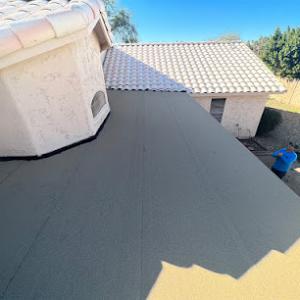
Gen2Roofing LLC is a licensed and bonded second-generation family operated business. Our mission is to provide 100% quality, satisfaction, and reliable roofing services every time! With over 20 years of experience, we offer inspections, maintenance, repairs, and/or whole new roofs. We work with tile, shingles, and flat/patio roofs. No roof too big or small.

Sunland Development Corporation - Roofing Division (SDC Roofing)
(623) 330-2444 www.sunlanddc.com
9593 West Bellissimo Lane, Peoria, Arizona
5.0 from 38 reviews
Your Arizona Premier Roofing Partner and Custom Luxury Home Builder since 1996! Sunland Development Corporation - Roofing Division is comprised of experts in residential asphalt shingle roof replacements, concrete tile roof replacements and roof underlayment systems. We have been in business for 26+ years. We pride our company on reliability, great communication, integrity and exceptional quality workmanship. We are experts in our trade and will do our best to keep you as educated as we can on your particular project. We look forward to earning your business! Call Sunland Development Corporation - Roofing Division at 602-456-ROOF (7663) to schedule your roof appointment!
Frontline Consultants & Contracting
(928) 252-6055 www.frontlineconsultantsllc.com
9162 W Cactus Rd D, Peoria, Arizona
4.6 from 217 reviews
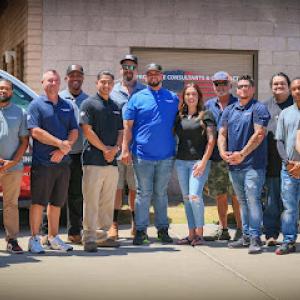
Family owned and operated roofing company who makes are clients #1. We can help with all your roofing needs and storm damage to your property. Frontline Consultants & Contracting provides homeowners and business owners throughout the Metro area with top-quality roofing and renovation services.
Mighty Dog Roofing of Peoria
(623) 294-5167 www.mightydogroofing.com
16165 N 83rd Ave suite 200 ofc 239, Peoria, Arizona
5.0 from 17 reviews
Your house or business is more than a structure – it's your sanctuary, your livelihood, and nothing protects it better than a sturdy roof. Mighty Dog Roofing is here to be your property's best friend by offering a range of roofing and exterior services to keep things safe, secure, and looking great! From emergency roof repair, to roof replacements, to various siding, skylight, gutter, and window services, our roofers and exterior experts have you covered! Don't worry about juggling multiple contractors – Mighty Dog Roofing has your back with our single-provider solution. We have led the industry for over 20 years with technology, premium materials, and trusted processes that set us apart from the rest!
Avila’s Roofing
(623) 455-0475 www.avilasroofing.com
8945 W Marconi Ave, Peoria, Arizona
4.8 from 17 reviews
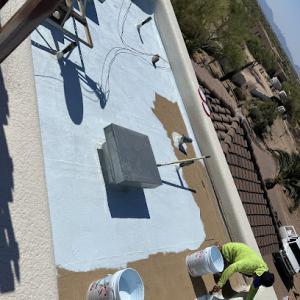
We provide roof repairs and maintenance valley wide. We believe that your roof is a valuable investment that deserves the highest level of care. Call us today to schedule and appointment for a free estimate with fair prices. Ofrecemos reparaciones e instalaciones de techos.Llámenos para agrandar su cita ofrecemos estimados gratis con precios accesibles.
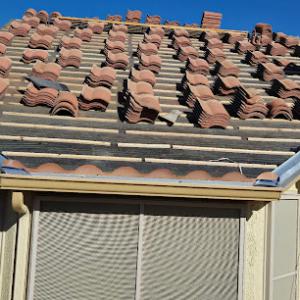
Luxe Roofing
(602) 580-4181 luxeroofingaz.com
24708 N 103rd Ave, Peoria, Arizona
5.0 from 9 reviews
Luxe Roofing delivers expert residential and commercial roofing services, from new installs to re-roofing and inspections. Trusted by homeowners and HOAs, we provide durable, stylish, and reliable roofing built to last.
Glendale Roofing & Construction
(623) 937-2540 www.glendaleroofing.com
13352 N 83rd Ave Suite A100, Peoria, Arizona
4.2 from 46 reviews
Locally owned and operated, Glendale Roofing & Construction has proudly served the community for nearly 65 years. Delivering trusted, high-quality roofing solutions with a commitment to craftsmanship and customer satisfaction. Built on generations of experience, our team offers expert residential and commercial roofing services backed by integrity, reliability, and a deep connection to the area we call home.

JLC Roofing
(623) 878-9832 jlcroofingaz.com
8760 N 77th Dr, Peoria, Arizona
4.1 from 34 reviews
A+ BBB Licensed, Bonded & Insured Roofing Company in Peoria, AZ. Experts in Residential Tile, Shingle & Foam Roof Repair and Replacements since 1994. We've built or repaired thousands of roofs all around the Greater Phoenix Arizona Metro Area. Affordable, Reliable Roofers with Experience You Can Trust. Request A Free Estimate. Call (623) 878-9832 Service Area: Peoria, Phoenix, Glendale, Sun City, Sun City West, Surprise, Goodyear, Buckeye, El Mirage, Avondale, Litchfield Park, Scottsdale, Cave Creek, Carefree, Anthem, Paradise Valley, Anthem, Fountain Hills, Tempe, Mesa, Chandler, Gilbert, Arizona and Beyond.
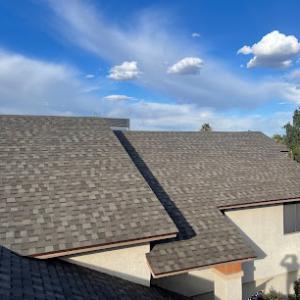
Castile Roofing - Peoria
(623) 624-8828 castileroofing.com
8940 W Bell Rd Suite B100, Peoria, Arizona
5.0 from 3 reviews
Castile Roofing is your go-to expert for all your roofing contractor needs in Surprise, Goodyear, Avondale, Peoria, Glendale, Sun City, or West Phoenix. We pride ourselves on our philosophy of doing what's best for the customer - there's no need to replace an entire roof when repair can solve the problem. Elastomeric roof coatings are our specialty! If you're in need of roof repairs, have a leak, or a roof replacement, we're the experts to call. From shingle to tile to flat roofs, our guys bring decades of experience with them to guarantee a solution to your roofing needs. Give us a call today for a free inspection or estimate, or even just to ask some questions about your roofing needs. Castile Roofing is always here to help.
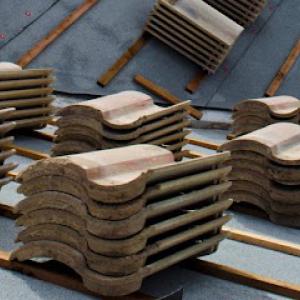
Arizona Native Roofing
(602) 348-6559 arizonanativeroofing.com
24008 N 104th Ave, Peoria, Arizona
4.2 from 6 reviews
Arizona Native Roofing has long been providing quality roofing services for residential and commercial interests in the Phoenix, Scottsdale, Paradise Valley, Tempe, Glendale, and surrounding areas for about nineteen years. As a roofing company, we offer a locally owned family business that's pleased with the persistent work we offer. We ensure we're providing the very best quality roofing money can buy. Our company would not still be in business if it were not for the belief for treating our customers as we would like to be treated, with honesty and ethics. We offer: Roof Repair, Tile Roofing Installation, Installing Shingle Roofing, Installation Of Walk Decks
The Phoenix-metro area is known for brief but intense storm cells, and Peoria homeowners are right in the middle of that risk. Hail and wind claims spike when a fast-moving cell sweeps across the valley, hammering tile, ridge components, flashings, and shingles. Those short bursts can cause missing granules, cracked tiles, or slipped flashing, yet the damage may not be obvious from ground level. In a district with a lot of tile and shingle roofs, one clean strike or a wind-driven downpour can trigger a cascade of issues that loosen seals and create entry points for water.
Because monsoon events are often localized, damage may appear days or even weeks after a storm, but the link to a specific storm matters for claims. Peoria homeowners should start with date-stamped photos the moment a storm passes. Capture wide shots of the roof and close-ups of affected areas, then note the exact storm date, wind direction, and observed hail size if visible. A quick video walking the roof edge, ridge, and penetrations helps when talking to your insurer or a contractor. When you can, schedule an inspection within 48 to 72 hours after a storm-timeliness strengthens the connection between the claim and the event and reduces the chance of secondary water intrusion going undetected.
Wind-driven rain during monsoon season can expose weaknesses around penetrations and transitions even when the roof looked serviceable during the dry season. Look closely at vent boots, skylights, chimney heads, and plumbing stacks for micro-cracks, lifted shingles, or loose sealant. In Peoria's heat, underlayment and low-slope transitions age quickly; the heat amplifies UV degradation, so a minor defect that seemed benign after a dry spell can become a leakage path after a monsoon downpour. Do not rely on exterior appearance alone-shingle edges can ride out a storm with the coating intact while the underlayment has already compromised.
Begin with a focused post-storm inspection after each event, prioritizing the most exposed areas: gables, ridge caps, and transitions into chimneys or vent penetrations. If any irregularities appear-lifted edges, granule loss, or unusual moisture staining-call a local roofing professional who understands the Valley's tile and shingle performance under extreme heat. Request a targeted inspection for wind-ridge and penetration points, and insist on a storm-accurate assessment that correlates findings to a specific monsoon date. Quick, precise documentation plus prompt professional eyes can prevent minor storm damage from evolving into major water intrusion or structural risk before the next monsoon cell arrives.
Connect with contractors who help homeowners navigate the claims process from damage assessment to final approval.
Allstate Roofing
(602) 620-2755 www.allstateroofingaz.com
30521 N 126th Dr, Peoria, Arizona
4.9 from 101 reviews
Sunland Development Corporation - Roofing Division (SDC Roofing)
(623) 330-2444 www.sunlanddc.com
9593 West Bellissimo Lane, Peoria, Arizona
5.0 from 38 reviews
Frontline Consultants & Contracting
(928) 252-6055 www.frontlineconsultantsllc.com
9162 W Cactus Rd D, Peoria, Arizona
4.6 from 217 reviews
In this market, cost variation by material is pronounced. Tile systems-especially clay and concrete-carry higher labor and accessory charges than asphalt because of tear-off, handling, and underlayment work. Asphalt shingles remain the baseline, but you'll see a noticeable jump when you move to concrete or clay tile, or to metal and synthetic options. The published ranges reflect typical Peoria projects, with asphalt from about 350 to 650 dollars per square and tile systems often topping the rest. You should expect tile to push the project toward the higher end of the spectrum once removal, waste disposal, and specialized underlayment are included.
Summer heat in the Phoenix area can reduce crew productivity and complicate scheduling, which can affect pricing and project timing in Peoria. Dry, hot afternoons slow work and increase fatigue, sometimes delaying tear-off and set-up. As a result, there can be a modest premium for heat-related delays or limited daylight windows during peak season. When planning, align replacement to earlier mornings and cooler weekdays to secure steadier labor rates and smoother progress. For tile and metal projects, extra handling and crane or ladder coordination can add to the daily cost.
Storm-driven demand spikes after monsoon wind or hail events in the Valley can tighten contractor availability in Peoria and push pricing upward for repairs and full replacements. After a severe storm, the best crews can book quickly, and gaps in supply chains for underlayment and flashing accessories can appear. If a replacement is on the books, locking in a preferred crew and material package before the late monsoon window helps stabilize both timing and price. Having a clear plan for tear-off versus overlay, and confirming waste disposal arrangements, reduces the risk of weather-driven cost surprises.
Get a clear picture of your project costs upfront - no commitment required.

Precision Roofing
(602) 456-0323 www.precisionroofingaz.com
8449 W Laurel Ln, Peoria, Arizona
4.9 from 209 reviews
Avila’s Roofing
(623) 455-0475 www.avilasroofing.com
8945 W Marconi Ave, Peoria, Arizona
4.8 from 17 reviews

A full roof replacement in Peoria generally requires a building permit through the City of Peoria Building Division. This isn't just a formality; it ensures that the work meets local codes adapted to the desert climate, including tile underlayment and venting considerations that are crucial in extreme heat. Knowing up front that a permit is part of the project sets expectations for timing and coordination with your contractor, especially since weather windows can influence scheduling.
Peoria permit applications typically require contractor and project information, and review times can stretch during busy periods or when roof geometry is unusual. When preparing to submit, have your contractor's license details, the exact scope of work, and any architectural or site plans ready. If your roof has nonstandard features-steeper pitches, unique tile configurations, or a complex roofline-you should anticipate a longer review. In practice, most homeowners find that keeping the design and installation team aligned with city requirements helps avoid delays. If the job involves attic space work, ventilation changes, or modifications to skylights, share those specifics with the building division early to prevent back-and-forth during the review.
Peoria commonly uses staged inspections such as pre-cover or rough inspection and final inspection, and the permit is not closed until required inspections pass. The pre-cover or rough inspection focuses on structural components, underlayment, and initial shell compatibility with the local heat and UV exposure. The final inspection confirms that everything is completed to code, including flashing, drainage, and any refinements required after the roof has been laid to ensure long-term durability against monsoon winds. Plan for possible follow-up visits if inspectors identify discrepancies or if changes occur mid-project. Coordinating with your contractor to schedule inspections promptly can help keep the project on track, especially in the heat of the late spring lead-up to monsoon season. Keep all permits, inspection notices, and contact information accessible on site so you can respond quickly if the city requests documentation or adjustments.
Although tile dominates many neighborhoods, the city also has a meaningful stock of low-slope roofs on patios, additions, multifamily, and commercial properties. Flat and low-slope roofs in these areas face a different set of challenges than high-pitch tiles: the sun is relentless, roof penetrations are concentrated, and edge details can leak first if flashing or drainage isn't meticulously maintained. In Peoria, you'll want to assess flat sections for weathered membranes, compromised seams, and any areas that pool water after a monsoon shower. If a flat section sits under components like skylights, HVAC curbs, or parapets, plan a targeted inspection schedule twice a year-once after monsoon season and once after the hottest months-to catch UV-driven wear early.
In the desert climate, reflective coatings are a common maintenance and restoration strategy for low-slope roof systems exposed to intense sun. If your roof is a built-up or single-pply membrane, a reflective coating can buy a season or two of additional performance by reducing surface temperatures and slowing membrane aging. The key is proper surface preparation: clean, dry, and free of debris; repair any blisters or punctures before applying. Choose a coating with a proven track record for the local UV exposure and ensure the coating color aligns with heat-reflective goals. Don't skip edge detailing or around penetrations, where heat can cause more rapid degradation.
Low-slope drainage details matter in this climate because monsoon downpours can overwhelm roofs that perform adequately during long dry periods. Verify that scuppers, internal drains, and roof-level gutters are clear and that membrane seams around penetrations are reinforced. Check for standing water within 48 hours after a storm; if water remains, address the slope or revise the drainage plan rather than waiting for a leak to reveal itself. In addition, ensure temporary measures are in place during the monsoon to shield vulnerable parapet-to-roof transitions from standing water, which accelerates wear on coatings and flashing.
For maintenance, schedule a mid-year inspection focusing on flashings, seams, and any wear around HVAC curbs. In Peoria's heat, UV exposure accelerates underlayment and flashing deterioration, especially on older or previously repaired sections. Consider staged upgrades to membrane or coating systems as a proactive measure, prioritizing areas with prior leaks or hail impact. Regularly verify that any coatings haven't detached at edges or penetrations, where sun and wind can lift material over time.
Find specialists in TPO, EPDM, and built-up flat roofing systems for residential and commercial properties.
Allstate Roofing
(602) 620-2755 www.allstateroofingaz.com
30521 N 126th Dr, Peoria, Arizona
4.9 from 101 reviews
Gen2Roofing
(602) 619-5648 www.gen2roofing.com
8544 W Laurel Ln, Peoria, Arizona
5.0 from 51 reviews
Glendale Roofing & Construction
(623) 937-2540 www.glendaleroofing.com
13352 N 83rd Ave Suite A100, Peoria, Arizona
4.2 from 46 reviews
Peoria's heavy solar adoption means reroof projects often contend with existing panel mounts and roof penetrations. You'll want a clear plan for where new underlayment and flashing will meet those penetrations to avoid chasing leaks on a hot summer day. On tile roofs common in this area, the flashing around each accessory-solar rails, racking, and skylight flanges-needs meticulous integration. The tile field itself can hide gaps until a monsoon wind pushes rain through the most vulnerable seams, so expect heightened attention at every point where a panel or skylight meets the roof.
Leaks on a tiled surface tend to develop at the connections around accessories rather than across broad stretches of ceramic or concrete. That means your roofer should treat flashing as the primary line of defense, not a secondary afterthought. In Peoria, heat and UV have already degraded underlayment in many existing installations; a careful, preemptive flashing strategy helps prevent the accelerated deterioration you might otherwise see after a few hot seasons. Expect dedicated detailing for corner pieces, edge seals, and counter-flashing where panels or skylights terminate along parapets or ridges.
Scheduling reroof work around solar detach-and-reset can materially affect project sequencing and downtime for homeowners. If your solar system requires partial detachment, plan for a staged approach that minimizes re-penetration and repeated disruption to living space. Local crews will often coordinate tile protection, temporary housing of vents, and selective access to panel mounts to keep the roof installation moving without introducing preventable leaks. Communicate a realistic timeline with the crew and consider contingencies for monsoon season, when any delay can translate into additional weather-related risk for an already vulnerable roof deck.
Find contractors who integrate solar panels or solar shingles into your roof for long-term energy savings.
Vizcom Contracting | Roofing & Restoration
(623) 225-7898 vizcomcontracting.com
Serving
5.0 from 129 reviews
After Valley storm events, the contractor market can feel crowded, and you'll likely encounter a mix of responders who rush in and out, and others who stay to stand behind their work. In Peoria, homeowners benefit from prioritizing teams that demonstrate prompt response, thorough debris removal, and the ability to complete a full re-roofing project rather than just patching spots. Look for crews that document their on-site cleanup, protect landscaping, and communicate a realistic schedule for each storm-driven phase. The moment a crew starts talking only about quick fixes, you're stepping into a tighter window where longer-term durability can suffer.
Tile and storm work are both common in this market, so you want crews with proven tile handling, emergency dry-in, and solid insurance documentation. Tile underlayment is a common failure point when heat, UV, and monsoons collide, especially after a storm knocks loose aging tiles. A capable team will inspect underlayment, seal around penetrations, and arrange for a dry-in that remains watertight while foam and sealant cure. Ask for references from recent tile reroofs and verify that crews carry general liability and workers' comp coverage. If a contractor can't show experience with tile roof systems in Peoria's climate, keep looking.
Established and family-run companies are notably common here, which aligns with homeowner preference for accountability during multi-stage reroof projects. These firms often provide clearer communication channels, written workmanship promises, and on-site leadership that stays through the entire process. When interviewing, request the project oversight plan: who manages the crew, how changes are approved, and how you'll be kept informed if weather or material delays arise. A steady, accountable team reduces the risk of stepping into a disjointed sequence of emergency repairs that never fully resolve the underlying issues.
Prioritize crews with demonstrated tile handling capabilities, reliable dry-in performance, and transparent documentation for insurance purposes. Expect a thorough assessment of underlayment and flashing, not just tile replacement. In a market where speed is tempting, insist on a proven plan that preserves long-term roof life rather than a hurried fix that leaves you vulnerable to the next monsoon.
Peoria homeowners comparing alternatives to traditional tile often look at metal and synthetic products for lower maintenance, different aesthetics, or weight considerations. In a desert climate built on tile-roofed neighborhoods, metal panels and synthetic shingles can offer a lighter, reflective option that reduces heat buildup near the attic and can simplify underlayment choices when a tile look is desired to stay in the neighborhood rhythm.
In the Phoenix-area sun, material heat performance, color retention, and long-term UV resistance matter more here than freeze-thaw durability. Metal and synthetic options tend to handle constant sun exposure better than some traditional asphalt or clay finishes. Lighter colors reflect more radiant energy, while durable coatings resist fading over time. You should expect some expansion or contraction with metal in extreme heat, so proper panel alignment and fastener spacing are essential.
If you want to preserve the tile vibe, you can choose metal or synthetic products that mimic tile profiles. Metal roofs can be installed with standing-seam or tile-appearance panels, while synthetics offer composite shingles or shake-like textures. Both typically require a compatible underlayment and ventilation plan designed for heat exposure, not for winter cycles. Your roofer can match underlayment ratings to the chosen system to minimize maintenance surprises.
Replacement decisions are often driven by whether you want to keep the neighborhood's tile look or move to a system with different maintenance and underlayment demands. In practice, many homes replace tile with metal or synthetics before monsoon season to avoid disruption during storms, and to benefit from updated sealants and ventilation. Regular checkups on flashing, ridge caps, and edge details help prevent heat-driven edge wear.
Choosing between metal and synthetic hinges on local priorities: weigh roof weight, wind resilience, and the tile look while lowering routine upkeep. Discuss panel coatings that resist sun glare and edge detailing to shed heat. A seasoned local contractor can map a heat-focused maintenance cycle aligned with your home's orientation and shade patterns for lasting performance in your roof.
Explore specialists in steel, aluminum, and standing seam metal roofs built to last 50 years or more.