
Last updated: Apr 19, 2026
In Glendale, the combination of Sonoran Desert heat and strong sun exposure pushes a roof's surface and attic temperatures to levels that make tear-off and installation tougher for crews and more stressful on materials. Full roof replacement often gets scheduled for the cooler months when the attic and roof surface are gentler on everyone involved. If a project must happen in the heart of summer, expect longer labor hours, more frequent breaks, and extra attention to heat safety for workers and temporary storage for materials. Planning a fall or late-winter replacement helps pacing, material handling, and the accuracy of any temporary roof protection or ventilation adjustments that are part of a smooth job.
The local monsoon pattern peaks roughly from July through September, and that window brings short-notice delays that can derail a reroof project. High winds can lift loose flashing or underlayment, blowing dust into open decks, and sudden rain exposure can force a temporary shutdown or a rushed, less-than-ideal installation sequence. If a reroof is already under way when a surprise storm rolls through, crews have to pause, tarp vulnerable areas, and re-sequence steps to avoid water intrusion and wind-driven debris on exposed decking. The rule of thumb here is to build a contingency plan into the schedule: longer lead times for material delivery, a defined fallback date, and a weather-watch protocol that triggers a temporary reprieve if a monsoon storm is forecast within 24 to 48 hours of planned high-work days.
Asphalt shingles in this climate show faster granule loss thanks to intense UV exposure and the abrasive effect of dust storms. That means color and surface texture can degrade noticeably within a single replacement cycle if the exposure is prolonged or if attic venting is insufficient. Tile roofs and their underlayment systems face stress from repeated heat cycling: the expansion and contraction of tiles and underlayment, coupled with intermittent high humidity from monsoon air, can accelerate wear at fasteners and seams. Underlayment continues to be a critical line of defense against moisture intrusion, so verifying its condition before, during, and after installation is essential in Glendale's heat and wind environment.
Begin with a cooler-season planning phase. If you can aim for late fall or winter, coordinate with your contractor to lock down the scope, choose materials suited for heat tolerance, and schedule a controlled tear-off with attic venting optimized for temperatures that are safer for both crew and materials. If summer is the only feasible window, set a conservative pace: stagger tear-off sections to avoid exposing large roof areas to peak heat, install temporary shade or reflective deck covers where possible, and align ventilation upgrades to ensure attic temps stay as low as practical during the workday. Before the project, verify that the chosen underlayment and flashing systems are rated for high-heat environments and for the potential dust and wind stress of monsoon-season installs.
On typical Glendale days, you'll see crews prioritizing shade and early starts to minimize heat exposure while maximizing daylight for inspection and installation tasks. Expect elevated attention to roof deck condition, especially around penetrations and edges where heat cycling and wind-driven debris can cause micro-damage over time. If a monsoon front approaches, the plan will shift toward securing tarps and re-scheduling non-critical steps. For homeowners, the takeaway is clear: align expectations with the season, stay flexible for weather-driven delays, and ensure the contractor commits to a comprehensive weather and ventilation plan that protects both the structure and the people working on it.
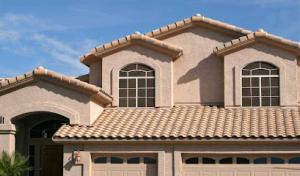
Across subdivisions, concrete and clay tile are especially common, but many leak problems come from aged underlayment, flashings, and broken field tiles rather than from the tile surface alone. In practice, a roof that looks solid may have a compromised underlayment course or flashing at hips, valleys, chimneys, or transitions to walls. In the Sonoran Desert heat, underlayment breaks down over time, and sealant joints shrink and crack with repeated summer cycles. You'll notice that high-heat days followed by sudden monsoon winds can push water into vulnerable seams even when tile tiles are intact. Regular inspections should focus on the underlayment condition, the integrity of metal flashing, and the 90-degree or wrap-around details where tiles meet vents and skylights. On many Glendale homes, a careful lift of a few tiles to peek at the substrate reveals more about the system's health than a cursory surface check. At least annually, or after a heavy storm, survey for cracked tiles, displaced fasteners, or visible mineral staining indicating moisture wicking through the underlayment.
Low-slope patio covers, additions, and some residential sections in Glendale often rely on foam, coated, or other flat-roof assemblies that need different maintenance than pitched tile or shingle roofs. These membranes can suffer from punctures, fisheyes, or wind uplift during the monsoon season, and edges or terminations at parapets and skylight flashings are common failure zones. In hot months, expansion and contraction stress the membrane lap seams and spray-applied coatings, so periodic resealing and patching are routine parts of upkeep. Unlike tile, these systems reveal their vulnerabilities through surface blisters, edge wrinkling, or pooled water around drains. A practical approach is to map out all flat areas on the home-patio covers, carports, and flat-roof additions-and set a maintenance cadence that targets seam integrity, corner purrs, and flashing transitions. When inspecting, pay special attention to flashings at penetrations and terminations; corrosion or loose fasteners in metal edge trim can lead to slow leaks that are easy to miss until a monsoon-downpour test.
Because tile and low-slope systems are both prevalent in this market, homeowners need estimates that separate tile reset or replacement work from underlayment, flashing, and coating scope. A Glendale-specific approach starts with a thorough diagnosis: confirm tile condition, verify underlayment age and type, and evaluate flashing around chimneys, vents, and wall penetrations. For low-slope areas, identify the exact membrane type, any coatings in place, and the condition of edge detailing and parapet sealants. When budgeting for repairs or reroofing, structure the plan so you can clearly distinguish what portion addresses tile work (resetting or replacing broken field tiles and re-laying a surface layer) from what portion targets the underlayment, flashing, and coating or resealing needs. This separation helps ensure timing aligns with the most urgent failures and minimizes the risk of water intrusion during the next monsoon season. In practice, coordinate a remediation path that prioritizes vulnerable flashings and underlayment first, then tackle tile or membrane surface work, so the roof remains protective through Glendale's extreme heat and storm cycles.
Find contractors who specialize in clay and concrete tile roofs, known for their durability and curb appeal.

ShowTime Roofing & Coatings
(623) 399-0727 www.showtimeroofingaz.com
Glendale, Arizona
4.9 from 175 reviews
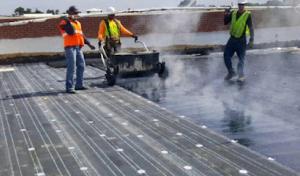
Premium Roofing
(602) 639-1637 premiumroofllc.com
14021 N 51st Ave suite 117, Glendale, Arizona
4.9 from 143 reviews
Select Roofing
(602) 525-4738 www.selectroofingaz.com
4702 W Lindner Dr, Glendale, Arizona
5.0 from 37 reviews

ShowTime Roofing & Coatings
(623) 399-0727 www.showtimeroofingaz.com
Glendale, Arizona
4.9 from 175 reviews
Showtime Roofing & Coatings is a family-owned, third-generation roofing company serving Phoenix, Surprise, Sun City, Scottsdale, Peoria, Anthem, and Glendale. With over 35 years of combined experience, we specialize in residential and commercial roofing solutions, including tile, shingle, shake, foam, and roof coatings. Our licensed and insured team is dedicated to delivering high-quality workmanship and exceptional customer service, ensuring your property is protected from Arizona's extreme weather conditions. Contact us today for a free estimate and experience the Showtime difference.
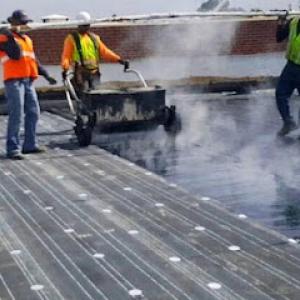
Premium Roofing
(602) 639-1637 premiumroofllc.com
14021 N 51st Ave suite 117, Glendale, Arizona
4.9 from 143 reviews
"Elevate Your Space with Premium Roofing Specializing in Residential and Commercial Roofing Excellence." Our Commercial Services: - Commercial Renovation - TPO - HOT MOP -MODIFIED BITUMEN - TILE/ SHINGLE/ METAL -FOAM -SINGLE PLAY - BUILT UP

Select Roofing
(602) 525-4738 www.selectroofingaz.com
4702 W Lindner Dr, Glendale, Arizona
5.0 from 37 reviews
Protect your largest investment with our reliable roofing services. We are a locally owned and operated roofing company currently serving Glendale, AZ and surrounding communities. If you want to make your roof last as long as possible, it is vital that you never put off a roof repair. Small issues with roofing become big issues in a hurry. No matter how major or minor the repair you need, we are here to help. We offer roofing contracting, roofing installation, and roofing repair.
Allstate Roofing
(602) 441-2237 www.allstateroofingaz.com
5019 W Vogel Ave, Glendale, Arizona
5.0 from 35 reviews
For reliable residential roofing services in Glendale, turn to Allstate Roofing. With over 40 years of combined experience, our Glendale roofing contractors specialize in expert tile roof installation, replacement, and re-roofing, delivering durable and high-quality results. We also provide professional foam and shingle roofing solutions, designed to withstand Arizona’s unique climate. As a family-owned company that is fully licensed and insured, we take pride in exceptional craftsmanship and customer satisfaction. Whether you're upgrading your roof or need a complete replacement, we’re here to help. Contact Allstate Roofing today for top-tier roofing services in Glendale!
Pro-Foam Roofing
(602) 299-1777 www.profoamroofingllc.com
Glendale, Arizona
5.0 from 22 reviews
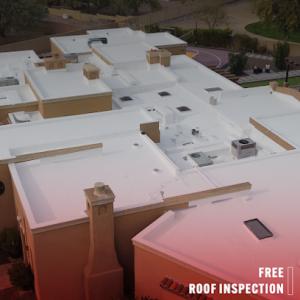
Pro-Foam Roofing is a “family-owned and operated.” Our roofing company service area includes Arizona Statewide. We are a company with over 20 years of foam roofing experience in Arizona. We are dedicated to delivering Hight-quality workmanship and providing top-rate roofing solutions. We are experts in commercial and residential roofing types, from foam, tile, shingle roofs, repairs. Our goal is to make sure your home or business roof exceed your expectations, in terms of craftsmanship, durability , affordability and excellent work ethic. That is why we offer not only free annual inspections, but the best warranty in the business, guaranteeing free repair and free re-roofing if needed, and also the best price for the highest quality."
Overson Roofing
(602) 962-1123 www.oversonroofing.com
Glendale, Arizona
4.9 from 28 reviews
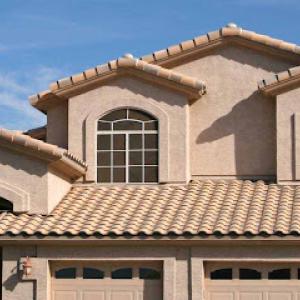
Overson Roofing provides quality roofing work in Phoenix with 30 plus years of professional experience. We understand what it takes to provide a roof that withstands the heat and weather of the Arizona sun. Our roofing experts are accomplished and we have built a knowledgeable team that supports a continuous A+ rating from the Better Business Bureau (BBB). We are the only roofing company to win the BBB Torch Award For Ethics in the last 10 years. As fully licensed, bonded and insured roofers we work with only the highest integrity and service. We have a flawless record from the Arizona Registrar of Contractors and are members of the National Roofing Contractors Association (NRCA), Arizona Roofing Contractors Association (ARCA)
Desert Canyon Roofing
(602) 628-9773 desertcanyonroofingllc.com
4638 W Palo Verde Dr, Glendale, Arizona
4.7 from 59 reviews
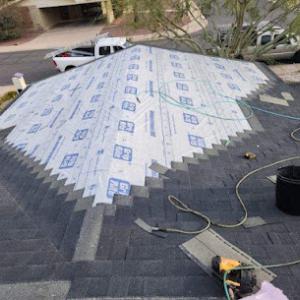
"Great Quality. Great Service. Great Value."
10x Home Advantage
(866) 380-6499 10xhomeadvantage.com
24466 N 53rd Ave, Glendale, Arizona
5.0 from 14 reviews
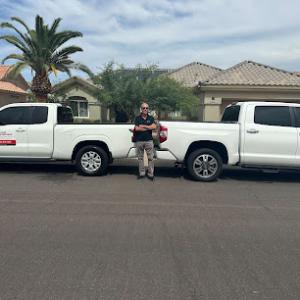
Trust 10X Home Advantage for seamless, professional care and unmatched home service expertise.
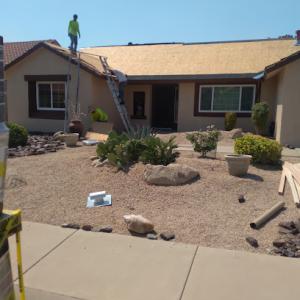
Phillips Roofing
(623) 873-1626 phillipsroofing.org
6122 N 55th Ave, Glendale, Arizona
4.5 from 60 reviews
Phillips Roofing, established in 2006, has provided reliable roofing services to the valley area for over 19 years. Our team of experienced roofers specialize in both residential and commercial roof repairs and roof replacements, ensuring lasting protection for your property. With a commitment to quality and customer satisfaction, they utilize top-of-the-line materials and advanced techniques, delivering tailored and effective solutions. Trust Phillips Roofing for reliable and professional roofing services designed to exceed your expectations and enhance the value of your home.
Simply Roofing Glendale
(623) 303-8767 simplyroofingco.com
9494 W Northern Ave, Glendale, Arizona
5.0 from 12 reviews
Simply Roofing Glendale offers high-quality roofing design and services in Glendale. We are seasoned roofers who deliver top quality and budget-friendly roofing services. Get in touch with us on +16233038767.
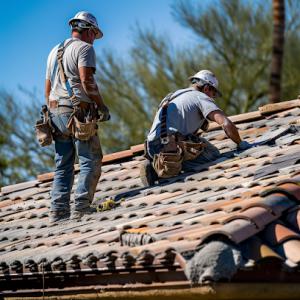
Papago Roof Replacement - Sunburst Farms
14246 N 50th Ln, Glendale, Arizona
4.9 from 12 reviews
Papago Roof Replacement - Sunburst Farms is a premier contractor in Glendale, AZ, offering a wide array of construction services tailored to meet the needs of both residential and commercial clientele. Recognized for our meticulous attention to detail and unwavering commitment to quality, we excel in new builds, customized remodels, and all-encompassing renovations. Our dedicated team of professionals employs the latest techniques and materials to ensure every project is a hallmark of durability and design excellence. Choose Papago Roof Replacement - Sunburst Farms for a seamless and superior building experience in Glendale.
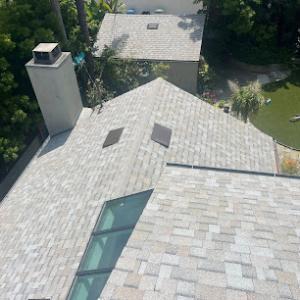
Pitch Pro Roofing
(480) 764-3136 pitchproroof.com
Glendale, Arizona
5.0 from 8 reviews
Welcome to Pitch Pro Roofing, your trusted licensed, bonded, and insured roofing contractor based in Phoenix Homesteads. Proudly serving the Phoenix area, we specialize in professional roofing services including Roof Repairs, Roof Replacements, New Roof Installations, Emergency Roof Repairs, and Fascia Services. We offer affordable roofing solutions and flexible financing options to fit your needs. Our team provides fast and accurate assessments to determine whether your roof requires a repair or full replacement. Contact Pitch Pro Roofing today for expert service and a free quote!
Glendale roofs are exposed to monsoon wind gusts that can dislodge tiles, lift shingles, and open vulnerable flashing details around penetrations and roof edges. Those gusts arrive suddenly, with little warning, and a single afternoon storm can turn a quiet rooftop into a cascade of leaks if flashing around plumbing stacks, vents, or skylights has already started to fail. The combination of heat-stressed underlayment and aging seals means minor vulnerabilities can become active problems within hours once the first wind-driven rain hits.
Wind-driven rain during monsoon storms can turn small underlayment failures into active interior leaks, especially on older tile roofs where the visible tile still looks serviceable from the ground. A tile that seems intact from curb appeal can hide a cracked or loosened underlayment underneath, and that hidden damage is what lets water bypass the tile layer and creep into attic spaces or ceilings. In practical terms, you may not see a leak until a storm is underway, then notice staining or feel a draft near a ceiling vent or edge of a wall. The risk is highest on roofs with mixed ages or where tile overlays have shifted over time, creating micro-gaps that water readily exploits.
Emergency response matters in Glendale because exposed decking or underlayment can deteriorate quickly after a summer storm if temporary dry-in is delayed. If a storm is underway or just finished, walk the attic access if safe to do so and look for fresh damp spots, unusual warmth, or a strong odor of damp wood. From the exterior, inspect flashing around chimneys, vent pipes, and roof edges-these are common failure points when wind twists tiles and lifts edges. If you observe active dripping, pooling on decking, or signs of water intrusion near penetrations, arrange rapid tarp coverage or a temporary dry-in to shield the interior while a professional assessment is arranged.
Strategically address known weak points before the next monsoon swing. Have flashing around penetrations resealed or upgraded to a continuous metal or properly integrated seal, and ensure edge metal and rake details are solidly fastened against gusts. For older tile roofs, prioritize underlayment and decking checks where visible tiles mask hidden wear. Establish a rapid-response plan with a trusted roofer: a phone call that leads to a same-day assessment and temporary protection can prevent weeks of interior damage. In high-risk neighborhoods, reserve readiness for post-storm evaluations is essential, because the clock on decking and underlayment deterioration ticks quickly after a summer deluge.
When you can't wait, these contractors offer fast response times to stop leaks and prevent further damage.
ShowTime Roofing & Coatings
(623) 399-0727 www.showtimeroofingaz.com
Glendale, Arizona
4.9 from 175 reviews
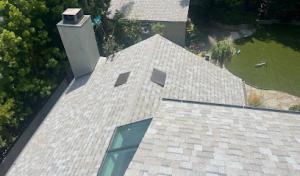
A permit is typically required in Glendale for a full reroof, and the city's Building Safety Department reviews reroof plans before work proceeds. This process helps ensure the roof can handle the desert heat, monsoon winds, and tile-specific waterproofing challenges. Before any materials are ordered or a crew arrives, verify that your contractor has pulled the permit in your name and that the project scope matches the approved plan. If the contractor cannot provide proof of the permit and plan submission, hold off on work.
The plan submittal should outline underlayment choice, flashing details, ventilation strategy, and how existing decking will be evaluated or repaired. In areas with tile roofs, the plan should show how waterproofing is addressed beneath the tile and around penetrations such as vents, skylights, and chimneys. Expect reviewers to look for continuity of underlayment, fastener patterns, and any needed repairs to damaged decking, since heat and moisture stress can reveal hidden issues.
Inspections commonly focus on underlayment installation, roof decking condition, and flashing details before final approval. On tile reroofs, much of the waterproofing is below the tile, so the inspector will pay close attention to how flashing is integrated with sidewalls, chimneys, and valleys. Coordinate with the contractor to ensure each phase is accessible for inspection, especially before tile set or flashing is concealed.
A final inspection is required to close the permit, so homeowners should confirm the contractor has scheduled and passed all required inspections rather than assuming the job is complete at installation finish. If a final pass isn't recorded, the project may remain technically incomplete and could affect warranty validation or future permits. Keep a copy of the final inspection report for your records and for any future repairs.
Asphalt shingles remain a practical option where budget and quick turnover matter, but Glendale's heat accelerates aging. In tile-heavy neighborhoods with mixed-slope roofs, reroofing often involves lift-and-reset labor to preserve nearby tile features, which pushes costs toward the upper end of the range. You'll typically see a per-square cost in the mid-to-upper zone, depending on complexity and crews' accessibility after a monsoon storm. If the underlayment is brittle or shows signs of heat damage once the old roof is lifted, expect additional line items for replacement of decking or tarping during work. In long, sun-baked stretches, fasteners and seals may need extra attention to keep vents and flashings reliable once the new layer goes down.
Metal offers a longer lifespan under Glendale's sun and occasional monsoon exposure, but roof forms influence price. Attached patio covers and attached-to-home sections can require integrated detailing where panels meet parapets or eaves, increasing labor time. Lift-and-reset isn't typically needed for metal, but if the existing deck or counterflashings show heat-induced deterioration, replacements may be required, pushing the project toward the higher end of the range. Expect tighter scheduling windows when post-storm demand spikes hit Phoenix metro crews, especially for complex, multi-slope layouts.
Clay tile reroofs in this market often sit at the high end of the cost spectrum. The primary drivers are tile fragility during removal, the need to reuse or replace cracked battens, and careful reinstallation over a compatible underlayment. In Glendale, heat can erode underlayment and flashings, so inspections after tear-off frequently reveal heat-damaged components that must be replaced. Lift-and-reset labor is common for large tile assemblies, and mixed-slope configurations add scope for precision detailing at hips, ridges, and transitions.
Concrete tile provides robust durability but comes with heavy handling demands in this climate. In many Glendale homes, gutters, vents, and parapet walls require careful re-seating and flashing work. Post-tear-off checks often uncover brittle underlayment or decking that needs replacement, especially after summer heat exposure. Expect lift-and-reset labor to appear for stair-stepped or multi-level rooflines, increasing the total cost relative to a simple single-plane reroof.
Wood options are less common but still present on older or stylistically specific homes. The heat of the season increases the chance of fastener corrosion and dry-rot behind the shingles, so wooden systems in Glendale may incur added decking and underlayment work if moisture damage is found after tear-off. Lift-and-reset labor is more likely on multi-section roofs with attached porches, which can elevate costs into the higher portion of the range when pine or cedar shake profiles are used.
Slate is the premium path in this market, often justified by longevity but costly to execute. In complex Glendale homes with tile-extensive or mixed-slope designs, slate reroofs demand meticulous handling to prevent breakage and careful reseating over reinforced decks. Heat-related decking damage is not unusual to encounter after removal, necessitating decking or underlayment refresh. Scheduling pressure from monsoon seasons can affect crew availability, contributing to lead times that align with the highest end of the price spectrum.
Explore specialists in steel, aluminum, and standing seam metal roofs built to last 50 years or more.
Premium Roofing
(602) 639-1637 premiumroofllc.com
14021 N 51st Ave suite 117, Glendale, Arizona
4.9 from 143 reviews
Tapia's Tuff Roofs
(602) 793-4117 tapiastuffroofsllc.com
4026 W Bluefield Ave, Glendale, Arizona
4.7 from 3 reviews
In Glendale, claim activity tends to rise after monsoon wind and hail events, so homeowners should photograph roof elevations, detached tiles or shingles, and any interior staining before temporary repairs begin. These images become crucial if adjusters are weighing sudden storm damage against older wear. Take wide shots of the entire roof as well as close-ups of damaged zones, and annotate dates on the photos to establish a clear timeline.
Arizona insurers generally still offer homeowners coverage, but Glendale-area storm claims are reviewed closely for preexisting wear versus sudden storm damage, especially on older roofs with visible heat aging. Heat aging can resemble storm impact in the eyes of an adjuster, so you must be prepared to demonstrate when damage actually occurred and what changed after the monsoon began. Clear comparison photos from before and after events help substantiate your case.
Contractor estimates, date-stamped photos, and a clear scope of damaged components are particularly useful in Glendale insurance reviews because adjusters may request documentation separating storm damage from prior deterioration. Keep a detailed list of affected roof sections, flashing, and underlayment, and ensure the scope aligns with the photos. If a temporary repair is needed, document exactly what was done and when, so the file shows a logical sequence from damage through remediation. This approach reduces back-and-forth and supports a straightforward claim review for monsoon-related incidents.
Connect with contractors who help homeowners navigate the claims process from damage assessment to final approval.
Premium Roofing
(602) 639-1637 premiumroofllc.com
14021 N 51st Ave suite 117, Glendale, Arizona
4.9 from 143 reviews
Select Roofing
(602) 525-4738 www.selectroofingaz.com
4702 W Lindner Dr, Glendale, Arizona
5.0 from 37 reviews
Concrete and clay tile remain strong choices because they fit the local architecture and handle desert sun well. They resist heat and UV exposure, which helps them keep color and shape longer than many other options. Homeowners should budget for underlayment renewal over the life of the roof, since the hot dry cycles and monsoon dampness stress the deck and flashings differently than in milder climates. When selecting tiles, look for profiles that shed heat and resist cracking in afternoon thunderstorms. In areas with heavy dust, choose lighter-colored finishes to reduce heat buildup and extend tile life.
Asphalt shingles are used in Glendale, but they generally face harsher UV aging and dust-related granule wear than in milder climates. The sun accelerates breakdown of the protective coating, and monsoon dust can settle into the granules, diminishing protection and increasing the need for earlier resealing or replacement. If asphalt is chosen, pairing a high-quality reflective shingle with a robust underlayment helps mitigate heat gain. Regular inspection after the monsoon season for loose or lifted shingles is especially important in this desert environment.
Metal roofing can be attractive for durability and heat performance goals, but material selection should account for neighborhood aesthetics and the roof's exposure to monsoon wind uplift. Standing-seam or concealed-fastener systems tend to handle wind better, which matters during monsoon storms with gusts. Choose coatings that reflect heat and resist hail impacts common in afternoon storms. Ensure the roof's slope and overhangs are designed to minimize water intrusion during heavy rain while keeping attic temperatures comfortable.
Across materials, aggressive sun and dust mean a robust underlayment and regular maintenance matter most. Favor roof systems that allow for periodic underlayment replacement without full roof removal, and plan for inspections after the monsoon season. Color choices that reflect rather than absorb heat can make a meaningful difference in attic temperature and energy use, and they complement the existing housing mix found across this valley.
Explore specialists in steel, aluminum, and standing seam metal roofs built to last 50 years or more.
Premium Roofing
(602) 639-1637 premiumroofllc.com
14021 N 51st Ave suite 117, Glendale, Arizona
4.9 from 143 reviews
Tapia's Tuff Roofs
(602) 793-4117 tapiastuffroofsllc.com
4026 W Bluefield Ave, Glendale, Arizona
4.7 from 3 reviews