
Last updated: Apr 19, 2026
Tile roofing is the strongest specialty signal in this area, matching the city's large inventory of clay and concrete tile homes in master-planned West Valley neighborhoods. Yet the real vulnerability sits just under the surface: the waterproofing layer that sits beneath the tiles. In many homes, that underlayment has aged out long before the tiles themselves show wear. When that happens, a seemingly solid roof can suddenly allow seepage during monsoon bursts or even a routine rain shower. If you're staring up at a patched or stained ceiling after a monsoon storm, the culprit is often the aged underlayment-not the tiles alone.
Monsoon storms deliver short, intense bursts of wind-driven rain that test every seam and transition. Areas that look fine from the ground can reveal weaknesses after a gusty downpour. Valleys and flashings are common flash points, but eaves and tile transitions are equally critical. Even when tiles appear intact, the underlayment beneath may be compromised at these joints, creating a pathway for water to travel unseen. Pay close attention to any signs of moisture along ridge lines, near skylights, and where tile courses change direction or meet wall planes.
Because tile roofs in this region often outlive their waterproofing layer, you'll notice leaks irregularly rather than with every rain. Stains on ceilings that don't align with a single roof tile spot, damp insulation around attic penetrations, and occasional musty odors are red flags. Look for dark streaks following a fast-moving rain front, or areas where shingles or tiles seem flush against but not sealing at a transition. In many cases, the first visible indicator is a damp ceiling near a vent, valley, or eave, with no obvious tile damage above it.
During monsoon season, weak spots become active quickly. A roof that looks sound after a sunny day can reveal multiple slow drips after a single gust of wind-driven rain. If a storm hits overnight and you wake to drips or damp spots in the morning, you're likely dealing with compromised underlayment or flashing, not a tile crack alone. Early action matters: catching underlayment leaks at the first sign of moisture can prevent widespread interior damage and expensive repairs later in the season.
Begin with a targeted attic inspection after a storm: look for damp insulation, staining around penetrations, and any pooling moisture near the lowest points of the roof deck. From the exterior, check for rust or deterioration at flashings, especially where valleys converge with walls or roof-to-wall transitions. In addition, inspect tile transitions where one course overlaps another and along eave edges where water can creep underneath. If you notice recurring damp spots that don't track with a single tile line, that's a strong signal to assess the underlayment condition. When in doubt, bring in a local roofer who understands how monsoon-driven winds stress West Valley tile systems, and request a focused underlayment evaluation rather than only a tile integrity check. Immediate attention to aging underlayment can avert a larger leak episode during the next monsoon front.
Find contractors who specialize in clay and concrete tile roofs, known for their durability and curb appeal.

All About Roofing
(602) 500-0652 allaboutroofing.com
13260 W Foxfire Dr unit 10, Surprise, Arizona
4.9 from 937 reviews
Koala-T Roofing
(602) 348-6127 koalatroofing.com
30304 N 163rd Ave, Surprise, Arizona
4.9 from 98 reviews
Spearhead Contracting
(602) 680-9510 spearheadcontractingaz.com
13954 W Waddell Rd Ste 103 #474, Surprise, Arizona
5.0 from 24 reviews

All About Roofing
(602) 500-0652 allaboutroofing.com
13260 W Foxfire Dr unit 10, Surprise, Arizona
4.9 from 937 reviews
All About Roofing is a local, family-owned roofing contractor serving Surprise and the West Valley. With over 10 years of experience, we specialize in roof repairs, replacements, and custom builds for homes and businesses. We’re licensed, bonded, insured, and known for 5-star service you can trust to protect your biggest investment.
Koala-T Roofing
(602) 348-6127 koalatroofing.com
30304 N 163rd Ave, Surprise, Arizona
4.9 from 98 reviews
Koala-T Roofing is a trusted roofer in Surprise, AZ, offering professional roofing service for both residential and commercial needs. As a licensed and insured roofing contractor, we specialize in roof repair, roof replacement, roof installation, and roof leak repair. Our team provides expert shingle roofing, tile roofing, skylight repair, and skylight replacement, ensuring durability and quality craftsmanship tailored to Arizona’s climate. Whether you need a roof inspection, emergency roof repair, or a complete roofing upgrade, Koala-T Roofing is the roofing company you can count on. With over 20 years of experience, we proudly serve Surprise, Sun-City, Sun-City West, Glendale, Avondale, & beyond. Contact us today to learn more!
Spearhead Contracting
(602) 680-9510 spearheadcontractingaz.com
13954 W Waddell Rd Ste 103 #474, Surprise, Arizona
5.0 from 24 reviews
We are a family-owned business that has been providing residential and commercial roofing services in Phoenix, and its surrounding areas. Our craftsmanship, excellent materials, and work ethic are a tribute to our years of experience and great client satisfaction. For a free estimate, give us a call today! SE HABLA ESPAÑOL!
Elite Exterior Solutions
17336 W Patrick Ln, Surprise, Arizona
5.0 from 22 reviews
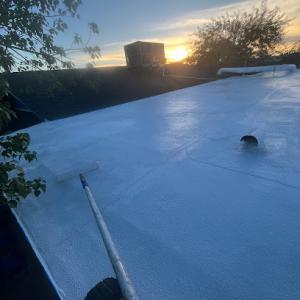
-Partial and full Roof repairs of all kinds -Specializing in flat roof sealing and coating -All jobs come with a warranty -Competitive rates and pricing -Special pricing for military and senior citizen offered -All estimates are free of charge, no commitments required -Family Owned company serving and caring for other families in the area with ethics in mind.
Surprise Roofing Repair & Replacement
(623) 439-5062 www.roofing-surprise.com
Surprise, Arizona
5.0 from 17 reviews
Surprise Roofing has been providing professional roofing contractor services to Surprise AZ for many years. We are one of the most established and trusted names for roofing services in the valley, and are accredited by the Better Business Bureau. We offer some of the best roofing warranties in Surprise, because we stand behind the quality of our work. Surprise Roofing is the best choice for commercial roofing projects in Goodyear AZ. With over 25 years in the roofing business, we know the pros, cons, strengths, and weaknesses of every type of commercial roofing and commercial roofing system available to protect your Surprise AZ business. We have a dedicated Surprise AZ roof leak repair team standing by when Surprise gets wet. We will re
Elite Construction Service
(562) 712-1506 eliteconstructionservicesinc.com
16112 N 138th Dr, Surprise, Arizona
5.0 from 2 reviews
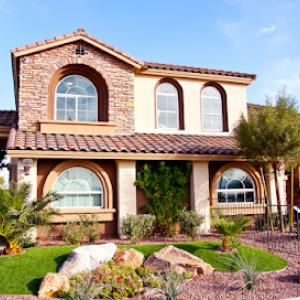
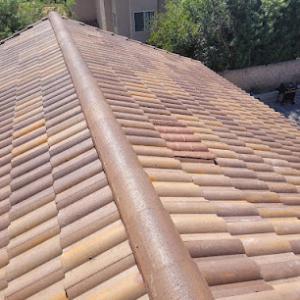
At Elite Construction Service, our expert team specializes in comprehensive roofing solutions including roof installation, roof repair, and roof inspection. We serve customers across Surprise, AZ, and nearby areas like Phoenix, Scottsdale, Glendale, and Mesa. Our skilled professionals are dedicated to delivering top-notch service with a focus on quality and customer satisfaction. We ensure your roofing needs are met with precision and care. Trust Elite Construction Service for all your roofing contractor needs in the greater Arizona area.
America Roofing - Surprise
(623) 404-0924 www.americaroofingco.com
Surprise, Arizona
5.0 from 1 review
America Roofing specializes in Commercial and Residential New Roofing, Re-Roofing, Roof Inspections and Roof Repairs. We are Arizona's best roofing company! If you need a New Roof in Surprise, Roof Repair in Surprise or a Roof Inspection in Surprise - call us or request a free online estimate today!
Glendale Roofing Pros - Roof Repair & Replacement
(602) 753-5333 glendaleazroofing.com
Serving
5.0 from 24 reviews
Professional Glendal Arizona Roofing Glendale Roofing has been providing professional roofing contractor services to Glendale AZ for many years. We are one of the most established and trusted names for roofing services in the valley, and are accredited by the Better Business Bureau. We offer some of the best roofing warranties in Glendale, because we stand behind the quality of our work. In the unlikely event that you need to utilize your roof’s warranty, you can rest easy knowing we’ve been in business for over 25 years, so we will still be around to make sure your home or business is protected. If you need a new roof in Glendale installation, roof leak repair, roofing maintenance, commercial roofing industrial roofing residential roofing
Armored Roofing
(623) 242-7122 www.armoredroofingusa.com
Serving
4.9 from 258 reviews
Armored Roofing is a trusted roofing contractor proudly serving Sun City, AZ. We specialize in a wide range of roofing services, including insurance claims, flat roofs, new roof installations, and metal roofing. Whether your property has suffered water, fire, storm, or hail damage — we’ve got you covered. Our team offers free estimates for small repairs and free inspections for larger projects. At Armored Roofing, we’re dedicated to delivering reliable workmanship, quality materials, and exceptional customer care. We look forward to continuing to serve the Sun City community and invite you to contact us today for your free estimate!

Precision Roofing
(602) 456-0323 www.precisionroofingaz.com
Serving
4.9 from 209 reviews
Precision Roofing is the premier roofing company for all of your roofing needs. As a top-rated roofer, we specialize in roof repair, roof replacement, commercial roofing, and residential roofing services. Our team of experienced and skilled local roofers is dedicated to providing exceptional quality workmanship and superior customer service. We service Scottsdale, Phoenix, Mesa, Tempe, Peoria, Glendale, and the entire Valley. We prioritize customer satisfaction above all else, ensuring that every project is completed to the highest standards. Our roofing contractors are committed to delivering top-notch results, no matter the size or scope of the job. Contact us today for a free estimate for your roof repair or your roof replacement.
Gen2Roofing
(602) 619-5648 www.gen2roofing.com
Serving
5.0 from 51 reviews
Gen2Roofing LLC is a licensed and bonded second-generation family operated business. Our mission is to provide 100% quality, satisfaction, and reliable roofing services every time! With over 20 years of experience, we offer inspections, maintenance, repairs, and/or whole new roofs. We work with tile, shingles, and flat/patio roofs. No roof too big or small.

Frontline Consultants & Contracting
(928) 252-6055 www.frontlineconsultantsllc.com
Serving
4.6 from 217 reviews
Family owned and operated roofing company who makes are clients #1. We can help with all your roofing needs and storm damage to your property. Frontline Consultants & Contracting provides homeowners and business owners throughout the Metro area with top-quality roofing and renovation services.
Monsoon season in this desert corridor brings brief but intense summer rain and gusty outflows that can turn small roof defects into active interior leaks in a single storm. A tiny gap under a tile, a torn underlayment patch, or a blistered seam can become a rapid entry point once the wind drives rain through, especially with tiles that have aged underlayments. Surprise homeowners face a pattern where a minor rain event today can become a drip-down-the-wall problem tomorrow if a tarp isn't in place fast enough. The practical reality is simple: if you notice a bid for rain in the forecast, you should treat any rooftop vulnerability as an immediate weather-sensitive issue, not a project postponed until the week after.
Emergency tarping is not optional when a storm is imminent or already underway. The goal is to create a temporary dry-in that buys you hours to days, not weeks. The best approach is a sturdy, properly anchored tarp that covers the implicated roof area and extends well beyond the failure zone to prevent wind uplift. In practice, that means securing tarps to solid eave lines or nearby framing and using heavy-duty fasteners, weighted edges, and attention to wind direction. If leaks are already visible, place the tarp to channel water away from electrical fixtures and ceilings, and avoid creating a new point of water entry. The fastest path to reliability is to have a plan: a pre-arranged tarp kit, a couple of trained helpers, and a contact list for a local, 24/7 emergency crew who can respond the same day when monsoon storms slam through.
Scheduling can tighten quickly during regional storm bursts because Surprise competes with the broader Phoenix metro for crews after wind and hail events. When a major cell moves through, you're competing with urgent calls from neighboring towns for the same day tarp and dry-in service. To improve odds, establish a preferred responder and keep a ready-to-go tarping kit accessible, with a clear plan for securing it around the ridge lines and tile overlaps. If you spill water or see active drips, do not wait for a perfect weather window; call for help now, because a rushed tarping job done right today can prevent hours of interior damage tomorrow. In this market, the difference between a minor emergency and a major repair often comes down to swift, decisive action within the first few hours of a storm.
When you can't wait, these contractors offer fast response times to stop leaks and prevent further damage.
Koala-T Roofing
(602) 348-6127 koalatroofing.com
30304 N 163rd Ave, Surprise, Arizona
4.9 from 98 reviews

Glendale Roofing Pros - Roof Repair & Replacement
(602) 753-5333 glendaleazroofing.com
Serving
5.0 from 24 reviews
The West Valley sun hammers roofs with extreme intensity, and in tiled systems the underlayment often bears the brunt long before the tiles show obvious wear. In these homes, underlayment can dry out, crack, or shed its protective sheath faster than in milder climates. Sealants on vent penetrations and around flashing zones also age more quickly when exposed to consecutive summers of high UV exposure and blistering heat. Expect that tiles themselves may still look fine while the layer underneath has already weakened, setting up leak risk during the next monsoon or a sudden rain event. This means proactive checks during the hottest months matter, not just after a storm.
Monsoon storms bring wind-driven rain that tests those aged underlays and fasteners. After a major storm, walk the roof if you can safely do so or have a pro inspect for lifted or damaged tiles, compromised underlayment, and any gaps at flashing and vents. Look for corrosion or looseness along hip lines and ridge areas, where wind can peel back edges and expose vulnerable seams. In practical terms, you want to verify that the underlayment remains securely stapled or fastened, that sealants around vent pipes and plumbing stacks aren't cracked, and that ballast or tiles haven't shifted enough to pull at the underlayment beneath. Stronger rainfall events may reveal slow drips into attic spaces-track any staining on the ceiling and identify the corresponding roof area for targeted repairs.
Winter in the desert brings cooler mornings and brisk nights that stress sealants and fasteners that have endured months of sun. Over years, this cycle can cause micro-fractures in sealants and reduce fastener grip, especially on older roofs already compromised by UV exposure. For tile systems, this can translate into more frequent micro-leaks around penetrations or along flashing if the fasteners have loosened. A practical approach is seasonal checks: inspect during a mild day when the roof is safe to access, focusing on around vent stacks, skylights, and edge metal where fasteners meet the underlayment. If you notice any movement, swelling, or loose tiles, treat it as a signal to re-seal or reseat those areas before the next monsoon.
Given Surprise's climate, consider cooler replacement windows as part of long-term roof quality. High deck temperatures can complicate installation quality and worker productivity, potentially affecting the integrity of flashing, sealants, and the edge details during the project. If replacing windows near the roof line, coordinate installation so that roof penetrations and flashing are not left exposed during peak heat, which can accelerate aging of exposed sealants. In practice, plan projects for cooler months when possible, and ensure crews have shelter and cooling to maintain precision in flashing and underlayment work.
Develop a simple calendar: spring moisture checks after the monsoon, mid-summer quick roofwalks by a pro, and late-fall sealant inspections at penetrations. Prioritize areas around vents, chimneys, and transitions from tile to flashing. Keeping these zones tight reduces the likelihood of heat-accelerated degradation turning into a mid-winter leak. In this climate, a little timely attention beats a larger repair later.
The West Valley desert heat combined with monsoon-season rain creates unique demands for a home roof. In this area, the roof system must endure relentless sun exposure, temperature swings, and sudden, intense downpours. The dominant residential materials in Surprise are asphalt shingles, metal roofing, clay tile, concrete tile, synthetic/composite shingles, and aluminum roofing. This mix reflects both cost considerations and the local preference for long-lived performance under a heating, drying climate. Tile profiles-especially concrete and clay-are particularly popular because they handle heat well and align with Southwestern architectural cues already common in many subdivisions. The underlayment beneath any roof must stay sound long after the tiles themselves begin to age, since monsoon winds can drive rain through smaller gaps if the underlayment is compromised.
Asphalt shingles remain a common entry point for homeowners where HOA design rules permit, offering straightforward installation and familiarity. However, in Surprise, performance hinges on the condition of the underlayment, which ages faster under persistent sun and occasional storm-driven rain. Metal roofing, including aluminum options, is a growing choice for heat resistance and longevity. Metal panels shed heat efficiently and can reduce cooling loads, while their seam-based construction can resist wind-driven rain when properly installed. Clay and concrete tiles provide excellent longevity and a weathered look that suits the neighborhood aesthetic; they also carry the weight and drainage considerations typical of tile systems, including the need for a robust deck and appropriate underlayment. Synthetic/composite shingles offer a compromise between weight, cost, and resilience, often handling heat well while presenting varied styles. Each option benefits from a roof deck and underlayment designed to tolerate age-related wear and the monsoon cycle.
Tile remains especially relevant locally because many Surprise subdivisions were built with Southwestern-style rooflines that commonly use concrete or clay profiles. For homes with tile, keep an eye on the fasteners and flashing around chimney stacks, skylights, and transitions to walls, as these areas often bear the brunt of monsoon winds. A well-chosen tile roof paired with a durable underlayment minimizes the risk of slow leaks during monsoon storms and mitigates panel-to-deck movement that can occur as tiles age.
Heat-driven expansion and contraction stress the roof assembly, so regular inspection afterward the hottest months helps catch underlayment aging before leaks appear. For homes with metal or aluminum roofs, ensure seals at penetrations and ridge caps remain intact, as those seams can become vulnerable in monsoon-season gusts. With tile, the emphasis shifts to checking for broken or loose tiles, proper alignment, and ensuring that the underlayment beneath is still providing a continuous barrier. In Surprise, adopting a proactive maintenance routine keeps all roof types performing well through the area's distinctive blend of sunshine and seasonal rain.
Find contractors who specialize in clay and concrete tile roofs, known for their durability and curb appeal.
All About Roofing
(602) 500-0652 allaboutroofing.com
13260 W Foxfire Dr unit 10, Surprise, Arizona
4.9 from 937 reviews
Koala-T Roofing
(602) 348-6127 koalatroofing.com
30304 N 163rd Ave, Surprise, Arizona
4.9 from 98 reviews
Spearhead Contracting
(602) 680-9510 spearheadcontractingaz.com
13954 W Waddell Rd Ste 103 #474, Surprise, Arizona
5.0 from 24 reviews
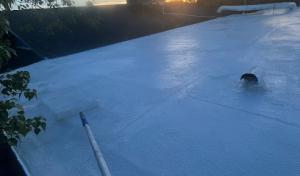
Flat-roof specialization is meaningfully present in Surprise, which is relevant for patio covers, additions, porches, and low-slope sections attached to otherwise pitched homes. Those areas endure different wear than the main tile or shingle field, and that distinction shows up in drainage, coating compatibility, and seasonal performance. Treat flat or low-slope sections as a separate systems area when planning repairs or replacements.
Desert dust and monsoon debris can collect on low-slope areas and interfere with drainage during intense summer downpours. Start with a quick, practical walk-around after a monsoon storm to check for standing water in any flat sections or along edges. Gutters and scuppers should be clean and free of obstructions, with downspouts directing water away from the foundation and into approved drainage paths. If you notice persistent ponding, that area may require improved slope, better grading, or additional drainage devices such as scupper outlets or internal drains. Keep flat areas free from loose debris after each monsoon to reduce clogging and accelerate drying.
Low-slope sections in Surprise often need separate attention from the main tile or shingle field because ponding and coating needs differ from steep-slope roof maintenance. Inspect coatings, seams, and flashing as a dedicated task for these areas. Look for blisters, cracks, or edge delamination where the coating meets parapets or walls. On these sections, compatibility between underlayment, coatings, and any applied membrane is critical to long-term performance. If there is exposed decking or a fiberboard underlayment, address moisture intrusion immediately, as this can accelerate decay in the dry desert heat during the hottest months.
Choose flat-roof materials and protective coatings with proven performance in heat, dust, and monsoon cycles. For covered patios and low-slope porches, a coating system that resists UV degradation and allows for thermal expansion is essential. In areas prone to seasonal temperature swings, ensure the selected system accommodates expansion without cracking or losing adhesion. When an older flat section shows signs of aging under the coating, plan for a targeted refresh rather than a full roof replacement for the entire area, if feasible.
Begin with a visual inspection of the surface texture, drainage paths, and perimeter flashing. Check for alligatoring, membrane splits, or lifted edges along the parapet walls. Use a simple moisture test in suspected zones-press gently to see if the surface yields or if moisture is present between layers. For ponding zones, assess whether improving slope or adding a secondary drainage path is more effective than a patch repair. When professional help is needed, hire a contractor who specializes in low-slope and flat-roof systems and understands monsoon-season demands and desert dust exposure. Regular maintenance-cleaning, resealing, and prompt repair of any breaches-extends service life and reduces the risk of ponding-related leaks during the next monsoon.
Find specialists in TPO, EPDM, and built-up flat roofing systems for residential and commercial properties.
All About Roofing
(602) 500-0652 allaboutroofing.com
13260 W Foxfire Dr unit 10, Surprise, Arizona
4.9 from 937 reviews
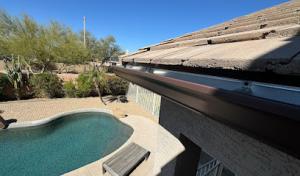
Typical local pricing runs about $350-$700 per square for asphalt shingles, $700-$1300 for metal roofing, $1100-$1800 for clay tile, $900-$1500 for concrete tile, $420-$800 for synthetic/composite shingles, and $800-$1400 for aluminum roofing. In this market, the visible roof is often the easiest part to price, but the underlayment and tile handling drive the total job. Expect higher figures where decking or underlayment needs replacement and where existing tiles must be lifted and reset rather than simply slid aside.
Costs in Surprise are strongly shaped by tile handling and underlayment work, since many homes require lifting and resetting existing tile rather than simply replacing the visible roof covering. If tiles are reused, labor times can rise, and if the underlayment has aged out, a full or partial replacement is more common. Factor in potential additional costs for temporary protection during work and for resealing around chimneys, vents, and skylines.
Monsoon-season demand spikes across the Phoenix metro can raise wait times and labor pressure, while cooler-season scheduling is often preferred because extreme summer heat complicates installation. If planning ahead, target a window outside the peak monsoon months to avoid delays. For tile-heavy roofs, coordinated access and staging can shave days off the project and reduce weather-related risk.
Get multiple, local bids that detail underlayment, tile lifting/reset, and any decking work. Ask for a breakdown: material type, labor hours, tile handling specifics, and any needed underlayment replacement. Consider phased replacement if the underlayment is sporadically aged, so the project stays manageable and weather-safe. Finally, choose a contractor with proven experience on tile systems common in Surprise homes.
Get a clear picture of your project costs upfront - no commitment required.
Spearhead Contracting
(602) 680-9510 spearheadcontractingaz.com
13954 W Waddell Rd Ste 103 #474, Surprise, Arizona
5.0 from 24 reviews
America Roofing - Surprise
(623) 404-0924 www.americaroofingco.com
Surprise, Arizona
5.0 from 1 review
A roofing project in this area follows a clear path: the City of Surprise Building Department handles permit issuance and assigns the inspections. The process is not something to skip or shortcut, because the approval trail is what keeps a roof resilient against our desert heat and sudden monsoon deluge. Your chosen contractor should understand that the permit is not a formality, but a binding part of the work that ties everything from underlayment to final completion to a formal review.
Local inspections commonly occur during the installation and again after work is complete. Expect activity both mid-process and at the end, with inspectors checking critical details that matter in this climate. In this city, a delayed or missed inspection can stall the project, leave issues unaddressed, and expose you to unnecessary risk when monsoon winds sweep in. Plan for these touchpoints and coordinate access for the inspectors so the process doesn't become an unexpected obstacle.
During installation, inspectors pay close attention to underlayment condition, correct nailing pattern, roof ventilation, and how the final layers are integrated with proper flashings and penetrations. In a hot, windy environment like this, improper underlayment aging or a rushed nailing schedule can lead to leaks after a monsoon or heat accumulation under the tile system. A thorough check of ventilation helps prevent moisture buildup that can damage the roof deck and tiles over time.
Because inspections are part of the local process, homeowners in this area should verify that the contractor is licensed and, crucially, is the party actually pulling the permit. If the permit is held by a different tradesperson or a non-performing contractor, you risk gaps in warranty coverage, delays, or failed inspections. Confirm upfront who is responsible for the permit, who will be on site for the inspections, and that all required documentation is accessible during the review.
In this desert basin, hail and wind events pop up with enough regularity to trigger storm claims, and the paperwork trail can make or break a settlement. The insurance environment around the Phoenix metro expects clarity: clear evidence of what was damaged, how it was addressed, and what remains at risk. When a storm hits, the clock starts ticking on documentation, and missing details can slow or jeopardize a claim.
Insurers in this region may ask for permit records, attic ventilation photos, and a detailed scope of work before settling a roofing claim. That means organizing photos and notes before the adjuster arrives is not just helpful-it's prudent. A well-documented file helps translate visible damage into a defensible repair plan, especially when underlayment aging or concealed leaks are suspected under tile.
Tile roofs can hide underlayment-related failures, so photos matter more than you might expect. Capture both obvious storm impacts-like dented or displaced tiles-and the pathways where leaks could travel behind the scenes. Take attic shots that show eave lines, ventilation continuity, and any signs of moisture or staining. A thorough sequence of images reduces guesswork and supports a precise scope of work.
Before calling a contractor or filing a claim, photograph the entire roof surface, all eaves, and the attic access. Note any moisture stains, mold, or darkening near fasteners or tile laps. Keep a simple, dated log of weather events and observed changes. If a question arises later, this trail can help you demonstrate what deteriorated or failed since the last notable storm.
Connect with contractors who help homeowners navigate the claims process from damage assessment to final approval.
All About Roofing
(602) 500-0652 allaboutroofing.com
13260 W Foxfire Dr unit 10, Surprise, Arizona
4.9 from 937 reviews
Koala-T Roofing
(602) 348-6127 koalatroofing.com
30304 N 163rd Ave, Surprise, Arizona
4.9 from 98 reviews
Spearhead Contracting
(602) 680-9510 spearheadcontractingaz.com
13954 W Waddell Rd Ste 103 #474, Surprise, Arizona
5.0 from 24 reviews
Solar roofing has an active niche in the desert heat, fitting the intense sun exposure and the broader Phoenix area's high solar adoption. When considering a solar array on a tile roof, start with a close look at the tile layout and the underlayment condition. In Surprise, older underlayments can age out under heating cycles and monsoon moisture, so ensure the installer checks for hidden gaps or failed fasteners beneath the mounting rails. Choose mounting hardware that distributes load without concentrating stress on individual tiles, and request that flashings be integrated with clean, continuous sealant transitions where the roof meets the panels. A seasoned local installer will plan for seasonal monsoon wind-driven rain by detailing edge seals and ensuring the array does not create pressure points that could pry tiles loose. After installation, verify that the penetrations for wiring and racking are flashed with compatible materials to tolerate high daytime temperatures and rapid cooling at night.
Skylight service is a meaningful specialty locally, important because penetrations become common leak points during monsoon rain if flashing ages or was installed poorly. In homes with tile roofs, skylight flashings must be set flush with the tile plane without cracking surrounding tiles. Pay attention to cured sealants around the curb and the crown flashing; improper sealing can crack tile edges or allow infiltration behind the underlayment. For replacements, request a curb with a properly pitched surface and high-quality flashing that locates the sealant away from direct heat. Ensure that the flashing integrates with the tile pattern so no tile is bent or chipped during service. A proactive check after heavy storms helps catch slow leaks before they spread into attic spaces.
On tile-heavy roofs, solar mounts and skylight flashings require careful detailing so repairs do not crack tiles or compromise the underlayment below. Have the contractor document tile compatibility for any penetrations and insist on minimal tile cutting. Regular inspections after monsoon season are advisable to spot aging flashing and sealant failures early.
Find contractors who integrate solar panels or solar shingles into your roof for long-term energy savings.
All About Roofing
(602) 500-0652 allaboutroofing.com
13260 W Foxfire Dr unit 10, Surprise, Arizona
4.9 from 937 reviews

Advanced Quality Roofing
(602) 918-5446 www.advancedqualityroofingaz.com
Serving
4.8 from 36 reviews
Re-roofing is one of the strongest market signals in this area, so homeowners are often hiring for full replacement rather than only minor repairs. Tile systems carry aging underlayment that hides itself until the heat and monsoon rains push it toward failure. Your crew should understand that urgency and plan for a robust, long-lasting solution, not quick fixes.
You want a crew that will treat underlayment age as part of the decision to re-roof. Ask how many tile re-roofs they have completed in the last two years, and specifically how they address underlayment replacement, drip edges, and flashing around vents and chimneys. In Surprise, the wind-driven monsoon pattern makes proper sealing non-negotiable. Request a brief walk-through of their recommended stack: roof deck prep, underlayment type, tile attachment method, and how they manage ventilation and attic heat.
Quick response during the installation window is essential, and cleanup should be spotless. Monsoon debris and desert dust can interfere with post-construction finish if not cleared promptly. Ask for a firm expectation of on-site pace, daily site cleanup, and a defined end-of-day checklist. A reputable crew will provide you with a written plan for tarp protection, debris containment, and a practical route for material staging so neighbors aren't tripping over debris.
Established and family-owned residential contractors are common in this market, which matters for warranty support and follow-through after inspections. Inquire about both workmanship and material warranties, what those warranties cover, and how service requests are handled if you notice issues after installation. Request references from nearby homeowners with similar tile systems and recent monsoon seasons, and contact them about responsiveness and problem resolution.
Look for a crew that offers clear, practical explanations of tile underlayment aging, a realistic plan for monsoon-ready detailing, and a promise of clean, respectful work habits. A trustworthy team will provide a written project schedule, a day-by-day plan, and a dedicated point of contact for questions during and after the re-roofing process.