
Last updated: Apr 19, 2026
Monsoon season in this market brings heavy rain, fierce wind, and debris that can lash exposed roof edges in a matter of minutes. Hail and wind events are common triggers for roof-related claims, and the pressure to respond fast from insurers is real. An urgent priority is recognizing when damage is likely present even if leaks aren't obvious. Missing early signs can escalate into bigger problems, especially for tile-heavy roofs where edge damage or missing granules invites ongoing water intrusion.
After a mid-year storm, walk the perimeter with a flashlight during daylight to spot missing or cracked tiles, lifted edges, and flashing gaps around vents and chimneys. In Avondale, clay and concrete tiles are popular, and those shapes can crack or shift under sudden wind gusts. Displaced debris, granule loss, or dark stains on ceiling paint inside the attic signal active leaks. If you notice damp ceilings, moldy odors, or sudden indoor temperature changes after a storm, treat it as a possible active leak and document immediately.
Insurers in this market frequently ask for roof age, prior repair history, and detailed photo documentation. Before an adjuster arrives, gather clear photographs of all roof surfaces, close-ups of damaged tiles, and wide shots showing the overall roof condition. Capture attic photos if visible signs exist, highlighting any water staining, condensation, or warped insulation. Create a simple dated log of when you observed issues, what weather events preceded the damage, and any immediate steps you took to mitigate leaks. Keeping pre-storm records of tile types, previous repairs, and roof edge conditions will help you prove preexisting conditions versus storm-caused damage.
If you suspect damage but aren't certain, prioritize safety. Avoid walking on weakened tile fields-mid-storm or immediately after can be slippery and dangerous. Use temporary tarps only if you can secure them safely and with attention to wind direction. Secure loose debris around the property and keep clear access to eaves and the roof line for professionals. Quick, temporary leakage containment inside the home (bucket placement, stopping active drips) buys time for a measured assessment without letting interior damage compound.
When the adjuster schedules a visit, provide your organized documentation and a concise list of observed issues. Explain any preexisting conditions that could influence the claim, such as prior repairs on tile edges or flashing. For tile-heavy roofs, insist on a step-by-step evaluation of edge tiles, vertical stacks, and parapets, since these components are most vulnerable to wind and hail. After the assessment, solicit multiple contractor opinions focusing on whether tile repairs or full re-cover are warranted, and request written scope and timelines so the claim advances consistently.
Because weather patterns in the region drive frequent claim activity, anticipate that insurers will request continued proof of ongoing issues or remediation steps. Prepare to supply updated photographs after repairs, confirmations of roof age, and records of any additional storm events that affect the same roof. Maintaining an organized file now reduces the risk of delays when the next storm hits.
Mid-year storms arrive with little warning, so develop a plan before the next monsoon window opens. Identify a trusted local roofer who understands tile-heavy configurations and reputable insurance liaison practices. Establish a rapid contact protocol for storm weeks: document, secure, report, and then move quickly into a professional assessment to prevent minor leaks from evolving into structural concerns. In Avondale, the combination of desert heat and sudden storms means every edge, tile, and flashing detail matters for protecting the home's interior and long-term roof performance.
Find local contractors experienced in assessing and restoring roofs after hail, wind, and severe weather events.
Crew Contracting & Roofing
(602) 695-2827 crewcontractingllc.com
1050 N Fairway Dr Suite H-106, Avondale, Arizona
4.9 from 77 reviews
Estrella Roofing
(602) 373-4313 www.estrellaroofing.com
2622 N 115th Dr, Avondale, Arizona
4.7 from 137 reviews
Crew Contracting & Roofing
(602) 695-2827 crewcontractingllc.com
1050 N Fairway Dr Suite H-106, Avondale, Arizona
4.9 from 77 reviews
Looking for top-quality roofing and exterior services in Arizona? At Crew Contracting, we specialize in New Roofing, Re-Roofing, Torch Down Roofing, Modified Bitumen, Shingle Installation, Tile Roofing, and Timberline Solar by GAF. We also provide Exterior Painting services for residential and commercial properties. Fast & reliable service Free roof inspections & insurance claim assistance High-quality materials with up to 50 years of warranty Serving Phoenix, Avondale, Tucson, Prescott, Yuma & nearby areas Whether you need a new roof installation, roof replacement, or expert exterior painting, we handle everything for you! Call us today for a free consultation and protect your home or business with Arizona’s trusted roofing experts.
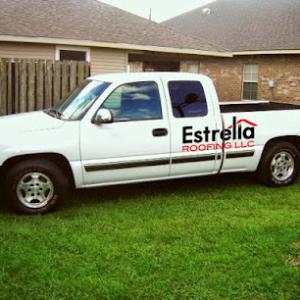
Estrella Roofing
(602) 373-4313 www.estrellaroofing.com
2622 N 115th Dr, Avondale, Arizona
4.7 from 137 reviews
Estrella Roofing in Phoenix, Arizona is a residential and commercial roofing company. As a full service roofing company, we handle everything from basic roof repairs to complete re-roofing projects. We specialize in shingle, tile, and metal flat roofs. We also install walk decks and work to preserve them from our Arizona sun with our walk deck coating services. As a family owned and operated company, the owner Juan Lopez, handles all project bids and oversees all roof installations as he has done for the last 25+ years. For affordable pricing, excellent customer service, and high quality work, Estrella Roofing is Phoenix’s established and trusted roofing company.
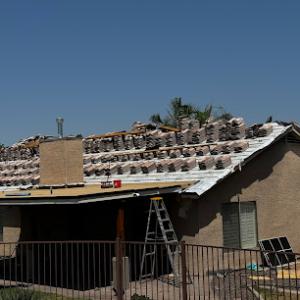
Sun City Roofing Pros
(623) 335-4009 www.suncityroofingaz.com
Avondale, Arizona
5.0 from 4 reviews
Sun City Roofing Pros is your premier local roofing service in Sun City, Arizona, and surrounding west valley cities. Offering a comprehensive range of roofing solutions. Specializing in installation, repair, replacement, and maintenance, our expert team is equipped to handle all your roofing needs. With years of experience under our belt, we pride ourselves on quality workmanship, using the best materials to ensure durable, long-lasting results. Whether you're facing an emergency leak, need a complete roof overhaul, or simply want to keep your roof in top condition with regular maintenance, we're here to help. Our commitment to customer satisfaction and attention to detail makes us the go-to roofing contractor in Sun City.
West Side Roofing
231 W Goold Blvd, Avondale, Arizona
4.1 from 16 reviews
Experienced and reliable roofing contractor. Licensed. Bonded. Insured QUALITY AT AFFORDABLE RATES WE STAND BEHIND OUR WARRANTY. NO EXCUSES.
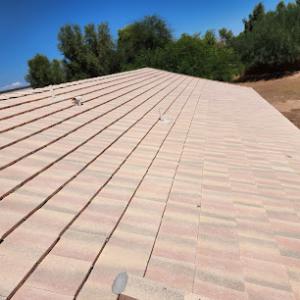
Duran's Roofing AZ
(602) 769-5246 duransroofingaz.com
10732 W Ivory Ln, Avondale, Arizona
5.0 from 2 reviews
Free estimates and free inspections.
YM Roofing
(602) 550-6369 www.ymroofing.com
Serving
5.0 from 79 reviews
Residential/Commerical roof installations, re-roofs, and maintenance. Over 25 years of experience in the roofing industry. Call or text for a free quote today: (602) 550-6369 ROC#329681
Arid Zone Roofing
(623) 888-0191 www.aridzoneroofingllc.com
Serving
5.0 from 5 reviews
Your roof is a significant part of your property. Whether you have a residential or commercial property, you need to keep your roof in perfect condition. Ensure your roof is free of leaks or damage by requesting fast, affordable roofing services. Don’t hire an inexperienced roofing contractor; instead, contact Arid Zone Roofing and discover the multiple solutions we have for you. Our top priority is to provide you with a service that protects your roof and saves you money, time, and frustration. Serving all of Maricopa County.
A1 Roofing Solutions
(480) 349-9726 a1roofingaz.com
Serving
4.5 from 46 reviews
Arizona's Premier Roofing Contractor. A+ rated with the Better Business Bureau.-1 Roofing is a family-owned and operated and specializes in Residential and Commercial roofing services including Shingle Re-Roofs, Tile Re-Roofs, Roof Coatings, Repairs and much more. We Service all of Arizona including Scottsdale , Phoenix, Buckeye and Mesa
Cactus Cover Roofing - Westridge Shadows
(602) 755-7315 www.roofsphx.com
Serving
4.6 from 10 reviews
Cactus Cover Roofing - Westridge Shadows, where exemplary roofing services meet the residents of Phoenix, AZ. Our expert team is committed to enhancing the durability and appeal of your home with our comprehensive roofing solutions. Specializing in repair, maintenance, and installation, we use materials that stand strong against the Arizona weather, guaranteeing a roof over your head that's built to last. For dependable and skilled roofing craftsmanship in Westridge Shadows, look no further than Cactus Cover Roofing.
Aspect Roofing
(623) 764-6066 www.aspectroofingllc.com
Serving
4.9 from 18 reviews
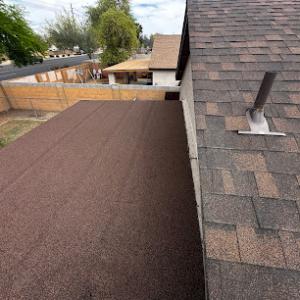
Aspect Roofing is a roofing company that specializes in providing high-quality roofing services for both residential and commercial properties. With years of experience in the industry, Aspect Roofing has built a reputation for delivering exceptional craftsmanship and outstanding customer service. The company offers a wide range of roofing services, including shingle, concrete tile roof, and flat deck installation, repair, and maintenance. Their team of skilled and experienced roofing professionals uses only the best materials and tools to ensure that every project is completed to the highest standards of quality. At Aspect Roofing, customer satisfaction is their top priority. They work closely with each client to understand.
United Legends Roofing
(623) 248-6031 unitedlegendsroofing.com
Serving
5.0 from 33 reviews
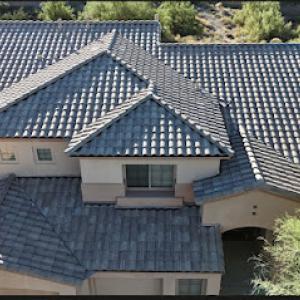
United Legends Roofing is an established company with 27 years of experience serving nationally. Our team is dedicated to providing high-quality roofing and following industry guidelines; our values are loyalty, trustworthiness, and a positive attitude. We excel at multi-tasking to complete overlapping projects, create detailed project plans, manage material orders, sales, bidding, and coordinate manpower nationwide. Count on us for all your roofing needs, even in the most physically demanding situations and extreme weather conditions.
AMC Urethane Foam Roofing
Serving
4.8 from 6 reviews
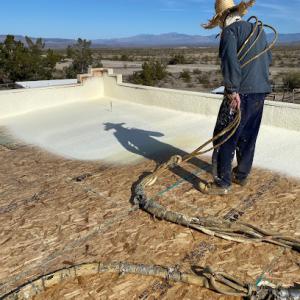
We are a leader in spray foam roofing and insulation, and we have built our reputation on fine craftsmanship and personal service. We're committed to helping each customer achieve their dreams. Our team of workers, subcontractors, and suppliers have years of experience satisfying homeowners and businesses in the local community.
Clay and concrete tiles dominate the skyline of West Valley homes, and the day-night temperature swing in this desert climate takes a toll on brittle tile systems. The heat makes the glaze and body of each tile expand and contract at different rates, so repeated cycles can loosen fasteners, crack edges, and push edges upward where wind can grab them. Underneath, the underlayment bears the brunt of direct sun and radiant heat, and in many neighborhoods its aging shows up long before the tiles look worn from the street. That combination-brittle tile with aging underlayment-creates a system that looks fine from the curb but is setting you up for leaks when the next monsoon rolls in.
In this market, you'll often find broken field tiles, slipped edge pieces, and underlayment deterioration before you notice any obvious roof aging. Start with the ridges and eaves where heat and wind stress tend to show first. Look for small, hairline cracks in clay or concrete tiles, especially on low-slope runs where water sits longer after a storm. On the underside, you might notice staining or a soft feel along seams-this signals underlayment wear you can't see from the street. Gaps around vent stacks or penetrations can also mirror heat-driven expansion, letting in moisture once a storm hits. Regularly inspect after long dry spells and after any heatwave; stress cracks often progress quickly when daily highs reset toward the triple digits.
Begin by focusing on edge tiles and the field tiles most exposed to sun and wind. If edge pieces have shifted, re-secure them promptly to prevent wind uplift during monsoon storms. For cracked or loose tiles, replace them while the roof is dry and calm; do not wait for a rain day to catch a brittle tile in the act of failing. Underlayment checks are just as critical: if you can see or smell moisture intrusion, or if staining is noticed in the attic after a hot day, treat that as a priority, because underlayment failure is a common driver of interior leaks even when tiles look intact. Consider adding or upgrading underlayment where the roof is showing age beyond the surface tiles; in many Avondale homes, this small upgrade yields substantial protection against mid-season deluge.
Monsoon storms can push a roof from passive heat stress into active water stress in a single event. After a hot stretch, make a quick post-storm inspection a routine habit. Look for displaced or broken tiles along dry-in lines and at storm-driven wind zones. Pay attention to edge flashing and valley terminations, which are magnified weak points when tiles have already endured heat cycling. If you see any soft spots or suspicious movement around the flashing, address them without delay to preserve the integrity of the underlayment and the tiles above.
Heat-related fatigue doesn't announce itself with loud signals; it's a progressive condition that quietly undermines performance. Schedule seasonal checks that specifically target tile integrity, edge stability, and underlayment health before the monsoon season begins and after the hottest months have passed. A small, targeted fix now keeps the roof from escalating into a larger repair later, preserving both the tile-heavy look that defines the neighborhood and the practical protection that tiles are meant to provide.
Find contractors who specialize in clay and concrete tile roofs, known for their durability and curb appeal.
Crew Contracting & Roofing
(602) 695-2827 crewcontractingllc.com
1050 N Fairway Dr Suite H-106, Avondale, Arizona
4.9 from 77 reviews
Estrella Roofing
(602) 373-4313 www.estrellaroofing.com
2622 N 115th Dr, Avondale, Arizona
4.7 from 137 reviews
Arizona's extreme summer heat accelerates aging of roofing materials and can affect some adhesives used during roof work. When heat pushes 120-degree days, shingles, underlayment, and sealants can cure too quickly or fail to seal properly if installations are rushed. That makes choosing the right window critical for durability, especially on tile-heavy roofs common in this area. Spring and fall are typically the preferred replacement windows in Avondale because they avoid the worst heat while also reducing exposure to peak monsoon disruption. If a project pauses during storm season or the scope changes, inspections may require rechecks, making timing more important than in milder climates.
For a tile-focused roof, aim for a stretch when daytime highs consistently sit below the mid-90s and nights stay comfortably cooler. That typically lands in mid-spring or late-fall, outside the peak monsoon weeks. Choose a window that gives enough lead time to protect landscaping and any walkways from heat and debris, yet finishes before the next round of monsoon weather can interrupt attic ventilation or roof penetrations. If a storm is forecast, that window should shift toward the earlier portion of spring or the late part of fall, avoiding the most volatile periods.
Monsoon storms can arrive with little warning and shear off temporary coverings or slow crew movement. Schedule the bulk of critical work for days with predictable, dry weather. Build in a storm buffer of 2-3 days before any anticipated wet spell to cover slopes, flashing, and fasteners. After a storm, perform a quick inspection for hail impact, loose fasteners, or displaced shingles, and address issues before the next storm builds momentum. In Avondale, planning around the monsoon calendar means prioritizing stages that are most weather-sensitive-like flashing installation and tile bedding-earlier in the window rather than compressing everything into a single hot week.
Tile-heavy roofs benefit from cooler temperatures when setting mortar or adhesive underlayment. Schedule the most temperature-sensitive steps for morning hours, then allow curing times during the warm part of the day for ventilation and safety checks. If the project runs longer than expected or scope changes, expect rechecks on site inspections, especially after a storm. Ensure crews bring sufficient shade and hydration provisions for local conditions, and confirm that temporary coverings or tarps remain secure during wind gusts common to late afternoons.
Get a clear picture of your project costs upfront - no commitment required.

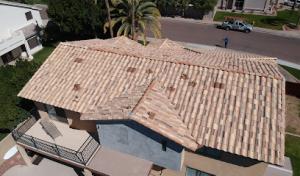
In this desert climate, asphalt shingles remain a common, entry-friendly option, especially for re-roofs on dated homes. Expect pricing in the low-to-mid range, roughly 350 to 650 USD per square, depending on underlayment, attic ventilation needs, and any required tear-off work on older roofs. After a monsoon event, extra costs may appear from storm-related debris clearing and faster material turnaround.
Metal roofs offer durability against heat and wind, with quick installation that lines up well with Avondale's storm cycles. Per-square costs typically run from 700 to 1,300 USD. The premium often reflects panel choice, insulation considerations, and any roofline intricacies created by additions or mixed-roof configurations common on Valley homes.
Clay tile aligns with many local homes and delivers longevity and a distinct look. Budget in the range of 900 to 1,800 USD per square, with cost drivers including tile weight handling, substrate evaluation, and the need for careful reselection when re-roofing over existing tile. Monsoon-season logistics and the care required to avoid breakage during removal can push prices upward.
Concrete tile is a frequent choice for tile-heavy neighborhoods and tends to balance cost and durability well. Expect 800 to 1,500 USD per square, influenced by tile profile, added rack systems for proper support, and the complexity of tile plan changes around skylights and dormers. Seasonal storm demand can spike both material and labor pricing.
Wood variants bring a unique aesthetic but require vigilant maintenance against sun exposure and monsoon moisture. Costs generally fall between 600 and 1,100 USD per square. Pricing shifts with shingle thickness, underlayment upgrades, and the need to coordinate with existing roof geometry where mixed lines create additional trim and edge work.
Synthetic options offer flexibility for longer life and uniform appearance. Expect 500 to 900 USD per square, with price adjustments for color stability, impact resistance, and any custom detail work around patios, extensions, or non-standard roof angles that occur in many Avondale homes. Monsoon repairs and rapid storm-response projects can influence material availability and scheduling.
Explore specialists in steel, aluminum, and standing seam metal roofs built to last 50 years or more.
Estrella Roofing
(602) 373-4313 www.estrellaroofing.com
2622 N 115th Dr, Avondale, Arizona
4.7 from 137 reviews
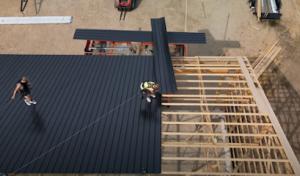
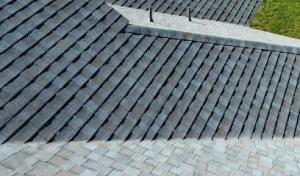
A full re-roof in Avondale typically requires a building permit through the City of Avondale Building Safety Department. This means your project isn't just about choosing shingles or tile; it's also about following a formal process that ensures the flat desert heat, monsoon threats, and the mix of tile-heavy homes in the area are addressed safely. Don't underestimate the permit step, because starting a reroof without proper clearance can lead to stop-work orders, fines, or a mandatory redo if inspections reveal missing components. The city's permit portal and counter staff can walk you through the specific forms needed for your roof type, whether you're upgrading from asphalt to concrete tile or opting for metal in a heavy-drying season.
Inspections in Avondale typically include a rough-in or underlayment inspection and a final inspection before the job is fully closed out. The rough-in stage focuses on underlayment, fasteners, and flashing details that are critical to surviving summer heat and sudden monsoon downpours. Missing or improper underlayment can trap moisture and compromise tile or shingle performance, leading to long-term leaks. The final inspection confirms that all components align with permit plans and code requirements, and it verifies that penetration details, roof-to-wall transitions, and ventilation meet local standards. If your roofer plans any deviations from the approved plan, expect additional scrutiny at the final check and potential re-inspection fees or delays.
Plan review timing can vary with department workload, and paused work or scope changes can trigger an inspection recheck. In a desert climate with heavy brick and tile assemblies, plan review delays aren't unusual during peak construction months or after weather-driven shutdowns. If the project pauses due to supplier delays, weather, or a need to substitute materials, be prepared for the plan review to restart and for updated inspection sequencing. A minor change to tile type or underlayment method can trigger a recheck, so keep all approvals accessible and maintain clear correspondence with the Building Safety Department to avoid last-minute surprises.
To keep the process smooth, coordinate early with a licensed contractor who understands the local storm patterns, tile compatibility, and flashing details common to roofs in this area. Have the permit number ready at inspections and ensure the site is safe and accessible on inspection days, especially when monsoon moisture is in the forecast.
In Avondale, the monsoon season follows long, dry stretches and brings hail and strong winds that can expose the roof's weaknesses quickly. Because the Phoenix metro is a high-claim roof market, homeowners should keep dated photos, invoices, and records of prior repairs before storm season. A tidy file helps separate new storm damage from preexisting wear, and it can prevent disputes when adjusters review a claim.
Adjuster visits and claim documentation patterns are common after local hail and wind events, so missing maintenance records can slow or complicate claim handling. Before a storm hits, photograph roof faces, valleys, and any visible tiles or shingles. After a blow, take fresh photos from multiple angles, close in on flashing, and note any loose, cracked, or displaced materials. Retain receipts for past repairs and replacements, as well as contractor notes that describe what was serviced and when.
Roof age matters in this market, making documentation especially important for older asphalt systems and tile roofs with multiple repair episodes. If you have clay or concrete tile, document every patch or replacement, including the exact tile type and color match, since mismatches can affect claim acceptance. For asphalt, keep a record of any granule loss observations and every re-seal or re-flash work. The clearer the paper trail, the smoother the claim review process when the weather turns hazardous again.
Create a labeled, dated digital folder with a backup on cloud storage. Keep a running log that dates each inspection, repair, and service call. If a responder or adjuster requests information, respond promptly and supply the most recent photos and estimates first to avoid back-and-forth delays that are all too common after a major storm.
Although tile is prominent, many homes in this area include low-slope sections over patios, additions, or porch areas that weather differently from the main roof. Those membranes and coatings sit exposed to sun and monsoon debris. On flat or low-slope roofs, small misalignments in flashing or edge details can become recurring leaks if drainage isn't directing water quickly away from the surface.
Summer heat in the West Valley accelerates wear on exposed low-slope membranes and coatings, especially where drainage is marginal. In monsoon season, debris can wash into drains and scuppers, blocking outlets and creating standing water that seeps into seams or fasteners. The combination of heat and sudden downpours makes these areas a frequent leak source.
Start with a visual walk of each low-slope area: patios, additions, and porch ceilings visible from the roof line. Check for exposed fasteners, worn coatings, and any pooling near drains or scuppers. Remove loose debris from roof surfaces and around downspouts. Inspect edge trims and flashing where parapets meet the membrane. After storms, recheck for damp patches or soft spots.
Keep drainage paths clear year-round; create a routine to broom debris from low-slope sections after monsoon events. If you notice small blistering, cracks, or flashing lift, address it promptly to prevent water intrusion. Consider annual resealing or re-coating on flat sections that show wear, especially where the sun hits most of the surface.
If multiple low-slope areas show persistent leaks after cleaning and resealing, plan a targeted re-coat or membrane replacement. For additions or patios with ongoing drainage challenges, upgrading edge details and improving scupper or downspout capacity can dramatically reduce storm-related leaks in high-desert conditions.
Find specialists in TPO, EPDM, and built-up flat roofing systems for residential and commercial properties.
Crew Contracting & Roofing
(602) 695-2827 crewcontractingllc.com
1050 N Fairway Dr Suite H-106, Avondale, Arizona
4.9 from 77 reviews
Estrella Roofing
(602) 373-4313 www.estrellaroofing.com
2622 N 115th Dr, Avondale, Arizona
4.7 from 137 reviews
Cactus Cover Roofing - Westridge Shadows
(602) 755-7315 www.roofsphx.com
Serving
4.6 from 10 reviews
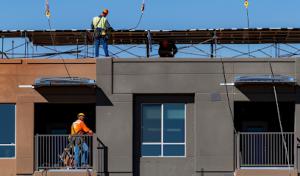
In this dry, intense sun and sudden monsoon cycle, roof penetrations for solar equipment and skylights can become failure points if flashing isn't installed with extra care. Pay attention to continuous metal flashings, sealant joints, and stamped lower edge flashings that direct water away from underlayment. Each penetration should be treated as a potential weak spot, especially where hot roof decks meet roof penetrations. Confirm that step flashing overlaps flush with tile edges and that a compatible membrane underlayment is integrated beneath the tile surface to prevent moisture wicking during heavy rain.
Tile roofs are common in this area, and improper integration around penetrations can crack tiles or disturb underlayment paths. When a skylight or solar racking sits on a tile surface, the installer should remove and re-bed surrounding tiles carefully, preserving the original underlayment path and ensuring that any break in tile continuity remains surrounded by a continuous seal. Use matching flashings designed for tile roofs and confirm that fasteners do not crack or over-pressure adjacent tiles. In practice, plan for a neat intersection where the skylight curb or solar mounting base sits slightly above tile peaks to shed water without ponding.
Homeowners planning re-roofs should coordinate penetration work early because scheduling conflicts can complicate inspections and final closeout. Align solar and skylight work with tile replacement so flashing transitions stay consistent across the roof plane. If possible, set aside dedicated time blocks for cutting, flashing, and resealing around each penetration. This minimizes the risk of rushed details that could lead to leaks after the monsoon arrives. Ensure surface coatings and sealants are compatible with clay or concrete tiles and with the chosen roofing underlayment.
Find contractors who integrate solar panels or solar shingles into your roof for long-term energy savings.
Crew Contracting & Roofing
(602) 695-2827 crewcontractingllc.com
1050 N Fairway Dr Suite H-106, Avondale, Arizona
4.9 from 77 reviews
Vizcom Contracting | Roofing & Restoration
(623) 225-7898 vizcomcontracting.com
Serving
5.0 from 129 reviews
In this market, quick response, thorough cleanup, and dependable re-roofing service are top homeowner priorities. Avondale homes commonly feature tile and other durable roof types, so you want a crew that can move fast after a storm without sacrificing quality or leaving debris behind. Look for a contractor who can demonstrate resume work on tile-heavy roofs, with a clear plan for temporary protection during roof removal and a fast, tidy jobsite turnaround.
Because storm-driven demand surges are common in the Phoenix metro, you should verify who will handle permits, inspections, and photo documentation before signing. Ask for the exact process the contractor uses: who submits paperwork, who attends inspections, and how photos are captured and stored for your records. Request a recent project portfolio with tile or concrete tile roofs and check references that can confirm responsiveness during sudden storm rebound periods.
Avondale's contractor landscape includes many residential-focused firms and a sizable commercial presence. Don't assume broad roofing experience translates to your roof type automatically. Confirm direct experience with the specific material you plan to install or repair-whether clay, concrete, or synthetic tile-and ask for a detailed approach to underlayment, fastener choices, and seasonal cleanup. Compare crews' on-site organization, storm-response timelines, and whether they coordinate with your insurance adjuster to keep the project moving after a claim. This city-specific mix means you're looking for a partner who understands rapid mobilization, reliable storm cleanup, and tile-focused workmanship, rather than a generalist roofer.
Get a clear picture of your project costs upfront - no commitment required.
Avondale roofing decisions are shaped by the intense desert sun exposure and the West Valley housing mix that favors tile-heavy systems. Tile roofs, whether clay or concrete, dominate many neighborhoods and require attention to bearing, underlayment, and fastener compatibility to withstand daily heat cycling. You'll notice longer-term durability from properly vented attics and reflective underlayment that reduces heat transfer into attic spaces, preserving interior comfort and shingle or tile life.
Monsoon season brings sudden, heavy downpours and wind-driven debris, so planning for rain events is essential. Roofing choices should favor materials and installation that resist wind uplift and water intrusion during short, intense storms. In practice, this means using quality sealants, correctly installed flashing around vents and chimneys, and ensuring roof penetrations are sealed with durable, storm-tested products. A well-timed inspection after the first monsoonal deluge helps catch damage early, before it compounds.
Replacement timing in this city is more climate-sensitive than in cooler regions because extreme heat and storm season both affect project risk. Scheduling adjustments for extreme heat, monsoon evenings, and contractor availability are common realities. The right cadence involves monitoring roof condition cycles-tile systems may show wear differently than asphalt-and aligning replacement windows with favorable weather to minimize heat exposure, worker stress, and site downtime.
The combination of frequent re-roofing activity and storm-response demand makes Avondale a market where planning ahead matters. Proactive roof care, timely assessments after storms, and a documented maintenance plan help homeowners stay ahead of weather-driven surprises. When planning, consider the long-term performance of tile systems and how venting, underlayment, and sealants interact under West Valley summer heat and monsoon wet periods.