
Last updated: Apr 19, 2026
Tolleson's hottest roofing stress comes from prolonged desert sun followed by the July to September monsoon period, which compresses the safest replacement and repair scheduling windows. The heat surge softens underlayment and can push asphalt shingle manufacturers toward tighter adherence tolerances during installation. When a crew starts early to beat peak heat, the window to complete critical steps-like proper sealing of flashing, setting of ridge vents, and handling of fasteners-shrinks. That means any project that lingers into the late afternoon risks adhesive failure, misaligned shingles, or missed seal cycles. Plan for a tight, disciplined pace that keeps crews out of peak heat while preserving long-term performance.
Extreme summer heat in the West Valley can affect shingle adhesive behavior and installation tolerances, so crews often need to stage work around early starts and heat exposure. Shingles installed during a heat spike can move or cure differently, creating pin or lap gaps that invite leaks as soon as monsoon storms arrive. Materials like underlayment and asphalt shingles are particularly vulnerable to heat-induced distortion, which translates into elevated risk for lifted edges or wind damage once the monsoon winds pick up. Scheduling should prioritize coating or sealing critical seams during the cooler morning hours, with strategic pauses to prevent adhesive slump. A crew that respects temperature thresholds reduces the chance of misalignment that only shows up after the first summer isn't giving up quiet days.
Monsoon wind and hail risk in Tolleson creates a pattern where roofs that looked serviceable in late spring can develop lifted shingles, shifted tiles, or fast leak points once summer storms arrive. A single downpour can uncover minor flaws that appeared tolerable under calm skies. This means post-storm inspections are non-negotiable: check for loose fasteners, backed-out nails, cracked tiles, and any flashing movement around chimneys, vents, and edges. Damage from even small hail can propagate quickly under heat-softened materials, feeding into rapid water intrusion if left unchecked. Prepare for a rapid response plan that includes on-call fixes for any flagrant vulnerabilities the moment storms pass.
In a climate where timing dictates success, the approach is proactive rather than reactive. Start by securing a no-reserve window for critical repairs shortly after a heat spike ends and well before the monsoon arrives-especially for reroof or major repair projects where temporary coverings may be required. If replacement is planned, ensure the crew is familiar with Tolleson's wind patterns and has a clear sequence for securing torched edges, vent gaps, and flashing details to withstand sudden gusts. Have temporary protection ready for taped seams and edge rows to prevent wind uplift during brief squalls. A disciplined, season-aware plan reduces the risk of mid-season setbacks and keeps the roof performing through the monsoon's burst cycle.
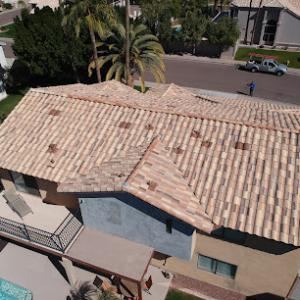
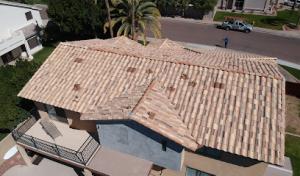
Clay and concrete tile are the dominant choices in this housing stock, but the recurring replacement issue here often comes from the underlayment system beneath the tile rather than the surface itself. Desert heat bakes underlayment layers for long stretches, but that heat cycle also loosens fasteners and degrades the fabric over time. When the monsoon season arrives, a marginal underlayment can fail quickly under new movement, letting moisture reach the deck before the tile can shed rain properly. A practical approach is to inspect around roof penetrations and field tiles for any soft spots or slight movement after the hottest weeks of the year. If you notice any wavy lines or visible wrinkling in the underlayment under the tiles, plan a targeted repair before the next monsoon arrives.
Tile surfaces themselves tend to be robust, but edge bays and valleys bear the brunt of wind-driven rain and debris during monsoon bursts. In Tolleson's winds, a loose edge tile or a small crack at a corner can become a conduit for water intrusion when a storm hits. Metal or heavier tile systems, in particular, can aggravate movement under the deck if the structure has settled or if purlins and battens have fatigued from repeated thermal cycling. The practical fix is not just replacing a single tile, but confirming that the battens are properly fastened, that the tile is seated with correct clearance at overlaps, and that the edge fasteners haven't worked loose. When you see any displacement after a heavy wind event, address it promptly rather than letting it ride out the next monsoon season.
Older flashings and underlayments have often endured years of heat cycling and monsoon wind, which compromises their seal over time. In a tile roof, penetrations for vents, chimneys, and skylights are common weak points because small gaps become leak pathways as sealants age and metal flashings corrode. The combination of heat-softened sealants and sudden cooling can stress these joints and create micro-cracks that expand with each season. The recommended practice is to preemptively reflash or reseal around penetrations when replacing or resurfacing tiles, and to verify that step-flashing transitions at walls and chimneys are continuous and free of lifting. If you notice staining on interior ceilings around a chimney or vent during a monsoon, treat it as a sign that the flashing needs attention before the next storm.
Tolleson reroof projects involving heavier tile or metal systems may raise questions about structural support. The combination of desert heat and wind loads can magnify stress on rafters, purlins, and deck boards, especially if the original framing was sized for lighter materials. Before committing to a heavier system, verify that the existing structure has adequate span and tailing strength and that bridging or reinforcement is in place where needed. A practical action is to have a local contractor perform a quick load assessment and check deck uplift resistance in vulnerable roof segments, particularly over secondary living spaces or additions with thinner roof lines.
Brief winter cool snaps and shoulder-season swings can stress tile assemblies and penetrations, particularly where flashings and underlayments have already heat-cycled for years. If you observe small hairline cracks around tile laps or minor weepage after a cool spell, address them early rather than waiting for a heavy rain. Scheduling proactive maintenance in the months after the peak heat but before the monsoon arrives minimizes the chance of a sudden leak during the first hard storm of the season.
Find contractors who specialize in clay and concrete tile roofs, known for their durability and curb appeal.
Arid Zone Roofing
(623) 888-0191 www.aridzoneroofingllc.com
Tolleson, Arizona
5.0 from 5 reviews
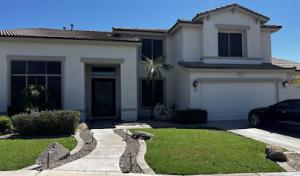
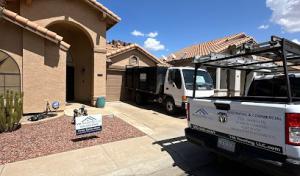
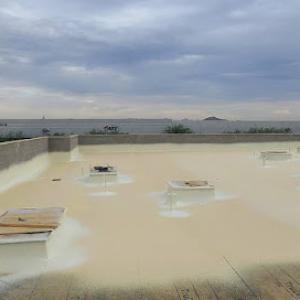
Your roof is a significant part of your property. Whether you have a residential or commercial property, you need to keep your roof in perfect condition. Ensure your roof is free of leaks or damage by requesting fast, affordable roofing services. Don’t hire an inexperienced roofing contractor; instead, contact Arid Zone Roofing and discover the multiple solutions we have for you. Our top priority is to provide you with a service that protects your roof and saves you money, time, and frustration. Serving all of Maricopa County.
Crew Contracting & Roofing
(602) 695-2827 crewcontractingllc.com
Serving
4.9 from 77 reviews
Looking for top-quality roofing and exterior services in Arizona? At Crew Contracting, we specialize in New Roofing, Re-Roofing, Torch Down Roofing, Modified Bitumen, Shingle Installation, Tile Roofing, and Timberline Solar by GAF. We also provide Exterior Painting services for residential and commercial properties. Fast & reliable service Free roof inspections & insurance claim assistance High-quality materials with up to 50 years of warranty Serving Phoenix, Avondale, Tucson, Prescott, Yuma & nearby areas Whether you need a new roof installation, roof replacement, or expert exterior painting, we handle everything for you! Call us today for a free consultation and protect your home or business with Arizona’s trusted roofing experts.
Estrella Roofing
(602) 373-4313 www.estrellaroofing.com
Serving
4.7 from 137 reviews
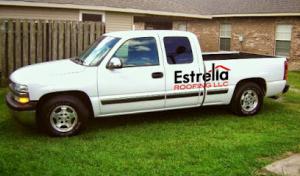
Estrella Roofing in Phoenix, Arizona is a residential and commercial roofing company. As a full service roofing company, we handle everything from basic roof repairs to complete re-roofing projects. We specialize in shingle, tile, and metal flat roofs. We also install walk decks and work to preserve them from our Arizona sun with our walk deck coating services. As a family owned and operated company, the owner Juan Lopez, handles all project bids and oversees all roof installations as he has done for the last 25+ years. For affordable pricing, excellent customer service, and high quality work, Estrella Roofing is Phoenix’s established and trusted roofing company.
YM Roofing
(602) 550-6369 www.ymroofing.com
Serving
5.0 from 79 reviews
Residential/Commerical roof installations, re-roofs, and maintenance. Over 25 years of experience in the roofing industry. Call or text for a free quote today: (602) 550-6369 ROC#329681
Aspect Roofing
(623) 764-6066 www.aspectroofingllc.com
Serving
4.9 from 18 reviews
Aspect Roofing is a roofing company that specializes in providing high-quality roofing services for both residential and commercial properties. With years of experience in the industry, Aspect Roofing has built a reputation for delivering exceptional craftsmanship and outstanding customer service. The company offers a wide range of roofing services, including shingle, concrete tile roof, and flat deck installation, repair, and maintenance. Their team of skilled and experienced roofing professionals uses only the best materials and tools to ensure that every project is completed to the highest standards of quality. At Aspect Roofing, customer satisfaction is their top priority. They work closely with each client to understand.
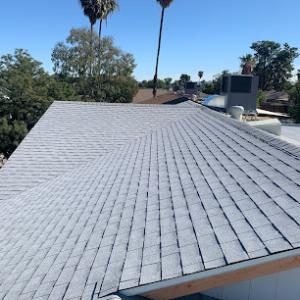
A1 Roofing Solutions
(480) 349-9726 a1roofingaz.com
Serving
4.5 from 46 reviews
Arizona's Premier Roofing Contractor. A+ rated with the Better Business Bureau.-1 Roofing is a family-owned and operated and specializes in Residential and Commercial roofing services including Shingle Re-Roofs, Tile Re-Roofs, Roof Coatings, Repairs and much more. We Service all of Arizona including Scottsdale , Phoenix, Buckeye and Mesa
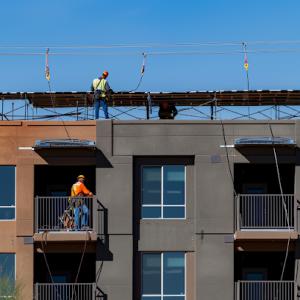
Cactus Cover Roofing - Westridge Shadows
(602) 755-7315 www.roofsphx.com
Serving
4.6 from 10 reviews
Cactus Cover Roofing - Westridge Shadows, where exemplary roofing services meet the residents of Phoenix, AZ. Our expert team is committed to enhancing the durability and appeal of your home with our comprehensive roofing solutions. Specializing in repair, maintenance, and installation, we use materials that stand strong against the Arizona weather, guaranteeing a roof over your head that's built to last. For dependable and skilled roofing craftsmanship in Westridge Shadows, look no further than Cactus Cover Roofing.
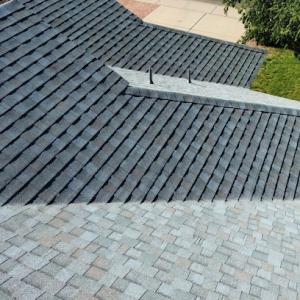
Phoenix Pro Roofing
(602) 632-6821 www.phoenixproroofing.com
Serving
5.0 from 19 reviews
Phoenix Pro Roofing is a trusted family-owned roofing company proudly serving Phoenix, AZ, and the surrounding areas. As experienced roofers, we provide top-quality residential and commercial roofing services, including roof repair, new roof installation, and maintenance. Our team works with shingle, concrete tile, foam, TPO, patio, and metal roofs, ensuring durable solutions for every property. Whether you need reliable roof repair in Phoenix or a full replacement, our licensed and insured roofing contractors deliver professional craftsmanship with a commitment to customer satisfaction. We also offer flexible financing options, including 0% interest for 4 years, making it easier than ever to protect your home or business.

Castillo Roofing
(602) 610-0874 www.castilloroofingllc.com
Serving
5.0 from 6 reviews
Castillo Roofing provides roof repairs and roof replacements to Phoenix, AZ, and the surrounding areas.
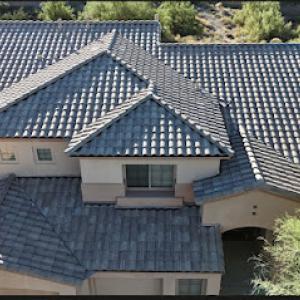
United Legends Roofing
(623) 248-6031 unitedlegendsroofing.com
Serving
5.0 from 33 reviews
United Legends Roofing is an established company with 27 years of experience serving nationally. Our team is dedicated to providing high-quality roofing and following industry guidelines; our values are loyalty, trustworthiness, and a positive attitude. We excel at multi-tasking to complete overlapping projects, create detailed project plans, manage material orders, sales, bidding, and coordinate manpower nationwide. Count on us for all your roofing needs, even in the most physically demanding situations and extreme weather conditions.
XRP Roofing
Serving
5.0 from 144 reviews
XRP Roofing is your premier choice for expert roofing solutions in Phoenix and the surrounding areas. Specializing in comprehensive roofing services, they are dedicated to providing top-quality craftsmanship and reliable results. From new installations to essential repairs, their skilled team ensures every project is completed with meticulous attention to detail and professional care. Trust XRP Roofing for all your residential and commercial roofing needs, where durability and customer satisfaction are always the priority.
J Preston Contracting
(480) 359-8430 www.jprestonroofing.com
Serving
4.8 from 33 reviews
Roofing Specialists
Desert heat and intense sun define how roofs age here, and the seasonal monsoon bursts add a separate kind of pressure when weather shifts quickly. In this market, longevity hinges on choosing a roof system that resists heat soak, UV degradation, and wind-driven debris. The main pitched roof remains the backbone of most homes, but the broader Phoenix metro pattern-low-slope additions, patio connections, and flat-roof segments-also shapes what kind of detailing and maintenance a roof needs. For Tolleson homeowners, the starting point is recognizing how each material handles surface temperatures, solar exposure, and rapid storm events.
Asphalt shingles stay common for their balance of performance and value, especially on traditional roofs with good ventilation and a solid underlayment. In high-sun environments, a premium fiberglass or fiberglass-based shingle with infrared inhibitors lasts longer and resists heat-induced curls. Synthetic or composite shingles offer similar ease of installation with enhanced impact resistance and better fade resistance, which matters under constant sun. Both families perform well on standard pitched roofs, but you'll want a high-quality underlayment and an appropriate attic ventilation strategy to ward off heat buildup and moisture migration during monsoon swings.
Metal roofing can excel in a high-sun setting, delivering excellent solar reflectivity and wind resistance when installed with the right underlayment and fastener layout. In this market, heavier metal profiles or altered panel shapes can introduce structural review considerations during the permit process and after installation. If choosing metal, pay attention to the roof deck condition, as a solid, well-ventilated substrate helps avoid heat-related expansion gaps and potential leaks at fasteners. Energy-conscious homeowners often favor reflective coatings or lighter color profiles to reduce cooling loads, but note that color choice and panel seam layout matter for drainage and wind uplift in monsoon gusts.
Clay and concrete tiles bring long service life and a classic appearance that suits many Tolleson homes. Clay tile tends to resist heat well and offers strong color stability, while concrete tile can be heavier and sturdier in impact. The trade-off is weight and potential roof deck reinforcement needs; the added mass can influence wind uplift and seismic considerations, as well as roof framing. When tile is chosen, ensure a properly staged underlayment system and correct fastener spacing to maintain performance through monsoon cycles. Tile systems also require attention to alignment and sealant integrity around vents, penetrations, and transitions to flat-roof or patio areas.
Wood shingles or shakes deliver a distinctive look but require proactive maintenance in this climate. Sun exposure accelerates drying, splitting, and color fading, and monsoon moisture can promote mold growth on shaded faces if ventilation isn't adequate. If wood is selected, choose species and grades suited to heat exposure and ensure a ventilation strategy that keeps the roof sheathing dry. Regular inspections for fastener integrity and edge flashing are essential, particularly around transitions to flat roof sections.
Synthetic or composite options can mimic the aesthetic of wood or slate while offering improved dimensional stability under heat and faster installation. They often resist cracking and curling better than natural materials in desert heat, and some formulations provide enhanced UV resistance. For homes with mixed roof types or visible flat-roof components, these systems offer flexibility in panel sizing and color consistency, helping to maintain a coherent look across pitched and low-slope areas. As with any roof, attention to the integration with low-slope detailing and coatings around edges helps protect against monsoon-driven leakage and wind uplift.
Typical Tolleson pricing runs about $350 to $700 per square for asphalt shingles, $700 to $1200 for metal roofing, $1400 to $2700 for clay tile, $1000 to $2100 for concrete tile, and $450 to $900 for wood or synthetic/composite shingles. These baselines reflect the local desert climate and the frequent reroof market, where many homes that are a decade or more old come up for replacement after heat cycling and weathered underlayment. When you start with a basic asphalt reroof, you're looking at the most budget-friendly option that still withstands the heat, while heavier systems push price per square up quickly due to material mass and installation complexity.
Costs in Tolleson can rise when monsoon-season demand surges after wind or hail events, especially for emergency dry-in, underlayment replacement, and fast scheduling. If a storm hits and a roof is compromised, you'll see not just material costs but premium labor windows to secure a crew and material delivery. Planning ahead for the next monsoon can help keep spending predictable; consider establishing a contingency in your reroof plan for a weather-triggered rush, rather than reacting with a last-minute decision that carries a premium.
Tile projects (clay or concrete) in Tolleson can cost more than a standard asphalt reroof because the city may require structural notes or calculations for heavier systems, adding engineering or review steps. Heavier roof assemblies demand a closer look at trusses, rafters, and overall framing capacity. If your home has older roof framing or shading from mature trees, you may also face additional work to ensure the deck can support clay or concrete tile without compromising attic ventilation or future insulation performance. In practice, that means expect longer lead times and higher upfront planning costs when you choose a heavier system.
Begin with clarity on your preferred material and align expectations with a local roofer who understands Tolleson's heat cycles and monsoon patterns. Request a written sequence that covers dry-in, underlayment, and weatherproofing timelines, plus any anticipated structural verification steps for heavier roofs. If a storm has just happened, document any prior damage and schedule a quick, on-site assessment to separate urgent repairs from planned reroof components. This approach helps manage costs and keeps the project moving as conditions allow.
Get a clear picture of your project costs upfront - no commitment required.
For a full reroof, a building permit is typically required, and the City of Tolleson Building Safety Department handles both permit issuance and inspection scheduling. Before a single shingle is removed, start by submitting the project scope, roof proposed materials, and any wind or seismic considerations that are common to our desert environment. Having the plan review materials ready and organized can shave days off the process, especially when monsoon season looms and inspections are tighter on the calendar. The permit set should include roof deck condition notes, any existing tile or underlayment concerns, and a clear sequence of work from tear-off to final finish. Once the permit is issued, keep the department informed about any changes to materials or scope, since changes can trigger updates to required inspections.
In this market, inspections typically occur after underlayment installation and again at final completion. The sequencing matters, because missing or delayed inspections can stall progress and push back reroof completion during monsoon season. Plan to have the underlayment stage ready for inspection as soon as it is installed and secured, with the deck clean and clear of debris to avoid re-inspections. The final inspection focuses on completed flashing, venting, and edge details, as well as overall roof integrity. Expect the inspector to verify wind-rated components and fastener patterns appropriate to the chosen material. If any discrepancies arise, address them promptly to keep the project on track for the expected warm-to-dry window typical of our late spring through early summer.
Standard asphalt reroofing projects generally yield a straightforward plan review, with the department looking for proper deck integrity, appropriate underlayment choice, and compliant fastening methods. Heavier installations-such as concrete or clay tiles and metal roofs-may require added structural notes or calculations to confirm the roof is capable of supporting the increased load. Have structural calculations or engineers' notes ready if the project scope includes heavy tile or metal systems. It helps to provide a stamped drawing for any retrofit of supporting members or changes to roof framing. Clear documentation showing wind resistance, nailing patterns, and attachment methods aligned with your chosen roofing system will streamline approval and reduce delays caused by questions during the review.
Coordinate with the Building Safety Department for a realistic inspection schedule that accounts for monsoon unpredictability. Begin with a thorough tear-off plan that ensures the deck is fully exposed and prepared for underlayment without gaps. Schedule the underlayment inspection as soon as the material is secured and all fasteners are in place, then proceed to roofing material installation with attention to edge protection and flashing transitions. Keep communication open with the inspector about any weather-related pauses, and maintain a clean, accessible job site so inspections can be completed on the first visit whenever possible.
The West Valley monsoon can turn a quiet afternoon into a scramble of displaced shingles, loose tiles, and sudden leaks. In this market, insurers review storm claims against the backdrop of regional activity, so precise documentation matters. If a storm rolls through and you suspect roof damage, starts with a calm, thorough photo log: date-stamped shots of each affected area, close-ups of displaced or torn materials, and interior evidence of leaks. Gather before-and-after images if a prior roof exists, so the adjuster can see the change in condition. Keep a running record of wind gusts, hail sizes, and rain duration if you notice accompanying interior staining or ceiling bulges. The goal is to tell a concrete story of what happened, when it began, and how conditions evolved.
Adjusters vary in how they interpret monsoon-related damage after statewide events. Homeowners should plan for a slower, methodical review rather than a rushed assessment, and they should be prepared to share the full context: multiple trips by different contractors, notes on any temporary repairs, and the sequence of material failures. Having a clear timeline, with dated photos and invoices, reduces back-and-forth and helps prevent misunderstandings about the scope of damage. If a portion of the roof is still under the impact of high daytime heat, note how heat may have exacerbated material failure or made some areas more susceptible to wind uplift during the monsoon bursts.
Replacement decisions can hinge on expectations around updated underlayment and warranty coverage in high-solar conditions. When you pursue a retrofit, be prepared to discuss upgraded underlayment options and any warranty terms tied to extreme heat and glare. Document any recommendations from contractors about improved venting, radiant barriers, or reflective surfaces, and keep copies of manufacturer guidance. Clear, organized documentation helps demonstrate to the carrier that the claim reflects genuine deterioration from weather events rather than isolated cosmetic issues.
Connect with contractors who help homeowners navigate the claims process from damage assessment to final approval.
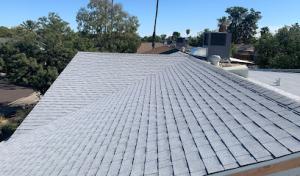
When a monsoon burst hits, wind-driven rain finds weak points at penetrations, transitions, and flashing details that already suffered heat stress from the desert summer. These openings can fail in minutes, turning a small drip into a rapid ceiling fountain. Your priority is to locate the highest point of active leakage, then trace it down to see whether the water crosses through roof seams or travels along framing before dripping inside. Expect fleeting moments of relief between gusts, and use that window to mark exact locations for quick dry-in or temporary protection.
Active reroof work often pauses when storms arrive, and Tolleson homes face longer exposure to weather during those pauses than in milder climates. Plan for an emergency dry-in before the next storm window: secure a watertight tarp system, verify edge fastenings, and ensure sealant joints at penetrations are protected from wind-driven spray. Have a simple, serviceable setup ready to deploy within minutes if rain starts. If crews must retreat, leave clear, labeled wet-area indicators and a staged toolbox of quick-seal solutions so a temporary seal can be re-established rapidly without reopening upper deck sections.
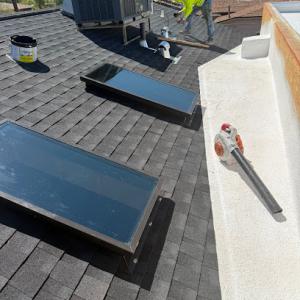
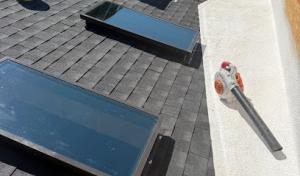
Skylights and other roof openings become higher-risk details once sealants and surrounding materials have repeatedly faced intense desert UV. UV-cracked seals, overheated plastics, and loose flashing invite rapid leakage when a burst arrives. Inspect these components proactively, especially after hot spells, and plan for resealing or flashing reinforcement that can withstand sudden rain and wind without compromising insulation or interior finish.
Keep a phone-ready list of trusted local roofers who handle emergency dry-in, along with a tape-and-tuck tarp kit for rapid deployment. On detection of a leak, isolate the affected area, spread protective covers on ceilings to guard valuables, and communicate with a contractor the moment conditions allow. A proactive, pre-storm readiness routine saves hours when a monsoon rolls in.
Find contractors experienced in skylight installation, flashing, and leak repairs to bring natural light into your home.
Cactus Cover Roofing - Westridge Shadows
(602) 755-7315 www.roofsphx.com
Serving
4.6 from 10 reviews
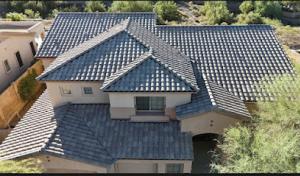
During Tolleson's volatile monsoon season, a roofer's ability to respond fast and manage cleanup matters as much as the roof itself. When you're evaluating bids, look for explicit commitments to on-site response times after a storm, crew turnaround for tear-offs, and a clear plan for debris containment. Ask how crews handle tarp placement, wind-driven debris, and post-storm cleanup to avoid yard and street mess that can draw complaints from neighbors. A practical contractor will explain how they stage materials, protect your landscaping, and coordinate with your schedule for minimal disruption.
In this desert heat, underlayment choice and handling can swing a project from good to great in a single afternoon. Seek clarity on what underlayment is included, how it's installed, and what added layers are used for enhanced wind resistance or heat protection. Insist on a thorough post-roof inspection after completion and after any major wind event, so small leaks don't become bigger problems during a monsoon. Prefer a contractor who schedules a formal inspection visit and provides a concise report, not just a quick note on a receipt.
Tolleson's market features long-established and family-owned firms that emphasize steady, practical service over premium branding. When you meet the team, ask about how many generations have served the community, references from nearby neighbors, and how they handle repeat work or warranty questions. Local crews tend to understand common stress points-tile displacement, flashing near parapets, and heat-related shingle wear-and can tailor maintenance programs that fit a residential, not industrial, scale.
Because the market favors speed after storms and emphasizes clean tear-off, compare bids on how the crew stages work, manages disposal, and documents progress. Clarify whether emergency service is available during monsoon months and how they prioritize projects that present higher risk from wind or sudden leaks. A dependable Tolleson roofer will give you a straightforward, do-this-do-that plan you can track and rely on when the next monsoon hits.