
Last updated: Apr 19, 2026
Spring thunderstorm season in this market is a race against time. Hail and heavy rain arrive fast, then scheduling delays pile up as repair crews get snapped up by storm-damaged roofs statewide. The risk isn't just water intrusion; it's quickly escalating structural concerns and accelerated interior damage once leaks sit unattended. In this environment, the moment you detect or suspect damage, you act. Move decisively to secure the most critical areas of your home first-ceiling stains, attic light leaks, and any visible sagging or shingles missing granules. Delays invite further weather exposure and can complicate later claims or repairs. Your goal is to stabilize, document, and begin a trusted restoration path before conditions force emergency repairs that feel rushed or incomplete.
The signal mix among local contractors is dominated by insurance_claims, storm_damage, and emergency_repair, which means insurers expect a fast, organized handoff from homeowners who understand the process. When a storm hits, your first task is clear photo documentation: wide shots of the whole roof, close-ups of damaged shingles, granule loss, lifted shingles, and any visible water intrusion into the attic or ceilings. Date-stamped images are essential; if you can, corroborate with a timestamped video walk-around after the event. Keep a dated log of every contact with the insurer, contractor, and any independent adjuster, including notes on what was advised and what work was performed. If temporary tarping or plywood is used, photograph the setup and the surrounding weather to establish the reason for the stabilization. The goal is a transparent trail that can be matched against your claim notes and adjuster findings.
After hail or wind, stabilization is non-negotiable. Even if you plan to replace the roof, temporary protection matters-especially during the insurance review window. Place tarps over exposed areas or secure plywood where leaks are visible, but document these actions carefully. Do not rely on temporary fixes as a long-term solution; insurers will expect a return visit for a proper repair or replacement. If you must make an interior repair to stop a leak, use sealants or patches consistent with rapid, short-term control and photograph the steps. When temporary repairs are removed, you'll want your file to clearly show that a professional assessment determined the original damage and that this was the necessary precursor to full restoration.
Arkansas insurers typically expect photo documentation and adjuster review after hail or wind events, so Jacksonville homeowners need date-stamped damage records before temporary repairs are removed. Expect a sequence: event acknowledgment, claim initiation, on-site adjuster inspection, and a scope-in-progress for repairs. Promptly share your photos, notes, and a concise damage narrative with your insurer and your chosen contractor. If an adjuster schedules a visit, accommodate it quickly and be prepared with your documentation package. If you've retained a storm-damage specialist or public adjuster, coordinate with them so their findings align with the insurer's expectations, reducing back-and-forth and speeding the restoration path.
This community wrestles with a high frequency of hail strikes and heavy-rain episodes that stress aging roofs and fast-track interior damage. The repair plan should anticipate multiple small projects becoming needed after the initial claim-shingle replacement, flashing reseal, fascia and gutter work, and possibly deck or attic ventilation adjustments that were compromised by the storm. When you discuss materials and methods with a contractor, keep your goals focused on rapid stabilization first, followed by a durable, code-compliant replacement plan that withstands our climate's spring, summer, and fall severity. Your timely, organized, and precise documentation now sets the stage for a smoother, faster claim resolution and a safer, weather-tight reroof.

Thomas Roofing & Restoration
(501) 804-6934 www.thomasrr.com
720 S First St, Jacksonville, Arkansas
4.9 from 48 reviews
Thomas Roofing & Restoration was founded in 2005 by Eric Thomas, a roofing professional with over 20 years of experience in roofing and remodeling. Eric's career began by carrying shingles up ladders for other roofers, so when we say we have real hands-on experience, we mean it. What sets Thomas Roofing apart from other companies is our unique blend of personalized expertise and the quality products and services you'd expect from larger companies. We've installed roofs on everything from mobile homes to 6,000 square foot homes, working with materials like asphalt shingles, clay tile, metal, flat asphalt, and wood shakes.
Raintight Roofing
(501) 835-3882 www.raintightroofing.net
15417 AR-107, Jacksonville, Arkansas
4.6 from 20 reviews
Raintight Roofing is leading the industry with quality, value, and craftsmanship. Our licensed roofing contractors have the skills and real world experience installing new roofs all over the Central Arkansas Area. Our roof experts can safely yet effectively install your new roof. You can trust our thousands of satisfied customers.
Integrity Roofing & More
(501) 346-8547 integrityroofingar.com
Jacksonville, Arkansas
5.0 from 5 reviews
Integrity Roofing and More is a roofing contractor in Cabot, Jacksonville, and surrounding Arkansas area. Our roofing services include reroofing, seamless aluminum gutters, siding installation & window replacement.
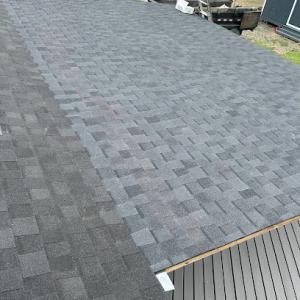
AJR'S Prime Roofing & Construction
(479) 910-8960 www.facebook.com
Jacksonville, Arkansas
5.0 from 5 reviews
AJR'S specializes in roofing and construction. We service the Arkansas area and provide the following services: roofing, remodeling, siding, decks, flooring, carpentry, painting and demolition. Free Estimates - call us now for yours. We pride ourselves in customer satisfaction! Let us make your vision a reality!
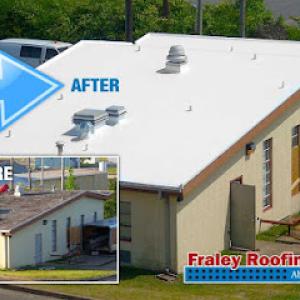
Fraley Roofing
(501) 834-9602 fraleyroofing.com
Serving
4.8 from 90 reviews
Fraley Roofing is a family owned and operated roofing business serving Arkansas. Having their start in residential roofing in the 1970's, Fraley Roofing now serves both residential and commercial clients. In addition to using quality products, Fraley Roofing is known for providing quality workmanship, service after the sale, and impeccable clean-up at the job site! The initial goal is to work with you until the right solution is found for your roof project. The ultimate goal is for you not to have think about your roof again for years to come. Fraley Roofing is licensed, bonded and insured. (AR Contractor's License #012918)
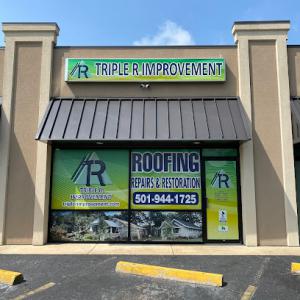
Triple R Improvement
(501) 944-1725 www.triplerimprovement.com
Serving
5.0 from 65 reviews
Tree Service, Roofing Service, & Improvements
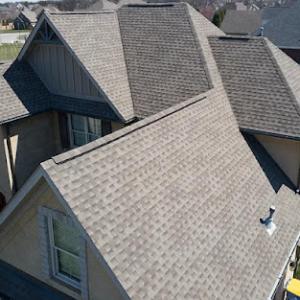
Little Rock Roofing
(501) 557-6480 www.littlerockroofing.com
Serving
5.0 from 133 reviews
At Little Rock Roofing, we offer high-quality work at a fair price. We are a full-service commercial and residential roofing contractor serving all of Central Arkansas. Our fully licensed and insured roofers tackle projects ranging from roofing repairs and roof replacement to new installation.

Araujo Roofing & Construction
(501) 541-4503 www.araujoroofingandconstruction.com
Serving
5.0 from 13 reviews
Araujo Roofing & Construction is a trusted family-owned roofing and construction company serving Central Arkansas for over 15 years. We specialize in roof installation, repair, and replacement for residential and commercial properties, as well as metal, tile, shingle, and TPO roofing systems. Our skilled team also provides painting, gutter, and construction services to enhance your home or business. Known for our honesty, craftsmanship, and commitment to quality, we proudly serve Little Rock, Conway, Maumelle, Jacksonville, and surrounding areas with durable, beautiful results built to last.
Weaver Roofing
(501) 351-3738 www.weaverroofingar.com
Serving
5.0 from 25 reviews
We have been the region's leading professional roofing service since 1996. We provide Residential, Commercial Roofing, and Gutter Cleaning. We are locally owned and operated. Depend on us for solid, good old fashioned hometown service!
Hargrove Roofing
(501) 260-7994 www.hargroveroofing.com
Serving
5.0 from 124 reviews
The certified roofers at Hargrove Roofing have years of experience providing high-quality roofing services in Louisiana and Texas. As a BBB-accredited company, their team is proud to be your trusted partner for reliable roofing solutions. From roof inspections to roof installation to roof repair, their skilled contractors are fully trained and equipped to keep the roof over your home or business. When you choose Hargrove Roofing, you’re choosing peace of mind with 24-hour emergency services, flexible financing options, and their satisfaction guarantee! With a reputation for exceptional craftsmanship and top-notch products from industry-leading brands like GAF® and Owens Corning®, you can rest assured that your roof is built to last.
EZ Roofing
(501) 443-7552 ezroofingnow.com
Serving
4.8 from 256 reviews
EZ Roofing: Your Trusted Roofing Experts, Now Serving Arkansas! Since 2017, EZ Roofing has built a reputation as a premier restoration company, simplifying the roofing process for homeowners. We're thrilled to announce our expansion into the wonderful state of Arkansas, bringing our expertise in roofing, along with top-notch services for siding, gutters, windows, and doors. Our dedicated team of experienced professionals is committed to delivering exceptional quality and a customer experience you won't forget, every day of the year. Using only the finest materials and skilled crews, we're ready to show you why our satisfied customers trust us time and again. Let EZ Roofing make your next home improvement project seamless and stress-free!
Top Notch Roofing & Remodeling
(870) 660-9070 www.topnotchroofingar.com
Serving
4.8 from 51 reviews
For over 10 years, Top Notch Roofing has been providing exceptional residential roofing and home remodeling services for clients throughout Cabot, AR and beyond. Priding ourselves on honesty and integrity, Top Notch Roofing stands as a cut above the rest. It's our goal with every project to gain your trust and customer satisfaction. Our range of services includes roofing repairs and replacements along with home improvement services such as kitchen and bathroom remodeling. We realize that your home is your most valuable asset; so that's why we work hard to keep it that way. Call us today at (870) 660-9070 to learn more about what we can do for you!
Spring in this area offers a practical balance between workable temperatures and the lingering effects of winter storms. The goal is to complete repairs or start a replacement before the hot, humid stretch sets in. Start with a thorough assessment as soon as days stay above freezing consistently. Focus on inspecting for hail dents, wind damage, and shingle lifting that may have occurred during late-wall storms. If you spot issues, address them early to keep moisture intrusion from creeping into attic spaces or ceilings. Schedule a crew while fast-drying days are still predictable, and coordinate tarp protection or temporary coverings for exposed roof areas if a storm rolls through during the project window. In Jacksonville, spring planning matters because central Arkansas weather can pivot quickly, so lock in a plan that allows for a few flexible workdays without letting minor weather delays snowball into weeks of downtime.
Summer conditions accelerate roof aging, especially on sun-exposed slopes. High heat, humidity, and long days can shorten sealing time and complicate adhesive cures for certain underlayments. If a roof has shown recurrent issues-curling shingles, granular loss, or recurrent leaks-this is the season where replacement begins to look more sensible than repeated patches. Prioritize projects that can take advantage of warm, dry weather blocks, and protect interior spaces from heat buildup during installation. Plan for daily heat management on-site: shade covers for crews, proper ventilation in the attic during work, and early-morning start times to beat the peak sun. Expect some days to stretch into longer timelines if heat waves press on scheduling, but steady, disciplined progress typically yields the most reliable long-term performance when you're dealing with sun-exposed slopes.
Autumn can bring both storm interruptions and leaf buildup that affects drainage and cleanup during active reroofing projects. Start autumn assessments with a focused review of drainage channels, downspouts, and valley conditions to reduce debris-related clogs after leaves begin to fall. Leaves can mask underlying damage and complicate post-storm cleanups, so plan a thorough debris-removal routine at key checkpoints. Storm potential remains real, so maintain a flexible schedule and protect newly installed materials from oxidation and wind-driven debris. This season is practical for finalizing full replacements or extended repairs that require a stable window before winter weather closes in. Having a contingency plan for quick re-sealing or temporary weather protection minimizes disruption when autumn storms arrive.
Winter brings cold snaps that can interrupt sealing progress and scheduling. When temperatures approach freezing, adhesive and sealant performance can drop, so the work window should account for days with favorable temperatures and dry conditions. Use the colder months to finish up interior detailing, attic ventilation improvements, and any high-precision flashing work that benefits from steady temperatures. If a reroof project spills over from autumn, maintain clear communication about expected delays, and keep access to the site open for rapid resumption once conditions improve. End-of-season completion helps ensure the roof is sealed before spring storms return.
Get a clear picture of your project costs upfront - no commitment required.

Thomas Roofing & Restoration
(501) 804-6934 www.thomasrr.com
720 S First St, Jacksonville, Arkansas
4.9 from 48 reviews
AJR'S Prime Roofing & Construction
(479) 910-8960 www.facebook.com
Jacksonville, Arkansas
5.0 from 5 reviews
Asphalt shingles and metal roofing are the most practical fits for Jacksonville's mix of heat, humidity, thunderstorms, and cost sensitivity, while tile options are available but less common in the active contractor base. The local housing stock often leans toward shingle and metal systems because they deliver dependable performance under hot summers, high humidity, and the quick-cycle weather shifts that accompany spring storms. When choosing materials, focus on long-term reliability under impact and wind loads, not just upfront appearance. Shingles with good granule adhesion and metal panels rated for higher wind speeds tend to hold up best during rapid storm events that sweep through central Arkansas.
Jacksonville's dominant material list includes asphalt shingles, metal, clay tile, concrete tile, wood shakes, and synthetic/composite shingles, but local specialty signals show far more contractor activity around metal and asphalt than tile. That pattern matters: metal and asphalt are easier to repair in place after hail or wind damage, and the available local service pool is larger, which translates into faster assessments, repairs, and claim support after a storm. Clay and concrete tiles offer a distinctive look and excellent longevity, but they require a solid roof deck and careful installation to resist impact and cracking. Wood shakes bring a rustic appeal but demand extra maintenance in humid climates, where moisture can promote mildew and faster wear if ventilation isn't optimal. Synthetic or composite shingles can mimic many textures while offering enhanced impact resistance, but check the warranty specifics and ensure compatibility with local sheathing and underlayment choices.
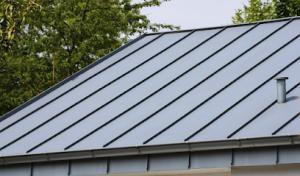
Frequent thunderstorms and periodic winter cold snaps in central Arkansas make impact resistance, fastening quality, and underlayment performance more important in Jacksonville than purely aesthetic material selection. The area experiences hail and gusty winds that stress fasteners and edge flashing, so material choices should emphasize secure attachment systems and robust underlayment. For asphalt shingles, look for higher wind-resistance ratings and a solid, rot-free deck. For metal roofing, emphasize concealed-fastener or standing-seam systems with proper sealant quality around penetrations and gutters. Tile options should be installed by crews with experience in heavy roof loads and proper roof-to-wall integration to prevent cracking from thermal movement and wind-driven debris. In all cases, ensure that the roof assembly-including insulation, ventilation, and the underlayment-supports moisture management to reduce ice damming and mold risk during colder spells.
When evaluating options, consider the compatibility with the existing roof structure, the typical storm season strength, and the availability of local contractors with a track record in Jacksonville. Asphalt shingles offer straightforward replacement cycles and broad contractor availability, which helps when dealing with post-storm evaluations and potential insurance adjustments. Metal roofing, while sometimes pricier up front, provides excellent impact resistance and longevity in this climate and can be a strong match for homes with taller roof profiles or complex geometry where wind uplift is a consideration. Tile, wood, and synthetic options bring distinct aesthetics and performance profiles but require careful assessment of deck readiness, fastener systems, and maintenance expectations to ensure long-term resilience in storm-prone conditions.
In this market, cost planning must account for storm-driven demand spikes, since hail and wind events in central Arkansas can tighten contractor availability and push reroofing timelines outward. When a heavy storm hits, you'll often see a short surge in material lead times and crew scheduling. Set expectations with your chosen contractor about possible delays and a realistic window for completion after a claim is approved. budgeting for a few extra days or weeks can save stress when rain is forecast and crews are scarce.
Asphalt shingles commonly appear as the most practical option for many homes, running about $300 to $550 per square. If metal roofing is on the table, expect a broader range-roughly $600 to $1000 per square-reflecting panel systems, fasteners, and underlayment choices that stand up to central Arkansas storms. For higher-end aesthetics and durability, clay tile sits around $900 to $1500 per square, and concrete tile ranges from about $800 to $1400 per square. Wood shingles or shakes are typically in the $650 to $1100 per square band, while synthetic or composite shingles offer a mid-range option at about $350 to $700 per square. These figures illustrate how Jacksonville homeowners balance upfront cost with long-term performance.
Given frequent hail and wind events, you'll want to match coverage with expected life under storm conditions. Asphalt shingles offer strong value and easy repair paths, but metal roofing can provide superior wind resistance and longer service life in central Arkansas weather. Tile options bring distinctive looks and durability, though heavier loads may require structural checks. If you're aiming for the most affordable replacement with decent longevity, asphalt remains the go-to, while synthetic shingles deliver a compromise between price and resilience.
Begin with a clear comparison of products, warranties, and expected lifespans. When you review bids, ask for a breakdown by material, underlayment, and fasteners so you can see where storm-related price fluctuations may affect your project. If you're working from an insurance claim, align the scope and timelines with the adjuster's expectations to minimize back-and-forth. Finally, build in a contingency-storm seasons can push schedules, and a modest cushion helps keep your project on track.
Don't let upfront costs delay a critical repair - these contractors offer payment plans to fit your budget.
A building permit is typically required for a full roof replacement, and the city building department issues the permit. That permit is not a paperwork afterthought; it ties the project to the city's codes and inspection schedule, and failing to secure and close it properly can create headaches after a storm-damaged roof. In practice, this means a project cannot proceed beyond the framing stage without the city's formal blue stamp of approval. The permit status matters when comparing bids, because it reflects how closely a contractor follows the local rules and how likely a project is to pass final review on the first pass.
In Jacksonville, the contractor usually handles permit submission and schedules the required inspections with the city during the project. This arrangement shifts some responsibility away from you, but it also means you have to stay informed about timing. Ask for a copy of the permit application and the approval notice, and verify that the contractor has coordinated the inspections in the correct order: initial inspection during progress, and a final inspection upon completion. If a storm-damaged roof is involved, make sure the bid includes the permit-related tasks and that any required permits or amendments from the insurer are reflected in the project plan.
Final inspection is the critical milestone for reroofing work to close out properly. The inspector will look for proper nailing patterns, underlayment, flashing, venting, and workmanship that complies with local codes and the manufacturer's installation requirements. A clean final inspection means the city has reviewed the work and found it compliant, which protects you in the long term from hidden issues that could become costly later. If the final inspection uncovers deficiencies, the contractor is responsible for corrections before the permit can be closed, so keep a record of any inspector notes and ensure timely follow-through.
Coordinate with the contractor to obtain the permit number and the anticipated inspection dates as soon as project planning begins. Mark calendar reminders for each inspection window and confirm what documents the city and insurer will require at each step. Storm-related projects can involve additional scrutiny, so anticipate potential delays caused by weather windows, especially after hail or heavy rain events. Keeping the permit status current not only meets city expectations but also provides a clear benchmark when evaluating bids from different crews.
Storms in this area bring hail, gusty winds, and heavy rain that can age a roof quickly. The local insurance environment is shaped by those events, and a roof's condition or history of storm claims can influence conversations with adjusters and carriers. When a roof has prior damage, or a pattern of leaks shows up after a heavy rain, expect questions about the timeline and the storm that caused the most recent evidence.
While insurer availability in Arkansas remains generally solid, premium fluctuations can follow major storm periods, which makes timely claim filing and documentation more important for Jacksonville homeowners. If a big hail event hits, contact your insurer promptly and keep a clear record of the time and location of the damage. Delays can complicate coverage discussions later, especially if the claim window narrows or if multiple storms occur in a short period.
Adjusters in this region commonly review photos and damage evidence closely, so taking clear, dated images matters. Start with the exterior: shingles, flashing, fascia, and gutters. Inside, document any interior leaks or staining near the ceiling or walls. If tarping is needed to prevent further damage, photograph the tarp setup and any temporary measures. This evidence helps support the extent of damage before permanent work begins.
If you suspect roof damage, avoid assuming the repair is minor. A quick exterior inspection from ground level can spot obvious gaps, lifted shingles, or missing granules, but never climb a damaged roof alone. For safety, note visible damage, then contact a licensed roofer for an on-site assessment. Prompt professional evaluation accelerates the claim process and reduces the chance of unseen leaks or secondary damage.
In the Jacksonville area, repeated thunderstorm exposure makes wind-lifted shingles, hail bruising, and leak paths around roof penetrations more relevant than coastal salt or snow-load issues. The typical roof surface endures rapid cycles of heating and cooling, wetting and drying, and sudden gusts that can shear edges loose. As a result, hail bruising may appear as soft dents or overwhelmed granules, while wind-lift often shows up first at corners, along eaves, and around vents and chimneys. Look for inconsistent shingle seating, torn tabs, or lifted edges after a storm, and pay careful attention to any newly darkened streaks that follow water trails from penetrations.
Hot, humid summers in central Arkansas can shorten service life by accelerating granule loss, thermal aging, and moisture-related wear in roof systems that already took spring storm damage. Granules protect the asphalt core and keep UV from degrading the mat; once they shed, the surface absorbs more heat and accelerates curling or cracking. Moisture can seep into micro-cracks and expand with daily temperature swings, promoting faster deterioration around roof vents, solar penetrations, and flashing. If a roof looks consistently chalky, granules washing down gutters, or shingles that curl at the edges, expect expedited aging and plan targeted repairs sooner rather than later.
Jacksonville's active emergency-repair market indicates that sudden leak control after storms is a recurring homeowner concern, not a rare edge case. After a major event, prioritize a rapid, point-by-point assessment: inspect attic insulation for signs of fresh leaks, look for damp spots around penetrations, and note any water staining that trails along rafter bays. Keep damaged areas exposed and dry while you arrange professional evaluations, especially where wind-driven rain may have driven water past flashing or into vent seals. A proactive approach shortens downtime and reduces the risk of interior damage during the next storm surge.
Find contractors experienced in skylight installation, flashing, and leak repairs to bring natural light into your home.
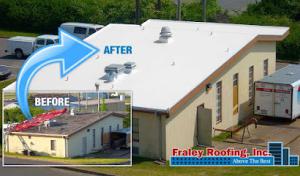
Although this section is about low-slope and additions, the reality in this market is that flat-roof work shows up alongside traditional shingle projects. Flat-roof specialists are common enough that porch additions, garages, and low-slope sections often require different drainage and membrane considerations than standard shingle work. Expect some contractors to market mixed services, but verify they actually handle both residential and commercial jobs, not just tear-offs.
Heavy rain events in this city make ponding and drainage performance especially important on low-slope sections. Before work begins, map the flow paths from the roof and any additions. Check that scuppers, edge drains, and internal drainage are sized for Florida-style downpours plus Arkansas storms. For single-pamily homes with porches or attached garages, specify a positive drainage plan that minimizes standing water after a storm. If the roof area ties into gutters, ensure the gutter system can handle rapid overflow without undermining the membrane.
Low-slope roof membranes must stand up to hail, wind, and rapid temperature swings. In practice, many Jacksonville projects involve EPDM, TPO, or modified bitumen. The choice depends on roof pitch, exposure, and the connection to other roof areas. For additions, ensure compatibility with existing roofing materials to prevent differential movement. Ask for a detailed seam and flashing plan around transitions, curbs, and penetrations to avoid issues during the next storm.
Given the market mix of residential and commercial teams, confirm a roofer's capacity for mixed-slope homes rather than only standard shingle tear-offs. Request references from projects similar in slope and size, and verify warranty scope includes both membrane and edge-terms. Clear communication about timelines, surface prep, and post-storm inspection routines helps protect the long-term performance of low-slope sections.
Find specialists in TPO, EPDM, and built-up flat roofing systems for residential and commercial properties.
Thomas Roofing & Restoration
(501) 804-6934 www.thomasrr.com
720 S First St, Jacksonville, Arkansas
4.9 from 48 reviews
Araujo Roofing & Construction
(501) 541-4503 www.araujoroofingandconstruction.com
Serving
5.0 from 13 reviews