
Last updated: Apr 19, 2026
Benton sits in a part of Arkansas where spring storms regularly bring hail and strong wind, making storm-related roof damage a leading trigger for replacement decisions. When the last gust dies down, you need to move quickly but safely. Start with a ground-level check: look for broken shingles, missing pieces, or obvious punctures along the eaves and ridge line. If you can safely access the attic, check for daylight gaps, musty smells, or any signs of leaking. Do not climb onto a wet or cracked roof; a single misstep can turn a minor issue into a major leak or fall hazard. Document everything with photos from the ground and, when possible, from a ladder with a helper stabilizing it.
Frequent severe-weather events in this market mean roofing schedules can tighten quickly after storms as local demand surges. That means you must tell the difference between cosmetic granule loss and claim-worthy hail bruising or wind-lifted damage. Hail bruising shows as rounded dents on the shingles' surface, often with darkened pinholes or subtle bruises. Granule loss alone can look like peppered ends or a dusty feel along the gutters, but it is not always a warranty trigger. If you notice curled edges, cracked tabs, torn seals, or shingles that lift at the corners, that's a red flag even if the surface still feels relatively intact. In Benton, the difference matters for what your insurer will cover.
If you aren't comfortable walking a steep roof, stay off it and rely on a palm-on-shingle check from the edge for loosened tabs or lifting. On the ground, inspect gutters and downspouts for an excess of mineral granules, which can signal accelerated wear after hail impact. Look for dented flashing, damaged vent boots, or rust around roof penetrations. Wind damage often shows as shingles torn near connectors or along the windward slope. If you do climb, wear proper footwear, use a sturdy ladder, and have a helper.
Storm cycles in this part of Arkansas make timely documentation essential. Gather the storm date, wind speeds if available, and a short narrative of observed damage. Take timestamped photos of the roof from multiple angles, plus close-ups of any bruising, lifts, or missing granules. Keep roofing contractors' inspection notes handy, because an adjuster will want to see professional assessments to determine if you're facing cosmetic maintenance or a replacement. When delays arise due to peak demand after a big event, you can use the written record to demonstrate ongoing concerns and avoid temporary temporary fixes masking larger issues.
First, mitigate any leaks using temporary tarps or sealants on exposed openings, but do not impede attic ventilation or cover over needed flashing. Schedule a professional roof inspection as soon as practical-ideally within days of the storm-so you have an expert opinion on whether you're dealing with hail bruising, wind-lifted shingles, or a combination. Get multiple written assessments from trusted local roofers who understand the local construction practices and climate. If a contractor spots hidden damage behind the fascia or under the decking, that information strengthens a timely replacement decision rather than a delayed, piecemeal fix. In a market where demand can surge, acting decisively with solid documentation keeps you ahead of the queue and helps protect your home from further weather-induced risk.
Rhino Roofing
(501) 813-9009 therhinoroofers.com
303 N Market St, Benton, Arkansas
5.0 from 91 reviews
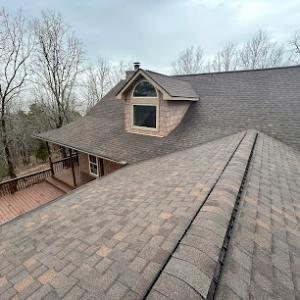
Roof damage and leaks need attention fast to prevent bigger problems. Rhino Roofing provides prompt inspections and repairs for storm damage, leaks, and unexpected roofing issues. We are a licensed, bonded, and insured local contractor serving Central and Northwest Arkansas. Our team explains the situation clearly, outlines your options, and helps protect your home without pressure or guesswork.
ARSTORM Restoration & Roofing
(501) 580-5841 www.arstormrestorationandroofing.com
Benton, Arkansas
5.0 from 27 reviews
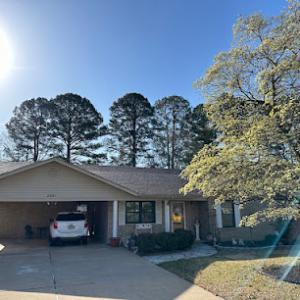
Welcome to ARStorm Restoration & Roofing, a local, family-owned roofing company proudly serving residential and commercial customers in the Benton, Bryant, and Little Rock areas. Since 2016, we've partnered with the same trusted team to deliver quality roofing solutions. You can trust us to take care of all your roofing needs, from storm damage repairs to full replacements.
Oltmans Roofing
(501) 687-7663 oltmansroofing.com
1405 Salem Rd, Benton, Arkansas
5.0 from 24 reviews
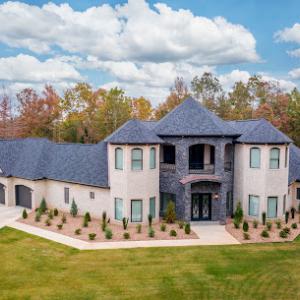
Oltman Roofing, based in Christiana, Tennessee, has been serving residential and commercial clients across Middle Tennessee since 2001. Locally owned and fully licensed, they specialize in new roof installations, storm damage repairs, seamless gutter systems, and a variety of roofing types including asphalt shingles, standing-seam metal, and membrane roofing (TPO, PVC, EPDM). Oltman Roofing partners with leading manufacturers like GAF, CertainTeed, Firestone, and Versico to ensure quality materials. Highly experienced with insurance claim processes, their team delivers free estimates, dependable service, and peace of mind for homeowners and business owners alike.

Acumen Contracting
(501) 588-4644 www.acumencontractingllc.com
4405 Donna Dr, Benton, Arkansas
4.7 from 67 reviews
We are roofing experts, experienced in all areas of roofing includeing all types of roofs. Because of our experience as roofing contractors and our expert attention to detail, we have been accredited by Certainteed, Owens Corning, and IKO. These are the top roofing supply and roofing material companies in the country. So we can give our customers the best roof warranties available.
Shelton Roofing
(501) 786-6333 www.sheltonroofingcompany.com
7415 Worth Ave E, Benton, Arkansas
4.7 from 40 reviews
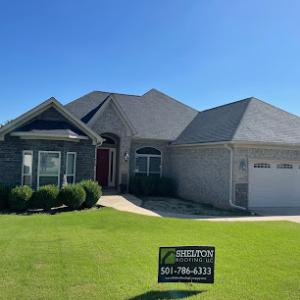
Shelton Roofing is a company who has 40 years experience in the roofing industry. We are a top of the line roof installer and restorer. From the moment we meet our client until the last, finishing touches, we will be dedicated to you and your project. Our contractor and team will work hard to see you are satisfied with every aspect of our work. We gladly offer new shingle and metal roof installation, roof replacement and repair as well as roof tarping as our primary services. We take pride in offering excellent projects, utilizing the best materials, and keeping our work areas clean and safe. We offer the highest quality of service in every installation and repair project.
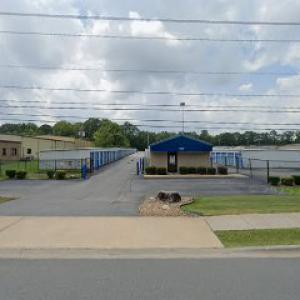
Ozark Exteriors
6910 Alcoa Rd, Benton, Arkansas
5.0 from 15 reviews
Ozark Exteriors, LLC is a licensed, bonded and insured roofing, gutter & home exteriors contractor. The management and ownership of Ozark Exteriors are committed to and bound by the idea that our families live in the community we serve. We specialize in roof and gutter tear off and replacement, call us any time of day or night to meet your local roofing needs!
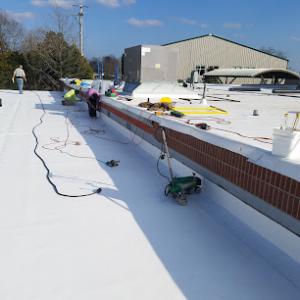
Koon Roofing & Restoration
3704 Chambray Pl, Benton, Arkansas
5.0 from 13 reviews
A local, family owned Roofing professionals who have combined expierience of 4 generations with the most innovative materials on top of quality customer service that has kver 15 years in business
CK Roofing Solutions - Benton
(501) 467-4496 cksolutions.org
1215 Military Rd Suite 2, Benton, Arkansas
4.8 from 25 reviews
CK Roofing Solutions is a family owned and operated roofing company with locations across the entire State of Arkansas. Don’t leave the most important part of your home to a handyman service. We pride ourselves on delivering the best possible roof replacement or repair to the city of Batesville, Bald Knob, Cabot, Searcy, Cave City, Benton, Conway, Ft. Smith, Fayetteville, and many other communities across the state of Arkansas. We follow strict IRC and state codes alongside using the best products on the market. Our team takes pride in every job they perform, and we would love the opportunity to provide the solutions for all your roofing needs.
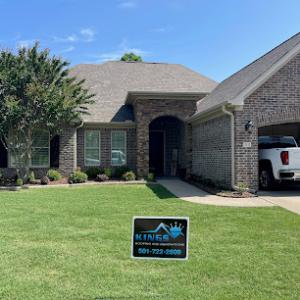
Kings Roofing & Renovations
(501) 317-1972 www.kingsroofingandrenovations.net
6948 Alcoa Rd Suite A1, Benton, Arkansas
4.2 from 55 reviews
Kings Roofing and Renovations strives to help each customer "protect their castle." Our top priority is the satisfaction of our valued customers.
Pro Roofing & Remodel
(501) 326-5556 www.proroofingandremodel.com
1308 N Shady Ln, Benton, Arkansas
5.0 from 7 reviews
Shingle, Metal, Flat Roofs & Remodel Licensed•Insured•Locally owned•Bonded•BBB (A+) Excellent work and we care about our customers.
Little Rock Home Solution & Roofing
17724 I-30 Frontage Rd Suite 4 office 1, Benton, Arkansas
5.0 from 3 reviews
fsdfa

Brown's Roofing
(800) 636-1052 brownsroofingla.com
Serving
5.0 from 171 reviews
Brown's Roofing is a roofing contractor in Little Rock serving Searcy, Alexander, Maumelle, Benton, and nearby areas. Our roofing company offers residential roofing, roof repair, asphalt shingle roofing, metal roofing, and more. We also specialize in siding, gutter, window, and door services. Customers love us because of our comprehensive roof warranties and affordable roof financing options. We also have industry affiliations and certifications with Owens Corning and IKO Dynasty shingle systems. Contact your local Little Rock roofing company for a free estimate today!
Storm events with hail and strong winds leave lasting marks on roofs that aren't always obvious from the ground. Arkansas is a high-claim hail and wind state, so Benton homeowners should expect insurers to ask for photo documentation, roof age, and decking details after storm losses. Having clear, timestamped photos of shingles, flashings, and any interior signs of attic moisture helps the adjuster see what might need replacement versus what could be repaired. If you've saved recent roof invoices or inspection notes, these can help establish when the roof last met its expected lifespan and what components were last maintained. Being prepared with a concise, organized set of images and notes can reduce back-and-forth and the chance that a claim drags on longer than necessary.
Because claims are common in this region, older roofs and some materials may receive closer scrutiny from carriers during adjustment. Asphalt shingles that are beyond their typical life, metal that shows denting or coating wear, or tile and shake materials that have degraded under heat and hail are more likely to prompt questions about decking condition and attic ventilation. Insurers may specifically request access to attic spaces or decking photographs to verify underlying structure safety and project scope. If there is visible aging or previous repairs, be prepared to document whether those elements were addressed or failed again after the latest storm. The overarching message is that the adjuster will assess not just the surface damage but whether the roof system as a whole still provides weather resistance.
Claim timing matters in Benton after major storm runs because adjuster backlogs and contractor demand can overlap during peak spring damage periods. Delays in scheduling can affect how quickly materials are available and how soon repairs begin, potentially influencing temporary protective measures and interior moisture mitigation. If you wait too long to file, important documentation can become harder to collect or may lose relevance as the claim moves through the process. On the other hand, rushing can leave gaps in photos or notes that later complicate the adjustment. Plan a measured approach: report promptly, gather clear photos, and coordinate with the insurer on milestones that keep your project on track without compromising accuracy.
Create a simple, dated folder of storm-related items: exterior roof photos from multiple angles, close-ups of hail impact sites, attic or ceiling signs of moisture, and any existing roof or deck certifications. Note the roof's age, last major repair, and any decking concerns observed during a prior inspection. When speaking with the adjuster, describe what you observe without speculation, and reference the visual documentation you've compiled. If a contractor or public adjuster is involved, ensure their scope aligns with the reported condition and that they understand the documentation you've collected. The goal is to present a clear, credible case that supports an accurate assessment of the roof's condition and the necessary scope of work.
Connect with contractors who help homeowners navigate the claims process from damage assessment to final approval.
ARSTORM Restoration & Roofing
(501) 580-5841 www.arstormrestorationandroofing.com
Benton, Arkansas
5.0 from 27 reviews
Oltmans Roofing
(501) 687-7663 oltmansroofing.com
1405 Salem Rd, Benton, Arkansas
5.0 from 24 reviews

Acumen Contracting
(501) 588-4644 www.acumencontractingllc.com
4405 Donna Dr, Benton, Arkansas
4.7 from 67 reviews
Asphalt shingles and metal roofing dominate the local market because they stand up well to repeated hail and wind events while staying practical for typical Benton homes. Asphalt is familiar, fast to install, and easy to repair if hail dents show up after a storm. Metal, with its durability and wind resistance, often becomes the long-term option when you're eyeing a reroof after severe hail damage or when you want a lighter, more outdoor-friendly profile. In this climate, those two options strike the best balance between reliability and service life for the price and the way roofing crews schedule work during hot stretches.
The hot, humid subtropical summers drive aging patterns for shingles. Sun exposure accelerates granule loss on asphalt and can make darker colors look worn sooner if attic ventilation isn't moving air efficiently. In Benton, poor attic venting compounds heat buildup, so choosing a roof system that tolerates heat and promotes airflow matters. If you're replacing after a hail event, you'll want a system that not only sheds impact well but also works with a solid ventilation plan-attic vents, soffit intake, and a sealed attic access-so the roof isn't fighting heat under the deck. Installers should pace work to avoid heat-related stresses on membranes, fasteners, and underlayment, especially when temperatures spike.
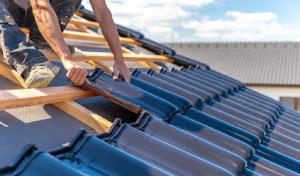
Clay tile, wood shakes, synthetic shingles, and EPDM are available, but they stay more specialized in this market. Clay tile's weight and brittleness under hail can complicate repairs, while wood shakes demand meticulous maintenance to resist rot in humid heat. Synthetic shingles can be a good match for unique aesthetics or enhanced impact resistance, but contractor availability is narrower, which can limit scheduling flexibility. EPDM is more typical for flat or low-slope sections and is less common for standard Benton home roofs. If you're weighing these options, plan for longer lead times and more precise calculations for roof pitch and deck compatibility.
1) Evaluate existing attic ventilation and fix any obvious insufficiencies before installing new roofing. 2) Prioritize materials with proven hail performance and a track record for hot-climate aging. 3) Confirm that the chosen system accommodates the local roof deck, flashing, and attic access needs, since Benton projects often flag those details during inspections. 4) Coordinate with a contractor who can pace the installation to avoid heat-related issues and ensure proper attic sealing as work progresses. 5) Schedule inspections after severe storms to verify the roof's integrity and catch any overlooked gaps early.
After the spring storms clear, homeowners in this area often see reroof bids land in familiar bands. Asphalt shingles tend to run about 350 to 700 per square, metal between 600 and 1100 per square, clay tile 900 to 1800 per square, wood shingles or shakes 500 to 900 per square, and synthetic or composite shingles 600 to 1100 per square. For those considering EPDM, think roughly 3.5 to 6.5 per square foot. These ranges reflect common Benton housing stock and the way local crews price tear-off, disposal, and new underlayment. When a tighter skyline of wooden eaves or older decking exists, you'll often see the higher end of the spectrum, especially on larger or steeper roofs.
Spring hail events wake demand not just in Benton but across Saline County and nearby central Arkansas markets. When roofs are damaged across multiple neighborhoods at once, crews can get busier, and timelines tighten. That pressure can push prices upward on some bids, particularly for materials that had supply disruptions or long lead times. If a roof is already showing widespread hail impact, some bids may push up slightly to cover additional teardown of damaged decking or extra cleanup. Timing becomes part of the cost equation because faster schedules can cost more, and delayed projects may incur temporary accommodations for weather and access.
Several line items tend to surface during a storm-driven reroof. First, deck repairs or replacement discovered during tear-off can add to the bill if the existing plywood or decking has sustained water or hail damage. Ventilation and flashing corrections flagged by inspectors are frequent add-ons that materialize once the old roof is exposed. And while not unique to storms, that typical Benton factor-the need to replace or reflash roof edges, valleys, and penetrations-often matters more when a heavy spring hail pattern has compromised more than the surface. Finally, scheduling windows and the logistics of coordinating inspections and timely permit flips can nudge totals upward, especially when crews are juggling multiple storm sites.
Ask for a measured, itemized bid that separates tear-off, decking repairs, underlayment, flashing, ventilation, and final seals. Compare the price bands for the material you're selecting and ask about how much of the bid accounts for disposal and debris cleanup. If a contractor notes extensive decking work, request a separate assessment on the condition of the rafters and attic access to avoid surprises during a later inspection. When storm season hits, brace for tighter schedules and consider securing supplies early and agreeing on a clear inspection and punch-list process to keep the project moving smoothly.
Get a clear picture of your project costs upfront - no commitment required.
Oltmans Roofing
(501) 687-7663 oltmansroofing.com
1405 Salem Rd, Benton, Arkansas
5.0 from 24 reviews

Arkansas Home Improvement
(501) 337-6644 www.arkansashomeimprovements.com
Serving
5.0 from 35 reviews
In Benton, a full reroof typically requires a building permit filed with the local building department. The permit process is designed to ensure that the work meets current codes for wind resistance, insulation, and fire safety, especially after hail and storm activity common in the area. A permit is not just a formality; it creates a paper trail that helps with future inspections and any potential insurance considerations after a storm event. Before any shingles come off, confirm that the project scope matches the permit you apply for and that the contractor has the correct licenses and paperwork on hand for the inspection sequence.
The Benton process generally includes plan review followed by scheduled rough and final inspections. Plan review can catch issues early, such as improper attic ventilation or flashing details that might fail later if left unaddressed. The rough inspection focuses on structural readiness, decking, and roof penetrations, while the final inspection verifies that all components-from underlayment to vents and flashings-were installed according to code and the permit. Scheduling timing matters: if storm damage triggers an insurance-driven reroof, align the permit timing with the insurance claim milestones to avoid delays or backlogs.
Local inspection notes commonly focus on flashing, ventilation, and attic access, so these details can affect approval even when the roof covering itself looks complete. Flashing around chimneys, skylights, and vent stacks needs to be integrated with the new roofing to prevent leaks from wind-driven hail. Ventilation must be adequate to manage heat and moisture in the attic; improper intake or exhaust can lead to poor roof performance and could require rework to pass the final check. Attic access points-doors, ladders, or temporary openings used during construction-should be securely installed and left compliant with egress requirements. Inspections will verify clearance around heat sources and proper alignment of ridge and soffit vents to maintain a balanced attic environment.
Prepare ahead by coordinating with both the building department and the contractor to confirm plan-review timelines and anticipated inspection dates. Have all flashing, ventilation, and attic-access details clearly documented in the permit plans, and keep late-stage adjustments aligned with the final inspection checklist. If weather or storm damage introduces changes, promptly update the permit amendments to avoid rework or inspection hold-ups.
On a typical Benton roof, summer heat and humidity slow installation pace and affect material handling on the roof. Shingles can become tacky, underlayment may misbehave in extreme humidity, and workers need longer breaks to stay safe. Plan for a measured tempo that preserves attic ventilation and roof integrity, not a pressed deadline. If a crew pushes through peak afternoon heat, expect more heat-related pauses and potentially extra trips for water and shade.
Heavy rainfall periods in this area can complicate tear-off timing and increase the importance of dry-in planning. When a storm front looms, you tilt the schedule toward dry days and keep deck and underlayment protected. Tear-off should not proceed if rain is likely to saturate the sheathing, and insurer- or manufacturer-recommended dry-in steps should be in place to reduce the risk of moisture intrusion. Anticipate occasional delays due to localized downpours that flood scaffolding or slow ladder access. Clear tarping, edge protection, and a defined sequence for removing old layers help keep the project moving when rain interrupts, without sacrificing a quality dry-in.
Winter cold and occasional ice in Benton can pause or slow roofing work even though the market is better known for warm-season storm activity. Freezing conditions can stiffen shingles, slow adhesive setups, and create safety hazards on slick angles. If a cold snap hits mid-project, have a contingency for extended pauses and plan for re-sealing flashings once temperatures rise. Snow accumulation should trigger a pause and a revised timeline to maintain proper dry-in and flashing integrity.
Coordinate a realistic sequence that aligns with local weather patterns and your home's attic access. Build buffers around anticipated hot spells, brief cold spells, and typical storm windows. Communicate with the crew about preferred work hours to avoid peak heat, and arrange a reliable dry-in plan that prioritizes flashing, ventilation, and attic access during off-season pauses. In Benton's climate, flexibility isn't optional-it's part of a solid reroof plan.
In Benton, the storm-driven reroof market creates urgency, but response speed should not come at the expense of workmanship. You will hear promises of quick starts, but the real test is how a crew handles the full reroof scope, not just a handful of patches. Look for a company that can demonstrate a track record of complete reroofs after hail or high-wind events, with crews that follow a consistent, documented process from debris removal to final cleanup. If a contractor mainly does quick repairs, that signals a limited toolkit and a higher risk of future workmanship gaps when the next round of hail hits.
The local market includes long-established, locally owned, and family-owned firms, which matters to homeowners seeking post-storm follow-through. A locally rooted company is more likely to return for warranty work, address service calls promptly, and stand by its promises long after the contract is signed. When you speak with a family-owned contractor, ask who will be onsite the day you sign, who handles warranty questions, and how the crew is supervised during a full reroof. You want a response plan that doesn't evaporate after the tarp comes off.
In a city where inspection comments often involve flashing and ventilation, workmanship standards and warranty clarity matter as much as the shingle brand. Request a written warranty that clearly covers labor, replacement materials, and installation details, with explicit timelines for addressing any flashing, venting, or attic-access notes found during post-install inspections. Verify the installer's adherence to a published installation guide and require a project-specific checklist, so that the final roof leaves no ambiguity about workmanship quality. If a contractor balks at providing written promises, reconsider your choice.