
Last updated: Apr 19, 2026
Spring hail and thunderstorms drive a sharp shift in how homeowners decide to fix or replace a roof. In this market, a small leak or dent can spiral into a full replacement decision within days as insurers, adjusters, and contractors converge after a storm. The pace in North Little Rock is fast, and waiting for perfect conditions can mean missing the window where claims are considered timely or where scheduling aligns with a contractor's capacity. The reality is that a weather event doesn't just test shingles; it tests your planning clock. When hail size is noticeable or wind rattles attic ventilation, the choice between quick repair and full replacement becomes the central decision during the post-storm rush. Aligning your expectations with the storm cycle helps prevent a rushed, poorly documented claim that slows results or invites gaps in coverage.
Arkansas tends to be a moderate-to-higher wind and hail claim environment, and North Little Rock homeowners should anticipate a thorough documentation process. Insurers will usually request roof age records, thorough photos, and clear damage descriptions tied to storm activity. If the roof has visible hail impact, missing shingles, lifted flashing, or damaged underlayment, expect a detailed line-item review rather than a broad approval. Gather age documentation, service records, and any prior claim notes before filing. Clear, timestamped photos showing hail marks, wind-driven damage, and attic signs of moisture make the difference between a straightforward claim and a prolonged haggle. A narrated summary that connects observed damage to a specific storm improves the chance of a smooth adjustment.
Because storm demand surges after severe weather, expect contractor backlog to rise quickly and permit turnaround to fluctuate at the same time. In high-volume weeks, scheduling can slip, leaving homeowners waiting longer than hoped for a slate of inspections, material deliveries, and crew assignments. This is not an abstract risk-it's a practical constraint that can influence whether a repair remains a repair or becomes a full replacement by necessity. If a roof has sustained sustained hail impact and meets age- or wear-related thresholds, a timing decision often hinges on whether the insurer's adjuster signs off on replacement rather than repair. Delays can compound if the weather reopens a storm window or if a contractor's crew is already committed to another high-priority project.
Start with a timely damage assessment from a trusted local roofer who understands how North Little Rock storms behave and how hail routes across common roof lines. Document every damaged area with high-resolution photos from multiple angles, including attic signs of moisture. Keep a running log of storm dates and the timing of each observed issue. When talking to the insurer, present the damage narrative in clear, storm-linked terms, showing how hail and wind interact with typical local roof assemblies. Finally, build a short list of reputable contractors and request written timelines for inspection, material availability, and installation windows. By acting quickly and with precise documentation, you reduce the risk of backlog pushing your claim into a longer replacement decision rather than a targeted, legitimate repair.
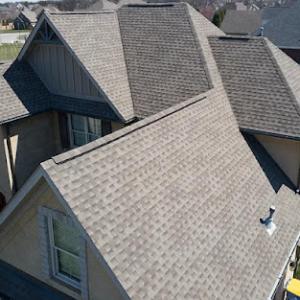
Little Rock Roofing
(501) 557-6480 www.littlerockroofing.com
5301 Warden Rd, North Little Rock, Arkansas
5.0 from 133 reviews
At Little Rock Roofing, we offer high-quality work at a fair price. We are a full-service commercial and residential roofing contractor serving all of Central Arkansas. Our fully licensed and insured roofers tackle projects ranging from roofing repairs and roof replacement to new installation.
Hargrove Roofing
(501) 260-7994 www.hargroveroofing.com
6929 John F Kennedy Blvd #25, North Little Rock, Arkansas
5.0 from 124 reviews
The certified roofers at Hargrove Roofing have years of experience providing high-quality roofing services in Louisiana and Texas. As a BBB-accredited company, their team is proud to be your trusted partner for reliable roofing solutions. From roof inspections to roof installation to roof repair, their skilled contractors are fully trained and equipped to keep the roof over your home or business. When you choose Hargrove Roofing, you’re choosing peace of mind with 24-hour emergency services, flexible financing options, and their satisfaction guarantee! With a reputation for exceptional craftsmanship and top-notch products from industry-leading brands like GAF® and Owens Corning®, you can rest assured that your roof is built to last.
Total Eclipse Roofing
(501) 817-7663 totaleclipseroofing.com
10808 Maumelle Blvd, North Little Rock, Arkansas
5.0 from 56 reviews
Total Eclipse Roofing is a trusted leader in the roofing industry, bringing 17 years of combined experience to homeowners and businesses. Our team of dedicated professionals specializes in providing top-quality roofing solutions tailored to meet the unique needs of each client. With a focus on excellence, we offer services that include roof installation, insurance claim assistance, repairs, free inspections, gutter install, leaf removal, and maintenance for residential and commercial properties. At Total Eclipse Roofing, we understand the importance of protecting your investment and enhancing the value of your property. Trust us to illuminate your roofing challenges with experience you can count on!
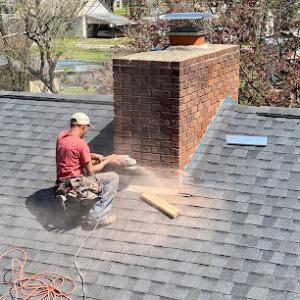
Pitch Perfect Roofing
(501) 940-8001 pitchperfectroofingllc.com
20 Sugar Creek Rd, North Little Rock, Arkansas
4.9 from 85 reviews
Pitch Perfect Roofing, LLC is a locally owned & operated company out of N. Little Rock, AR that prides itself on providing homeowners with quality service every “shingle” time.
Fraley Roofing
(501) 834-9602 fraleyroofing.com
6110 Carnegie Dr, North Little Rock, Arkansas
4.8 from 90 reviews
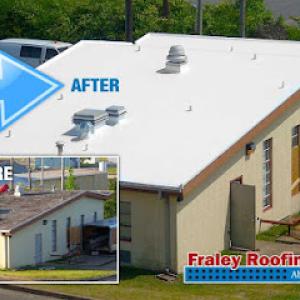
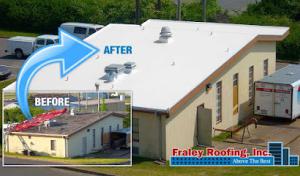
Fraley Roofing is a family owned and operated roofing business serving Arkansas. Having their start in residential roofing in the 1970's, Fraley Roofing now serves both residential and commercial clients. In addition to using quality products, Fraley Roofing is known for providing quality workmanship, service after the sale, and impeccable clean-up at the job site! The initial goal is to work with you until the right solution is found for your roof project. The ultimate goal is for you not to have think about your roof again for years to come. Fraley Roofing is licensed, bonded and insured. (AR Contractor's License #012918)
Sky Roofing & construction
(501) 541-1541 www.skyroofingandconstructionar.com
4104 Freeman Cir, North Little Rock, Arkansas
5.0 from 22 reviews
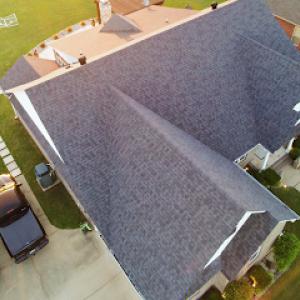
roofing and construction company

Skyline Roofing & Construction
(501) 650-5573 www.skylineroofingar.com
North Little Rock, Arkansas
5.0 from 11 reviews
Focusing on home repairs due to storm damage and normal wear and tear. Highly focused on helping homeowners manage the process from start to finish and to understand the insurance process as this can be the most confusing part.
Jason’s Roofing
3400 Burks Ave B, North Little Rock, Arkansas
5.0 from 5 reviews
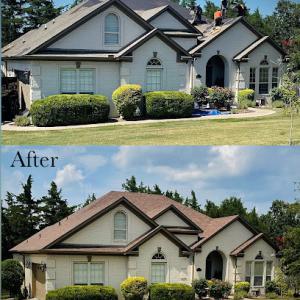
If you have leaks in your house contact us. We can clean your gutters, we do roof repairs, install new roof jack and turbines. Let's do all the repairs you need on your roof with free estimates.
Triple R Improvement
(501) 944-1725 www.triplerimprovement.com
Serving
5.0 from 65 reviews
Tree Service, Roofing Service, & Improvements
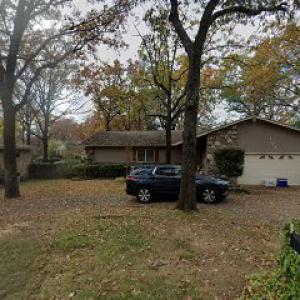
Weaver Roofing
(501) 351-3738 www.weaverroofingar.com
Serving
5.0 from 25 reviews
We have been the region's leading professional roofing service since 1996. We provide Residential, Commercial Roofing, and Gutter Cleaning. We are locally owned and operated. Depend on us for solid, good old fashioned hometown service!
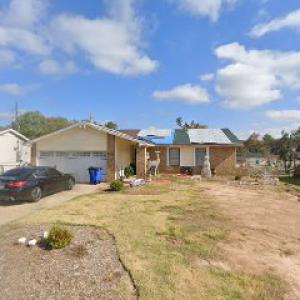
Jackson Roofing
6100 Foxboro Dr, North Little Rock, Arkansas
5.0 from 1 review
Residential and Commercial Roofing Company free estimates, insurance claims welcome for residential and commercial structures Asfault shingles, wood shake ,slate tile , etc. 24hr Emergency Service
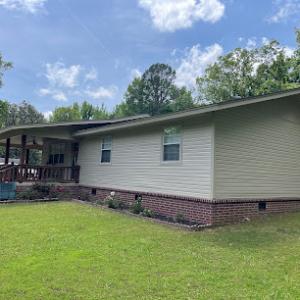
MD Roofing & Siding
(501) 672-4883 www.mdroofingandsiding.org
Serving
4.9 from 16 reviews
MD Roofing and Siding, LLC provides reliable roofing and siding services across Central Arkansas. Since 2021, we’ve specialized in roof repairs, replacements, siding installations, and storm damage restoration. Our licensed contractors deliver quality workmanship and dependable results to protect and improve your home or business.
In this area, asphalt shingles and metal roofing dominate the residential landscape. Asphalt shingles are familiar, cost-effective, and forgiving when a hail strike leaves a few bruises or granule loss. Metal roofing, on the other hand, rides the line between durability and heat management, offering strong resistance to wind and a longer service life if installation details are tight. When choosing between these two, focus on the exact roof geometry, attic ventilation, and how the chosen underlayment and flashing will play into the final inspection. Both materials perform well in hot summers if the ventilation strategy moves warm air out of the attic and keeps moisture from lingering.
Clay and concrete tiles bring long longevity and a distinct look, but their weight and installation requirements demand careful structural checks. In central Arkansas, heat can cause tiles to expand and contract more than other materials, and moisture management becomes critical to prevent cracking or seepage. If you're leaning toward clay or concrete, ensure the roof deck and supports are prepared for the extra load and that underlayment and flashing choices are matched to the tiles' profiles. Wood shakes and synthetic/composite shingles offer aesthetic variety and decent performance, but they respond differently to humidity and spring storms. Wood can be more vulnerable to moisture and mildew in humid springs, while synthetic options may better resist rapid temperature swings if the installation details prioritize ventilation and proper attic sequencing. The key is aligning the chosen type with robust ventilation, properly sealed flashing, and an underlayment that buffers against moisture ingress.
The final inspection in North Little Rock places extra emphasis on ventilation, underlayment, and flashing. Material choice matters here because a premium installation that neglects these details can fail more than once. Choose a roof system whose installation standards clearly address eave and ridge ventilation, continuous underlayment, and flashing around hips, valleys, chimneys, and vent boots. Asphalt and metal systems often come with factory-designed detailing that can simplify flashing coordination, while tile or shake systems demand extra attention to nail patterns, sealant compatibility, and drip edge alignment. In every case, insist on a well-ventilated attic and a moisture-appropriate underlayment that can handle both heavy spring rains and the season's heat.
Begin with a look at the existing roof geometry and the surrounding trees, which influence hail exposure and debris accumulation. If the home already has a solid ventilation plan, upgrading underlayment and flashing while reusing the deck may be the most cost-efficient path. If the attic is tight or poorly vented, prioritize roof types that integrate with a comprehensive intake and exhaust strategy. For most homes in this area, a balanced approach-combining a durable surface with a robust moisture-control system-will pass the final inspection and perform reliably through Arkansas' spring storms and hot summers. North Little Rock's dominant mix means you'll often pair familiar shingles with solid flashing details, while occasional tile or synthetic alternatives shine when matched to the house's structural capacity and the local climate demands.
When planning a replacement, you'll want to anchor expectations to local pricing ranges. Typical North Little Rock pricing ranges by material are about $380 to $700 per square for asphalt shingles, $600 to $1100 for metal, $900 to $1700 for clay tile, $900 to $1500 for concrete tile, $550 to $900 for wood shingles or shakes, and $450 to $800 for synthetic or composite shingles. These bands reflect the regional mix of homes, the seasonal demand, and the weather-driven complexities common in this area. Asphalt remains the most common, but a hail-driven spring can shift availability and scheduling across materials.
Spring hail and heavy thunderstorms push a surge in demand for roof work. In years with a significant hail event, scheduling can become tight as many homes pursue replacement within a short window. Labor pressure tends to rise, and crews may be juggling multiple projects at once. That dynamic can slightly elevate material and labor costs and extend lead times beyond what you'd see in a calmer season. If a storm has just passed, expect potential contingency timelines-and a higher likelihood that an experienced crew with solid underlayment and flashing skills will be in high demand.
Costs can move up when the project requires more than a simple re-roof. If the scope includes correcting flashing, improving ventilation, or upgrading the underlayment to meet final inspection expectations, plan for a higher price tag. These enhancements are common after full replacements where insurance-driven timelines push for thorough, durable outcomes. In that scenario, the project becomes as much about long-term performance as about meeting permit-final checks, so you're anchoring in better ventilation, leak protection, and weatherproofing.
Begin with estimating the material choice you prefer and add a buffer for spring demand. If you recently survived a hail event, anticipate that scheduling might be extended by a few days to several weeks, depending on crew availability and the scope of each repair or replacement. When getting bids, ask how much of the price is tied to underlayment upgrades, additional ventilation, or flashing work, so you can compare apples to apples. Finally, recognize that concrete and clay tile, while durable, can influence lead times more than asphalt due to handling weight and installation complexity, which is a notable consideration in this market.
Don't let upfront costs delay a critical repair - these contractors offer payment plans to fit your budget.
Hargrove Roofing
(501) 260-7994 www.hargroveroofing.com
6929 John F Kennedy Blvd #25, North Little Rock, Arkansas
5.0 from 124 reviews


A building permit is typically required for a full roof replacement, especially when the work includes structural components or a complete tear-off. In this city, the permit process is a key checkpoint to ensure ventilation, underlayment, and flashing meet local standards, which helps address spring hail and wind exposure that residents experience around the river corridor. It's common for homeowners to rely on a contractor who is familiar with the local requirements to start the process, so the project moves without unnecessary delays. Knowing that this step exists can save surprises when the crew arrives to begin work.
The North Little Rock Building Department issues the permit after plans are reviewed and deemed compliant with applicable codes. Turnaround can vary with department workload and the completeness of submitted information, so it pays to have documentation ready-photos of the existing roof, a brief scope of work, and any manufacturer requirements for underlayment and ventilation. If the contractor offers permit pulling, they will typically handle the submission and coordination, but you still retain ownership and responsibility for the final inspection clearance. Expect a posted permit calendar or notice on site once the permit is issued, and plan for a short window of activity before the crew materials arrive.
After installation, a final inspection verifies critical roof details that are particularly important in areas prone to spring hail and strong storms. Ventilation adequacy is checked to prevent moisture buildup and heat-related issues, especially on roofs with attic spaces that seal poorly. Underlayment quality is scrutinized to ensure a continuous barrier against moisture, and flashing is reviewed where the roof meets walls, chimneys, and vents. This inspection confirms that seals around penetrations are proper and that the overall installation aligns with the approved plan. If any item fails, repairs or rework may be required before the certificate of occupancy or final approval is issued, so anticipate a return visit if corrections surface.
Some contractors handle permit pulling and scheduling the final inspection on your behalf, which can streamline the process. If you take a hands-on approach, keep in touch with the contractor about inspection dates and any required documentation. Be prepared to provide access for the inspector and show any manufacturer or local code compliance information. Because weather swings and hail events can drive hail-driven replacements, staying aligned with the permit status helps prevent hold-ups once materials arrive and crews are ready to begin.
Spring in this area brings the most pressure on roofs. When storms roll in, hail can damage shingles and vent openings in a matter of minutes. The insurance-driven pace tends to accelerate after a big hail event, but the clock on full replacements is not purely driven by damage alone-timing matters for ventilation and flashing integrity. If a roof is being replaced after hail, expect a short, intense window where crews move quickly to cover penetrations and protect underlayment. Wet springs can interrupt tear-off and dry-in timing just as storm damage demand peaks, so a plan with built-in rain days helps keep the project on track. For a homeowner, this means be prepared to coordinate access, clear driveways, and ensure a dry interior while crews stage materials.
Summer onset brings heat and humidity that slow siding and roofing crews. The hot days can push material handling challenges and fatigue crews, particularly when carrying full bundles up steep pitches. In North Little Rock, milder seasons are generally preferred for installation because hot summer conditions can slow crews and affect material handling. If a spring replacement slips into early summer, expect longer daylight work sessions but also a higher chance of thermal expansion affecting flashing seals and shingle alignment. Scheduling around the hottest weeks can help maintain quality and safety. Flag early-morning starts and mid-day breaks as standard practice if temperatures rise quickly.
Autumn: a window for completing projects before winter freezes. Fall rain and humidity can still slow completion, and dry, windy days become scarce as humidity climbs. A fall finish that extends into winter increases the risk of moisture intrusion if any flashing or underlayment steps are rushed. Plan for a firm finish date that avoids the last-minute rush to beat cold snaps. If a project begins in late fall, ensure crews install a temporary weather seal over exposed areas and verify attic ventilation is ready to work through the winter season.
Winter: freezes pause exposed work and affect underlayment performance. Central Arkansas winters bring intermittent freezes that can halt tear-off and slow drying times for roof membranes. In colder spells, shingling workers might delay oversized replacements or prefer interior work like inspection and planning while temperatures rise above freezing. When weather thaws briefly, a compact, expedited schedule helps prevent moisture buildup and re-leaks. A well-timed start after a cold snap minimizes risk and keeps the project on a solid footing.
Because inspections emphasize flashing and ventilation, those are key failure points when older roofs are replaced without correcting underlying assembly issues. Missing or improperly sealed step, kick-out, and valley flashing invites leaks where your attic breathes hardest. In humid summers and wet springs, condensation creates hidden moisture traps behind degraded seals. Your replacement should treat flashing as a system, not an afterthought.
Repeated spring storm exposure in this market makes impact damage and wind-related shingle or flashing problems more relevant than in calmer regions. A hail strike or a wind gust can crack, lift, or loosen shingles even on a roof that looked solid after a quick inspection. Small gaps can become big leaks when gusts press under edges or into the attic vent openings. Cutting corners on shingle alignment or sealant increases vulnerability.
North Little Rock's humid, wet-season pattern means underlayment and moisture-management details matter more during replacement than homeowners often expect. If the underlayment isn't correctly integrated with proper ventilation, moisture can migrate under shingles and into decking. Look for a continuous, water-tight layer that breathes with the attic space and avoids pooling at eaves or penetrations.
Older roofs often show a pattern of failing at the connections between components: fascia, soffit vents, and ridge caps may reflect a broader assembly issue rather than isolated damage. When replacements focus only on shingles without addressing the framing, roof deck, and flashing transitions, failures resurface quickly after heavy rain or a storm sprint. Prioritize an integrated approach that treats the roof as a living system.
Find contractors experienced in skylight installation, flashing, and leak repairs to bring natural light into your home.
Fraley Roofing
(501) 834-9602 fraleyroofing.com
6110 Carnegie Dr, North Little Rock, Arkansas
4.8 from 90 reviews
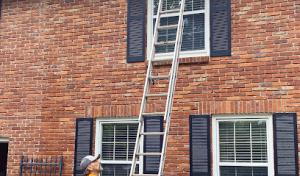

You should keep dated roof photos and installation records because Arkansas carriers commonly scrutinize age and condition in wind and hail claims. When a storm rolls through and hail dents shingles or wind lifts edges, a clear trail of how the roof looked before and after helps prevent disputes. Photos taken from multiple angles and at regular intervals create a believable story that supports your claim and speeds the adjuster's review.
Clear damage descriptions and photo sets are especially important in this market because adjuster handling can vary by insurer and policy type. Note the date of each storm, the direction and size of hail, and any immediate leaks or interior signs of damage. Pair descriptions with close-up shots of hail impacts, flashing corners, and any visible gutter or fascia damage. Keep a simple log that ties each photo to a specific area of the roof.
Insurance decisions in North Little Rock often affect whether homeowners pursue immediate replacement after storms or delay work into a later season. If your insurer authorizes a repair-first path, you'll still want a comprehensive record set to verify progress and justify a total replacement if needed. A well-documented claim can reduce back-and-forth and help ensure that the final outcome reflects the true condition of the roof rather than an initial impression.
Store copies of permits, contractor estimates, and any warranty documents together with your photos in a weatherproof system. Update your archive after major weather events and after any repair or replacement work. When in doubt, err on the side of thoroughness-consistent documentation minimizes surprises when insurers review your claim.