
Last updated: Apr 19, 2026
Spring hail and frequent thunderstorms are the top roofing disruptors for you in this climate. After a major hail event, the damage can be subtle at first-granule loss, dented shingles, or tiny punctures that invite leaks once the next heavy rain hits. But the real risk shows up days later when wind-driven debris loosens flashings and underlayment or when hidden damage accelerates deterioration under the surface. In this city, where severe weather can create sudden surges in roofing demand, the clock starts the moment hail crosses your ridge line. Acting quickly to assess, document, and mobilize is essential to prevent a small problem from becoming a costly failure on a hot July afternoon.
You should look for soft spots that flex under your foot, lifted shingles along edges, and rusty or loosened vents after a thunderstorm. Hail impacts may not be obvious from ground level, but you can spot dark, outline impressions on asphalt shingles or granular loss along valleys and eaves. Pay attention to attic signs too: damp smells, streaks on insulation, or increased warmth near the attic peak after a storm. In Little Rock's climate, root causes compound quickly in the heat, so a roof that appears intact after a hail event can still be compromised beneath the surface. If a contractor finds moisture intrusion or compromised underlayment, a full re-roofing evaluation becomes urgent rather than optional.
Central Arkansas can swing from calm to chaotic after a severe hail event. The city sits in a zone where dramatic weather shifts occur, and that volatility translates to a crowded market for roof crews, callbacks, and material shipments. If a storm hits during peak pressure, a trustworthy contractor may struggle to secure crews and scheduling windows. Your priority is to establish a line of communication early: documentation of damage, a clearly defined scope, and a plan for staged work that reduces wind or rain exposure on exposed eaves, valleys, and flashing. A well-timed estimate lands you closer to a solid start rather than a delayed scramble when storm-season backlog peaks.
Given this climate pattern, spring and fall emerge as the most reliable windows for a full roof replacement. Summer heat, extended heat waves, and ongoing storms can push crews to their limit and complicate installation conditions, especially on full re-roofs where venting, underlayment, and flashing demand careful, inspected execution. By planning replacements in the shoulder seasons, you minimize heat fatigue on crews and give yourself a buffer against sudden weather shifts that could otherwise stall work. When a contractor recommends replacement after a hail event, prioritizing a scheduled, well-ventilated installation with proper flashing and underlayment becomes a shield against recurring damage in the next storm cycle.
Spring hail and summer wind storms are a rhythm in the area, and the insurance response often hinges on documentation more than you might expect. A homeowner who has clear, dated photos and a careful log of what happened, when, and how the roof has aged can be far better positioned when a claim rolls in. Insurers in this market frequently scrutinize whether damage matches the storm's timing and whether existing wear could explain the issue. Preparation isn't a luxury-it's a practical shield against a delay or partial denial.
After a storm, expect questions and requests that go beyond a casual assessment. Photos from multiple angles, including the drip edge, valleys, and any noticeable flashings, are common starters. Notes about pre-existing damage, signs of wear, and the roof's age help frame the claim. If you've kept service records or contractor notes, those can be powerful corroboration. In this market, a straightforward timeline-storm event, immediate impacts, subsequent observations-can speed up the review and reduce back-and-forth with adjusters.
Begin with wide exterior shots that capture the overall roof line and any visible impacts. Move closer to document lifted shingles, punctures, or granule loss. If there's an attic or ceiling telltale-stains or daylight gaps at the rafters-photograph and date those as well. Keep a running record of repairs or temporary fixes you've made after a storm, plus any notes about prior vulnerabilities or prior claims on the same roof. This isn't about scaring up drama; it's about creating a reliable, verifiable story that aligns with the adjuster's diagnostic process.
Older roofs can face tighter coverage terms, which affects whether a homeowner repairs, replaces, or files a claim after a storm. A roof that has seen years of exposure to heat and hail may show wear that complicates coverage decisions. Being honest about the roof's age and condition-and having independent notes from a trusted roofer when possible-can help an insurer see the real picture. If a claim is contemplated, understanding how age interacts with loss assessment can influence the path you choose.
If a hail or wind event just occurred, conduct a careful, daylight inspection of the most visible surfaces and note any irregularities. Schedule a cautious, non-disruptive inspection by a local, reputable roofing contractor who can provide a written assessment of storm-related damage versus aging wear. Keep all communications with the insurer organized, with dates and the names of adjusters or representatives. In a market where documentation matters as much as the damage itself, clarity and promptness can determine whether a claim moves forward efficiently.
Connect with contractors who help homeowners navigate the claims process from damage assessment to final approval.

Rock Management Roofing
(501) 902-4491 www.rockmanagementroofing.com
11914 Kanis Rd Suite H-7, Little Rock, Arkansas
5.0 from 117 reviews
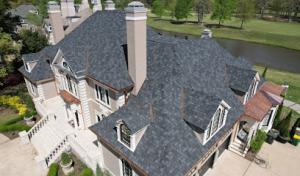
Natural State Restoration & Roofing
(501) 413-8422 wesleymchan.wixsite.com
3017 Ridge Pass Rd, Little Rock, Arkansas
4.9 from 207 reviews
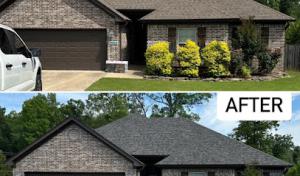
Cornerstone Restoration
811 N Grant St #2, Little Rock, Arkansas
4.9 from 97 reviews

Rock Management Roofing
(501) 902-4491 www.rockmanagementroofing.com
11914 Kanis Rd Suite H-7, Little Rock, Arkansas
5.0 from 117 reviews
At Rock Management Roofing, we pride ourselves on providing top-notch residential and commercial roofing services throughout Central Arkansas. With a commitment to excellence and a passion for quality, we specialize in roof removal and replacement, repairs, and ensuring that your home or business is protected and aesthetically pleasing. Our experienced team understands the challenges posed by storm damage, and we are dedicated to restoring your roof’s integrity quickly and efficiently. We know that roofing issues can be stressful, which is why we prioritize superior customer service—keeping you informed and supported every step of the way. When you choose Rock Management Roofing, you’re choosing a roofer you can trust.
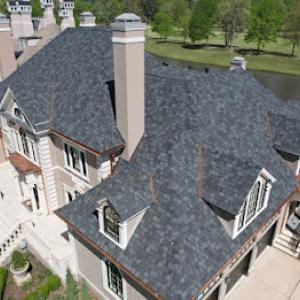
Natural State Restoration & Roofing
(501) 413-8422 wesleymchan.wixsite.com
3017 Ridge Pass Rd, Little Rock, Arkansas
4.9 from 207 reviews
Locally-owned & operated we take an old-school approach to overseeing & chaperoning all work to ensure top notch installation from start to finish
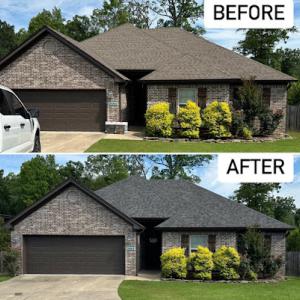
Cornerstone Restoration
811 N Grant St #2, Little Rock, Arkansas
4.9 from 97 reviews
Cornerstone Restoration is a preferred local roofing contractor in Little Rock. We have vast experience in working with insurance companies to facilitate roof, gutters, and siding replacement. The company was founded with a commitment to delivering the highest quality products and reliable service with integrity. These principles are the core of what we do, which has resulted in our ability to effectively serve thousands of customers through the state of Arkansas, as well as deliver quality roofs for home and business owners alike. Across every discipline – production, sales, and management – our team is composed of like-minded professionals dedicated to delivering only the highest in customer service.
Guardian Roofing
(501) 247-2541 www.guardianroofingar.com
6 Arrow Brook Ct, Little Rock, Arkansas
5.0 from 35 reviews
John Covrig – owner of Guardian Roofing in Little Rock, Arkansas – is licensed, bonded & insured for commercial & residential roof replacements and repairs. John is HAAG certified & trained to provide expert advice to your insurance adjuster on storm, hail, and tornado damage. Guardian Roofing installs new roofs and specializes in tile & skylights.

Sawco Roofing
(501) 436-7022 www.sawcoroofing.com
Little Rock, Arkansas
5.0 from 33 reviews
Sawco Roofing provides residential shingle roof installation services to Central Arkansas.
Mm Roofing & Restoration
(501) 653-9089 www.mmroofingrestoration.com
11400 Arch St, Little Rock, Arkansas
5.0 from 32 reviews
M M Roofing provides roofing services to Little Rock , AR, and surrounding areas.
Riley Hays Roofing & Construction.
(501) 725-0778 www.rileyhays.com
13423 Kanis Rd, Little Rock, Arkansas
4.7 from 206 reviews
Riley Hays Roofing and Construction is a family-owned business. We focus on Residential and Commercial roofing in the Little Rock metroplex. However, we also pride ourselves on home remodeling, gutter replacement, and gutter repair. From full remodels to a small roof repair, no project is too big. We are proud of our High Ratings and strive to keep Honesty and Integrity at the heart of all we do. Our team is committed to maintaining a clutter-free, professional worksite.
Arkansas Top Shield Roofing
(501) 476-7761 www.artopshield.com
Little Rock, Arkansas
5.0 from 29 reviews
We are a locally owned roofing company ready for all your roofing needs. We offer roof replacement and roof repairs on shingle style roofing systems. Our experts have knowledge is insurance claims and processes. Allow us to give you a complimentary inspection today!
Roofing Redefined
(501) 260-8000 rate.roofingredefined.com
5115 Miller Ln, Little Rock, Arkansas
5.0 from 29 reviews
Roofing Redefined provides professional roof inspections, storm damage assessments, insurance claim support, and full roof replacements across Central Arkansas. We help homeowners document wind and hail damage, navigate insurance decisions, and prevent rate increases caused by roof age. With over 20 years of experience, we offer clear communication, honest guidance, drone imaging, and thermal technology to remove guesswork. Whether you need a free roof inspection, help with an insurance premium increase, or fast storm-response service, Roofing Redefined delivers reliable, clean, and efficient solutions.
Ernest Roofing & Construction
(501) 626-4931 www.shingleroofinglittlerockar.com
3518 Asher Ave, Little Rock, Arkansas
5.0 from 28 reviews
Ernest Roofing & Construction is a leading provider of shingle roofing solutions proudly serving Little Rock, AR, and the surrounding areas within a 50-mile radius. With a commitment to excellence and customer satisfaction, we specialize exclusively in shingle roofs, offering expert installation, replacement, and repair services tailored to meet your home’s unique needs.
Titan Roofing & Construction
(501) 476-7663 www.titanroofingcompany.com
14709 Arch Street Pike, Little Rock, Arkansas
4.9 from 40 reviews
Titan Roofing & Construction is family owned and operated business. Owners Jeremi Henderson and Josh Ritchey bring over 20 years of combined experience in both the construction and customer service areas of the roofing industry. Both Jeremi and Josh are native Arkansans and understand what fellow Arkansans expect when it comes to spending their hard-earned dollars on services. Titan Roofing & Construction is not a fly-by-night roofing company. We’ve built our reputation by offering the best warranty in the industry and word-of-mouth advertising from satisfied customers. When you want a local Arkansas company that does the little things right and understands how you expect to be treated.
Homestar Solutions Roofing & Bathrooms
(501) 545-5656 www.arhomestar.com
4024 W Markham St Suite B, Little Rock, Arkansas
5.0 from 22 reviews
"Transform your home with Homestar Solutions, a one-stop shop for roofing, bathroom renovations, and accessibility updates in Central Arkansas. We elevate living spaces with expert roofing replacements, roofing repairs, bathroom remodels, and seamless gutter installations. Upgrade your comfort and safety with accessible bathroom features, wheelchair ramps, and mobility equipment, all delivered and installed with Homestar's commitment to quality and personalized service. Contact us today for a free estimate!"
After the last of the March winds, spring in this area brings a familiar pattern: hail pings roofs, and wind rattles flashing and vents. Homeowners should be prepared for a faster-paced repair or replacement window if hail damage is discovered and an insurance claim is involved. The timing often hinges on storm season aligning with carrier adjuster visits and contractor availability, so have documentation ready and a plan for a quick tear-off if damage is confirmed. When hail is reported, expect crews to prioritize full tear-offs to ensure flashing, underlayment, and venting get inspected and replaced if needed.
Once the calendar turns to July, the heat in the valley can slow a crew's pace. Shingle installation under a hot sun creates longer days, higher worker fatigue, and more frequent pauses for water and shade. Asphalt shingles and metal systems both feel the heat differently, but the constant afternoon sun will shave productive minutes off a standard day. If a project begins in midsummer, plan for longer dry-in times and mid-afternoon work restrictions on steep or exposed sections. Proper shading, hydration, and scheduling early start times help crews stay on track while protecting material performance.
Autumn brings central Arkansas's characteristic fall rain and gusty winds that can disrupt tear-off and dry-in schedules even outside peak hail season. A reliable plan accounts for back-to-back storm days, potential tarping needs, and accelerated inspections when moisture is present. If a tear-off is underway and a cold front arrives with wind, delaying sections until surfaces dry is common. Homeowners benefit from coordinating with the contractor on a realistic sequence, knowing that moisture-prone windows can shift the timeline and push inspections into a tight, weather-dependent corridor.
Winter work is possible, but occasional cold snaps and ice can slow installation and inspection timing. Frost-sensitive underlayment or sealants may limit certain steps until temperatures rise above a comfortable threshold. Shorter daylight hours also compress the work window, so fewer days may be productive in a given week. If winter work starts, expect clear guidance on when to pause for cold-weather advisories and when to resume with a careful dry-in plan. A steady, temperature-aware cadence helps protect roof performance and ensures flashing and venting are correctly installed when moisture risk is lowest.
In practice, align project milestones with typical storm patterns: order materials ahead of spring windows, build in buffer days for fall weather, and schedule critical steps for mornings when temperatures are cooler. A trusted contractor will map out tear-off, dry-in, and final inspections with a realistic forecast, so the roof can perform through hail, heat, rain, and occasional winter chill without unexpected delays.
Get a clear picture of your project costs upfront - no commitment required.
Cornerstone Restoration
811 N Grant St #2, Little Rock, Arkansas
4.9 from 97 reviews
Homestar Solutions Roofing & Bathrooms
(501) 545-5656 www.arhomestar.com
4024 W Markham St Suite B, Little Rock, Arkansas
5.0 from 22 reviews
JZ Roofing Remodeling
(501) 400-2733 www.jzroofingremodeling.com
6827 Honeysuckle Ln, Little Rock, Arkansas
4.7 from 32 reviews
Asphalt shingles are the dominant choice in Little Rock because they fit the area's mainstream residential housing stock and replacement budgets after storm losses. You'll notice they handle spring hail reasonably well when properly installed with a solid underlayment and well-sealed flashing. Local homes often rely on a straightforward shingle layout that emphasizes timely attic venting and a roof deck that's dry at the start of construction. When choosing colors, consider how glare from long Arkansas summers will affect indoor heat, and pair darker shingles with adequate insulation strategy to balance comfort and energy use.
Metal roofing has a meaningful local specialty presence, reflecting demand from homeowners looking for better performance against repeated storm exposure and intense summer sun. In this climate, metal's fast shedding of hail impact and its reflective surface can help reduce heat gain. A metal roof also demands precise installation details-especially around hips, valleys, and edge details-to prevent radiant heat from trapping near the soffit line. Look for contractors who show you tested underlayment choices and clear flashing integration that stands up to wind-driven rain and hail impacts.
Tile, wood shake, and synthetic options exist in Little Rock but are more specialized choices that require contractors familiar with their weight, detailing, and repair methods in a hail-prone market. Clay and concrete tiles bring long life in hot weather, but their weight and installation complexity mean structural considerations must be addressed upfront. Wood shakes offer a distinctive look and good outdoor ventilation when installed with careful overhangs, yet they demand meticulous maintenance against moisture and hail chips. Synthetic shingles provide a lighter alternative with renewable looks, but verify that the product mirrors the performance of natural materials under hail season and heat.
In this climate, roof assemblies must handle rapid temperature cycling, heavy spring storms, and sun exposure that ages materials quickly. Ask for a local warranty example that covers prolonged sun and hail conditions, and request detailed notes on venting, underlayment, and flashing-areas that are scrutinized during inspections after a major storm. The right material choice aligns with your home's structure, your maintenance plan, and the typical weather events your neighborhood endures, ensuring a durable roof that resists the test of Little Rock springs and summers.
In Little Rock, storm-driven demand spikes can push pricing and wait times higher after major hail or wind events. When a publicized hail episode hits, you'll see local crews book well into weeks or even months, and suppliers can run low on common materials. As a homeowner, you'll want to project a window of at least a few weeks for scheduling after a big storm, and be prepared for higher bids if your neighborhood saw significant damage. This is when timing your project around the weather and the inspector's schedule becomes crucial to avoid delays.
Costs vary notably with material choice, and heavier systems tend to require more specialized labor. Clay tile and concrete tile often carry higher per-square costs and longer installation timelines than asphalt, due to weight, handling, and the need for enhanced structural assessment. If your home is a candidate for a heavier system, the project will not only cost more up front but may also influence underlayment and flashing details that are scrutinized during in-season repairs. In the market, heavier options can stretch both budgeting and scheduling beyond the typical re-roof cycle.
To put numbers to it, asphalt shingles sit in a broad range that can be markedly impacted by event-driven demand, while metal, synthetic, and other options offer different tradeoffs. In practical terms, asphalt commonly lands in the mid-range of typical costs, but after hail storms, you should expect pricing to escalate as crews compete for limited availability. Metal roofing brings durability and wind resistance benefits, yet its installed price in a tight market may rise more than usual when storm damage drives demand. Clay and concrete tile remain the premium choices for long life, but their higher material and labor costs can translate to a noticeably higher total for a full re-roof in peak-season windows.
Spring and fall scheduling can reduce some weather-related delays, yet those seasons are also when many Little Rock homeowners compete for contractor availability. If insurance-driven timing is a factor, you'll often see a compressed window between claim approval and onset of winter weather or heavy spring storms. In that case, choosing a material with predictable lead times and clear staging with the contractor can keep the project closer to the initial estimate. For any project, verify the bid includes underlayment, venting, and flashing details-elements that are closely inspected for a full re-roof in this market.
Don't let upfront costs delay a critical repair - these contractors offer payment plans to fit your budget.


Born To Roof
(501) 503-7785 www.borntoroofar.com
910 W Dixon Rd Suite B, Little Rock, Arkansas
4.4 from 63 reviews
A full re-roof in Little Rock requires a permit from the City of Little Rock Department of Building Safety. That permit guides the project from start to finish and creates checkpoints that protect your home from common issues in this climate. The process also aligns with the city's emphasis on proper venting, underlayment, and flashing. Having the permit in hand helps avoid delays with code enforcement and keeps the job moving through the inspections you'll need before designation of project completion.
Local inspections verify roofing details such as venting, underlayment, and flashing rather than treating a re-roof as a no-review job. Your roofer submits plans and material specifics, and inspectors confirm that the vent layout, drip edges, and flashing around chimneys and skylights meet code. In this market, a successful inspection isn't a single milestone; it can require staging at multiple points. Start planning with the contractor for the deck, then the underlayment, then the final shingle install and the close-out visit.
Inspection timing matters because weather interruptions can affect when crews reach the required inspection stages. In spring, hail and thunderstorm windows can stall access to the roof, and hot, humid days can shorten cycle times in other seasons. The key is to schedule early and stay flexible, knowing that a weather moment might push a later stage into the next day or week. Communicate a realistic inspection timeline with the permit office and with the roofing crew so there are contingency dates and approved alternate sequencing.
During the permit run, expect to address venting and flashing details on plans and in the field. The city checks that vent pipes extend properly, soffit vents remain clear, and flashing around penetrations is sealed and integrated with the new underlayment. Keeping these elements aligned with inspections reduces delays and avoids rework after weather events.
In Little Rock, repairs after spring storms demand immediate action. Thunderstorms can open sudden gaps in the roof deck, so tarping should begin within hours of discovery to keep interior damage from spreading. If you notice active leaks, place a sturdy tarp over the affected area and secure with nails or roofing screws and water-shedding plywood. Avoid walking on damp, sagging surfaces, and keep children and pets away from the work zone. Schedule a temporary fix as a first step while reviewing the full replacement plan with a trusted roofer who understands how Arkansas sunlight and humidity accelerate wear.
Flashing and vent details deserve extra attention because the local inspection process specifically checks those components on re-roofs. Inspectors look for proper seal around vent pipes, valley flashing, step flashing at walls, and boot seals around plumbing vents. If flashing shows lift or corrosion, lift shingles carefully and reseal with compatible metal flashing, heavy-duty sealant, and matching fasteners. Vent seals must be weather-tight and properly integrated with underlayment and shingles. Your immediate goal is to prevent water intrusion and present a clean seam pattern for the upcoming full roof replacement.
The local contractor market shows strong demand for quick-response repair work, reflecting how often homeowners need immediate stabilization after severe weather. Expect prompt triage, prioritizing active leaks and structural concerns, followed by a formal assessment for a full replacement. Coordinate tarp removal and permanent repairs within a clear, safety-focused timeline to minimize wind-driven damage and keep your roof on a solid maintenance trajectory.
When you can't wait, these contractors offer fast response times to stop leaks and prevent further damage.
Riley Hays Roofing & Construction.
(501) 725-0778 www.rileyhays.com
13423 Kanis Rd, Little Rock, Arkansas
4.7 from 206 reviews
Arkansas Top Shield Roofing
(501) 476-7761 www.artopshield.com
Little Rock, Arkansas
5.0 from 29 reviews
Ernest Roofing & Construction
(501) 626-4931 www.shingleroofinglittlerockar.com
3518 Asher Ave, Little Rock, Arkansas
5.0 from 28 reviews
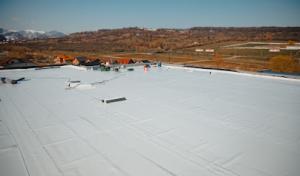
In this market, flat and low-slope work is a visible specialty, especially on additions, porches, and homes with mixed rooflines. The heat of the Arkansas River Valley and spring hail drive a different set of needs for these sections compared to steep-slope shingles. Expect tighter vents, a careful flashing plan, and attention to how the low-slope areas drain toward scuppers or downspouts. When a project includes both steep and low-slope portions, ensure the detailing transitions cleanly at the boundary to prevent ice damming, ponding, or wind-driven leaks.
Low-slope sections require a different approach to underlayment, flashing, and edge joints than the rest of the house. On additions or porches, confirm the contractor anchors membranes securely at the deck line and uses a compatible transition strip where the low-slope meets the main roof. For mixed-roof homes, insist on a continuous drainage plan that directs water away from seams and penetrations. In areas with frequent spring storms, a double-check on skylight and chimney flashings in the low-slope portions can prevent weather-related surprises after hail.
Homeowners with attached low-slope areas should confirm that the contractor handles both storm repair and drainage-sensitive roof sections common on mixed rooflines. During repair or replacement, insist on matching or properly integrating the low-slope materials with the existing system to maintain consistent drainage and ventilation. Ask for a detailed plan showing how low-slope areas tie into the primary roof drainage, including scuppers, gutters, and downspouts, and verify there are no pockets where water can linger after heavy rain.
Find specialists in TPO, EPDM, and built-up flat roofing systems for residential and commercial properties.
Roofing Redefined
(501) 260-8000 rate.roofingredefined.com
5115 Miller Ln, Little Rock, Arkansas
5.0 from 29 reviews

Little Rock Commercial Roofing
(501) 389-8652 littlerockcommercialroofing.net
1220 S Spring St, Little Rock, Arkansas
4.9 from 9 reviews
When a hailstorm rips across the valley and debris piles up on driveways, your neighbors quickly prioritize a crew that can respond fast and clean up efficiently. In this climate, urgency can push you toward the first team that shows up with tarps and a dump trailer. That's a meaningful factor, but it's not the only one. A quick response helps you protect interior spaces and keep water out, yet a rushed job can leave underlayment gaps, improper flashing, or missed venting details that show up as leaks after the next rain. A Little Rock homeowner should expect a contractor to walk you through the plan, not just the schedule, and to document the work with before-and-after photos for insurance and future maintenance.
The market has many crews focused on re-roofs driven by storm volume, and others built for material-specific care. You'll see teams popping up after every hail event, promising speed above all. The safer path is to select a crew that can demonstrate experience with the exact material you choose and a track record of thorough venting, underlayment, and flashing work on full replacements. If a crew's emphasis feels purely on tearing off and slapping on new shingles, you may end up with gaps or mismatches that show up in heat and rain. In this city, a measured approach to detailing-especially around ridges, valleys, and penetrations-will save you bigger headaches later.
Established, local, family-owned and residential-focused firms line the landscape, giving you real choices in scale, tenure, and service style. A local contractor with years of neighborhood projects often knows how homes in your area were originally built and how to integrate new materials with existing decks, chimneys, and vents. You deserve a crew that treats your home like a long-term relationship, not a quick turnover. Ask for references from nearby streets, and verify a portfolio that shows both storm response work and careful, detail-driven installations.