Last updated: Apr 19, 2026
Spring storms roll through Central Arkansas with regularity, and the wind and hail in the mix relentlessly test roofs. Shingles can lift, granule loss shows up quickly, and even a small impact can hide a bigger issue. In neighborhoods across the area, roofs face repeated exposure to hail and gusty winds, which means a sudden loss of shingles or hidden water intrusion is a very real possibility. When a storm hits, you're not just dealing with a single patch; you're weighing how much of the roof is affected, how fast it can deteriorate, and how much longer you can wait before it becomes a bigger emergency. Here in Sherwood, the heat and humidity also accelerate weathered edges and flashings, so a fast, focused response matters.
Arkansas insurers commonly scrutinize hail and wind claims with a careful eye, and Sherwood homeowners may be asked for roof age records, date-stamped photos, and adjuster access before any approval or settlement. That means you should come prepared with a straightforward, well-documented case. Start with high-resolution, date-stamped photos of every angle, plus close-ups of damaged areas and any existing wear. If you've kept prior inspection notes or contractor reports, have those ready too. Expect questions about recent storm intensity, timing, and whether damage is ongoing or isolated to a few spots. A clean, organized file can move a claim from stalled to approved faster, and it helps to have a single point of contact-either your adjuster or a trusted roofer who can communicate clearly on your behalf.
Storm demand spikes locally after severe weather, and response times, temporary protections, and claim documentation often shape how quickly a roof moves from damage to replacement. Waiting too long to assess, photograph, or secure temporary protection can complicate the claim or create disputes about pre-existing conditions. If a storm just happened, prioritize immediate steps: capture fresh images, cover exposed areas to prevent water intrusion, and secure a temporary safeguard plan with a reputable contractor. The window between damage and replacement can feel tight during peak season, so staying organized and proactive reduces the chance of delays caused by weather-driven backlogs at contractor yards and supplier lots.
Begin with a rapid exterior scan the day after a storm, focusing on shingles that are cracked, buckled, or missing, along with any lifted edges near eaves and valleys. Look at flashing around chimneys, vents, and skylights-these are common failure points when wind blasts through. If you see visible damage or suspect hidden issues, document it with photos from multiple distances. Set up temporary protection-tarps or heavy-duty plastic secured with exterior-rated fasteners-to prevent leaks while you arrange an assessment. When you call a roofer, insist on a same-day or next-day roof inspection, especially if rain is forecast. A certified roofer who understands Sherwood's climate can flag concerns like saturated decking or soft spots that aren't obvious from the ground.
Clear, honest communication speeds up the claims path. Share your documentation promptly with the adjuster and your roofing pro, and keep follow-up notes in writing. If an adjuster visits, be present to point out damage you've documented and to answer questions about the storm timeline. If a dispute arises over the extent of damage, request a second opinion from a local, licensed roofer who understands how hail and wind damage typically presents in this neighborhood. In any scenario, the goal is to keep the project moving: secure temporary protection, gather all required records, and coordinate a start date with a contractor who can navigate the season's demand and align with your insurance expectations. Here, timely action protects your home's structure and your peace of mind when the next forecast brings storm chatter again.
Triple R Improvement
(501) 944-1725 www.triplerimprovement.com
5710 Warden Rd Suite 6, Sherwood, Arkansas
5.0 from 65 reviews
Tree Service, Roofing Service, & Improvements
Weaver Roofing
(501) 351-3738 www.weaverroofingar.com
505 Beaconsfield Rd, Sherwood, Arkansas
5.0 from 25 reviews
We have been the region's leading professional roofing service since 1996. We provide Residential, Commercial Roofing, and Gutter Cleaning. We are locally owned and operated. Depend on us for solid, good old fashioned hometown service!

Araujo Roofing & Construction
(501) 541-4503 www.araujoroofingandconstruction.com
1 Shelby Rd #203, Sherwood, Arkansas
5.0 from 13 reviews
Araujo Roofing & Construction is a trusted family-owned roofing and construction company serving Central Arkansas for over 15 years. We specialize in roof installation, repair, and replacement for residential and commercial properties, as well as metal, tile, shingle, and TPO roofing systems. Our skilled team also provides painting, gutter, and construction services to enhance your home or business. Known for our honesty, craftsmanship, and commitment to quality, we proudly serve Little Rock, Conway, Maumelle, Jacksonville, and surrounding areas with durable, beautiful results built to last.
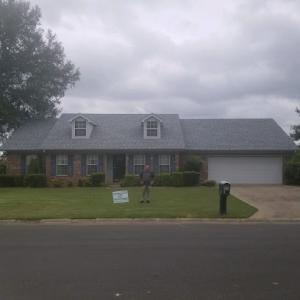
Modern Roofing
(501) 615-7663 mymodernroof.com
37 Wesley Dr, Sherwood, Arkansas
4.7 from 15 reviews
Full service roofing company. We go above and beyond to service our customers.
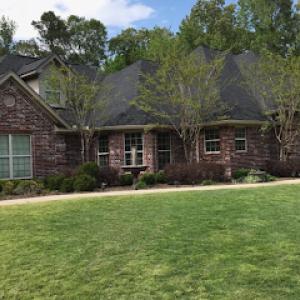
AQ Roofing
117 Hillwood Dr, Sherwood, Arkansas
4.5 from 25 reviews
We are a roofing company that loves what we do. since 2013, AQ Roofing has provided Central Arkansas with the highest quality of roofing materials and installation available. Primarily a family business, AQ Roofing is a company that cares for each roofing job as our own. over the years, we have provided homeowners and business with high quality roofs throughout Little Rock, Hot Springs and surrounding areas . There is a good chance you have seen our work while traveling in the Central Arkansas area. AQ Roofing, takes pride in what we do, and it shows in the quality of our work.
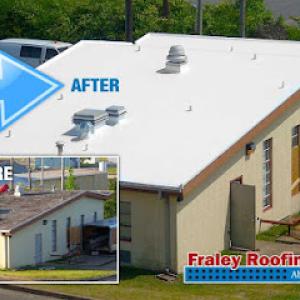
Fraley Roofing
(501) 834-9602 fraleyroofing.com
Serving
4.8 from 90 reviews
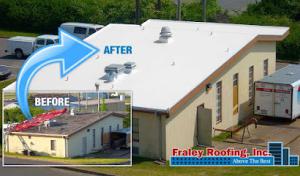
Fraley Roofing is a family owned and operated roofing business serving Arkansas. Having their start in residential roofing in the 1970's, Fraley Roofing now serves both residential and commercial clients. In addition to using quality products, Fraley Roofing is known for providing quality workmanship, service after the sale, and impeccable clean-up at the job site! The initial goal is to work with you until the right solution is found for your roof project. The ultimate goal is for you not to have think about your roof again for years to come. Fraley Roofing is licensed, bonded and insured. (AR Contractor's License #012918)
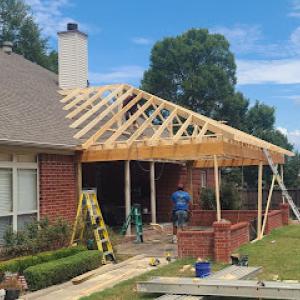
Parker Construction
10051 Hidden Cir, Sherwood, Arkansas
5.0 from 3 reviews
Roofing and remodeling services. Serving central Arkansas since 1985
Little Rock Roofing
(501) 557-6480 www.littlerockroofing.com
Serving
5.0 from 133 reviews
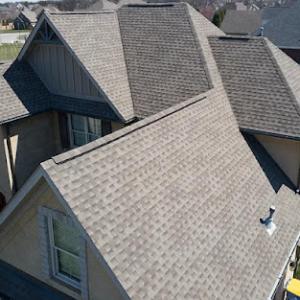
At Little Rock Roofing, we offer high-quality work at a fair price. We are a full-service commercial and residential roofing contractor serving all of Central Arkansas. Our fully licensed and insured roofers tackle projects ranging from roofing repairs and roof replacement to new installation.

Hargrove Roofing
(501) 260-7994 www.hargroveroofing.com
Serving
5.0 from 124 reviews
The certified roofers at Hargrove Roofing have years of experience providing high-quality roofing services in Louisiana and Texas. As a BBB-accredited company, their team is proud to be your trusted partner for reliable roofing solutions. From roof inspections to roof installation to roof repair, their skilled contractors are fully trained and equipped to keep the roof over your home or business. When you choose Hargrove Roofing, you’re choosing peace of mind with 24-hour emergency services, flexible financing options, and their satisfaction guarantee! With a reputation for exceptional craftsmanship and top-notch products from industry-leading brands like GAF® and Owens Corning®, you can rest assured that your roof is built to last.
Pitch Perfect Roofing
(501) 940-8001 pitchperfectroofingllc.com
Serving
4.9 from 85 reviews
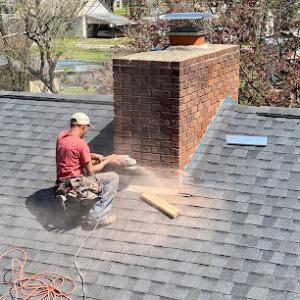
Pitch Perfect Roofing, LLC is a locally owned & operated company out of N. Little Rock, AR that prides itself on providing homeowners with quality service every “shingle” time.

Skyline Roofing & Construction
(501) 650-5573 www.skylineroofingar.com
Serving
5.0 from 11 reviews
Focusing on home repairs due to storm damage and normal wear and tear. Highly focused on helping homeowners manage the process from start to finish and to understand the insurance process as this can be the most confusing part.
Raintight Roofing
(501) 835-3882 www.raintightroofing.net
Serving
4.6 from 20 reviews
Raintight Roofing is leading the industry with quality, value, and craftsmanship. Our licensed roofing contractors have the skills and real world experience installing new roofs all over the Central Arkansas Area. Our roof experts can safely yet effectively install your new roof. You can trust our thousands of satisfied customers.
Spring in this area tends to be drier than the peak summer thunderstorm season and offers a practical window for full roof replacement. When storms are still forming but not rolling through daily, crews can move faster and materials are less likely to sit exposed on the roof overnight. A typical spring schedule allows weather windows to align with steady temperatures that reduce the risk of shingles curling or flashing issues caused by sudden heat. For homes with complex roof lines or multiple penetrations, the spring lull also helps with sequencing the job so soffits, vents, and gutters can be coordinated without rushing. If leakage or wind-driven damage is discovered during winter, spring becomes a natural time to address it before heat and humidity rise.
Summer heat and humidity in central Arkansas can soften asphalt products and complicate installation timing. Afternoon storms are common, so crews often plan more morning-to-midday work and pause after lunch to avoid heat and lighting constraints. In Sherwood, metal and synthetic products tend to handle higher humidity a bit more reliably, but any roof work in July or August still requires attention to material handling and worker safety. Practical steps include staging detailed daily plans that anticipate possible storm gaps and using temporary covers to protect exposed underlayment. If a roof has multiple elevations or a steep pitch, scheduling may hinge on cooling trends or predicted storm patterns, rather than a fixed date. For property owners, this means flexible timing and clear communication with the contractor about preferred work windows to minimize heat exposure for materials and crew.
Autumn wind swings, followed by winter cold snaps, bring their own set of considerations. In the fall, wind can affect flashing work and the seal-down performance of newly installed components, so attention to proper shingle nailing patterns and flashing installation becomes crucial. If a replacement spills into early winter, cold temperatures can slow sealant cure times and hinder adhesive-based products, requiring additional curing time or temporary protection measures. Around this season, inspections may be scheduled to verify that attic ventilation and underlayment are properly addressed before the cold sets in. For homes with complex dormers or chimney penetrations, autumn becomes a window to finalize detailing and ensure everything is wind-tight ahead of winter storms. In practice, this means coordinating a careful sequencing plan that prioritizes critical flashings first, then completes the main field, and finally finishes with trim and gutters when temperatures are stable.
A practical approach is to set two primary replacement windows per year: a spring window for quicker, drier conditions and a fall window to catch winds before winter. Build in a buffer for unexpected weather and ensure that the project manager has a clear plan for material delivery, staging, and access to the roof from the driveway. For homes with existing hail damage, align the replacement timing with the period when the insurance process can move forward without weather-induced delays, and ensure the crew can protect interior spaces during any incidental weather changes. By aligning with these seasonal patterns, roof replacements can progress with fewer weather-related setbacks and smoother coordination for Sherwood homes.
Get a clear picture of your project costs upfront - no commitment required.


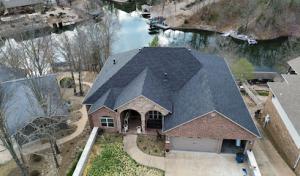
Asphalt shingles dominate installations in this market because they fit the area's storm-repair and re-roof cycle. In spring, after hail and wind, many homes headline a quick asphalt replacement to restore cover and curb appeal. They're familiar to local crews, readily available through nearby suppliers, and capable of handling the heat and humidity that cling to Arkansas summers. When choosing asphalt, look for a strong warranty and a shingle class that emphasizes impact resistance and wind uplift performance. The most practical Sherwood choice balances a solid warranty with a durable mineral surface that can weather repeated storm cycles without sacrificing ease of installation or accessibility for timely repairs.
Metal roofing has a meaningful local specialist presence and is often considered by homeowners aiming for better performance through hot summers and repeated storm cycles. Metal panels tend to shed rain quickly and resist impact, which can translate to fewer full-replacement cycles after a severe hail event. In this area, you'll find metal options in the form of standing-seam and exposed-fastener profiles that perform well under high wind uplift. A local installer with experience matching metal systems to typical Sherwood roof pitches and attic ventilation patterns will help maximize longevity. If you anticipate frequent hail or need a roof that holds its color and seal across decades, metal is worth a closer look.
Tile and slate options exist in this market, but their higher installed weight and cost make them more selective choices than the area's common storm-driven shingle replacements. Clay and concrete tile deliver excellent longevity and a distinctive look, while slate offers premium durability. However, the added weight requires structural assessment and sometimes reinforcing, which increases project complexity. In homes with compatible framing and limited roof slopes, tile or slate can be a striking, long-lasting option; just be prepared for a longer installation window and a different maintenance trajectory compared to asphalt or metal.
Across these materials, the practical Sherwood focus is on reliable wind uplift resistance and hail bruising tolerance. Choose products with proven performance in early-spring storm conditions and ensure installation emphasizes secure fasteners and proper underlayment. Regular inspections after spring storms help catch minor bruising or loose shingles before they escalate, keeping the roof performing through Sherwood's seasonal shifts. For most homes, pairing a storm-resilient asphalt or metal roof with a quality underlayment and robust attic ventilation delivers the best balance of durability, repairability, and long-term value.
In Sherwood, material choice drives most of the budget. Asphalt shingles run about 350 to 600 USD per square, a practical range for average roofs with standard pitch. Metal roofs stretch from 450 to 900 per square and hold up well against spring hail and summer heat. Clay tile clocks in from 700 to 1200 per square, while concrete tile sits between 650 and 1100. Synthetic or composite shingles hover around 320 to 650 per square, offering a balance of cost and resilience. Slate, when chosen, can push from 900 to 1800 per square and is typically found on higher-end installations or historic homes. For a homeowner evaluating bids, a square is 100 square feet of roof, so multiply these figures accordingly.
Local storm surges can push pricing upward when many homeowners seek re-roofing at once after hail or wind events. If a hail event hits a neighborhood simultaneously, you may see tighter scheduling and higher material costs, especially for asphalt and metal. In practice, it helps to compare 2-3 reputable local installers and ask for itemized bids that separate underlayment, flashing, and any required roof deck work. If your chosen brand has color availability limitations or long lead times, expect a delay that can translate into extra labor days and temporary housing considerations.
Weather delays can add time-related labor costs in Sherwood. Spring storms bring sudden rain windows, while summer heat can slow crews and affect ventilation work on the attic side. If a project stretches into multiple weeks, you may face price shifts from contractor scheduling or material delivery bottlenecks. Plan for a few extra days of flexibility in your timeline and clear communication about blockage windows caused by storms. By budgeting for typical material ranges and preparing for storm-driven scheduling, you can navigate spring replacement more predictably.
Don't let upfront costs delay a critical repair - these contractors offer payment plans to fit your budget.
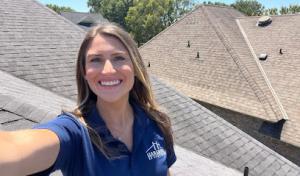


A full re-roof in this area typically requires a permit through the City of Sherwood Building Department. That means before shingles get peeled back and new underlayment laid, you need to file the right papers, have inspections scheduled, and follow the city's building code requirements. The permit acts as a formal record that the job will meet safety standards, which matters for both your home's value and future resale. If the contractor asks you to skip or rush the permit, pause and verify the status with the Building Department. Missing or mishandled steps can bite you later with denial notices or compliance holds.
After roofing work is completed, a final inspection is required to close the permit. This inspection confirms that the installation followed code, that underlayment and flashing were applied correctly, and that venting and drainage meet local standards. It is not just a formality; a misstep here can trigger rework and add days to the project timeline. The inspector will check details from attic ventilation to the roof's edge details, so understanding what the city expects in advance helps reduce surprises.
Inspection timing in this area can be affected by contractor scheduling and weather, so homeowners should expect permit closeout to depend partly on coordination rather than installation alone. Spring storm season brings a flurry of activity and potential delays, especially when crews are handling multiple permits or chasing weather windows for roof work. Communicate clearly with both your contractor and the Building Department about expected inspection dates, and ask for a tentative schedule early. If a rain delay pushes the project, you may need to adjust planned inspection days accordingly, since the final clearance hinges on conditions during and after the work.
Keep all permit numbers, inspection notices, and contractor contact details in one accessible place. Request a pre-inspection walkthrough with your roofer to identify common snag points-ventilation, nail placement, and flashing around chimneys and skylights are frequent culprits. On the day of the final inspection, ensure access is clear, and have any required documentation ready to show the inspector. A well-documented, proactively scheduled process helps avoid last-minute headaches and supports a clean permit closeout when the work is complete.
Hail and wind storms sweep through central Arkansas with enough force to make carriers pause and reassess how they handle roofing claims. In this market, a severe storm can trigger closer scrutiny of what's being claimed and how the roof was maintained before the event. The result is a more vigilant adjuster process that looks for age, wear, and preexisting conditions as part of settling a loss.
Homeowners should keep careful records: installation dates, any prior repair invoices, and clear roof photos from multiple angles. Insurers may request proof of roof age and condition years after a storm, especially if the claim involves replacement rather than simple repair. A well-organized file with dated photos and receipts helps you respond quickly if the adjuster asks for specifics. In practice, having this material ready can prevent delays and second-guessing about what was or wasn't damaged by the recent weather.
Adjuster inspections are a common part of the local claims process, and storm-driven markets make those inspections even more common after severe weather. Document damage before making temporary repairs, because insurers will want to see the pre-repair state to determine coverage scope. If you notice rising moisture or hidden damage under shingles, note it in your records and photograph it before any tarp or quick fix. Clear, honest documentation helps both you and the insurer navigate the process without surprises when the weather cooperates enough for a thorough assessment.
Storm seasons can turn a routine roof issue into a longer, more complex claim. Stay proactive: keep a running log of communications with the insurer, and confirm whether every step you take is aligned with what the adjuster will review. In a market where claim activity can influence assessments, precise documentation protects you and supports a smoother path to the right resolution.
Spring storms bring gusty winds that can peel back asphalt shingles or loosen metal panels, leaving vulnerable edges exposed to the next rain. Hail can leave cosmetic bruising that weakens the shingle surface and accelerates granule loss, which reduces protection over time. In these conditions, small imperfections turn into active trouble quickly, especially on roofs with uneven surfaces or older underlayment. Regular inspections after windy events help catch loose tabs before leaks form.
Recurring issues show up around vent stacks, chimney detailing, and transitions where flashing seals meet roof planes. Hail or wind can bend, lift, or crack flashing, allowing water to find its way into eaves, soffits, or attic spaces. Temperature shifts during spring and summer can expand and contract metal flashing, widening gaps if installation wasn't properly seated. Look for loose nails, corrosion, or visible gap lines along flashing seams after storms.
Frequent summer storms in the area can turn small vulnerabilities into active leaks before homeowners realize the roof has been compromised. Shingles may still look intact while water finds micro-damage at edges, around penetrations, or in valleys. A quick drip near a ceiling seam after a pop-up storm is a red flag. Prompt temporary containment and a professional assessment help prevent interior damage.
Temperature swings in autumn and occasional winter icing around this region can expose weak flashing details and delay permanent repairs. Ice dam formation along eaves can push against the lower roof edge, lifting or tearing flashing and creating slow leaks that are easy to overlook until thaw cycles resume. Inspecting and resealing critical flashing points before heavy icing periods can reduce winter-related intrusion.
After storms, check for lifted shingles, missing granules, and any discoloration along seams and valleys. Focus on penetrations-vents, skylights, and chimney areas-as those spots experience the most stress. If moisture is detected in the attic or around soffits, consider a focused roof assessment sooner rather than later to minimize interior damage and guide a targeted patch or full repair plan.
Find contractors experienced in skylight installation, flashing, and leak repairs to bring natural light into your home.