
Last updated: Apr 19, 2026
Maumelle sits in central Arkansas near the Arkansas River corridor, where spring hail and severe thunderstorms are a recurring roofing trigger rather than a rare event. When a storm rolls through, the first indicators you should trust are visible: dented gutters, loosened shingles, and granule loss along eaves. Small punctures or lifted tabs can masquerade as cosmetic issues, but in this climate they accelerate attic moisture intrusion and underlayment deterioration quickly. The heat and humidity of hot summer days amplify that risk, turning minor damage into a slow, steady pathway to roof and deck leaks if left untreated. Do not wait for a perfect dry spell to start evaluating damage after a storm; moisture can travel and compound problems across framing, ventilation, and insulation within days.
In this market, contractor signals heavily favor storm damage, insurance claims, and emergency repair. The window to leverage coverage typically tightens as the storm-repair cycle unfolds, so timing your assessment and documentation is critical. After a significant hail or thunderstorm event, you should plan a prompt, thorough inspection with a reputable local roofer who understands the region's weather patterns and the way insurers evaluate hail damage. Your goal is to establish a clear, dated record of impact, including photos of damaged shingles, granule loss, and attic signs of moisture. Timely reporting helps prevent disputes about preexisting conditions and supports a smoother claims process. If you notice lifted tabs, curling edges, or shadow lines indicating potential water intrusion, treat it as urgent and begin right away with documentation and a professional inspection.
Start with a high-contrast inspection from the ground after a storm, focusing on the most exposed aspects of the roof: upper slopes, edges, and any areas with dented metal flashings or gutters. If you see obvious damage or if the attic shows moisture intrusion during or after rain, call a local contractor with emergency repair experience. In this climate, temporary measures that stop water intrusion can buy you critical time while you coordinate with an insurer and a roofing team. Keep a dated portfolio of photos, noting the storm date, wind speeds if available, and the affected roof areas. When scheduling follow-ups, insist on a written assessment that identifies whether the damage is cosmetic or structural and whether fast-tracking replacement is advisable under your insurance terms.
Storm-driven damage tends to set the pace for replacements in this market. Insurance-driven timing means your roofing plan should align with claim outcomes, not seasonal preference. If a claim is approved, expect a relatively swift path to roof replacement once the insurer confirms coverage and materials availability. In contrast, storms with repeated impacts can create a cycle of repairs that strain timelines and budgets, underscoring the value of mobilizing early contingency steps and ensuring your contractor can deliver prompt, weather-ready installation when the green light comes.
Arkansas is an active hail and wind claim state, so Maumelle homeowners should expect insurers to ask for photo documentation, material details, and post-storm claim review. After a storm, take clear photos of all roof faces, gutters, vents, and any visible hail impact spots. Save close-ups of shingle granule loss, edges, and any curved or cracked materials. If you have original shingle wrappers, invoices, or installation records, keep them accessible. Insurers will use these to verify what was installed and when, which matters when the claim moves from quick repair to full replacement consideration.
In this market, adjusters may request wind-resistance information and product specifications, which makes retaining shingle wrapper data, invoices, and installation records more important after a storm. Collect packaging labels, product names, and installation dates, and keep them in a dedicated file or folder. If your roof has transitions, vents, or skylights, document their condition as well. A thorough set of notes, including dates of any temporary repairs, can speed review and reduce back-and-forth between you and the insurer.
Coverage terms can tighten after major hail events in Arkansas, so Maumelle homeowners often need to compare repair versus replacement decisions against changing deductibles and policy language. Do not assume that a simple patch will satisfy the claim. Read the adjuster's scope carefully and watch for any language that shifts responsibility from the insurer to you for latent damage underlays or secondary leaks. If a new exclusion or rider appears during the claim, pause and consult before committing to a course of action.
Storms that leave visible impact can still require a larger decision, especially when hail and wind damage intersects with existing aging or wear. Replacement decisions may hinge on whether the insurer recognizes full-coverage on a damaged deck of shingles or if several sections are already near the end of their life. In Maumelle's hot, humid climate, asphalt and metal options face different performance expectations in the years ahead, so consider long-term resilience alongside the immediate claim. If a replacement option provides a more uniform, wind-resilient profile, it could influence both future insurance reviews and post-storm performance.
Keep a log of every communication with the insurer, including dates, names, and outcomes. After a storm, the combination of photo proof, material specifics, and installation history can be the difference between a quick repair and a full roof replacement. If the claim is disputed or a scope seems incomplete, request a second opinion or a supplemental adjustment. In Maumelle, where storm tracks can run heavy through spring, building a meticulous paper trail now helps you withstand the scrutiny that follows a major hail event.
Connect with contractors who help homeowners navigate the claims process from damage assessment to final approval.
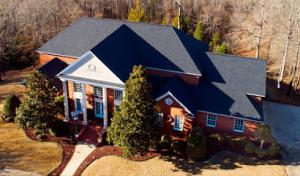
Rock City Roofing
(501) 229-9727 www.rockcityroofing.com
2001 Club Manor Dr Ste U, Maumelle, Arkansas
4.9 from 218 reviews
Patriot Roofing & Restoration
(501) 799-1490 patriotroof.net
2001 Club Manor Dr Suite A, Maumelle, Arkansas
5.0 from 108 reviews
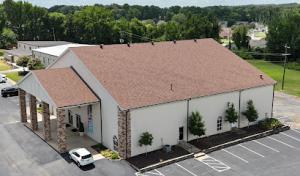
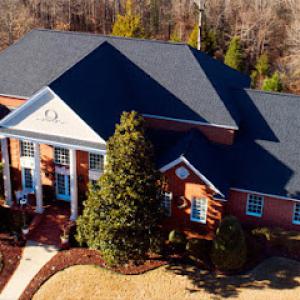
Rock City Roofing
(501) 229-9727 www.rockcityroofing.com
2001 Club Manor Dr Ste U, Maumelle, Arkansas
4.9 from 218 reviews
Rock City Roofing is your trusted local roofing expert in Central Arkansas specializing in roofing solutions and insurance claims. We offer free, comprehensive inspections for hail and wind damage, leaks, or routine maintenance, all with no obligations. Whether you need a roof repair or a full roof replacement, our team is here to help with a commitment to educating clients on the insurance process and providing the most current and accurate information for informed roofing decisions.

Patriot Roofing & Restoration
(501) 799-1490 patriotroof.net
2001 Club Manor Dr Suite A, Maumelle, Arkansas
5.0 from 108 reviews
Patriot Roofing & Restoration is a roofing contractor in Maumelle, AR servicing Pulaski County, Little Rock, Sherwood, and nearby areas. Our roofing company offers residential roofing, commercial roofing, roof repair, asphalt shingle roofing, siding, and gutter services. Customers love us because of our comprehensive roof warranties and affordable roof financing options. We also have industry affiliations and certifications such as Atlas. If you want to experience how your most trusted Little Rock roofing company embraces our motto “We Shield You From The Storm”, call us now for a free estimate!
Elite Roofing & Rehab
(501) 800-6706 www.eliteroofrehab.com
Maumelle, Arkansas
5.0 from 28 reviews
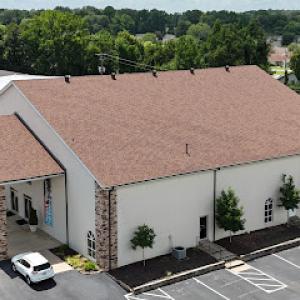
Elite Roofing & Rehab specializes in roof, gutter, siding, and interior restoration; with many years of experience assisting with insurance claims. Learn more!
Wolverine Roofing
(501) 353-9651 wolverineroofing.net
108 Osage Dr, Maumelle, Arkansas
4.6 from 65 reviews
Hi, I'm John and this is my wife Carmen. We have been helping the Central Arkansas community replace their weather damaged roofs for the last 4 years. We provided clients with a wide range of services for all their needs. Whatever you have in mind, our professionals work to bring your dreams to life. Contact us to for a free roof inspection and free consulting as well as a free estimate today.
Terry Roof Systems
(501) 510-8114 maumelleroofingservices.com
Maumelle, Arkansas
5.0 from 8 reviews
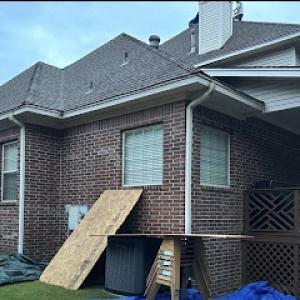
Ensuring your property in Maumelle, AR, is protected starts with quality craftsmanship and reliable solutions. Terry Roof Systems takes pride in delivering a wide array of essential services, keeping your home secure and functional. From roof leak repairs to comprehensive roof restorations, our experts are equipped to address issues of every scale, aiming for long-lasting results. With a focus on combining expertise and efficiency, we also specialize in gutter installations and gutter repairs, which are critical for managing water flow and preventing structural damage over time.
Rock Solid Commercial Roofing
(501) 353-2295 www.rocksolidark.com
8205 Counts Massie Rd, Maumelle, Arkansas
4.3 from 12 reviews
Rock Solid Commercial Roofing is your premier choice for commercial roofing services, offering expertise in TPO, PVC, metal, and shingle roofing systems. Based in Maumelle, AR, we proudly serve clients nationwide. Our comprehensive roof maintenance programs ensure priority service and 24/7 phone support, giving you peace of mind when unexpected issues arise. We also provide free inspections to keep your roof in top condition. Trust Rock Solid Commercial Roofing for reliable, high-quality roofing solutions that stand the test of time. Contact us today for all your commercial roofing needs!
Total Eclipse Roofing
(501) 817-7663 totaleclipseroofing.com
Serving
5.0 from 56 reviews
Total Eclipse Roofing is a trusted leader in the roofing industry, bringing 17 years of combined experience to homeowners and businesses. Our team of dedicated professionals specializes in providing top-quality roofing solutions tailored to meet the unique needs of each client. With a focus on excellence, we offer services that include roof installation, insurance claim assistance, repairs, free inspections, gutter install, leaf removal, and maintenance for residential and commercial properties. At Total Eclipse Roofing, we understand the importance of protecting your investment and enhancing the value of your property. Trust us to illuminate your roofing challenges with experience you can count on!
Paragon Exteriors & Roofing
(501) 725-9134 www.paragonexteriorsar.com
8422 Counts Massie Rd, Maumelle, Arkansas
5.0 from 1 review
Paragon Exteriors & Roofing, a division of Reliant Exteriors & Construction, LLC, operates out of Maumelle, Arkansas, offering trusted and professional residential and commercial exterior services. Specializing in roofing, vinyl siding, seamless gutters, porch ceiling painting, and TPO roofing solutions, Paragon emphasizes honest professionalism and transparent pricing. With licensing, insurance, bond coverage for city/state projects, and flexible financing options, they aim to provide a hassle-free experience and superior workmanship. Their mission is to treat every client's project like their own, building lifelong customer relationships through expert service and quality results.
Storm Shield Roofing Systems
(870) 858-0120 stormshieldroofingsystems.com
Serving
5.0 from 14 reviews
Storm Shield Roofing Systems, based in Little Rock, Arkansas, is your go-to expert for all things roofing. Specializing in top-notch residential roofing solutions, we offer roof replacement, roof leak repair, metal roofing, and guttering installation tailored to withstand Arkansas's toughest weather. As a leading roofing contractor, our personalized consultations ensure your home's roof perfectly complements its architecture. With a vast selection of quality materials and energy-efficient options, we are among the best roofing companies near you. Our dedicated team is committed to exceptional craftsmanship and customer service, making us the trusted roofers in your area.
Natural State Restoration & Roofing
(501) 413-8422 wesleymchan.wixsite.com
Serving
4.9 from 207 reviews
Locally-owned & operated we take an old-school approach to overseeing & chaperoning all work to ensure top notch installation from start to finish
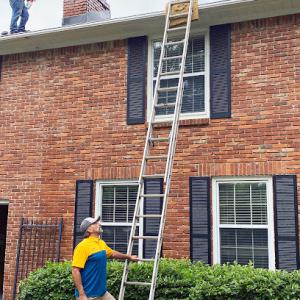
Guardian Roofing
(501) 247-2541 www.guardianroofingar.com
Serving
5.0 from 35 reviews
John Covrig – owner of Guardian Roofing in Little Rock, Arkansas – is licensed, bonded & insured for commercial & residential roof replacements and repairs. John is HAAG certified & trained to provide expert advice to your insurance adjuster on storm, hail, and tornado damage. Guardian Roofing installs new roofs and specializes in tile & skylights.
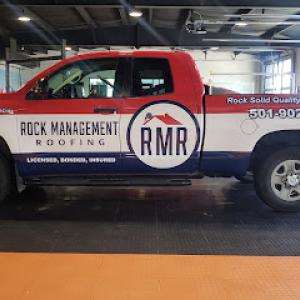
Rock Management Roofing
(501) 902-4491 www.rockmanagementroofing.com
Serving
5.0 from 117 reviews
At Rock Management Roofing, we pride ourselves on providing top-notch residential and commercial roofing services throughout Central Arkansas. With a commitment to excellence and a passion for quality, we specialize in roof removal and replacement, repairs, and ensuring that your home or business is protected and aesthetically pleasing. Our experienced team understands the challenges posed by storm damage, and we are dedicated to restoring your roof’s integrity quickly and efficiently. We know that roofing issues can be stressful, which is why we prioritize superior customer service—keeping you informed and supported every step of the way. When you choose Rock Management Roofing, you’re choosing a roofer you can trust.
A full roof replacement generally requires a building permit issued by the City of Maumelle Building Department. Before lifting shingles or pulling up decking, you should have your permit in hand and the project mapped for compliant ventilation, flashing, and drainage details. The permitting office expects clear project scope, construction timeline, and a plan set that reflects the actual roof system being installed, including any underlayment or attic modifications that affect moisture control and ventilation.
The city conducts inspections after installation, and a final inspection is typically required before the roofing project is considered code-compliant. Inspections are performed to verify that the roof replacement aligns with local codes for structural support, roof decking condition, nailing patterns, underlayment, and the appropriate installation of shingles or other coverings. In Maumelle, you can expect scrutiny of related systems as part of the process, such as attic ventilation, drip edge, and drip protection around penetrations like vents and skylights.
Because Maumelle's process includes review of roofing and related systems, homeowners should confirm who is responsible for scheduling inspections and closing out the permit. In many cases the contractor coordinates the inspection schedule, but it is essential that you confirm who will notify the Building Department when the work is ready for inspection. Keeping the permit active, reinstating if needed, and ensuring a smooth final sign-off requires timely communication between you, the contractor, and the city inspector. If any deficiencies are found, you should know who will arrange the corrections and re-inspection.
On a weather-sensitive schedule, plan around the inspection window by coordinating the final phases of installation with the inspector's availability. Have copies of permit records, the permit card, and any approved plan amendments ready for the inspector, since digital or paper documentation may be requested on site. It is common for a residential roof replacement to trigger multiple inspections for different components-decking, underlayment, ventilation, and the final inspection. If a storm response or hail claim drives the project timeline, ensure your insurance-required documentation aligns with the permit status and has been filed with the Building Department as needed. A clean, orderly permit record helps minimize delays and makes the final approval smoother.
After the roof is installed, the final inspection checks that the project matches the approved plan and meets all applicable codes. Only upon passing the final inspection is the permit considered closed and the project deemed fully compliant. If the inspector notes any discrepancies, address them promptly and arrange a re-inspection to prevent hold-ups in securing the final sign-off. Keeping this process organized reduces the risk of compliance gaps that could affect warranty, insurance documentation, or future property transactions.
Asphalt shingles and metal roofing are the most practical high-volume choices in Maumelle. Asphalt shingles offer strong value, broad color and profile options, and reliable performance when paired with modern sealants and underlayments. Metal roofing, on the other hand, brings excellent wind resistance and durability in our hot, humid summers and storm-prone springs. When selecting either, prioritize products with proven impact resistance ratings and robust wind warranties. In this climate, proper attic ventilation and a well sealed underlayment become as critical as the top layer, helping to manage humidity and prevent moisture-related issues that can shorten roof life.
Maumelle's combination of hail exposure, wind events, and summer humidity makes impact resistance, sealant performance, and attic heat management more important than appearance alone. For asphalt shingles, choose shingles with advanced impact resistance and a durable surface finish that remains effective after hail impacts. For metal, look for coatings designed to reflect radiant heat and resist denting, along with tight panel laps and sealed fasteners to prevent leaks during severe storms. Ventilation plays a key role: a well-ventilated attic reduces heat buildup, which preserves shingle and sealant integrity and even helps extend the life of roof penetrations and flashing. In both materials, ensure flashing around chimneys, skylights, and vents is continuous and corrosion-resistant to reduce the risk of wind-driven leaks.
Heavy materials such as clay tile, concrete tile, and slate can be viable only where the home structure and budget support them, which is a more selective fit in this market than standard shingle replacement. Clay and concrete tiles require a strong deck, careful weight distribution, and sometimes structural upgrades to accommodate the load. Slate offers a long lifespan and timeless appearance, but it comes with significant weight and installation considerations. In Maumelle, these options should be reserved for homes with the structural capacity and long-term planning in mind, paired with a roof deck assessment and expert installation to handle wind uplift and expansion joints properly.
In practice, most Maumelle homes benefit from asphalt or metal when storm resilience and insurance documentation are central concerns. If choosing metal, prioritize panels with solid wind uplift ratings and sealed seams, and ensure proper attic ventilation to manage heat and moisture. If selecting asphalt, invest in high-quality impact-resistant shingles and emphasize a thorough flashing and underlayment system for hail-heavy seasons. Heavy tile or slate can be attractive and durable but are best matched to homes with appropriate framing, decking, and budget, recognizing they represent a narrower fit in this market.
In Maumelle, typical pricing for common roof coverings runs within these ballparks: asphalt shingles 350 to 700 USD per square, metal 900 to 1900 USD per square, clay tile 1100 to 2800 USD per square, concrete tile 1000 to 2300 USD per square, synthetic or composite shingles 450 to 850 USD per square, and slate 1500 to 3500 USD per square. Those numbers reflect local material costs and the way crews price a job here, not a nationwide average. When you're comparing bids, a lower upfront price might come with tradeoffs on wind performance, hail resistance, or roof life, which can matter a lot after a tough Arkansas spring.
Storm-driven demand spikes in central Arkansas can push Maumelle pricing upward after hail events as crews, materials, and scheduling tighten across the Little Rock metro area. If a hailstorm hits a nearby neighborhood, you'll likely see a short window where contractor crews are booked out and material vendors are strained. In practical terms, that means a bid may come in higher than the baseline ranges and timelines can stretch. If you're navigating an insurance-managed replacement after hail damage, expect the process to push toward quicker decisions and tighter coordination to avoid renovation delays that can compound costs.
Costs in Maumelle also move with permit requirements, tear-off complexity, roof pitch, decking repairs found during replacement, and whether the homeowner upgrades for better wind or impact performance. A steeper pitch or a full tear-off with decking repair can add to the square-foot price, especially if replacement sheathing is required. Upgrading to a higher wind-rated or impact-resistant product tends to raise the per-square cost but can improve long-term resilience against spring storms and hail. If you're replacing after damage, document hail and wind extents well for insurance review, because the resulting coverage can influence the material choice and the scope of tear-off needed.
Don't let upfront costs delay a critical repair - these contractors offer payment plans to fit your budget.
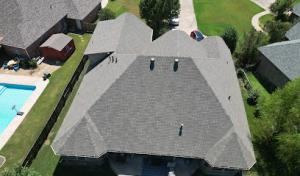
Paragon Exteriors & Roofing
(501) 725-9134 www.paragonexteriorsar.com
8422 Counts Massie Rd, Maumelle, Arkansas
5.0 from 1 review

In Maumelle, spring brings the highest interruption risk from storms, hail, and thunderstorm tracks. The practical effect is that many roof replacements are scheduled reactively after hail damage rather than solely by age. If a hail event hits your neighborhood, expect insurers to scrutinize the damage and documentation, and plan for a faster decision window once the adjuster visits. This season is about rapid damage assessment, prioritizing compromised shingles, and coordinating temporary protective measures to minimize interior exposure.
Summer heat and humidity can accelerate aging inside the roof assembly and make attic work tougher for crews. You may notice faster moisture migration and more sweating from you and the installers as attic temperatures climb. When scheduling tear-off and replacement, consider cooler early-morning or late-afternoon windows, enhanced ventilation options, and protective measures to keep underlayment and decking from warping. Provide clear access and shade where possible to keep crews efficient and safe.
Autumn in this area remains transitional; you'll still see humidity and the tail end of storm activity. This season is a good time to finalize selections and address any lingering repairs after spring damage, before winter sets in. Inspect drip edges, flashing details, and sealant applications to ensure everything is sealed against remaining moisture as temperatures drop.
Winter freezes and occasional ice can slow tear-off and installation timing even though this is not a heavy-snow market. Expect brief pauses during cold snaps, and plan for longer project calendars if ice forms on the roof or in the attic. Proper insulation care and ice-dam prevention strategies should be part of early-season planning to prevent recurring damage.
Ultimately, your seasonality hinges on storm impact, attic conditions, and the pace of insurer communication after damage. Use spring as your trigger for damage-driven planning, leverage cooler months for installation when possible, and layer protective strategies to weather winter freezes without delaying essential repairs. Here, the rhythm of the year guides both urgency and fit.
In this area, repeated wind-driven rain stresses roof penetrations and transitions more than you might expect. Sharp corners where vents meet shingles, chimney flashings, and vent pipe seals tend to reveal weak spots after a lively spring storm. The pattern is not random: hail chips and wind shifts expose misfitting flashings, letting water travel along the underlayment and into the attic. Treat any sign of dampness around hips, valleys, or vent boots as a warning that a previously solid seal may be failing.
Local contractor signals point to steady demand for flat-roof and skylight work, which means low-slope sections and skylight perimeters are recurring service items here. Flat or near-flat areas collect runoff differently and rely on careful edge detailing and flashing decks. Skylight framing often meets a weathered transition with marginal sealant or worn booting; a small lapse there can become a perched dripline during a storm. If you notice condensation or a persistent damp patch near a skylight, treat it as a priority to inspect the flashing counters and sealants.
Emergency leak response is notably active among nearby crews, aligning with sudden storm-created openings that need tarping before full replacement can be scheduled. If a leak appears during a storm, tarping is not a luxury but a practical bridge to protect insulation, personal belongings, and interior finishes. Expect a rapid call-out window when you experience a roof breach, and coordinate between tarping crews and your chosen contractor to minimize interior damage while planning the permanent fix.
Find specialists in TPO, EPDM, and built-up flat roofing systems for residential and commercial properties.
Rock Solid Commercial Roofing
(501) 353-2295 www.rocksolidark.com
8205 Counts Massie Rd, Maumelle, Arkansas
4.3 from 12 reviews
Paragon Exteriors & Roofing
(501) 725-9134 www.paragonexteriorsar.com
8422 Counts Massie Rd, Maumelle, Arkansas
5.0 from 1 review
Maumelle experiences hot, humid summers with frequent spring hail and storm tracks. When evaluating a contractor, assess how they handle high storm volume, rapid scheduling, and timely documentation after each visit. A crew that can shift into a responsive workflow without sacrificing quality is essential in a market where storms can cluster and push schedules back-to-back.
Cleanup is a major local hiring signal. In neighborhoods with driveways, lawns, and gutter lines visible from the street, homeowners notice debris most acutely after a tear-off. Prioritize crews that clearly outline post-tear-off cleanup steps, bring metal magnet sweepers, and commit to removing nails and shingle scraps promptly. A contractor who emphasizes thorough debris management is more likely to leave the yard in presentable condition.
Licensed, insured, locally owned, and long-established signals are present but not dominant across all listings. Do not assume these traits are in place. Contact the company to confirm licensure status, current insurance coverage, and the local ownership details. Ask for recent references from Maumelle projects and actual address verification to confirm continuity in the community.
Ask how the crew plans the tear-off sequence, ensures scaffold and ladder safety, and coordinates waste containment during work hours. A solid crew will provide a project timeline, designate a single point of contact, and offer daily progress updates. In a market where scheduling pressures can mount quickly, clear communication is a practical safeguard against missteps.
Documentation after storms matters for insurance and records. Request before-and-after photos, weather cancellation policies, and a written agreement outlining scope and materials. A contractor who can deliver consistent, organized documentation helps you navigate quick settlement decisions and reduces post-installation disputes.
Get a clear picture of your project costs upfront - no commitment required.
Rock City Roofing
(501) 229-9727 www.rockcityroofing.com
2001 Club Manor Dr Ste U, Maumelle, Arkansas
4.9 from 218 reviews
Patriot Roofing & Restoration
(501) 799-1490 patriotroof.net
2001 Club Manor Dr Suite A, Maumelle, Arkansas
5.0 from 108 reviews
Wolverine Roofing
(501) 353-9651 wolverineroofing.net
108 Osage Dr, Maumelle, Arkansas
4.6 from 65 reviews