
Last updated: Apr 19, 2026
Russellville sits in the Arkansas River Valley, where spring and early-summer severe thunderstorms are a primary driver of roof damage. In this pattern, regular thunderstorms and occasional hail turn quick blows to the roof into real problems fast. A storm can strip shingles, loosen flashing, and push water into the attic through tiny gaps you might not notice until a leak appears. The combination of lifted shingles, damaged flashing, and storm-driven debris creates a pathway for leaks that grows with each passing heavy shower. If a dry-in is delayed after a hail hit or wind gust, the risk of interior damage rises dramatically.
After a hail event or a severe thunderstorm, inspect the roof from ground level for obvious hits, bruising, or lifted edges especially along the eaves, hips, and valleys. On the underside, look for stained attic insulation, unusual damp spots, or a rapid rise in indoor humidity after rain. Pay extra attention to the flashing around chimneys, vents, and skylights; these are frequent failure points in the Valley's storm cycles. Inside the attic, note any fresh light shining through where the ceiling or roof deck meets a wall. Even small breaches matter when late-spring downpours can turn minor damage into active leaks quickly.
If storm-driven water is entering the home, act with urgency. Place a temporary tarp or heavy-duty plastic over the affected area to slow down infiltration while you arrange a professional assessment. Keep pet and family traffic away from the damaged roof line and any standing water in the attic. Contact a local roofing contractor who can perform a rapid triage, identify lifted shingles, loose flashing, worn underlayment, or punctures, and provide an actionable dry-in plan. If you can safely access the roof, take clear photos of any damaged zones to speed the inspection process. Do not climb onto a wet or icy surface, and avoid attempting elaborate temporary fixes that could worsen damage or void warranties.
Late spring and early summer in this area bring downpours that can feel monsoon-like. In those windows, every hour counts. A delayed dry-in can transform a manageable storm patch into ongoing interior leaks, warped decking, and mold risk. Prioritize rapid evaluation, timely tarping, and quick scheduling of permanent repairs. A trusted local roofer can outline a concrete dry-in plan, including shingle replacement or flashing reseal, to prevent water intrusion while the full repair is scheduled.
Russellville homeowners face a mix of asphalt shingles, metal, and clay or concrete tiles, all vulnerable to hail and driving thunderstorms. Personnel should match repair methods to the existing roof type and the Valley's moisture regime. For asphalt shingles, expect targeted replacement of damaged tabs and resealing of edges; for metal, address loose panels and flashing seams; for tile systems, ensure underlayment and fasteners are intact beneath cracked or displaced tiles. A local pro will weigh hail-damaged area size, roof slope, and valley conditions to plan a durable dry-in and a lasting fix that resists the next round of spring storms.
Hail and severe thunderstorms are a recurring part of the local roofing market, and Arkansas homeowners insurance commonly requires photo documentation, detailed estimates, and inspection reports. In this region, adjusters often look for before-and-after photos and date-linked storm evidence because northern and central Arkansas weather history influences claim scrutiny and coverage decisions. The combination of hot, humid summers and frequent hail events means roofs can sustain multiple hits over a season, sometimes between storm cycles. This makes timely, well-documented claims essential to prevent coverage gaps and to support repairs that keep the roof performing well through the next round of weather.
Fast documentation after spring hail or severe storms matters. Start with clear exterior photos of all sides of the home, focusing on areas where shingles show bruising,granule loss, or cracking. Capture close-ups of hail dents on flashing, vents, and gutter systems, then wide shots that show the overall condition of the roof edge and chimney cap. Inside the attic, take photos of any roof leaks, staining, or ceiling bulges, and note any moisture history. Date-stamped images help establish a timeline, which is crucial when several storms in a season blur the sequence of damage. Keep a simple storm log: date, wind speeds if known, hail size, and the location of impact on the roof.
Adjusters in this region expect a thorough packet that includes photos, a detailed estimate, and an inspection report. Before contacting a contractor, assemble your own measurements and a nominal scope of work based on what's visibly damaged. When scheduling the inspection, ask the adjuster for any required forms or preferred documentation formats. If a prior storm season produced limited repairs, make a note of that history so the adjuster can distinguish new damage from older wear. Because weather history matters, provide a concise narrative of recent storm events that could affect coverage decisions.
A complete claim packet should include: the claim form, a clear narrative of the damage timeline, front-and-back photos of the damaged roof and any associated components, attic moisture notes, a detailed repair or replacement estimate, and an inspection report from a licensed contractor. The estimate should itemize components (shingles, underlayment, flashing, venting) and include color or product notes if a specific shingle or panel profile is requested for compatibility. For Russellville-area roofs, it is common for shingles and flashing to bear the brunt of hail damage, but the attic and decking deserve attention if leaks are present.
In this region, repeated storm systems can obscure fresh damage before the adjuster review, so prompt reporting helps ensure the most accurate assessment. If spring brings back-to-back hail events, early documentation protects against claim denials or underestimates tied to weathering since the last inspection. When a storm calendar shows multiple events, reference each date and its impact on your roof and interior. This helps the insurer verify that the claim reflects current conditions rather than dormant wear.
Choose a contractor who understands the local climate and how hail affects common roofing materials. Request a written inspection report that aligns with the insurer's expectations and includes photos from multiple angles, including interior attic photos if water intrusion is suspected. If a component is borderline damaged, document the hypothesis of improvement after temporary mitigation, such as tarp placement or sealing, to demonstrate proactive steps while the claim is in process. Throughout the process, maintain organized records, including correspondence with the insurer and all repair-related receipts, to minimize back-and-forth and keep the claim moving toward a timely resolution.

SMI Roofing
(501) 464-5139 www.smiroof.com
302 E Parkway Dr, Russellville, Arkansas
5.0 from 230 reviews
SMI Roofing – Trusted Roofing Experts in Russellville, AR. - Trusted Roofing Experts in Central Arkansas - Trusted Roofing Experts in Northwest Arkansas ✅Licensed, Bonded, and Insured! At SMI Roofing, we provide top-quality roofing solutions with expert craftsmanship and durable materials. Our services include: ✅ Roof Repair & Replacement ✅ New Roof Installation ✅ Commercial & Residential Roofing ✅ Metal & Shingle Roofing ✅ Comprehensive Roof Inspections Quality you can trust, service you can rely on. Get your free estimate today! # roofing russellvile ar # roofing companies russellville ar # metal roofing russellville ar # smi roofing

Griffin's Roofing Service
(479) 518-3064 www.griffinsroofingservice.com
4113 E Main St, Russellville, Arkansas
4.9 from 92 reviews
Griffin’s Roofing Service is a licensed and insured roofing contractor serving Russellville, Pope County, and surrounding Arkansas communities. We specialize in residential and commercial roofing, including roof replacements, roof repairs, and storm damage restoration. Our experienced team provides honest inspections, quality workmanship, and dependable service from start to finish. We also assist homeowners with insurance claims by identifying hidden damage, documenting losses properly, and ensuring repairs are completed the right way. Whether you need a small repair or a full roof replacement, we are committed to protecting your property and standing behind our work. Free estimates and inspections are available.
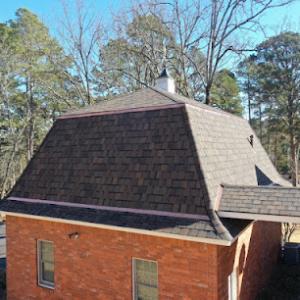
BRS Roofing
(479) 397-3405 www.brsroof.com
213 Reasoner Ln, Russellville, Arkansas
4.8 from 36 reviews
Need expert Residential or Commercial Roofing in Russellville, Dardanelle, Atkins, Morrilton, Clarksville, or Hector? Contact BRS for top-notch services including metal roofs, gutter installations, and siding solutions. Our local, licensed professionals offer free estimates, 24/7 emergency services, and eco-friendly options. Specializing in installation, repair, and maintenance, we ensure quality and customer satisfaction. Trust us for your roofing and exterior needs with guaranteed excellence.

Miller Roofing Company
(479) 890-3499 www.miller-roofing.net
318 S Arkansas Ave, Russellville, Arkansas
4.5 from 108 reviews
Established in 1991, Miller Roofing Company is one of the largest residential roofing installers in the state. We are 1 of only 2 GAF Master Elite roof installers in Arkansas giving us the opportunity to provide superior workmanship warranties to our clients. We specialize in residential as well as commercial flat roof systems. Call us for a FREE inspection or estimate.
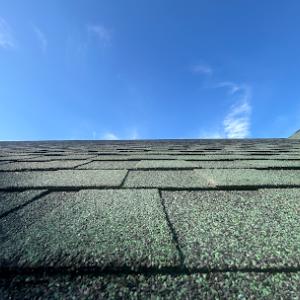
Freedom Roofing
120 S Cumberland Ave, Russellville, Arkansas
4.5 from 17 reviews
At Freedom Roofing, we specialize in providing comprehensive roofing solutions for both commercial and residential properties. With over 35 years of combined experience in the industry, we are established as a trusted partner for all roofing needs
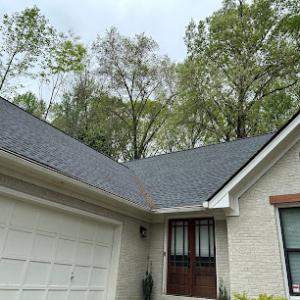
Sky Roof
(404) 643-1257 www.skyroofga.com
Serving
4.6 from 32 reviews
At Sky Roof, our commitment revolves around delivering unparalleled roofing solutions. We prioritize quality craftsmanship and unwavering dedication to ensure every client receives top-notch service. Our mission is simple: safeguarding the well-being and peace of mind of every household by offering superior roofing installations. Backed by a highly skilled team and premium materials, we strive to uphold safety and comfort, guaranteeing a secure haven for every family.
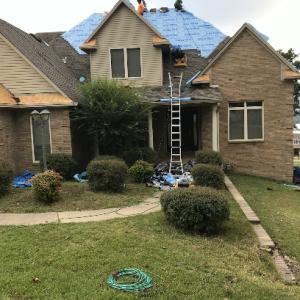
Oblea Roofing
(479) 223-7381 www.oblearoofing.com
Serving
5.0 from 4 reviews
If you are in need of a roof repair, give us a call we'll be glad to help. We offer roof replacements and roof repairs with free estimates.
Baker Roofing & Siding
(479) 857-0506 www.bakerroofinginc.com
Serving
3.7 from 6 reviews
Baker Roofing, Inc. in Russellville, Arkansas is a residential and commercial roofing contractor that provides a wide range of roofing services to both homes and businesses. If your roof is leaking or in need of repair, our technicians are available for any roof repair, small or large. At Baker Roofing, we pride ourselves on establishing long-term relationships with clients in the community. We believe excuses have no place in the quality roofing industry. We treat every customer with the respect they deserve and are ready and willing to do everything we can to help make your experience a great one. Roofing Repair, Replacement, and Restoration Services in Russellville, Clarksville, Conway, Atkins, Morrilton, London, and Pottsville, Ar
Asphalt shingles are common in this area, and that footprint remains sensible for many homes. The hot summers and storm cycle in the Arkansas River Valley drive two key failure modes: granule loss from hail impact and heat aging that speeds shingle curling and brittleness. In homes with asphalt, pay attention to granule loss patterns on older roofs after thunderstorms and hail events. When choosing asphalt, look for a forgiving warranty that covers wind uplift and impact resistance, and confirm the shingle's granule adhesion and UV resistance hold up under long valley sun. A solid installation with proper nailing patterns and edge detailing minimizes wind-driven tears during severe gusts. If you're DIY-ing or hiring, ensure the roof deck is clean and primed for a stable seal, since heat cycles can reveal deck irregularities more quickly than in cooler climates.
Metal roofs stand up well to heavy rain and high heat, which makes them a good fit for this climate. The critical factor here is detailing around fasteners, penetrations, and panel seams. Repeated thermal cycling in the River Valley can loosen fasteners or allow energy-driven movement at connections, so you want a system that uses well-sealed through-fastener or concealed-fastener designs with rigorous sealant choices. Around chimneys and vent stacks, flashing must be continuous and well-seated to resist wind-driven rain during severe thunderstorms. Expansion and contraction at ridge lines and transitions require accurate panel spacing and properly engineered fastener patterns. For Cape-style or gable roofs, ensure the edge and eave detailing routes water away from fascia without pooling, as heat can warp less-durable edge components over time.
Tile options (clay, concrete) and wood or synthetic/composite shingles appear in the market, but the hail exposure and thunderstorm-driven wind events in this area demand attention to impact resistance and attachment quality more than appearance. Clay and concrete tiles perform admirably against sun but can suffer during hail events if not properly rated for impact resistance and supported by a frame designed for their weight and thermal movement. Wood shakes and some composites can be vulnerable to rapid granule loss and wind uplift if not securely fastened and edge-locked. If choosing these materials, specify high-impact-rated variants and reinforce fastener patterns for wind zones typical in severe storms. Ensure attic ventilation supports the roof system, as heat and wind-driven top-down drafts can accelerate drying and expansion, stressing attachments.
Start by aligning your selection with the anticipated storm sequence-frequent hail, heavy summer downpours, and sharp temperature swings. Prioritize systems with documented wind uplift resistance and proven performance in hail-prone environments. For any roof type, insist on solid edge support, appropriate nailing patterns, and debris-free underlayment that can shed heavy rain quickly. Finally, pair your material choice with a quality flashing plan around chimneys, skylights, and vents, because those transitions are where wind and water intrusion most often begin in this River Valley setting.
Spring in this valley can unleash hail and severe storms that leave shingles dented, flashing nicked, and gutters full of grit. Damage isn't always obvious from ground level, but hidden leaks tend to show up after a few warm, windy days. If you notice missing granules on asphalt shingles, curling edges, or stains that appear after a hard rain, plan a professional inspection. After a hail event, a quick assessment can save you from chasing leaks later in the season, and a timely replacement can prevent interior damage during the spring storms.
Summer heat and heavy rainfall in this area slow work crews and complicate sealing and dry-in timing. Asphalt shingles can soften, making handling tricky, while metal and tile roofs require extra attention to ventilation and underlayment during hot, humid weeks. Expect pacing to stretch, with possible delays from afternoon storms. Scheduling a reroof for mid-summer benefits from a contingency plan: enough crew time, shade during peak heat, and clear access for tarping and staging materials.
Winter in Arkansas brings freezing nights and occasional ice that can pause tear-off or installation windows when moisture is trapped in roof assemblies. Frost action can affect shingle adhesives and underlayment seams, while frozen ladders and safety gear raise risk. If a project runs into cold snaps, crews typically pause until daytime temps rise above freezing and moisture has had a chance to dry. Planning around expected cold fronts reduces the chance of back-to-back delays.
Before a reroof in this valley town begins, you must secure a building permit. The city's building department is the office that issues the permit and coordinates inspections for reroof work. Handling through the permit process streamlines approvals, helps ensure materials meet local wind and performance standards, and provides a documented trail for future reference with insurance or sales. The department typically requires a plan check and site details, so have your roof layout, materials, and contractor information ready when you apply.
The building department in this area takes an active role from the moment the project is proposed. They review basic compliance with the local code, including wind-related requirements that are especially relevant in this region's severe thunderstorms and hail-prone seasons. It is not unusual for a project to pause briefly if the submitted information doesn't align with code expectations, but the process moves more smoothly when the contractor provides complete details up front. Expect the department to ask for contractors' license numbers and proof of compliance with local standards, so have those documents accessible.
Typical reroof inspections in this city occur after tear-off and again after final installation. The tear-off inspection verifies that the old roofing materials have been removed and that the roof deck is sound, properly prepared, and free of condition that could compromise new installation. The final inspection focuses on the completed roof, confirming that the new system is installed according to code and wind requirements, with appropriate underlayment, venting, fastener patterns, and flashing. Coordinating these inspections with your contractor helps avoid delays, especially during storm season when weather can compress schedules.
Plan to schedule the tear-off inspection as soon as the deck is ready and the roof-to-be is staged. If any deviations from the permit plan occur (such as material substitutions or changes in roof shape), contact the building department promptly to obtain a permit amendment if needed. Keep clear access to the attic and roof line for inspectors, and have the project address, permit number, and contractor contact information readily available. Clear communication with the contractor about inspection timing reduces the chance of re-inspection fees and keeps the project on track during the peak storm months.
Provided local pricing ranges are $350 to $650 per square for asphalt shingles, $600 to $1200 for metal, $1000 to $1800 for clay tile, $700 to $1200 for concrete tile, $800 to $1400 for wood shingles or shakes, and $550 to $900 for synthetic or composite shingles. For a typical reroof, these figures translate into noticeable differences depending on material choice, labor availability, and scheduling. Asphalt remains the most common pick for value, while metal and tiles offer longer lifespans and better hail resilience in the Arkansas River Valley climate.
In Russellville, storm-season demand spikes after hail and severe thunderstorm events can tighten contractor availability and push reroof pricing upward. If a hail event hits your area, expect bidding to slow briefly as shingles, underlayment, and flashings come back into stock and crews reroute priorities. This isn't unusual, but it does mean you should plan ahead and get on a preferred contractor's calendar early in the post-storm window.
Weather delays from heavy rain or freezing periods can add time-related cost pressure in this market. A common scenario is a delayed start, then a compressed schedule to beat seasonal rain, followed by limited access for inspections. You may see temporary tarps or quick-adhesion underlayment used while awaiting final components, which can influence the overall project timeline and cost. When comparing bids, factor in potential weather-driven extensions and a reasonable buffer for peak-season storms.
In this area, repeated thunderstorm exposure makes missing shingles, creased tabs, damaged ridge caps, and loosened flashing more common than snow-load-related failures. The heavy bursts of wind and hail that roll through the valley can peel back edges or lift sections enough to invite slow leaks. When a storm rattles your roof, inspect after every major event. Look for shingle edges curling, granules washed into gutters, and any flashing that shows exposed nail heads. A small gap today can become a noticeable leak next month if left unchecked.
Hot summers in the Arkansas River Valley accelerate aging on darker asphalt roofs, especially where ventilation is weak. Asphalt shingle granules shed faster in heat, and poor attic airflow compounds the problem by baking the underside of the roof deck. If you notice shingles that look chalky, cupped, or curling along the lower courses, or if the attic feels blistering hot in the afternoon, address ventilation and consider a more reflective shingles option or added venting. Without proper air movement, the roof becomes a failure fast, even if the surface seems intact.
Heavy rain events around Russellville often expose leak points at valleys, pipe boots, and transitions soon after storms rather than during long winter freeze cycles. Valleys can trap moisture and develop hidden corrosion or misalignment from heavy runoff. Loose or damaged flashing around chimneys, vents, and vent pipes creates easy entry points for water ingress. If staining appears on ceilings near interior walls or around penetrations after a rain, investigate those transitions promptly. A compact drip edge and properly sealed flashing can prevent a cascade of issues once the next storm arrives.
Cracked sealant around transitions, rust on metal flashing, and condensed attic heat signatures are subtle indicators that trouble is brewing. Create a seasonal check routine that prioritizes after storms and just before the peak heat of summer. Address loose or damaged components before a wind gust or a heavy downpour reveals the true extent of the damage. Proactive upkeep limits escalating repairs and helps protect the interior from relentless valley weather.
The Arkansas River Valley bathes in humidity that never truly lets a roof dry out between storms. That moisture accelerates the aging of organic components in shingles, underlayment, and vent seals. In this area, a roof spends more days sweating than freezing, which means faster degradation of protective layers and more gradual loss of insulation value over the decades. Humidity also fuels lichen and moss growth in shaded spots, a common challenger on slower-drying afternoons.
Thunderstorms arrive with little warning, often packing hail that can dent metal, fracture tiles, or bruise asphalt surfaces. The impact not only damages the surface but also undermines underlying water barriers. After a severe event, the recovery cycle begins and weather windows become the clock. Rapid tarping, inspection, and timely repairs preserve the roof's remaining life and reduce interior moisture intrusion during the next storm season.
Hot summers push roofing materials to expand, then contract as cool nights arrive. This constant cycling stresses seals, fasteners, and edge flashing. Materials engineered for this environment show higher long-term stress at seams and ridges than those installed in cooler, drier climates. Roofs with poor attic ventilation feel the strain more quickly, as trapped heat compounds material fatigue and accelerates shingle curl or edge tears.
Local homes commonly feature asphalt shingles, metal, and sometimes tile or composites. In a storm-active setting, choosing products with robust impact resistance and secure fasteners matters more than the broad aesthetic. A roof that integrates a well-ventilated attic, continuous underlayment, and durable flashing stands up better to repeated hail hits and humidity-driven wear. The right combination minimizes the number of intermediate replacements and keeps the structure resilient between major weather events.
Because weather windows are brief, planning around anticipated storm cycles helps preserve roof integrity. Scheduling inspections and targeted repairs during mid-season lulls reduces the risk of catastrophic failure when a front arrives with little warning. A proactive rhythm-dry-day checks after storms, then targeted resealing-keeps the roof performing closer to its initial design intent despite the valley's stormy rhythm.