
Last updated: Apr 19, 2026
Spring in this area brings a tight, high-stakes window. Thunderstorms, hail, and gusty winds show up with little warning, and that pattern often coincides with the start of a reroof project. Your roof can suffer damage from a hail event one week and then be torn off the next, only to face another hail spike that stalls or damages newly exposed decking. That collision of weather and scheduling creates a real risk: you could end up with more downtime, more exposure to the elements, and reduced shingle sealing quality if the job drags into the heat of late spring. The practical reality is simple-timing matters, and spring presents both the best opportunities and the biggest headaches if a new hail event interrupts work.
The most practical reroof windows cluster in spring and fall, because summer heat and heavy rainfall complicate tear-offs, dry-ins, and the critical shingle sealing process. In fall, temperatures cool, humidity drops, and crews can work more efficiently without the overwhelm of storm chatter on a daily basis. Taking advantage of these shoulder seasons gives your project steadier progress, better sealing, and a lower chance of weather-driven delays that leave exposed decking vulnerable through another round of storms. If your insurance process pushes toward a spring start, you still want a firm plan for a fall finish to lock in a solid dry-in and a durable seal against the last round of August-like storms and late-season hail threats.
Spring severe weather creates a local timing problem: roofs may be damaged and scheduled for replacement just as new hail events can interrupt jobs or damage newly exposed decking. A well-timed plan accounts for this reality. If a hail streak hits shortly after you've scheduled a tear-off, you risk rework, additional decking checks, and potential moisture infiltration if the roof isn't sealed quickly enough. On the flip side, if a crew is stalled by a spring storm, the risk of shrinkage in attic spaces, warped decking, or compromised flashing increases. The key is to coordinate with a contractor who treats spring as a high-alert period, building in contingency blocks for weather and preemptively sequencing tasks to minimize exposure. You should expect a plan that prioritizes rapid dry-in when weather allows, followed by a controlled, weather-resilient seal and shingle installation schedule.
Start by documenting any hail or wind damage with a dated photo log and keep a running record of contractor communications. When a trigger storm hits, contact your roofer promptly to reassess the replacement timeline and confirm a path to minimize deck exposure. Insist on a plan that prioritizes a solid dry-in and proper sealing, especially around valleys, vents, and flashing, so that even short interruptions don't undermine long-term performance. Ask for a staged schedule that targets spring completion only if conditions align, with a clear fallback plan to push into fall if the weather is uncooperative. Ensure the chosen crew demonstrates experience with local storm patterns, including fast, weather-smart dry-in techniques and a proactive approach to protecting interior spaces during a spring disruption.
Choose a contractor who communicates clearly about how they will handle spring hail risk and spring-to-fall sequencing. They should provide a written plan showing storm-response steps, weather-tause adjustments, and a realistic dry-in strategy that protects attic spaces and interior rooms from moisture if a storm pushes the project off schedule. Verify they have established suppliers ready to front-load shingles and underlayment so replacements can proceed quickly when conditions permit. A local crew with a proven track record in Spring-Searcy weather will already have a tested approach to managing these timing challenges and keeping projects moving toward a durable, storm-ready roof.
When a storm rolls through the central Arkansas corridor, the claim activity in this area climbs quickly. Insurers expect date-specific storm documentation, roof photos, and detailed contractor estimates that tie the damage to a single event rather than to aging wear. The typical pattern is a cluster of claims after a hail or high-wind event, followed by a quieter stretch. So you want to be ready with a clear timeline: the exact date and time of the storm, the hail size you observed, and any immediate impacts like leaks or wind-blown shingles. Without solid documentation, a claim can get challenged or delayed.
Pre-loss photos are especially valuable for Searcy homeowners. If you have a chance to snap a picture before any repairs begin, do it-a wide shot of the entire roof and then close-ups of damaged areas. Immediately after a storm, capture the roof from multiple angles, including the gutters and vents, to show granule loss, curled edges, or cracked shingles. You should also photograph interior damage-ceiling stains, attic signs of moisture, or mold spots-so the insurer can see how the water moved through the system. Keep the dates on each photo, and if possible, use a timestamp on the camera.
Insurers in this market want to see an estimate that reflects the scope of storm-related work, not a general replacement. Have a local, reputable contractor prepare a line-by-line estimate that identifies the specific shingles or panels damaged by hail, the required underlayment or flashing replacements, and any attic or vent work. A clear note about roof age and the event date helps the adjuster distinguish storm-caused damage from normal aging. If you have any prior appraisal or photos from before the event, include them with the estimate to strengthen the causation argument.
Because replacement demand spikes after regional storms, inspections, estimates, and claim processing can slow during peak claim periods. In practical terms, you may experience longer wait times for adjusters to view the roof and for contractors to fit your job into their schedule. Plan for a buffer in your timeline, especially if your roof is near the replacement thresholds. If you can, submit a preliminary claim soon after the event to lock in the sequence of inspections, then coordinate a contractor-led inspection within a few days of the adjuster's visit to avoid back-and-forth delays.
When the adjuster arrives, present your documentation in a single, organized package: storm date, weather conditions, photos before and after, and the contractor's detailed estimate. If the adjuster questions causation, refer back to the date-specific storm evidence and highlight any concurrent damage across multiple nearby homes-that pattern supports a single-event claim rather than age-related wear. If there is any ambiguity, consider a supplemental report or a second opinion from a local contractor to corroborate the storm damage narrative. Keeping conversations concise and backed by dates makes the process smoother.
Main Roofing Company
(501) 305-0227 mainroofingco.com
221 W Arch Ave, Searcy, Arkansas
5.0 from 108 reviews
Main Roofing Company is a certified locally owned and operated roofing company in Searcy, AR that specializes in residential and commercial roof replacement, roof repair, and roof inspection.
Capstone Roofing
(501) 430-4424 www.capstoneroofingar.com
1127 S Benton Ave, Searcy, Arkansas
5.0 from 50 reviews
Capstone Roofing, based in Searcy, AR, provides top-notch services including roof installation, roof repair, gutters, siding, fascia, plumbing, and interior remodeling. Serving Central Arkansas, our skilled team ensures superior craftsmanship and customer satisfaction. We handle insurance claims efficiently, boasting a 94% success rate in denial overturns. Our commitment to quality materials and professional service ensures lasting durability for every project. Whether you need roof installation, roof repair, or home improvement services, Capstone Roofing is your trusted partner in Central Arkansas. Contact us for reliable and efficient solutions tailored to your needs.
Absolute Roofing & Construction
(800) 783-0837 absoluteroofingar.com
3581 AR-367, Searcy, Arkansas
4.7 from 26 reviews
Absolute Roofing and Construction has been serving the state of Arkansas since 2011. We offer Shingle, Metal, TPO Membrane, Cedar Shake and Slate. Residential and commercial. We offer free estimates and inspections. We are GAF Master Elite Certified. We look forward to covering the state one roof at a time!
Pegasus Roofing & Construction
(501) 259-6023 www.pegasusroofingandconstruction.net
Serving
5.0 from 22 reviews
With over 10 years of experience in the roofing industry, Pegasus roofing is a trusted leader in providing high-quality roofing solutions for residential and commercial properties. Our team of skilled professionals is dedicated to delivering exceptional craftsmanship, reliable service, and lasting results on every project. From roof repairs and replacements to new installations and inspections, we use only premium materials and proven techniques to ensure durability and long-term protection. Our commitment to excellence, integrity, and customer satisfaction has earned us a reputation as one of the top roofing companies in the business. At Pegasus Roofing and Construction, we don’t just build roofs — we build trust, one project at a time.
J. Cole Roofing & Construction
(501) 605-4426 jcoleconstruction.com
Serving
4.9 from 45 reviews
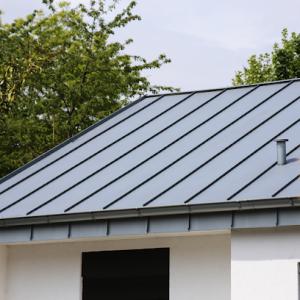
We are a roofing contractor that specializes in class 3 and above impact resistant shingles. We offer complimentary roof inspections along with many other trades such as siding, fencing, and deck building.
Tony Seigrist Roofing
(501) 920-8203 tonyseigristroofing.com
Serving
5.0 from 24 reviews
Tony personally supervises each roofing project and is available throughout the workday for clear communication. With decades of experience in Central Arkansas, he provides reliable roofing services including repairs, full replacements, skylights, chimney flashing, attic ventilation, hail and storm damage repair, commercial roofing, and insurance claim assistance. Licensed, insured, and locally established, Tony delivers dependable workmanship for homes and businesses.
GrayWalt Roofing
Serving
5.0 from 9 reviews
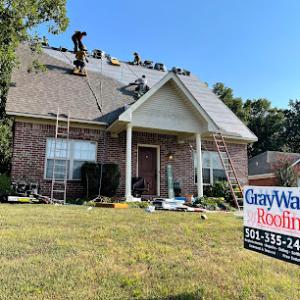
GrayWalt Roofing is now Capstone Roofing It is a locally owned company that specializes in roofing, repairs, and remodels in the Central Arkansas Area.
CK Roofing Solutions - Cabot
(501) 391-1903 cksolutions.org
Serving
4.6 from 11 reviews
CK Roofing Solutions is a family owned and operated roofing company with locations across the entire State of Arkansas. Don’t leave the most important part of your home to a handyman service. We pride ourselves on delivering the best possible roof replacement or repair to the city of Batesville, Bald Knob, Cabot, Searcy, Cave City, Benton, Conway, Ft. Smith, Fayetteville, and many other communities across the state of Arkansas. We follow strict IRC and state codes alongside using the best products on the market. Our team takes pride in every job they perform, and we would love the opportunity to provide the solutions for all your roofing needs.
Bagshaw Roofing & Construction
(501) 249-1020 bagshawroofing.com
Serving
5.0 from 1 review
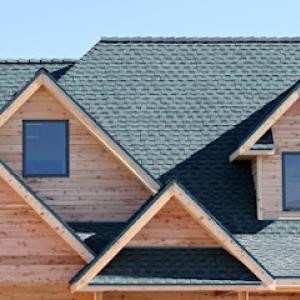
Bagshaw Roofing & Construction is locally owned and operated since 1991. We provide FREE estimates on all of our roofing installations, roofing repairs and vinyl siding installations.
Roofing Pro+: Beebe Authorized Dealer
Serving
Roofing Pro Plus Contracting is a company that started out in 2014 with the first job as a laborer. The owner of the company, Ray Haddix, has been assisting homeowners, supervising residential & commercial projects and ensuring projects were done correctly since 2015. Not only do we carry the knowledge of the business—the craft—we employ the experience gained between the Owner, the Operations Director, Supervising Roofer and General Manager (with a combined 32-years experience), to maintain our day-to-day process, our business process & ethics, our financial management & integrity and finally—last, but not least—our customer service.
Dunn's Roofing
Serving
Commercial/Residential roofing contractor that's been in business for 19 years. Shingles, Metal & Low Slope Roofs Commercially Licensed and Bonded.
In this market, asphalt shingles stand out because they align with the typical residential stock seen across the area. They're easier to replace quickly after hail and wind events than heavier premium systems, which helps neighborhoods recover faster after spring storms. For homeowners choosing this route, the practical upside is straightforward: a straightforward install with readily available components means fewer logistical hiccups when spring hail episodes arrive. The balance of intake and repair work tends to stay manageable for most local crews, reducing downtime on the project and getting a roof back online before the next storm cycle. In central Arkansas lightnings, wind gusts, and sudden downpours can expose weak spots, so securing proper underlayment and reliable shingle fasteners matters just as much as picking a shingle style. When you're evaluating options, look for Shingle lines with good impact resistance ratings and a warranty that covers wind uplift appropriate for the region's thunderstorm exposure.
Metal is another prominent choice for homeowners who prioritize storm durability and heat performance. In this climate, metal panels offer excellent resistance to hail dents and reflectivity that can help cut heat transfer into living spaces. However, installation quality matters a lot in thunderstorm-prone conditions. Exposed fasteners, flashing details, and the method of panel attachment all influence long-term performance. A well-sealed, properly sealed metal system can hold up through repeated hail events and high-wind episodes, but sloppy sealing or improper flashing can invite leaks after a severe storm. If a metal roof is on your radar, ensure the installer has solid references for local hail and wind cycles, and that flashing around chimneys, vents, and skylights is integrated with attention to water path control. Choosing a profile designed for high-wind zones can also help reduce the likelihood of panel movement during intense gusts.
Clay tile and concrete tile are available in this market, but their suitability hinges on structural support and how well the system handles repeated storm cycles. Clay and concrete are heavy, and many existing homes require structural evaluation to safely bear the load. If your frame and attic structure haven't been upgraded in a renovation cycle, installing heavier tile could necessitate reinforcing trusses or adding supports. Wood shakes or shingles offer a timeless look and decent resilience when properly maintained, but this region's storm pattern-especially hail-can accelerate wear on wood and require more frequent inspections for hairline cracks and moisture infiltration. Synthetic or composite shingles bring a flexible alternative: they emulate the appearance of natural products while often delivering better impact resistance and reduced weight. In practice, the best choice here depends on the house's structural capacity, the exposure to repeated hail strikes, and how well the system can manage cycles of rapid heating and cooling during the year. For any of these materials, plan for robust flashing, wind-rated underlayment, and a design that minimizes water intrusion paths after hail-driven damage. If a heavy tile system is contemplated, it's essential to confirm structural adequacy and confirm the installation plan includes weatherproof detailing tuned for frequent storm cycles.
Spring hail and wind events are a defining pattern, and replacement timing often follows storm-driven needs as much as calendar considerations. Regardless of material, the system should prioritize wind uplift resistance, impact exposure mitigation, and dependable flashing around transitions-chimneys, vents, skylights, and gutters. In this market, a well-chosen material paired with a skilled local crew who understands spring thunderstorm behavior and the rhythm of Arkansas summers can yield a roof that not only survives the season but also maintains energy efficiency and a consistent indoors climate. Remember to verify compatibility with the home's existing roof deck, ventilation strategy, and attic insulation level to maximize the chosen material's performance over time.
Typical pricing bands in this area reflect the local housing stock and climate realities. Asphalt shingles generally run about $250 to $500 per square, metal roofing sits roughly between $600 and $1100 per square, clay tile often lands in the $900 to $1800 range, concrete tile $800 to $1500, wood shingles or shakes $450 to $900, and synthetic or composite shingles $400 to $800 per square. These figures are grounded in the way Searcy crews source materials, handle transport, and coordinate crews across central Arkansas.
Spring hail and wind events can tighten schedules quickly. When a big event hits White County, you'll notice labor pressure and longer wait times even for straightforward reroofs. In practice, that means if you're aiming for a replacement, you may see shorter wait windows and steadier pricing in the spring and fall, compared with hot, stormy summers or deep winter months. Planning around these windows helps protect against delays that push costs higher.
Asphalt shingles stay the most common in many old homes here, offering solid value. If you're balancing cost with replacement timing, expect the low end near $250 per square and the high end closer to $500 per square. Hail damage can accelerate the need for underlayment checks and simple nail-spot repairs, but a full reroof remains the most reliable fix when shingles wear or fail under repeated spring storms.
Metal roofs typically begin around $600 per square and can rise to about $1100, reflecting stronger wind resistance but longer lead times after hail events when crews are in high demand. Clay tile runs higher, $900 to $1800, with weight considerations and careful sequencing that can affect installation windows. Concrete tile sits around $800 to $1500, offering durability but similar scheduling sensitivities during peak repair seasons.
Wood shingles or shakes land roughly $450 to $900 per square, prized for look and insulation but requiring more maintenance in Arkansas humidity. Synthetic or composite shingles are a middle ground at $400 to $800 per square, often chosen for a balance of cost and hail resistance. Either option responds to the same spring-fall scheduling dynamics that tighten up in the wake of storms.
A full reroof in Searcy typically requires a permit, with the contractor usually filing through the local city or county building department serving the property. Before any shingle or tile is lifted, you should verify that the contractor has the right license and that the permit scope matches the job-no cutting corners on required inspections or weatherproofing steps. In practice, this means your chosen roofer should present you with the permit application, storm-related compliance notes, and a clear plan for drainage and attic ventilation. The process can hinge on White County oversight, so expect some back-and-forth if plans don't align with local codes. Delays can arise if the paperwork isn't complete or if the project touches historic or protected sections of a home.
Inspection checkpoints in this jurisdiction commonly include rough inspection where applicable and a final inspection, with attention to wind resistance, underlayment, and proper nailing. The rough inspection confirms that the roof deck is solid, the underlayment is correctly installed to resist Arkansas winds, and that eave and ridge ventilation meet code. The final inspection focuses on the finished roof's integrity: fasteners driven to the correct depth, shingle alignment, and flashing at joints and penetrations. If the home has a vented roof with attic access, ensure ventilation calculations follow code so you don't run into later humidity or moisture problems. Work with the contractor to schedule inspections promptly in advance and keep a clear line of communication with the inspector so you're not surprised by a re-inspection fee or a missed step.
Searcy-area homeowners should expect possible inspection delays during peak roofing season, especially when storm-driven demand increases permit volume. Spring hail and subsequent wind events push crews and inspectors to their limits, so coordinate timelines with the permit office and the contractor. If a delay occurs, use the extra time to review your project scope, confirm wind rating requirements, and ensure material shipments align with the planned start date. Staying proactive helps minimize forced work stoppages and keeps the project moving toward a compliant and durable roof.
In this area, repeated hail and wind exposure makes granule loss, bruised asphalt shingles, lifted tabs, and compromised ridge or hip components more relevant than slow coastal salt deterioration or snow-load failures. A roof that has seen repeated spring hail can look deceptively intact from the ground, but the surface may be thin or rough, signaling panels and shingles that have lost their protective granules. Those small losses add up, increasing heat absorption and accelerating aging. Expect to see lifted tabs or small uplifted edges after strong gusts, especially on edges and around vents, chimneys, and transitions.
Heavy thunderstorm rainfall in this area magnifies the consequences of flashing defects and underlayment mistakes because small installation errors can turn into active leaks quickly during intense rain events. Missing or improperly sealed step flashing around chimneys, vents, and new skylights creates creeping leaks that can show up days later as staining or damp attic insulation. If the underlayment has any wear, pinhole leaks become more noticeable after a sudden downpour, and rapid interior damage can follow if not addressed promptly.
Summer heat in this region can worsen aging on asphalt roofs, so insurers and contractors often have to distinguish storm damage from heat-related brittleness and normal wear. Asphalt shingles that curl or lose flexibility from heat may look unrelated to a recent storm, but sun exposure and age can mimic hail bruising. When evaluating a roof after a hail event, pay attention to whether damage aligns with weather exposure patterns or appears as isolated bruising from impacts.
Look for granule scatter in gutters, soft or spongy decking after heavy rain, and roof transitions that show changed alignment or darkened, damp valleys. If multiple elevations show similar wear after a storm season, it's a strong signal that wind-driven impacts and flashing lapses are at play, not just aging. Regular inspection after spring storms helps catch issues before hidden damage escalates.