
Last updated: Apr 19, 2026
Spring severe thunderstorms and hail are a primary trigger for roof inspections, emergency tarping, and replacement demand in Texarkana. When a crack of hail rattles the gutters and you hear that heavier-than-usual battering on the roof, action can't wait. The weather window you rely on for a solid claim is narrow, and delays can compound damage-water intrusion, compromised attic ventilation, and accelerated shingle deterioration. Immediate assessment after a hail event isn't optional; it's the first step to protecting your home and your claim.
Local insurers in this region commonly ask for detailed photo records of prior damage and proof of recent roof work because hail and wind claims are frequent. Start a thorough file the moment conditions calm. Photograph damage from multiple angles on every elevation, close-ups of hail impacts on shingles or metal panels, vent flashing, and any sunken or lifted granules. Include attic photos showing visible leaks or moisture stains, and collect receipts or work orders for any prior roof maintenance or repairs. If you've had temporary tarping or board-up, document that as well with time-stamped photos and notes on the date the tarp was installed and the date it was removed. Build a clear before-and-after narrative so the adjuster can see the progression and distinguish new storm damage from preexisting conditions.
Adjuster scheduling can slow projects after regional storm events, so homeowners in Texarkana often need to sequence temporary protection, inspection, claim documentation, and final replacement carefully. Immediately arrange for temporary protection if shingles are damaged or flashing is compromised. A blown-off vent boot or a torn valley metal can turn a quick fix into a worst-case leak, especially during the variable spring storms. Contact your insurer to file the claim as soon as possible, and align with the contractor to set a realistic inspection date that doesn't leave the roof exposed to additional rounds of weather. When the adjuster arrives, walk them through the damage with the same photos you've collected, and reference any prior work orders to establish a clear damage timeline. If a dispute arises over what constitutes hail damage versus wear, lean on the contractor's notes and your photo log to support your case.
If you've just endured a storm, schedule a no-surprise inspection within 48 hours of already calming weather. Keep tarps secured and check vents for loose or damaged components. Maintain a simple damage diary: date-stamped photos, a short description of observed issues, and notes on any temporary protections you've added. Share this diary with both your insurer and your contractor to reduce back-and-forth time and to keep the project moving toward a proper replacement without costly delays. In Texarkana, coordinating these elements-protection, documentation, and claim timing-can be the difference between a smooth restoration and a drawn-out battle with the storm season.
Hargrove Roofing
(903) 336-3357 www.hargroveroofing.com
3642 Richmond Rd, Texarkana, Texas
5.0 from 87 reviews
The certified roofers at Hargrove Roofing have years of experience providing high-quality roofing services in Louisiana and Texas. As a BBB-accredited company, their team is proud to be your trusted partner for reliable roofing solutions. From roof inspections to roof installation to roof repair, their skilled contractors are fully trained and equipped to keep the roof over your home or business. When you choose Hargrove Roofing, you’re choosing peace of mind with 24-hour emergency services, flexible financing options, and their satisfaction guarantee! With a reputation for exceptional craftsmanship and top-notch products from industry-leading brands like GAF® and Owens Corning®, you can rest assured that your roof is built to last.
Near Me Roofing & Contracting
6872 Hampton Rd, Texarkana, Texas
4.9 from 191 reviews
We are a family owned and local roofing company committed to providing top-quality roofing services in Texarkana TX, Texarkana AR Nash TX, Wake Village TX, Red Lick TX, Hooks TX, New Boston TX, Dekalb TX, Atlanta TX, Queen City TX, Ashdown AR, Fouke AR, Hope AR, Ogden AR, Lewisville AR, Magnolia AR, Nashville AR, Mineral Springs AR, Lockesburg AR and surrounding areas. We offer Roof Replacement, Roof Repair, Insurance roof claims assistance, storm damage for asphalt shingle roofs, metal roofs, on Residential and Commercial Roofing systems. We will be glad to provide you a free roof inspection and estimate. Reliable, trustworthy, honest, and dependable. Licensed & Insured. Directorii member and a Member of the "Good Contractors List".
Crouch Roofing
(903) 791-0505 www.crouchroofing.com
4606 Summerhill Rd, Texarkana, Texas
4.9 from 71 reviews
If your ceiling has unsightly water stains or leaks when it rains, you may have a failing or compromised roof. That’s when you know to call Crouch Roofing. Located in Texarkana, TX, these roofing contractors work tirelessly to provide their community with reliable roofing solutions aimed at keeping your family, investments, and other beloved possessions protected. As a family-owned and -operated business with more than 45 years of experience under their belts, Crouch Roofing has raised the bar for how roofers should conduct their business. These A+ rated roofing contractors, for example, have an outstanding reputation thanks to their trusted service and professional dedication. Whether you need minor shingle repairs or a full roof replac...
Bohon Roofing
(903) 838-8430 www.bohonroofingtxk.com
9007 N Kings Hwy, Texarkana, Texas
4.9 from 101 reviews
We have been in business for over 40 years serving Texarkana and the surrounding areas. Our premier roofing contractors are more than just skilled professionals; they are dedicated to ensuring your safety and satisfaction with every roof repair and roof replacement. Whether you need a quick fix for a leaking roof or a brand new roof, our team works for you!
Texarkana Roofing
(903) 869-1055 www.txkroofing.com
2700 Richmond Rd Suite 2, Texarkana, Texas
5.0 from 25 reviews
Are you ready to replace the roof on your home or commercial building? Does your roof need repairs ASAP? Make Texarkana Roofing your first call. We provide roofing services to clients throughout Texarkana, TX and Texarkana, AR. With over two decades of experience, we have what it takes to do the job right the first time. Whether you need residential roof repairs or commercial roof installation services, we've got you covered.
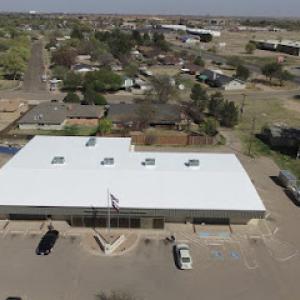
R.B.T. Roofing
8619 W 7th St, Texarkana, Texas
4.8 from 18 reviews
For over 10 years, our nationwide commercial construction company has had a passion for commercial roofing installation and repair. We believe it doesn’t matter if you need a minor leak repaired or an entirely new roof installed, our roofing contractors can take care of it. With a variety of different types of roofs, we will work with you to create the best possible solution for your business, hospital, industrial, or government facility. Contact us today to request a service.
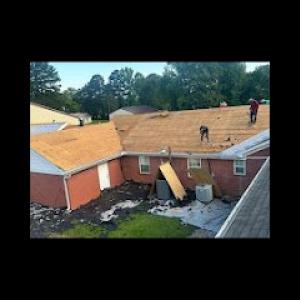
Perez Roofing
1621 Roberts St, Texarkana, Arkansas
4.3 from 24 reviews
Perez Roofing is a Roofing Contractor located in Texarkana, AR. We specialize in Roof Replacement, Roofing Services, Residential Roofing, Commercial Roofing, Roof Installation, Roof Repairs, Custom Roofing, Roof Repairing, Roof Installing, and Roof Services. We understand that your roof is more than just protection — it’s a key part of your home or business's safety, value, and appearance. That’s why we’re committed to using the best materials, expert craftsmanship, and dependable service on every project. Whether you need a minor repair or a full roof replacement, we tailor our work to meet your needs and exceed your expectations. Contact us today for more information and services!
Over the Top Roofing
(903) 490-3918 www.facebook.com
2403 S Lake Dr, Texarkana, Texas
4.5 from 20 reviews
Here at Over the Top we offer FREE roof and gutter inspections and estimates. One thing that separates us from the next guys, is that we hand drive all of our nails the old school and most reliable way, and we have the best customer service in the business! We have many references and anyone is welcome to call any city hall for more references for us as well. Call today for a free and honest inspection from our roofing and gutter professionals! We are locally owned and operated and are a part of the better business Beaurou. We are also fully insured and bonded!
Stonewater Roofing
(903) 266-1205 stonewaterroofing.com
1202 N State Line Ave Suite #103, Texarkana, Arkansas
4.6 from 10 reviews
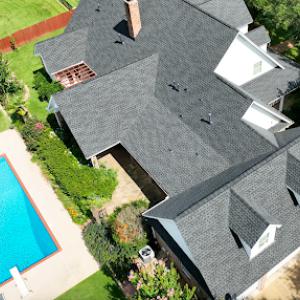
If you’re looking for professional, trustworthy roofers in Texarkana, look no further. Stonewater Roofing provides the highest quality commercial and residential roof maintenance, repair and replacement services. From the initial inspection to the actual roof installation, our team will be there to help protect your property and provide you with peace of mind. We also install residential and commercial solar roofing solutions such as solar shingles and solar panels. We go above and beyond to be the area's best roofers serving Texarkana, New Boston, Nash, and surrounding communities. You can trust our well-known and respected roofers to offer top-notch service. Schedule your free damage assessment online or by phone today!
ASAP Roofing
(903) 794-7663 asaproofing.com
2904 Texas Blvd, Texarkana, Texas
4.3 from 6 reviews
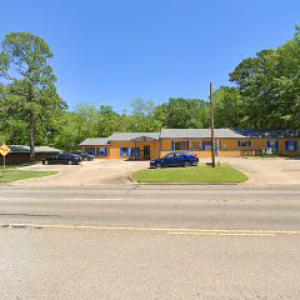
ASAP Roofing provides fast, reliable, service for all your residential and commercial roofing needs. Our certified specialists at ASAP Roofing will repair any roof issue, install a new roof, or re-roof your existing roof structure. The ASAP Roofing team has years of experience and are skilled contractors. We use a variety of quality materials and the latest technology to make sure your homes roof is not only safe but also looks great. ASAP Roofing also provides emergency repair services as well as scheduled repairs that work at your convenience. Our team can perform repairs on sloped or flat roofs and have experience with installing flashing and fascia. ASAP Roofing warranties all our products, roofing installations, and roof repairs.
Harness Roofing
(870) 703-2382 harnessroofing.com
1817 Jim Walter Dr, Texarkana, Arkansas
5.0 from 1 review
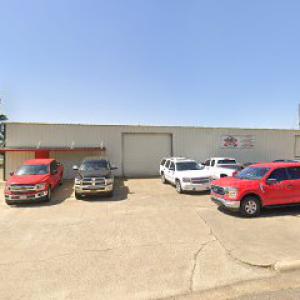
www-harnessroofing-com Commercial Roofing Waterproofing
BXC Roofing
2603 Texas Blvd Suite 600, Texarkana, Texas
5.0 from 1 review
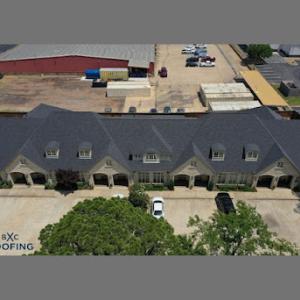
BXC Roofing is locally owned and operated, serving all of East Texas and surrounding areas. We provide pristine roofing services to both residential and commercial properties, with great pride in our quality customer service.
Texarkana's hot, humid summers accelerate heat loading and moisture stress, making attic ventilation and underlayment details especially important across shingle, metal, tile, wood, and composite systems. The storm pattern-seasonal hail and occasional ice-creates distinct failure tendencies by material, so understanding how each option behaves under impact and wind is crucial for a long-lasting roof. In the local contractor market, asphalt shingles and metal roofing stand out as the two most common, balancing practical reroofing needs with storm-resilient upgrade potential.
Asphalt shingles remain a common, straightforward choice for many homes here. Look for products with strong impact resistance ratings and a robust underlayment system, because attic moisture control becomes a daily concern in the area's heat and humidity. Higher-quality shingles paired with an ice-and-water shield at eaves and penetrations help mitigate wind-driven moisture issues during spring storms. If a shingle roof exists on a structure with vented attics, ensure the replacement plan emphasizes continuous ridge and soffit ventilation to reduce heat buildup and extend shingle life. For hail exposure, select asphalt options that feature enhanced granule adhesion and an additional protective layer beneath the visible shingles to slow granule loss after hail strikes.
Metal roofs are well-suited to Texarkana's weather, especially where storms bring high winds and hail. A metal roof benefits from a well-sealed underlayment and a carefully engineered fastener pattern to resist wind uplift. In hail-prone areas, integrated panels and concealed fasteners can reduce impact vulnerabilities, but flashing and seam integrity become the focus after a storm. Metal systems often perform well with reflective coatings that cut heat load, yet require attention to attic ventilation because heat can transfer into the attic space if intake and exhaust vents aren't balanced. If choosing metal, emphasize corrosion-resistant coatings and proper sealing around penetrations to counter moisture stress during humid summers.
Clay and concrete tile bring excellent longevity and fire resistance, but Texarkana's heat loads demand careful underlayment and venting decisions. Tile roofs must have a solid solid deck and correct underlayment beneath the tile to manage heat-driven expansion and contraction. Impact resistance varies with tile type, so choose shapes and textures that distribute load and resist cracking from hail. Synthetic or composite shingles offer a versatile middle ground: they often blend a favorable balance of impact resistance, weight, and installation ease with good UV stability. When selecting composites, confirm a warranty that accounts for the area's temperature swings and storm exposure, and verify compatibility with the existing ventilation strategy.
Across materials, attic ventilation and underlayment are the quiet influencers of performance in this climate. A breathable underlayment paired with properly vented soffits and a vented ridge helps manage heat and moisture, reducing attic moisture stress on all roof types. Ensure flashing details are reinforced at eaves, valleys, and penetrations, since ice and wind can magnify issues in these zones. For tile and metal roofs, confirm that fastener patterns accommodate thermal movement and that sealants remain compatible with heat exposure and humidity.
After a storm season, prioritize a thorough inspection that focuses on hail impact patterns, loose or damaged fasteners, and flashing integrity. Document any changes with clear photos and notes to support insurance coordination and a timely reroof decision. For asphalt and metal roofs, emphasis should be on signs of granule loss, denting, and uplift-prone seams. Tile and composite roofs deserve close attention to cracked or moved tiles and any underlayment exposure. This approach helps homeowners choose the right material path, aligns with Texarkana's market strengths, and supports durable performance through hot summers and storm events.
Provided local ranges run about $350 to $580 per square for asphalt shingles, $700 to $1100 for metal, $900 to $1600 for clay tile, $900 to $1500 for concrete tile, $550 to $900 for wood shingles or shakes, and $520 to $860 for synthetic or composite shingles. Those figures cover common mass-market materials homeowners see on homes around the city after hail and wind events. If your roof uses multiple elevations or unusual shapes, price scanning will show higher numbers for waste, waste disposal, and extra penetrations. When you're comparing bids, ask each contractor to separate material, underlayment, venting, and installation charges so you can see where savings may exist and where costs are nonnegotiable.
Texarkana storm cycles can push reroof demand upward after hail and wind events, which can affect scheduling and pricing pressure more than in calmer markets. In a busy season, roofing crews may run on tighter calendars, and material lead times can stretch. If your roof is staged for replacement, you might encounter multiple contractors bidding for the same windows, which can drive quick-answer decisions and a rush to complete before the next front moves through. Plan ahead by getting on a preferred crew's list before the peak, and confirm an updated timeline if a major storm hits your area mid-project.
For asphalt shingles, expect the lower end near the 350-580 range if you're replacing only damaged areas with matching style and color, but full coverage or high-visibility profiles can push toward the upper end. Metal roofing sits in the 700-1100 range and can be appealing for hail resistance and wind performance, though it often adds installation complexity in vented eaves and overhangs. Clay and concrete tiles deliver strong storm resistance but come with higher weight, structural considerations, and the 900-1600 or 900-1500 bands; in wind-prone days, that rigid sheet behavior can reduce ongoing maintenance. Wood shingles or shakes run 550-900, offering a traditional look but more care for moisture cycles. Synthetic or composite shingles typically fall 520-860, providing flexibility and wind uplift resistance without the weight of tile.
After a storm, the paperwork trail matters as much as the roof itself. Insurance adjustments, storm-damage documentation, and contractor letters should clearly outline scope, material choices, and underlayment specifics. City venting and underlayment checks during the reroof can add scope items that homeowners may not see in bare-bones estimates, so expect questions about attic ventilation, drip edge, and starter course alignment. Collect before-and-after photos, a detailed materials list, and a site map of penetrations to streamline claims and avoid miscommunication.
Start with three detailed bids from local contractors who have storm-season experience and references. Ask them to itemize each line: materials, underlayment, ventilation, flashing, fasteners, and disposal. Confirm the proposed roof plan includes proper attic venting with intake and exhaust balance, and ensure the quote notes any necessary retrofits to satisfy the local build envelope after hail exposure. If timelines clash with holiday or seasonal peaks, request a firm start date with a staged milestone plan and a contingency schedule in writing. Finally, prepare a simple damage log: date of hail events, observed roof impacts, and any interior signs of roof or attic staining, so you can track how the season's storms translate into actionable repairs.
Don't let upfront costs delay a critical repair - these contractors offer payment plans to fit your budget.
Hargrove Roofing
(903) 336-3357 www.hargroveroofing.com
3642 Richmond Rd, Texarkana, Texas
5.0 from 87 reviews
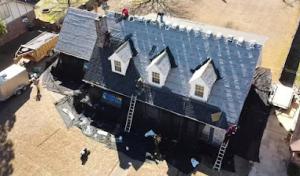
Near Me Roofing & Contracting
6872 Hampton Rd, Texarkana, Texas
4.9 from 191 reviews
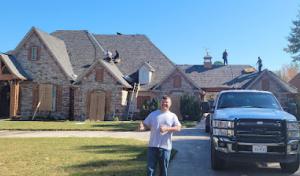
In Texarkana, AR, a full reroof is typically handled through the City of Texarkana Building Department rather than being managed informally. The process is designed to ensure that venting, underlayment, and other critical details meet local code and weather-related expectations for this climate. Understanding the sequence helps homeowners minimize delays when storm season prompts urgent roof replacements.
Once a reroof project is planned, the homeowner or contractor submits the permit application through the Building Department. The application review focuses on the roof's structure, type of decking, and the chosen roofing system, with particular attention paid to venting layout and underlayment choices that align with Texarkana's propensity for strong storms and hail exposure. After review, a permit is issued and must be posted at the job site so passersby and inspectors can see it. The posted permit signals that a formal inspection timeline is in motion, rather than a DIY or informal replacement. The site posting also provides a reference point for scheduling inspections around weather windows and contractor availability in the busy spring and fall storm seasons.
During plan review, look for any notes related to attic venting, soffit and ridge vent configurations, and underlayment type and installation requirements. Local inspectors scrutinize these details because proper venting helps manage attic temperatures and moisture, which is especially relevant after heavy rains or hail events when roofing systems may have sustained incidental damage. If the plans show any deviations from standard practice, expect a revision request before the permit can be finalized. Once the plans are approved and the permit is issued, the project can move toward the tear-off and installation phases, with inspections scheduled at set milestones.
Inspections in Texarkana occur at key milestones: a rough inspection during the tear-off and roof replacement, a dry-in inspection to verify that the underlayment and ventilation components are correctly installed before shingles go down, and a final inspection after completion. Because inspections hinge on inspector availability and favorable weather windows, it is essential to align tear-off timing, dry-in installation, and final completion with these milestones. Plan for each stage to be ready for inspection in the narrow timeframes when the inspector is onsite, and keep the site accessible to the inspector during those windows. Weather can influence how quickly components are installed and how soon the dry-in and final inspections can occur, so coordinate with the contractor to secure a contiguous block of acceptable weather for the milestones.
Residents should communicate early with the contractor about anticipated inspection dates and any required corrections identified by inspectors. If a storm-driven reroof is imminent, request a tentative inspection window within the permit's allowed timeframe and adjust as needed when weather forecasts become clearer. In Texarkana, aligning tear-off, dry-in, and final completion with inspector availability and weather windows is a practical step to keep the project on track and compliant with local requirements.
In this market, every hail season can feel like a test of patience and documentation. The combination of powerful spring storms and frequent wind-driven damage means insurers scrutinize whether damage is recent, repeated, or tied to prior unrepaired events. A storm that's already tested your roof from a previous year may be weighed against a fresh claim, so your paperwork and timing matter just as much as the shingles you choose.
When a claim starts, documented inspections and documented roof replacements carry extra value. An adjuster is more comfortable moving quickly if there is a clear trail: a professional assessment, a detailed scope of work, and a record of what was addressed and when. This market rewards claims that come with explicit, date-stamped findings, photos, and a logical sequence of repairs that connects the damage to the specific storm event. Without that trail, delays can multiply, and coverage disputes may linger longer than the actual weather cycle.
Think of your records as a shield for the process. Homeowners who keep date-stamped photos before and after a storm, copies of repair invoices, and a complete set of permit records and final inspection notes find themselves in a smoother timeline when the adjuster arrives. Adjusters in Texarkana often refer back to prior events to determine causation and scope, so a well-organized archive reduces the guesswork that can stall a starting date for replacement. The more you can demonstrate that damage is tied to a documented event, the more likely your claim moves forward with fewer hiccups.
Weather-driven timing matters too. The pace of a replacement can hinge on whether the insurer questions the immediacy of the damage or attributes it to an earlier, unresolved issue. In practical terms, that means you should be ready with a clear narrative: when the storms hit, what you observed, and the steps you took to address it at the home. Having a consistent timeline helps prevent delays that are not related to the weather but to documentation gaps.
Finally, be aware that the path from estimate to installation is a sequence of reviews and approvals. In Texarkana, a robust file that pairs professional assessments with your own meticulous records tends to shorten the back-and-forth and keeps the project aligned with the actual storm impact, rather than drifting into questions about prior events or unrelated damages.
Connect with contractors who help homeowners navigate the claims process from damage assessment to final approval.
Hargrove Roofing
(903) 336-3357 www.hargroveroofing.com
3642 Richmond Rd, Texarkana, Texas
5.0 from 87 reviews
Near Me Roofing & Contracting
6872 Hampton Rd, Texarkana, Texas
4.9 from 191 reviews
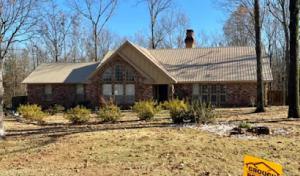
Crouch Roofing
(903) 791-0505 www.crouchroofing.com
4606 Summerhill Rd, Texarkana, Texas
4.9 from 71 reviews
Spring in Texarkana brings thunderstorm and hail disruption, making it the busiest period for inspections, claims, and emergency leak response. You should plan for more responsive scheduling and streamlined messaging with your roofer during this window. Have a sheltered path ready for crews to access the roof after a storm, and keep a log of any hail marks or displaced shingles for later documentation. Early-season inspections help catch soft or dented sheathing before interior damage grows. If an adjuster is involved, provide clear photos, moisture notes, and any temporary tarping plans to minimize water intrusion while the claim is processed.
Summer heat in Texarkana can affect crew productivity and material handling, which matters for shingle storage, adhesive behavior, and safe work pacing. Schedule high-heat installations for early mornings or late afternoons to avoid peak heat. Store bundles off the ground and away from direct sun, and check adhesive products for temperature guidelines before use. Build in extra drying time for sealants and underlayments on hot days, and ensure cooling breaks to prevent heat-related delays or mistakes. Communicate expected daily progress to avoid material tracking issues and loose debris on driveways.
Winter cold snaps with occasional ice or sleet in Texarkana can delay installation and complicate scheduling even though winters are generally mild. Plan contingencies for frozen surfaces, and have a contingency window for weather-related postponements. Use temporary roof preparations that protect interior spaces without delaying weatherproofing, and confirm that venting and underlayment checks align with the installation timeline when conditions improve. Keep a clear message with homeowners about how cold snaps shift timelines and require flexibility from both sides.
When you can't wait, these contractors offer fast response times to stop leaks and prevent further damage.
Hargrove Roofing
(903) 336-3357 www.hargroveroofing.com
3642 Richmond Rd, Texarkana, Texas
5.0 from 87 reviews
The local market shows strong overlap between residential and commercial roofing, so you cannot assume every crew handles house-scale steep-slope reroofs with equal skill. In practice, verify that the contractor genuinely does this size of job and has recent, relevant experience matching your roof's pitch, materials, and attic venting needs. Look for recent projects that resemble your home's roof profile rather than a portfolio dominated by flat or low-slope commercial work. A rushed crew may cut corners on underlayment, flashing, or ventilation, and that can translate into leaks after the next storm season.
Texarkana hiring patterns favor quick response, cleanup included, and affordable pricing, reflecting a storm-repair market where speed and site condition matter immediately after weather events. You can expect crews to converge soon after hail or high winds, but speed should not trump quality. Ask for a clearly defined timeline, a site-cleanup plan, and daily progress updates. If a contractor promises an unusually fast turnaround without addressing underlayment or venting checks, treat that as a red flag. The right crew will balance promptness with thoroughness, ensuring the roof is replaced to withstand the next pressure from storms.
Long-established, family-owned, and locally owned firms are visible in this market, which matters in a city where post-storm follow-up, inspection coordination, and warranty service may extend beyond the initial install. Favor companies with a tangible history of local service, accessible customer support, and a straightforward warranty policy. When issues arise after installation, you want a contractor who will return calls, coordinate with your insurer, and schedule follow-up inspections without a drawn-out chase. In Texarkana, that ongoing accountability often distinguishes a solid reroof from a short-term fix.