Last updated: Apr 19, 2026
Paris, TX sits in a North/East Texas severe-weather pattern where spring hailstorms and strong thunderstorm winds are a primary trigger for roof replacement decisions. The rhythm of the season means a single hail event can set off a wave of contractor activity within days, not weeks, and your roof decision window can close as quickly as the storm front moves through. In this market, storm events can create sudden surges in contractor demand, which delays inspections, material delivery, and scheduling after major hail days. That dynamic makes timely action essential when hail or wind damage is suspected.
Strong winds common during storm season in Paris can lift shingle tabs, damage ridge caps, and turn minor flashing weaknesses into active leaks before interior staining appears. The truth is that wind damage can outpace your visual clues; a roof can look fine from the curb while underlayment is compromised or tabs are peeled enough to allow water intrusion during the next heavy rain. Hail damage often shows up as dented, bruised, or perforated shingles, but in the days after a severe hail day, wind-driven leakage can escalate suddenly if a storm reactivates a weakened seam or flashing. That combination of hail and wind means timing is everything: delay can mean accelerated deterioration and more intrusive repairs.
After a major hail day, the clock starts for documentation and evaluation. The window to order a thorough roof assessment is narrow because contractor availability and material stock can spike within 24 to 72 hours. Immediate steps matter: capture date-stamped photos showing hail impacts, wind-related tab lifts, ridge cap damage, and any interior staining that might indicate leaks. A quick rain test by a professional can verify active leaks, but do not push a temporary fix beyond what's necessary; you want accurate evidence for claims and scheduling, not just a band-aid. If you wait, the next round of storms can obscure or compound the damage, complicating the assessment and potentially delaying a full re-roof decision.
If hail or a wind event just passed, contact your preferred local roofing contractor within 24 hours to schedule an on-site inspection. Request a written assessment that clearly distinguishes hail damage from age-related wear and from incidental wind effects. Gather storm records, photos from the day, and any insurance correspondence to streamline the claim process. Expect demand to spike quickly; having an appointment secured in the first 48 hours helps lock in timing, materials, and a project plan before the next storm system rolls through. In practice, early, documented verification prevents miscommunication and positions you to act decisively when the insurer approval or contractor schedule becomes tight.
Find local contractors experienced in assessing and restoring roofs after hail, wind, and severe weather events.
Quality Roofing
(903) 206-4558 www.qualityroofingoftexas.com
1150 N Main St, Paris, Texas
4.8 from 23 reviews
Known Name Roofing & Construction
(903) 706-5061 www.knownnameroofing.net
10 NW Loop 286 #100, Paris, Texas
4.7 from 23 reviews

Quality Roofing
(903) 206-4558 www.qualityroofingoftexas.com
1150 N Main St, Paris, Texas
4.8 from 23 reviews
Quality Roofing provides commercial and residential roofing services to Paris, TX, and surrounding areas.
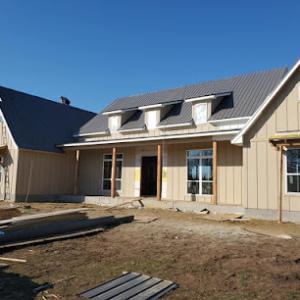
Known Name Roofing & Construction
(903) 706-5061 www.knownnameroofing.net
10 NW Loop 286 #100, Paris, Texas
4.7 from 23 reviews
Why Us? Simple. Known Name Roofing & Construction is a BBB accredited company. We hold an A+ rating which means that our customers are 100% satisfied with the work that we do. Known Name Roofing & Construction has over 20 years of experience and knowledge to get your project 100% complete, 100% correct, and delivered as promised. Give us a call today and find out why Known Name Roofing & Construction is simply the best decision you can make to repair or modify your home or business.
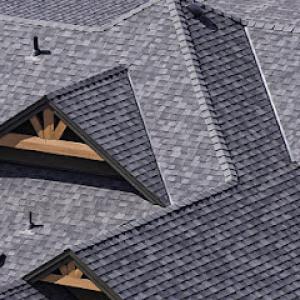
Asay Roofing
(903) 495-2986 www.asayroofing.com
1415 Boardwalk NE, Paris, Texas
4.5 from 34 reviews
Asay Roofing provides roof repair, replacement, and inspections to Texas and Oklahoma.
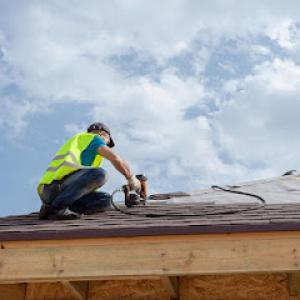
Reliant Roofing & Construction
(903) 784-1111 www.roofwithreliant.com
856 19th St NW, Paris, Texas
4.6 from 5 reviews
Reliant Roofing & Construction provides residential and commercial roofing and gutters and free estimates to the Paris, TX, area.
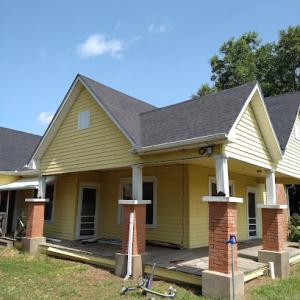
Gilbert Roofing
1201 15th St NW, Paris, Texas
4.0 from 8 reviews
Flat roofs and torch ply roofing
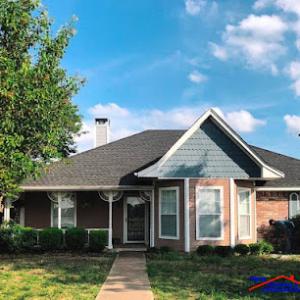
Nunez Roofing Paris
(903) 964-3106 nunezroofingllc.com
2557 Graham St, Paris, Texas
5.0 from 2 reviews
Nunez Roofing Paris is your local roofing contractor in Paris. As a leading roofing expert, we pride ourselves on over 20 years of combined construction and project management experience that is characterized by quality workmanship and excellent customer relations. We aim to build high-quality homes, deliver expert craftsmanship and are committed to provide superior and affordable roof repair, roof replacement and roof installation services. At Nunez Roofing Paris, we believe in being a progressive and dynamic Paris roofing company that strives to be the industry leader in product innovation and customer service. It only takes one call to join our family and see why we are among the best!

SAM Roofing & Construction
(903) 491-1792 samroofingandconstruction.com
Serving
4.3 from 6 reviews
SAM Roofing and Construction is locally owned and family operated, proudly serving Paris, Tx and the surround areas. Owner: Asa McKinney was born and raised in Lamar County with 12 years of experience in a variety of fields, including residential and commercial construction, remodeling, roofing, and electrical work. From initial damage to job completion, we work hand in hand with your insurance company. "We Value The Importance Of Integrity And Building Positive Relationships. SAM's Mission Is To Deliver Quality Services With Expert Knowledge And Skills."
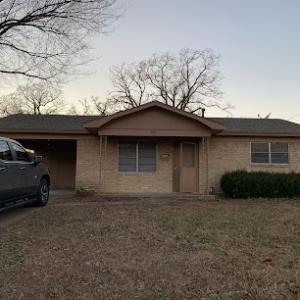
All Pro Roofing Systems
(903) 491-1501 www.allproroofingtexas.com
2885 Cypress Dr, Paris, Texas
Roofing Contractor, Specializes in assisting and navigating Customers through the insurance claims process. Also complete roof replacements, and taking care of insurance completions for customers.
In Paris, homeowners navigate a Texas insurance market where frequent hail and wind claims have tightened underwriting and raised documentation expectations. After every spring, adjusters come with a sharper eye for causation, and the timeline from hail strike to repairs can hinge on the quality of records. The reality here is that storm damage is not a rumor or a rumor deferred by mild seasons; it is a pattern that drives how quickly a roof can be assessed, approved, and repaired. This means keeping the narrative about your roof accurate, timely, and easy for an adjuster to follow.
Following significant hail events, the moment you contact the insurer is not the moment to improvise your records. Adjusters commonly want date-stamped photos, elevation-by-elevation damage lists, and clear evidence that what is claimed as storm damage isn't simply wear from years of sun and wind. A tall ladder, a trusted helper, and a smartphone with a consistent photo routine can transform a pile of scattered shots into a coherent story. Document every plane of the roof, from overhangs to ridge lines, and include close-ups of damaged shingles, granule loss, and flashing. The goal is to create an orderly map that connects the hail impact with the actual roofing components, not a narrative that refutes wear with loose assumptions.
Because repeated hail seasons can color how a claim is handled, Paris homeowners benefit from keeping roof condition photos before storm season rather than waiting until damage is disputed. That pre-season archive serves as a baseline, illustrating what the roof looked like under clear skies and calm winds. When a post-storm evaluation arrives, the comparison is straightforward: it turns into objective evidence rather than a persuasive argument. A simple, dated folder of exterior and attic photos, plus notes on any existing repairs, can save days of back-and-forth and reduce the risk of denial or partial settlements driven by ambiguity.
A practical approach is to take photos from ground level looking up at representative sections and then step back to photograph the entire roof from multiple angles. Then, go section by section: upper slopes, mid slopes, lower slopes, and hips. Include any nearby trees or structures that may obscure view or contribute debris. If gutters show hail pitting or shingle granule accumulation, capture that detail too. Keep a simple log that references the exact date, time, and weather conditions, so the sequence reads clearly to an adjuster who may be reconstructing the event timeline from multiple files.
Storm timing matters because the longer the gap between hail damage and remediation, the greater the chance of secondary issues-moss, water intrusion in soft spots, or fasteners corroding. In practice, this means coordinating quickly with a contractor and the insurer when damage is confirmed. A fast response reduces the risk of weather-driven complications and helps ensure the claim stays aligned with the actual storm events rather than evolving wear. When a claim is opened, keep the record organized and readily shareable, with clear captions and time stamps, so the process moves with as little friction as possible.
Connect with contractors who help homeowners navigate the claims process from damage assessment to final approval.
Quality Roofing
(903) 206-4558 www.qualityroofingoftexas.com
1150 N Main St, Paris, Texas
4.8 from 23 reviews
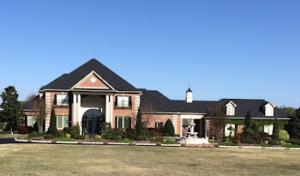
Asphalt shingles fit the local housing stock and price expectations, making them the most common choice in this area. Because repeated spring hail and intense summer sun are the norm, you want an asphalt system that emphasizes impact resistance and heat aging performance. Look for shingles with the highest impact resistance rating your budget allows and with reflective granules or a cool-shade option to mitigate heat buildup on steep-slope roofs. In practice, choose a asphalt line that offers a strong warranty and a reputable installer who understands how to seal hips, ridges, and valleys for high-wind days. On repair days after hail, ask the roofer to inspect secondary water channels and underlayment, since quick damage assessment can prevent interior leaks during severe storms.
Metal roofing handles sun exposure very well, which helps extend life under long Texas summers. It also resists hail relatively well when the panels and fasteners are properly installed. The practical concerns come in around storm noise perception, trim detailing, and wind-fastener quality. In storm-prone parts of Lamar County, choose metal with a sturdy panel profile and corrosion-resistant coatings. Ensure the fasteners are rated for high-wind zones and that the roof edge detailing aligns with the prevailing wind direction. If the home has nearby outbuildings, metal can be a practical match there too, but discuss overhangs and soffit ventilation to avoid wind-driven rain issues between structures. Ask for a detailed plan showing how ridge caps and seams are treated to minimize wind uplift on a steep slope.
Clay and concrete tile appear in the market but require attention to structural load, breakage risk during hail events, and the availability of crews comfortable with tile repair in a smaller city market. Tile roofs are heavier, so verify the existing structural framing can support the load, especially on older homes. Hail can crack tiles, leading to leaks if the underlayment is compromised. In practice, choose a tile profile with proven hail resistance and ensure a qualified tile installer handles substrate preparation and wind-rated fasteners. For homes with limited nearby tile specialists, consider a contingency plan for repairs and matching tools, since tile repair work tends to be less common in smaller markets. If choosing tile, pair it with high-quality underlayment and a robust fastener pattern to improve wind performance on the steep slope.
Storm-driven demand plays a big role in this market. In Paris, hail events can tighten labor availability and extend lead times for re-roofing crews, especially when spring storms hit and linger into early summer. That means the window to schedule a full roof replacement can stretch, and crews may prioritize homes with the most urgent hail damage or those with insurance timelines alignment. When planning, expect some variability in timing and be prepared to coordinate with your insurer and the contractor to lock in a start date as soon as a patch assessment is complete.
Asphalt shingles typically run 350 to 650 USD per square, metal roofing 600 to 1100, clay tile 900 to 1900, concrete tile 800 to 1800, wood shingles or shakes 500 to 1100, and synthetic or composite shingles 400 to 800 in this market. These ranges reflect both the base product and typical installation packages for storm-affected periods. In practice, a steep residential roof or one with special features (like skylights or multiple penetrations) can push a project toward the higher end of these bands, especially if a tear-off reveals more decking work than anticipated.
Costs in Paris can move up with steep residential roof pitches, decking repairs uncovered after tear-off, upgraded underlayment for storm resilience, and permit/inspection timing delays during busy weather periods. A taller, steeper roof increases both material usage and labor time, with steeper slopes amplifying risk for crews and requiring additional safety gear and staging. If the tear-off uncovers compromised decking, expect a boost in both material and labor charges to replace or reinforce structure.
If you're battling a tight timeline, metal or synthetic options can offer quicker installation windows and strong wind resistance, which is favorable for after-storm conditions. Asphalt shingles remain the most economical upfront, but the lead-time and potential for hail-related reinforced underlayment can influence overall cost. Clay or concrete tiles provide longevity and hail resistance but often demand more coordination for weight considerations and structural checks. Evaluate your roof's slope, deck condition, and local storm history when weighing these choices, and align your selection with the anticipated storm season and insurer expectations to keep the project on track.
Get a clear picture of your project costs upfront - no commitment required.
Reliant Roofing & Construction
(903) 784-1111 www.roofwithreliant.com
856 19th St NW, Paris, Texas
4.6 from 5 reviews
A full re-roof in Paris, TX typically requires a building permit through the city Building Department rather than being treated as a no-paperwork job. The permit confirms that the project aligns with local codes and will be inspected at key milestones. The process is straightforward but timing matters, especially during storm season when hail damage is common and contractor workloads surge. Your contractor should prepare the required project scope, notice any structural or venting considerations, and submit the plan for review before work begins. A properly filed permit helps ensure that the re-roof moves through city channels without unnecessary delays if weather or inspections pile up.
The local process generally includes a simple submission followed by inspections at the rough stage for underlayment and venting, then a final inspection after completion. The rough-in inspection verifies that the roof deck is sound, underlayment is properly installed, and ventilation is adequate to meet code. This step is crucial for preventing moisture-related issues and for ensuring attic conditions support long-term performance. The final inspection confirms that the finished roof, penetrations, flashing, and venting meet current standards and that any required decking repairs or replacements were completed correctly. Expect the Building Department to document any deficiencies and require corrective work prior to closing the file.
In Paris, weather interruptions and Building Department backlog can affect inspection timing, which means contractors need to sequence tear-off, dry-in, and final completion carefully during storm season. If a hail event triggers emergency work, inspections can shift, so careful planning with the inspector's calendar is essential. A well-coordinated schedule prioritizes the tear-off and dry-in windows when skies are clear and winds are moderate, followed by a strategically timed final inspection to avoid repeated rework due to weather-related delays. Communication between the contractor, the homeowner's representative, and the Building Department helps minimize hold-ups when sudden weather changes occur.
When planning, align the tear-off with a forecasted stretch of dry days to minimize exposure of sheathing and underlayment. Have all venting, underlayment, and flashing details ready for the rough-in inspection to avoid multiple trips. For the final inspection, ensure all penetrations, chimney or vent boots, and any skylights are properly flashed and sealed. If a backlog pushes inspection dates, use the interim period to complete any non-structural touch-ups and to document progress with photo records that can be shared with the inspector to demonstrate compliance.
Choose a contractor who is familiar with Paris's steep-slope homes and common in-city crews, so equipment and access are efficient. Keep a clear line of communication with the Building Department, and anticipate that weather windows will drive the pace. A detailed project calendar, submitted with the permit, helps everyone stay aligned-from tear-off through dry-in to final approval-reducing the risk of postponements during the spring storm cycle.
You face hot, sunny summers that speed up granule loss, thermal aging, and brittleness in lower-grade asphalt shingles much faster than in cooler climates. On steep-slope homes common around the area, that means aged shingles can reveal substrate sooner and ups the risk of hail impact damage going unrepaired if the granules already softened or worn. In practice, inspect after each hot spell for exposed felt, missing granules, or curling edges, and plan replacements sooner rather than later when you see signs of aging in the sun-drenched sections.
High summer temperatures can slow installation progress, especially on dark roofs that soak up heat and limit shaded work time. In Paris, crews tend to work earlier in the day and pause during peak heat to protect materials and workers. If you're coordinating reroofing, expect shorter daily windows and a need for more planning to keep material temperatures manageable. A practical approach is to chart a realistic schedule that accounts for hotter mid-day hours and to confirm shade provisions or temporary coverings for sections under direct sun.
Adhesive-based roofing products can be more sensitive to winter cold snaps, so even though winters are mild, timing matters. In Paris, plan around shoulder seasons where overnight temperatures are reliably above adhesive thresholds. This helps prevent bonding failures or slow cures that would otherwise complicate warranty terms. If a project overlaps late fall or early spring, discuss with your contractor the contemplated cure times and any temporary fastener strategies to bridge chilly periods.
Hot summers expose roof systems to thermal cycling, which can quietly stress fasteners and edge details. After a slate of heat waves, perform a focused check along the eave lines, ridge caps, and vent pipes for cracking, delamination, or raised seams. Regular mid-season inspections help catch aging patterns early and keep storm readiness intact for the next hail season.
In this town, repeated spring hail exposure often shortens the practical replacement cycle of asphalt roofs even when leaks are not immediately visible from inside. You may notice granule loss, darkened patches, or a chalky film along the shingles after a storm, and those cues can precede leaks you don't yet notice. The practical life of an asphalt roof here is pushed by hail impact that damages the surface and accelerates wear under heat and sun between storms. If a roof looks fine from the ground but the hail mark singes the granules, plan for closer inspection by a trusted roofer sooner rather than later.
Severe thunderstorms here bring wind-driven rain that finds the smallest gaps around ridges, valleys, pipe boots, and wall flashings long before field shingles show obvious failure. Weak seals and aging flashings can allow interior attic moisture or damp patches to appear only after a brisk squall passes. The moment you notice a sudden patch of dampness, or see water tracking along a seam rather than pooling on the surface, treat it as a red flag. A prompt flashing check and targeted resealing can save a full roof replacement down the line.
Rapid storm-response repairs in hail-prone Texas markets can leave mismatched materials or incomplete flashing corrections, so post-storm workmanship review matters in Paris. A quick fix that doesn't align with the surrounding roof or address all flashing penetrations often invites time-consuming follow-ups after the next system passes. Have a third-party walkthrough after repairs to ensure the repair has truly sealed the vulnerable joints and that vents, boots, and valleys are properly integrated.
While the market is dominated by steep-slope residential roofs, you will encounter some homes and commercial buildings in Paris with low-slope sections that demand different drainage and membrane detailing than shingle roofs. In these pockets, inspect the transition from the main slope to the low-slope area for debris buildup, perched water, and edge detailing that can trap moisture. Pay close attention to the seam counts on metal or single-pply membranes, and verify that the edge flashing and perimeter terminations are tied into the primary roof drainage plan. After a hail event, condensed moisture can linger in these flatter areas longer than on steep slopes, so plan targeted inspections that map potential water-flow paths toward interior channels or penetrations.
Skylights in a hail- and wind-exposed market like this require careful curb and flashing checks because surrounding roof damage can channel water to the opening. Start with the skylight curb, ensuring it sits flat and evenly against the roofing material without gaps or warping. Flashing should extend up and over the curb and lock into the surrounding shingles or membrane system without allowing seepage behind the flashing. Inspect for dented or twisted curb fasteners, compromised sealant beads, and any hail-related damage to the surrounding roof planes that could create a funnel effect toward the skylight. A compromised curb or misaligned flashing can drain water directly onto the skylight shaft, accelerating leak development during a thunderstorm.
Mixed-roof homes in Paris with both steep and low-slope sections can develop leak paths that are harder to diagnose after thunderstorms than a standard single-slope shingle roof. After a storm, run a careful, interior-to-exterior check focusing on transitions where water could leap between roof types, around trim, and beneath any overlapping membranes. Trace path routes from high wind zones to lower areas, looking for lift, bubbling, or edge deformations at the junctions. On the exterior, examine fastener patterns, sealant integrity, and any micro-cracks in bonding at the interface. Document suspect spots with photos and notes so the right area can be prioritized during a quick, targeted repair window.
Find specialists in TPO, EPDM, and built-up flat roofing systems for residential and commercial properties.