
Last updated: Apr 19, 2026
Spring severe thunderstorms and hail are the primary triggers for roof inspections, repairs, and full replacements in this area. Hail can compromise shingles, flashing, and gutters in ways that aren't always obvious from the ground, and wind can lift or peel material that seemed fine after a quick glance. Replacement timing is often driven by storm events rather than age alone because hail and wind can shorten service life across asphalt, metal, tile, wood, and composite roofs. When a storm hits, the clock starts ticking on needed repairs and the urgency to act ramps up quickly. Understanding this pattern helps you avoid caught-without-options moments when insurers, contractors, and material suppliers are in peak demand.
In this market, the combination of East Texas sun, humidity, and frequent hail blasts accelerates aging in ways that aren't always visible at first glance. After a hail event, inspect for granular loss on shingles, dents on metal panels, chips on clay or concrete tiles, or soft spots where the deck feels springy. Look for cracked vent housings, damaged flashing around chimneys, skylights, and chimney caps, as well as dented gutters or lifted edges along ridges. Beyond surface damage, notice any increased interior staining after a heavy rain or long drying spells; water intrusion may travel before it shows up as damp spots lining ceilings or walls. If any of these indicators are present-or if a hail event is fresh on the calendar-schedule a professional assessment promptly. Waiting can allow minor issues to become major, creating higher risk of leaks during the next storm and complicating future repairs.
Marshall homeowners benefit from meticulous documentation when a storm has touched the roof. Start with dated photos from multiple angles, including close-ups of damaged shingles, flashing, and gutters. Keep a concise note of when you first noticed issues, plus a timeline of any temporary fixes or leaks you've managed to control. Request a written assessment or inspection report from a licensed roofer detailing observed damage, recommended repairs, and a rough sense of remaining roof life given current conditions. If an insurance claim is part of the plan, coordinate with the adjuster by providing the storm date, photos, and the inspector's written findings. Clear, organized records shorten back-and-forth, help protect the integrity of the claim, and reduce delays during the replacement process.
Storm-related roofing demand in Marshall commonly surges in spring and fall, which can affect scheduling, material lead times, and inspection availability. If a comprehensive replacement is necessary, map out the anticipated window that balances the urgency of permanent protection with the realities of peak demand. Consider securing a qualified contractor and a preferred material type early in the cycle, especially after a major hail event when reputations and reputations-for-tability matter. Build in a contingency for weather delays and potential backlogs, and keep your contingency plan flexible around next-step readiness-this reduces the risk of extended exposure to weather during a vulnerable rebuild phase. When talks turn to scheduling, prioritize a plan that aligns with your weather outlook and any insurer timelines so that the project proceeds steadily rather than stalling at a critical juncture.
Storm timing in this area often dictates when a roof gets replaced, and that pattern shapes how insurers respond. In a hail-prone market like this, carriers tighten underwriting and adjustments, especially after back-to-back severe events. The consequence is that a claim can sit in limbo if the roof's condition isn't clearly tied to a recent hail event. Younger roofs can still be treated as incremental losses, while older roofs may trigger expedited depreciation or a decline in scope if inspection notes aren't precise. Understanding how storm timing aligns with your roof's age and existing wear can prevent surprises when an adjuster arrives.
Because claim activity is high in hail-prone Texas markets, documenting roof condition before storms pays off. Simple, dated photos showing the overall roof line, vent stacks, chimneys, skylights, and any known preexisting issues set a baseline that helps separate new hail damage from old wear. Keep a small log of notable weather events and any pre-storm maintenance, so you can reference the exact sequence of events if a claim is filed. When a hail season rolls in, these records become a practical shield against misinterpretation by adjusters who are balancing many files in a short window.
After severe weather, take fresh, high-resolution photos from multiple angles and at consistent distances. Capture interior signs of leaks, attic condensation, and any softened decking you can access without climbing onto a damaged roof. If you can, arrange a quick wind and hail assessment by a local roofer before filing a claim, so you have an independent evaluation to share with the insurer. Timely documentation helps prevent a backlog from becoming an excuse for delayed decisions, and it provides a clearer bridge between the damage observed and the claim narrative.
Clear adjuster timelines matter locally because storm seasons can create backlogs, and delayed inspections can overlap with contractor demand spikes. If an adjuster is scheduled weeks out, you face the risk of weathering additional harm or losing alignment with the actual replacement window. Push for a written timeline that includes expected inspection dates, contingency steps if parts or materials are delayed, and a defined scope tied to the hail event's date. If a discrepancy appears between the adjuster's notes and your documentation, request a re-inspection or a supplemental report promptly rather than letting the mismatch linger.
The most common misstep is assuming the first adjuster's assessment is final. In this market, it's common to encounter multiple opinions about whether damage is cosmetic, functional, or storm-driven. Don't skip a second opinion, especially if your roof is near the end of its expected life or if the hail event was particularly severe. Another pitfall is delaying action while waiting for perfect weather or a perfect contractor schedule. In practice, timely inspection and a well-documented claim path reduce the risk of covered loss being delayed or under-paid.
Maze Construction
(903) 407-8288 www.mazeconstructionllc.com
510 S Grove St, Marshall, Texas
5.0 from 67 reviews
Maze Construction, LLC is an honest, dependable building contractor located in Marshall, Texas. We are insured and bonded and provide a wide range of building services from new construction to roofing and remodeling. Call today for a free quote and let our expert team handle your next building or remodeling project.
C&S Roofing | Marshall
(903) 926-7747 www.candstx.com
1006 Pocono St, Marshall, Texas
5.0 from 15 reviews
C&S Roofing was created in 2021 after having a hard time finding a quality roofing contractor. We started a roofing company to be able to provide quality roofing to our customers. We do not try to cut corners for short term profits, as we know that will not lead to long term benefits. We use quality products and craftsmanship to make sure we provide a roof that will last.

Claimwarden Roofing
(903) 858-3841 claimwarden.com
3711 Marshall Leigh Rd, Marshall, Texas
5.0 from 6 reviews
Claimwarden Roofing stands as a testament to the resilience and commitment embedded in its roots. Founded by a visionary patriarch in the heart of Texas, this second-generation storm damage roofing company has evolved into a trusted name, specializing in insurance claim resolution. Committed to safeguarding homes and providing peace of mind, Claimwarden Roofing is not just a service; it's a legacy built on integrity, expertise, and the spirit of Texan fortitude.
Davids Roofing & Remodeling
(903) 472-8034 www.davidsroofingmarshalltx.com
5301 Victory Dr, Marshall, Texas
4.2 from 16 reviews
Searching roofing service near you can waste time and energy. Save yourself the tiresome search and couple with David’s Roofing & Remodeling in Marshall, TX. We are a professional roofing company in Marshall committed to producing exceptional craftsmanship. Our company is buoyed by talented, fervent and disciplined contractors who form the cornerstone of our company.
Peak Perfection Contracting
(903) 229-5502 www.peakperfectioncontracting.com
601 W Pinecrest Dr, Marshall, Texas
5.0 from 2 reviews
Roofing Contractor
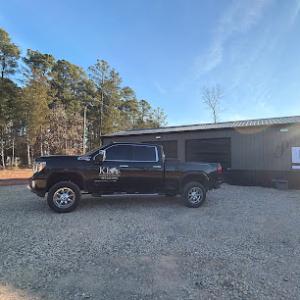
KLA Roofing & Construction
(903) 989-3261 klaroofingandconstruction.com
Serving
5.0 from 75 reviews
Local Roofing and Construction company that specializes in roofing & insurance claims with licensed adjusters as staff. KLA offers a broad spans of services in the residential and commercial aspect. From kitchen and bathroom remodels to additions and new builds.
A+ Roofing
(903) 261-0910 aplusroofingetx.com
Serving
5.0 from 33 reviews
East Texas premier roofing contractor.
Stonewater Roofing
(903) 266-1205 stonewaterroofing.com
Serving
4.9 from 359 reviews
Stonewater Roofing in Longview, TX is the premium provider of residential and commercial roof replacements, roof repairs, storm damage repair, and solar roofing services. We offer free roofing inspections and free quotes on replacement roof projects. As your top roofing company in Longview, Gregg County, and surrounding areas, we go above and beyond to offer peace of mind from assessment to clean up. Let our team provide the friendly service and expertise you need to repair, replace, or upgrade your home or business’ roof on-time and on-budget For a free quote, contact (903) 266-1205 for your roofing service!
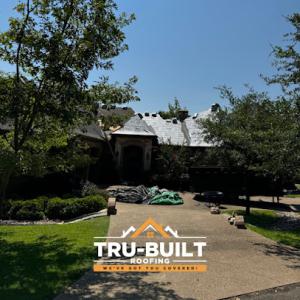
Tru-Built Roofing
(903) 932-7419 www.trubuiltroofing.com
Serving
4.9 from 77 reviews
Tru-Built Roofing is a Family-owned-and-operated company that proudly serves the ETX & DFW areas. Call us at anytime for any of your roofing needs or visit our website to book an appointment. 24/7 EMERGENCY TARP SERVICES.
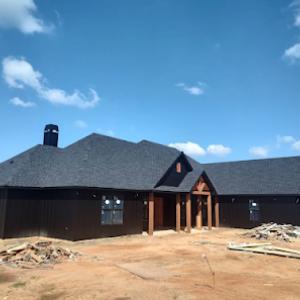
Gordy Roofing Longview
(903) 636-7464 gordyroofinglongview.com
Serving
5.0 from 53 reviews
Gordy Roofing Longview is your trusted local roofing contractor proudly serving Longview, TX and surrounding East Texas communities with expert roofing and exterior solutions. We specialize in roof repair, roof replacement, roof installation, and roof inspections for both residential and commercial properties. Our team works with asphalt shingles, metal roofing, tile, slate, and flat roof systems like TPO and EPDM. We also handle storm damage repair, emergency leaks, energy-efficient roofing, and silicone roof coatings. Additional services include siding installation, window replacement, gutter repair, and fence and gate installation. Count on Gordy Roofing for honest service, durable results, and free roof inspections.
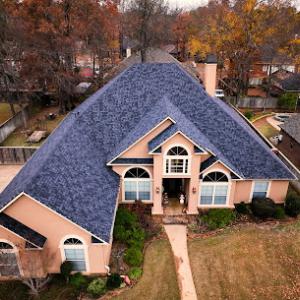
True Roofing
(903) 424-8446 trueroofinginc.com
Serving
4.9 from 46 reviews
At True Roofing our mission is to build long-term relationships with our clients and the community by providing both residential and commercial roofing systems, as well as restoration projects and new home build. Our mission statement is “We would rather over serve than over promise”

Longview Roofing
(903) 238-8841 www.longviewroofingllc.com
Serving
4.8 from 62 reviews
Longview Roofing is a local, family owned and operated full service roofing company, that is licensed, bonded, and insured. In addition to liability insurance, Longview Roofing also carries Workers Compensation Insurance; protecting our employees’ safety and minimizing risk exposure to our customers. We specialize in residential, commercial, and sheet metal services, and are committed to a standard of excellence. Longview Roofing has an unrelenting dedication to quality control and customer service, providing value to our customers; which is why all personnel are full-time, in-house, and properly trained. We are persistent in direct training as well as continuing education with all our employees. Our team has the most current training, c
Asphalt shingles are common in Marshall, and that familiarity matters when you're weighing long-term performance under East Texas heat and hail. Granule loss will happen faster in this climate, especially after a severe storm, so you'll notice the roof aging more quickly than in cooler regions. Look for higher granule retention under warranty and choose a product with good impact resistance ratings. Schedule regular inspections after hail events, paying attention to missing or loosened granules along ridge lines and in shaded zones where moisture can linger and accelerate deterioration. A well-sealed drip edge and solid attic ventilation help prevent moisture buildup that can worsen heat-related wear. When you plan replacements, think about shingle color and reflective options to reduce cooling loads, but don't overlook a quality underlayment and proper nailing patterns to keep the layer beneath intact during hot Texas summers. For Marshall homes with steep pitches or tall visibility from the street, the curb appeal of asphalt can still be a strong selling point, provided the installation is detail-focused and matched to the attic ventilation profile.
Metal is popular locally for durability, and it handles rain and hail well in most cases. However, hail can leave cosmetic denting that becomes an insurance and resale concern even when water-shedding performance remains intact. If you expect heavy hail seasons, you'll want panels with impact-resistant ratings and a finish that minimizes dent visibility. A metal roof also changes how you manage condensation and attic heat, so confirm that the system includes a solid vapor barrier and a carefully planned chimney or venting strategy to avoid standing moisture inside the roof deck during humid months. For many Marshall homes, the look of metal can be integrated with traditional facades if color-matching and profile selection are done thoughtfully. Dents can be less noticeable on certain tones or panel shapes, but the goal remains preventing leaks first and aesthetics second. When you consider metal, pair it with proper fastening patterns and clips designed for hot climates to avoid panel oil-canning and prolonged thermal movement.
Clay tile and concrete tile bring a distinctive look and excellent durability, but impact damage, moisture exposure, and installation quality become more important in this climate. In East Texas heat, tiles expand and contract, so a precise installation with adequate substrate support and proper flashing is essential to prevent cracks and leaks after hail. Wood shakes offer a rustic appeal but can struggle with high humidity and storm-driven moisture if not properly sealed and maintained. Synthetic shingles provide a flexible, sometimes lighter option with improved hail resistance compared to some traditional materials, yet the aesthetic and long-term performance depend on the specific product and its installation quality. If you're in a historic or hurricane-influenced footprint, ensure the chosen material aligns with the house style and local expectations for curb appeal. Regardless of material, the crucial steps are accurate underlayment, correct fastener placement, and a roof deck that's dry and solid before proceeding with finish layers. In storms with heavy hail, the visible damage on clay or concrete tiles can range from bruising to cracking; synthetic options may hide some effects but still require timely inspection to catch underlying moisture intrusion.
Most roofing activity in Marshall occurs in spring and fall because those windows balance storm response needs with more workable temperatures. Start with a careful hail-damage inspection as soon as you can after a storm passes. Look for bruising on shingles, lifted edges, and dented metal if you have it. Document with dated photos from ground level and, if safe, from the roof to show the extent of granule loss or cracked tiles. Gather contractor notes and any insurance adjuster statements quickly, since spring storms can trigger rapid follow-ups. If damage is found, create a plan to prioritize critical leaks first, then work down the line to less severe spots. Schedule inspections while the air is still mild so crews can move efficiently and dry-in steps can be discussed before heat rises.
Summer heat in East Texas can affect crew productivity and material handling, which can influence start times, installation pace, and temporary dry-in planning. Expect longer days and higher humidity to slow scaffold setup and shingle nailing. It helps to coordinate with your contractor about early morning start times to beat the heat and reduce handling damage to exposed underlayment. If a roof is opened during peak heat, talk through temporary weather protection and drainage to avoid water intrusion during sudden storms. Keep debris containment tight and relocate vehicles to shade if possible to maintain steady progress. Summer is also a good time to align on interior protection, as humidity can escalate interior concerns if tear-off stretches across multiple heat cycles.
Autumn rain outbreaks and occasional winter cold snaps in Marshall can interrupt tear-off and inspection schedules even outside peak hail season. Have a flexible plan for days when rain delays progress. Early-season inspections help catch delayed nail frequencies or missing flashing before winter sets in. Ensure temporary covers are secured and gaps around chimneys, vents, and skylights are prioritized so moisture cannot back up into the attic. Want to keep projects on track? Confirm daily forecasts with your crew and set moisture contingency windows so that a rain event doesn't stall the entire tear-off sequence.
Winter can bring cold snaps that slow adhesive cures and complicate sealant work. In periods of freezing temperatures, schedule critical steps like underlayment installation and flashing work for milder days when possible. Short days and limited daylight hours reduce productivity, so plan around weather windows that allow continuous progress rather than frequent pauses. If you anticipate freezing nights, review with your contractor how to protect exposed decking and how soon a roof can be safely walked without risking material damage. This season benefits from precise sequencing so that any freeze-thaw cycles don't compromise a partially completed roof.
When a full roof replacement is planned in this area, a building permit through the City of Marshall Building Department is typically required. The process is tightly tied to Marshall's historic character, and weather windows driven by East Texas hail and thunderstorm patterns often influence when a project can start and proceed. Knowing that storm timing can push projects into busy seasons helps set realistic expectations for scheduling and approvals, especially after severe weather events that trigger a rush in permits and inspections.
The Marshall process generally involves submitting project details, paying the permit fee, and preparing for inspections. For the permit to stay on track, the permit number needs to be posted or kept visibly on site during work. That number serves as the reference point for inspectors and any city records. Before submitting, gather a clear scope of the replacement, including materials, ventilation changes, venting locations, and any attic or roof deck work. Clear documentation helps minimize back-and-forth with the Building Department, which can be a common delay after hail season when storm-damaged roofs are widespread.
Marshall inspectors verify installation quality, venting, and code compliance. Expect a sequence of inspections that tracks the roof from the deck up through finishing details. Venting adequacy is checked to ensure attic moisture control and weathertight performance, while fasteners, underlayment, and flashing meet local code requirements. In historic districts, some details may be reviewed for compatibility with existing structures, especially for homes with older tie-ins or unique rooflines. Weather-related delays are not unusual; rain, heat, or lingering debris from storms can push inspection timing, so plan for a flexible schedule buffer.
Department backlog can influence when inspections occur, particularly after major hail events that create a surge in permit activity. Permits can sit awaiting the next available inspector, and weather windows can compress scheduling. To avoid holds, keep communication open with the Building Department and have a designated on-site person who can promptly address any correction requests. If a delay occurs, documenting the work progress and maintaining the posted permit number on site helps keep the project moving once an inspector becomes available.
Ensure access for inspectors by keeping clear paths to the eaves, attic vents, and any roof penetrations. Have all relevant drawings, product specifications, and venting details ready for review. For historic or storm-damaged homes, be prepared to provide photos or addenda showing how the replacement aligns with the structure's character and the city's safety requirements. Understanding the permit and inspection rhythm in this city helps a roof replacement ride out storm-season timing with fewer surprises.
Pricing in this area follows a straightforward ladder by material. Typical Asphalt Shingles run about 350 to 600 per square, while Metal Roofing sits in the 700 to 1200 range. Clay Tile is usually 900 to 1600 per square, Concrete Tile 800 to 1500, Wood Shingles or Shakes 600 to 1100, and Synthetic or Composite Shingles 650 to 1100. Those figures reflect common residential steep-slope roofs in the county-seat climate, and they're a good gauge when you're talking with nearby crews.
Material cost is only the starting point. In East Texas, hail events produce a real spike in demand that can push schedules tight and bids uncertain. When a big hail season hits, crews, inspectors, and suppliers all juggle jobs, which can push final numbers up beyond base material cost. If you're juggling multiple bids, factor in lead time, potential overtime, and the possibility of short-notice weather windows that complicate scheduling.
The mix of roofs in this area tends toward steep slope designs, which raises labor and safety considerations. The final price will reflect not just the material but the work depth, removal of damaged decking if needed, and disposal of old materials. If a crew uses upgraded underlayment, additional flashing, or better wind-resistance details, expect adjustments in the estimate. In practice, you should budget a cushion for weather-driven delays and for the typical upswing that comes with a busy spring and early fall storm cycle.
Storm timing often dictates when work begins. If a hail event is recent, expect tighter scheduling and quicker insurer decisions. Start with a detailed scope, take photos of damage, and keep notes on prior repairs to avoid overlaps. In Marshall, planning ahead helps keep the project on track when demands spike.
Ask for referrals from nearby homes with similar roofs. Check insurance coverage and request a line-item estimate that separates material, labor, and disposal. A solid bid should spell out if upgraded underlayment or extra flashing is included and offer a realistic project window based on current weather and crew availability.
Older East Texas neighborhoods carry distinctive rooflines that contribute to curb appeal and neighborhood character. On a reroof, the goal isn't simply to cover the house; it's to preserve the silhouette, eave details, and ridge lines that neighbors recognize from their own histories. In Marshall, where many homes have stood for generations, the choice often hinges on finding materials and profiles that blend with existing trim, vents, and fascia. When evaluating a replacement, prioritize shingles or panels that replicate or gracefully complement the existing line work, and consider color palettes that echo the original palette without sacrificing modern performance. The result should feel seamless from the street, as though the roof never changed its footprint.
Material selection in Marshall tends to balance storm durability with the appearance expectations of traditional homes. Asphalt remains common, but in a way that respects the home's visual rhythm rather than choosing only the cheapest option. Metal roofs can be a strong match for long-lasting performance and a clean roof plane that doesn't clash with historic detailing. Concrete or clay alternatives can mimic the look of older textures while delivering improved hail resistance. The key is to select profiles and edge treatments that stay loyal to the home's established character rather than chasing the newest trend. This approach protects aesthetic harmony while delivering the reliable weather resistance East Texas storms demand.
On older Marshall homes, ventilation upgrades and deck-condition checks can become part of replacement planning when inspectors review full reroof projects. Proper attic ventilation helps regulate heat and moisture, extending the life of decking and shingles alike. Inspectors may look for adequate soffit vents, ridge vents, and attic baffles that suit the attic's geometry. Deck-condition checks assess the underlying structure for prior water intrusion or rot, which can influence both the replacement scope and the eventual roof system's performance. Addressing these elements up front helps avoid hidden delays and supports a durable, visually cohesive result.
In Marshall, roofing decisions are shaped by East Texas heat and humidity, paired with frequent hail and thunderstorm activity. Hail-driven damage can appear suddenly after a severe storm, but the impact often evolves with the season, making timely inspection after any hail event crucial. This means you'll commonly encounter storm-driven replacement cycles rather than a routine, predictable schedule. The local climate also presses you to choose materials and configurations that tolerate prolonged heat and humidity while standing up to quick weather shifts.
Roof planning in this market hinges on weather windows that fit both damage recovery and the inevitable weather delays. Spring and early summer floods of activity can clog contractor calendars, while late summer storms can push installation timelines into periods with higher heat and humidity. With storm timing dictating when roofs get replaced, it's wise to align project start dates with a clear backup plan for potential delays. Coordinating around a reliable two- to four-week window for material delivery, inspections, and installation helps reduce the risk of weather-induced hold-ups.
The housing stock here often faces intense sun, high humidity, and hail exposure, so material selection matters as much as aesthetics. Asphalt shingles remain common for their balance of durability and ease of repair, while metal roofing offers hail resistance and rapid installation. Tile options, including clay or concrete, can perform well in hot climates but may require careful underlayment and support assessment in older homes. Synthetic or composite shingles provide hail resilience with lighter weight, presenting a flexible choice when hail history influences replacement planning.
After a hail event, rapid documentation helps positioning your claim and replacement plan. Take clear photos of roof elevations, gutters, and any visible damage on upper surfaces and around penetrations. Keep a running log of storm dates, wind speeds if available, and any interior signs of water intrusion. When engaging an insurer or contractor, present this evidence promptly to help align repair scopes with actual damage and avoid unnecessary delays in the replacement process.