
Last updated: Apr 19, 2026
Mount Pleasant sits in the East Texas storm belt where spring storms commonly bring hail, heavy rainfall, and wind-driven roof damage. That combination can turn a peaceful afternoon into a scramble to protect insulation, attic space, and interior ceilings. Hot, humid summers magnify interior moisture issues once leaks start, and fast-moving wind can lift edges of aging shingles or loosen metal panels. The pattern here is clear: after each spring hail event, a surge in rooftop damage appears, and a tight window to act can make the difference between a quick fix and a major headache.
Damage from hail isn't always obvious at first glance. Dings on shingles or dented metal can be hidden under overhanging eaves or tucked behind a vent flashing. In this market, a heavy spring hit often leaves microcracks in asphalt or loosens granules that accelerate aging. Wind-driven rain can force water into small gaps you can't see from the ground. If a storm has rolled through, assume the worst and inspect methodically. Look for curling shingles, granule loss in gutters, dented gutters and vent pipes, and any staining that appears after the next heavy rain. Delaying assessment invites internal rot, compromised decking, and faster deterioration of any weak spots. In practice, that means acting within days after a hail event to document conditions and start the conversation with a trusted contractor.
Insurance in this market often asks for photos, contractor details, and evidence of pre-existing conditions. Mount Pleasant homeowners should gather clear, well-lit photos of the roof from multiple angles, including close-ups of hail impact on shingles or metal, along with a wide shot of the entire roof line. Capture the attic's condition if visible through attic access: any signs of moisture, staining, or musty odors. Collect a brief note about the date of the storm, wind direction, and how severity was experienced at the residence (e.g., attic condensation after a rain). Documents from a reputable local contractor who understands the area's common weather patterns help establish credibility. When speaking with an adjuster, present the documentation first, then arrange a site visit. A temporary repair plan backed by a licensed contractor can buy time, but the insurer may require a full assessment to authorize a replacement.
First, secure the property with tarps or temporary patches to minimize further water intrusion, especially if the wind pushed rain under flashing or around penetrations. Second, contact a local contractor who has experience in Mount Pleasant's climate and knows the inspector expectations for wind-resistant installation details. Third, photograph the condition around every vent, chimney, skylight, and edge where flashing meets roofing material. Fourth, keep a detailed contact log: dates, names, and what was discussed during each interaction with the insurer and contractor. Finally, prepare to coordinate a quick follow-up inspection after the adjuster's visit, because timing influences the pace of any required replacement and the ability to maintain the home's weatherproofing through the spring and into the hot season.
In this area, hot summers and humidity accelerate aging of exposed roofing materials much more than in milder climates. Asphalt shingles fade faster, and mineral granules can shed sooner when the attic is not ventilated well or the underlayment shows through. Metal roofs face expanded and contracted cycles that can loosen fasteners if not installed with proper allowances for heat, while clay and concrete tiles can become stressed if fasteners aren't kept within specified ranges for high daytime temperatures. Pay attention to edges and flashings where heat tends to pull materials away from the deck. This is not a race against time, but a steady, seasonal test where aging signs appear first at the most sun-exposed slopes.
Mount Pleasant's rainfall pattern means a roof endures more than heat alone; repeated wet-dry cycling challenges sealants, penetrations, and joints. After heavy rain, look for micro-movement in vent pipes, ridge caps, and drip edges. Asphalt shingles may reveal curl or cupping where sun exposure meets moisture stress. Metal systems need lapped seams checked for moisture intrusion after heavy downpours, especially at field seams and around penetrations. Concrete and clay tiles should be inspected for cracked or displaced pieces after sudden downpours or hail events, which can introduce moisture pathways that accelerate deterioration of underlayment beneath. During a dry spell, inspect for wind-blown debris that can abrade the surface, revealing substrate wear over time.
Summer installation windows are workable, but heat and humidity complicate material handling and crew productivity. Soffits and eaves heat up quickly, affecting fastener drive and sealant cure times. Plan installations for early mornings or cooler evenings when possible, and schedule high-acceleration tasks away from peak sun. For metal roofs, ensure fasteners accommodate expansion and contraction; for shingles, keep bundles out of direct sun long enough to avoid overheating, which can warp edges and reduce alignment accuracy. Humidity can slow sealant sets and shingle adherences, so confirm product compatibility with high-moisture environments and allow for slightly extended set times during peak summer weeks. When temporary shade is available, use it to protect underlayment and starter courses from scorching runoff that can warp edges or prematurely set adhesives. After a storm, perform a focused walkthrough to spot wind damage or loose fasteners that could worsen with another heat spike. This climate rewards proactive checks that combine heat-aware installation practices with vigilant moisture monitoring throughout the year.
In this part of East Texas, the typical residential roof repertoire includes asphalt shingles, metal roofing, clay tile, concrete tile, wood shingles or shakes, and synthetic or composite shingles. Each option brings its own balance of performance, repairability, and long-term resilience against the spring hail season and hot, humid summers. Asphalt shingles are common for their cost-effectiveness and broad availability, but metal roofs shine in wind and impact resistance when properly installed. Clay and concrete tiles offer excellent durability in high-heat conditions and can carry a long service life, though they require careful installation to tolerate wind loads and occasional hail impact. Wood shingles bring a traditional look but demand meticulous maintenance and moisture management in the humid climate. Synthetic or composite shingles aim to blend impact resistance with a lighter weight and easier repair, making them a practical middle ground for many Mount Pleasant homes.
The local exposure to hail and wind drives a practical emphasis on impact resistance and the ease of repair after a storm. When evaluating roof assemblies, focus on how the chosen material resists hail dents, crack propagation, and punctures, as well as how readily damaged areas can be replaced without disturbing adjacent sections. For example, a metal roof with proper panels and fasteners can offer excellent hail resistance and simplified field repairs compared to some asphalt configurations if installation details are precise. Clay and concrete tiles provide rugged surface resistance, but their performance hinges on accurate nailing patterns and support framing to prevent crack propagation under hail impacts. In all cases, the roof's ability to withstand hail and recover from damage shapes long-term reliability in this climate.
Spring wind-driven rain introduces another layer of scrutiny during inspections. The local practice often includes checks for wind-resistant nailing and the adequacy of underlayment, with attention given to slope and material-specific requirements. If the roof material and slope call for a tougher wind profile, ensure fasteners and edge details are installed to resist uplift forces. Underlayment quality and compatibility with the chosen roofing material influence not only weather resistance but also how inspections interpret fastening patterns and flashing integrity. When selecting a roof type, consider how these inspection criteria align with your home's roof geometry and the existing structure, since material choice can affect both performance and inspection risk.
For homes with flatter or mid-range slopes, asphalt shingles paired with a high-quality underlayment can deliver solid general performance while staying repair-friendly after hail encounters. Steeper slopes or homes with strong wind exposure may benefit from metal or tile systems that emphasize fastener strategy and wind-rated components. For those seeking a traditional look, wood shingles or shakes demand meticulous maintenance and careful venting to manage moisture in hot summers. Synthetic or composite shingles can offer improved impact resistance without the weight of tile, while still fitting a broad range of architectural styles. In all cases, verify that the chosen system aligns with the local inspection emphasis on wind-resistant installation details and the expected repair pathways after hail events.
Asphalt shingles in this area show clear signs of aging when the summer heat lingers and the granules start to shed. In spring, hail storms leave bruising that may not be immediately visible but weakens the surface over time. Granule loss accelerates under sun-baked afternoons, and once granules start washing away, the underlying asphalt becomes prone to faster wear, loss of reflectivity, and accelerated curling at the edges. The consequence is a roof that may look fine from the curb but carries hidden vulnerabilities to wind uplift and water infiltration after the next round of storms. Vigilant inspection after each hail event and after the hottest weeks of summer helps catch problems before they spread.
Metal can hold up well against the heat, which is a plus in the peak of summer. Still, the combination of hail and wind in spring can push metal toward issues that are easy to miss. Panel damage may not be obvious up close, and fastener integrity can deteriorate where fasteners sit against old or degraded underlayment or where nails have worked loose from prior repairs. Flashing movement is another concern: even small shifts can create slow leaks or flashing gaps that only show up during driving rain. After a hail event or a strong wind, pay attention to the seams, ridge caps, and any areas where panels meet existing roofing."
Tile, wood, and synthetic roofs require careful evaluation for impact damage, especially after a hail storm that jolts the surface. Impact can crack tiles or loosen fasteners without immediate evidence on flat surfaces, and moisture exposure becomes a bigger issue if tiles or shingles are compromised. Local inspections often zero in on how underlayment performs relative to slope: a steeper roof can shed water quickly but may reveal flashing or edge-damage sooner if the underlayment has degraded. Wood shakes and some synthetic products may show signs of swelling or delamination in humid conditions, which can complicate seal integrity over time. If the slope or pattern emphasizes a particular corner or drainage path, focus checks there after every major storm.

High Tech Roofing & Remodeling
(903) 717-8818 www.hightechroofingtx.com
Serving
4.1 from 21 reviews
High Tech Roofing & Remodeling is a Bonded and Insured metal/shingle roofing and remodeling contractor located in the Northeast Texas area. Don't hesitate to contact us!
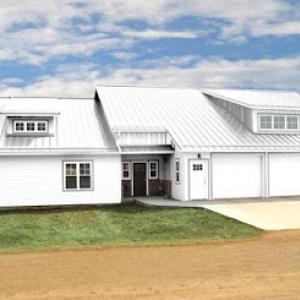
Paul's Vinyl Siding & Metal Roof
Serving
3.7 from 3 reviews
We offer vinyl siding installation as well as metal roofs. We also offer metal underpinning and carports.
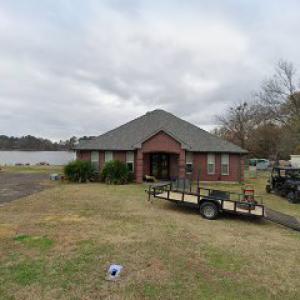
Castletop Roofing of East Texas
Serving
5.0 from 2 reviews
Castletop Roofing of East Texas provides residential and commercial roofing and other improvements to Mount Pleasant, TX, and surrounding areas.
Sawyer Roofing
Serving
5.0 from 5 reviews
Roofing Company sawyerroofing1995@gmail.com
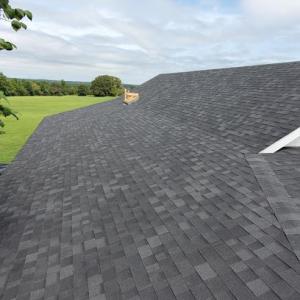
Temo Roofing & Metal
(903) 305-9557 temoroofingandmetal.com
Serving
4.3 from 6 reviews
Temo Roofing and Metal is a commercial and residential roofing contractor in Mt. Pleasant TX. We do roofing repairs, Metal roofing, new builds, and roofing replacements. Temo Roofing and Metal is also a general contractor we do interior and exterior painting, home remodeling, and siding repairs. Our staff will help with roofing insurance claims. Although we are located in Mt. Pleasant TX we do roofing repairs across north east Texas. We have competitive prices and are among the best roofers in Mt. Pleasant. For quality roofing contact us today and get a free quote!
Lentz Roofing
(903) 856-5360 lentzroofing.com
Serving
5.0 from 1 review
Does your commercial roof look like it's been through a tough time lately? If so, then it's time to call the professionals at Lentz Roofing. We can help you no matter if you need preventative maintenance, re-roofs, or an entirely new roof. Thanks to our 40 years of experience as a team, we got the skills you need for a high-quality job done well. We're here to help you get your roof looking and performing it's best so your business can stay booming for years to come. Call today for more about our skills and roofing services.
In this market, asphalt shingles come in around 350 to 650 per square. Metal roofs typically run 700 to 1200 per square, while clay tile ranges from 1200 to 2800 per square. Concrete tile sits about 900 to 1900 per square, wood shingles or shakes run 600 to 1800 per square, and synthetic or composite shingles fall roughly 550 to 1100 per square. These figures reflect Mount Pleasant's mix of hot summers, hail exposure, and common mid-sized homes with varied roof pitches.
Storm-driven demand in Mount Pleasant can raise labor pressure and extend lead times after spring hail events, especially for full replacements tied to insurance claims. If a claim is involved, the schedule shifts toward the insurer's timeline and the contractor's ability to coordinate inspections and material arrival. In practice, that means you may see price quotes that include a premium for expedited scheduling or for suppliers with limited stock after a busy hail season. Expect longer waits for higher-end materials, where availability tightens quickly in the wake of a storm.
Roof slope matters in this market-steeper pitches can push labor and setup costs higher, and some materials require additional underlayment or wind-resistant details that are valued here due to local wind exposure. Clay and concrete tiles bring aesthetic and longevity benefits but at a higher upfront price, especially if a heavy roof structure or reinforced decking is needed. Synthetic or composite shingles offer a lighter, sometimes more wind-tolerant option with mid-range pricing. Wood shakes bring a distinct look but can incur higher maintenance and potential fire-code considerations, affecting long-term cost.
If a full re-roof is on the table, costs can shift based on roof geometry, underlayment needs, and whether the project triggers local permit and inspection requirements for a full re-roof. From a practical standpoint, gather multiple quotes, verify approximate lead times post-storm, and check which materials include wind-rated components. In a spring-impacted market, building a window for sequencing with an insurer and contractor can help stabilize both cost and schedule.
For a full re-roof, a roofing permit is typically required. The City of Mount Pleasant Building Department is the entity that issues the permit and coordinates the inspection schedule. Your project file will be tied to a permit number that stays with the job from start to finish, so keep it accessible through every stage. On most days, the permit office provides the timeline you'll need for the staging and final milestones, and they can point you to the correct forms for the contractor or for a homeowner acting as the contractor.
Projects commonly require a rough inspection during staging and a final inspection after completion. The rough inspection is meant to verify that the roof deck is prepared correctly for the new system, fasteners are planned properly, underlayment is on track, and venting considerations are in the right places. Final inspections confirm the roof installation matches code requirements and that all penetrations, flashings, and transitions are sealed and function as intended. Depending on the material chosen and the slope of the roof, inspectors may specifically check wind-resistant nailing or the underlayment details. Being prepared for these checks can prevent delays later in the process.
Schedule the permit early in the planning phase and coordinate with the contractor to set a realistic inspection window. Before the rough inspection, have the decking, underlayment, and starter courses visible to the inspector; after the job is completed, ensure all ridge caps, chimney details, and edge transitions are accessible for the final review. If weather or project delays arise, contact the Building Department promptly to reschedule rather than letting the permit lapse. For homes undergoing insurance-driven timelines, align the permit issuance and inspection sequence with the insurer's requirements so the project can progress smoothly without gaps between stages.
In this area, hail and high-wind events are regular occurrences that drive a surge in roofing claims. The storms leave telltale signs on shingles, underlayment, and flashings, and those impacts don't always show up right away. You'll want to understand that carriers serving this region still write homeowners coverage, but they lean on detailed damage photos, contractor information, and documentation that clearly separates storm damage from pre-existing wear. That means your claim packet should tell a precise, photo-supported story of what happened during the latest hail or wind event and what a roof replacement would entail to restore performance.
Adjusters in this market may request on-site inspections and updated replacement cost valuations as part of the process. The on-site visit can feel like a critical checkpoint, not a formality, because it shapes whether a full replacement is approved and how the scope is defined. Expect questions about the age and condition of the roof before the storm, and be ready to show records that map damage progression over time. For you, this means coordinating with a contractor who can provide a clear, line-by-line scope of work, including wind-driven rain entries and hail impact zones, so the adjuster sees the true extent of the loss.
Document damage with dated photographs from multiple angles and inland features that indicate exposure, such as wind-driven edges and hip-and-ridge lines. Include diagrams or notes showing any interior signs of water intrusion, if present. When possible, secure contractor references with completed project summaries and installation notes that emphasize weather-driven factors over normal wear. If an adjuster requests another look or a re-evaluation, respond promptly with organized files and a concise summary of what changed since the initial visit. In a market where each storm can redefine replacement needs, clarity and thorough documentation become your strongest leverage.
Spring in Mount Pleasant brings the highest disruption risk because hail and heavy rainfall can delay tear-off and expose homes during active storm periods. Plan tear-off for a lull between fronts, not during a fast-moving line or after a severe hail event. If a claim is involved, expect inspections to line up with spring weather gaps, and have crews ready to mobilize quickly after a window of calmer skies. Use the time when winds are steady and skies are clear to complete wind-resistant nailing, underlayment, and roof-to-wall connections.
Summer replacements face Mount Pleasant heat and humidity, which can complicate installation conditions and increase crew strain. Schedule the bulk of the work for mornings and aim to finish before the afternoon heat peaks. Material handling matters here: decking and underlayment should be kept dry and out of direct sun when possible, and fasteners must be driven with proper torque to avoid warping in high humidity. If you must work through a heat wave, build in short daily shifts and ensure ample hydration and shade for crews to maintain quality and safety.
Winter in Mount Pleasant is milder than northern markets, but temperature swings and occasional freezes still affect material handling and installation timing. Avoid the coldest spells when sealants and bitumen products can stiffen. Aim for days with above-freezing overnight temperatures and solid daytime warmth to promote proper shingle adhesion and reduced shrinkage. Frost heave risk is low but not zero, so plan for stable ground and careful ridge vent work when temperatures are fluctuating.
If multiple storms threaten your area, coordinate with your insurer and contractor to target a clear weather slot, ensuring tear-off can occur without rain exposure. Have a contingency plan for a mid-spring delay and a backup window in late summer, so you aren't caught mid-project when another storm hits. Prioritize wind-resistant installation details during every phase, especially around eaves, hips, and rakes.