
Last updated: Apr 19, 2026
Spring hailstorms are a notable local trigger for roof damage and insurance claims in Texarkana. The sudden impact of hail can leave the outer layer of shingles pocked, granules shed, and gutters dimpled, but the full extent of damage often isn't obvious right away. After that first strong day, you may notice dimpling on shingles, visible bald spots once rain washes away dirt, or attic humidity that wasn't present before. Because Texarkana sits near an open sky and hot days, the sun can mask early softening of compromised shingles, making a quick assessment essential. If hail has recently battered the area, treat any sudden increases in indoor warmth, unexplained attic condensation, or water spots on ceilings as potential signs of hidden roof damage. In this window, timing matters: a small failure today can cascade into a larger leak during the next heavy rain.
Autumn storms and winds in Texarkana commonly add debris impact and wind-lift damage after the main summer heat season. Leaves, branches, and grit driven by gusty fronts can push against edges, loosen flashing, or drive projectiles under soffits. The result is not always dramatic at first glance, but wind-driven lift can reveal shingles curling at the edges or lifted tabs that show the underlayment. It is common to see more pronounced issues after a dry, hot July followed by a windy September or October. If gutters are fuller than usual with shingle granules or you notice a sudden uptick in attic warmth when storms roll in, inspect the roof perimeter and valley lines. Do not wait for a visible leak to act-wind-damaged seams can fail under the next wet front, and that failure can spread quickly across a roof with multiple slopes.
Texas insurers in hail-prone markets often require photo documentation, prior-condition evidence, and contractor estimates before approving roof claims. The claim process moves fastest when you present a clear before-and-after narrative: dated photographs of the roof before any damage (or a professional assessment if the prior-condition is not obvious), detailed images of hail impact zones, and timestamped images of any visible damage after a storm. Keep a simple damage log: date of severe weather, notes on observed changes, and rough dates for any professional evaluations. In Texarkana, adjusters will look closely at all perimeters, flashing, and vent seals because wind and hail frequently target edges first. Having a local, reputable contractor who understands common local failures-especially in asphalt shingle and metal roof systems-can translate into more accurate estimates and quicker approvals. Be prepared to coordinate a full documentation packet quickly after a hail event, since time can influence the insurer's assessment and your claim's momentum.
If a hailstorm or strong wind event hits, your first move is safety, then rapid roof evaluation within 24 to 72 hours if it's feasible. Use a ladder only if you are comfortable and weather conditions permit; otherwise, arrange a professional inspection. Photograph any obvious impact points, granule loss, or lifted edges, focusing on edges, ridges, and flashings. In parallel, document interior signs of roof distress-stains, damp spots, or unusual warmth in the attic. Communicate the storm date, the local service address, and a concise description of observed damage to your insurer and chosen contractor. A timely, well-documented report accelerates the claim review and helps differentiate storm-related damage from pre-existing wear. If you have any persistent leaks, do not delay a temporary patch to minimize interior damage; arrange professional guidance on securing the roof to mitigate further harm while the claim is being processed.
In this market, trusted local contractors who regularly service Texarkana homes understand the typical roof assemblies and how hail tends to affect them. Seek referrals from neighbors who recently navigated a claim, and verify both licensing and a solid track record with insurance-driven projects. When you receive contractor estimates, ensure they include a clear scope of work, a phased schedule, and a plan for addressing any flashing or venting failures often associated with hail and wind damage. A contractor who can align a robust documentation package with your insurer's expectations will help keep the process moving. The right team will guide you through temporary protective measures, a measured assessment of roof sections affected by spring hail or autumn winds, and a practical replacement plan that preserves the home's weatherproof integrity while balancing claim progress. Stay decisive: in Texarkana, the window between damage occurrence and claim settlement can be short, and rapid, accurate action reduces risk of further interior damage and secondary losses.
Find local contractors experienced in assessing and restoring roofs after hail, wind, and severe weather events.
Hargrove Roofing
(903) 336-3357 www.hargroveroofing.com
3642 Richmond Rd, Texarkana, Texas
5.0 from 87 reviews
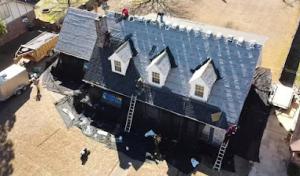
Near Me Roofing & Contracting
6872 Hampton Rd, Texarkana, Texas
4.9 from 191 reviews
Crouch Roofing
(903) 791-0505 www.crouchroofing.com
4606 Summerhill Rd, Texarkana, Texas
4.9 from 71 reviews
Hargrove Roofing
(903) 336-3357 www.hargroveroofing.com
3642 Richmond Rd, Texarkana, Texas
5.0 from 87 reviews
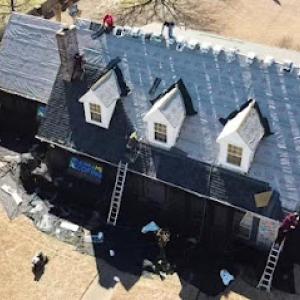
The certified roofers at Hargrove Roofing have years of experience providing high-quality roofing services in Louisiana and Texas. As a BBB-accredited company, their team is proud to be your trusted partner for reliable roofing solutions. From roof inspections to roof installation to roof repair, their skilled contractors are fully trained and equipped to keep the roof over your home or business. When you choose Hargrove Roofing, you’re choosing peace of mind with 24-hour emergency services, flexible financing options, and their satisfaction guarantee! With a reputation for exceptional craftsmanship and top-notch products from industry-leading brands like GAF® and Owens Corning®, you can rest assured that your roof is built to last.
Near Me Roofing & Contracting
6872 Hampton Rd, Texarkana, Texas
4.9 from 191 reviews
We are a family owned and local roofing company committed to providing top-quality roofing services in Texarkana TX, Texarkana AR Nash TX, Wake Village TX, Red Lick TX, Hooks TX, New Boston TX, Dekalb TX, Atlanta TX, Queen City TX, Ashdown AR, Fouke AR, Hope AR, Ogden AR, Lewisville AR, Magnolia AR, Nashville AR, Mineral Springs AR, Lockesburg AR and surrounding areas. We offer Roof Replacement, Roof Repair, Insurance roof claims assistance, storm damage for asphalt shingle roofs, metal roofs, on Residential and Commercial Roofing systems. We will be glad to provide you a free roof inspection and estimate. Reliable, trustworthy, honest, and dependable. Licensed & Insured. Directorii member and a Member of the "Good Contractors List".
Crouch Roofing
(903) 791-0505 www.crouchroofing.com
4606 Summerhill Rd, Texarkana, Texas
4.9 from 71 reviews
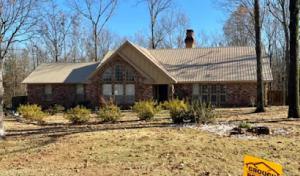
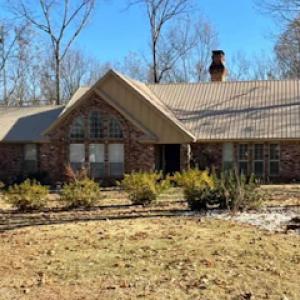
If your ceiling has unsightly water stains or leaks when it rains, you may have a failing or compromised roof. That’s when you know to call Crouch Roofing. Located in Texarkana, TX, these roofing contractors work tirelessly to provide their community with reliable roofing solutions aimed at keeping your family, investments, and other beloved possessions protected. As a family-owned and -operated business with more than 45 years of experience under their belts, Crouch Roofing has raised the bar for how roofers should conduct their business. These A+ rated roofing contractors, for example, have an outstanding reputation thanks to their trusted service and professional dedication. Whether you need minor shingle repairs or a full roof replac...
Bohon Roofing
(903) 838-8430 www.bohonroofingtxk.com
9007 N Kings Hwy, Texarkana, Texas
4.9 from 101 reviews
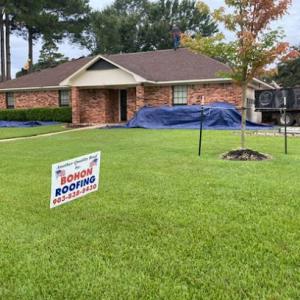
We have been in business for over 40 years serving Texarkana and the surrounding areas. Our premier roofing contractors are more than just skilled professionals; they are dedicated to ensuring your safety and satisfaction with every roof repair and roof replacement. Whether you need a quick fix for a leaking roof or a brand new roof, our team works for you!
Texarkana Roofing
(903) 869-1055 www.txkroofing.com
2700 Richmond Rd Suite 2, Texarkana, Texas
5.0 from 25 reviews
Are you ready to replace the roof on your home or commercial building? Does your roof need repairs ASAP? Make Texarkana Roofing your first call. We provide roofing services to clients throughout Texarkana, TX and Texarkana, AR. With over two decades of experience, we have what it takes to do the job right the first time. Whether you need residential roof repairs or commercial roof installation services, we've got you covered.
R.B.T. Roofing
8619 W 7th St, Texarkana, Texas
4.8 from 18 reviews
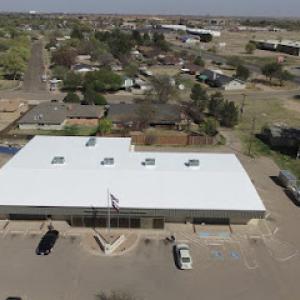
For over 10 years, our nationwide commercial construction company has had a passion for commercial roofing installation and repair. We believe it doesn’t matter if you need a minor leak repaired or an entirely new roof installed, our roofing contractors can take care of it. With a variety of different types of roofs, we will work with you to create the best possible solution for your business, hospital, industrial, or government facility. Contact us today to request a service.
Perez Roofing
1621 Roberts St, Texarkana, Arkansas
4.3 from 24 reviews
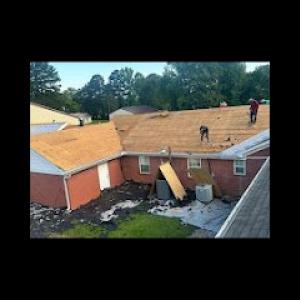
Perez Roofing is a Roofing Contractor located in Texarkana, AR. We specialize in Roof Replacement, Roofing Services, Residential Roofing, Commercial Roofing, Roof Installation, Roof Repairs, Custom Roofing, Roof Repairing, Roof Installing, and Roof Services. We understand that your roof is more than just protection — it’s a key part of your home or business's safety, value, and appearance. That’s why we’re committed to using the best materials, expert craftsmanship, and dependable service on every project. Whether you need a minor repair or a full roof replacement, we tailor our work to meet your needs and exceed your expectations. Contact us today for more information and services!
Over the Top Roofing
(903) 490-3918 www.facebook.com
2403 S Lake Dr, Texarkana, Texas
4.5 from 20 reviews
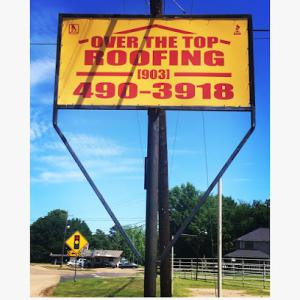
Here at Over the Top we offer FREE roof and gutter inspections and estimates. One thing that separates us from the next guys, is that we hand drive all of our nails the old school and most reliable way, and we have the best customer service in the business! We have many references and anyone is welcome to call any city hall for more references for us as well. Call today for a free and honest inspection from our roofing and gutter professionals! We are locally owned and operated and are a part of the better business Beaurou. We are also fully insured and bonded!
Stonewater Roofing
(903) 266-1205 stonewaterroofing.com
1202 N State Line Ave Suite #103, Texarkana, Arkansas
4.6 from 10 reviews
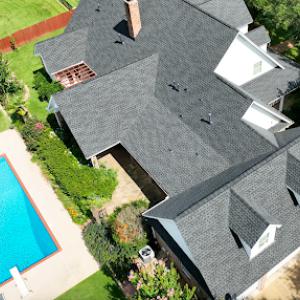
If you’re looking for professional, trustworthy roofers in Texarkana, look no further. Stonewater Roofing provides the highest quality commercial and residential roof maintenance, repair and replacement services. From the initial inspection to the actual roof installation, our team will be there to help protect your property and provide you with peace of mind. We also install residential and commercial solar roofing solutions such as solar shingles and solar panels. We go above and beyond to be the area's best roofers serving Texarkana, New Boston, Nash, and surrounding communities. You can trust our well-known and respected roofers to offer top-notch service. Schedule your free damage assessment online or by phone today!
ASAP Roofing
(903) 794-7663 asaproofing.com
2904 Texas Blvd, Texarkana, Texas
4.3 from 6 reviews
ASAP Roofing provides fast, reliable, service for all your residential and commercial roofing needs. Our certified specialists at ASAP Roofing will repair any roof issue, install a new roof, or re-roof your existing roof structure. The ASAP Roofing team has years of experience and are skilled contractors. We use a variety of quality materials and the latest technology to make sure your homes roof is not only safe but also looks great. ASAP Roofing also provides emergency repair services as well as scheduled repairs that work at your convenience. Our team can perform repairs on sloped or flat roofs and have experience with installing flashing and fascia. ASAP Roofing warranties all our products, roofing installations, and roof repairs.
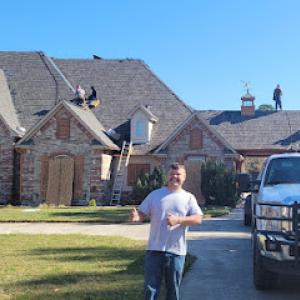
Born to Roof Texas
(903) 826-7741 www.borntorooftx.com
Serving
4.9 from 105 reviews
We are a local family-owned Christian roofing company serving the ARK-LA-TEX-OK. Our crews have over 20 years in roofing and construction experience. Services include shingle and metal roof replacements, siding, gutters, awning, decks, metal buildings and much more. We specialize in storm damage repair, insurance claims, free estimates, and financing. No need to worry about workmanship with our LIFETIME labor warranty on qualified purchases. Our moto is simple, "Let us help keep you covered!"
Harness Roofing
(870) 703-2382 harnessroofing.com
1817 Jim Walter Dr, Texarkana, Arkansas
5.0 from 1 review
www-harnessroofing-com Commercial Roofing Waterproofing
In this market, the fastest path to protecting your home after a roof breach is emergency stabilization. The local contractor scene is built around rapid tarping and temporary covers, because storm damage here often demands a swift, decisive response before a full replacement is even on the table. When a hailstone impact or a blown-away edge leaves the roof vulnerable, securing a watertight seal right away is not optional-it is essential to prevent interior moisture from seeping into ceilings, walls, and insulation. A properly placed tarp or temporary patch can buy critical time until a full assessment and repair plan can be executed.
Texarkana's humid season compounds the risk once water enters the structure. Drying conditions that seem favorable outside can quickly become a moisture problem inside if water is allowed to sit. The first 24 to 48 hours after a breach are often the most dangerous window; mold can begin to take hold, and attic spaces can accumulate condensation that feeds timber rot and drywall sag. Quick, decisive action reduces secondary damage, limits the chance of repeating leaks with successive storms, and helps keep interior damage from compounding a difficult repair decision.
The local market reflects a strong emphasis on emergency repair services, and that readiness matters when storms strike. If a wind event or sudden hail patch arrives on a weekend or after dark, look for a contractor who can provide a temporary cover and a written assessment quickly. An experienced responder will document visible damage, identify vulnerable penetrations (chimneys, vents, skylights), and outline a simple stabilization plan that stops active leaks while protecting structural elements. Expect a follow-up visit for a more permanent fix, but know that immediate tarping is the backbone of preventing larger claims from escalating due to moisture intrusion.
Keep the area under the damage clear to allow technicians easy access for tarping and inspection. Move valuables away from potential drips and document the damage with photos for insurance discussions. Maintain a clear path to the most accessible exterior entry so responders can work without delay. After stabilization, request a written timeline for the next steps-dry-out, assessment, and repair-so the plan remains transparent and actionable. In this climate, rapid containment is the first line of defense against escalating interior damage and more invasive, costly repairs.
When you can't wait, these contractors offer fast response times to stop leaks and prevent further damage.
Hargrove Roofing
(903) 336-3357 www.hargroveroofing.com
3642 Richmond Rd, Texarkana, Texas
5.0 from 87 reviews
Texarkana's hot, humid summers soak the roof system daily, which accelerates aging of shingles and underlayment more than drier parts of Texas. In this market, the dominant residential materials are asphalt shingles, metal roofing, clay tile, concrete tile, wood shingles or shakes, and synthetic or composite shingles. Each type handles heat and humidity differently: asphalt tends to wear fastest in long, high-heat seasons, metal sheds heat well but can trap attic moisture if ventilation is not up to par, and tile options resist heat but add weight and require solid support. Occasional winter cold snaps stress flashing and sealants even though winters are generally mild, so flashing details should be looked at with occasional temperature swings in mind.
Asphalt shingles remain the most common choice for quick, familiar coverage, but in this market, look for heat-rated strips and thicker singles designed to resist curling in high humidity. If opting for metal, prioritize coatings that reflect radiant heat and confirm panel seams are designed for wind-driven rain common in spring hail events. Clay and concrete tiles bring excellent long-term durability in heat but require a robust structure and precise installation to handle Texarkana's winds. Wood shingles or shakes provide a traditional look, but they demand proper treatment and ventilation to slow weathering under humidity; consider higher-grade, rot-resistant options and explicit maintenance plans. Synthetic or composite shingles can balance weight and heat resistance, often delivering better dimensional stability in humid summers. Each option benefits from a well-designed attic ventilation strategy and a high-quality underlayment that won't break down quickly in humidity.
When evaluating rotted edges, lifted tabs after hail, or accelerated granule loss, prioritize replacements that restore wind resilience and water seal integrity. For metal roofs, ensure seals around penetrations are corrosion-resistant and that coating systems reflect heat well. Tile choices should be matched to existing roof framing with attention to nail patterns and underlayment compatibility to handle Texarkana's windloads. If a roof shows consistent signs of aging during routine inspections, plan replacements in a way that minimizes exposure to peak heat, while ensuring material compatibility with neighboring homes to maintain curb appeal. Regular inspections after hail events and at the end of each hot season can prevent small issues from becoming larger leaks, especially around flashing and sealants which can be stressed by sudden cold snaps.
In Texarkana, you'll see replacement pricing clamped between roughly 350 and 700 USD per square for asphalt shingles, 600 to 1100 for metal, 900 to 1800 for clay tile, 850 to 1600 for concrete tile, 600 to 950 for wood shingles or shakes, and 650 to 1100 for synthetic or composite shingles. Those ranges reflect both local supply dynamics and the practical realities of a market that sees hail and wind events in peak season. If your roof is older or damaged in multiple spots, expect bids to reflect additional deck repairs or underlayment replacements, which can nudge costs higher quickly. In practice, most Texarkana homes with asphalt will land toward the middle of the range, while metal or tile projects tend toward the higher end, especially if long lead times shrink contractor options.
Texarkana storm seasons can create demand surges that tighten contractor schedules and push pricing upward after hail events. After a big hail episode, you may find several local crews booked for weeks, not days, and each bid with a faster turnaround may carry a small premium to cover overtime and expedited material orders. If you're aiming to avoid the rush, plan for fall or early spring windows, when weather is reliable but not in the teeth of monsoon-season swings. In the weeks of heavy hail alert, expect schedules to compress and prices to drift upward even for straightforward replacements.
When you're weighing options, compare material choices not only by price but by performance in Texarkana's climate: shingles handle humid summers, metal holds up well to wind, and tile options bring durability against hail but require a stronger deck. To keep timing predictable, lock in a contractor with a defined sequence of inspections, removal, and installation steps, and confirm weather contingencies for back-to-back storm fronts. If you've recently endured hail, ask about staged work that can bring temporary protection while awaiting permits and permits-adjacent steps handled in parallel, minimizing chaos on the actual replacement weekend.
Clay and concrete tiles offer resilience against hail but add weight and cost, which can climb quickly in Texarkana's market. Synthetic or composite shingles provide a balance of cost and durability, often landing in a middle ground between asphalt and tile. For homes with existing wood or shake accents, careful assessment of ventilation and roof deck integrity is essential, as humid summers can magnify underlying issues. In the end, your practical choice should align with expected storm exposure, available budget, and how soon you want the project completed.
Don't let upfront costs delay a critical repair - these contractors offer payment plans to fit your budget.
Hargrove Roofing
(903) 336-3357 www.hargroveroofing.com
3642 Richmond Rd, Texarkana, Texas
5.0 from 87 reviews
Near Me Roofing & Contracting
6872 Hampton Rd, Texarkana, Texas
4.9 from 191 reviews
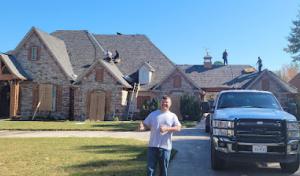
When a full re-roof is needed, a permit is required. The City of Texarkana Building Department handles the permit process, so you'll want to start there rather than assuming permits aren't necessary because it's just a roof. The permit ensures that the materials, installation method, and drainage, along with penetration details like venting and flashing, meet local codes. If time is tight after hail or wind events, plan to submit the application early in the project, since approval can influence scheduling and access for inspectors.
Inspections are performed during the project and again after completion to verify code compliance and proper installation. During the job, an inspector checks critical steps such as nailing patterns, proper underlayment, and secure flashing around chimneys, vents, and skylights. After completion, a final inspection confirms that the work matches the approved plan and that the roof system is integrated with the attic ventilation and drainage details. Being prepared for these inspections-having materials on site, a clean workspace, and access to the attic or roof line-helps prevent delays. If any deficiencies are found, address them promptly to avoid re-inspection fees or extended project timelines.
In a market shaped by hail and wind, timing can swing on insurance decisions and weather windows. If an insurer flags a roof for replacement after a claim, the permit and inspection requirements still apply in full, so align the start of the project with both the approval from the insurer and the local inspection schedule. Weather in this region can push projects into back-to-back days or require temporary protection measures to prevent interior damage during wind-driven rain or hail events. Coordinate with your contractor to sheath the roof under calm roofing days, then proceed with rapid material delivery to meet inspection readiness.
Choosing a contractor who understands Texarkana's building codes and permit workflow is crucial. A licensed professional will pull the permit, lay out the scope for the Building Department, and schedule the required inspections in accordance with the local calendar. Clear communication about the expected inspection milestones helps you anticipate any hold-ups caused by weather or daylight limitations. Ensure the contractor documents nail patterns, underlayment choices, and flashing materials so the inspector can verify compliance without unnecessary backtracking.
Keep a visible, up-to-date site map showing where access points are, and have the permit on site for the inspector. Maintain clean roof lines to facilitate quick visual checks, and ensure safe access routes for the inspector to reach critical details. If an inspection is missed or a deficiency is noted, arrange a prompt re-inspection window and coordinate it with the contractor to minimize disruption to your project timeline. In Texarkana, staying proactive about permits and inspections helps protect the investment, ensure adherence to weather-related contingencies, and keep your roof replacement moving toward a solid, code-compliant finish.
Texarkana sits in a Texas insurance environment with frequent hail and wind claim activity, which directly affects roofing decisions and claim scrutiny. The combination of East Texas humidity and seasonal storms means adjusters are used to evaluating roofs with a history of weather events. When a claim comes in, the focus shifts from "new appearance" to "condition and age," so the documentation you provide can shape the outcome more than you expect. A roof that looks sound but shows hidden damage may still face questions about coverage for replacement or repair.
Adjusters in this market may request roof condition reports in addition to photos and contractor estimates. A clear, honest record helps avoid delays or disputes later. A condition report should spell out visible damage, shingles flat spots, granule loss, and signs of water intrusion around penetrations. Photos should capture a dated, overall view, close-ups of hail impact patterns, and any interior signs of leaks. Keep a consistent file that ties each photo to a specific date and location on the roof.
Because prior damage documentation matters in Texas hail markets, Texarkana homeowners benefit from keeping dated roof photos before storm season. A current gallery provides a baseline for future comparisons and can streamline conversations with adjusters. If you experience a storm, build a timeline: note the date, take fresh photos from multiple angles, and collect any contractor estimates promptly. When you can, have a simple, dated log of observed roof conditions stored with your claim records. This practice helps ensure the claim reflects actual condition rather than perception after a weather event.
In a market where storm-driven roof damage is a common risk, you will notice warranty offerings that vary between installers and manufacturers. Local signals point to some coverage backing workmanship, while other packages lean more on the manufacturer's material guarantees. You should expect to find terms that specify what is covered for installation errors versus what the shingle itself or the underlayment carries, and you'll want to confirm how long each facet lasts. If the installer's workmanship warranty is short or vague, beware: the true protection may rely more on what the product guarantees than on the crew that put it on. Your best path is to map out who backs which piece and for how long, and to document the exact scope in writing.
Here, repeated hail, wind, heat, and humidity stress penetrations, flashing points, and sealant lines. A clean, continuous flashing detail around valleys, chimneys, and roof-to-wall transitions matters as much as the shingles themselves. In practice, that means careful nailing patterns, proper interlayment, and correct sealant application that remains resilient after brutal Texarkana summers. Shortcuts show up quickly at the first heavy storm: lifting, gaps, or sealant failure around penetrations can become failure points years earlier than expected. Choose a crew that demonstrates meticulous, point-by-point workmanship rather than offering a quick, cosmetic finish.
City inspections on full re-roofs make installation quality and documentation more important than in places with looser oversight. Expect detailed records of underlayment, venting, and flashing details, plus a clear account of any deviations from standard practice. A thorough photo log from start to finish helps, especially when hail or wind events test the roof later. Ensure the contractor provides complete, legible documentation that can be referenced during warranty reviews or future service.
Solar-integrated roofing appears only as a minor specialty in the Texarkana contractor market rather than a dominant homeowner priority. You'll notice a few installers offering solar shingles or integrated racks, but most restoration projects stay traditional, focusing on weatherproofing and hail resistance first. If you pursue solar, treat it as a complementary upgrade rather than the core replacement plan. Expect longer scheduling lead times for assessments and a need to coordinate with a dependable roofer who can match solar components to your existing underlayment and flashing details.
Flat or low-slope roofing is present locally but is not a leading residential signal compared with storm repair and re-roofing. In practice, a Texarkana home with a low-slope section often sees that area prioritized for moment-to-moment water shedding and hail resilience rather than creating a roof-of-record overhaul for the entire house. If you have a low-slope garage or porch roof, consult a contractor who can specify a snug insulation and drainage approach that avoids standing water after heavy rain or hail events. Don't assume a shallow pitch means easy fixes-proper flashing at transitions, and careful edge detailing, keeps the system durable in humidity and wind.
When evaluating solar or low-slope adds, align the choice with storm history and your attic ventilation status. Hail and wind exposure can stress any roof edge, so ensure the core shingles and underlayment are compatible with the supplementary system. For a house with mixed roof types, prioritize a unified plan that seals transitions between steeper sections and flatter planes to prevent leaks. In this market, coordinating closely with a contractor who understands both traditional residential needs and these secondary considerations yields the most reliable result.
Find specialists in TPO, EPDM, and built-up flat roofing systems for residential and commercial properties.
Texarkana homeowners operate in a market where storm recovery drives the pace of roof work more than anything else. After hail events or strong winds, the window for decisions tends to be tight, and crews shift quickly from cleanup to replacement. This means timely assessments, prompt insurance communications, and a clear plan for what gets repaired versus replaced. In practical terms, when a roof shows repeated hail dents, curling shingles, or inconsistent granule loss after a storm, expect the local crew network to pivot toward temporary tarp setups, rapid damage documentation, and streamlined project kickoffs to minimize exposure to the next weather event.
The Texarkana contractor mix reflects a community that often prioritizes re-roofing, cleanup, and fast response. Workflows emphasize on-site safety, debris management, and reliable project sequencing so a neighborhood can return to normal quickly. For homeowners, this means leaning toward contractors who demonstrate a documented track record of storm-related work, clear communication, and scheduling that anticipates the typical surge after a hail event. A local neighbor can help identify reputable crews by asking about crew size for efficiency, response times after a storm, and the availability of contingency materials to prevent delays when weather windows tighten.
As a border city, homeowners frequently compare options from a broader regional pool while still aligning with Texarkana's familiar climate and housing styles. The practical choice often involves balancing broader warranty and material options with the realities of a local supply chain, yard space for materials, and the ability to coordinate with nearby projects in the same neighborhood. When evaluating bids, it helps to consider how each contractor plans for storm-season contingencies, such as scaffold access, rapid disposal of debris, and the coordination of multiple trades during a compressed replacement timeline. The goal is to secure a plan that maintains long-term performance while minimizing disruption during the next spring storm cycle.
Insurance considerations frequently shape the timing and scope of a roof replacement after a hail or wind event. Homeowners benefit from documentation that captures progressive damage, third-party assessments when needed, and a cohesive scope that aligns with insurer expectations. In a market tuned to post-storm needs, having a clear, written replacement plan with a proven local contractor helps ensure the transition from claim to installation proceeds smoothly, reducing the chance of delays caused by miscommunication or scope creep.