
Last updated: Apr 19, 2026
Spring thunderstorms sweep through the Arkansas River Valley with enough force to lift shingles and crack flashing. In this market, the most reliable trigger for reroof demand isn't a quiet seasonal shift-it's hail followed by gusty winds that expose lingering vulnerabilities. The moment the last thunderclap fades, you're on high alert for lifted shingles, bruised granules, dented metal edges, and damaged vent boots. A quick, honest look from the ground is essential, but don't climb onto a roof without proper protection or experience. If you see curling, missing pieces, or a sheen ofGranule dust in the gutters, treat it as a live signal: damage is present and weather soon may worsen the impact.
In this market, the storm damage cycle hinges on solid documentation. Take clear photos and video from multiple angles: the roof surface, edges, skylights, and nearby gutters where granules accumulate. Note the date and time of the storm, wind speeds if you have a weather app, and any interior signs of water intrusion-stains on ceilings, damp spots in attic insulation, or musty air. Keep a running record of all weather events that could have contributed to damage. Insurance-adjuster visits tend to occur after a severe hail or wind event, and the strongest claims are backed by dated imagery and consistent notes. If you can, have a trusted, experienced roofer perform a noninvasive damage assessment to help distinguish hail damage from age-related wear; that professional evaluation becomes a pivotal piece of your claim package.
Storms drive a predictable pattern: a surge of inquiries, rapid on-site assessments, then a focus on stabilization and temporary protection. In this climate, the urgency isn't just about replacing a few shingles; it's about preventing interior leaks during the next spring downpour and minimizing secondary damage that can complicate claims. Start the claim promptly, but ensure the insurer sees the full scope-this includes impact marks, lifted tabs, and compromised flashing. If a contractor advises emergency tarping or temporary stabilization, act quickly. Prolonged exposure to rain can turn a modest repair into a full reroof, and delayed action often means a longer, more costly process.
After a storm, stabilization is the bridge between assessment and replacement. Temporary tarps, strapped underlayment, and careful sealing around penetrations can buy critical time. The goal is to prevent additional water intrusion while the claim is being settled and a scope is finalized. Don't let a lingering leak escalate into attic mold or structural concerns; stabilization that holds up under the valley's spring wind ensures your interior stays protected while decisions are made. This is particularly important in this sector, where fast-moving storm systems can re-activate even after a surface repair.
Contractors in this area tend to specialize in storm-driven work, so prioritize teams with documented experience in hail and wind damage, prompt mobilization, and transparent communication about claim processes. Look for crew credentials, references from nearby neighbors, and a track record of coordinating with insurance adjusters. A strong local contractor will guide you through a realistic stabilization plan, provide a clear project timeline, and help you avoid common pitfalls such as misdiagnosis of damage type or gaps between claim scope and actual repairs. If a contractor pushes purely cosmetic fixes or shortcuts, your roof is likely to endure another blow sooner than you think.
Storm season in this valley is cyclical, with new events potentially revisiting vulnerable roofs. After stabilization and replacement work begins, continue a vigilant post-repair monitoring routine. Inspect after heavy rains, check for wind-driven leaks around penetrations and chimneys, and monitor attic ventilation to ensure moisture isn't creeping back in. Short of a full replacement, the goal remains minimal interruption to daily life and steady protection from the next round of storm activity.
Patriot Bros Roofing Company
(479) 652-9479 patriotbrosroofing.com
2421 Co-Op Dr Ste D, Van Buren, Arkansas
4.7 from 79 reviews
Full-service roofing company.
Legit Roofing & Construction
(479) 459-4429 www.legitroofinginc.com
201 W Elm Blvd, Van Buren, Arkansas
4.6 from 10 reviews
Quality Home Improvement Professionals you can trust. We build Custom Homes and work on Shingle & Metal roofing. Ready to get your remodel started? Contact us today for a free estimate!
Astraroof
2011 Main St, Van Buren, Arkansas
5.0 from 1 review
We’re committed to providing the state of Arkansas with the best in Storm Roof Repair. Our state-wide team of trained professionals are ready to help you through the entire process, from insurance claims to finished installation.
Graham Roofing
(479) 806-0548 www.grahamcommercialroofing.com
3539 Uniontown Hwy, Van Buren, Arkansas
5.0 from 1 review
Graham Roofing is a commercial roofing contractor serving Van Buren, Arkansas, and surrounding areas. They specialize in new roof construction, repairs, and replacements for various commercial buildings.
Top Notch Roofing & Construction
(479) 434-5066 topnotchroofingllcfs.com
Serving
4.9 from 82 reviews
Protect your largest investment with the reliable roofing services of Top Notch Roofing We are a locally owned and operated roofing company currently serving Fort Smith, AR and surrounding communities. If you want to make your roof last as long as possible, it is vital that you never put off a roof repair. Small issues with roofing become big issues in a hurry. No matter how major or minor the repair you need, we are here to help. Our services include commercial roofing, emergency roof repair, and home remodeling.
PG Roofing & Construction
(479) 221-1211 pgroofingandconstruction.com
Serving
4.7 from 112 reviews
PG Roofing & Construction has been providing a comprehensive range of construction services in Fort Smith, AR, since 2007. Residential & Commerical applications. Their expertise covers roofing systems, electrical work, window installation, siding, and gutter systems.
HomePro Roofing
(877) 558-4377 homeproroof.com
Serving
4.8 from 68 reviews
HomePro Roofing and Restoration is your top choice for roofing, gutter, and restoration services in Fort Smith, AR, and beyond. Whether residential or commercial, our expert team delivers quality solutions designed to protect your home or business from the toughest weather. From roofing and seamless gutters to water mitigation and solar energy, we handle it all with unmatched professionalism. We're committed to efficient, top-tier service that leaves you with lasting peace of mind. Contact us today for a free inspection and see why HomePro is the name you can trust!

Outfitter Roofing & Construction
Serving
4.7 from 80 reviews
We are a locally owned and operated general contractor in our downtown that specialize in external remodel applications including but not limited to, roofing, siding and guttering. We are all certified in insurance claim adjusting and take pride in our time tested expertise in claims settling. We are licensed and bonded to do both residential and commercial contracting in both Arkansas and Oklahoma. We are a community company and solely fund and co-organize the downtown Fort Smith Arts Walk each year as well as annually provide Christmas gifts to the fortunate kids at randomly selected local middle schools via our program, The Giving Tree. It's our goal to both serve our great community and provide quality workmanship to our customers.
Foster Roofing
(479) 308-0413 roofwithfoster.com
Serving
4.9 from 336 reviews
Foster Roofing is a full service roofing company serving Fort Smith Arkansas and the surrounding area. We specialize in providing top-quality residential and commercial roofing solutions, backed by our commitment to excellence, expertise, and exceptional customer service. At Foster Roofing, we understand that severe weather and other factors can cause major damage to your home or commercial building. That's why we offer comprehensive roof repair services to restore the integrity of your roof. Our experienced team works closely with your insurance adjuster, ensuring a smooth process from start to finish. Contact us today at (479) 308-0413 to schedule a consultation or request a FREE ESTIMATE.
Standard Roofing & Contracting
(479) 289-8175 www.standardpropertyservices.com
Serving
4.9 from 153 reviews
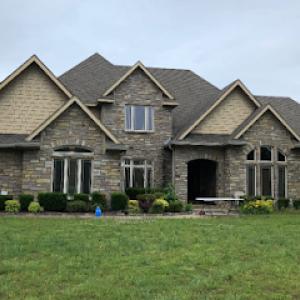
There are few things in life that matter more than the roof over your head, so don't settle when it comes to roof repair. At Standard Roofing & Contracting, we treat every roof like it's our own, providing the absolute best service in Northwest Arkansas and the River Valley and treating our customers like family. As trusted local professionals, our customers means everything to us, and we pride ourselves in always striving to be the best for you! We are metal roofing specialists, so if you're even considering getting a metal roof, give us a call today!
Adams & Son Roofing & Construction
(479) 434-4455 adamsroofingandconstruction.com
Serving
4.6 from 39 reviews
Adams and Son Roofing and Construction has proudly served the community for over 20 years, providing trusted roofing and construction services. We specialize in residential and commercial roofing, including shingles, metal, and TPO systems. Our team also offers gutters, siding, and window installation to protect and improve your property. With decades of experience and a commitment to quality, we’re here to keep your home or business safe, durable, and looking its best.
Vision Exteriors
(479) 397-4770 visionexteriors.com
Serving
5.0 from 127 reviews
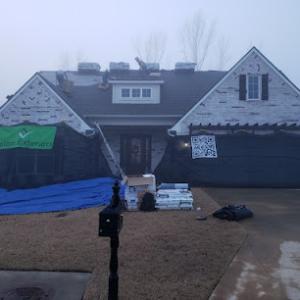
Shingle Roof Installation, Metal Roof Installation, Window Installation, Gutter Installation, Siding Installation
In this region, insurers commonly focus on hail and wind documentation, including date-stamped photos, evidence of prior wear, and written estimates tied to storm-related damage. When a storm rolls through, you want a clear trail from the moment the hail hits to the repair quote you're submitting. Take high-resolution photos from multiple angles on a sunny day after the storm, and capture close-ups of lifted granules, dented shingles, and any visible roof deck staining. Keep a simple record of the date you photographed and what you observed. The goal is to demonstrate a link between the storm event and the damage you're claiming, not to argue about preexisting issues you already knew existed.
Adjusters in the Van Buren market may request roof condition reports and documentation separating recent storm impacts from older granule loss, thermal cracking, or previous repairs. That means you should be prepared to show how the roof looked before the last big wind or hail season, if you have it, and how it looks after. If you've got old repair receipts or past contractor notes, gather them and note any periods of heavy wear that began before the latest storm cycle. Be ready to explain how the current damage aligns with the timing of a specific hail event, rather than with ongoing aging or unrelated roof issues. Clarity helps avoid back-and-forths that slow a claim.
Because carriers periodically reassess coverage after severe seasons, homeowners benefit from documenting roof condition before spring storm season rather than waiting until a claim dispute arises. Start a simple, honest photo log each year, placing the most recent storm photos alongside older images that show prior wear. If you've had past repairs, include a short note describing what was fixed and when. When you obtain written estimates tied to storm-related damage, ensure the scope lines up with what your photos show-no gaps, no guesswork. This practice reduces friction during adjustments and can help you secure a fair evaluation when hail damage is evident but not dramatic in appearance.
Storms can cause sudden, visible damage, but the insurance conversation often hinges on documentation and interpretation of wear versus new impact. If a claim is pursued, expect questions about whether granule loss might have started before the hail or was accelerated by heat and aging. In this market, timely, precise documentation matters most. A thoughtful, organized package that ties photos, notes, and estimates to a specific storm event positions you better for a straightforward adjustment and a timely repair decision.
Connect with contractors who help homeowners navigate the claims process from damage assessment to final approval.
Patriot Bros Roofing Company
(479) 652-9479 patriotbrosroofing.com
2421 Co-Op Dr Ste D, Van Buren, Arkansas
4.7 from 79 reviews
Top Notch Roofing & Construction
(479) 434-5066 topnotchroofingllcfs.com
Serving
4.9 from 82 reviews
Asphalt shingles and metal roofing are the dominant practical choices in Van Buren, matching the local mix of storm exposure, heat, humidity, and cost sensitivity. Asphalt shingles offer straightforward installation and broad availability, while metal roofs bring wind resistance and longer service life under repeated thunderstorms. The choice should align with how often the roof faces hail, how much heat gets trapped against the attic, and what the rest of the home's roofline can support structurally.
Hot, humid summers here can accelerate asphalt aging and trap moisture in roof assemblies if ventilation and underlayment details are weak. The best setups pair asphalt with a well-sealed underlayment and an attic venting plan that moves moisture out before it corrodes sheathing. Metal roofs, when installed with proper flashing and insulation, shed heat more efficiently and resist hail better, but they require careful integration with gutters, soffits, and rooftop fasteners to prevent moisture intrusion during thunderstorm cycles.
Clay tile, concrete tile, wood shakes, and synthetic shingles exist in the market, but their fit depends heavily on structure, slope, and how well the assembly handles repeated thunderstorm moisture. Clay and concrete tiles demand a solid, well-supported deck and a slope that minimizes standing water. Wood shakes can look great but are vulnerable to moisture and wind-driven debris unless treated and maintained. Synthetic shingles can bridge some gaps in aesthetics and weight, yet they still must tolerate our humidity and hail exposure without compromising the ventilation envelope.
Start by verifying roof slope and deck condition; steep slopes and sound framing broaden your material options. For a typical home facing heat and storms, prioritize a design that preserves attic air exchange and uses a high-quality underlayment with proper ventilation. If hail frequency or wind intensity is notable, lean toward metal for its resilience and longer service window, ensuring the system integrates with existing flashings and gutters to keep moisture out of eaves and valleys. For lighter storm regions or specific architectural goals, asphalt remains a reliable, affordable choice when paired with upgraded waterproofing and venting.
Documentation of hail impact and wind-related damage is essential when a reroof becomes likely. In a storm cycle, you want a roof assembly that dries efficiently, resists texture loss on the surface, and preserves attic conditions to avoid accelerated aging. If a replacement is contemplated after a hail event, ensure the chosen system will meet the home's slope, weight capacity, and the way the assembly handles repeated moisture from thunderstorm activity. In Van Buren, the best results come from materials that balance resilience, vented design, and practical maintenance access.
In this area, roofing costs align with the national ranges but with local twists from humidity and storm activity. Asphalt shingles start from about $350 to $600 per square, a common entry point for homes with standard decking. Metal roofs run roughly $600 to $1100 per square, offering better hail resistance and longer life in storm-prone weather. Clay tile providers quote about $900 to $2000 per square, while concrete tile sits around $800 to $1500 per square. Wood shingles or shakes typically fall in the $600 to $1400 per square range, and synthetic or composite shingles land between $600 and $1000 per square. These figures reflect Van Buren's mix of older homes with varying roof pitches and new builds that lean toward higher-end materials.
Costs can rise after spring hail events when storm-driven demand surges across Crawford County and nearby Fort Smith-area markets. The surge tightens labor availability and pushes scheduling to busier windows, which can translate into higher contractor estimates and compressed timelines for inspections and replacements. If a hailstorm hits and a claim is filed, expect a faster but pricier turn through the peak window, with potential price visibility on product choices and warranty options as crews juggle multiple sites.
Humidity-related decking replacement becomes a real factor in the reroof process. If the plywood or oriented strand board shows swelling, cupping, or soft spots, replacement costs may be added to the project scope. Flashing repairs after wind events are another common add-on, especially around valleys, chimneys, and vent penetrations that bear the brunt of spring gusts. Inspection-driven corrections to underlayment details are frequently required to ensure a solid, weather-tight finish-these items can push total costs upward beyond material pricing alone, and they matter more when the project spans a rainy season or follows a storm sequence.
For asphalt, consider upgrading to higher-mass shingles if hail history in the neighborhood is notable, balancing upfront cost with longer-term protection. Metal roofs, while pricier, often yield lower long-term maintenance in this climate and can speed up inspection-driven replacement cycles after severe storms. Clay and concrete tiles offer excellent durability but add weight and require structural assessment, especially on older homes. Wood shingles and synthetic options provide aesthetic variety but respond differently to humidity and heat, influencing underlayment and flashing strategies. In every case, plan for the possibility of decking and flashing work when selecting the roof system for a home in this market.
Get a clear picture of your project costs upfront - no commitment required.
Legit Roofing & Construction
(479) 459-4429 www.legitroofinginc.com
201 W Elm Blvd, Van Buren, Arkansas
4.6 from 10 reviews

A full roof replacement in Van Buren typically requires a permit through the City of Van Buren Building Department. The process is known to be fairly straightforward, but the timing can matter a lot when a storm-damaged roof is involved. If you are navigating an emergency dry-in after a hail or wind event, you should still obtain the permit and have the project officially started as soon as practical. Delays in obtaining the permit can ripple into later phases, especially if the weather window tightens or new damage is discovered during teardown and replacement. Plan to touch base with the Building Department early in the project so you understand what forms are needed, how inspections will be scheduled, and any site-access requirements for inspections.
Inspections are scheduled as work progresses, with a final inspection used to verify underlayment, flashing, and overall installation quality. The final check is your signal that the roof installation has met code requirements and that all components-ventilation, drip edge, and flashings around chimneys and penetrations-are correctly integrated. In this climate, where Arkansas River Valley storms can expose roofs to rapid aging, inspectors pay close attention to how the underlayment and flashing handle wind-driven rain and hail impacts. Expect a sequence that traces from the deck and underlayment installation through shingles or other roofing material placement, with particular emphasis on proper nailing patterns, alignment, and every transition point around chimneys, vents, and skylights. If any unusual damage or deviations from the plan are found, another inspection may be required before proceeding.
Because reroof work here is often storm-driven, homeowners should confirm permit timing and inspection sequencing early so emergency dry-in work does not create avoidable delays later in the project. Discuss with your contractor how the dry-in will be secured if a storm warning appears before the final inspection, and confirm whether a temporary cover can protect interior spaces without compromising the permit's compliance path. The goal is to keep the project moving in dry conditions while maintaining adherence to code requirements and the city's inspection cadence. If you anticipate a recent storm brush with your structure, document any observed damage with photos and notes to share with the Building Department and your insurer, so the official records align with your timeline and inspections.
Heavy spring rains and humidity push moisture into places it shouldn't be, and that can trap water under shingles or around flashing transitions. When moisture lingers, the deck beneath may start to rot or warp, especially where fascia meets the overhang or around vent flashings. In practice, you'll notice soft spots or a musty smell after a heavy rain, and those problems often show up long before a visible leak. If you see staining or damp insulation after a storm, you're looking at a sign to inspect and dry out quickly-delayed attention can lead to costly decking failures. In a neighborhood with aging roofs, catch-and-dry becomes a practical habit you can't skip.
Hot summer temperatures can complicate installation timing and contribute to material expansion, especially on dark asphalt roofs that soak up heat. When shingles expand, edges can buckle or lift if fasteners aren't set with the right allowances. That dynamic can create wind vulnerability in late summer storms. Plan work for cooler mornings or late afternoons when possible, and ensure fasteners are sized and spaced to accommodate a bit of seasonal movement. If you're replacing a dark roof, consider lighter options or ventilation adjustments to reduce heat buildup that accelerates aging or warping.
Winter freezes are a factor that still shows up in this climate; they're not extreme, but enough to encourage shingle curling along edges and occasional ice-dam formation at eaves and valleys. Curling weakens the edge seal and can initiate leaks during thaw cycles. Ice dams form when heat escaping from the attic melts snow that refreezes at the edge, forcing water under shingles. Vigilance after freezes and thaws is essential: look for lifted tabs, granule loss, and any damp patches along eaves.
After any major storm, you'll want to inspect for lifted shingles, damaged flashing, and visible granules in gutters. If you see suspect areas, have a pro evaluate moisture intrusion beneath the roofing layers before a small problem becomes a large one. In Van Buren, where storm cycles are common, timely inspection and targeted repairs save patience and avoid cascading damage to decking and interior ceilings.
In this area, storm after storm will test your roof, and buyers notice how a crew handles cleanup and follow-up. The local market shows a strong prevalence of quick response and cleanup-included messaging, signaling that homeowners value fast storm follow-up and jobsite cleanliness. When hail or high winds hit, you'll see contractors move from response to repair or replacement with clear schedules and visible site protection. A reputable local firm will outline a plan that handles debris, protects landscaping, and leaves the yard swept up at day's end.
Re-roofing is more prominent than new construction in the contractor signal mix, which fits Van Buren's practical replacement market shaped by weather damage and aging roofs. Look for crews that specialize in re-roof projects, with experience coordinating underlayment, ventilation, and flashing to handle repeated exposure to storms and humidity. You'll often see crews that can mobilize quickly after a hail event, and that can document damage for insurance purposes without delaying the project.
Locally owned and long-established firms are meaningfully present, so homeowners often weigh local tenure and responsiveness more heavily than premium-brand positioning. A long-standing company is likely to have established relationships with local suppliers, permitting schedules, and a dependable cleanup protocol. When you call, notice whether the response feels rooted in neighborhood familiarity and a clear, direct line of communication. That local touch often translates into steadier scheduling, fewer surprises, and cleaner job sites.
Ask for recent Van Buren projects and speak with a homeowner about responsiveness during a storm cycle. Request before-and-after photos that show storm-related work and how flashings were addressed. Check for licenses, insurance, and a written timeline with milestones for tear-off, installation, and final inspection. Prioritize firms that demonstrate a clear plan for storm documentation and insurance coordination alongside a clean jobsite.