
Last updated: Apr 19, 2026
The hot desert climate brings relentless UV exposure that sits squarely on sun-facing slopes. In this environment, shingles, seals, and coatings bake from dawn to dusk, causing surface granule loss on asphalt and accelerated chalking on colored surfaces. Over time, this reduces reflectivity and can make the roof feel rough to the touch. When a slope takes the brunt of afternoon sun, you may notice quicker fading and color bleaching, which signals the underlying materials are aging faster than you'd expect in milder climates. Look for granule wash-down in gutters after heavy sun exposure periods, and inspect for softer spots or curled edges on asphalt shingles, which indicate accelerated aging from sun and heat. Plan proactive resealing and surface refreshes on the sunniest faces before leaks appear.
Mojave-wide diurnal temperature swings push roofing joints, sealants, flashings, and fasteners through repeated cycles of expansion and contraction. Those cycles stress the adhesive bonds that hold flashing around chimneys, vents, and skylights, as well as the sealant lines along ridges and abutments. You may notice hairline cracks in sealants, minor gaps around penetrations, or micro-leaks after especially hot days followed by cool nights. The takeaway is to prioritize inspection after peak heat spells and before the next seasonal shift. If you're replacing or resealing, choose high-tolerance sealants and compatible flashing materials that stay flexible across wide temperature ranges. Regular inspection should target areas where metal components meet roofing membranes, as improper expansion can lead to rusted fasteners or loose flashings over time.
The most favorable windows for major roofing work align with spring and fall, when temperatures are moderate and storms are less likely to interrupt work. Summer installation conditions can be extreme, with blistering heat and glare that slow crews, while winter rain can expose underlayment and decking to moisture intrusion before the roof is fully protected. When planning a replacement window for the entire roof, aim for these shoulder seasons so installation crews can handle sealants and fasteners under stable conditions. If a project must occur in peak heat, ensure crews implement midday shading strategies and hydration protocols to maintain material performance and worker safety. For winter, verify the decking and underlayment are dry and protected before applying any upper layers.
Material choices respond differently to the high-desert environment. Asphalt shingles may age more quickly on exposed slopes, while metal roofs tend to resist UV degradation but can experience expansion-related movement if not properly fastened. Clay and concrete tiles offer excellent UV resistance but can be vulnerable to cracking from temperature swings if substructure movement is not addressed. Wood shingles and shakes demonstrate natural resilience in heat but demand careful maintenance against sun-bleached finishes and potential warping with moisture swings. Synthetic or composite options can provide balanced performance, but the key remains selecting systems with UV stability, thermal expansion compatibility, and suitable underlayment protection. When evaluating replacements, pay close attention to warranty terms for desert climates and confirm that flashing, ventilation, and deck protection align with high-heat and wind considerations.
In this climate, a proactive maintenance cadence beats reactive repairs. Schedule annual inspections that focus on sun-exposed slopes, flashing intersections, and vent boot conditions. After monsoon winds, re-check ridge and hip cap tiles or shingles and confirm sealants still bond joints securely. Address small issues before they become leaks: reseal vulnerable seams, replace brittle flashing, and tighten any loose fasteners with the correct stainless or coated fixings. Clear debris from eaves and valleys to prevent moisture traps that can accelerate deck deterioration. If you detect persistent leaks or unusual heat staining, prioritize targeted repairs on the affected area to maintain overall roof integrity against the desert's demanding conditions.
High-desert exposure, dramatic day-to-night temperature swings, and monsoon-wind events push roof performance beyond basic aesthetics. The dominant local material mix includes asphalt shingles, metal roofing, clay tile, concrete tile, wood shingles or shakes, and synthetic or composite shingles. In this climate, the roof covering is not just a weather shield; it's a first line of defense against intense solar gain, rapid thermal expansion and contraction, and the occasional desert storm. The key is to match a roof system to how heat moves and expands across spaces, while also ensuring underlying waterproofing remains reliable for decades.
Asphalt shingles remain a common choice for many Apple Valley homes due to familiarity and ease of repair. They respond reasonably well to heat when installed with proper underlayment and ventilation. In practice, look for shingles with heat- and UV-resistant granules, and ensure the attic is vented to reduce attic temperatures that accelerate deck and shingle aging. Asphalt can be a sensible base option if the roof is sized and oriented to minimize long sun exposure on particularly vulnerable areas. Pay attention to edge detailing around hips, valleys, and penetrations, because heat cycles can pull at sealants and flashings more aggressively in this climate.
Metal roofing stands out as a practical local option because reflective systems can help with solar heat load during the long, hot season. A reflective, cool-coat metal panel can lower surface temperatures and help limit heat transfer into the attic. The real caveat is thermal movement: large day-night swings cause expansion and contraction that can stress fasteners, panel seams, and ridge transitions if not planned for during installation. When choosing metal, look for designs with adequate spacing and generous nailing patterns, plus a well-sealed underlayment layer that accommodates movement. In retrofit scenarios, inspect existing fasteners and sealants for signs of work hardening or fatigue after multiple summers. A thoughtfully selected metal system paired with a robust underlayment can provide long service in this desert environment.
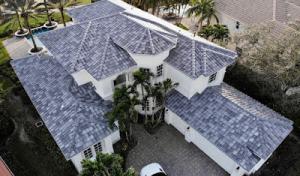
Tile roofing is especially relevant in desert residential architecture, but its weight and underlayment performance matter in a climate where the roof covering can outlast the waterproofing layer beneath it. Clay tile delivers excellent solar resistance and a distinctive, durable appearance. However, its substantial weight requires a structural check to ensure the deck and rafters can bear the load over time. The underlayment beneath clay should be a reliable waterproof membrane rather than a thin layer, because the membrane carries protective duties should the tile surface experience micro-cracks or movement. Pay attention to proper pantile or flat-tile layout and to flashing details around chimneys and vents, where heat cycles can pull at joints. In many designs, tile roofs pair well with passive shading strategies to take full advantage of the desert light.
Concrete tile shares many advantages with clay tile, including strong solar resistance and a marquee desert aesthetic. Its weight is even higher, so structural assessment is essential before installation or replacement. Underlayment must be robust and regularly inspected, because the waterproofing layer underneath needs to remain unbroken even if the tiles themselves tolerate heat well. Concrete tiles can perform very well in this climate when spaced and supported correctly, with careful attention to fastener choices that accommodate movement without compromising watertight seams. If the roof plane hosts large surface areas, ensure there is a thorough plan for ventilation and moisture control below the tiles to prevent hidden roof deck issues.
Wood shingles or shakes provide distinctive curb appeal, but in hot, dry environments they can be more susceptible to accelerated drying, cracking, and potential surface wear if not properly protected. When choosing wood in this area, select treated or naturally durable species, and ensure finish strategies consider long-term UV exposure. The fasteners and flashings around corners and penetrations should be corrosion-resistant given the potential for monsoon winds to drive moisture at unusual angles. Wood performs best when paired with solid underlayment and a defined maintenance plan to address surface checks and color fade over time.
Synthetic or composite shingles offer a lighter weight option with flexibility in heat performance and color stability. In the desert, the advantage is reduced weight and often improved UV resistance compared with some traditional materials. Look for products with proven performance in high-heat environments and underlying underlayment that can tolerate rapid temperature shifts. The best choices combine a meaningful UV barrier with a durable surface that resists cracking under expansion and contraction cycles.
Regardless of material, ensure a thorough evaluation of underlayment quality, attic ventilation, and proper edge details. In a climate with large day-night swings, the combination of solar heat, wind-driven dust, and occasional rainfall raises the importance of robust flashing transitions at chimneys, skylights, and roof penetrations. A well-insulated attic paired with a reflective exterior finish will help moderate interior temperatures and reduce thermal stress on the roof system. When selecting a roof color, consider lighter tones for reflective heat management while balancing aesthetic goals with the home's architectural style and surrounding landscape.
Find contractors who specialize in clay and concrete tile roofs, known for their durability and curb appeal.
Best Bet Roofing
(760) 694-3075 bestbetroof.com
15009 Pocahantas St, Apple Valley, California
5.0 from 90 reviews
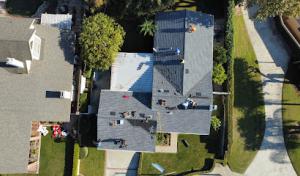
Optimum Roofing
(909) 488-1509 www.optimumroofing.net
15140 Flathead Rd, Apple Valley, California
5.0 from 39 reviews
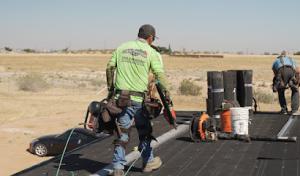
Chaparosa Roofing
13581 John Glenn Rd Ste B, Apple Valley, California
4.8 from 115 reviews
When the Mojave heat breaks and monsoon winds surge, tiny roof flaws become active leaks in minutes. Apple Valley homes sit on sun-bleached roofs where underlayment and sealants may have been compromised by long dry spells. A brief summer storm can turn a minor crack or loose flashing into standing water right above a living space. If you notice rain dripping from a vent pipe, flashing, or eave edge during or immediately after a storm, treat it as an active emergency. Do not wait for a second storm to decide you've got a problem. Act fast by performing a quick inspection from the ground after the rain ends, looking for sharps of light through the attic hatch or any damp smell near penetrations.
Monsoon bursts bring windborne desert debris that can slice through exposed roof edges, flashings, and vulnerable penetrations. In practice, a single gust can lift a loose shingle or peel back a corner of the edge metal, then drive grit under the flashing seal. If you hear rattling along the eaves or see shingle edges peeling, don't delay. Secure loose materials safely from ground level if possible, and call a roofer to assess the flashing, edge metal, and penetrations first thing after the storm. Temporary tarping may be necessary to prevent further water intrusion, but it must be applied correctly to avoid guiding water into attic vents or vents along the roofline.
Emergency response matters locally because sudden summer storms can hit after long dry periods when underlayment or sealants have already degraded. If you see new damp spots on ceilings after sunny weather followed by a wind event, treat those spots as potential entry points for water and air at the roofline. Keep a basic emergency kit on hand: a ladder stabilized on firm ground, heavy-duty tarp, roofing tape, and a roll of self-adhering waterproof membrane. If you're not comfortable inspecting or patching safely from the ladder, contact a local roofer who can seal vulnerable penetrations, reseal flashings, and shore up edge protections to prevent a fast-growing leak scenario. Time is your most valuable ally during the next monsoon burst.
When you can't wait, these contractors offer fast response times to stop leaks and prevent further damage.
Optimum Roofing
(909) 488-1509 www.optimumroofing.net
15140 Flathead Rd, Apple Valley, California
5.0 from 39 reviews
Chaparosa Roofing
13581 John Glenn Rd Ste B, Apple Valley, California
4.8 from 115 reviews
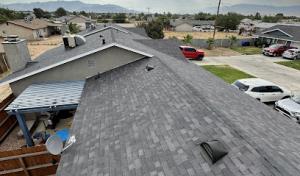
JRH Construction
(760) 628-9378 jrhconstruction.net
15190 Apache Rd, Apple Valley, California
4.6 from 10 reviews

Best Bet Roofing
(760) 694-3075 bestbetroof.com
15009 Pocahantas St, Apple Valley, California
5.0 from 90 reviews
** FINANCING AVAILABLE ** Licensed roofing contractor with 20+ years of roofing experience. Specializing in new roof installation, roof repairs and roofing maintenance. We offer installation and repairs on composition asphalt shingle, roof tile and low slope roofing systems. Also specializing in solar roofing assessments, racking installation and consulting for roof installation of solar racking systems.
Optimum Roofing
(909) 488-1509 www.optimumroofing.net
15140 Flathead Rd, Apple Valley, California
5.0 from 39 reviews
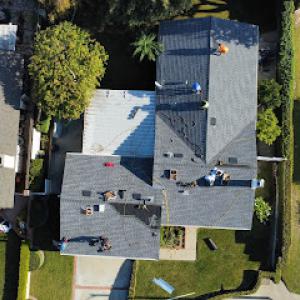
Optimum Roofing is a Veteran Owned, family operated company. We specialize in various Roof material applications and cam assure you the job will be done correctly the first time ! We offer competitive pricing and go the extra mile to provide the best service and quality. We also offer free estimates, document everything incase you'd like to come back to it in the future ! We don't push you to buy anything you won't need ! We offer friendly, professional, and overall the best service around!
Chaparosa Roofing
13581 John Glenn Rd Ste B, Apple Valley, California
4.8 from 115 reviews
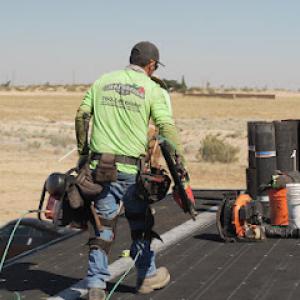
Chaparosa Roofing is a trusted, family-owned roofing company proudly serving Southern California since 1969. As an Owens Corning Platinum Preferred Contractor—a designation earned by less than 1% of roofing companies nationwide—we specialize in high-quality roof replacements, repairs, and energy-efficient roofing solutions for residential and commercial properties. Our Platinum Preferred status means you benefit from the industry’s top-rated materials, extended warranty options, and the peace of mind that your roof is installed to the highest standards of craftsmanship and safety. Whether you need a full roof replacement, emergency repairs, or a professional inspection, you can count on Chaparosa Roofing for honest recommendations, fair ...
Parry Construction
(760) 501-4410 roofingsvccalifornia.com
Apple Valley, California
5.0 from 22 reviews
Parry Construction provides expert roofing, painting, flooring, drywall, kitchen and bathroom remodeling, and concrete work in Apple Valley, CA. We deliver high-quality craftsmanship and reliable service for all your construction needs.
KS Roofing
(760) 985-1005 ksroofingusa.com
Apple Valley, California
4.8 from 17 reviews
Kevin brought together the best in the business to create his dream. Though he takes pride in all aspects of roofing, working and living in the High Desert has lead to a passion for quick, efficient, and transparent repairs to wind and sun damaged homes. As well as Specializing in commercial building Uv coats to help drastically cut cooling cost during summer and extend roofs life up to 50years!
All Seasons Roofing
10281 Silverberry St, Apple Valley, California
4.5 from 13 reviews
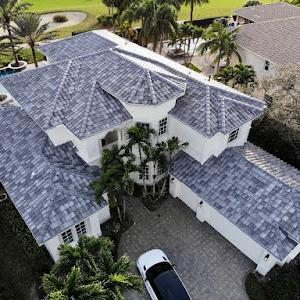
With All Seasons Roofing, your home is in expert hands. As a leading roofing contractor in the Apple Valley area, we offer comprehensive services to protect and enhance your property. Our skilled team provides durable and high-quality roofing solutions for every season, ensuring your home remains safe and secure. Located at 10281 Silverberry Street, we are dedicated to delivering professional craftsmanship and superior customer service on every project, from repairs to complete installations.
JRH Construction
(760) 628-9378 jrhconstruction.net
15190 Apache Rd, Apple Valley, California
4.6 from 10 reviews
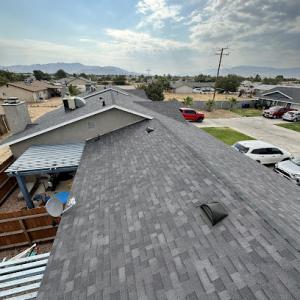
We are a licensed construction company offering many services including all types of Roofing installation, emergency Roof repair and maintenance (commercial and residential), fascia replacement, rotted or damaged structural wood replacement and repair, patio installation, property preservation and much more.We are also a GAF certified installation contractor.
C&G New Generation Roofing
(760) 987-9666 cgnewgenerationroofing.com
Serving
5.0 from 48 reviews
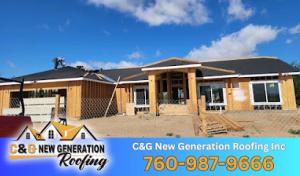
C&G New Generation Roofing is a trusted roofing contractor in Victorville, Hesperia, Apple Valley, and the High Desert, offering top-quality residential and commercial roofing services. Our expert roofers specialize in roof repairs, replacements, and new installations using durable materials like asphalt shingles, tile, metal, and energy-efficient foam roofing. Whether you need a leaky roof repair, storm damage restoration, or full roof upgrade, we provide weather-resistant, long-lasting solutions. Licensed and insured, we offer gutter installation, roof inspections, emergency repairs, and solar-ready roofing options. Call today for a free estimate and expert consultation, and experience the best in local roofing solutions!
Verde Roofing & Exteriors
Serving
5.0 from 15 reviews
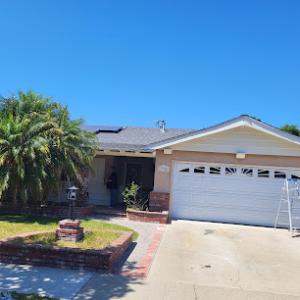
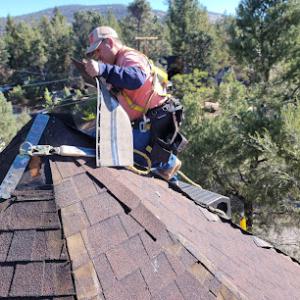
Residential Green Home Remodeling Roofing Exterior Painting Window & Door Replacement Patio Covers Artificial Grass
Do it all roofing
(760) 524-1399 doitallroofing.net
Serving
5.0 from 12 reviews
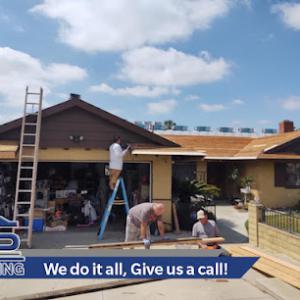
#1 Pick for All your Roofing Needs. Anything Under The Sun We Do It All!

Angels Roofing
(909) 496-2952 www.angelsroofingincca.com
Serving
4.9 from 29 reviews
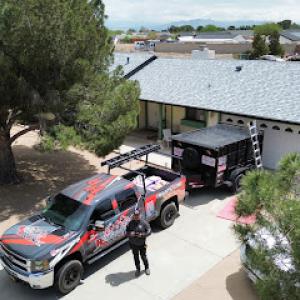
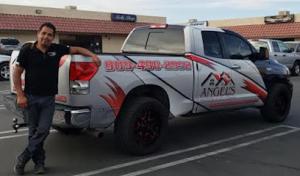
Family owned serving southern California since 1991, ANGELS ROOFING INC is your solution for all your roofing needs. Whether you need a new roof installed, an old roof repaired, or any type of roofing material, we are committed to providing top-notch service and quality workmanship. With over three decades of experience, our skilled technicians are ready to tackle any roofing project, big or small, ensuring your roof stands strong for years to come. Now offering Financing, military and veterans discounts.
Hernandez Roofing Services
Serving
4.8 from 38 reviews
Licensed & Insured. Please call 📞 for a Free Estimate
On tile roofs with clay or concrete tiles, the visible surface can look solid for years, but the underlayment is where deterioration quietly accumulates. In this desert setting, the visible tile may remain serviceable while the underlayment below becomes the real replacement driver. That means routine inspections should focus on the hidden layers, especially after seasonal heat waves or strong monsoon winds when the roof experiences the most stress. A small leak or subtle staining may indicate an underlayment issue long before the tiles themselves fail at the surface.
High-desert heat can dry and age underlayment faster, making leak diagnosis on clay and concrete tile roofs more complex than on exposed shingle systems. The underlayment's role is to act as a moisture barrier, but extreme daily temperature swings can cause it to shrink, crack, or separate from deck edges. Because the tiles themselves can mask moisture behind them, you may not see a problem until higher up the slope or around penetrations. When you suspect trouble, a careful inspection from the attic or within the roof void becomes essential, not just a surface check on the tiles.
Even in the warmth of the day, occasional colder periods can trigger freeze-thaw stress at small moisture-entry points around tile details and roof penetrations. In practice, that means attention to flashing, fasteners, and the edges of dormers or skylights is crucial. The underlayment near these features endures repetitive expansion and contraction, increasing the likelihood of micro-leaks that creep along joists or into concealed channels. If a fastener lifts or flashing folds pull away from the deck, moisture can funnel into the underlayment's seams, setting up a slow, persistent leak that may escape notice until damage becomes visible.
Look for damp spots on interior ceilings that align with roof areas behind tile details, even when the tiles appear intact. The absence of a dramatic roof stain doesn't guarantee a dry underlayment. In preparation for seasonal changes, you should schedule targeted checks after peak heat periods and after heavy winds, focusing on the intersections where tile meets vent stacks, valleys, and dormers. A proactive approach with careful probing of roof penetrations can catch underlayment wear early, before it translates into costly repairs or invasive replacements.
Find contractors who specialize in clay and concrete tile roofs, known for their durability and curb appeal.
Best Bet Roofing
(760) 694-3075 bestbetroof.com
15009 Pocahantas St, Apple Valley, California
5.0 from 90 reviews
Optimum Roofing
(909) 488-1509 www.optimumroofing.net
15140 Flathead Rd, Apple Valley, California
5.0 from 39 reviews
Chaparosa Roofing
13581 John Glenn Rd Ste B, Apple Valley, California
4.8 from 115 reviews
Apple Valley's desert sun makes solar-related roof work especially relevant, so flashing quality around mounts and penetrations is a major long-term roof concern. Choose flashing materials rated for high UV exposure and temperature cycling, and verify that the flashing transitions are continuous where mounts anchor to the deck. In practice, this means using thick, flexible polymers or metal flashing with precise folds that resist warping in extreme heat and cool nights. Ensure fasteners are corrosion-resistant and that sealant joints are backed by solid flashing recession to shed wind-driven dust and monsoon activity. When a solar array goes on, inspect the roof line from multiple angles to confirm there are no gaps at edge flashing, conduit entries, or rafter tails that could channel rain or dust toward the deck.
Large temperature swings can stress sealants used around penetrations, increasing the importance of durable flashing details. Use sealants designed for exterior roofs with wide thermal ranges, and apply in climates where nightly cooling follows daytime heating. Put extra emphasis on sealant depth where flashing overlaps vent pipes or solar conduits, ensuring a continuous seal as expansion and contraction occur. If a roof already shows hairline splits in sealant around penetrations, address them before they widen. Consider double-sealing methods or backing tapes in areas prone to rapid aging, such as near attic access penetrations or vent stacks that receive direct sun for much of the day.
Skylights and other penetrations are higher-risk leak points in a climate where UV exposure can age gaskets and sealants faster. Prioritize skylight flashing that uses a continuous bead system and corrosion-resistant flashing channels. Check curb mounting details for proper nailing patterns and gasket compression. For vent penetrations, ensure vent collars have tight, UV-stable seals and that the flashing around the base is integrated with the roof plane to prevent wind-driven water intrusion. Regular inspection after monsoon events helps catch loose flashings or gaskets before they contribute to a leak. In all cases, keep penetrations clean of dust and debris, as buildup accelerates sealant degradation in this desert environment.
Find contractors who integrate solar panels or solar shingles into your roof for long-term energy savings.
Best Bet Roofing
(760) 694-3075 bestbetroof.com
15009 Pocahantas St, Apple Valley, California
5.0 from 90 reviews
Optimum Roofing
(909) 488-1509 www.optimumroofing.net
15140 Flathead Rd, Apple Valley, California
5.0 from 39 reviews
Replacement costs should be framed around the per-square ranges provided for each material: asphalt shingles, metal, clay tile, concrete tile, wood shingles or shakes, and synthetic or composite shingles. In this climate, the per-square numbers translate directly into project budgeting, with asphalt shingles generally at the lower end and clay or concrete tile at the higher end. The exact mix on a given home often shifts with roof complexity, attic ventilation needs, and existing deck conditions.
Costs in this region can rise when extreme summer heat slows installation pace, requires more careful material handling, or limits safe working hours. Labor time stretches as crews pause for midday heat or adjust sequencing to protect delicate tiles and fasteners. For metal roofs, heat can also impact panel alignment and sealants, nudging the overall price upward if extra handling or rework is needed. Plan for a longer window to complete replacement in peak heat months.
Tile systems common in the High Desert can increase labor complexity, especially with clay or concrete tiles that require careful removal and reinstallation to avoid breakage. The weight of tile systems also demands structural checks or upgrades in some homes, which can influence timing and pricing. Storm-driven demand spikes after wind events can tighten scheduling and pricing, so expect possible short-term surges if a storm zone affects your area.
Asphalt shingles offer a practical balance of cost and durability for many ranch-style homes, while metal provides longevity with higher upfront costs. Clay and concrete tiles handle heat well but demand a sturdier roof deck and can elevate both material and labor expenses. Wood shingles carry a distinct appearance but require meticulous maintenance in this climate, and synthetic or composite shingles can blend durability with mid-range costs.
Get a clear picture of your project costs upfront - no commitment required.
Optimum Roofing
(909) 488-1509 www.optimumroofing.net
15140 Flathead Rd, Apple Valley, California
5.0 from 39 reviews
A building permit is typically required in Apple Valley for a full roof replacement. The process starts with submitting project plans to the local building department, which reviews details that matter in this high-desert climate, such as underlayment type, venting, and fire-safety features. Expect a plan review that verifies roof penetrations are properly sealed and that attic ventilation will support heat management during extreme swings.
During installation, inspections are scheduled to confirm material installation meets code, underlayment thickness and moisture barriers, and that proper fastener patterns are followed for your chosen material. After completion, a final inspection ensures the roof is weather-tight and that ventilation continues to function with the new assembly. Reroofing is not a no-permit maintenance job; treating it as such can delay your project and invite rework.
The local department emphasizes fire-safety and wind exposure, given monsoon winds and dry vegetation nearby. Plan for documentation on material selections that meet fire-resistance ratings and reflectivity. Good ventilation details, including soffit and ridge vents sized for the attic space, help prevent heat buildup and moisture issues that escalate in Apple Valley's heat cycles. If any deviations occur during installation, communicate promptly with the inspector to avoid rework and ensure compliance with energy and safety codes.
In practice, plan for weather windows that align with the dry season and the wildfire-conscious planning of the area. The permit review will check that underlayment is appropriate for hot, UV-heavy exposure and that ventilation paths avoid trapping heat in attic spaces. Expect inspections to occur at multiple stages: after sheathing, after underlayment and first roofing layer, and final after completion. Having red-tagged items resolved promptly keeps the project moving before the next monsoon season.
Maintain access for inspectors, keep a contact log, and store approved material documentation on-site to speed review during hot days. Knowing the process ahead of time helps minimize delays when temperatures push limits on the crew and materials. Keep a record of inspector notes and any plan changes for future reroofing projects and permits.
In this dry Mojave landscape, your roof endures more than just sun. Wildfire exposure, hail, and high winds all drive claim volatility and underwriting decisions. The combination of intense UV, dramatic temperature swings, and monsoon events means roofs don't age gracefully here. Materials may fail sooner under constant daytime heat followed by cold nights, and wind-driven embers can threaten even sturdy configurations. Understanding how these factors affect your insurer helps you anticipate coverage outcomes when a storm strikes.
California carriers scrutinize roof condition and supporting paperwork more closely than before. Build a well-organized file with detailed photos taken before and after severe weather, alongside invoices, warranties, and any repair records. When a hail event or wind storm hits, you'll want a clear timeline showing prior condition and subsequent work. A robust trail of documentation can help avoid delays or disputes and supports fair claim evaluation when insurers reprice risk after a tough season.
Claim timing matters because approvals can vary by carrier in this market. Prompt storm documentation after wind or hail events is especially important. As monsoon winds roll through and the desert heat bakes roofs, delayed reporting increases the chance of partial claims or coverage questions. If you notice new granule loss, cracked shingles, or displaced flashing after a storm, photograph immediately and log the date. A timely, thorough submission keeps you in a stronger position when the carrier evaluates structural impact and material condition.
Desert conditions favor roofing options that resist UV exposure and temperature cycling, but wind and wildfire risk push insurers to scrutinize flame and embrittlement resistance. Choices that balance heat tolerance with durability tend to fare better in the underwriting landscape. When planning replacements or upgrades, consider not only upfront performance but how the long-term behavior under this climate might influence claim outcomes.
Connect with contractors who help homeowners navigate the claims process from damage assessment to final approval.
Best Bet Roofing
(760) 694-3075 bestbetroof.com
15009 Pocahantas St, Apple Valley, California
5.0 from 90 reviews
Chaparosa Roofing
13581 John Glenn Rd Ste B, Apple Valley, California
4.8 from 115 reviews
All Seasons Roofing
10281 Silverberry St, Apple Valley, California
4.5 from 13 reviews