Last updated: Apr 19, 2026
The High Desert climate that defines this area means roofs face more than just sunburned shingles. Prolonged heat and intense UV can bake the surface, accelerate granule loss, and push some asphalt shingle systems beyond their typical winter wear cycle. In practice, that translates to faster color fading, more brittle edges, and a higher chance of micro-cracks appearing along ridges and valleys after a few hot seasons. Tiles and metal surfaces respond differently, but the common thread is heat tolerance. When a roof can't shed heat efficiently or resist UV degradation, its lifespan shortens and maintenance cycles move up. That reality shapes every material decision, from underlayment choices to color selection and seam design.
Spring and fall are your best bets for reroofing, because summer heat creates dangerously high surface temperatures that limit safe working hours for crews and complicate material handling. Winter rain can interrupt dry-in schedules, leaving you with longer construction times and more potential for moisture intrusion if not carefully sequenced. Plan around the shoulder seasons, then, and build in buffer days for heat or abrupt weather. In practice, that means coordinating lead times for underlayment and fasteners so crews don't get forced into rushed decisions when a heat spike hits or an unexpected shower threatens a dry-in. Good communication with the crew about daily temperature targets and wind forecasts helps keep the project on track and reduces the risk of quality gaps caused by trying to push through extreme conditions.
Desert conditions turn heat tolerance and UV resistance into non-negotiable criteria when selecting roofing materials. Shingle products that lose flexibility or become brittle at higher temperatures are poor bets for this climate, because the likelihood of edge pull, cracking at fastener penetrations, and accelerated granule loss rises with each blistering summer. Metal roofs typically perform well under heat if panels are properly ventilated and finished with heat-reflective coatings, but poor installation or inadequate ridge venting can trap heat and shorten the life of adjacent components. Tile roofs-whether clay or concrete-benefit from light colors and carefully engineered underlayment systems, yet require precise attic ventilation and secure fasteners to resist Santa Ana winds that can topple fasteners and loosen seals. In this environment, a material choice isn't just about upfront performance; it's about sustained heat and UV resilience over years of relentless sun.
Start with a visual walk-through after the first hot season to note any signs of accelerated wear: curling edges, exposed fasteners, or shingle granules accumulating in gutters. If you see pale patches where UV exposure has stripped color or thickness, that's a signal to review the material's UV stability and albedo in the chosen color range. Inspect valleys and flashing for accelerated corrosion or sealant degradation, especially where heat concentrates. During maintenance, keep attic ventilation balanced to prevent attic temperatures from skirting above the exterior roof level. If you're re-roofing, discuss with the contractor how the chosen system handles heat reflection, ventilation, and wind resistance, because a well-ventilated roof deck remains cooler and helps extend the new roof's service life.
Santa Ana winds can bite through valleys and uplift edges where roof assemblies join. That makes wind-fastening patterns, edge detailing, and seam integrity critical in this climate. Choose fasteners rated for high winds and ensure corrosion resistance in coastal-tinged environments, even when far from the coast. Sealants and flashings should be matched to the climate's heat cycles, not just to the nominal weather conditions. Consider a roofing system that includes reinforced underlayment and ridge caps designed to resist wind-driven water ingress. In this desert setting, a durable, heat-tolerant, UV-resistant system paired with robust wind protection is not a luxury-it's a practical requirement for long-term performance and fewer call-back visits after the first few high-wind periods.
Victorville roofs are exposed to Santa Ana wind events that raise the risk of wind uplift, especially at edges, ridges, and older attachment points. Those gusts slice through the desert heat like a blade, lifting shingles or tiles that aren't properly secured and opening the roof to sudden leaks. The strongest pressure often hits where roof planes meet walls, near chimneys, and along rakes and hips. If a fast gust pushes a loosened edge, you can go from minor cosmetic damage to active water intrusion in a matter of minutes. This is not a problem you can ignore until a weekend, because the clock on wind-driven damage runs quickly when temperatures climb and the wind ramps up.
When the wind dies, the clock starts for repairs. Begin with a careful safety check: look for missing or cracked shingles, dislodged flashing, or gaps at the vent boots and ridge line. Inspect interior ceilings and upper walls for sudden stains or damp spots, especially along exterior walls where wind-driven rain can infiltrate. If you see obvious damage, cover exposed areas with a sturdy tarp or weatherproof sheeting to slow water intrusion, but avoid walking on a damaged roof. Time is critical, because the longer water sits, the more interior damage compounds the risk of mold and structural deterioration.
Local contractor signals show unusually strong demand for emergency repair and storm-damage work, indicating homeowners here often need fast response after wind-driven events. If you suspect damage, don't wait for a routine bid. Call a licensed contractor who can triage safely from the ground and, if needed, arrange secure temporary protection while a crew is en route. When arranging repairs, prioritize crews that can address loose sheathing, compromised underlayment, and edge-fastening integrity first. Ask for a rapid assessment of wind uplift at the edges and ridges, and insist on reinforcing vulnerable attachment points to resist the next gust.
Wind timing can affect installation scheduling in Victorville because crews may avoid tear-off or underlayment exposure during stronger seasonal gust periods. Plan ahead by scheduling major work during calmer windows and ensuring crews have access to secure staging near the roof. Consider upgrading edge fasteners, improving ridge and hip fastening, and selecting materials with proven wind resistance for the desert environment. If a reroof is on the horizon, prioritize products and detailing that resist uplift in high-velocity winds, and confirm that the underlayment and flashing are rated for the Santa Ana season ahead.
When you can't wait, these contractors offer fast response times to stop leaks and prevent further damage.
C&G New Generation Roofing
(760) 987-9666 cgnewgenerationroofing.com
12875 Hickory Ave, Victorville, California
5.0 from 48 reviews
Angels Roofing
(909) 496-2952 www.angelsroofingincca.com
16458 Lorene Dr, Victorville, California
4.9 from 29 reviews
Hernandez Roofing Services
15042 Del Rey Dr, Victorville, California
4.8 from 38 reviews
C&G New Generation Roofing
(760) 987-9666 cgnewgenerationroofing.com
12875 Hickory Ave, Victorville, California
5.0 from 48 reviews
C&G New Generation Roofing is a trusted roofing contractor in Victorville, Hesperia, Apple Valley, and the High Desert, offering top-quality residential and commercial roofing services. Our expert roofers specialize in roof repairs, replacements, and new installations using durable materials like asphalt shingles, tile, metal, and energy-efficient foam roofing. Whether you need a leaky roof repair, storm damage restoration, or full roof upgrade, we provide weather-resistant, long-lasting solutions. Licensed and insured, we offer gutter installation, roof inspections, emergency repairs, and solar-ready roofing options. Call today for a free estimate and expert consultation, and experience the best in local roofing solutions!
Victorville Roofing Company
(442) 255-1869 victorvilleroofingcompanyinc.com
13405 Solitude Cir, Victorville, California
5.0 from 44 reviews
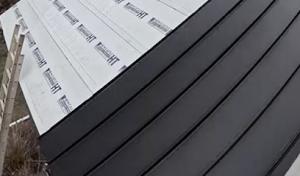
Victorville Roofing Company proudly serves Victorville, CA with reliable, professional roofing services available 7 days a week. We specialize in roof inspections, roof repairs, new roof installation, leak detection, shingle replacement, storm damage repair, tile roofing, flat roofing, and ongoing roof maintenance. Our team focuses on quality craftsmanship, durable materials, and honest service to keep your home safe and protected year-round. If you’re searching for trusted roofing experts in Victorville, count on us for fast response, fair pricing, and long-lasting results.

Angels Roofing
(909) 496-2952 www.angelsroofingincca.com
16458 Lorene Dr, Victorville, California
4.9 from 29 reviews
Family owned serving southern California since 1991, ANGELS ROOFING INC is your solution for all your roofing needs. Whether you need a new roof installed, an old roof repaired, or any type of roofing material, we are committed to providing top-notch service and quality workmanship. With over three decades of experience, our skilled technicians are ready to tackle any roofing project, big or small, ensuring your roof stands strong for years to come. Now offering Financing, military and veterans discounts.
Hernandez Roofing Services
15042 Del Rey Dr, Victorville, California
4.8 from 38 reviews
Licensed & Insured. Please call 📞 for a Free Estimate
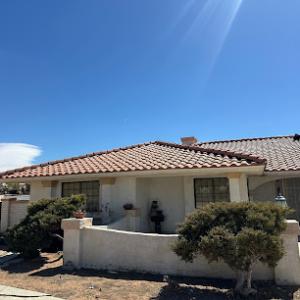
Frontline Roofing
(888) 612-2003 frontlineroofing.com
14359 Amargosa Rd suite Q, Victorville, California
5.0 from 9 reviews
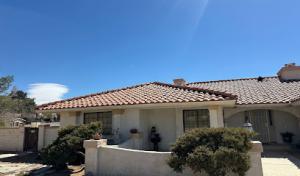
“Frontline Roofing, your trusted roofing contractor in Victorville, CA, specializes in high-quality residential, commercial, and industrial roofing services. We provide expert roof repairs, replacements, and installations, including shingle, TPO, tile, and metal roofing. Offering free estimates and comprehensive roof inspections, our licensed, bonded, and insured team delivers reliable solutions tailored to your needs. Whether you need flat roofing, storm damage repair, or fascia board replacement, we’re the best local roofing company near you. Experience top-tier craftsmanship, financing options, and superior customer service in Victorville and the surrounding High Desert area.”

HD Roofs Contractor
(760) 490-0898 hdroofingcontractor.com
Victorville, California
3.7 from 6 reviews
HD Roofs Contractor is the specialist at repairing or replacing all types of shingle roofing, including cedar shake, metal, tile, asphalt, and slate. Our team of expert roofers will carefully inspect single-ply and two-dimensional shingles for storm damages like wind damage, snow damage, water damage, general wear and tear, and ice damage. We record any missing shingles and judge if a roof repair or roof replacement is required.
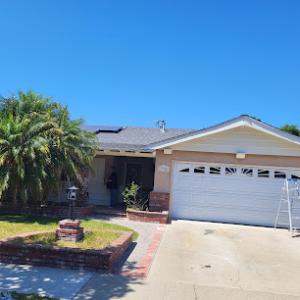
Verde Roofing & Exteriors
Serving
5.0 from 15 reviews
Residential Green Home Remodeling Roofing Exterior Painting Window & Door Replacement Patio Covers Artificial Grass

Best Bet Roofing
(760) 694-3075 bestbetroof.com
Serving
5.0 from 90 reviews
** FINANCING AVAILABLE ** Licensed roofing contractor with 20+ years of roofing experience. Specializing in new roof installation, roof repairs and roofing maintenance. We offer installation and repairs on composition asphalt shingle, roof tile and low slope roofing systems. Also specializing in solar roofing assessments, racking installation and consulting for roof installation of solar racking systems.
Parry Construction
(760) 501-4410 roofingsvccalifornia.com
Serving
5.0 from 22 reviews
Parry Construction provides expert roofing, painting, flooring, drywall, kitchen and bathroom remodeling, and concrete work in Apple Valley, CA. We deliver high-quality craftsmanship and reliable service for all your construction needs.
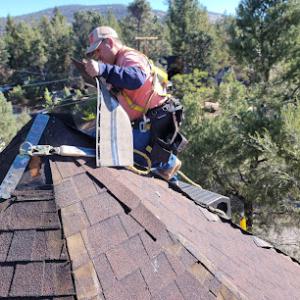
Do it all roofing
(760) 524-1399 doitallroofing.net
Serving
5.0 from 12 reviews
#1 Pick for All your Roofing Needs. Anything Under The Sun We Do It All!
Optimum Roofing
(909) 488-1509 www.optimumroofing.net
Serving
5.0 from 39 reviews
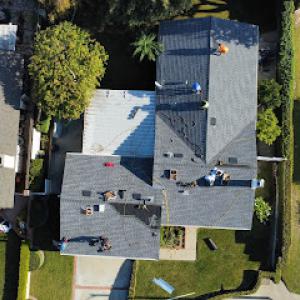
Optimum Roofing is a Veteran Owned, family operated company. We specialize in various Roof material applications and cam assure you the job will be done correctly the first time ! We offer competitive pricing and go the extra mile to provide the best service and quality. We also offer free estimates, document everything incase you'd like to come back to it in the future ! We don't push you to buy anything you won't need ! We offer friendly, professional, and overall the best service around!
Chaparosa Roofing
Serving
4.8 from 115 reviews
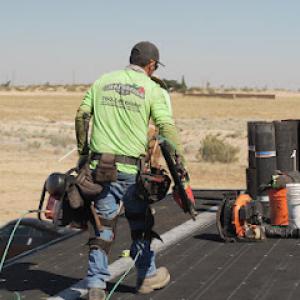
Chaparosa Roofing is a trusted, family-owned roofing company proudly serving Southern California since 1969. As an Owens Corning Platinum Preferred Contractor—a designation earned by less than 1% of roofing companies nationwide—we specialize in high-quality roof replacements, repairs, and energy-efficient roofing solutions for residential and commercial properties. Our Platinum Preferred status means you benefit from the industry’s top-rated materials, extended warranty options, and the peace of mind that your roof is installed to the highest standards of craftsmanship and safety. Whether you need a full roof replacement, emergency repairs, or a professional inspection, you can count on Chaparosa Roofing for honest recommendations, fair ...
You face relentless desert heat, intense UV exposure, and Santa Ana winds that can lift and accelerate wear on a roof. In this environment, material selection isn't just about curb appeal-it's about how the roof behaves under heat load, how it resists wind-driven moisture, and how long it can maintain its performance without frequent, costly maintenance. Asphalt shingles remain a common starting point for many neighborhoods, but their UV resistance and insulating value can diminish faster under Victorville's sun. Metal roofing offers excellent heat reflection and wind resistance, while clay and concrete tiles bring durability and a longer service life if the roof deck is prepared for the extra weight. Wood shingles or shakes provide a natural look but require careful wind-stability detailing and moisture control to avoid warping or rapid deterioration. Synthetic or composite shingles aim to balance weight, UV resistance, and flexibility, which can be advantageous in harsh conditions.
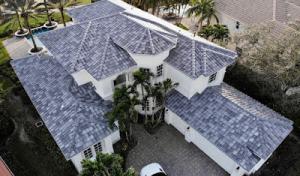
Tile options-both clay and concrete-are popular in higher desert contexts because their thermal mass helps moderate attic temperatures and maintains a steadier roof temperature day and night. Clay tile naturally resists fading and maintains color under UV, while concrete tile can offer a broader range of profiles and sometimes lower weight options depending on the system. The heavier weight of these tiles matters: the roof structure may need reinforcement to safely carry the load, particularly on older homes or roofs with existing wear. If a house already has a resilient frame and adequately sized rafters, tile systems can deliver decades of service with proper underlayment and ventilation. However, in the sun-baked conditions here, the installation quality of the underlayment, fasteners, and sealing details becomes critical to prevent wind-driven leaks and heat penetration at seams.
Victorville's wind environment drives a priority on wind performance. Roof systems should employ fasteners and interlocking patterns designed to resist uplift, with attention to edge detailing around eaves, hips, and penetrations. Heavier tile systems demand careful structural evaluation; if the existing roof isn't up to the load, you'll want a plan that includes reinforcement or an alternative that preserves the architectural intent without compromising safety. For asphalt shingles, look for impact- and wind-rated products and ensure proper sealing at the valleys and flashings. For metal roofs, consider through-fastened versus standing-seam options and ensure panels are integrated with wind-resistant fasteners and recommended sealants. For wood shingles or shakes, confirm that the product is rated for desert UV exposure and that installation includes tight, wind-resistant patterns. Synthetic or composite shingles can offer improved impact resistance and flexibility under temperature swings, but verify the warranty and compatibility with your roof pitch and framing.
Neighborhood patterns guide material choice in the desert towns around the High Desert. Clay and concrete tiles often align with traditional rooflines and color palettes, reinforcing character while delivering durability. Metal roofs can create a sleek, modern profile that still harmonizes with diverse streetscapes when finished in UV-stable colors. Asphalt remains a versatile, cost-effective option that can be tailored with reflective coatings to reduce heat gain. Regardless of material, routine inspections after the hottest months help catch UV-induced cracking, flashing wear, or fastener loosening before wind season starts. In Victorville, pairing a resilient underlayment, high-quality sealants, and properly vented attic spaces helps extend roof life significantly and protects interior comfort during the long desert summers.
Find contractors who specialize in clay and concrete tile roofs, known for their durability and curb appeal.
C&G New Generation Roofing
(760) 987-9666 cgnewgenerationroofing.com
12875 Hickory Ave, Victorville, California
5.0 from 48 reviews
Victorville Roofing Company
(442) 255-1869 victorvilleroofingcompanyinc.com
13405 Solitude Cir, Victorville, California
5.0 from 44 reviews
Frontline Roofing
(888) 612-2003 frontlineroofing.com
14359 Amargosa Rd suite Q, Victorville, California
5.0 from 9 reviews
Typical Victorville-area reroof pricing runs about $350 to $550 per square for asphalt shingles, $600 to $1000 for metal, $900 to $1800 for clay tile, $1000 to $2000 for concrete tile, $600 to $1100 for wood shingles or shakes, and $500 to $900 for synthetic or composite shingles. These numbers reflect how desert heat and wind shape material choices here. Asphalt remains the most budget-friendly option, but the heat of the High Desert can shorten the life of lighter-shade shingles if they're not installed with proper underlayment and ventilation. Concrete and clay tiles push the price up, but they tend to hold up better under Santa Ana winds and extended sun exposure. In a reroof where a tile system is considered, expect the higher end of the range to factor in heavier materials and the extra labor needed to secure tiles against blowing dust and gusts.
Costs in Victorville can rise when homeowners switch into tile or metal because those systems may trigger longer plan review lead times and more detailed permit handling through the city. While that adds time, it also signals the need for careful detailing: larger roof areas, underlayment choices, and more sophisticated fastening patterns to resist wind uplift. For a homeowner eyeing concrete or clay tile, budgeting for a longer project timeline is prudent, since material deliveries and tile-specific installation steps can stretch schedules in peak season.
Seasonal heat and wind can affect labor efficiency in Victorville, while the city's strong reroofing market and demand for quick-response work can influence scheduling and pricing. In extreme heat, crews may stagger long days to avoid midday heat, which can slow progress and push labor costs higher on a per-day basis. Wind, dust, and debris also add to cleanup time and protective measures on the jobsite. If the project includes larger tile spans or metal panels, prepare for more meticulous fastening and alignment, which can extend labor hours. Planning for a few extra days, especially in late summer, helps keep crews on track and reduces the likelihood of rushed work that could compromise wind resistance and tile integrity.
When you're comparing bids, ask how each contractor handles wind-rated fasteners, underlayment choices, and tile overlap to withstand desert winds. For asphalt, confirm shingle color and warranty details that address UV exposure. If tile, review weight considerations and roof deck prep to ensure the structure handles the load. Finally, consider that some bids may appear lower but don't include necessary wind clips or high-grade underlayment-these oversights can cost more in the long run due to repairs or accelerated wear.
Don't let upfront costs delay a critical repair - these contractors offer payment plans to fit your budget.
Angels Roofing
(909) 496-2952 www.angelsroofingincca.com
16458 Lorene Dr, Victorville, California
4.9 from 29 reviews
Frontline Roofing
(888) 612-2003 frontlineroofing.com
14359 Amargosa Rd suite Q, Victorville, California
5.0 from 9 reviews
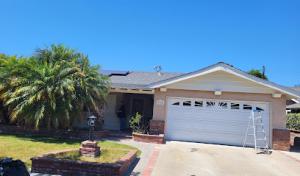
Victorville-area reroof projects generally require a building permit through the city's Building & Safety Department. Before any materials arrive, check that you have the right project scope documented, including any changes to roof geometry or structural elements if a tile or metal system is being considered. The process typically starts with a permit application that outlines the intended roofing method, roof penetrations, and attic ventilation plan. Be prepared to provide details about underlayment, fastener type, and seismic/rafter considerations common to homes in high-heat environments. Submitting digital plans is common, and a complete package helps avoid unnecessary delays.
Inspection sequencing commonly includes a deck or rough framing inspection when needed, followed by a final inspection after roofing completion. If the project includes replacing or modifying the deck or any structural components, expect an early rough framing check to verify loads, framing integrity, and proper nailing patterns for the chosen material. For high-desert conditions, inspectors will pay particular attention to how the roof transitions over vented eaves, chimney terminations, and skylight envelopes, ensuring proper sealing and ventilation. After the roof is installed, the final inspection confirms that the installed system matches the approved plan, that flashing and vent terminations are properly sealed, and that the wind-rated features or tile supports meet code requirements. Plan for possible re-inspections if any corrections are needed.
Permit fees are valuation-based in Victorville, and homeowners should expect possible plan review lead times when using tile or metal roofing systems. If your project uses concrete tile, clay tile, or standing-seam metal, the plan review can take longer due to wind impact, attachment methods, and wind uplift calculations. Have your contractor coordinate scheduling with Building & Safety to align permit issuance with the expected roof scheduling, especially during hotter months when trades run tight. Remember that certain designs-like roof penetrations for solar, skylights, or complex venting-may require additional documentation or engineering stamps. Coordinating these reviews early reduces the chance of delays during metal or tile installation, when framing and deck work are already underway.
Keep a detailed log of communications and confirmations from Building & Safety, including any plan review notes or deferred approval items. Have copies of your permit, approved plan set, and a current building address placard readily accessible on site for inspectors. Ensure your contractor schedules inspections with adequate lead time and adheres to the approved plan to minimize rework. In this climate, ventilation, underlayment choice, and wind-rated fasteners aren't optional add-ons; they're core to a durable, code-compliant roof.
The wildfire-driven tightening of coverage that affects California ripples into the desert neighborhoods where roofs face relentless sun and stiff Santa Ana winds. If a roof is aging or showing exposed wear, insurers may view it as a higher risk, making renewal harder or coverage less certain. The consequence is not hypothetical: a roof that once carried standard protection can become a tricky underwriting item, so preparation matters more than ever.
Insurers serving the area often request documentation up front to justify a replacement or to underwrite a new policy. Expect to provide roof age, a history of prior damage, and clear, recent condition photos. These documents help determine whether the claim is driven by an isolated event or a longer pattern of wear linked to the region's heat, UV exposure, and wind. In situations where shingles or tiles show accelerated aging, a well-documented file can mean the difference between a straightforward approval and a drawn-out process.
Wind-driven losses and sun-induced aging do not respect property lines, and the reporting you file should reflect that nuance. A roof that looks weathered from the sun but has recently been battered by gusts may be flagged for pre-existing wear rather than a single incident. Insurers appreciate a clear before-and-after narrative, so if a claim is filed, you should be prepared to demonstrate the roof's pre-loss condition with dated photos, notes on observed shingles curling or flashing gaps, and a maintenance history that indicates proactive care.
Keep a reliable, organized record of roof condition: dated photos after major wind events, notes from professional inspections, and a log of any temporary protections you applied after storms. When talking to your insurer, present a concise picture: pre-loss condition, specific issues observed, and any corrective actions already taken. In this market, proactive documentation can help translate a difficult claim into a fair, timely resolution.
Connect with contractors who help homeowners navigate the claims process from damage assessment to final approval.
The strong sun and Santa Ana winds create more stress around skylights and solar attachments than in milder regions. Roof penetrations heat up, expand, and cool with night temps, which can loosen seals and bend flashing over time. In this desert setting, plan for extra emphasis on rather than just replacing flashing, and expect sealant wear to show up sooner than you might anticipate.
Start by inspecting the skylight curb and any mounting brackets for signs of lifted flashing, pulled tabs, or hairline cracks in the paint around the sealant bead. Clean away grit and old sealant, then reseal with a product rated for high heat and UV exposure. Apply a continuous, even bead along the flashing corners and cap flashing where it meets the roof plane to minimize water entry points during monsoon-season winds. Replace deteriorated gaskets promptly, since UV can degrade elastomeric materials quickly in this environment.
Skylights should sit on low-slope areas with proper flashing to shed heat rather than trap it. In the field, check for condensation buildup in the glass or poly panels, which can signal compromised seals. Exterior glazing around skylights should be clean and free of dust that can abrade seals. If a skylight shows persistent condensation or fog between panes, anticipate more frequent reseal or panel replacement depending on the unit's age and exposure.
Solar racking systems must anchor securely to resist high-desert winds. Inspect attachment points for corrosion and ensure roof penetrations are sealed with heat-stable sealants. UV exposure accelerates aging of edge seals near mounting feet, so inspect and reseal those zones at least annually. Consider shading or venting options for hot climates to reduce thermal expansion stress on the roof deck around mounts.
Contractors report active demand for skylight-related roofing work and solar-integrated roofing support in this market. The best approach is proactive inspection after seasonal heat spikes and wind events, with a plan for targeted maintenance around penetrations and flashing-so that solar and skylight systems remain reliable without compromising the roof deck.
Find contractors experienced in skylight installation, flashing, and leak repairs to bring natural light into your home.