
Last updated: Apr 19, 2026
The dry, blistering sun and intenseUV exposure in the High Desert accelerate surface aging on many roof types. In this area, shingles, tiles, and membranes take a daily toll from the sun's rays, wind-driven dust, and the sharp heat that bounces off concrete and pavement. You'll notice faster fading, more fasteners working loose, and older seals showing wear sooner than in milder climates. The result is a roof that seems to reach the end of its useful life sooner if not picked and maintained with the desert conditions in mind.
Large day-to-night temperature swings are common in the Victor Valley. Those cycles cause repeated expansion and contraction in roofing assemblies, which over time can loosen fasteners, open up small gaps, and crack underlayment or coatings. Some roof coverings handle this better than others, but the upshot is clear: a roof in this climate benefits from materials and installation that tolerate frequent movement. When evaluating a replacement, pay attention to how the chosen system accommodates movement at the eaves, ridges, and penetrations, and ask about underlayment options that remain flexible at high heat.
In summer, the heat can reduce safe and productive work hours for tear-offs and full replacements. Concrete heat hazards, blistering asphalt, and extended glare create conditions where crews slow down or pause. If you're planning a full roof replacement, align the project window with cooler months or early mornings to keep crew efficiency high and to minimize delays. For those with existing roofs showing aging signs, plan inspections and minor repairs during the cooler parts of the day and year to prevent heat-related workmanship gaps.
Not all roof coverings stand up equally well to sun and heat. Asphalt shingles can endure here, but their lifespan shortens with aggressive UV exposure and heat cycling. Metal roofs resist heat and can reflect a portion of the sun, yet edge details and fasteners still demand attention to prevent zinc or steel creep and sealant failure from thermal movement. Clay and concrete tiles handle heat, but clay tiles can become brittle if installed over improper underlayment or if hail-season impacts occur, while concrete tiles add weight and require a strong structure to resist wind uplift. Synthetic or composite shingles often strike a balance, offering good UV resistance and flexibility in expansion but must be chosen with appropriate UV stability and heat tolerance in mind. Wood shingles and shakes add a classic look but can suffer accelerated drying, cracking, and higher maintenance in a sun-soaked climate.
Start with a proactive inspection cadence tailored to desert conditions: schedule a thorough roof inspection twice a year, ideally after monsoon season ends and before the peak of summer heat, to catch wind-damaged flashing, loose fasteners, or lifted shingles early. If you're evaluating a replacement, prioritize systems with durable UV resistance, flexible underlayment, and fasteners rated for high-heat environments. Consider upgrading attic ventilation and radiant barrier strategies to reduce attic temperatures; cooler attic air translates to less stress on the roof system and faster, more consistent shingle life. When selecting color and finish, lighter hues can reflect more sun, helping reduce surface temperatures and delaying aging effects.
Because intense UV exposure speeds surface aging, keep a tighter maintenance schedule than in milder regions. Clean debris and dust from valleys, gutters, and ventilation intakes to prevent moisture buildup and heat traps. Address micro-cracks or granule loss promptly to prevent underlying material deterioration. If you notice curling shingles, exposed fasteners, or flashing gaps, treat them quickly to avoid accelerated aging and potential leaks. With the desert sun as a constant factor, a thoughtful combination of material choice, installation quality, and disciplined maintenance keeps a roof performing longer in this demanding climate.
The dominant materials used in Hesperia are asphalt shingles, metal roofing, clay tile, concrete tile, wood shingles or shakes, and synthetic or composite shingles. The High Desert environment-intense UV, wide diurnal temperature swings, persistent wind, and dust-puts a premium on materials that resist sun fade, cracking, and wind-driven debris. Asphalt shingles offer a familiar balance of cost and simplicity, while metal roofs provide excellent UV reflectivity and wind performance. Clay and concrete tiles align well with the Mediterranean and Spanish-influenced architectural styles common in Inland Empire and High Desert neighborhoods, but their weight and installation requirements demand careful structural evaluation. Wood shingles or shakes bring a distinctive look, yet they require heightened fire resistance considerations in this wildfire-aware landscape. Synthetic or composite shingles present a compromise option, aiming to mimic natural looks with improved durability against sun exposure.
Tile roofing is especially relevant in this area because many Inland Empire and High Desert homes use Mediterranean and Spanish-influenced styles that commonly pair with clay or concrete tile. Clay tile, in particular, excels under hot sun, with strong color stability and a long service life when properly ventilated and installed. Concrete tile shares many of clay's advantages but tends to be heavier, which can influence structural load, attic ventilation, and underlayment choices. If a home already has a tile roof, the goal is to maintain proper tile alignment, ensure flashing around chimneys and vents remains sound, and monitor for cracked or broken tiles after wind events. For homes without tile yet drawn to that aesthetic, consider the balance between architectural appeal, weight, and the local roof deck's ability to carry a heavier system. In some cases, lighter options like concrete or engineered tiles can offer a practical compromise, especially on mid-size projects.
Material selection in this market has to balance UV resistance, wildfire-related insurance scrutiny, and the structural load differences between lightweight shingles and heavier tile systems. UV exposure accelerates aging of organic overlays in asphalt and can fade colorfastness in synthetic options, so reflectivity and UV-stable coatings matter. Fire considerations influence choices like ignition-resistance ratings and the availability of Class A assemblies; wood shingles or shakes may require additional fire-resistant treatments or alternative like synthetic substitutes that mimic wood's look. The difference in weight between shingles and tiles is not just a structural note; it affects underlayment needs, fastener choices, and the way moisture moves through attic spaces. A roof that feels light on its feet may be easier to retrofit with modern underlayments and ventilation, while a heavier tile system calls for careful structural confirmation and multi-point anchoring against wind uplift.
You'll want to weigh how each option behaves under extreme sun and temperature shifts. Metal roofing shines in reflective performance and longevity, with a relatively quick installation and lower maintenance needs, but it can be noisier during rain and may require careful color choice to minimize heat gain. Clay and concrete tile offer excellent longevity and fire resistance, yet their weight and higher upfront installation complexity mean ensuring the roof structure is rated for tile. Asphalt shingles remain versatile and cost-effective, but their lifespan shortens with repeated heat and UV exposure without suitable underlayment and venting. For homeowners seeking the look of traditional wood without the upkeep, modern synthetic or composite shingles can deliver a balance of aesthetics and resilience.
In a desert climate, proactive maintenance reduces long-term wear. Regular inspections after windstorms detect cracked tiles, loose or missing components, and degraded sealants. Cleaning debris from valleys, gutters, and roof edges prevents moisture buildup around flashings and helps preserve underlayment integrity. Reflective coatings or lighter color selections on asphalt or metal roofs can mitigate heat gain and extend life, while proper attic ventilation remains essential to resist heat buildup that accelerates material aging. By aligning material choice with both the style and the structural realities of your home, you optimize performance under the sun-drenched skies and ever-shifting temperatures characteristic of the region.
Spring winds in the area can turn a routine roof replacement into a staging nightmare in a hurry. Edge details and rafter-to-sheathing seams are especially vulnerable when gusts pick up fast. Plan for extra time to secure edge metal, underlayment, and starter courses, and insist on sturdy temporary containment for loose material. Store shingles, underlayment, and fasteners in a sheltered, windbreak area and use high-visibility tarps weighted down with sandbags or weights rather than relying on nails alone. On open edges, use wind-rated fasteners and verify every seam with a second check before tarping. If a forecast shows gusts above typical limits, pause work and re-secure materials rather than risk a panel-in-full-wind misfire that can damage the roof deck or neighboring property.
Winter and early spring storms in the Victor Valley raise the risk of rain intrusion through aging roofs and entail real delays for open-roof work. Do not push ahead with exposed valleys or compromised flashing when storms threaten. Prioritize temporary weatherproofing: seal vulnerable penetrations, jury-rig temporary flashing that breathes and sheds water, and coordinate with crews to cover exposed areas at the first sign of rain. A delayed roof replacement can intensify interior moisture problems, so keep a quick-response plan for roof sealing ready if a sudden squall hits. After a storm passes, inspect for micro-leaks around joints, chimney cowls, vents, and skylines; even small drips can rot underlayment quickly in dry heat following a soaking.
Dry months create dust and debris management challenges that affect cleanup expectations and can expose weak flashing, valleys, and penetrations during maintenance. Schedule debris control as a core part of every day, not an afterthought. Use daily teardown and cleanup rituals to prevent grit from wicking under shingles or flashing, and inspect for misaligned valleys or loose step flashing after windy days. During maintenance, pay special attention to edge shingles, ridge vent seals, and any exposed fasteners. If dust is prominent, consider additional exterior washing and tactile inspections of all penetrations to catch corrosion or loose caulking before wind picks up again. In tight spaces, secure ladders and scaffoldings to withstand gusts, and never leave tools or materials perched on the roof when not actively working.
Find local contractors experienced in assessing and restoring roofs after hail, wind, and severe weather events.
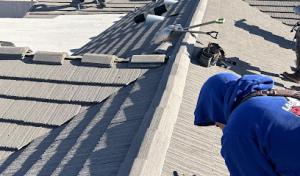
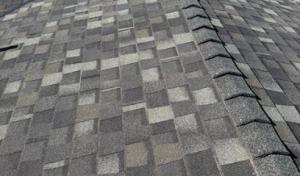
Superior Roofing
(760) 488-1371 superiorroofers.org
18404 Sutter St, Hesperia, California
4.7 from 35 reviews
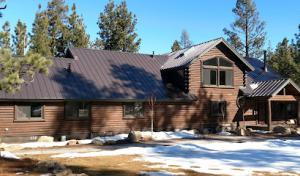
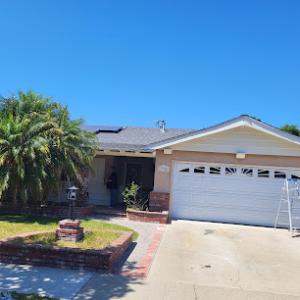
Verde Roofing & Exteriors
17130 Sequoia St STE 206, Hesperia, California
5.0 from 15 reviews
Residential Green Home Remodeling Roofing Exterior Painting Window & Door Replacement Patio Covers Artificial Grass
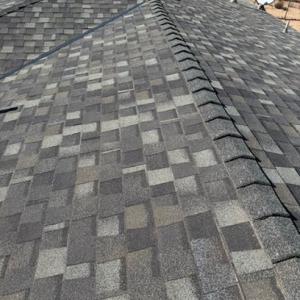
Superior Roofing
(760) 488-1371 superiorroofers.org
18404 Sutter St, Hesperia, California
4.7 from 35 reviews
Superior Roofing, a third-generation family-owned business, has been providing quality roofing solutions for over 36 years in the High Desert region. Specializing in both residential and commercial roofing, our services include roof replacement, shingle roofing, and emergency repair. We proudly serve Hesperia, Victorville, and Apple Valley, CA. Our commitment to quality workmanship is backed by superior warranties, ensuring peace of mind for every client. Whether you need leak detection or storm damage repair, our experienced team is here to help. Contact us today to schedule a free quote and experience our exceptional service.
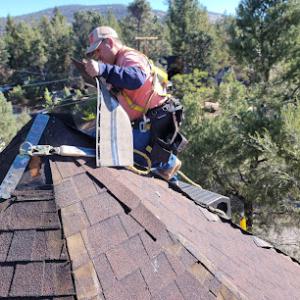
Do it all roofing
(760) 524-1399 doitallroofing.net
Hesperia, California
5.0 from 12 reviews
#1 Pick for All your Roofing Needs. Anything Under The Sun We Do It All!
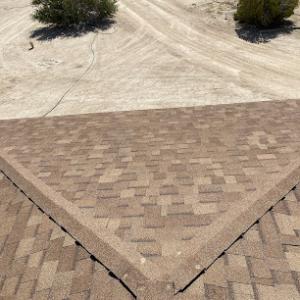
Aal's Roofing
16111 Vine St, Hesperia, California
4.2 from 5 reviews
Rely on Aal's Roofing for residential and commercial roofing services such as roof repairs or replacements in Hesperia, CA. Call for a free estimate now.
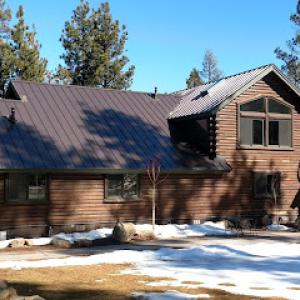
C.S. Construction & Roofing
(760) 559-8138 csconstructionandroofing.com
Serving
4.8 from 33 reviews
Protect your largest investment with our reliable roofing services. C S Construction and Roofing is a locally owned and operated roofing company currently serving Hesperia, CA and surrounding communities. If you want to make your roof last as long as possible, it is vital that you never put off a roof repair. Small issues with roofing become big issues in a hurry. No matter how major or minor the repair you need, we are here to help. We offer roofing services, roof installation and shingle roofing.
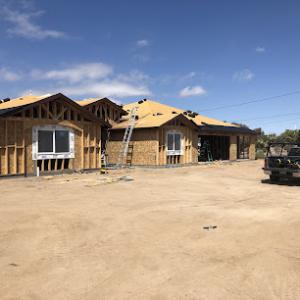
JVZ Roofing
8520 Oakwood Ave, Hesperia, California
3.7 from 3 reviews
JVZ Roofing serving all of Hesperia, Ca.
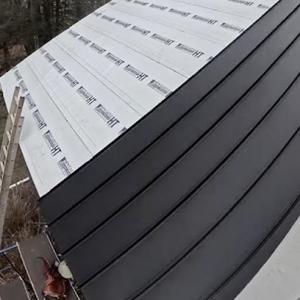
Victorville Roofing Company
(442) 255-1869 victorvilleroofingcompanyinc.com
Serving
5.0 from 44 reviews
Victorville Roofing Company proudly serves Victorville, CA with reliable, professional roofing services available 7 days a week. We specialize in roof inspections, roof repairs, new roof installation, leak detection, shingle replacement, storm damage repair, tile roofing, flat roofing, and ongoing roof maintenance. Our team focuses on quality craftsmanship, durable materials, and honest service to keep your home safe and protected year-round. If you’re searching for trusted roofing experts in Victorville, count on us for fast response, fair pricing, and long-lasting results.
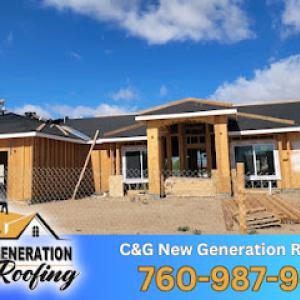
C&G New Generation Roofing
(760) 987-9666 cgnewgenerationroofing.com
Serving
5.0 from 48 reviews
C&G New Generation Roofing is a trusted roofing contractor in Victorville, Hesperia, Apple Valley, and the High Desert, offering top-quality residential and commercial roofing services. Our expert roofers specialize in roof repairs, replacements, and new installations using durable materials like asphalt shingles, tile, metal, and energy-efficient foam roofing. Whether you need a leaky roof repair, storm damage restoration, or full roof upgrade, we provide weather-resistant, long-lasting solutions. Licensed and insured, we offer gutter installation, roof inspections, emergency repairs, and solar-ready roofing options. Call today for a free estimate and expert consultation, and experience the best in local roofing solutions!

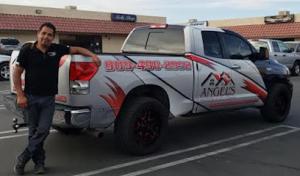
Angels Roofing
(909) 496-2952 www.angelsroofingincca.com
Serving
4.9 from 29 reviews
Family owned serving southern California since 1991, ANGELS ROOFING INC is your solution for all your roofing needs. Whether you need a new roof installed, an old roof repaired, or any type of roofing material, we are committed to providing top-notch service and quality workmanship. With over three decades of experience, our skilled technicians are ready to tackle any roofing project, big or small, ensuring your roof stands strong for years to come. Now offering Financing, military and veterans discounts.
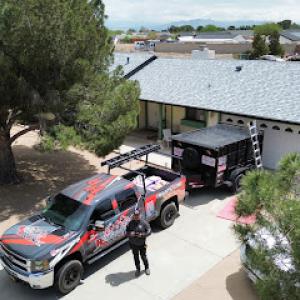
Hernandez Roofing Services
Serving
4.8 from 38 reviews
Licensed & Insured. Please call 📞 for a Free Estimate

Best Bet Roofing
(760) 694-3075 bestbetroof.com
Serving
5.0 from 90 reviews
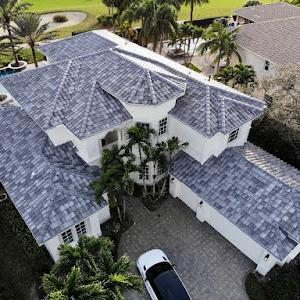
** FINANCING AVAILABLE ** Licensed roofing contractor with 20+ years of roofing experience. Specializing in new roof installation, roof repairs and roofing maintenance. We offer installation and repairs on composition asphalt shingle, roof tile and low slope roofing systems. Also specializing in solar roofing assessments, racking installation and consulting for roof installation of solar racking systems.
All Seasons Roofing
Serving
4.5 from 13 reviews
With All Seasons Roofing, your home is in expert hands. As a leading roofing contractor in the Apple Valley area, we offer comprehensive services to protect and enhance your property. Our skilled team provides durable and high-quality roofing solutions for every season, ensuring your home remains safe and secure. Located at 10281 Silverberry Street, we are dedicated to delivering professional craftsmanship and superior customer service on every project, from repairs to complete installations.
In this high desert, insurers are increasingly cautious even when the damage seems primarily from wear, wind, or a storm rather than direct fire damage. California's wildfire-driven trends echo here, and carriers may reassess risk factors after events that put homes with sun-baked roofs on the radar for higher premium or tighter coverage. The result can be more scrutiny on a roof's age, the material type, and how visibly damaged the surface appears. For a neighborhood with long, hot summers and seasonal gusts, that means a claim can hinge more on the roof's condition than the incident itself.
Insurers in this market tend to look closely at how old the roof is, what it's made from, and what can be visibly observed from ground level or a quick attic check. If the roof shows accelerated aging from UV exposure, repeated wind uplift, or mounting debris, the claim may be treated as higher risk. Homes perceived as higher wildfire exposure within San Bernardino County can be subject to tighter underwriting, even for problems caused by non-fire events. That emphasis on material and wear means a routine replacement evaluation may become central to coverage decisions rather than a simple repair.
Claim support improves when prior warranties are preserved and easily referenced, and when condition photos, inspection notes, and installation records are organized and accessible before damage occurs. Before a loss, gather purchase dates, contractor details, and any maintenance history. If a claim arises, these documents help show the roof's baseline state and how a current condition compares. In Hesperia, keeping a ready archive of recent inspections can make a meaningful difference in the claim review process.
If wind, heat, or a storm leaves the roof compromised, contact the insurer promptly and document the scene with clear photos from multiple angles. Note any visible wear patterns and cross-check them with the roof's age and original material. Engage a licensed local contractor who understands desert exposure and wildfire-related considerations, and request a written assessment that includes the roof's expected remaining life and material-specific vulnerabilities. This grounded approach helps align expectations and supports a fair evaluation when a claim is filed.
Connect with contractors who help homeowners navigate the claims process from damage assessment to final approval.
In this High Desert environment, asphalt shingles stay common for a reason, but the heat and UV exposure shorten their life compared to milder climates. The provided local cost ranges run per square from $350 to $750 for asphalt shingles. Expect labor to cluster around the hotter months and potential scheduling delays after monsoon storms or high-wind days. When you're budgeting, plan for rapid edge wear and color fading that can drive early replacements if you choose darker shingles that absorb more sun.
Metal offers durability against sun, wind, and dust, and can perform well with proper underlayment in the desert. The local cost range is $700 to $1200 per square. In the field, you'll encounter faster installation timelines when temperatures are cooler, but summer heat can slow crews and increase labor costs due to safety measures. Metal also tends to be lighter on the structure than concrete or clay tiles, which helps with overall roof loading, yet consider solar reflectance options to maximize energy savings.
Clay tile stands up to desert heat but adds substantial weight. In Hesperia, costs can rise when homeowners switch from lighter materials to clay or concrete tile because the roof structure may need evaluation for added weight. Clay can offer excellent longevity but may require structural reinforcement and more robust underlayment. The local price range is $1100 to $2100 per square, and installation can be schedule-intensive in peak heat.
Concrete tile shares many characteristics with clay in terms of weight and UV resilience. Expect the higher end of the local range, $900 to $1700 per square, with similar considerations for structural support and wind resistance. In practice, concrete tiles can be more forgiving for extreme sun exposure but demand careful fastening to handle desert winds.
Wood products can be attractive and natural-looking, yet sun and wind can shorten life and increase maintenance. The cost range is $700 to $1300 per square. In desert conditions, prep for faster drying times, higher curing temperatures for adhesives, and a heightened risk of rapid moisture cycling affecting durability.
Synthetic or composite options are increasingly popular for their UV resistance and low maintenance. The local range is $600 to $1100 per square. These materials can balance lighter weight with decent life expectancy, but confirm warranty specifics and local wind requirements for Hesperia's gusty days. Scheduling remains tied to summer heat and storm-season patterns, which can shift delivery timelines and crew availability.
Don't let upfront costs delay a critical repair - these contractors offer payment plans to fit your budget.
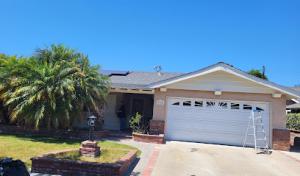
Verde Roofing & Exteriors
17130 Sequoia St STE 206, Hesperia, California
5.0 from 15 reviews
For Hesperia properties, a full reroof generally requires a permit through San Bernardino County, with the building department reviewing project scope and roofing materials. This means your chosen roofer should submit drawings or notes that clearly specify the new roofing system, underlayment, venting, and any added attic insulation. The review helps ensure the installation stands up to the High Desert sun, wind, and temperature swings that shape local wear patterns. Treat this as a non-negotiable part of starting the job, not an afterthought or change-order later.
Hesperia reroof projects should expect scheduled inspections during installation and after completion rather than treating roof replacement as a no-permit maintenance item. Typical checkpoints include framing or deck integrity, underlayment thickness, roof venting strategy, and final fire-code compliance. Inspections are your practical safeguard against shortcuts that can affect performance under intense UV exposure and dusty winds. Align the schedule with the building department early to avoid delays that compound project time in the Mojave glare.
Homeowners in this jurisdiction should confirm that the contractor carries a current license and workers' compensation because permit and inspection compliance can intersect with warranty and fire-code expectations. Ask for proof of licensing, workers' comp, and at least a few recent local references. Ensure the contractor follows county-approved methods for fasteners, sealants, and venting to withstand the heat cycles and possible foothill winds. If fines or rework loom due to a missed permit or skipped inspection, the long-term costs far outweigh any short-term saving.
Tile roofing is a common sight on homes in this area, and that weight pattern drives many reroof decisions. Concrete and clay tiles are heavier than asphalt or metal, so when you're replacing a roof, you'll need to verify that the existing framing can carry the load, especially if the project involves resetting tiles or adding a lighter system. In high desert conditions, the week-by-week temperature swings and UV exposure can reveal weak spots in framing sooner, even if the tiles themselves have served well for decades. If original framing is marginal, a lighter coping option can prevent the need for a full structural upgrade.
Because tile roofing is common in this market, many homeowners face decisions about resetting existing tile, replacing broken field tiles, or converting to a lighter system during reroofing. Resetting intact field tiles can save material expense and keep the profile you're used to, but it demands careful inspection of the underlayment and flashings. In the High Desert sun, underlayment and fasteners endure more rapid degradation than the visible surface, so the reroof plan should prioritize a robust underlayment strategy and accurate resealing around hips, ridges, and penetrations.
Concrete and clay tile roofs in the High Desert can outlast underlayment, so reroof scopes often focus on what is happening beneath the visible tile surface. The underlayment choice should resist UV exposure and temperature cycling, while also allowing for moisture management and wind uplift resistance. If the existing underlayment shows wear or has dimpled or blistered areas, replacement with a compatible, desert-ready layer is a prudent move that extends overall roof life.
Homes with older tile roofs require careful planning around material matching, breakage during removal, and whether the existing roof framing is suited to the chosen replacement system. If you're leaning toward a lighter system, confirm that fasteners, lay-out, and edge detailing align with the new material's weight and installation requirements. This reduces the chance of future tile breakage and helps maintain the roof's structural balance in Hesperia's challenging climate.
Find contractors who specialize in clay and concrete tile roofs, known for their durability and curb appeal.
Verde Roofing & Exteriors
17130 Sequoia St STE 206, Hesperia, California
5.0 from 15 reviews