Last updated: Apr 19, 2026
Marina's location on Monterey Bay exposes roofs to salt-laden marine air that can accelerate corrosion at flashing, fasteners, vents, and roof-edge metals. Salt deposits settle on surfaces and, with daily heating and cooling, create a corrosive cycle that eats into vulnerable metal accents long before other signs of wear appear. Flashings around chimneys, skylights, and transitions between roof planes take the brunt, so those joints deserve extra attention during inspections. If you have metal boot flashings, drip edges, or rake edges, expect more frequent resealing and, in some cases, replacement of corroded components to maintain a watertight seal.
Frequent coastal fog and humidity in Marina keep roof surfaces damp longer than inland areas, increasing moss and algae growth on aging roofs. This dampness slows drying after rain, which can accelerate the cycle of deterioration for organic substrates and fasteners. Moss and algae thrive on shaded, damp spots and can lift shingles or tiles over time if left unchecked. Near-edge gutters and undersides of eaves may show staining or softening sooner than anticipated. Expect to see higher maintenance needs on roofs with limited sun exposure or densely shaded sections, especially along north-facing slopes or overhang-heavy homes.
The city's mild Mediterranean pattern means roof wear is driven less by freeze-thaw and more by repeated wetting, drying, and salt exposure. Each wet season leaves a residue that cycles through moisture uptake, expansion, and contraction of roofing materials. Over years, this repeated wetting and drying accelerates aging, particularly for organic materials like wood shingles or shakes, and for composites that harbor moisture in micro-cracks. Even durable systems, such as clay or concrete tile, respond to salt-laden coastal air with faster edge degradation and faster wear at fasteners and sealants. The result is a roof that may look fine from a distance but shows hidden fatigue around penetrations and along eaves sooner than inland counterparts.
In this coastal climate, fasteners can corrode or lose holding power more quickly. Stainless steel or corrosion-resistant fixings help, but even these can degrade if flashings are repeatedly exposed to salt spray and moisture. Inspect sealants around penetrations for hairline cracks or drying shrinkage after wet winters and during foggy springs. Pay attention to galvanized or zinc-based components, which may show white oxidation or pitting earlier than expected. When flashing details are compromised, the risk of leaks increases, particularly where roofs meet walls or deck connections. Plan proactive resealing or flashing replacement in areas with visible corrosion staining or loose metal.
On aging roofs, algae and moss can anchor into surface granules and underlayment layers, shortening the life of shingles, shakes, or tiles. Coastal moisture plus fog creates a microclimate where these organisms can persist year-round. Cleaning methods must be chosen carefully to avoid activating surface aging or dislodging granules, and treatments should target the root causes-shade, moisture retention, and surface disruption-without harming coastal air quality or adjacent landscaping. Regular inspections should note any green or dark staining, soft patches, or lifted edges, especially on south- or west-facing elevations where sun exposure briefly dries surfaces yet humidity remains high.
Because wear is driven by ongoing wetting and salt exposure rather than severe freezes, the replacement timeline for coastal roofs can be shorter for certain materials, with more frequent checks on flashings, vents, and edges. A proactive approach emphasizes annual or biannual inspections focusing on moisture traps, corrosion-prone components, and penetrations. In practice, consider increasing the cadence of professional inspections after each heavy marine storm season and after any long spell of foggy humidity, since those periods magnify corrosion and moss growth. Early intervention-before surface failure, edge rot, or fastener loosening-preserves roof integrity and minimizes interior risk.
Late spring through early fall is the preferred reroofing window for homes with bay exposure. Winters are wet enough to interrupt tear-off, dry-in, and inspection scheduling, so planning ahead for dry, clear days helps avoid delays. In practice, you'll target a stretch when morning fog has burned off and inland humidity isn't pushing rain into late-day decisions. If a storm sneaks in early fall, you shift to shorter, safer tasks and lock in a backup week once the weather settles. The goal is to complete tear-off, underlayment, and inspection during reliably dry cycles so the new system anchors solidly before the first winter squalls.
Strong coastal winds in spring can complicate shingle handling, underlayment placement, and safe material staging on exposed roofs near the bay. On a windy day, you'll want a staged plan: secure tarps and edge protection the moment materials arrive, set conservative rows at a time, and keep a clear path for crew movements along the eaves. Pay special attention to underlayment laps and fastener alignment when gusts test each pass. For roofs with a higher coastal slope or many hips, consider extra temporary anchors for bundles and a dedicated wind break to keep dusty debris from blowing into nearby yard spaces. Coordination with the crew to time heavier lifts for lighter, calmer morning hours helps prevent blown shingles and misaligned underlayment. If a forecast shows persistent winds, practical crews will pause with a plan B for an indoor day or a light inspection-only session to prevent weather-induced setbacks.
Hot late-summer afternoons are not as aging-critical as inland heat, but they still affect crew comfort and material handling. Plan the daily rhythm to start early and finish before peak heat, especially on dark shingles or tiles that can absorb sun. Hydration stations and shaded breaks keep performance steady and reduce the risk of heat-related errors. Materials should be staged in shaded spots when possible, with tarps positioned to shield from direct sun and radiant heat bouncing off the roof surface. During heat spells, you may adopt shorter shift windows and more frequent inspections of fasteners and edge details to ensure the installation remains precise despite fatigue. A practical approach is to dedicate the hottest days to dry-in and fastener checks, reserving more physically demanding tasks for cooler mornings.
Given salt air and persistent fog, flashing and corrosion resistance deserve extra attention. Inspect every connection point-ridge caps, step flashing, and chimney penetrations-with a critical eye for tight folds and clean sealant lines. Coastal moisture can reveal subtle leaks later, so emphasize a thorough attic and interior check once the roof is dry-in and before the final inspection. If using metal components, confirm finishes are rated for saline exposure and that coatings have full coverage at all seams. For shingle installations, ensure that starter courses are aligned to resist wind uplift, and that hip and valley areas receive meticulous sealing to deter moisture intrusion from foggy mornings. This localized timing, wind-aware staging, and heat-conscious workflow help the roof withstand Marina's blend of salt-air rigors and seasonal weather.
Scudder Roofing Company
(831) 373-7212 www.scudderroofing.com
3342 Paul Davis Dr, Marina, California
4.9 from 37 reviews
Scudder Roofing specializes in all types of roofing and roof repairs as well as waterproofing, seamless gutters, skylights, and roof maintenance. A full-service residential and commercial roofing contractor, we serve clients all over Monterey, Santa Cruz, and San Benito counties. From tile, slate, custom and specialty metal to shingles, shake roofs, solar and so much more, the Scudder name has been synonymous with excellence since 1982. Give us a call today at 831-373-7212 for a free roofing estimate or visit our website for more information about our roofing company and the skilled construction services we can offer you.
Ross Roofing & Construction
(831) 394-8581 www.rossroofing1950.com
742 Neeson Rd Suite D, Marina, California
4.6 from 14 reviews
Ross Roofing & Construction is a trusted team of roofers in Monterey, CA, providing reliable and affordable roofing solutions backed by decades of experience. Our licensed, bonded, fully insured, and BBB-accredited professionals specialize in new roof construction, re-roofing, and roof repair for homes and businesses. We also offer expert services in gutters, sheet metal fabrication, foundation waterproofing, walkout decks, and real estate inspections. From minor leaks to complete replacements, we handle every project with precision and care. Contact Ross Roofing & Construction today for dependable roofing and exterior services throughout Monterey County.
Premo Roofing Company
(831) 443-3605 www.premoroofing.com
Serving
4.6 from 69 reviews
Premo Roofing is a full-service company serving residential and commercial clients in Monterey, Santa Cruz and San Benito Counties.
Dority Roofing & Solar
(831) 375-8158 dorityroofing.com
Serving
5.0 from 6 reviews
Dority Roofing & Solar has been providing high-quality roofing services on the Monterey Peninsula since 1996. Because we have this level of experience, we are prepared for all kinds of roofing needs. With our friendly, prompt, and professional service, we tailor to each customer’s specific wishes. As a result, our customers are more than satisfied with the work we perform for them. Because we source a wide variety of roofing products, you’ll find a roof that has the style, color, and material that you want. If you have a custom roof in mind, please contact us to discuss your ideas. Our portfolio includes extraordinary roofing projects in the area, and our staff will assist you in creating your vision.
Coastal Roofing & Solar
(831) 324-4908 www.coastalrs.com
Serving
5.0 from 19 reviews
Coastal Roofing and Solar is a locally owned family oriented company with extensive background in the local construction industry. With over 35 years of combined ownership experience, over 56 years of combined front office customer care experience and over 90 years of combined local installation experience our mission is simple: Treat every person and each property with the highest respect and provide the right job scope to ensure the best investment return for each individual project whether residential or commercial, large or small. Each job is customized for the customer. Roofing, solar and waterproofing, both retrofit and new construction.
Monterey Bay Roofing
(831) 901-4810 www.montereybay1.com
Serving
3.3 from 7 reviews
At Monterey Bay Roofing, Inc., we take great pride in being the top provider of residential and commercial roofing services for our neighbors and their families in Monterey, CA. With over 40 years of experience in the field, our team of skilled and highly qualified roofers is ready to provide you with the finest quality roofs, using only the best materials at competitive prices.
Kennedy Roofing
(831) 254-4900 kennedyroofing.net
Serving
5.0 from 13 reviews
Kennedy Roofing has been established over more than 20 years in the business completing work of exceptional quality throughout Watsonville and the surrounding cities. Our team of skilled roofers has the tools and the experience to confidently offer a comprehensive range of services for your roof. We service in general inspections, repairs of all scopes, the installation of brand new roofs and maintenance such as pressure washing. Beyond roofs themselves we also install seamless gutters and solar panels adding great value to your home. We work with you to make the process as convenient as possible and will work with you to get your project completed to your full satisfaction before receiving payment.
Earl Deal Roofing
(831) 217-4425 earldealroofing.com
Serving
4.7 from 11 reviews
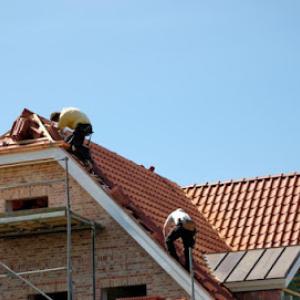
Earl Deal Roofing is a reputable & quality roofing contractor in Salinas, CA! We have over 9 years of experience! Our company is licensed and insured! Call us for professional roofing services. "We have 5% off discount on labor cost for senior and military" Contact now!!
Slaton & Son Roofing
(831) 449-0599 slatonandsonsroofing.com
Serving
4.9 from 28 reviews
Family Owned & Operated Roofing Company with 44 Years in Business.
Legacy Roofing
(831) 753-7663 www.legacyroofing.net
Serving
5.0 from 2 reviews
Our company has provided professional roofing services in new construction, roof replacement, roof maintenance, and roof leak repairs for over 20 years. We service both private and public-sector customers as well as general contractors. Our knowledgeable staff works with manufacturers to provide custom solutions designed to provide our clients with the best possible finished product for their roofing and waterproofing needs.
Redwood Roofing
(831) 888-7790 redwoodroofing.com
Serving
5.0 from 155 reviews
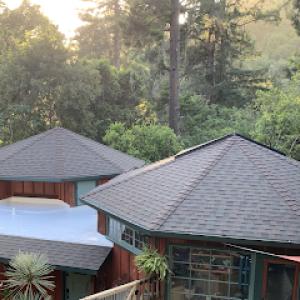
Need reliable roofing solutions in California? Serving Soquel, Freedom, Capitola, Aptos, Los Gatos, Aromas, Ben Lomond, Santa Cruz, Watsonville, Bonny Doon, Boulder Creek, and nearby areas, we’re here to assist! Our team specializes in roof replacements and repairs for flat and pitched roofs, both commercial and residential. From asphalt shingles to skylight repairs, we focus on quality and safety to give you peace of mind. Reach out for trusted, expert roofing care you can rely on.
Moriarty's Roofing
(831) 466-9948 www.moriartysroofing.com
Serving
4.8 from 350 reviews
We are a local company that has been serving Santa Cruz County for over 20 years. As a full service roofing contractor, we are able to provide outstanding quality work in the areas of residential and commercial roofing. We pride ourselves on providing quality installs with quality products. We offer products with lifetime warranties on both steep and flat roofing applications and back all of our installations with a 10 year craftsman warranty. Whether you are looking for a luxury option for those making a statement, are needing a new roof or roof repair, we are the company you are looking for. We enjoy challenging projects and will do our best to make sure you are satisfied before we complete the project.
Asphalt shingles are common in Marina, and they can perform well when moisture exposure is kept in check through good ventilation, algae resistance, and precise flashing details. The coastal fog carries moisture that can encourage algae growth and repeated damp cycles, so choosing shingles with built-in algae resistance and ensuring the attic is properly vented is essential. In practice, this means verifying ridge venting, soffit intake, and a continuous drip edge to manage condensation and wind-driven moisture at the eave. If the roof deck shows signs of prior moisture intrusion, pay close attention to underlayment quality and flashing around vents, skylights, and chimney penetrations. A well-sealed, properly ventilated system reduces the risk of premature blistering, peeling, and accelerated shingle granule loss near the Monterey Bay front.
Clay and concrete tile are established choices in the area, but their weight and the need for sound underlayment and flashing are especially important on older reroof projects. The sea breeze amplifies salt spray, so corrosion-resistant fasteners and properly sealed penetrations become more than just a detail. On older structures, confirm that the roof deck structure can bear the load, and that the underlayment provides a continuous, moisture-blocking layer beneath the tiles. Tile profiles should be installed with appropriate headlaps and spacings to prevent wind-driven moisture intrusion. Flashings at hips, valleys, and transitions must be continuous and corrosion-resistant, and metal components should be compatible with salt exposure to resist staining and deterioration over time.
Metal roofing can perform well near the coast when corrosion-resistant components are used, while coastal fog and salt air demand careful material selection. Look for aluminized or galvalized steel with enamel coatings rated for salt environments, and confirm that fasteners are corrosion-resistant and integrated with a leak-free sealant system. A standing-seam profile tends to shed moisture efficiently and reduces exposed fasteners, which is advantageous in Marin coastal conditions. Pay attention to edge details, penetrations, and attic ventilation; improper sealing around vents and skylights is a common pathway for salt-laden moisture to penetrate the roof system.
Wood shakes face added moisture-related maintenance pressure in the foggy environment, as prolonged dampness can lead to accelerated rot and algae growth unless coated or treated regularly. If choosing shakes, ensure a durable, breathable underlayment and proper clearance from the eaves to promote drying. Slate provides long life but requires meticulous flashing and a structurally sound deck to support its weight. In regions with persistent coastal dampness, slate installations often benefit from additional moisture management details and careful leak-path detailing around fasteners and edge transitions.
In this coastal setting, leaks often trace back to flashing and metal transitions that deteriorate faster under salt exposure than the field roofing itself. The salty air accelerates corrosion on metal flashings, step and counter-flashes, and around dormer valleys. If you notice tiny wisps of moisture near eaves, chimneys, or skylines, inspect the metalwork first. A neglected joint or cracked sealant here can channel water right under shingles or tiles, even when the visible roof surface still looks sound. Regular checks after heavy salt spray events or winter storms pay off, because timing weathered edges is cheaper than replacing an entire roof later.
Older roofs discover their soft underbelly when moss and algae from persistent coastal fog begin to spread. The buildup traps moisture and compounds surface wear, softening shingle edges and lifting granules that protect against sun and rain. In practice, you'll see faster granule loss and more pronounced cupping or curling in shaded, fog-prone corners of the roof. The real danger isn't a cosmetic stain-it's moisture wicking into the underlayment or fasteners over time. Proactive cleaning and careful attention to roof penetrations help maintain airflow and dry zones, reducing rot and the need for earlier replacement.
Wind-driven winter rain along the coast can expose weaknesses around penetrations, skylights, and roof edges even when the main roof covering still looks serviceable. Gusts can force rain under flashing or overhang details where seals have learned to cope with decades of harsh exposure. When you notice damp spots around a skylight curb, vent boot, or chimney flashing, treat the entry point as a symptom rather than a single blemish. Replacing compromised flashing, resealing seams, and re-fastening edge materials can prevent a small leak from becoming a costly internal problem.
Coastal conditions mean every roof component ages in a hurry: sealants crack, nails corrode, and underlayment loses its bite sooner than inland counterparts. The prudent approach is to schedule regular inspections that focus on flashing integrity, metal-to-roof transitions, and the moss-prone zones. If you catch early signs of deterioration-lifted edges, rust around fasteners, or persistent damp spots-address them before they propagate. Waiting too long invites cascading damage to sheathing and interior structures, turning localized fixes into full roof replacements.
Find contractors experienced in skylight installation, flashing, and leak repairs to bring natural light into your home.
Scudder Roofing Company
(831) 373-7212 www.scudderroofing.com
3342 Paul Davis Dr, Marina, California
4.9 from 37 reviews
Ross Roofing & Construction
(831) 394-8581 www.rossroofing1950.com
742 Neeson Rd Suite D, Marina, California
4.6 from 14 reviews
Marina sits along Monterey Bay, where salty air and persistent fog constantly interact with roofing materials. In this environment, flashing, fasteners, and accessory metals face more rapid corrosion than inland equivalents. Coastal moisture can push damp cycles into attic spaces and underlayment, accelerating wear on underlayments and vent details. The typical Marinа roof is exposed to higher humidity and more frequent salt spray, so expect shorter intervals between inspections and more attention to sealants around chimneys, skylights, and plumbing vents. When wind-driven spray reaches eaves and hips, shingle edges and sealants can deteriorate faster, requiring more frequent maintenance or earlier replacement in some homes.
Typical Marina material costs run about $350 to $650 per square for asphalt shingles, $700 to $1400 for metal, $1100 to $2000 for clay tile, $750 to $1600 for concrete tile, $600 to $1300 for wood shingles or shakes, and $1000 to $2000 for slate. In coastal conditions, costs can drift upward when corrosion-resistant flashing, fasteners, and accessory metals are needed to withstand salt exposure. For a coastal home, it's not unusual to pay a bit more for premium edge metals, corrosion-resistant fasteners, and sealed step flashings that resist moisture intrusion. Tile roofs, while durable, require careful detailing around penetrations and flashings to prevent water intrusion in damp winters. Metal roofs may deliver longer life in salt-air climates, but must be installed with compatible fasteners and coatings to avoid premature failure from galvanic corrosion. Asphalt remains a practical choice for many, but expect steeper maintenance in damp seasons to keep algae and moss at bay.
Re-roofing demand can tighten after winter storm periods, and tile-heavy architectural styles in the broader Monterey Bay area can increase labor complexity compared with basic shingle replacements. When planning the schedule, align replacement with a dry window, since coastal fog can extend into late spring and early fall, complicating warranty timelines and material handling. Labor complexity grows with tile and slate installations, which often require precise layout and substrate preparation to handle coastal moisture. Budget a contingency for extra flashing and underlayment work in the coastal zone, where moisture management and corrosion resistance drive both upfront costs and ongoing upkeep.
Get a clear picture of your project costs upfront - no commitment required.
Scudder Roofing Company
(831) 373-7212 www.scudderroofing.com
3342 Paul Davis Dr, Marina, California
4.9 from 37 reviews
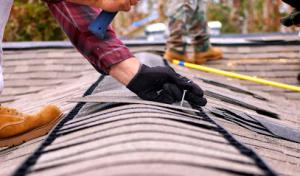
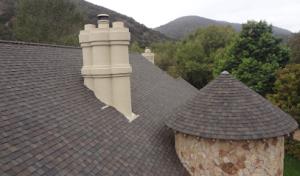
A full roof replacement requires a building permit through the City of Marina Building Department. The coastal climate, salt spray, and winter moisture mean that reroofing is treated as a significant construction project, not a casual repair. Plan review focuses on structural compatibility, proper flashing at eaves and hips, and materials that resist corrosion and algae growth. A permit record helps ensure that the attic ventilation, gutter connections, and seismic tie-ins meet local standards, which matter when the fog and damp conditions push through the insulation.
The local process includes plan review and inspections at key milestones rather than treating reroofing as a no-paperwork maintenance item. You will typically submit roof plans, product data, and details showing underlayment and flashing methods. Expect the City to check that the new system addresses salt exposure locations, storm water drainage, and roof-to-wall interfaces. Inspections verify that underlayment is continuous, fastening patterns align with local wind and corrosion considerations, and flashings are integrated with skylights and vent pipes.
A mid-project inspection commonly occurs after deck or underlayment installation and before final roof coverings are secured. The final inspection is used to verify proper installation and flashing, and to confirm that attic ventilation remains adequate and moisture barriers are intact. These milestones provide formal sign-offs that your home has a compliant roof assembly suited to Monterey Bay exposure. Expect documentation requests and on-site checks of any retrofits for solar or attic venting.
Permit submission is commonly handled by the licensed roofing contractor, who can assemble the required drawings and product data. An informed homeowner keeps copies of permits, inspection notices, and any addenda from plan review. Clear communication with the contractor helps ensure scheduling aligns with weather windows and coastal advisories, reducing delays when marine fog and winter rain arrive. This coordination protects your investment against coastal wear.
When a roof issue in a Monterey Bay-adjacent climate evolves into a claim, expect insurers to look beyond a single heavy rain and more at long-term coastal wear. Salt air, persistent fog, and winter moisture accelerate corrosion, flashing failures, and algae growth. In these conditions, the problem often shows up as slow moisture intrusion rather than one dramatic event, which means the timeline of leaks and damage matters as much as the event that triggered the claim.
Marina homeowners should anticipate that California insurers will request photos, contractor documentation, and proof that roof replacement work was permit-compliant when evaluating wind and moisture claims. Clear photos of visible damage from multiple angles, along with dated, labeled evidence, help establish when problems began and how they progressed. Contractor records-photos taken during installation, details about materials, and notes on workmanship-can be decisive when credibility is on the line after a coastal storm or a series of foggy, damp days.
Because coastal roof problems often involve chronic moisture intrusion, documentation of when leaks began and how damage progressed matters. A well-kept log showing gradual discoloration, staining, or soft spots, paired with repair attempts, can clarify the claim's scope. Insurers will compare the observed condition to the claim narrative, so accurate dates and sequence of events reduce friction and help set reasonable expectations for settlement.
Statewide carrier scrutiny in California means homeowners in Marina benefit from keeping inspection records, permit records, and before-and-after photos for any reroof or major repair. A folder or digital archive with dated inspections, maintenance notes, and photo progressions can streamline the claim review. Organize materials by year and include a concise summary of what occurred, when, and what actions were taken to address concerns as coastal conditions evolved.
Find contractors who integrate solar panels or solar shingles into your roof for long-term energy savings.
Scudder Roofing Company
(831) 373-7212 www.scudderroofing.com
3342 Paul Davis Dr, Marina, California
4.9 from 37 reviews
Ross Roofing & Construction
(831) 394-8581 www.rossroofing1950.com
742 Neeson Rd Suite D, Marina, California
4.6 from 14 reviews