
Last updated: Apr 19, 2026
Redwood City's Mediterranean pattern means most leak exposure happens in the winter rainy season, while the long dry season can hide failures until the first major storms return. That contrast drives a practical approach: schedule a thorough, damage-focused roof check as the calendar flips toward late fall, then follow up with a mid-winter review after the heaviest rains. In practice, you want a careful attic and exterior inspection before the winter rains begin to enter the roof assembly, and a second pass mid-winter when water intrusion is most likely to show up on ceilings, walls, and interior ceilings. During dry months, rain-driven signs can be scarce, but keep an eye on any newly visible staining after a series of storms or a heavy wind event, and treat that as a potential warning rather than a one-off blotch.
A practical trigger for timing work is the transition between seasons. Plan to re-check exposed flashing, vents, and edge detailing after the wet season starts and after at least one major rainfall event. For homes with tile systems or wood products, the timing matters even more because moisture that penetrates through early-season warm spells can worsen in colder, misty weeks. In other words, a proactive inspection before the wet season is a hedge against cascading damage when the rain arrives.
Bay-side humidity and fog influence drying conditions on roofs in and around here more than inland heat alone, which matters for wood products, tile systems, and underlayment sequencing. That moisture can keep underlayment damp longer than expected and delay shingle or tile adhesive curing, particularly on north-facing slopes or shaded sections. When planning repairs or a re-cover, consider how humidity interacts with each layer: underlayment needs a dry window to dry out thoroughly after installation, and tiles or shakes that sit in fog-logged microclimates can retain moisture, affecting long-term performance.
If a roof relies on wood shingles or shakes, pay close attention to prolonged foggy periods without clear drying sun. Wood products are more susceptible to moisture swelling, which can reveal itself only after several dry days or warm sun returns. In practice, schedule wood-related work for a stretch with several dry days back-to-back, allowing the surface to dry fully between steps. With tile systems, verify that the underlayment has not only been installed but has had an ample window to dry before the next tile course is set, especially in areas with limited sun exposure.
The city's strong summer sun accelerates surface aging on exposed roofing, especially on south- and west-facing slopes, even when rainfall is low. This means that certain elevations or orientations may show wear earlier than others and should be prioritized in preventive maintenance. On roofs with clay or concrete tiles, sun exposure can lead to higher rates of substrate checks, hairline cracks, or color fading that signals underlying material stress. For asphalt shingles, look for edge curling or granule loss that seems to outpace what would be expected for a dry year. In practice, you should schedule targeted inspections for these high-sun zones at the end of the dry season to catch early signs of deterioration before winter rains resume.
When planning replacement timing, factor solar exposure into the decision about which materials to install. Heavier, more heat-tolerant tile or metal options may fare better in high-sun zones, while dense underlayment that resists UV degradation can help extend service life for inherently fragile coverings. A staged approach can work well: address the most sun-exposed faces first, then move to shaded or roof-angled sections in a follow-up session, aligning labor bursts with the dry season to maximize curing and sealing opportunities.
Coordinate underlayment sequencing with the local climate pattern. In damp coastal microclimates, the underlayment should have a clear window to dry between installation steps, which reduces the risk of trapping moisture beneath tiles or shingles. For re-roofs, prioritize areas that showed moisture ingress during winter storms, then tier work outward to less vulnerable zones. If a full replacement is in order, align the new roof installation so the most critical weatherproofing layers-underlayment, flashing, and vent seals-are completed during a window with predictable dry days, minimizing the chance of trap moisture during the cure period.
Document visible patterns of wear by slope and exposure. South- and west-facing pitches deserve extra attention during the dry-season checks because accelerated aging can translate into earlier retrofit needs. Use the information from seasonal inspections to inform future maintenance cycles, ensuring smaller repairs don't escalate into major leaks once winter returns. In short, treat timing as a two-part process: prevent during the wet season with preemptive checks, and verify everything stayed sound through the long dry season before the next rains arrive.
In this Peninsula climate, clay and concrete tile dominate, and replacements routinely involve evaluating the underlayment and flashings beneath reusable or partially reusable tile rather than focusing only on the tile surface. The combination of dry summers and foggy, moist winters shapes how long a tile system lasts and when a re-roof makes sense. The goal is to keep water out while preserving the structural deck and fasteners that hold the tiles in place through seasonal swings.
When planning a tile replacement, start with the underlayment and the flashing details beneath the surface. The wrong underlayment choice can trap moisture against the deck during winter damp and foggy mornings, leading to deck rot or hidden corrosion over a few cycles. In practice, this means choosing a durable, moisture-tolerant underlayment that plays nicely with the existing roof geometry and any reuse plan for the tile. Flashings around chimneys, vents, and skylights should be inspected for corrosion or lift where salt-laden coastal air may reach; even tiles that look serviceable can hide compromised flashings beneath. For a retrofit, consider whether the existing battens and counter-battens remain sound, or if upgrading to a breathable, compatible counter-batten system will extend life without compromising tile performance in the dry season.
Older Peninsula housing stock often carries heavier roof systems, so deck condition and structural suitability are critical when switching between tile, composition, and metal. Before deciding on a replacement, have the deck structure evaluated for acceptable load and for any signs of sagging, nail pops, or framing deterioration. Even if the tile itself appears intact, a weakened deck can shift loads during heavy rains or high-wind events and cause tile loss or cracking. If a switch to lighter materials is considered, verify that the framing can bear the new configuration and that connection points remain secure through seasonal movement. In practice, this means a careful structural assessment, particularly on homes built in mid-century periods when original framing practices may not align with modern tile or metal systems.
Coastal moisture cycles affect tile attachment details and the condition of battens, valleys, and penetrations. Loose or corroded fasteners can allow tile movement during storm surges or heavy fog moisture, even if the surface tiles look fine. Inspect battens for rot, swelling, or delamination, and verify that valley details shed water efficiently without creating trapped moisture. If battens are compromised, plan for replacement and re-seaming of flashing to maintain a continuous moisture barrier. When reusing tiles, ensure that old fasteners don't create failure points; some installations benefit from new nails or screws at critical rake and hip areas to prevent wind-driven uplift during the wet season.
Valleys and penetrations warrant special attention in this climate. Valleys are more vulnerable to moisture buildup from fog-condensation patterns and seasonal drizzle, so they should be cleaned and resealed as part of any replacement. Pay particular attention to the integrity of sealant joints around vent stacks and plumbing penetrations; degrading sealants can become vectors for slow leaks that are hardest to detect from the attic. Develop a maintenance rhythm that aligns with the wet-to-dry cycle: inspect after heavy rain events, reseal where needed, and anticipate re-fastening or re-seaming in areas showing signs of wear. This practical approach keeps a tile system serviceable through many cycles of moisture and heat, extending life without unnecessary full replacements.
Find contractors who specialize in clay and concrete tile roofs, known for their durability and curb appeal.
Alexander Roofing
(650) 454-6718 www.alexanderoofing.com
1414 Gordon St, Redwood City, California
5.0 from 19 reviews

RC Roofing Experts - Any Roof Repair & Installation
(650) 789-5040 roofrepairredwoodcity.com
Redwood City, California
4.9 from 33 reviews
Welcome to RC Roofing Experts - Any Roof Repair & Installation. Finding the right roof contractor can make the difference between a roof repair and installation that will go smoothly and you will get exactly what you paid for, and a project that can end with frustration and that will leave you without the roof you hoped for. At RC Roofing Experts we are commented to 100% satisfaction for every roof project we accept.

Alexander Roofing
(650) 454-6718 www.alexanderoofing.com
1414 Gordon St, Redwood City, California
5.0 from 19 reviews
When it comes to safeguarding your home, don't compromise on quality! At Alexander Roofing, we specialize in providing roofing services tailored to meet your needs. Our skilled team is committed to delivering exceptional craftsmanship and outstanding customer service. We offer Roof Installation, Roof Repair, Roof Inspections, Roof Tune-Up, Gutter and Downspouts Installation and Repair etc...
Andes Roofing
(650) 995-3565 www.andesroofingcorp.com
Serving
5.0 from 15 reviews
Andes Roofing- roofing contractor LIC#1098858, based in Redwood City and serving the peninsula and wider Bay Area.I specialize in all types of residential roofing. I look forward to connecting with you as your local roofer.

Above All Roofing Services
(650) 622-9780 www.aboveallroofingservices.com
Serving
5.0 from 15 reviews
As certified roofing experts, we take pride in the work we do, and as Bay Area residents, we take pride in the community we serve. To us, you're more than just a customer, you're our neighbor, and we'll provide you with personal and professional service you won't get anywhere else.
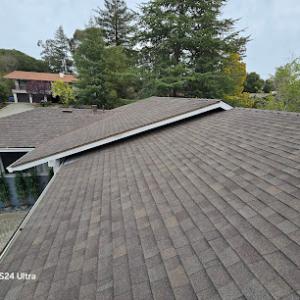
Bay View Roofing
(408) 705-0059 www.bayviewroofinginc.com
Serving
5.0 from 27 reviews
28 yrs experience, dependable, honest, informative, skilled.
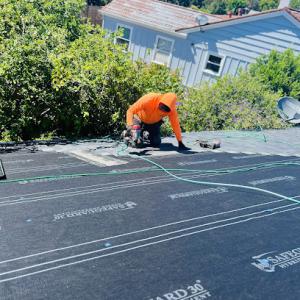
Zenith Roofers
(650) 670-0069 www.zenithroofers.com
Serving
4.8 from 25 reviews
We're a licensed, bond and insured family owned roofing business in Redwood City with more than two decades of experience. Our mission is to offer our neighbors in the Bay Area and its arounds the best quality work and experience with their roof replacements, repairs and new construction roofs. We offer different types of roof materials, such as composition shingles, presidential shake, wood shingles, torch-on flat roof systems, tile and more. We also offer gutter cleaning and replacement, sun tunnels and skylights installations and replacements. We take pride in what we do and aim 100% customer satisfaction.
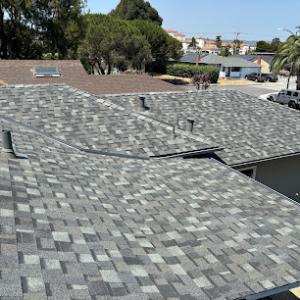
Signature Roofing
(650) 598-5444 www.signatureroofing.com
Serving
4.9 from 42 reviews
30 years specializing in local residential re-roofing using asphalt shingle products from GAF and CertainTeed. Free no obligation detailed written quote using a satellite measurement service for homes in San Mateo County and Santa Clara County. Request our highly rated "Roofing Process Guide." * Better Business Bureau A+ rating since 1993. * Contractor license in good standing with no complaints. * Carries $2M in liability insurance and required workers' comp. * Full time certified roofers, and dedicated cleanup crews. * Valid business license in your city. Visit our website today to learn more about the products we use, request our FREE Roofing Process Guide, and submit a request for a FREE detailed roof quote.

NR Roofing
(669) 345-4555 www.nrroofingca.com
Serving
4.9 from 155 reviews
NR Roofing CA is your trusted local roofing company in San Jose, California, offering expert repair, installation, and maintenance services for all types of roofs. Whether you need a quick roof repair or a complete new roof installation, NR’ team of professionals is ready to assist you today. With a rich legacy of providing exceptional roofing services across San Jose and Santa Clara County, NR Roofing CA has built a reputation for reliability, quality, and customer satisfaction that you can count on. NR Roofing offers all roofing services: New Roof installation and Roof Repair service, for commercial and residential properties in the Bay Area. We offer free quotes on roofing projects and welcome you to contact us for free consultation.

Dura-Foam Roofing & Solar Center
Serving
4.8 from 82 reviews
Dura-Foam Solar Center – Expert Foam Roofing, Solar Roofing & Coating Services in Menlo Park Dura-Foam Solar Center has proudly served Menlo Park and the Bay Area since 1981, specializing in high-quality foam roofing, shingle roof coatings, solar roofing installations, and power washing services. With over 20,000 satisfied customers, we combine decades of experience with the latest energy-efficient technologies to protect and enhance residential and commercial properties. Our team is committed to delivering durable, cost-effective roofing solutions and exceptional customer service from our longstanding location near the Dumbarton Bridge. Trust Dura-Foam for reliable roofing and sustainable energy upgrades tailored to your needs. Call Now!
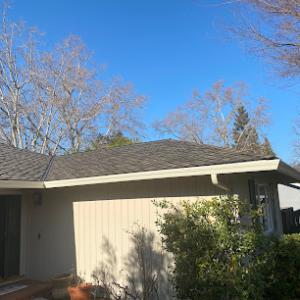
Jim Hageman Roofing
(408) 910-9190 jimhagemanroofingllc.com
Serving
4.8 from 25 reviews
WE’LL TAKE CARE OF ALL YOUR ROOFING PROBLEMS Our experienced roofers in San Jose, CA can handle all types of roofing projects with ease. We can perform: Roof installations on your newly built home Reroofing, to replace your damaged roof Roof repairs on any kind of roof Gutter installations, to replace your corroded gutters
ELM Roofing Contractors
(650) 249-0784 elmroofingcontractors.com
Serving
4.9 from 153 reviews
ELM Roofing Contractors is a local San Mateo CA. roofing company. We are licensed and insured with a C39 contractor license. We offer roof replacement, roof repair and roof inspections to customers in San Mateo CA. and the surrounding areas. Our team is built out of some of the best roofers in the bay area. We offer our service for all types of roofs and work with leading brands of roofing materials. All our work comes with a warranty. In addition, a project manager is assigned to give regular updates to the customer and supervise each roofing project. We take the safety of our roofers and customers seriously. Our company offers free onsite consultations. Contact ELM Roofing Contractors to schedule a meeting with one of our licensed roofers
Saber Roofing
(650) 368-9220 saberroofing.com
Serving
5.0 from 5 reviews
Saber Roofing, Inc. is a second-generation family-owned business established in 1980, known as the Platinum Roofing Company of the SF Bay Area. We specialize in standard roofing materials (composition shingles, wood shingles, torch-on flat roof systems, elastomeric coatings, fire-retardant shakes) and are skilled in slate application. We also install seamless gutters, downspouts, solar panels, sun tunnels, and skylights, with attention to attic ventilation, insulation, and flashings. Our installers use state-of-the-art materials and techniques. "We go the extra mile with daily progress reports and follow-up thank-you cards. This personal touch results in 80% of our work coming from customer referrals."
A full roof replacement in this area typically requires a permit through the City of Redwood City Building Division rather than being treated as informal maintenance. That means you'll be navigating a formal process, even if your project feels straightforward. Treat the permit step as an important safeguard for structural integrity, venting, and drainage, especially given the Peninsula's mix of dry summers and wet winters. Your contractor should be prepared to file the necessary plans, calculations, and specifications to satisfy local code expectations, rather than treating the job as a casual swap.
Plan submission in this climate-responsive market means detailing underlayment choices, flashing details, attic ventilation, and roof assembly components that perform well across winter rain and summer heat. Expect an iterative review period, during which the Building Division may request clarifications or adjustments. This isn't a sign of opposition to your project; it's a routine step to ensure that the roof system will handle the Bay Area moisture cycle and the Gold Coast microclimate that feeds fog and dew in winter. Keep documentation organized, and coordinate with your contractor to respond promptly to any requests so the review process doesn't stall.
Inspections occur at key milestones: pre-work to verify site conditions and permits, during underlayment or installation to confirm material compatibility and flashing integrity, and at final completion to ensure the roof is weather-tight and safely tied into existing drainage. The third-party validations you receive in these checks help catch issues that can affect performance through the region's wet winters and dry summers. If a deviation is found, your crew will need to address it before passing, so plan around a potential re-inspection window.
Inspection timing can be affected by backlog and utility coordination, so schedule risk is a real local planning issue during active construction periods. Utility interruptions or required inspections on adjacent systems can push timelines outward. Build in buffers for weather delays and permit-related contingencies, and maintain open lines of communication with your contractor and the Building Division. When timing shifts, staying proactive with notifications helps prevent cascading delays that push your project into peak deterioration periods or late-season weather windows.
Before your project kicks off, confirm with your contractor that all relevant plan pages, calculations, and material specifications align with Redwood City's standards. Plan for a clear sequence of inspections, and keep a dedicated contact list for the Building Division and utility coordinators. If winter rains arrive while you're awaiting an inspection or during installation, ensure temporary measures maintain a dry work zone to protect the underlayment and interior spaces. By respecting the permit framework and coordinating closely with local authorities, you reduce the risk of schedule disruptions while safeguarding the roof's long-term performance through the region's distinctive seasonal cycle.
In this climate, the wet-winter and dry-summer cycle pressures roof systems differently than inland areas. You'll see faster underlayment wear on heavy tile and frequent need for replacement timing that aligns with Bay Area moisture patterns. That means the economics of a re-roof hinge on material choice, underlayment method, and how tear-off and disposal are handled when multiple layers or deteriorated underlayment are present.
A practical starting point is the material you choose, with common per-square costs framed around typical local ranges. Asphalt shingles run about 350 to 900 USD per square, providing a lower upfront option if you want to minimize tear-off complexity. Metal roofs sit higher, generally 800 to 1500 USD per square, and can offer longer service life in foggy, damp winters when moisture can challenge other materials. Clay tile, popular for the region's style, runs 900 to 1700 USD per square, while concrete tile sits around 800 to 1500 USD per square. Wood shingles or shakes average 650 to 1200 USD per square, and slate leads the pack at 1400 to 2300 USD per square.
Local cost dynamics push those base numbers higher on many re-roofs. Tear-off and disposal can be a significant portion of the project, especially with heavy tile systems or multiple layers. If old underlayment is deteriorated, anticipate additional labor and material for installation of a proper, weather-tight layer beneath the new roof. Heavier assemblies not only cost more per square for material but also require more robust roof decking and fastening, which adds to the toggle between life expectancy and replacement timing in this climate.
Beyond the material price, total project cost reflects Bay Area labor pricing and logistics. Scheduling a re-roof to minimize winter rain exposure helps protect the new system and may affect contractor availability and mobilization fees. While the base material range sets expectations, the final price often lands higher when you're accounting for tear-off, disposal, extensive underlayment work, or a roof with multiple skylights and penetrations that need careful detailing.
The most popular roofing material in the US. Find pros who install, repair, and replace asphalt shingles.
Alexander Roofing
(650) 454-6718 www.alexanderoofing.com
1414 Gordon St, Redwood City, California
5.0 from 19 reviews
The California insurance market has seen carrier pullbacks and premium pressure, and Redwood City homeowners may face more scrutiny around roof age, condition, and replacement justification. In practice, that means insurers look beyond a contractor's quick assessment and want to see a longer record of maintenance, recent repairs, and how underlayment held up through wet winters and dry summers. If a roof has lived through several seasons of Bay-influenced moisture, a file prepared for underwriting should show consistent upkeep, not a single last-minute repair.
Wildfire-related underwriting pressure at the state level can affect coverage terms even in Peninsula cities where the immediate roofing issue is age, leaks, or winter storm damage. Insurers may request detailed photos, maintenance history, and, in some cases, engineer documentation rather than accepting a simple contractor opinion alone. That shift may slow claims processing and complicate post-loss decisions, making proactive documentation essential before a claim arises.
During wet winters, the roof endures more wear than a dry-season-only system, so the clock on replacement can be sensitive to the last few years of weather. If a timely re-cover or retrofit is in sight, be prepared to present year-by-year maintenance notes, credible photos of flashing and valleys, and records showing operable ventilation and effective attic sealing. The goal is to demonstrate that the roof remaining life was evaluated with the climate patterns in mind, not just the current leak.
Ultimately, the insurance picture reinforces solid, timely maintenance as a homeowner responsibility. In practice, that means keeping gutters clear, replacing worn tile or shingles before leaks extend into the attic, and documenting seasonal checks after heavy rains or SF Bay fog cycles. If a claim ever touches long-term aging versus sudden damage, the underwriting response will hinge on the quality and completeness of your own records as much as the roof's visible condition.
Because the Peninsula climate adds a unique wrinkle-sunbaked summers followed by damp cold fronts-the insurer's eye often tracks how a roof performed across multiple seasons, not just the most recent storm. You can tilt the odds by establishing a maintenance cadence and retaining receipts, photos, and third-party assessments.
Connect with contractors who help homeowners navigate the claims process from damage assessment to final approval.

RC Roofing Experts - Any Roof Repair & Installation
(650) 789-5040 roofrepairredwoodcity.com
Redwood City, California
4.9 from 33 reviews

Winter storms and wind are the main short-term event risks called out for Redwood City roofs, often exposing weak flashing, ridge, valley, and penetration details. When the sun returns after a storm, you may see damp spots you didn't notice during dry months. In this climate, a single windy night can rip loose a vent boot or lift a shingle edge, creating a drip that travels along a deck or ceiling.
Wet winter conditions reduce roof access and create slippery work surfaces, which can delay permanent repairs and make temporary protection more important. If gutters are clogged or valleys sit under tree debris, a modest storm can flood a seam that would have failed during summer. Plan for inclement weather when scheduling inspections and temporary tarping, and keep a clear path to the roof for quick action during a lull in rain.
Because long dry periods can mask active leak paths, the first significant winter storms often reveal problems that were not obvious during summer. Pay attention to attic signs: unusual warmth, sudden condensation, or mold near penetrations. Inspect round penetrations, skylights, chimneys, and vent stacks after heavy rain and before the next front moves in. If you notice new stains, treat them as red flags and prioritize a safe, timely assessment by a qualified roofer.
If a leak path is suspected, stage quick temporary protection before rain arrives: a waterproof tarp secured with sandbags, and careful footwork to avoid slipping on wet roofing surfaces. When winter storms threaten, callers should have a prioritized repair plan ready. Act now to prevent interior damage too.
When you can't wait, these contractors offer fast response times to stop leaks and prevent further damage.
Alexander Roofing
(650) 454-6718 www.alexanderoofing.com
1414 Gordon St, Redwood City, California
5.0 from 19 reviews

Above All Roofing Services
(650) 622-9780 www.aboveallroofingservices.com
Serving
5.0 from 15 reviews
Redwood City has a noticeable demand for flat-roof and low-slope work, driven by transitions between surfaces, drain assemblies, and membrane details rather than just the visible slope. That means when you're evaluating a low-slope section, pay close attention to how roof planes meet walls, parapets, and skylight surrounds. In practice, leaks often trace back to joints, terminations, and curb penetrations rather than a single large membrane area. A thorough inspection should map all transitions and verify consistent, well-adhered seams along both the main deck and any small breaches around parapets.
On a wet-winter/dry-summer cycle, membrane performance hinges on proper detailing at drains, scuppers, and penetrations. Ensure clamping rings and flange joints are clean, mechanically fastened, and sealed with compatible sealants. Check for stone or debris buildup that can trap water around drains, especially after a dry spell when sealants age and shrink. Skylight and vent penetrations deserve special attention: their flashings should extend onto the deck with reinforced corner spots and counter-flashing to reduce capillary water movement during the wetter months. When a low-slope surface is slated for replacement, plan for a continuous, monolithic membrane extension that overlaps all terminations and transitions, not isolated patches.
Skylight work is a notable local specialty, and penetrations become common leak points when winter rain follows long dry periods of sealant aging. If skylights are part of the project, inspect the curb interface, flashing, and bedding around the unit. Replace aged sealant with moisture-curing materials appropriate for Northern California humidity and temperature swings, and confirm that flashing transitions blend smoothly with the membrane system. A successful skylight retrofit on a low-slope roof often hinges on a well-sequenced, overlapping flashing plan that can tolerate seasonal expansion and contraction.
Solar-integrated roofing appears in the market but is less prevalent than core re-roofing, so coordination with roof replacement is important when penetrations or mounting systems are present. If solar is included, verify that mounting hardware integrates with the chosen membrane system without creating dry-out channels for water. Ensure tracks, ballast, or clamps align with drain spacing and do not disrupt membrane continuity. In practice, plan penetrations for racking and wiring in a way that preserves a continuous seal around all damp areas.
Find specialists in TPO, EPDM, and built-up flat roofing systems for residential and commercial properties.
Given the Peninsula's blend of dry summers and foggy, moist winters, the city pays attention to how the roof system is actually put together, not just how it appears from the street. When planning a re-roof, the proposed roof assembly will be evaluated as a whole-underlayment, flashing, fasteners, vents, and how the layers work together-so a change in materials can invite additional review. That means a seemingly cosmetic switch, like changing the surface material, may bring more eyes on the project to confirm performance under Redwood City's typical cycle of heat, moisture, and fog.
If the project moves from one roof type to another or plans to add penetrations or upgrades to other parts of the roof system, the planning realities shift. The city looks at how the new assembly behaves with existing components, including how it handles seasonal moisture and the heat buildup from sunny days. A retrofit that alters the roof's core performance-even if the visible finish stays similar-can prompt a deeper review to ensure the overall roof envelope remains watertight and resilient through the Bay influence. In practice, this means careful coordination between insulation, underlayment, drainage, and fastener patterns to avoid hidden failures after a few Bay-area winters.
If a homeowner couples a re-roof with penetrations for vents, skylights, or solar gear, or combines it with fascia work or fascia-vented soffits, the project becomes more complex. The goal is to avoid creating nuisance leaks or heat-trap zones that compromise the roof's long-term life in a climate that swings from fog-damp to sun-warmed. Expect clearer guidance on how the new assembly integrates with existing roof-to-wall connections, drip edges, and eaves detailing. The result is a roof that remains durable through Redwood City's distinctive wet-winter, dry-summer cycle, rather than a finish that merely looks right at first glance.