Last updated: Apr 19, 2026
Pacoima sits in the northeast San Fernando Valley, where hot summer conditions and periodic Santa Ana wind events put unusual stress on roof edges, ridges, and transitions. The heat drives rapid aging of underlayment and fasteners, while dry Santa Ana gusts can pry shingles and tiles at the eaves and hips. The local pattern blends long dry stretches with milder, wetter winters, so roof systems endure UV exposure for years before leaks show up during the next winter rain. That means you may not see trouble until the season changes, and by then problems can be worse than they look from the ground.
In this climate, edges, ridges, and transitions are the weak points. Wind can lift panels at vent flashings, skylight seals, and transitions where two roof planes meet. Heat expands tray-like decks and fasteners, then cools and tightens, creating micro-movements that loosen seals over time. A reroof or major repair should prioritize continuous edge protection, properly integrated flashing at vent stacks, chimney breaches, and hips. Pay attention to the wind-driven overhang zones where fascia, drip edge, and soffit details must be continuous and mechanically secure. If a contractor suggests thin over-cant or minimal flashing, push back-these areas fail first in our Santa Ana cycles and dry heat.
The combination of blistering sun and gusty winds means material performance matters as much as installation. Heavier tile systems hold up better against wind uplift when properly strapped and fastened, but their weight forces careful structural assessment. Clay and concrete tiles demand solid deck preparation and correct underlayment to resist UV breakdown and edge delamination. Metal roofs, while excellent for wind, require precise panel fastening and sealant seams to survive intense sun exposure year after year. Asphalt and fiber cement offer faster installation and cost advantages but must be matched with high-quality underlayment and attic ventilation to mitigate heat soak and edge curling. For reroofs in this area, specify a system that pairs a robust mechanically fastened installation with an appropriately rated underlayment and edge details designed for high-UV, high-wind days. Avoid lightweight configurations that rely on minimal fasteners or compromised flashing.
Replacement timing in Pacoima is strongly affected by the need to avoid both peak summer heat and winter storm windows, especially for tear-offs that leave decking temporarily exposed. If a roof must be torn down, schedule during a shoulder season with stable temperatures and no forecast of heavy rain for several days. Ensure decking is inspected and repaired before covering, because UV-dried boards can warp and reveal gaps under heavy tiles once the new layer goes on. Plan for a contingency window in case odd Santa Ana wind patterns push a project into a more risky week; a rushed job under wind pressure invites improper nailing and flashing laps.
Seasonal checks should focus on edge caulking, flashing integrity, and any signs of capillary leaks along ridges. Look for shingle or tile lift at corners, vent seals that look cracked or displaced, and any discoloration that suggests moisture behind the fascia. If wind gusts during a dry spell reveal loose edges or creaking along hips, treat it as a warning-address friction points, reseal, and reinforce with proper mechanical attachments without delay. Your goal is to keep the roof calm under heat and wind, not to chase leaks after a storm.
This neighborhood leans toward clay tile and concrete tile because they suit the high valley heat and the visible, classic roof lines many homes already show. When choosing tile for reroof, recognize that the weight of these systems matters on older Pacoima houses. A heavier system can trigger structural considerations during the reroof process, and plan review may come into play even if the existing framing looks solid. In practice, the tile itself usually holds up well against heat and sun, but the supporting structure and connections must be verified for the added load. This is especially true on homes that were built before modern shear and truss standards, where a midlife upgrade will involve more than just swapping tiles.
In heat-driven climates like this area, failures tend to show up around the non-tile components rather than the tile surface. Underlayment that's aged or undersized can dry out and lose its protective seal, and flashings where walls meet the roof line often take the first hits from wind-driven movement. Edge details near eaves and gables can reveal gaps after a few hot seasons, and those gaps stress the underlayment and fasteners well before the tiles crack. When you see staining at the eaves or evidence of water tracking at roof-to-wall transitions, it's usually the layers underneath and the fastener pattern that need attention, not the color or shape of the tiles themselves. In Pacoima's hot climate, addressing these hidden failure points is the practical route to long-term performance.
Homeowners replacing lighter roofs with tile should think through the practical realities of heavier systems in this market. The city's permit pathway for reroofs recognizes the extra weight and may influence how installs are staged, how crews approach fastening, and how ventilation or attic access is preserved during work. On older homes, the labor complexity tends to rise as crews work around existing framing quirks, attic configurations, and potential retrofits for wind resistance. The goal is to secure a durable, weather-tight roof without compromising the home's structure or the nearby line of sight from neighboring streets. In this context, choosing tile is a long-term performance decision, balanced by how the house was built and how the new system integrates with edge details, flashings, and the known heat-wind cycle.
Find contractors who specialize in clay and concrete tile roofs, known for their durability and curb appeal.
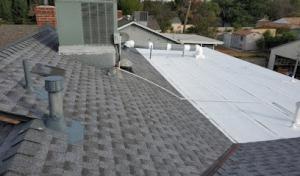
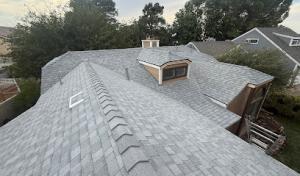
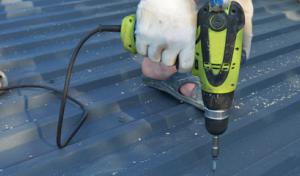
In this part of the valley, the dry, windy springs and falls work like a slow stress test on edges and fasteners. Loose shingles or seam edges start to curl or lift when you've gone a few weeks with dust and wind sprinting across the roofline. Before a winter front arrives, you'll notice edge deterioration more quickly after a hot day if the fascia and drip edge aren't solidly tied down. The consequence isn't dramatic at first, but when a storm hits, those barely held edges can serve as the first leaks path, channeling water toward vulnerable underlayment and decking. The practical takeaway is to inspect all edges after the last westerly wind of summer and promptly re-secure any loose edging, missing nails, or cracked sealant around penetrations so winter rain doesn't follow a preexisting line of weakness.
Hot summer heat combined with Santa Ana winds concentrates uplift along exposed roof perimeters. Corrugated edges, overhanging eaves, and roof-to-wall transitions face the most strain when outside air temperatures swing from the 90s into cool nights. This is not just about comfort; uplift can peel back shingles, decouple flashing, or lift metal edge trims enough to create a vent for wind-driven rain. The practical precaution is to verify that edge fasteners and seals are corrosion-resistant and spaced correctly, and to consider additional edge fasteners or upgraded clips in areas that take the brunt of Santa Ana gusts. If you've noticed any soft spots or nail heads that no longer sit flush, address them before a windy spell intensifies the risk.
During the inland valley's dramatic temperature shifts, metal components and transitions expand and contract more than you'd expect, especially around penetrations, valleys, and flashing interfaces. Those repetitive cycles can loosen mastic, open small gaps, or misalign sealant beads over time. Leaks often reveal themselves first at a corner of a vent flashing or where two surfaces meet in a valley. The guidance is practical: schedule a targeted inspection of penetrations, check flashing for any loose corners, and ensure sealant remains flexible and intact. Failing to monitor these joints can turn a minor morning drip into a larger active leak after a cold night and a hot afternoon.
Find local contractors experienced in assessing and restoring roofs after hail, wind, and severe weather events.

Best Team Roofing
(818) 877-4656 roofingpacoima.com
11150 Glenoaks Blvd #436, Pacoima, California
4.8 from 58 reviews


Best Team Roofing
(818) 877-4656 roofingpacoima.com
11150 Glenoaks Blvd #436, Pacoima, California
4.8 from 58 reviews
Best Team Roofing is a trusted roofing company known for its commitment to excellence and customer satisfaction. With our skilled team of professionals, we specialize in delivering top-quality craftsmanship and superior results. Whether you need roof repairs, installations, or maintenance, we have the expertise and resources to handle your project efficiently and effectively. We understand the importance of a well-maintained roof and prioritize using high-quality materials and proven techniques to ensure its durability and functionality. At Best Team Roofing, we are dedicated to delivering reliable roofing solutions that protect and enhance the value of your property.

The Roofing Sun Valley
Serving
4.8 from 58 reviews
The Roofing Sun Valley is your go-to roofing contractor in the Sun Valley area. With years of experience, we provide reliable and professional roofing services tailored to your needs. Our team of skilled professionals is equipped to handle everything from installations to repairs with precision and attention to detail. We understand the importance of a well-maintained roof, and our goal is to deliver exceptional craftsmanship and customer satisfaction. Using quality materials and proven techniques, we ensure that your roof is restored to its optimal condition. Trust The Roofing Sun Valley for trustworthy and expertly executed roofing solutions.
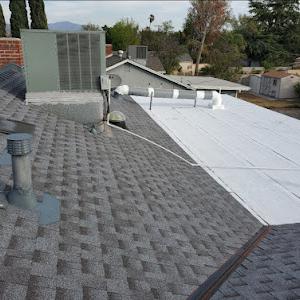
Arias Roofing
12627 Van Nuys Blvd, Pacoima, California
5.0 from 2 reviews
We specialize in roofing tiles, shingles, TPO, Torch down roofing, and seamless gutters, from small repairs to whole roof replacements
Roofing Perfectionists
Serving
4.8 from 59 reviews
At Roofing Perfectionists, we are passionate about delivering roofing solutions with precision and excellence. Our team of skilled professionals takes pride in their craftsmanship and attention to detail. Whether it's installations, repairs, or maintenance, we go above and beyond to achieve perfection in every project. Using top-grade materials and advanced techniques, we ensure that your roof not only provides reliable protection but also enhances the overall aesthetics of your property. Count on Roofing Perfectionists for roofing services that meet the highest standards of quality and workmanship.
Gold Star Roofing & Exteriors
(818) 600-9289 sanfernandoroofmasters.com
Serving
4.9 from 82 reviews
Welcome to Gold Star Roofing & Exteriors, where excellence meets reliability. Our dedicated team of professionals is committed to delivering exceptional results and exceeding customer expectations. With our attention to detail and superior craftsmanship, we provide top-quality roofing and exterior services that enhance the beauty and functionality of your property. Whether it's a new roof installation or exterior renovations, trust Gold Star Roofing & Exteriors for reliable and professional solutions. Experience the difference we can make for your home or business today.
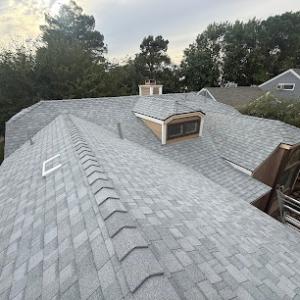
Reno's Roofing
(818) 326-3720 renosroofing.com
Serving
4.9 from 47 reviews
Reno's Roofing specializes in new roof installations for residential and commercial properties including small repairs and roof inspection reports. We service all areas in Los Angeles, San Fernando Valley, Antelope Valley, and San Gabriel Valley. Established in 2006, Reno's Roofing is a company committed to a higher standard for customers and employees. Putting the customer first and figuring out the best solution for each job is always our mission. Whether you are interested in residential roofing or commercial roofing, the standard of excellence never changes. At Reno's Roofing, we use only premium materials, have excellent craftsmanship and a commitment to provide great customer service.

LYJ Roofing
(818) 210-4320 roofingmissionhills.com
Serving
4.8 from 66 reviews
LYJ Roofing is a reputable roofing company known for its dedication to excellence and customer satisfaction. With our skilled team of professionals, we specialize in providing comprehensive roofing solutions for residential and commercial properties. From roof installations to repairs and maintenance, we have the knowledge and experience to handle your project with precision and expertise. We understand the importance of a well-maintained roof and prioritize using high-quality materials and proven techniques to ensure its durability and functionality. At LYJ Roofing, we are committed to delivering reliable roofing solutions that enhance the beauty and protection of your property.
Mission Hills Roofing
Serving
4.8 from 67 reviews
Mission Hills Roofing is your trusted roofing partner in the Mission Hills area. With a focus on quality craftsmanship and customer satisfaction, we provide reliable and professional roofing services. Our team of experienced professionals brings expertise and attention to detail to every project. Whether it's installations, repairs, or maintenance, we offer comprehensive solutions tailored to your specific needs. Using top-grade materials and proven techniques, we ensure that your roof is built to last. Count on Mission Hills Roofing for trustworthy and dependable roofing services you can rely on.
Morning Light Roof Repair
(818) 600-6120 panoramacityroofing.com
Serving
4.7 from 37 reviews
Morning Light Roof Repair is your trusted partner for comprehensive roof repair services. Our experienced team of professionals is committed to ensuring the integrity and functionality of your roof. We specialize in identifying and addressing a wide range of roofing issues promptly and effectively. With our expertise and attention to detail, we deliver efficient and long-lasting repair solutions that meet the highest standards. At Morning Light Roof Repair, we understand the importance of a well-maintained roof and its impact on the overall structure. Trust us to restore the condition of your roof with precision and expertise, bringing the morning light back to your property.

West Coast Dream Roofing Solutions
(747) 300-8298 westcoastdreamroofingsolutions.com
10778 Glenoaks Blvd, Pacoima, California
5.0 from 1 review
In our roofing services, integrity and open communication are top priorities at West Coast Dream Roofing Solutions in Pacoima. We make an effort to simplify this process because we recognize the difficulties associated with modification orders. We make sure you're informed and confident in your decisions by providing digital images to demonstrate any essential adjustments, in place of unclear descriptions. Our intention is to keep you informed without causing needless disruptions. Our operations place a high priority on safety. Our strict safety procedures and ample insurance protect our crew and clients. For a seamless, open, and safe roofing experience, go with West Coast Dream Roofing Solutions.
NoHo Roofing Specialists
(818) 392-5990 nohoroofingspecialists.com
Serving
5.0 from 27 reviews
NoHo Roofing Specialists deliver trusted roofing solutions in North Hollywood, CA and nearby neighborhoods. Whether you need a roof inspection, repair, or full replacement, we serve residential and commercial properties with expert care. Our team works with all major roofing types—shingle, metal, TPO, EPDM, slate, tile, flat, rubber, and cedar—and offers advanced roof coatings and rejuvenation services. Proudly serving the NoHo surroundings, we’re the go-to roofers near you for durable results, honest service, and high-quality craftsmanship that stands the test of time.
Quick Roofing Repair Service Mission Hills
(818) 418-8253 quickroofingllc.com
Serving
5.0 from 25 reviews
At Quick Roofing Repair Service Mission Hills we proudly serve the community of Mission Hills, CA with expert roofing services that keep your property protected year-round. Whether you need a brand-new roof, urgent leak repair, or long-term maintenance, our licensed team delivers reliable solutions with speed and precision. By combining premium materials with proven craftsmanship, we build roofing systems that stand the test of time—even against California’s toughest weather. From residential projects to commercial roofing, our mission is simple: dependable quality, honest service, and 100% customer satisfaction.
Typical Pacoima reroof pricing follows these ranges per square: asphalt shingles 350 to 650, metal 600 to 1100, clay tile 900 to 1800, concrete tile 800 to 1500, wood shingles or shakes 500 to 1000, and fiber cement shingles 450 to 900. These figures reflect how the Valley heat and sun beat down on roofing materials, plus the kinds of homes most common in the area. When you're comparing bids, check not only the price per square but what's included-tear-off, disposal, underlayment, and any starter rows or flashing pieces. Heavier systems cost more to install, but they can also mean fewer future repairs if the deck is solid and the ventilation is right.
Costs in Pacoima can rise when homeowners choose clay or concrete tile because Los Angeles may require added review for heavier systems and crews must handle more labor-intensive loading, layout, and detailing. Heavier tiles demand careful structural checks and precise framing, which translates to longer installation times and higher labor costs. Expect steeper crews and more rigging for these installations, especially on older homes with less forgiving roof pitches. If your house needs additional support or reinforcement, that will add to the bottom line, even before any weather or wind considerations come into play.
Scheduling around winter rain delays and high-demand periods after wind events can affect labor availability in the Pacoima market, while simpler asphalt reroofs on straightforward residential homes tend to stay toward the lower end of local ranges. In practice, the hottest months and the post-storm windows tend to be busier, so you may see longer lead times or higher bids then. If your roof is asphalt and uncomplicated, you'll usually have smoother planning and quicker installation than a full tile reroof during peak demand.
If durability against wind and heat is a priority, clay or concrete tile offer long-term resilience but come with higher initial costs. For lighter loading and speed, asphalt or fiber cement can be a sensible middle ground. For any heavy tile choice, factor in potential structural upgrades and the longer installation timeline. In all cases, confirm inclusions in the quote-removal, disposal, venting, and flashing-so you're comparing apples to apples and avoid surprises once work begins.
The most popular roofing material in the US. Find pros who install, repair, and replace asphalt shingles.
Best Team Roofing
(818) 877-4656 roofingpacoima.com
11150 Glenoaks Blvd #436, Pacoima, California
4.8 from 58 reviews
Pacoima reroof permits are typically handled through the City of Los Angeles Department of Building and Safety rather than a separate city roofing office. That means your project will follow the same process as other Los Angeles construction work, with reviews routed through the city system. Understanding where to submit drawings and applications helps keep the timeline predictable, especially during hotter months when inspections can be scheduled more tightly.
A full reroof in the area generally requires a permit, and inspections are conducted during and after the work to verify flashing, underlayment, and ventilation compliance. The city expects proper detailing at eaves, valleys, and penetrations, given the exposure to Santa Ana winds and heat. Planning ahead for inspections-keeping access clear and staging material away from utility lines-helps avoid delays that can occur if inspectors arrive after work has begun.
When homeowners move to heavier tile options, the local process may include plan review and possible structural checks before approval. Heavy tile systems can impose greater loads on existing framing and roof assemblies, so be prepared for the need to document structural compatibility. If your roof is older or has nonstandard framing, you may encounter more scrutiny to confirm that the deck, trusses, and anchor methods meet current code expectations.
Inspections in Pacoima are scheduled to verify multiple facets of the reroof, including underlayment type, installation pattern, and flashing details around chimneys, vents, and skylights. Ventilation must be adequate to manage heat buildup, especially in the San Fernando Valley climate. After the project, an occupancy or final inspection confirms that all components meet code and that the roof is safe for wind loads and durability under heat and sun exposure.
If plan review is triggered, expect run-throughs of drawings, rafter or deck reinforcement notes, and details for the chosen roof assembly. Prepare to address any comments quickly, since weather and wind risk in the area can influence inspection scheduling. Keeping a clear record of product specifications, installation manuals, and engineered drawings reduces back-and-forth time with the city reviewer.
Coordinate early with your contractor to confirm that your reroof design aligns with Los Angeles code requirements and your chosen tile system's weight. Have a ready set of elevated photos or sketches showing how valleys, ridges, and ventilation are planned to integrate with the existing attic space. Clear, organized submittals help inspectors move through plan review more efficiently, reducing the chance of permit hold-ups during peak permit seasons. These steps matter particularly when high-wind periods or intense heat drive tighter inspection schedules.
In the urban Los Angeles insurance environment, coverage is generally still available, but premiums can shift after wind, hail, or wildfire events affecting the region. When a reroof is on the table, expect carriers to scrutinize recent weather impacts, fire history in nearby blocks, and any signs of prior damage that could influence risk assessment. Staying prepared with a clear narrative of the cause and sequence of events helps avoid delays.
For reroofs in Pacoima, insurers commonly want pre- and post-installation photos, contractor estimates, and confirmation that the replacement meets current code requirements. Photos should document existing perimeter damage, flashing, vents, and any sagging or soft spots. The contractor estimate should clearly itemize the new materials, underlayment, and flashing, plus installation details that show adherence to current standards. Having a concise, organized packet reduces back-and-forth and speeds processing.
Because Santa Ana wind events can produce edge damage and dislodged materials without total roof failure, Pacoima homeowners benefit from documenting perimeter damage, flashing issues, and any interior staining immediately. Take wide shots of eaves, rake edges, and fascia after strong gusts, and close-ups of any displaced shingles or tile margins. If interior staining appears, note dates and affected areas with timestamps. This information supports claims that wind-related events affected the roof system directly.
When filing, align the documentation with the insurer's claim form and timelines. Keep copies of all communications, including field adjuster notes and any requested repairs. If a contractor is coordinating the claim, ensure the project scope and replacement materials reflect current code-compliant details, and that the final documentation confirms proper installation and weather-resilient detailing.
Connect with contractors who help homeowners navigate the claims process from damage assessment to final approval.
Best Team Roofing
(818) 877-4656 roofingpacoima.com
11150 Glenoaks Blvd #436, Pacoima, California
4.8 from 58 reviews
Flat-roof specialization is notably active in the Pacoima contractor market, reflecting the mix of residential additions, garages, and commercial properties found in this part of Los Angeles. When you're planning a reroof or a retrofit, look for local trades that list flat-roof work as a core service, not a once-in-a-while project. Check references for projects with similar structures, and ask about membrane compatibility with the underlying roof deck and any flashing retrofits that were required for adjacent parapets or parapet-free transitions.
On low-slope roofs, winter rain exposure matters because drainage and flashing details become the weak points after long dry periods mask developing membrane or transition problems. Before the rainy season, have a trusted contractor inspect for surface irregularities, punctures, or lifted edges. Ensure the plan includes a detailed drainage assessment: confirm slope, confirm termination at scuppers or edge channels, and verify that transitions around penetrations are sealed with compatible flashing. In Pacoima's climate, a robust edge seal and proper surface slope prevent standing water that accelerates membrane wear.
Roof coatings have a smaller but present specialty footprint locally, suggesting some Pacoima owners are weighing restoration on aging low-slope systems instead of immediate full replacement. If you're considering a coating, verify the coating's compatibility with your current membrane, weathering expectations for the Santa Ana breeze, and the condition of flashing details. A cohesive plan should include surface cleaning, primer where needed, and a scheduled maintenance window to recoat before UV exposure degrades performance.
Start with a vendor who can provide a paired assessment of membrane health and flashing integrity, tailored to flat and low-slope configurations. Schedule an on-site evaluation after a dry spell and before seasonal rains return, so you have time to address any minor repairs that can extend the system's life. Keep a simple maintenance log for any observed drainage or seam issues.
Find specialists in TPO, EPDM, and built-up flat roofing systems for residential and commercial properties.
Best Team Roofing
(818) 877-4656 roofingpacoima.com
11150 Glenoaks Blvd #436, Pacoima, California
4.8 from 58 reviews
Solar roofing specialization is active in Pacoima's contractor market, reflecting a hot inland valley climate where heat and sun exposure drive reroof and solar decisions in tandem. When planning a reroof, you should align the project with the solar install schedule so the roof deck, underlayment, and flashing routines stay coherent across both trades. A coordinated approach helps ensure penetrations created for solar arrays are properly flashed and sealed, reducing the risk of future leaks once the system is energized.
Skylight work is a common neighborly service in the area, and it brings an added layer of complexity to heat movement through the roof deck. In practice, this means penetrations around skylights must be treated with extra attention to flashing transitions, fastener securement, and sealant compatibility with both the skylight frame and the surrounding shingles or tiles. In heat-rich months, silicone or polyurethane sealants may perform better than basic mastics, but the choice should be compatible with the roof's chosen material and with any nearby solar penetrations.
Coordinating reroofing with solar or skylight work is especially important because Los Angeles inspections focus on flashing and underlayment details that are easy to disrupt around penetrations. Plan for a thorough inspection sequence that prioritizes the flashing sleeves, step-and-flash, and terminations around any penetrations. When multiple trades touch the same roof plane, verify that all penetrations maintain a continuous, weatherproof line from the deck to the surface, and confirm that each flashing intersects the underlayment in a way that resists wind-driven rain. This is particularly relevant in wind-prone stretches and during seasons of heavy Santa Ana gusts.
Find contractors who integrate solar panels or solar shingles into your roof for long-term energy savings.