
Last updated: Apr 19, 2026
This region experiences long stretches of dry heat followed by a shorter wet season, so roofs often bake in sun for months before winter rains arrive. Shingles, tiles, sealants, and underlayment see repeated thermal cycling and UV exposure, which accelerates aging in materials not rated for that pattern. In the northeast Valley, Santa Ana wind events cut through the air with force, driving uplift at edges and pushing debris across surfaces. Rain that follows can arrive with more urgency as roofs age and flashing details show wear. For a typical home with asphalt shingles or concrete tiles, these combined forces show up as curled edges, granule loss, blown-in debris, and drips from compromised seals near vents and chimneys.
In heat-heavy days, shingles and tiles expand and contract with the sun, stressing fasteners and sealants. Asphalt shingles can lose granules and become brittle faster, while concrete and clay tiles may crack or spall along edges where heat concentrates. Sealants around penetrations-pipes, HVAC, and flashings-tend to dry out and lose elasticity, creating microleaks that worsen with each thermal cycle. Wood shingles or shakes, already sensitive to sun, can warp and split more quickly in this climate. The takeaway is practical: match the material to the local heat profile, and plan for proactive refreshment of seals and underlayment before the next hot season wears it down.
Santa Ana events press wind along the valley edges, increasing uplift at eaves and ridges. Uplift-prone edges demand robust edge detail and secure fasteners, especially on lighter materials like certain synthetic shingles or wood shakes. Wind-driven debris can abrade surfaces or wedge itself into crevices, accelerating wear around flashings and penetrations. Weathered edges are more susceptible to wind-driven rain, which can exploit even small gaps in flashing or underlayment. Practically, that means periodic edge assessment after windy spells and a plan to reseal or replace edge components when aging shows at the perimeter.
Start with a targeted inspection focusing on heat-affected and wind-exposed areas. Check the edge fasteners for tightness and inspect ridge caps for lift. Schedule a mid-season check after any strong Santa Ana event to identify loose flashings or displaced debris. Clean gutters and downspouts to prevent backing water from reaching eave systems, and inspect the drip-edge for corrosion or gaps. If you notice cupping, curling, or missing granules on shingles, or visible cracking in tiles near high-wind zones, plan trims or replacements that bolster wind resistance and heat tolerance.
Sealant durability matters more here than in milder climates. If sealants around vents or flashing show cracking or hardness, replace them with a material proven to stay flexible under dry heat cycles. For underlayment, prioritize products and installation details that maintain a continuous, watertight layer despite daily expansion and contraction. And consider attic improvements: increasing insulation and ensuring adequate ventilation reduces roof deck temperatures and slows aging of the roof system itself.
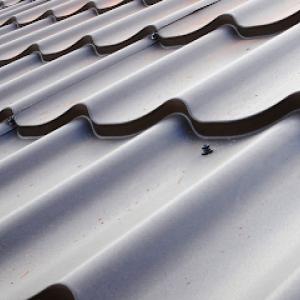
Choosing roofing materials that resist heat and wind impact pays off in the long term. Metal roofs, with proper detailing, handle Santa Ana uplift well and tolerate heat cycles, while concrete and clay tiles can provide excellent durability in this climate when installed with correct underlayment and secure fasteners. Wood shingles/shakes require higher maintenance in this environment, given sun exposure, but can be compatible with enhanced protective finishes and careful sealing around penetrations. Synthetic or composite shingles may offer balanced performance, but require compatible fasteners and proper flashings designed for high-heat exposure and wind uplift. The key is to align material characteristics with the valley's heat profile and the wind-driven dynamics that reshape the roof's edges year after year.
Clay tile and concrete tile are especially relevant in this area because much of the housing stock uses Mediterranean- and Spanish-influenced rooflines where tile is common and visually expected. When you consider long valley heat and Santa Ana seasonality, these materials offer excellent durability and a distinctive look that suits the neighborhood character. Clay tiles tend to hold color well and provide strong UV resistance, but they can be heavier and require a solid structural assessment to ensure the existing framing can handle the load. Concrete tiles offer similar aesthetics with a slightly different weight profile and installation nuances. In hot, wind-prone conditions, choose profiles with deeper interlocks and ensure the underlayment and flashing are upgraded to stand up to blowing dust, fine grit, and sudden wind gusts. A properly vented attic and ridge ventilation pair with tile roofing helps manage heat transfer to attic spaces, which protects decking and slows down the expansion and contraction cycles tiles experience in this climate.
Asphalt shingles remain a major option in this market, but prolonged UV exposure in the Valley can accelerate granule loss, brittleness, and curling compared with cooler coastal areas. If asphalt is your choice, prioritize products rated for heat resistance and ensure you select a shingle that is proven to weather intense sun and wind. Consider a higher-than-average underlayment and a robust starter course to reduce wind-driven uplift on the exposed edges. In homes with Santa Ana exposure, you might find that the southern and western exposures bear the brunt of heat, so pay special attention to ridge lines, edge details, and flashing around chimneys and vents. Routine inspection for lifted tabs or granule bald spots is wise, especially after hot spells or storms that bring blowing dust.
Wood shakes and shingles face added scrutiny in a Southern California fire-conscious environment, making maintenance, code compliance, and insurer acceptance more consequential here than in lower-risk regions. If you already have wood, ensure fire-rated finishes are maintained and that you meet current ember-resistant recommendations for roof assemblies. Insurers may require tighter clearance, spark arrest measures, and regular cleaning of debris from valleys and eaves. For new work, consider materials that mimic the warmth of wood while offering enhanced fire resistance, or specify thicker shakes with protective coatings designed to reduce UV degradation. When choosing wood, anticipate more frequent maintenance cycles to keep edges sealed and to prevent warping from heat and moisture swings.
In this climate, installation details matter as much as material selection. All roof systems benefit from an accurate assessment of roof deck condition, proper ventilation, and a high-quality weather barrier beneath the visible surface. Wind zones around the foothill edges can influence fastener choices, so coordinate with a contractor who understands Santa Ana wind patterns and the way heat cycles impact roof seams. For tile roofs, ensure careful detailing at hips, ridges, and penetrations to prevent water intrusion during winter rains and spring storms. For shingle roofs, pay attention to edge and valley protection to maintain a tight, wind-resistant seal.
Find contractors who specialize in clay and concrete tile roofs, known for their durability and curb appeal.


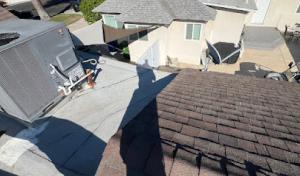
When the first meaningful winter storms arrive after a long dry season, cracked flashings and heat-damaged underlayment may not reveal themselves until sustained rain begins. In this valley climate, that means leaks often pop up quickly once the rain starts, even on roofs that looked fine after the last dry spell. Look for sudden staining along ceilings, damp patches in attic vents, and a wispy draft of air near skylights or vent flashing. This is the moment to act rather than wait for a visible drip to materialize. Santa Ana gusts can test fragile flashing, pushing water into joints that seemed solid during dry spells.
Open-roof scheduling is riskier during the wetter winter window, when even short project delays can expose decking and interiors to rain intrusion. Plan any non-urgent work so that storms have a clear forecast window, and keep a contingency plan ready for rapid tarp deployment if a storm rolls in sooner than expected. If weather channels show a high probability of rain for several days, make temporary protection a priority and coordinate with contractors to minimize exposed decking areas. The combination of valley heat cycles and abrupt wind shifts increases the chance that a small leak becomes a larger problem within hours.
Wind-driven rain during regional storm events can reveal weaknesses around skylights, valleys, chimneys, and roof-to-wall transitions common on older Valley homes. These failure points are especially vulnerable when flashings have aged or underlayment has been degraded by heat. Have a trusted roofer assess these zones after any long dry spell followed by a legitimate rain event, and keep an eye on interior walls near these features for signs of moisture. Older build-ups-especially near chimney step-downs and valley intersections-often hide slow leaks until a heavy shower arrives.
If rain is imminent or already underway, tarping is your fastest defense. Start by securing a heavy-duty tarp over the most vulnerable area-think skylights and valley lines-with proper overlap and sturdy fasteners. Use purlins or battens to keep the tarp from billowing, and seal edges with roof tape or waterproof adhesive to minimize wind lift. Regularly inspect the tarp during a storm, and remove or replace if edges have peeled back. If a storm is forecast, keep a dedicated tarp kit accessible, and call for help at the first sign of a compromised seal to prevent interior water intrusion.
When you can't wait, these contractors offer fast response times to stop leaks and prevent further damage.
Gold Star Roofing & Exteriors
(818) 600-9289 sanfernandoroofmasters.com
777 Truman St. #187, San Fernando, California
4.9 from 82 reviews
Prime Budget Roofing
(747) 359-3678 primebudgetroofing.com
202 S Maclay Ave #3, San Fernando, California
5.0 from 43 reviews
Gold Star Roofing & Exteriors
(818) 600-9289 sanfernandoroofmasters.com
777 Truman St. #187, San Fernando, California
4.9 from 82 reviews
Welcome to Gold Star Roofing & Exteriors, where excellence meets reliability. Our dedicated team of professionals is committed to delivering exceptional results and exceeding customer expectations. With our attention to detail and superior craftsmanship, we provide top-quality roofing and exterior services that enhance the beauty and functionality of your property. Whether it's a new roof installation or exterior renovations, trust Gold Star Roofing & Exteriors for reliable and professional solutions. Experience the difference we can make for your home or business today.
Owen & Sons Roofing
(747) 298-7200 solutionroofingpros.com
Serving
4.8 from 61 reviews
Experience the excellence of Owen & Sons Roofing. Our skilled team of professionals is committed to delivering exceptional results that exceed expectations. With our years of experience in the industry, we offer top-quality roofing services tailored to your unique needs. From new installations to repairs and maintenance, we ensure the integrity and durability of your roof. Trust Owen & Sons Roofing for reliable and professional solutions that enhance the protection and aesthetics of your property. Experience the difference we can make for your home or business today.

Sylmar Roofing Installations
Serving
4.8 from 68 reviews
Sylmar Roofing Installations is your premier choice for superior roofing installations in the Sylmar area. With a team of skilled professionals, we deliver top-quality craftsmanship and attention to detail. Whether you're building a new home or replacing an existing roof, we ensure precision and excellence in our work. Using high-quality materials and advanced techniques, we create roofs that are not only structurally sound but also visually appealing. Trust Sylmar Roofing Installations for expertly executed roofing installations that enhance the protection and value of your property.

KAT Roofing
(818) 869-3191 katroofingco.com
Serving
5.0 from 13 reviews
Known Around Town Roofing Company – KAT Roofing is a trusted local contractor serving Los Angeles County with high-quality residential and commercial roofing services. From shingle and tile installations to energy-efficient silicone coating systems, our team delivers long-lasting solutions backed by expertise, integrity, and top-tier warranties. Whether it’s a small repair or a complete roof replacement, we help protect what matters most. Licensed, insured, and committed to excellence.

Best Team Roofing
(818) 877-4656 roofingpacoima.com
Serving
4.8 from 58 reviews
Best Team Roofing is a trusted roofing company known for its commitment to excellence and customer satisfaction. With our skilled team of professionals, we specialize in delivering top-quality craftsmanship and superior results. Whether you need roof repairs, installations, or maintenance, we have the expertise and resources to handle your project efficiently and effectively. We understand the importance of a well-maintained roof and prioritize using high-quality materials and proven techniques to ensure its durability and functionality. At Best Team Roofing, we are dedicated to delivering reliable roofing solutions that protect and enhance the value of your property.

LYJ Roofing
(818) 210-4320 roofingmissionhills.com
Serving
4.8 from 66 reviews
LYJ Roofing is a reputable roofing company known for its dedication to excellence and customer satisfaction. With our skilled team of professionals, we specialize in providing comprehensive roofing solutions for residential and commercial properties. From roof installations to repairs and maintenance, we have the knowledge and experience to handle your project with precision and expertise. We understand the importance of a well-maintained roof and prioritize using high-quality materials and proven techniques to ensure its durability and functionality. At LYJ Roofing, we are committed to delivering reliable roofing solutions that enhance the beauty and protection of your property.
Granada Hills Roof Masters
(818) 946-0663 granadahillsroofmasters.com
Serving
5.0 from 28 reviews
Granada Hills Roof Masters provides roofing services for residential and commercial properties throughout Granada Hills, CA and nearby San Fernando Valley communities. Services include roof repair, roof replacement, roof installation, commercial roofing, and roof inspections. With experience working on hillside homes and older Valley properties, the team understands drainage considerations, access challenges, and long-term maintenance needs. Granada Hills Roof Masters supports property owners across Granada Hills, CA with roofing services focused on durability and reliability.
Mission Hills Roofing
Serving
4.8 from 67 reviews
Mission Hills Roofing is your trusted roofing partner in the Mission Hills area. With a focus on quality craftsmanship and customer satisfaction, we provide reliable and professional roofing services. Our team of experienced professionals brings expertise and attention to detail to every project. Whether it's installations, repairs, or maintenance, we offer comprehensive solutions tailored to your specific needs. Using top-grade materials and proven techniques, we ensure that your roof is built to last. Count on Mission Hills Roofing for trustworthy and dependable roofing services you can rely on.
Quick Roofing Repair Service Mission Hills
(818) 418-8253 quickroofingllc.com
Serving
5.0 from 25 reviews
At Quick Roofing Repair Service Mission Hills we proudly serve the community of Mission Hills, CA with expert roofing services that keep your property protected year-round. Whether you need a brand-new roof, urgent leak repair, or long-term maintenance, our licensed team delivers reliable solutions with speed and precision. By combining premium materials with proven craftsmanship, we build roofing systems that stand the test of time—even against California’s toughest weather. From residential projects to commercial roofing, our mission is simple: dependable quality, honest service, and 100% customer satisfaction.

Roofing Perfectionists
Serving
4.8 from 59 reviews
At Roofing Perfectionists, we are passionate about delivering roofing solutions with precision and excellence. Our team of skilled professionals takes pride in their craftsmanship and attention to detail. Whether it's installations, repairs, or maintenance, we go above and beyond to achieve perfection in every project. Using top-grade materials and advanced techniques, we ensure that your roof not only provides reliable protection but also enhances the overall aesthetics of your property. Count on Roofing Perfectionists for roofing services that meet the highest standards of quality and workmanship.
Roofing Innovations
Serving
4.9 from 80 reviews
Roofing Innovations is at the forefront of the roofing industry, providing innovative solutions for all your roofing needs. Our team of skilled professionals combines expertise and creativity to deliver exceptional results. Whether you need installations, repairs, or maintenance, we employ cutting-edge techniques and premium materials to ensure durable and reliable roofs. We stay up to date with the latest trends and advancements in the industry to provide our clients with the best possible solutions. Trust Roofing Innovations for innovative and reliable roofing services that elevate the performance and style of your property.
Reno's Roofing
(818) 326-3720 renosroofing.com
Serving
4.9 from 47 reviews
Reno's Roofing specializes in new roof installations for residential and commercial properties including small repairs and roof inspection reports. We service all areas in Los Angeles, San Fernando Valley, Antelope Valley, and San Gabriel Valley. Established in 2006, Reno's Roofing is a company committed to a higher standard for customers and employees. Putting the customer first and figuring out the best solution for each job is always our mission. Whether you are interested in residential roofing or commercial roofing, the standard of excellence never changes. At Reno's Roofing, we use only premium materials, have excellent craftsmanship and a commitment to provide great customer service.
When you price a re-roof, use the local ranges: Asphalt Shingles 350 to 700 per square, Metal Roofing 700 to 1200 per square, Clay Tile 900 to 1500 per square, Concrete Tile 700 to 1100 per square, Wood Shingles/Shakes 800 to 1300 per square, and Synthetic/Composite Shingles 450 to 900 per square. Those numbers reflect the Valley's heat, Santa Ana wind exposure, and the way older homes often arrive with a mix of materials or uneven roof decks that push labor time up.
San Fernando homes commonly require tear-off work that drives costs higher. If brittle underlayment, multiple prior roof layers, or damaged sheathing are uncovered after removal, crews charge more for safety and careful handling. This isn't just adding a little padding-it can meaningfully shift a project's bottom line. Plan for a higher initial estimate if the current roof looks like it's had several past upgrades or has signs of moisture intrusion.
Tile roofs are prevalent in the area, and that translates to higher labor and replacement costs. Broken field tiles, ridge components, and underlayment work need more careful handling than a straight shingle job. Expect extra time coordinating tile breaks, re-fitting battens, and securing profiles so rain won't back up. If you're choosing tile, budget for the added labor beyond the basic material price.
Project timing can swing pricing in noticeable ways. Winter rain can cause delays or push demand back into spring, while post-storm surges in the broader Los Angeles market tighten crew availability. If you're flexible, scheduling between storms or during a lull in demand often yields smoother crew scheduling and can shave off some wait-time costs.
Heat and Santa Ana winds shorten roof life, so many homeowners lean toward more durable options even if the upfront price is higher. Metal or concrete tile may have higher initial costs but can deliver longer life and better resistance to wind-driven debris. For a typical Valley home, weigh the annualized cost of maintenance and replacement against the upfront price, especially if the house has a shallow pitch or limited attic ventilation-conditions that stress heat and wind performance.
Get a clear picture of your project costs upfront - no commitment required.

For a full roof replacement, you won't get by with a quick DIY or a "no-paperwork" approach in this area. A permit through the local building department is typically required, and skipping it can bite you later when a neighbor or insurer flags it. The process is a reminder that you're upgrading a major system on a home that sits in a climate where heat and Santa Ana winds test the roof's limits. If your contractor suggests it's a simple job with no paperwork, push for a formal permit package and a written plan that the building department can review. It's not just red tape-it's a safeguard against hidden shingle failures, improper ventilation, or undersized flashing that can surface after the heat returns.
The city commonly uses staged inspections, meaning you'll likely encounter a pre-inspection before materials are concealed and a final inspection at project completion. This isn't a hurdle to endure; it's a critical check to ensure the roof system is installed to code and prepared for the Santa Ana-drenched winds and dry heat that shape life here. Contractors need to align their sequencing with these inspections, so talk through the schedule upfront and confirm who will be present for the pre-inspection and the final walk-through. If concealment happens too early, rework becomes expensive and disruptive-an outcome to avoid by planning joint visits and keeping the inspector in the loop as milestones change.
Processing times can vary with department workload and may take a few weeks. That variance matters when the winter rain season is looming. If a replacement is on the calendar, factor in the potential for delays and the need to protect exposed sheathing or underlayment during wet spells. The window between permit submission and approved work can influence how you pace trenching, decking, and shingle installation so that the project stays on track even if the weather shifts. In practice, coordinate early with your contractor to anticipate inspection dates and bundle tasks that must wait for a permit green light.
In this valley corridor, insurers are tightening up because of wildfire and wind exposure even for urban neighborhoods. Premiums, deductibles, and carrier eligibility can shift as weather patterns and wildfire risk are weighed against your roof's age and condition. San Fernando homeowners should expect that a well-maintained, clearly documented roof stands a better chance of staying in-network with preferred carriers, while aging or visibly worn roofs may trigger more scrutiny or higher barriers to coverage.
When a carrier or adjuster looks at your roof, the bar has risen for proof. Insurers may ask for detailed roof-condition documentation, including photos that show the current state, the roof's age, the material type, and evidence of ongoing maintenance. Keep a simple file: dated photos from multiple angles, notes on last service or re-coat, and any historical repairs. Even if a roof is structurally sound, visible wear or patchwork can prompt questions about long-term reliability under Santa Ana wind load and seasonal rains, so having a clear maintenance trail helps.
After wind or storm activity, adjusters often request information tied to regional exposure patterns. Expect scrutiny around Santa Ana wind history in your area, signs of debris impact, and any hail or rain intrusion evidence. Debris damage, dented flashing, or granule loss on shingles can influence claims or settlement decisions. Being ready with recent photos and notes detailing how the roof has withstood past wind events makes the review smoother and reduces back-and-forth that can delay coverage decisions.
Keep a current roof inventory: material type, approximate age, and last maintenance date. Photograph concealment areas like eaves, valleys, and vent flashing, especially where wear shows. If you've had recent wind or storm activity, document any observed debris impacts or water intrusion indicators with time-stamped images. In conversations with your insurer, frame concerns around how material choice and aging interact with Santa Ana-driven wind loads and the local climate realities.
Connect with contractors who help homeowners navigate the claims process from damage assessment to final approval.
Gold Star Roofing & Exteriors
(818) 600-9289 sanfernandoroofmasters.com
777 Truman St. #187, San Fernando, California
4.9 from 82 reviews
Prime Budget Roofing
(747) 359-3678 primebudgetroofing.com
202 S Maclay Ave #3, San Fernando, California
5.0 from 43 reviews
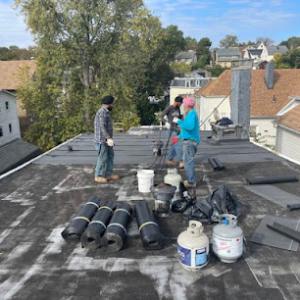
Flat and low-slope sections matter for many homes and small commercial buildings with additions, patio covers, garages, or mixed rooflines that don't drain like steep tile roofs. In the northeast San Fernando Valley, these areas collect water and heat differently from the main pitched roof, so their condition often shows up first as leaks or coating failures.
Heat buildup on low-slope membranes is a bigger concern in the Valley's hot summers, making ponding, seam fatigue, and coating decisions more important than in cooler nearby submarkets. Plan for real drainage paths that move water away from seams and flashings. If you see standing water after a rain, reseal or replace suspect seams promptly and consider extending edge drains or scuppers where practical.
Choose membrane systems with heat-reflective or energy-aware coatings that resist accelerated aging from sun exposure. In this climate, a membrane's albedo and color strategy can noticeably extend life. Pay attention to edge detailing where the sun hits hardest: corners, parapets, and transitions to steeper roofs are stress points that deteriorate faster if not protected.
Winter rain can quickly expose drainage and flashing weaknesses on low-slope areas even when the main pitched roof appears sound. Inspect flat sections after heavy rains for damp insulation, compromised flashings at penetrations, and evidence of subtle membrane blisters or microleaks. Targeted sleeve or boot repairs on vent lines and drains prevent costlier attic leaks.
Schedule semiannual checks focusing on accumulated debris, standing water, and degraded coating. Clean gutters and scuppers, reflash exposed transitions, and if the membrane is past its prime, plan a coordinated reseal or replacement focused on the low-slope areas first to avoid cascading leaks into the attic or interior spaces.
Find specialists in TPO, EPDM, and built-up flat roofing systems for residential and commercial properties.
Gold Star Roofing & Exteriors
(818) 600-9289 sanfernandoroofmasters.com
777 Truman St. #187, San Fernando, California
4.9 from 82 reviews
Prime Budget Roofing
(747) 359-3678 primebudgetroofing.com
202 S Maclay Ave #3, San Fernando, California
5.0 from 43 reviews
In sunny San Fernando, roof replacement timing matters for homes with existing or planned solar because the Valley's strong solar potential makes panel removal and reinstallation a common planning issue. Hot, dry conditions accelerate aging of roof coverings and underlayment, so coordinating the replacement window with solar work minimizes repeated disruption. If the roof and solar system are nearing the end of their respective lifespans, aligning the two projects reduces the number of times flashing and penetrations are opened and resealed, lessening the chance of leaks and warranty issues.
Homeowners with aging roofs need to coordinate roofing scope before adding solar so they do not pay twice for mounting disruption and flashing work. When solar is planned first, a later roof replacement can require removing and realigning the racking, then reinstalling the panels and redoing all penetrations. Conversely, replacing the roof first provides a clean, continuous surface for mounting, eliminating double handling of flashings and trim. A thoughtful sequence helps preserve roof integrity and keeps solar performance stable, especially on east-west oriented homes where roof geometry affects panel layout and future access.
Material choice and roof geometry in the city can affect how easily future solar work integrates with tile, shingle, or metal systems. Concrete or clay tile complicates panel mounting and may necessitate additional penetrations or edge re-flashing if the roof is replaced later. Shingle roofs can streamline some solar mounting, but heat exposure and wind-driven debris in the valley heighten the need for careful flashing detail. Metal roofs often offer rapid solar integration, but panel siting must respect thermal expansion and valley drainage. Plan solar and roof work together with a trusted local contractor who understands common San Fernando roof lines and the way Santa Ana winds stress edge details and fasteners.
Find contractors who integrate solar panels or solar shingles into your roof for long-term energy savings.

In San Fernando's heat-heavy climate, homeowners benefit from clear documentation on underlayment, ventilation details, flashing replacement, and manufacturer system components rather than relying on surface-level material promises. Warranties that specify these features help future buyers and insurers understand how the roof was installed to handle prolonged heat, Santa Ana winds, and occasional heavy rain. A solid warranty should tie the coverage to specific installation practices and product lines, not just the visible shingles.
Document the exact underlayment type, attic ventilation strategy, and the sequence of flashing work. Take completion photos that show attic vents, ridge vents, and any transitions to chimneys or skylights. Capture close-ups of fasteners, hip and valley details, and roof penetrations. If a manufacturer component is used, record the model number and install date. In this market, clear visuals and part-by-part notes help prove adherence to the prescribed system rather than relying on general promises.
Ask for a written warranty that lists the components covered (shingles, underlayment, flashing, ventilation, and any integrated roof system parts) and the expected service life under local conditions. Ensure the contract includes a maintenance plan cadence-for example, leaf debris removal and vent clearance-to keep the warranty valid. Require a warranty transfer clause that eases future ownership changes, which is common in San Fernando's housing turnover.
Because insurer scrutiny is higher in California, warranty paperwork, completion photos, and permit sign-off records can be useful beyond the contractor relationship itself. Store these in a labeled binder or digital folder, with a copy kept at the home and another accessible to a future buyer or lender. This practice aligns with local expectations and can smooth future claims or inspections.