
Last updated: Apr 19, 2026
Palmdale sits in the Antelope Valley high desert, where hot, dry conditions and intense sun accelerate surface aging on exposed roofing materials. The relentless UV rays bake shingles, tiles, and underlayment, causing premature fading, brittleness, and micro-cracking. In practical terms, that means an attic fan or ridge vent does more work here than in milder climates, because heat stress doesn't just stay on the surface-it works its way through the roof deck and into seals and fasteners. Materials that might seem sturdy in other places can show signs of wear sooner when they sit under long, sun-soaked days. You'll notice granule loss on asphalt shingles, fade or chalk on coated surfaces, and faster drying of sealants around flashing. The takeaway is simple: expect more frequent surface checks and plan for shorter cycles between evaluations than your out-of-town neighbors might.
Autumn winds in Palmdale aren't a cosmetic detail; they actively push aging roofs toward failure points. Seasonal Santa Ana gusts can loosen fasteners, lift edges, and stress flashing where roof meets walls. When you combine wind exposure with the desert heat, you get accelerated wear at abutments, penetrations, and edges. The practical upshot is that a roof can move from "okay" to "requires attention" faster after a wind event than you'd anticipate. If you notice loose shingles, lifted edges, or a ridge line that looks uneven after a windy spell, treat those signs as urgent. The tighter your response window, the less further damage you'll invite from wind-driven debris and accelerated sealant aging. For Palmdale homes with clay, concrete, or composite tiles, wind can also dislodge smaller tiles or crack grout, creating moisture pathways that translate into faster deck and underlayment deterioration.
Replacement timing in Palmdale is often planned for spring or fall to avoid peak summer heat on crews, sealants, and roof surfaces. Working in extreme heat not only slows labor, but also reduces the effectiveness of adhesive and sealant products as temperatures soar. A spring or fall schedule gives you more predictable workmanship, better material performance, and less risk of heat-related stress during installation. The decision to reroof at these shoulder seasons becomes a practical safeguard: you're balancing the need for new surface strength with the reality of the desert climate. If you're watching for your roof's retirement signal, pay attention to persistent staining around penetrations, continual granule loss in high-traffic areas, and any warping that appears after a long heat wave followed by a windy period. Those indicators, taken together, often point to a reroof plan that won't be delayed by the seasonal heat.
Different roof materials respond to Palmdale's sun and wind in distinct ways. Asphalt shingles may show accelerated granule loss and curling in heat-drenched afternoons. Metal roofing can develop fasteners that loosen if installed without proper thermal expansion allowances, while standing-seam systems may fatigue at lap seams under repeated heat cycling. Clay and concrete tiles resist some heat but rely on proper underlayment and coverage; the underlayment in this climate bears the brunt of sun exposure and wind-driven moisture intrusion. Wood shingles respond swiftly to sun and dehydration, risking rapid splitting if protection layers or ventilation aren't adequate. Synthetic and composite shingles often fare better against UV exposure but still benefit from a robust underlayment and a well-sealed edge detail to withstand wind-driven debris. In Palmdale, the best approach is to pair a roof system that tolerates UV and heat with careful detailing around fasteners and penetrations. The result is a roof that maintains its protective role longer, even when summer days routinely push the thermometer well into the triple digits.
Schedule a mid-year inspection focusing on edge fasteners, flashing integrity, and the condition of the underlayment in high-sun areas. Prioritize sealing and flexible flashing around vents, skylights, and chimneys, since these are common failure points under heat and wind stress. Consider a reinforced edge treatment for shingles or tiles in high-wind zones, and ensure ventilation remains unobstructed to reduce attic temperatures. For reroof planning, align the project with spring or fall windows to optimize crew performance and material performance, avoiding the peak heat that accelerates aging of surface coatings and sealants. By monitoring these cues and planning around Palmdale's climate rhythms, you extend the life of your roof and reduce the risk of late-summer surprises.
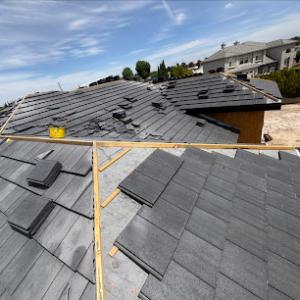
Tile roofs dominate many neighborhoods, and in this area you'll recognize the signature clay and concrete profiles on countless homes. The desert sun does more than fade color or chalk the surface; it accelerates aging of the underlayment and attic insulation, weakens fasteners, and gradually dries out roof assemblies in ways that aren't obvious from ground level. You may still see clean-looking tiles from the curb, but the inner layers-the decking, underlayment, and roof-to-wall connections-are the parts that bear the years of heat, UV exposure, and the cumulative effect of repeated seasonal cycles. Expect that the real "liveness" of the roof will show up in moisture resistance and edge details long before you notice any visible tile failure.
Palmdale's autumn Santa Ana events bring dry, gusty winds that can lift, slide, or shift roof components even when the tile surface appears intact. Ridge caps and hip transitions take the brunt, and edge details-where tiles meet eaves, chimneys, and vents-are repeatedly stressed. Loose or cracked tiles aren't the only warning sign; you may notice small gaps along the ridge or a squeak of flashing that wasn't audible before. If the wind repeatedly shifts tiles or displaces battens, the result is micro-miss alignment that invites water intrusion during the first winter rains. The key idea is not just tile condition, but how well the fastening and sealing system holds up under concerning wind events.
Because clay and concrete tiles are heavy and geometric, the fasteners and support beneath them carry a lot of load. In Palmdale, edge details-where the tile overhangs the eave or terminates at intersections with walls-need careful inspection after high-wind episodes. Look for cracked or hollow-sounding tiles along the edge, and check for debonded or loose flashing at openings. Ridge components deserve particular attention: sealants, mortar, and cap tiles that should resist wind-driven rain. If you find recurrent hairline cracks at ridge lines, it's a sign that the wind has compromised the enclosure even if the top surface looks okay.
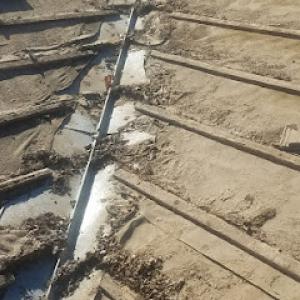
Underlayment in desert climates bears the relentless heat and sun, and its condition often becomes the real replacement driver after years of exposure. If underlayment has softened, delaminated, or deteriorated from sun exposure, the entire roof's protective barrier weakens, regardless of tile lifespan. In practice, that means a roof that still presents well from ground level can hide an accelerated risk of leaks or rot in the decking if the underlayment is no longer serving its purpose. In several cases, a roof may look serviceable while the underlayment requires replacement to salvage a longer overall life.
Schedule seasonal checks focusing on edge and ridge components after the Santa Ana season and after any major wind event. Inspect for loose tiles, displaced caps, or gaps where flashing meets the tile surface. If you see fine cracks in tiles near ridges or eave lines, don't assume they're cosmetic-check the underlayment beneath and around the affected area. When tiles appear sound but you notice granule loss on surrounding areas or a gritty feel underfoot at the eaves, treat it as a warning sign of internal wear. A targeted inspection by a knowledgeable local roofer with tile experience can identify whether underlayment or fasteners need attention before a full tile replacement becomes urgent.
Find contractors who specialize in clay and concrete tile roofs, known for their durability and curb appeal.
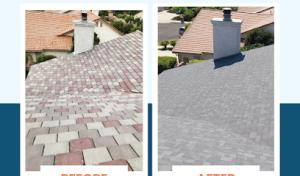
Colin Roofing
(661) 225-9855 colinroofing.com
650 Commerce Ave STE G, Palmdale, California
4.9 from 109 reviews
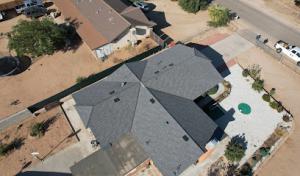
A-Pro Roofing
(661) 866-3141 a-proroofinginc.com
38324 11th St E, Palmdale, California
4.7 from 114 reviews
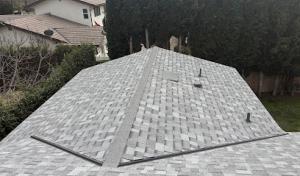
Milo Roofing
(661) 495-4844 milo-roofing.com
38243 Gemini Ct, Palmdale, California
5.0 from 5 reviews
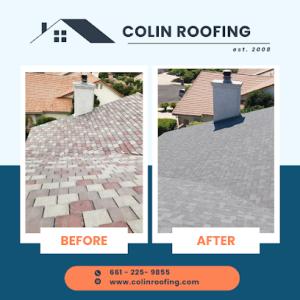
Colin Roofing
(661) 225-9855 colinroofing.com
650 Commerce Ave STE G, Palmdale, California
4.9 from 109 reviews
Established in 2009. Colin Roofing is a reliable roofing company owned and operated by Juan Colin. With nearly 30 years of experience, Juan has dedicated his life to installing lasting roofs across Southern California. We repair, install, and replace just about every type of roof for both residential and commercial structures, including tiled roofs, shingles, and flat roofs. Our intent is to assure you the highest level of satisfaction at an affordable price. 5 stars on Yelp! 5 stars on Facebook! Call Colin Roofing today to schedule a free quote.
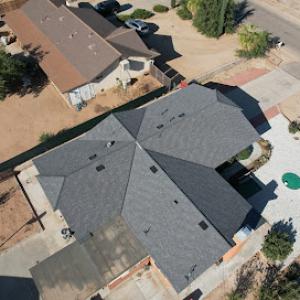
A-Pro Roofing
(661) 866-3141 a-proroofinginc.com
38324 11th St E, Palmdale, California
4.7 from 114 reviews
Commercial and Residencial Roofing Company. CALL OR TEXT AT 661-866-3141. Protect your largest investment with our reliable roofing services. We are a locally owned and operated roofing company currently serving Antelope Valley, CA and surrounding communities. If you want to make your roof last as long as possible, it is vital that you never put off a roof repair. Small issues with roofing become big issues in a hurry. No matter how major or minor the repair you need, we are here to help. We offer roofing contractors, roof installation, and roofing services.
Star Roofing Services - Palmdale
(661) 228-8891 starroofingservicesca.com
51 Daffodil, Palmdale, California
5.0 from 6 reviews
Located in the heart of Palmdale, Star Roofing Services is your premier destination for all professional roofing needs. Specializing in a vast selection of high-quality roofing materials, we are dedicated to providing contractors and DIY enthusiasts alike with the durable supplies necessary to complete any project with confidence. From shingles and underlayment to metal roofing and accessories, our store at 51 Daffodil is stocked with everything you need for a job well done. We are committed to exceptional service and expertise, ensuring you find the perfect solutions for your next roofing endeavor.
Milo Roofing
(661) 495-4844 milo-roofing.com
38243 Gemini Ct, Palmdale, California
5.0 from 5 reviews
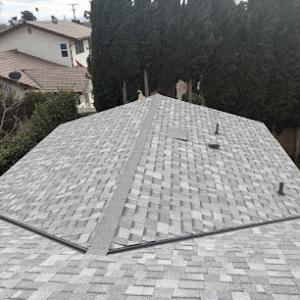
Welcome to Milo Roofing, your reliable roofing partner in Palmdale, CA, with over 25 years of experience serving both residential and commercial clients. We specialize in providing durable, high-quality roofing solutions tailored to meet the unique needs of your property. Whether you're looking to install new shingles, upgrade your flat roof, or replace worn-out tiles, our skilled team is dedicated to delivering exceptional workmanship that you can trust. Let us help you protect your investment with roofing solutions that stand the test of time.
Superior Roof Service
(661) 470-4053 www.superior-roofservice.com
1248 E Ave R, Palmdale, California
5.0 from 4 reviews
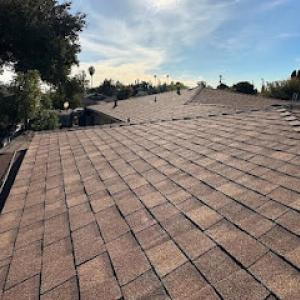
Superior Roof Service, Inc is a Licensed Roofing company committed to delivering quality service at professional level. We have 10 plus years of experience in roofing both commercial and residential; Tile roofs, shingles roofs, low slope roofs, steep roofs. Leak specialist, We offer free estimates and roof inspections. Please feel free to contact us at any time.
Moore Brothers 2 North division
Serving
4.8 from 73 reviews
Family owned and operated we were established in 1968, we have a general license insured and bonded. No job is too big or small for our profession ,we work from the desert to the Sea. We do free estimates and would love to build your vision and bring your construction needs to life, we are a big believing company and will will donate 10% of our profits to your choice of worship center please call, text, email us when you're ready, we also take payments in cash, check, payment plans, credit or debit cards
Bull Roofing , Inc. #1046299
(661) 499-7439 bullroofinginc.com
Serving
4.5 from 42 reviews
Roof issues? Look no further. Bull Roofing, Inc. is your solution for all roofing needs. As a licensed roofing company, we work to meet all of your roofing needs. Lic. # - 1046299
AJC Roofing
(661) 264-3473 www.ajc-roofing.com
Serving
5.0 from 14 reviews
AJC Roofing 20 years in the Antelope Valley counting. . . Over 20 years ago, Rich Barrol established AJC Roofing with one goal in mind: To give great roofing services that meet the highest standards of quality. From that day onwards, he never settled for less. Because a good strong roof matters, and so does how we treat our customers. With 2 decades of roofing repair and installation service in Lancaster CA. and Palmdale CA. as well as the entire Antelope Valley we have grown to be be one of the top roofing companies with a legacy of taking care of our clients and community. It’s all about service, and about making sure that you feel confident with your choice, and know you are getting the best solution when it comes to protecting your h...
Garcia Roofing
(661) 946-3947 garciaroofingcoca.com
Serving
5.0 from 8 reviews
🏠 Garcia Roofing From shingles to tiles, we've got your roofing needs covered!!! 🔨 At Garcia Roofing, we take pride in our commitment to quality and customer satisfaction. Our team is made up of experienced professionals who are dedicated to providing the best roofing services for our clients ✨. 💬🧱 We value integrity, transparency, and open communication, which allows us to build strong and lasting relationships with our customers. ✅ Whether you're upgrading your home or starting a new project, Garcia Roofing is here to make sure your roof is durable, beautiful, and built to last. 📞 Contact us today and let’s raise the roof—literally!
Wasson Roofing & General Contracting
(661) 718-1322 newroofandconstruction.com
Serving
3.9 from 11 reviews
At Wasson Roofing and General Contracting, we pride ourselves on delivering top-notch roofing services with a focus on quality and customer satisfaction. Our skilled team of professionals is dedicated to providing reliable solutions that protect your home or business. Count on us for all your roofing needs; we've got you covered!
Coronado Roof Care
(661) 425-3454 coronadoroofcare.com
Serving
5.0 from 9 reviews
At Coronado Roof Care, our pride is in our workmanship and your peace of mind. We’re a licensed residential roofing company serving North Los Angeles—including the San Fernando Valley, Santa Clarita Valley, Antelope Valley, Simi Valley, and nearby areas—with durable roofing solutions. We handle roof installations, replacements, maintenance, and repairs with integrity, transparency, and meticulous attention to detail. From cracked shingles and active leaks to storm damage and aging materials, we deliver honest guidance and dependable results. Whether you have asphalt shingles, tile, or a flat roof, we tailor every recommendation to your home’s needs, climate, and budget—always treating your home as if it were our own.
American Apex Roofing
37904 Maureen St, Palmdale, California
We are a family owned business. We focus on building relationships while providing quality products and services. We pay attention to the details as well as the overall picture. Whether it's a repair or replacement, we take pride in our work. The satisfaction of our customers is our number one priority.
Palmdale homeowners commonly choose among asphalt shingles, metal roofing, clay tile, concrete tile, wood shingles or shakes, and synthetic or composite shingles. In this desert environment, the material choice is shaped less by coastal moisture and more by sun exposure, thermal stress, and wind resistance during Santa Ana periods. The heat and UV rays relentlessly push roof assemblies to aging, so the best system is one that can absorb or shed heat efficiently, while staying secure during gusty autumn winds. A practical approach is to match the roof's mass and attachment method to the neighborhood's typical housing stock, leaning toward options that tolerate long summers without frequent rework.
The squarely hot sun in the Antelope Valley accelerates aging of underlayment, sealants, and fasteners. Heavier tile systems remain common in Palmdale neighborhoods, offering durable, long-lived protection but demanding a robust structure and careful attachment. Clay and concrete tiles excel at resisting heat and UV damage when properly installed, yet their weight calls for a solid deck and correct fastener patterns to keep them in place through Santa Ana wind bursts. Asphalt and synthetic shingles provide lower upfront mass and quicker installation, but their heat-aging profile means you should expect more frequent inspection for curling, granule loss, and sealant wear in this climate. If choosing metal, look for panels rated for high heat, with a non-conductive underlayment and concealed fasteners to minimize thermal movement and wind-driven issues.
In neighborhoods where tile reigns, ensure the fascia and rake details are reinforced for wind exposure, and confirm the roof deck can handle the load without flexing under sun-driven expansion. If asphalt or synthetic options are selected to balance cost and heat aging, plan on a design that delivers strong wind resistance, anti-ponding features, and a high-quality underlayment capable of withstanding repeated thermal cycling. Wood shingles or shakes can offer aesthetic warmth but require careful maintenance for UV degradation and potential insect concerns in dry heat; they pair best with protective coatings and compatible, heat-tolerant underlayments. For a home with a modern profile or a desert-modern aesthetic, synthetic or composite shingles provide a compromise: lighter weight than tile, better wind resilience than some traditional shingles, and enhanced heat resistance when chosen with a reflective layer.
Choose a roof system with enhanced fastener patterns and wind-driven rain considerations typical of autumn Santa Ana periods. Pay attention to attic ventilation, especially in compact Palmdale homes where heat can build up quickly; good ventilation reduces thermal expansion stress on the roof deck and underlayment. Regular inspections should target fastener integrity, flashing around vents and chimneys, and the condition of underlayment in sun-facing pitches. In the heat of late summer and the cooler but still dry autumn, plan preventive checks for tile compatibility and sealant performance to keep edges and penetrations secure before the worst winds arrive.
Palmdale's roof risk profile is brutal: extreme summer UV accelerates material wear, autumn Santa Ana winds shove debris and uplift, and winter rains-with occasional freezes-test every seam. That combination means edge flashing and underlayment fail sooner here than in milder nearby cities. If you've seen curling shingles, loose vents, or discolored underlayment after the Santa Anas die down, don't wait for storms to confirm the risk-the clock is already ticking.
Wind-driven debris and uplift pressure can turn a tiny edge gap or a marginal flashing seal into a full-on leak once winter storms arrive. In Palmdale, the first meaningful rain uncovers what the dry season hid. An exposed underlayment or a flashing seam that seemed minor after summer heat can suddenly drip from the attic or crawlspace. The moment you notice a bend in a flashing or a batten exposed to wind, treat it as a warning sign, not a cosmetic flaw.
Preventive steps save you real trouble when storms hit. Inspect roof edges, vents, and all flashing with a ladder on a dry, calm day, and address any lift or seal gaps before fall rains begin. Consider reinforcing edge fasteners and replacing compromised underlayment sections where you find moisture staining or delamination. If a winter storm arrives and you hear wind-driven tapping or see new drips after the first heavy rain, prioritize a rapid assessment by a trusted roofer to pinpoint flashing failures, torn underlayment, or displaced shingles before further exposure compounds damage. A swift response saves interior damage and limits the cascade of leaks later in the season.
When you can't wait, these contractors offer fast response times to stop leaks and prevent further damage.
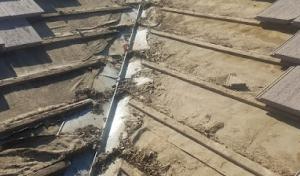
Palmdale reroof pricing varies widely by material. Asphalt shingles run roughly 360 to 700 USD per square, metal from 550 to 1100, clay tile 1100 to 2100, concrete tile 900 to 1600, wood shingles or shakes 700 to 1200, and synthetic or composite shingles 450 to 850. Those ranges reflect not just the material itself but the desert conditions that push up labor and installation complexity on Antelope Valley roofs. If you're comparing bids, ask each contractor to break out tear-off, disposal, and any tile-specific work so you're comparing apples to apples.
In Palmdale, costs are often pushed up by tile tear-off and reset complexity, underlayment replacement after long UV exposure, and wind-related edge and flashing upgrades. The heat and sun can bake underlayment faster and compromise edge details, so expect some bids to include reinforced fasteners, vented soffits, and higher-grade underlayment. If your roof uses clay or concrete tile, anticipate additional labor for tile removal and careful reinstallation to avoid breakage, which your bid should reflect in line-item detail.
Scheduling around extreme summer heat in Palmdale can affect labor planning and project timing, especially on large exposed roof planes common in the Antelope Valley. Plan appointments for early morning start times and anticipate potential delays on days with gusty Santa Ana winds. If you're upgrading to a heavier tile or a metal system, factor in crane or hoisting needs for large or multi-level homes, which can influence both cost and scheduling. For a straightforward shingle job, you may still see premium pricing during peak heat windows, so align your project start with cooler weeks if possible to keep crews efficient and materials from overheating in storage before installation.
Get a clear picture of your project costs upfront - no commitment required.
Colin Roofing
(661) 225-9855 colinroofing.com
650 Commerce Ave STE G, Palmdale, California
4.9 from 109 reviews
Superior Roof Service
(661) 470-4053 www.superior-roofservice.com
1248 E Ave R, Palmdale, California
5.0 from 4 reviews
A building permit is typically required for a full reroof in Palmdale. This is not the step to skip, since the desert climate and shifting roof decks make proper installation and venting important for long-term performance. In most projects, the permit is obtained by the contractor through the City of Palmdale Building and Safety department. Before any material is ordered or removed, confirm with the contractor that the permit will be opened in advance and that all required plans, notices, and safety measures are documented. Having the permit in hand not only satisfies code, it also helps with insurance and potential future resale.
Reroof inspections commonly occur at the underlayment stage and again at final. The underlayment check verifies that the chosen underlayment is appropriate for Palmdale's high UV exposure and Santa Ana wind conditions and that laps, nails, and overlaps are correct for long-term wind uplift resistance. The final inspection confirms that ventilation and nailing requirements meet code, ensuring attic airflow and roof deck integrity are adequate before sign-off. Expect the inspector to review attic soffit and ridge venting, roof penetrations, chimney detailing, and any rooftop installations like vents or flashing. Clear access to the attic and roof line helps speed these checks.
Coordinate with the contractor to schedule inspections promptly and keep a visible calendar for the permit timeline. If a concern arises during underlayment or final inspection, address it with the contractor quickly to avoid delays. Ensure the contractor provides documentation of ventilation calculations and flashing details, since these elements directly impact protection against heat, UV exposure, and seasonal winds. After final sign-off, keep the permit closure documents with your home records for future maintenance and potential resale.
In Palmdale, wildfire-prone conditions have quietly reshaped how insurers view rooftop work. California's homeowners insurance market has seen tightening and price increases in wildfire-prone areas, which affects roofing decisions in Palmdale even though carrier options generally remain available. When the sun has baked a tile or shingle for years and Santa Ana winds whip through autumn, carriers scrutinize how a roof was maintained, what preventive measures were taken, and how quickly any damage was addressed. Expect more careful underwriting and quicker de-emphasis on marginal roofs if the climate stressors stack up.
After a roof claim, insurers may ask for estimates, photos, damage reports, detailed roof condition notes, and maintenance history. Gather yourself a clear, dated photo trail from the day the damage was observed through any interim repairs. Document any signs of heat-related wear-baked flashing, blistered underlayment, or sagging joints-alongside the specific wind- or rain-induced impacts you can verify. Provide a concise maintenance log: inspections, repairs, and replacements of components such as underlayment or vent seals. A well-organized file helps an adjuster move through the file without second-guessing the roof's overall condition.
For Palmdale wind or rain damage claims, documentation quality matters because adjusters may distinguish between sudden storm damage and long-term heat-related wear. If a claim involves a burst due to a storm, emphasize the timing, surrounding weather, and any immediate effects. If heat and UV have contributed, capture patterns of deterioration that align with seasonal sun exposure and repeated high-temperature cycles. Clear notes about age, prior maintenance, and observed wear can prevent disputes about the claim's scope or the needed replacement approach. A thoughtful file reduces friction and helps ensure the claim reflects the roof's true condition.
Connect with contractors who help homeowners navigate the claims process from damage assessment to final approval.
A-Pro Roofing
(661) 866-3141 a-proroofinginc.com
38324 11th St E, Palmdale, California
4.7 from 114 reviews
The Roof Sharks
(661) 269-7632 roofsharksllc.com
1907 Upper Ct, Palmdale, California
5.0 from 10 reviews
On Palmdale's low-slope roof sections, the winter rain can reveal drainage, flashing, and membrane weaknesses that stayed hidden during the long dry season. Flat and low-slope roofs are common in older homes and some rentals, and the heat pushes membrane materials to extremes. You may see faster wear around pipe penetrations, vent boots, and parapet flashings where sun exposure is most intense.
Desert heat can be especially hard on exposed low-slope roof surfaces and rooftop penetrations. UV rays break down adhesive layers and membranes over time, while temperature swings create micro-cracks. When you inspect, look for soft spots, blistering, or edge curling near parapets and flashings.
Start by surveying drainage paths from the roof, through scuppers, to downspouts. Look for standing water after a rain, even brief storms. Check that flashing around curbs, vents, and skylights remains tight and sealed; pay attention to mastic joints that have hardened or peeled. If you see seam pitting or loose ballast on built-up areas, plan a closer inspection with a professional.
Keep troughs and drains clear of desert debris like palm fronds and dust. Re-seal flashing with compatible, high-temp products when you notice small gaps. In Palmdale, consider higher-performance membranes in small, exposed areas and upgrade edge metal to resist wind uplift. Address problems early to avoid expensive replacements after a harsh season.
Find specialists in TPO, EPDM, and built-up flat roofing systems for residential and commercial properties.
Colin Roofing
(661) 225-9855 colinroofing.com
650 Commerce Ave STE G, Palmdale, California
4.9 from 109 reviews
Milo Roofing
(661) 495-4844 milo-roofing.com
38243 Gemini Ct, Palmdale, California
5.0 from 5 reviews
Superior Roof Service
(661) 470-4053 www.superior-roofservice.com
1248 E Ave R, Palmdale, California
5.0 from 4 reviews