Last updated: Apr 19, 2026
Canyon Country sits in the northeastern Santa Clarita Valley where fall Santa Ana wind events are a practical roofing concern for lifted edges, displaced tiles, and debris-driven damage. The combination of dry air, gusty downslope winds, and exposed hillside geometry means roofs here endure higher wind pressure than more sheltered parts of the city. This isn't a generic desert wind problem-it's a local pattern that aggressively targets roofs with any vulnerability. Knowing this, you should treat edge integrity and tile seating as real, time-sensitive factors rather than cosmetic details.
The area's wildfire-sensitive insurance environment makes roof condition, ember resistance, and documentation more consequential than in lower-risk California markets.embers can travel long distances and find small gaps or imperfections to ignite, so every edge, ridge, and penetration matters. If your roof is older or shows signs of wear, insurers notice quickly. Your goal isn't just to survive a wind event; it's to demonstrate resilience through robust materials, tight installations, and clear maintenance records that prove you have minimized ignition pathways.
Homes near canyon and hillside exposures can see more wind pressure and airborne debris than more sheltered valley-floor locations within the same city. That means a tile edge not fully seated or a misaligned shingle aren't minor flaws-they're potential failure points under a Santa Ana surge. Debris-from palm fronds to broken branches-can cause immediate damage to the roof's surface and compromise underlayment, increasing the risk of leaks after the wind subsides. In these pockets, small vulnerabilities multiply into big consequences very quickly.
Start with a walk-around inspection, focusing on edge tiles, ridges, and valleys where wind energy concentrates. Tap test any loose tiles with purpose; if you can shift a tile even slightly, that tile needs to be reseated or replaced before a wind event. Check ridge caps for proper anchoring; a loose cap can act like a sail, lifting and inviting further damage. Look for cracked or chipped tiles along exposed walls and eaves, and address even minor cracks before they become tear points under pressure. Clean the roof surface and drainage paths of leaves, twigs, and other debris that can act like a sail or trap moisture.
Create a simple, up-to-date roof condition record you can share with an insurer or a contractor. Note the age of the roof, the type of materials, and visible vulnerabilities such as lifted edges, cracked tiles, or signs of curling. Photograph representative conditions from multiple angles, especially along any canyon-facing exposures. Keep a dated log of maintenance actions, repairs, and any professional assessments. This documentation isn't just paperwork; it's a practical shield that helps demonstrate proactive upkeep and reduces the likelihood that a wind event becomes an insurance dispute or a costly, last-minute emergency.
Choose materials with proven wind resistance and a tight fit for this terrain. In this climate, you'll prioritize systems that resist uplift and provide secure tile seating, reinforced underlayment, and robust fastening patterns. For someone facing hillside exposure, a heavier substrate and a well-seated, wind-rated system can translate into meaningful resilience during the Santa Ana season. If a roof already shows signs of age or previous wind damage, consider an assessment focused on fixed components-tiles, fasteners, and underlayment-so you're not confronting a cascade of failures when winds pick up.
Before the season's peak, verify tile seating, ridge and cap fasteners, and the integrity of flashing around chimneys and vents. Clear surrounding debris that could become airborne or obstruct drainage. Document any issues with photos and dates, and schedule targeted maintenance or repairs for the most exposed elevations. In this climate, a small, timely fix can dramatically reduce risk, save material loss, and keep the home's envelope intact when the next wind front rolls through.
Clay and concrete tile dominate the roofs in this neighborhood mix, paired with stucco walls that line the hills and valleys. That combination creates a distinctive look, but it also means many homes rely on tricky edge and corner details to keep water out. When evaluating a leak, prioritize the underlayment condition beneath the tile, not just a single broken tile on the roof field. In Canyon Country's inland heat, the underlayment often ages faster than the decorative surface, so a leak can show up even when the visible tiles seem intact. Planning for this reality helps prevent repeat calls and keeps the roof performing through Santa Ana winds and winter rain.
Foothill wind exposure can nudge ridge and perimeter tiles out of alignment over time. A few inches of movement at the top edge can create a path for wind-driven rain to reach the underlayment and sheathing. Inspect ridge caps, hip tiles, and perimeter rows for fine cracks or mortar gaps, and check the flashing where the tile intersects vertical walls. If mortar joints at the edges have loosened or cracked, the entire edge system should be resealed with a compatible mortar or an approved mechanical attachment method. For repairs, focus on reinstalling tiles with proper bearing and secure fasteners so a gust doesn't lift sections again.
Because tile roofs in this area sit above aging underlayment, leaks often trace back to that layer rather than to the tile itself. Look for water staining, cupping, or blistering on the underside of the roof deck, especially near high-traffic perimeter zones and valleys. In the attic, check for dried staining along rafters, and listen for creaks or soft spots that indicate moisture deterioration. When underlayment is at fault, replacing or upgrading to a high-quality, tear-resistant synthetic layer can dramatically extend the roof's life under both heavy rain events and hot, dry Santa Ana spells.
Clay and concrete tiles rely on precise valley linings and carefully integrated connections to the metal or tile flashings. If valleys show moss buildup, shingle-like wear, or misaligned tiles creating spaces, the risk of water tracking beneath increases. Replacing or reseating valley tiles with appropriate mortar or compatible mechanical fasteners can restore a watertight path. Ensure any flashings at connections to chimneys, vent pipes, and skylights are embedded deeply enough and sealed with a durable sealant rated for high heat and UV exposure.
Develop a seasonal check that prioritizes edge and ridge tiles first, then the underlayment from the attic side if access exists. After major wind events, perform a close external inspection focusing on perimeter rows, mortar joints, and ridge caps. In interior spaces, monitor for new stains after heavy rains and note any changes in ventilation or attic moisture. Local homes with stucco finishes should keep the perimeter flashing and crack sealing in good condition, since any water penetration near the eave tends to magnify quickly with consecutive storms. Regular attention to these local hot-spot areas helps prevent small issues from becoming costly repairs.
Find contractors who specialize in clay and concrete tile roofs, known for their durability and curb appeal.
All Weather Roofing
(818) 686-5852 roofingcanyoncountry.com
19425 Soledad Canyon Rd unit b, Canyon Country, California
5.0 from 5 reviews
All Weather Roofing provides professional roofing services for residential and commercial properties in Santa Clarita, California, and surrounding areas. Our skilled team specializes in roof installation, roof replacement, roof repair, roof inspection, and roof maintenance. We also address roof leaks and repair damage caused by storms or high winds. Understanding Santa Clarita’s climate and roofing challenges, All Weather Roofing delivers durable, reliable solutions tailored to local homes and businesses, ensuring long-lasting protection and peace of mind for every property we serve.
United Roof Builders
(661) 977-7669 unitedroofbuilders.com
Serving
5.0 from 18 reviews
Install new shingle roof Install new tile roof Replace old roof shingles Install fascia boards Install new flat roof
GreatWay Roofing
(661) 200-9452 www.roofingcontractorcamarillo.com
Serving
5.0 from 114 reviews
Looking for a reliable and professional roofing contractor in Valencia, CA? Look no further than GreatWay Roofing. With more than 20 years of experience, we have been proudly serving the community since 1999. As a locally and family-owned business, we understand the importance of providing exceptional customer service and workmanship from start to finish and even after the job is done. Unlike many of our competitors who are one-man shows, we have a dedicated team committed to delivering quality results and ensuring your satisfaction. Don't waste your time with unreliable contractors; choose GreatWay Roofing for all of your roofing needs. Contact us today for a free estimate.
Santa Clarita Roofing Experts
(661) 768-1026 santaclaritaroofingexperts.com
Serving
5.0 from 17 reviews
Transform your roofing needs with Santa Clarita Roofing Experts, your trusted partner for roofing solutions in Santa Clarita, CA. Our team is dedicated to bringing your roofing projects to life, whether it's a reliable residential roof replacement, a high-quality commercial roofing installation, roof repairs, or a custom roofing design, we can do it all. We combine expertise with the latest roofing materials and craftmanship to deliver lasting results. Santa Clarita Roofing Experts is committed to creating secure, energy-efficient, and visually pleasing roofing solutions whether that is residential roofing or commercial roofing. No one handles roofing projects better than us! Contact us today and let's turn your roofing vision into reality!

LA Roofing Masters
(888) 621-9378 www.roofinstallationlosangeles.com
Serving
5.0 from 13 reviews
To say you are the best roofing company in Santa Clarita CA doesn’t mean that you are really the best. Only years of experience, and countless amount of satisfied customers in Santa Clarita can prove that you are the best roofing contractor in Santa Clarita California. LA Roofing Masters can service, repair, install all types of roofs. From leaking roof repair, to complete new roof installation, we can help. Contact us for free estimate on you next roof or for same day roof repair in Los Angeles County.

Perfect Roofing
(855) 866-4423 perfectroofingca.com
Serving
4.5 from 26 reviews
Perfect Roofing inc Company is your resource for top-notch for new roof installation services, replacement or repair. we services los Angeles county, venture county and orange county. our team member’s bring many years of experience to projects of all kinds. Our priority to provide the highest quality level of work and customer service. Our crew is trained to provide the first-class work material and good experience for all our customers Contact the Perfect Roofing inc today to schedule your no cost, no obligation, in-depth consultation. Free Onsite Inspection Best Price Guarantee 100% Satisfaction Guarantee Call Today.

Sylmar Roofing Installations
Serving
4.8 from 68 reviews
Sylmar Roofing Installations is your premier choice for superior roofing installations in the Sylmar area. With a team of skilled professionals, we deliver top-quality craftsmanship and attention to detail. Whether you're building a new home or replacing an existing roof, we ensure precision and excellence in our work. Using high-quality materials and advanced techniques, we create roofs that are not only structurally sound but also visually appealing. Trust Sylmar Roofing Installations for expertly executed roofing installations that enhance the protection and value of your property.
Owen & Sons Roofing
(747) 298-7200 solutionroofingpros.com
Serving
4.8 from 61 reviews
Experience the excellence of Owen & Sons Roofing. Our skilled team of professionals is committed to delivering exceptional results that exceed expectations. With our years of experience in the industry, we offer top-quality roofing services tailored to your unique needs. From new installations to repairs and maintenance, we ensure the integrity and durability of your roof. Trust Owen & Sons Roofing for reliable and professional solutions that enhance the protection and aesthetics of your property. Experience the difference we can make for your home or business today.
Gold Star Roofing & Exteriors
(818) 600-9289 sanfernandoroofmasters.com
Serving
4.9 from 82 reviews
Welcome to Gold Star Roofing & Exteriors, where excellence meets reliability. Our dedicated team of professionals is committed to delivering exceptional results and exceeding customer expectations. With our attention to detail and superior craftsmanship, we provide top-quality roofing and exterior services that enhance the beauty and functionality of your property. Whether it's a new roof installation or exterior renovations, trust Gold Star Roofing & Exteriors for reliable and professional solutions. Experience the difference we can make for your home or business today.

Santa Clarita Roofing
(661) 446-8400 santaclaritaroofingpro.com
Serving
5.0 from 4 reviews
Welcome to Santa Clarita Roofing, your trusted local experts for all your roofing needs. With years of experience and a commitment to quality, we specialize in residential and commercial roofing services, including repairs, replacements, and new installations. Our skilled team uses the highest quality materials to ensure your roof is durable and long-lasting. We pride ourselves on our exceptional customer service and competitive pricing. Whether you're dealing with leaks, storm damage, or simply need a roof upgrade, Santa Clarita Roofing is here to provide reliable, professional solutions. Contact us today for a free estimate and experience the difference.
Ferguson & Melvin Roofing
Serving
4.9 from 49 reviews
We’ve proudly served Santa Clarita and Los Angeles County since 1979, providing reliable roofing services for residential and commercial properties. Our experienced team specializes in roof repairs, re-roofing, maintenance, and restoration. Whether you need a new roof installation, a repair, or preventive maintenance, we deliver lasting results with quality craftsmanship. With decades of experience, we’re the trusted local roofing contractor homeowners and businesses count on for dependable, professional service.
T&M Roofing
Serving
5.0 from 1 review
Roofing services Santa Clarita neighborhoods | T&M Roofing | Roof repair Santa Clarita | Roof replacement | Roof installation | Asphalt shingles | Metal roofing | Tile roofing | Flat roofs | TPO | EPDM | Storm damage | Emergency roof repair | Licensed roofer | Free estimates | Certified contractor | Residential roofing | Commercial roofing
Roof replacements are typically lined up from late spring through early fall to steer clear of the wetter winter period and to give underlayment and flashings a chance to dry out properly. In this part of the northeast Santa Clarita Valley, that window aligns with milder temperatures and fewer rain delays, which helps crews finish more predictably. When planning, you'll want to target a stretch that avoids the peak heat of the hottest days, but still avoids the winter wet season where sudden downpours can complicate installation and raise the risk of water intrusion during work. If you have a good three- to four-week stretch with stable weather, that's a solid target to keep the project moving without long interruptions.
Summer in Canyon Country offers longer work windows, which means more days to complete a replacement before the next seasonal change. Inland valley heat, however, can slow crews and affect handling of heat-sensitive materials during the hottest stretches. If a roof is replacing clay tile or concrete tile, heat can impact handling and set times, so plan to schedule the most temperature-sensitive tasks for mornings or shoulder hours when the sun isn't at peak intensity. Ensure crews have access to shade and water on site, and consider staggering insulation or underlayment work to minimize exposure to extreme heat for long periods. In practical terms, you may want to avoid weeks in midsummer that are forecast to regularly hit triple digits, unless the crew has a concrete plan for heat mitigation and frequent water breaks.
Fall scheduling can be disrupted by Santa Ana wind events even when rain isn't in the forecast, which is a distinct planning issue for this area. The wind can complicate material handling, drying times, and safety during nailing and flashing installation. If a project is underway when a Santa Ana event is forecast, be prepared for temporary pauses or rerouting of work tasks to keep crews safe and secure materials on the roof. This season also tends to bring drier air, which helps curing times but can raise dust and debris concerns around exposed underlayment. Have wind contingency plans in place with the contractor, including secure tarping for exposed areas and a quick-access cleanup routine so a wind spike doesn't stall progress for more than a day or two.
Coordinate with the contractor to lock in a start date that minimizes exposure to the wet season while avoiding the hottest stretch of summer. If tile or metal is chosen, confirm the schedule accounts for material handling challenges and heat-related slowdowns. Build a loose target on the calendar with two-to-three backup dates in case Santa Ana winds shift the plan. Communicate on-site watering needs and shade provisions for workers and sensitive materials. Finally, plan for post-install inspection after a modest rain event, so any incidental moisture is caught early and addressed before insurance checks or warranty windows begin.
Get a clear picture of your project costs upfront - no commitment required.
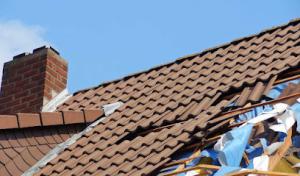

In this market, you'll see the per-square ranges apply across the board, but tile and metal roofs frequently land higher. That's because many homes here have more complex hips, ridges, and penetrations than simple low-slope layouts. When a roof designer needs extra flashing, custom trim, or multiple valleys, the labor and material footprint climbs quickly, pushing price toward the upper end of the ranges. Asphalt shingles remain the baseline, but even they can spike on hillside homes where access and waste handling are tougher. Concrete and clay tiles, along with metal, show the most noticeable bumps when workmanship mirrors the home's terrain and geometry.
Costs can rise on hillside or tightly spaced neighborhood lots where staging, tear-off debris handling, and material delivery are less efficient than on wide flat-access parcels. Temporary hoists, extended ladder setups, and careful debris containment add labor hours that show up as higher per-square totals. In Canyon Country, that effect shows up most on multi-level or tile-roofed homes with tight driveways and limited staging room. If you're in a cul-de-sac with a steep approach, expect a noticeable premium for logistics even before material choice.
Demand spikes after wind events or during the preferred dry-season replacement window can tighten scheduling and labor availability in the Santa Clarita Valley market. When crews are in high demand, you may see longer lead times and tighter window alignment for delivery of materials that are already on allocation. This can shift a project from a planned two-week window to several weeks, with possible price edging as crews balance safety risks and downtime.
Asphalt Shingles: 350-700 USD per square
Synthetic/Composite Shingles: 500-900 USD per square
Metal Roofing: 900-1500 USD per square
Concrete Tile: 900-1600 USD per square
Clay Tile: 1000-1700 USD per square
Slate: 1300-2400 USD per square
If a home has multiple hips and ridges, budget toward the higher end of the tile and metal ranges, since those roof geometries demand more custom fabrication and additional fasteners. For hillside lots or homes with limited access, factor in staging premiums and potential additional ramping for debris removal. Plan for dry-season scheduling conflicts by booking well ahead of the typical replacement window, and keep a short-list of preferred crews who can adapt to squeezed timelines without compromising safety or quality.
In Canyon Country, a full re-roof typically requires a building permit through the local jurisdiction serving this part of Santa Clarita. That means your chosen roofing contractor will submit plans and specs, and your project will be tied to the zoning and code requirements enforced by the city's building department. Because residential roofs in this area often feature tile or composite products, the permit packet should include details on fasteners, underlayment, flashing, and ventilation to align with local wildfire-safety and wind-resilience standards. Expect the process to account for the specific roof slope, structure, and any nearby protected landscape that could influence approvals.
Inspections are a routine part of the Canyon Country re-roof process. Homeowners should plan for inspections at underlayment or rough stage, and again at final. The underlayment/rough inspection ensures the deck and batten or sheathing are properly prepared, and that the underlayment, drip edge, and flashing meet code and department expectations. The final inspection confirms the completed roof meets all permit conditions, including proper installation of roofing material, proper ventilation, and weatherproofing. Scheduling will hinge on the inspector's availability, so you'll want to coordinate with the contractor to align the critical work windows with anticipated inspection dates.
Permit processing times can vary with department workload, which matters in a city where many owners try to book work before winter rain or after wind damage periods. Local staff can experience spikes around the Santa Ana wind season and in the months leading into winter, when homeowners push to secure a dry roof before the next set of storms. During busy periods, plan for potential delays in plan review, revisions, and inspection scheduling. A proactive contractor who tracks the permit status and communicates anticipated timelines helps minimize surprises during peak demand.
To navigate the seasonal rhythm, align your re-roof timeline with anticipated weather windows and permit queues. If a wind event or wildfire-season damage triggers quicker approvals in your ward, expect more demand for inspections and faster review turnover, but also tighter scheduling flexibility. Have your contractor prepare all required documentation in advance-structural diagrams, product specifications, and manufacturer installation guides-so the city reviewer can move the permit through smoothly. Keep a buffer around inspection days to accommodate possible rescheduling, and confirm whether temporary water protection or interim measures are advised if a storm looms during the roofing project.
Canyon Country homeowners are operating in California's tighter insurance market, where wildfire and wind-related claim history can affect coverage options and premiums. The combination of Santa Ana wind exposure, seasonal brush activity, and dense tile neighborhoods means carriers watch risk signals closely. When a storm channels quickly through foothill lanes, a single blown shingle or cracked tile can trigger a broader review of a home's claim history and resilience. Understanding that context helps you plan with care rather than panic.
Insurers may ask for detailed roof documentation, making photo records, permit records, material specifications, and inspection sign-offs especially valuable after a wind or leak event. In this neighborhood pattern, a well-organized archive can be a real asset. Take clear, dated photos of every side of the roof, gutters, and interior staining near the ceiling lines. Save shopping lists or receipts for recent repairs, and note any known weak spots such as hips, ridges, or valleys. When wind or rain tests the roof, a tidy file of evidence can smooth questions about when and how the roof was last inspected or repaired.
Because claims handling can be exacting in this market, homeowners should document displaced tiles, lifted shingles, interior staining, and temporary mitigation steps immediately after damage. A quick, pragmatic approach helps preserve claim integrity: photograph missing pieces, place a temporary patch to prevent further water intrusion, and log the date and method of mitigation. In an environment where insurers scrutinize both cause and course of repairs, timely, precise recordkeeping reduces confusion during the adjustment process.
Connect with contractors who help homeowners navigate the claims process from damage assessment to final approval.
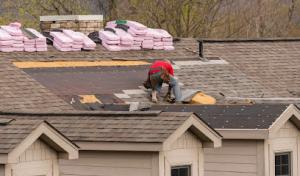
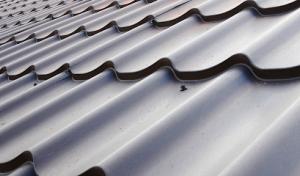
Many Canyon Country homes combine steeper main roof planes with lower-slope patio covers, room additions, or porch sections that age differently and often need different materials. The result is a patchwork of drainage priorities and flashing details. When evaluating, focus on how each section handles sun exposure, wind-driven debris, and seasonal rains. Acknowledge that the lower-slope areas often face nonuniform aging compared to the steeper tile-dominant main roof.
Skylight leak complaints in this climate can be tied to flashing fatigue and UV exposure rather than ice-related issues seen in colder regions. Inspect around skylight curb flashing for hairline gaps, lifted edges, or softened sealant. UV exposure accelerates wear on seals and fasteners, so look for chalking or color fading on surrounding flashing. Consider skylights with reinforced curb flashing and UV-stabilized sealants to resist weathering from Santa Ana wind cycles.
Low-slope sections are more vulnerable during the city's winter rain periods because drainage and ponding tolerance matter more there than on the steeper tile-dominant main roof. Check that low-slope surfaces shed water toward proper scuppers or gutters, with no persistent standing water after a moderate rain. Ensure transitions between the main roof and any low-slope additions are watertight, using integrated flashing that accommodates movement and thermal expansion.
Develop a routine that includes biannual checks of low-slope covers, flashing seals, and skylight surroundings. Clean debris from any parapets or edge channels to maintain clear drainage paths. Use UV-stable sealants and verify that fasteners are snug without overtightening that could strain flashing. When aging sections show uneven wear between roof planes, plan targeted flashing upgrades rather than a full retrofit of the entire roof system.
Find contractors experienced in skylight installation, flashing, and leak repairs to bring natural light into your home.