
Last updated: Apr 19, 2026
Azusa sits directly against the San Gabriel Mountain foothills, so homes closer to the canyon and hillside edge face more wind-driven debris and wildfire-related roofing concerns than deeper valley neighborhoods. In practice, that means your roof endures stronger gusts, faster debris accumulation, and sharper sun exposure. Autumn wind events can lift aging edges, dislodge ridge components, and blow leaves and branches into roof valleys and gutters before winter rains arrive. The result is a higher chance of accelerated wear, accelerated ember exposure, and more frequent gutter and valley clogs that can threaten water infiltration and fire embers finding a dry path to combustible attic spaces. Treat your roof as a frontline defense: if any component looks tired or loose, address it now before the first dry Santa Ana or brush-wind event.
In this neighborhood context, firearm-like wind pressure and ember risk favor fire-rated assemblies and wind-secured roofs. Class A fire-rated assemblies aren't just a selling point-they're practical protection when embers can ride gusts from nearby brush or hillside pockets. When evaluating materials, prioritize products with strong wind uplift performance and a history of ember resistance. Asphalt shingles can be effective with proper wind-fastening and underlayment, but metal, concrete tile, and certain synthetic or composite options often perform more reliably in harsh sun and rapid temperature swings. If a roof shows signs of aging, especially around hips, ridges, and valleys, consider upgrading to an approach that re-seals and reinforces edge exposure, ridge caps, and eave closures. A well-done synthetic underlayment paired with durable overlayers pays dividends in both wind resilience and ease of maintenance after autumn gusts.
Autumn is the critical window to shore up the roof system before the wet season. Implement a routine that checks and secures loose edge shingles or tiles, especially along the rake and hip lines where wind pressure concentrates. Clear all roof valleys, gutters, and drainage channels of leaves and branches to prevent debris ignition and water backup. Look for cracked or missing ridge components and reseal or replace with weather-tight fasteners and corrosion-resistant hardware. Inspect penetrations for evidence of seal deterioration around vents, exhausts, and skylights; wind-driven debris can pry gaps open and invite water intrusion or ember ingress. Keep a close eye on chimney flashing and step flashing where hillside runoff concentrates; improper sealing here is a common failure point after heavy winds or firerisk days. If any area feels loose or damaged, treat it as an emergency repair opportunity rather than a deferred maintenance item.
Southern California insurance pressure in wildfire-prone areas makes Class A fire-rated assemblies, documented roof age, and material records especially important for coverage or renewals. Assemble a simple, accessible binder or digital record that includes roof material type, installation date, and any retrofit notes-particularly around ridge caps, flashing, underlayment, and attic ventilation. Fire-rated details, maintenance history, and recent repairs should be logged with clear dates and contractor information. This documentation not only supports potential insurance actions but also speeds any future replacements or upgrades after a wind event or ember exposure. By prioritizing fire-rated choices now and keeping precise records, homeowners stand a better chance of maintaining coverage and preserving the roof's protective role against the foothill climate.
Azusa's roof landscape shows concrete and clay tile dominating stucco homes, while asphalt shingles are common on lower-cost reroofs and tract-style properties. Extended dry spells and intense sun in the eastern foothill belt accelerate surface wear on shingles and age the underlayment beneath older tile roofs, even when the tiles themselves still look serviceable. That means the decision between tile and shingle is not just about appearance, but about performance under heat, wind, and periodic runoff. When a reroof changes material type, the structural review-especially for heavy tile systems-needs careful attention, because static loads alter how the roof frame behaves.
Clay and concrete tiles are a natural fit for the hot, sun-drenched days and the wildfire exposure you see around the San Gabriel foothills. Clay tiles provide excellent heat resistance and a long service life, but they are heavier and require a solid structural footing. Concrete tiles can offer similar resilience with more variety in weight and profile, but they still demand proper attachment to withstand foothill winds. If your home uses a stucco finish, these tiles align well with the aesthetic and moisture management expectations of that system. In areas that experience strong sun from spring through fall, lighter color tile helps reflect heat and reduces surface temperature, which can extend roof life and improve attic comfort. If the current underlayment has aged, even tiles in good condition can mask a failing base that needs replacement to prevent moisture intrusion.
Asphalt shingles remain a practical option on reroofs or tract-style homes where weight and cost are priorities. In Azusa's climate, high-quality asphalt shingles with appropriate underlayment can perform well for many years, provided installation is done with wind uplift in mind and the roof deck is dry and solid. For homes that have experienced long dry spells, choosing shingles with better heat tolerance and mineral granules designed for UV resistance can slow surface aging. If a reroof is considered on a stucco home with existing tile, ensure the roof deck is evaluated for the heavier load or confirm that the planned change won't trigger a structural adjustment.
Fire-rated options matter for roofs near the foothills. Tile offers inherent fire resistance, but installation details matter: properly sealed penetrations, venting, and correct fastening are essential to prevent wind-driven debris from compromising the system. For asphalt, look for high-wind-rated shingles and a weathered underlayment approach suited to a dry climate with seasonal runoff. In older homes, a reroof that changes material type should be accompanied by a structural assessment of deck framing to ensure it can carry heavier tile loads without sag or nail pull-out.
Heat and sun accelerate surface wear, so plan for vigilant inspections after peak fire season and after heavy wind events. With tile, highlight the underlayment's condition during replacement, since older systems may hide moisture damage. For shingles, prioritize attic ventilation and attic insulation upgrades during replacement to curb heat buildup that hastens aging. In any transition from shingles to tile, verify the roof's support system, including rafters and purlins, to maintain long-term performance under Azusa's foothill loads.
When the first meaningful winter rains arrive after months of sun-baked dry weather, the flashings, sealants, and exposed underlayment have already taken a beating. The Mediterranean pattern of many local roofs means those weak spots that stayed quiet through the summer suddenly leak. The water follows the path of least resistance, tracking along valleys, wall intersections, and around penetrations where heat and wind previously masked issues. The result is a rush of urgent calls for fixes that didn't show up during dry season inspections, and the odds are high that the problem will recur if not addressed decisively.
Foothill runoff and wind-driven rain are relentless on roofs that face the front of the San Gabriel Mountains. Valleys, joints between roof planes, and around vent pipes or skylights are the first places to fail when shingle or tile edges have cracked, sealant has failed, or underlayment has been compromised by sun and wind. In tight valleys where two roof planes meet, a small crack or lifted edge can become a channel for a cascade water that ends up dripping inside crevices you don't normally inspect after a dry spell. Around wall intersections, rain can expose mismatched flashing or poorly sealed corners that looked fine in the heat but fail under pressure of cold, wet weather.
First, perform a focused visual check from the ground after rain begins. Look for damp spots near valleys, along eaves, and where roof penetrations meet the roof deck. If you see staining on interior ceilings near soffits or walls, trace the drip line to locate potential exterior trouble spots. Do not wait for a full storm to test the system. Apply a temporary, watertight fix only to protect interior spaces if a leak appears while waiting for a professional assessment. Use heavy towels or a bucket strategically to manage any ongoing seepage and reduce interior damage.
Second, schedule a rapid assessment with a trusted roofing contractor who understands foothill weather patterns. Tell them you're seeing signs of stress at valleys, intersections, and around penetrations after a dry season, and that this tends to spike as the first winter rains arrive. Ask for a targeted inspection of flashing, sealants, and underlayment in those critical zones, and request a plan that prioritizes wind-driven and fire-resistance considerations for any repairs or replacements.
Third, prepare a short-term mitigation plan for the coming storm window. This means ensuring gutters and downspouts are clear, trimming nearby branches that could strike the roof in gusty winds, and confirming that any repaired sections are matched to the house's heat and weather exposure. In this climate, proactive readiness can mean the difference between a minor drip and a full-scale interior leak.

Stone Roofing Company
730 N Coney Ave, Azusa, California
4.9 from 31 reviews
Contact Los Angeles County commercial roofers Stone Roofing Company at 1-800-31-STONE for your free roof inspection & consultation. A trusted roofer based in Azusa serving all of Southern California, Stone specializes in flat re-roofing, roof repair, re-roofing, roof coatings, installations & roof replacements for commercial & industrial buildings. From emergency roof leak repair to roof maintenance, Stone is capable of handling jobs of any size. Using the latest technology in digital estimating, we're dedicated to serving the needs of our customers & providing the highest levels of efficiency & quality. We excel in the application of all major roofing systems. Licensed, Insured & certified by every major roofing materials manufacturer.
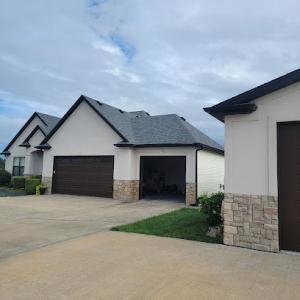
Mighty Roofing
(626) 727-9229 azusaroofingcontractor.com
600 E Foothill Blvd #21, Azusa, California
5.0 from 11 reviews
Welcome to Mighty Roofing, where excellence meets expertise in every shingle! Elevate your property with our stellar services. Need a roof that withstands the test of time? Our skilled craftsmen specialize in Roof Installation, ensuring durability and style. Upgrade confidently with our Roof Replacement service, tailored to your aesthetic preferences. Did you get leaks or damage? Fear not! Mighty Roofing excels in Roof Repair, restoring your peace of mind. Explore innovation with our sleek Metal Roofing options or opt for classic charm with Asphalt Shingle Roofing. For commercial spaces, trust our expertise in Commercial TPO Roofing. Whether it's New Construction or rejuvenating a Flat Roof, Mighty Roofing has you covered!

All Weather Roofing
626 N San Gabriel Ave, Azusa, California
5.0 from 1 review
No matter the forecast, you can trust All Weather Roofing to keep your home safe and secure in any condition. With a focus on durability, reliability, and resilience, we specialize in providing roofing solutions that stand up to the harshest elements. From scorching heat to pounding rain and everything in between, our roofs are built to withstand it all, ensuring your peace of mind and protecting your investment for years to come.
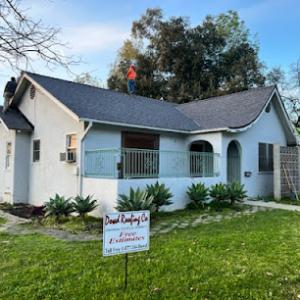
Dowd Roofing
(626) 857-1070 dowdroofing.com
Serving
5.0 from 39 reviews
Since 1979, Dowd Roofing has provided residential and commercial roofing, roof repair, and much more to Glendora, CA and the surrounding areas. Dowd Roofing takes integrity and dependability very seriously when it comes to your projects, from whole roof replacements to storm damage maintenance. We work on asphalt roofing, concrete tile roofing, spray coating, leak plugging, inspections, and more. With over 35 years of experience, you know we are still in business for a reason, Call us today to schedule an estimate, or contact us through our website.
Clear Cost Roofing
(626) 548-6854 clearcostroofing.com
Serving
4.9 from 34 reviews
Clear Cost Roofing is a dependable roofing contractor in Monrovia, CA and nearby areas, offering affordable and high-quality roofing services for both residential and commercial properties. With over 20 years of experience, we handle all aspects of roofing Monrovia, CA projects, including Roof Repair, Roof Replacement, Roof Installation, Roof Coating, Roof Inspection, and Roof Rejuvenation. Our skilled team works with a wide range of roofing systems—Shingle, Metal, Tile, Slate, Flat, TPO, Rubber, and Cedar —to ensure long-lasting results. Whether you're addressing storm damage, leaks, or planning a new roof installation, we deliver reliable craftsmanship at a fair price. Contact us today to schedule your FREE estimate and experience e
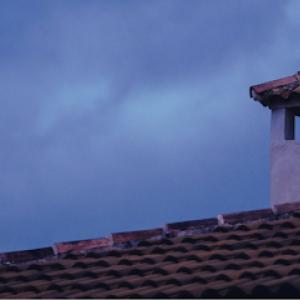
B.W. Roofing
(626) 900-1070 eliteroofing.homes
Serving
4.9 from 71 reviews
B.W. Roofing is a reputable roofing company known for its commitment to excellence and customer satisfaction. With years of experience in the industry, we offer a comprehensive range of roofing services tailored to meet your specific needs. Our skilled team of professionals is dedicated to delivering top-quality craftsmanship and superior results. Whether you require roof repairs, installations, or maintenance, we have the expertise to handle your project efficiently and effectively. At B.W. Roofing, we prioritize attention to detail and use high-quality materials to ensure the longevity and functionality of your roof. Trust us for reliable roofing solutions that meet the highest standards.
Manna Roofing Company
Serving
5.0 from 6 reviews
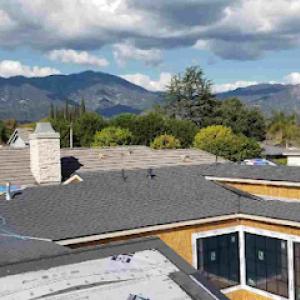
Manna Roofing Company is a family owned and operated business located in Riverside, California servicing the majority of the Southern California area. We specialize in complete roof installs as well as roofing repairs and wood replacement. We have three generations of roofing and construction experience in residential and commercial properties. Call today to receive an appointment for a on property inspection and quote.
AMC Pro Roofing
(909) 737-3817 amcproroofing.com
Serving
5.0 from 7 reviews
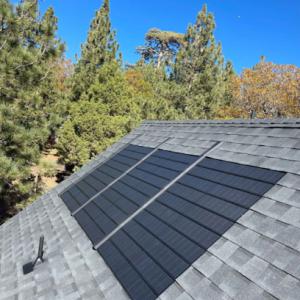
AMC Pro Roofing INC, safeguarding homes and businesses in Cedar Glen and Lake Arrowhead with expert roofing services. We bring reliability and quality craftsmanship to every project, ensuring your property is protected from the elements. Discover peace of mind with our commitment to excellence, where expertise meets the unique needs of our mountain communities. Learn more about how we can help you maintain a secure and beautiful roof over your head.

Highland Commercial Roofing
(626) 856-2076 www.highlandroof.com
Serving
4.6 from 45 reviews
Highland Commercial Roofing offers expertise in commercial and industrial roof installation and maintenance. We begin with a thorough roof inspection at no cost to provide a variety of solutions for maintenance, repair, or a new roofing system. Our commercial roofers are skilled, dedicated, and highly trained master craftsmen who provide a quality service with extensive pros and cons to each option in order to help you make the best decision for your commercial property. Our production management team will work with you to develop a plan and construction schedule designed to minimize our impact on your business operations, or that of your tenants, during installation. Contact us today for a quote or more information.
Baldwin Park Roofers
(626) 542-1397 baldwinparkroofers.com
Serving
5.0 from 34 reviews
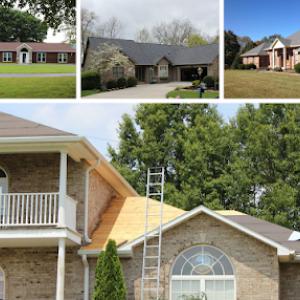
For reliable and affordable roofing in Baldwin Park, CA, trust Baldwin Park Roofers. With over 20 years of expertise, we provide professional roof repair, roof installation, roof replacement, and roof inspections. We specialize in shingle roofing, metal roofing, and flat roofing. Our focus is on delivering long-lasting roofing solutions that meet your needs and budget. Serving Baldwin Park, CA and nearby areas —contact Baldwin Park Roofers today for a free estimate!
Hudson & Sons Roof Repair
(626) 790-2225 roofingbaldwinpark.com
Serving
4.7 from 71 reviews
Hudson & Sons Roof Repair is a trusted name when it comes to professional roof repair services. With our experienced team of professionals, we specialize in addressing a wide range of roofing issues promptly and effectively. Whether it's fixing leaks, replacing damaged shingles, or restoring the overall condition of your roof, we have the expertise and tools to get the job done right. At Hudson & Sons Roof Repair, we prioritize quality workmanship and customer satisfaction. Trust us to restore the integrity and functionality of your roof with precision and expertise.
Fast Track Roofing Repair Service West Covina
(626) 548-2620 fasttrackroofingllc.com
Serving
5.0 from 19 reviews
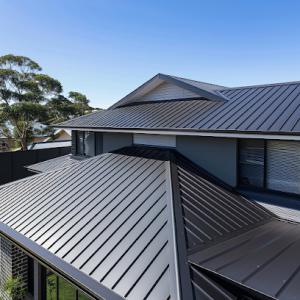
Reliable Roofing in West Covina, CA At Fast Track Roofing, we make protecting your home or business simple. Serving West Covina, CA, we handle everything from quick leak repairs to full roof replacements with speed and precision. Our team uses durable materials and proven techniques to deliver strong, long-lasting roofs. Whether it’s residential or commercial, you can count on expert service and lasting results.
Provided local cost ranges per square are: Asphalt Shingles 350 to 650, Metal Roofing 550 to 1100, Clay Tile 900 to 1900, Concrete Tile 800 to 1700, Wood Shingles or Shakes 650 to 1200, and Synthetic or Composite Shingles 600 to 1100. These figures reflect Azusa's foothill climate, where summer heat and winter runoff meet fire exposure and wind. Expect these ranges to appear on bids you receive from nearby contractors who understand the terrain and aging roof stock you're likely dealing with.
Costs in Azusa often rise when older tile roofs need underlayment replacement, broken tile matching, or structural review tied to heavy roof systems and material changes. If your existing roof is clay or concrete and you're considering upgrading to a heavier or more wind-resistant option, set aside additional budget for tile color-matching, cable-therm inspections, and potential rafters reinforcement. Underlayment replacement is common after a decade or more of wear, and matching broken tiles can add time and materials to the project.
Scheduling during dry months can reduce weather delays, while winter rain interruptions and summer heat handling can increase labor time and staging costs. In practice, you'll see shorter project windows and fewer weather-related hiccups when you pick a dry season start. Summer heat also means crews work efficiently in early mornings and late afternoons, which can influence crew availability and daily rates. If you need material changes or a full roof replacement, plan for a window that avoids the rain and the peak heat, and discuss staging plans with the contractor to minimize disruption.
Get bids that itemize underlayment, tile matching, and any structural work separately from the roof covering. Confirm warranty terms for the chosen material, especially if you're moving from a lighter to a heavier system. Align your project timeline with a dry-season start, and ask for a written plan detailing how fragile tile sections will be protected during removal and installation.
Get a clear picture of your project costs upfront - no commitment required.

Overhead Roofing Inc - Pasadena Roofers
(626) 612-1316 overheadroofingca.com
Serving
4.9 from 123 reviews
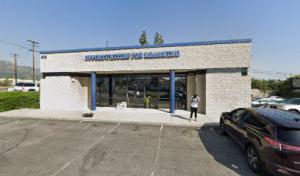
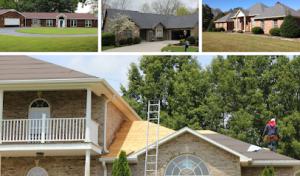
Reroof projects in Azusa generally require a Building Permit through the City of Azusa Building and Safety Division. Before any shingles are torn off or a new system is installed, you'll want to submit the scope of work, site plan if applicable, and roof replacement details to the permit desk. The permitting process helps ensure the project complies with local wind, fire, and moisture protections that are particularly important for foothill homes. Once your permit is pulled, keep a copy on site and be prepared to post notice of the permit during the work so neighbors and inspectors can verify the project is authorized.
Reroof inspections are typically called at deck, underlayment, and final stages. The review focuses on fire-rated details, proper moisture barriers, and wind-resistant features that match Azusa's seasonal challenges. At deck inspection, inspectors confirm that the roof deck is clean, structurally sound, and ready for underlayment. During underlayment, look for continuous moisture barriers, proper flashing around chimneys and vents, and correct installation of underlayment to protect against winter runoff. The final inspection confirms that the installed roof assembly integrates with ventilation, drip edge, edge detailing, and any required fire-rated components with weatherproof penetrations and secure wind uplift resistance.
Plan review may be required when structural changes are involved, which is especially relevant if a homeowner is changing from one roofing system type to another. If you're converting from wood shakes to a metal roof or from concrete tile to synthetic or clay, anticipate plan review to verify compatibility with existing supporting members and seismic considerations. The review helps ensure fasteners, deck reinforcement, and ridge or hip configurations meet local wind and fire standards. Engage a licensed contractor who can provide stamped drawings if structural adapters or changes are needed, and be prepared for potential add-ons to comply with code updates.
Communication with the Building and Safety Division should occur early. Have your contractor's installation details, product data sheets, and wind uplift calculations ready for submittal. After inspections, address any required corrections promptly to keep the project moving toward a compliant final sign-off. Remember to secure all inspections in a timely manner to prevent delays in permit closure and to maintain a clear record for future maintenance or resale.
Homeowners in Azusa face a tighter insurance landscape as the broader Southern California market contracts in wildfire-prone and high-risk areas. The result can be higher scrutiny during underwriting and more frequent policy gaps or non-renewals, especially for roofs that show age or wildfire-related vulnerabilities. This isn't a reason to panic, but a reality that can affect coverage choices and premium stability over time. Understanding how insurers view your roof in this foothill climate helps you plan ahead rather than react after a claim window opens.
Adjusters commonly want proof of roof age, material type, installation records, and warranty documentation. Azusa homeowners benefit from keeping a complete reroof file before any claim arises. Store receipts, contractor invoices, manufacturer warranty details, and any post-installation inspection notes in a dedicated folder or digital vault. When a claim comes, having a clear, organized history minimizes delays and helps the adjuster verify eligibility for coverage or specific wind- or fire-related endorsements. A simple, well-kept record can be the difference between a smooth settlement and a protracted dispute.
Because wind, debris, and rain events can create mixed-cause damage, photo documentation immediately after a storm is important before temporary repairs are made. Take wide-angle shots of entire roof planes and close-ups of any dented or missing shingles, flashing gaps, or peripheral signs of wind uplift. Document gutters, vents, and chimney bases as well. If temporary tarp or patching is needed, photograph the repair steps and the surrounding area before any work begins. This practice helps establish a clear, chronological record of damage and can support more accurate claim outcomes, particularly in situations where multiple factors contributed to the loss.
Maintain a dedicated reroof file with detailed specifications, stay ahead on documentation, and photograph storm impacts promptly. In the foothills, where wind-driven debris and seasonal rains converge with wildfire exposure, these steps reduce surprises when insurance decisions hinge on a well-documented roof history. Remember that every storm can blur lines between wind, water, and fire-related damage, so timely, precise records are your best ally.
Connect with contractors who help homeowners navigate the claims process from damage assessment to final approval.
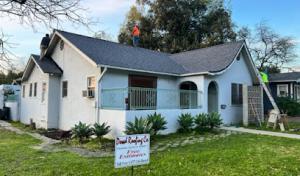
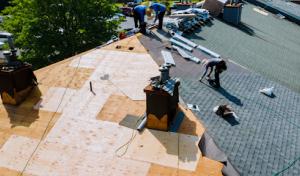
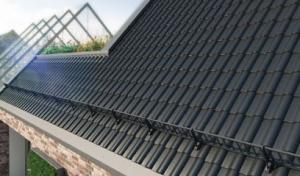
The foothill setting brings sustained sun exposure, strong winds, and winter runoff that can push drainage toward the wrong places. The local contractor mix includes a strong commercial presence, which aligns with flat and low-slope roofing needs on Azusa retail, multifamily, and mixed-use buildings. In this environment, low-slope roofs are not a luxury; they're a durable, high-use surface that must resist heat, wind-blown debris, and potential wildfire embers. Selection and maintenance strategies should assume long service life in sun-drenched air and seasonal spray from winter storms, with attention to how these factors influence coatings and flashing details.
Roof coatings are an active specialty in this market, reflecting demand for extending service life on low-slope systems exposed to prolonged sun and heat. If a coating is chosen, prioritize elastomeric or acrylic formulations with UV resistance and good albedo to reduce heat transfer. For Azusa's climate, a reflective top layer paired with a robust base coat can help curb heat buildup and minimize thermal cycling that leads to membrane fatigue. Schedule annual inspections to verify coating adhesion, seam lift, and surface cleanliness, since airborne dust and tree debris can compromise performance between recoats.
On low-slope roofs in Azusa, drainage performance before winter storms is critical because debris from dry-season winds can block flow paths and create ponding risk. Assess the primary and secondary drains for accessibility and unobstructed flow. Clear gutters and scuppers, and verify that roof penetrations are sealed against wind-driven rain. Consider installing primary and backup drainage paths or surge back-up details at critical transitions to mitigate ponding after storm events.
Foothill winds can around edges stress sealants and flashing joints. Inspect transitions where roof membranes meet parapets, curbs, and roof-to-wall interfaces. Use wind-rated sealants and compatible fasteners to resist uplift. For retrofits, look at edge metal and drip edges that reinforce the perimeter and help channel debris toward safe discharge points rather than accumulating along the membrane edge.
Develop a simple seasonal checklist focused on solar exposure, wind-blown debris, and membrane seam condition. Schedule mid-winter inspections after storms and again in late spring before the heat intensifies. Training maintenance crews to recognize early signs of moisture intrusion, ponding, or coating degradation will preserve performance and reduce the frequency of costly reroofs.
Find specialists in TPO, EPDM, and built-up flat roofing systems for residential and commercial properties.

Stone Roofing Company
730 N Coney Ave, Azusa, California
4.9 from 31 reviews