Last updated: Apr 19, 2026
Reseda sits in the inland San Fernando Valley, where summer heat is more intense than coastal Los Angeles and accelerates aging of underlayment, sealants, and flashing details. The climb in daily temperatures-often well above comfortable levels for weeks at a stretch-drives faster breakdown of roof components that sit right against the deck. Underlayment that softens or dries out too quickly becomes less able to shed water, while sealants around vents and flashing joints lose elasticity and can crack or separate. Flashing at hips, ridges, and along penetrations endures more thermal cycling, which translates to micro-movements that can loosen fasteners and widen gaps over time. A roof with light-colored or reflective surfaces tends to fare better under the sun, but even those systems suffer if the underlayment and flashing aren't in solid shape. For a typical residential roof in this area, the heat window you monitor most closely is the stretch from late spring through early fall, when heat stress is highest and the roof has to withstand the longest daily exposure.
Fall Santa Ana wind events in the Valley can create uplift pressure on lighter roofing systems and expose weak ridge, edge, and flashing attachments. Those dry, gusty winds can catch the upper edges of a roof that hasn't been properly secured or where fasteners have aged. If your roof uses lighter materials or has fewer fasteners near the edges and ridges, you may notice loose shingles, fluttering at the eaves, or hairline gaps around vent collars and plumbing stacks after the first good Santa Ana blow. In practice, this means assessing the ridge cap and edge details with a careful eye for any movement or lifting after windy spells. The presence of existing flashing pull-outs or poorly sealed penetrations is a red flag during wind season. A roof that has held up through a few Santa Anas should still be checked for small gaps around vent flashing and step flashing at corners, especially where roof planes meet walls or other transitions.
The dry season is the preferred replacement window locally because winter rain can interrupt tear-off and leave roof decks and underlayment exposed to moisture. When the rain returns, crews must pause to manage water intrusion risk, which can extend project timelines and increase the chance of weather-related workmanship issues. If a full replacement is planned, aiming for a stretch of several dry months provides the most predictable window to remove, replace, and reseal without rain interruptions. Early fall or late spring often works well, but timing should align with the balance of heat intensity and wind cycles. If a roof requires only partial work, schedule accordingly to maximize dry days and minimize the likelihood of a mid-project shower or ongoing Santa Ana gusts that could complicate securement of components.
Begin with a visual walk of the roof edge, ridge cap, and any flashing around vents and pipes. Note any lifted shingles or uneven transitions that appeared after strong winds. If the underlayment or flashing shows signs of aging-soft spots, granular loss, or cracking-prioritize planning for replacement during the dry season window. When scheduling, communicate with the contractor about expected Santa Ana periods and ask for a plan that secures ridge and edge detailing first, then proceeds to field shingles or tiles. For tile or low-slope roofs common in this area, verify that the chosen installation method and sealants are rated for high-heat environments and wind uplift. Regardless of roof type, insist on a thorough check of drip edge conditions, valley flashing, and penetrations where thermal cycling has the greatest impact. This targeted approach helps ensure the roof maintains a solid seal through the hot months and windy seasons.
In this valley climate, your tile roof faces a double challenge: extreme summer heat and the Santa Ana winds that sweep through late summer and fall. Clay and concrete tiles are a common, durable look on many homes, but they come with heavier load and installation nuances. Those heavier systems can trigger structural review and load concerns during a re-roof, especially on older homes or additions that weren't originally designed for tile. A practical rule of thumb is to have a structural assessment if the existing rafters or overhangs feel undersized for a full tile replacement. The combination of heat-related expansion, wind-driven debris, and the weight of multiple tile layers underscores the value of a qualified local inspector who understands how these homes were built and what the current code tolerances allow in a re-roof scenario.
In Valley heat, the underlayment plays a critical, often underappreciated role. Tile surfaces may still look serviceable from the street, but underlayment can age out long before the visible tiles do. The hot, dry air accelerates deck and underlayment deterioration, leading to leaks that appear only after a few hot seasons or after a strong wind event. This means the replacement decision should consider not just the tile, but the condition of the underlayment, flashing, and any deck insulation. If the underlayment shows cupping, cracking, or membrane deterioration, a full system refresh is advisable even if the tile itself seems fine. Because the underlayment won't be visible from ground level, it's essential to rely on a thorough infrared inspection or careful probing in order to detect hidden moisture or rot.
Tile and concrete tile add substantial weight compared with asphalt or metal. In Reseda, that weight matters not only for initial installation but for ongoing life expectancy as framing ages. If a re-roof is planned on a home with a history of shifting or settling, or on a structure that has undergone previous remodels, a structural engineer's input can prevent later cracking or fastener failure. The timing decision for a tile replacement should balance anticipated wind-driven debris risk, underlayment age, and the likelihood of future repaints or sealant failures around parapets and chimneys. In practical terms, many homes see the best long-term outcomes when a re-roof with tile is scheduled at a point when underlayment and flashings are near the end of their service life, but before wind damage becomes widespread.
The local contractor market shows unusually strong demand for both tile roofing and flat-roof work, reflecting the mix of pitched suburban homes and low-slope additions. Reseda often presents flat additions, patios, or multifamily configurations where low-slope or even fully flat sections are integrated with historically tile homes. These areas demand careful attention to drainage, edge detailing, and proper slope for the chosen membrane. In Santa Ana wind events, edge flashings and seam integrity on low-slope sections can be the decisive factor between a dry season and recurring leaks. A thoughtful replacement strategy treats low-slope portions as equally critical to the tile sections, ensuring compatible materials are used at transitions to prevent failure at joints.
Because heat accelerates aging, proactive maintenance matters more here than in milder climates. Schedule periodic roof inspections after peak summer heat and after major wind events. For tile systems, look for loose or cracked tiles, degraded sealant around vents, and protrusions that may have shifted during high-wind periods. For low-slope areas, check membrane seams, drainage scuppers, and flashing at all penetrations. A targeted maintenance plan-replacing damaged sections promptly, resealing parapets, and addressing underlayment wear before it becomes visible-extends system life and reduces unexpected leaks during the hottest months. With the right attention, a tile or low-slope roof in this region can preserve its performance despite the demanding local conditions.
Find contractors who specialize in clay and concrete tile roofs, known for their durability and curb appeal.
My Way Roofing
(866) 220-0314 mywayroofing.com
6717 Wynne Ave, Reseda, California
4.9 from 351 reviews
Harry & Sons Roof & Gutter
(818) 740-4171 roofingreseda.com
19353 Victory Blvd #492, Reseda, California
4.8 from 53 reviews
California Green Roofing
(747) 298-6407 www.californiagreenroofingremodeling.com
19550 Lanark St, Reseda, California
4.8 from 52 reviews
My Way Roofing
(866) 220-0314 mywayroofing.com
6717 Wynne Ave, Reseda, California
4.9 from 351 reviews
Welcome to My Way Roofing Company, your trusted partner in all roofing needs. With several years of experience, we offer expert solutions for repairs, installations, inspections, and more. Our commitment to quality, transparency, and customer satisfaction sets us apart. Explore our services and discover why we’re the choice for roofing excellence in My Way Roofing.

Reseda Roofing Installations
18308 Sherman Way, Reseda, California
4.8 from 71 reviews
Reseda Roofing Installations is your premier choice for superior roofing installations in the Reseda area. With a team of skilled professionals, we deliver top-quality craftsmanship and attention to detail. Whether you're building a new home or replacing an existing roof, we ensure precision and excellence in our work. Using high-quality materials and advanced techniques, we create roofs that are not only structurally sound but also visually appealing. Trust Reseda Roofing Installations for expertly executed roofing installations that enhance the protection and value of your property.
Harry & Sons Roof & Gutter
(818) 740-4171 roofingreseda.com
19353 Victory Blvd #492, Reseda, California
4.8 from 53 reviews
Harry & Sons Roof & Gutter is a trusted roofing company committed to providing top-quality roofing and gutter services. With our experienced team of professionals, we specialize in a wide range of services, including roof repairs, installations, and gutter maintenance. Our skilled technicians utilize high-quality materials and proven techniques to ensure the durability and functionality of your roof and gutters. At Harry & Sons Roof & Gutter, we prioritize attention to detail and customer satisfaction. Trust us for reliable roofing and gutter solutions that protect and enhance the value of your property.
California Green Roofing
(747) 298-6407 www.californiagreenroofingremodeling.com
19550 Lanark St, Reseda, California
4.8 from 52 reviews
California Green Roofing is a leader in the Los Angeles roofing sector, recognized for excellence and ingenuity. Serving both residential and commercial clients, we deliver top-tier roofing solutions, tailored to California's unique environment. Our commitment to quality is evident in our choice of superior materials and the unparalleled skill of our team. We're not just about shielding your property; it's about enhancing its appeal and ensuring your satisfaction. Positive client feedback underscores our dedication to not only meet but exceed expectations. With California Green Roofing, expect nothing less than the highest standard of roofing craftsmanship and customer service that genuinely listens and delivers.

Winnetka Roofing Experts
Serving
4.8 from 77 reviews
Winnetka Roofing Experts are your trusted roofing specialists serving the Winnetka area. With a team of experienced professionals, we provide expert craftsmanship and reliable solutions for all your roofing needs. Whether it's installations, repairs, or maintenance, we bring a wealth of knowledge and attention to detail to every project. Our goal is to exceed your expectations by delivering exceptional results that stand the test of time. Using quality materials and advanced techniques, we ensure that your roof is built to withstand the elements and provide long-lasting protection. Count on Winnetka Roofing Experts for dependable and expertly executed roofing services.
Superstar Roofing
(888) 910-9993 superstar-roofing.com
Serving
4.9 from 144 reviews
Superstar Roofing We are a dedicated team of roofing professionals with years of experience providing top-tier roofing solutions. Our mission is to deliver reliable, affordable, and high-quality roofing services for both residential and commercial properties. Licensed, Bonded & Insured Reliable & Long-lasting Roofing Solutions Over 20 Years of Roofing Expertise Up to 50 Years Warranty on New Roofs Flexible Financing Options Available
A1 American Roofing
(310) 606-2629 a1americanroofing.net
Serving
5.0 from 92 reviews
A1 American Roofing, has proudly served the Los Angeles CA and its neighboring areas over more than 20 years as a local, family-owned roofing company. Specializing in residential and commercial roofing services, we offer expert roof installation & replacement, roof repair, roof maintenance emergency service and roof inspection for a variety of roofing systems. Our unwavering commitment to quality and professionalism has earned us a reputation for excellence, ensuring that every project surpasses expectations. Experience the difference with A1 American Roofing, where skilled craftsmanship and dedication merge to deliver the perfect roofing solution.
Citywide Roofing
(888) 933-5939 citywide-remodeling.com
Serving
4.7 from 44 reviews
Citywide Roofing is a fully licensed and insured home renovation company with over 8 years of experience serving the residents of California. We offer a wide range of services, including roofing, paving, HVAC installation, window and door installation, and more. Our team of skilled professionals is dedicated to providing our customers with the highest quality workmanship and customer service. We are proud to be a trusted name in home renovation, and we are committed to helping our customers make their homes the best they can be.
P.E.Y Roofing
(424) 424-2202 www.peyroofing.com
Serving
4.9 from 31 reviews
P.E.Y Roofing is a reputable roofing company dedicated to providing top-quality roofing services With our skilled team of professionals, we specialize in a wide range of roofing solutions for both residential and commercial properties. From roof repairs to installations and maintenance, we have the knowledge and experience to handle projects of any size or complexity. Our commitment to excellence and customer satisfaction sets us apart. At P.E.Y Roofing , we pride ourselves on delivering exceptional craftsmanship and reliable service. Trust us for all your roofing needs.

Prime Plus Roofing
(747) 330-0400 tarzanaroofing.com
Serving
4.8 from 64 reviews
Welcome to Prime Plus Roofing, where excellence meets reliability. Our dedicated team of professionals is committed to delivering exceptional results and exceeding customer expectations. With our attention to detail and superior craftsmanship, we provide top-quality roofing services that enhance the beauty and functionality of your property. Whether it's a new roof installation or repairs, trust Prime Plus Roofing for reliable and professional solutions. Experience the difference we can make for your home or business today.
Bryson & Sons Roofing
(818) 574-5154 roofingwinnetka.com
Serving
4.8 from 60 reviews
Experience the expertise and craftsmanship of Bryson & Sons Roofing. Our skilled team of professionals is committed to providing exceptional results that exceed expectations. With our years of experience in the industry, we offer top-quality roofing services tailored to your unique needs. From new installations to repairs and maintenance, we ensure the integrity and durability of your roof. Trust Bryson & Sons Roofing for reliable and professional solutions that enhance the protection and aesthetics of your property. Experience the difference we can make for your home or business today.

Overhead Roofing Inc – Los Angeles Roofing Contractors
(818) 369-3959 overheadroofingca.com
Serving
4.9 from 61 reviews
Roof repair and installation services in Tarzana by Overhead Roofing CA. With over 25 years of experience, we specialize in roof installations, repairs, maintenance, and inspections. Our skilled team provides high-quality roofing solutions at competitive prices. Licensed and insured for your peace of mind. Contact us today for a free estimate or consultation on your roofing needs.
Los Angeles Department of Building and Safety handles most full re-roofs in this part of the Valley, rather than a separate city office. That means your project follows the same permit pathway as dozens of neighbors upgrading older homes, with the potential for a few extra steps tied to the city's overarching safeguards. The process is not a formality, especially if the roof assembly includes heavier materials or unusual framing. Expect a review that checks code compliance, material compatibility, and fire-rated details. If the project involves a change in roofing type, the review may be more stringent, since heavier systems interact differently with existing structure and local wind considerations.
Re-roof permits in this area commonly include staged inspections, and those inspections are not a one-and-done milestone. The on-site checks typically cover underlayment installation, flashing details, and the final approval that closes the permit. The underlayment inspection confirms the core moisture barrier is properly laid out and protected against Valley heat and Santa Ana winds. Flashing inspections focus on transitions around chimneys, vents, and roof-to-wall junctions where wind uplift can breach safety margins. The final inspection verifies that the entire roof assembly is in place, appears duty-ready, and that the work aligns with the approved plans. The permit is expected to be posted on site, serving as a visible reminder that the work has city authorization and will be subject to potential follow-up checks.
When switching to or replacing heavy tile systems, structural weight and load capacity become practical permitting issues. City review may require confirmation that the existing framing can support the assembly, particularly in homes with older or lighter roof structures. If the plan calls for clay or concrete tile, or any tile with substantial mass, be prepared for additional framing documentation or even reinforcement recommendations. The review may demand calculations or a structural report that demonstrates the roof deck and framing can safely carry the new load without compromising alignment with the home's seismic resilience. Rushed approvals or missing documentation can trigger delays, so coordinate early with a licensed contractor who understands both the LA code path and how climate-driven roof dynamics-heat amplification and wind uplift-impact load requirements over time. In practice, that means ensuring framing, fasteners, and support details are all clearly tied to the intended tile mass and wind exposure of the project.
When planning a roof replacement, expect asphalt shingles to run about $400 to $800 per square, metal roofing from $700 to $1200 per square, clay tile $1000 to $2000 per square, concrete tile $900 to $1800 per square, wood shingles or shakes $700 to $1200 per square, and synthetic or composite shingles $600 to $1100 per square. These ranges reflect local shopping patterns and the Valley's typical material mix, with more aggressive pricing often found on standard asphalt and basic synthetic products.
Costs in most Reseda projects rise when a tile tear-off is involved, disposal fees for heavier systems, or a structural review becomes necessary to support new roofing weight. Detailed flashing around skylights and other penetrations is common on remodeled Valley homes and adds to labor time. If you're replacing clay or concrete tile with a heavier system, expect a higher overall bill because framing and fasteners must be evaluated and possibly upgraded. In short, the base material price is only part of the picture; installation realities in this climate push totals higher.
Project timing can affect pricing locally because winter rain delays and post-storm demand spikes after Santa Ana wind events tighten scheduling and labor availability. If a window opens during the shoulder season, you may see steadier crews and less rush-hour pricing, but peak demand after a wind event can push crews into tighter calendars and higher wait times. Plan early and build in a weather-aware schedule to avoid premium surge periods.
Because extreme summer heat accelerates wear, choices like metal or concrete tile often balance long-term durability with upfront costs in this market. If heat-related wear is a concern, investing in a slightly higher-grade underlayment and durable flashing can pay off over the lifespan, especially around penetrations and edges. For homes with existing tile footprints, reviewing the weight implications before choosing a replacement is essential to avoid unexpected structural costs.
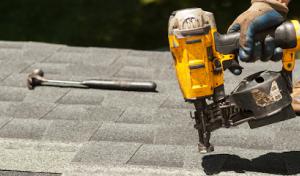
The most popular roofing material in the US. Find pros who install, repair, and replace asphalt shingles.
Reseda Roofing Installations
18308 Sherman Way, Reseda, California
4.8 from 71 reviews
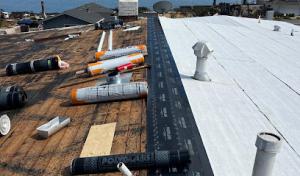
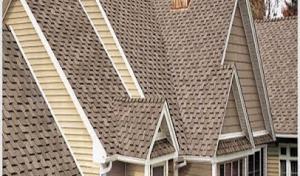
California's insurance landscape has tighten its grip on homeowners across the state, and Reseda is no exception. Selective insurer pullbacks and stricter underwriting are increasingly tied to roof age and condition, especially when documentation isn't thorough or recent. If your roof is older or shows signs of wear, expect more scrutiny during renewal conversations and when you file a claim. The risk isn't that coverage disappears outright, but that carriers may re-rate, impose higher deductibles, or require additional proof of maintenance and condition before agreeing to replacement or repair. Being prepared with a clear picture of your roof's history can prevent last-minute surprises.
When a claim is triggered in this market, you should anticipate a paperwork-heavy process rather than a quick on-site reimbursement. Insurers commonly request photos that document the roof's current state, the roof's age, and any pre-loss condition records you've kept. Photos should capture lifted shingles or tiles, signs of wind-induced failures, and any prior repairs. If the timeline tightens during periods of elevated claim volume, delays can occur at the adjuster stage, so prompt, organized submission helps keep things moving. In Reseda, wind events can produce subtle but pervasive damage, and the claim review may hinge on how thoroughly those wind-exposed areas are documented.
Because this area often sustains damage through repetitive wind exposure and incidental leaks rather than a single dramatic event, the details you provide matter as a foundation for decision-making. Interior staining that follows a leak, patterns of staining along ceilings and walls, and even temporary tarping or de-tarping records all serve as clues about the roof's performance over time. Documenting these elements immediately after a wind event can shape whether a claim is settled as a repair, replacement, or something in between. The more you can show a clear chain of events from wind damage to interior impact, the stronger your position will be.
Keep a dated record of roof age, maintenance, and any pre-loss photos in a central, accessible place. After a wind event, take current photos from multiple angles and note which areas correspond to leaks or staining. If you've had temporary tarps, keep receipts and a log of when they were installed and removed. Share these records promptly with your adjuster, and request written confirmations of what the insurer needs to complete the claim. The goal is to reduce ambiguity, minimize delays, and help ensure the claim reflects the roof's true condition and performance over time.
Connect with contractors who help homeowners navigate the claims process from damage assessment to final approval.
Reseda Roofing Installations
18308 Sherman Way, Reseda, California
4.8 from 71 reviews
Harry & Sons Roof & Gutter
(818) 740-4171 roofingreseda.com
19353 Victory Blvd #492, Reseda, California
4.8 from 53 reviews

In the heat of summer, flashings and sealants around vents, skylights, and roof transitions dry out faster, making these penetrations the most likely leak points long before the main field shows trouble. You may notice shimmering heat distortions at the flashing seams, or hairline gaps where asphalt and metal meet. If a vent flashing or seal around a skylight is aging, a sudden wind event can push moisture right into the attic before you spot it from the attic or ceiling. Inspect these areas after the hottest days of July and again after any Santa Ana gusts, and address as soon as you find cracking, wrinkling, or separating seals.
Tile roofs in this climate often struggle at the underlayment and flashing layer before the tiles themselves fail. The combination of intense sun exposure and prolonged heat causes the underlayment to degrade, which weakens the critical bond between tiles and the roof deck. Look for creasing under tiles, soft spots, or staining along the eaves where water wicks in. Pay particular attention to transitions at chimneys, vents, and rooftop plumbing stacks, where heat stresses are concentrated.
Santa Ana winds can reveal weaknesses that calm weather hides. Edge metal may corrode or deform, ridge attachments can loosen, and sections that were repaired previously may fail under gusts. After windy days, walk the edges and ridges carefully. If you hear fluttering metal, notice new leaks along drip edges, or see fasteners pulling, treat these as urgent alerts. Re-securing or replacing compromised components now prevents a larger, higher-cost failure later.
In sunny Reseda, roof replacement planning often overlaps with solar decisions, making attachment points, remaining roof life, and sequencing important before new roofing is installed. If panels or a future solar system are part of the plan, the edge detail and rafter spacing should be checked at the outset, not after shingle or tile install. A two-step sequencing approach can prevent rework: first assess the existing roof's condition, then schedule solar hardware once the new roof is in place. This keeps the roof covering and the array aligned with the home's actual loads, slope, and shade patterns.
Homes with existing rooftop equipment or solar-related penetrations need careful flashing coordination because Valley heat and UV exposure can accelerate failure at those details. Flashing around vents, penetrations, and mounting rails should be upgraded to higher-performance materials when the roof is replaced. In Reseda, marginally compatible flashings may fail in a few hot seasons, so plan to replace stop-drip edge, countersflashing, and sealants along with the main roof. Coordination between flashing at tiles or shingles and the mounting system helps avoid leaks after the first Santa Ana wind gusts.
The local contractor market includes a meaningful solar-roofing segment, so homeowners can compare whether to combine roof and solar work or keep scopes separate. If a full roof replacement is scheduled with a solar install, ensure the installer can address attachment points, flashing, and roof deck prep in a unified plan. If scopes stay separate, insist on a clear handoff checklist: ensure roof surface integrity first, then confirm mounting layouts and electrical interfaces after the roof is secure. This approach reduces rework and preserves warranty continuity on both roof coverings and solar components.
Find contractors who integrate solar panels or solar shingles into your roof for long-term energy savings.
Harry & Sons Roof & Gutter
(818) 740-4171 roofingreseda.com
19353 Victory Blvd #492, Reseda, California
4.8 from 53 reviews