
Last updated: Apr 19, 2026
In the western San Fernando Valley, inland heat hits harder than in coastal neighborhoods, pounding roofs with higher temperatures and stronger UV exposure. That heat accelerates aging of shingles, tiles, underlayment, and decking, so you'll see blistering, fast-grain wear, and color fading sooner than you expect. Asphalt shingles dry out and curl; clay or concrete tiles become more brittle; metal can warp or develop exposed fasteners. The result is a roof that looks "good enough" on the surface but is closer to failure than it appears. You need to treat heat-related wear as a schedule of regular checks, especially after heat waves or days when the sun feels relentless. Don't wait for leaks to appear-the first sign can be a slight edge curl, a granule loss pattern, or a humming roof when the attic is hot.
Santa Ana wind events in the Valley are known for lifting shingles, dislodging ridge and field tiles, and blowing debris into roof valleys and around penetrations. If gutter glare from wind-blown dust makes roofing look clean from the ground, that's a false sense of security. Lifted edges and dislodged tiles create pathways for water intrusion and accelerate deck exposure. Debris in valleys can trap moisture, promote mold, and rot flashing. Ridge caps, valley liners, and penetrations are particularly vulnerable. Inspect after storms or intense wind days and focus on securing edge fasteners, resealing penetrations, and ensuring ridge lines are intact. If you have tile, ask yourself if a tile can be replaced or resealed rather than re-tiled after a heavy wind event-some damage hides beneath the surface until a close inspection is done.
The local replacement season is often planned around Southern California's dry months because winter rain can expose underlayment and decking during tear-off. Plan projects to avoid the wet season; a dry window reduces the risk of leaks during removal and helps preserve decking integrity. Water intrusion during tear-off can undermine insulation, sheathing, and the roof deck, making a prompt, well-sequenced replacement essential. For Winnetka homes, a dry, wind-stable stretch is your best bet to minimize exposure and speed up the project, so align timelines to the late spring through early fall period when Santa Ana patterns are less volatile and rain chances remain low. Regular mid-season checks-after heat spikes or wind storms-are a smart guard, because remaining underlayment and decking may still be vulnerable even if the surface appears intact.
Winnetka's housing stock often combines concrete or clay tile roofs with asphalt composition systems, a pattern born from postwar suburban development in the Valley. This mix means roof health isn't just about what sits on top (tiles or shingles) but also about the layers beneath. When tiles protect an underlying asphalt roof or when composition shingles sit under clay tiles, deterioration can be uneven. The result is sometimes a false sense of a solid roof, while the actual underlayment or flashing shows early wear. Recognize that two distinct systems may need attention in the same house, and plan inspections accordingly.
The San Fernando Valley's high summer UV exposure dries materials quickly. On tile roofs in this area, the visible tile may outlast the components beneath it, making underlayment deterioration a common trigger for reroofing. Santa Ana winds add another dimension by driving dry, abrasive air against roof edges, fasteners, and flashing. Over time, that combination accelerates asphalt shingle granule loss, brittle edge seals, and flashing wear. Expect underlayment and sealant joints to show failure sooner than you would in a milder climate, even if the tile itself looks intact.
Start with the obvious: cracked or chipped tiles, displaced units, and areas with consistent staining at interior ceilings. Even when tile appears sound, inspect around roof penetrations, vent stacks, and edges where wind-driven rain can force moisture under the tiles. Any soft spots on the underlayment decking, spongy feels when walking, or damp feels after rain should trigger a closer look. For homes with tile over a composition base, check for ridge failures or gaps where two systems meet. The goal is to catch underlayment deterioration before it reaches the roofing deck.
Regularly remove debris near eaves and Valley sections to prevent moisture pooling and termite access. Clean gutters and downspouts so that wind-driven rain can drain properly rather than back up against the roof edge. For tile roofs, schedule a professional inspection every 3-5 years to evaluate underlayment condition, flashing around chimneys and vents, and the integrity of fasteners. If you own a mixed system, have the contractor test both the tile surface and the underlying asphalt layers, because a strong tile cover does not guarantee a long-lived deck beneath.
When deciding between repair and reroof, weigh the age and condition of the underlayment and the diminishing performance of flashing against the visible tile condition. If underlayment shows brittleness, moisture staining, or delamination, a reroof may be the more reliable long-term choice, especially in the face of ongoing UV exposure and Santa Ana winds. Consider that a tile-over-base solution can extend life in some scenarios, but for older asphalt layers under concrete or clay, replacement of the base deck and flashing often yields better, longer-lasting results. Work with a local contractor who understands Winnetka's wind patterns and sun exposure to select a system that balances tile aesthetics with durable underlayment and sealing.
Find contractors who specialize in clay and concrete tile roofs, known for their durability and curb appeal.

Bryson & Sons Roofing
(818) 574-5154 roofingwinnetka.com
7111 Winnetka Ave #351, Winnetka, California
4.8 from 60 reviews
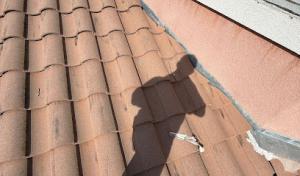
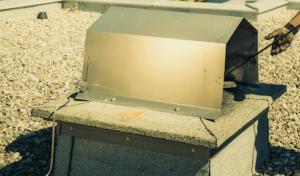
In a valley where the dry season stretches long and the first meaningful winter fronts push through, leaks often show up where they were already there but hiding. The first heavy rain after months of sun can reveal weaknesses that went unnoticed during the dry spell. Shingles may look fine from the ground, yet underlayers and flashing systems can fail when driven rain meets the roof with unexpected intensity. A Winnetka home might discover a drip slowly forming near the edge, or a sudden indoor splash that wasn't predicted by daytime inspection photos. Time of year matters: the longer the dry stretch, the sharper the surprise when rain finally comes.
Santa Ana-season wind and rain interact in a way that tests a roof's most vulnerable seams. Wind-driven rain tends to push moisture under flashing, around skylights, and through transitions where debris has collected. In a neighborhood with tile and composition roofs, debris like leaves, pine needles, or sand can accumulate at valleys and eaves, creating channels for water to follow after a wind gust. Leaks often begin at these small openings and progress along underlayment or into attic spaces before a visibly drenched ceiling appears. You may notice staining along a ridge line or dark streaks near a flashed joint after a windy storm.
Tile looks sturdy, but age changes the game. Homes with aging tile roofs may show leaks from underlayment failure even when many tiles still appear serviceable from the ground. The underlayment can degrade from UV exposure and heat cycles, losing its ability to shed water effectively. In Winnetka, a roof that survived several hot summers can still fail when a hardy storm arrives if the underlayment has worn thin or shifted. The first sign might be damp spots in the attic or soft spots in ceilings where moisture has breached the deck.
After a significant rain or wind event, check around flashings, skylights, and valleys for lifted edges or gaps. Look for granule loss on shingles, which can indicate accelerated wear from heat and wind. Pay attention to stains along ceilings or walls, especially in rooms adjacent to exterior walls with roof penetrations. If a roof shows multiple weak points, the pattern is unlikely to be isolated; consider a closer inspection of transitions and an assessment of whether underlayment and flashing components are still performing as intended.
Find contractors experienced in skylight installation, flashing, and leak repairs to bring natural light into your home.

Bryson & Sons Roofing
(818) 574-5154 roofingwinnetka.com
7111 Winnetka Ave #351, Winnetka, California
4.8 from 60 reviews

Winnetka Roofing Experts
7231 Corbin Ave, Winnetka, California
4.8 from 77 reviews
Winnetka Roofing Experts are your trusted roofing specialists serving the Winnetka area. With a team of experienced professionals, we provide expert craftsmanship and reliable solutions for all your roofing needs. Whether it's installations, repairs, or maintenance, we bring a wealth of knowledge and attention to detail to every project. Our goal is to exceed your expectations by delivering exceptional results that stand the test of time. Using quality materials and advanced techniques, we ensure that your roof is built to withstand the elements and provide long-lasting protection. Count on Winnetka Roofing Experts for dependable and expertly executed roofing services.
Bryson & Sons Roofing
(818) 574-5154 roofingwinnetka.com
7111 Winnetka Ave #351, Winnetka, California
4.8 from 60 reviews
Experience the expertise and craftsmanship of Bryson & Sons Roofing. Our skilled team of professionals is committed to providing exceptional results that exceed expectations. With our years of experience in the industry, we offer top-quality roofing services tailored to your unique needs. From new installations to repairs and maintenance, we ensure the integrity and durability of your roof. Trust Bryson & Sons Roofing for reliable and professional solutions that enhance the protection and aesthetics of your property. Experience the difference we can make for your home or business today.
Adar Construction
(747) 224-0403 adarroofing.com
7671 Winnetka Ave, Winnetka, California
5.0 from 25 reviews
#1 Trusted Roofing Company in Los Angeles Adar Roofing & Construction specializes in top-tier roofing and construction services in Los Angeles, Ventura, and San Fernando Valley. From meticulous installations to repairs, we enhance property resilience and aesthetics. Elevate with us – your partner in roofing excellence. At Adar Roofing & Construction, we take pride in our dedication to excellence. Our mission is to craft roofs that not only endure the test of time but also elevate the aesthetic appeal of your property.
Superstar Roofing
(888) 910-9993 superstar-roofing.com
Serving
4.9 from 144 reviews
Superstar Roofing We are a dedicated team of roofing professionals with years of experience providing top-tier roofing solutions. Our mission is to deliver reliable, affordable, and high-quality roofing services for both residential and commercial properties. Licensed, Bonded & Insured Reliable & Long-lasting Roofing Solutions Over 20 Years of Roofing Expertise Up to 50 Years Warranty on New Roofs Flexible Financing Options Available
Harry & Sons Roof & Gutter
(818) 740-4171 roofingreseda.com
Serving
4.8 from 53 reviews
Harry & Sons Roof & Gutter is a trusted roofing company committed to providing top-quality roofing and gutter services. With our experienced team of professionals, we specialize in a wide range of services, including roof repairs, installations, and gutter maintenance. Our skilled technicians utilize high-quality materials and proven techniques to ensure the durability and functionality of your roof and gutters. At Harry & Sons Roof & Gutter, we prioritize attention to detail and customer satisfaction. Trust us for reliable roofing and gutter solutions that protect and enhance the value of your property.
California Green Roofing
(747) 298-6407 www.californiagreenroofingremodeling.com
Serving
4.8 from 52 reviews
California Green Roofing is a leader in the Los Angeles roofing sector, recognized for excellence and ingenuity. Serving both residential and commercial clients, we deliver top-tier roofing solutions, tailored to California's unique environment. Our commitment to quality is evident in our choice of superior materials and the unparalleled skill of our team. We're not just about shielding your property; it's about enhancing its appeal and ensuring your satisfaction. Positive client feedback underscores our dedication to not only meet but exceed expectations. With California Green Roofing, expect nothing less than the highest standard of roofing craftsmanship and customer service that genuinely listens and delivers.
Safari Roofing
(855) 772-3274 safariroofing.com
Serving
5.0 from 109 reviews
Roofing Installation ( Tile, Metal, TPO, Asphalt Shingles, Cool Roof, Torch Down, Slate, Flat Roof, TPO, PVC Installation for Comercial, Residential, Government Customers) Solar Installation Providing Services in Greater Los Angeles County & Orange County, Riverside, Thousand Oaks, Oxnard, Santa Clarita, Malibu, Beverly Hills CA
P.E.Y Roofing
(424) 424-2202 www.peyroofing.com
Serving
4.9 from 31 reviews
P.E.Y Roofing is a reputable roofing company dedicated to providing top-quality roofing services With our skilled team of professionals, we specialize in a wide range of roofing solutions for both residential and commercial properties. From roof repairs to installations and maintenance, we have the knowledge and experience to handle projects of any size or complexity. Our commitment to excellence and customer satisfaction sets us apart. At P.E.Y Roofing , we pride ourselves on delivering exceptional craftsmanship and reliable service. Trust us for all your roofing needs.
Done Right Canoga Park CA
Serving
5.0 from 29 reviews
Done Right Roofing Canoga Park CA is your trusted local roofing expert, proudly serving homeowners and businesses in Canoga Park and surrounding areas. We specialize in roof repair, roof replacement, new roof installation, shingle roofing, tile roofing, flat roofing, and emergency roof leak repair. Our experienced team delivers high-quality workmanship 7 days a week, ensuring your property stays protected year-round. Whether you need routine maintenance or a complete roofing overhaul, we get the job done right the first time. Committed to reliability, transparency, and customer satisfaction, Done Right Roofing Canoga Park CA is your go-to choice for professional roofing services. Call today for a free estimate!
A1 American Roofing
(310) 606-2629 a1americanroofing.net
Serving
5.0 from 92 reviews
A1 American Roofing, has proudly served the Los Angeles CA and its neighboring areas over more than 20 years as a local, family-owned roofing company. Specializing in residential and commercial roofing services, we offer expert roof installation & replacement, roof repair, roof maintenance emergency service and roof inspection for a variety of roofing systems. Our unwavering commitment to quality and professionalism has earned us a reputation for excellence, ensuring that every project surpasses expectations. Experience the difference with A1 American Roofing, where skilled craftsmanship and dedication merge to deliver the perfect roofing solution.
BH Roofing & Development
(855) 766-5933 bhroofing26.com
Serving
4.9 from 172 reviews
For more than a decade, BH Roofing & Development has been the trusted name for roofing solutions in Los Angeles. Their team of experienced professionals guarantees top-quality and satisfaction for each project, no matter the scale. From residential to commercial clients, BH Roofing & Development provides an extensive range of services such as roofing installation, repairs, replacements, and inspections to fulfill your roofing needs. With a commitment to using the finest materials in every project, BH Roofing & Development ensures your building receives the ultimate protection and durability.

Bumble Roofing of Los Angeles
(844) 558-1002 bumbleroofing.com
Serving
4.8 from 133 reviews
Bumble Roofing of Los Angeles makes roofing easy with expert solutions tailored for both homeowners and businesses. Our trusted roof contractors are committed to delivering quality workmanship with honesty and transparency. With over 60 years of combined experience and more than 2,700 successful roof installations, repairs, and replacements, we’ve built a reputation you can count on. We offer one clear, upfront price and a full, detailed roof report—no haggling, no hidden fees, no gimmicks. Whether you need a simple repair or a full roof replacement, we’re here to make the process smooth, reliable, and stress-free. Visit us today and experience the Bumble Roofing difference.
Reroof projects in this part of the San Fernando Valley follow the Los Angeles Department of Building and Safety process, not a separate valley city department. That means your project will be routed through LADBS, with plan review, permit issuance, and field inspections coordinated through the citywide system. Your contractor should pull the correct LADBS permit, and you should expect city-specific forms, checklists, and standard conditions that reflect Los Angeles building codes and roofing standards. Because the City of Los Angeles oversees the permit framework, the paperwork and approvals align with the broader rules that apply across multiple neighborhoods, including Winnetka.
Inspections in this area commonly occur after tear-off and underlayment work and again after completion. This sequencing matters for your project timeline: if a weather window narrows or a correction is needed, the overall duration can stretch because the roof is effectively suspended between stages until the next inspection is released. Plan for the possibility of a minor re-inspection if an issue is found during the initial review or during the final walk-through. Communication with the contractor and LADBS for a precise inspection date is key, especially during Santa Ana wind events or heat spikes when schedules tighten and field crews prioritize critical safety work.
Plan review typically centers on ventilation and underlayment as the foundational factors that influence long-term performance in Winnetka's climate. Proper attic ventilation helps manage heat buildup and can reduce wear on roof components. Underlayment quality and installation details are scrutinized to ensure a watertight base capable of withstanding wind-driven rain and UV exposure. The review may also flag concerns about attic access, condensation control, and flashing details around penetrations, valleys, and eaves. If the reviewer identifies deficiencies, the permit timeline can slow as corrections are submitted and re-evaluated.
Start with a detailed roof plan that includes ventilation strategy, underlayment type, and flashing details. Have the contractor coordinate early with LADBS plan review to anticipate common corrections and avoid last-minute redesigns. Maintain open lines of communication with the permit counter and field inspectors: confirm appointment windows, required documentation, and whether any temporary protections are needed during tear-off. If a deficiency is found, respond promptly with the corrected drawings and notes, then schedule the follow-up inspection as soon as possible to minimize downtime. In this climate, aligning the permit timeline with the typical dry season helps keep the reroof on track and reduces exposure to wind-driven moisture.
When you're planning a reroof, the biggest variable is material choice. In this market, asphalt shingles sit in the range of about $350 to $600 per square, while metal systems run roughly $600 to $1,200 per square. Clay tile projects commonly fall between $800 and $1,800 per square, and concrete tile sits around $700 to $1,400 per square. Wood shingles or shakes typically come in at about $600 to $1,100 per square, with synthetic or composite shingles a more budget-friendly option at roughly $400 to $850 per square. These ranges reflect Winnetka's heat, wind exposure, and the mix of older homes with varying accessory loads.
The San Fernando Valley heat accelerates wear on all roofs, especially lighter-weight decking and underlayment. In Winnetka, what you save on material may be eaten up by labor if the old deck needs repair after the tear-off or if heavy tile systems demand additional handling and support. If your roof is tile, you'll often see higher labor and material costs because tiles are brittle, require careful removal, and need skilled installers to avoid breakage. In practice, you should expect the total project to crest higher when decking issues are discovered under an older roof or when a heavy-tile system is chosen. These factors are common enough in this market to plan for them in the upfront budget.
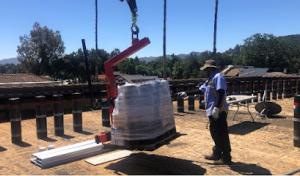
Heavy tile systems, which are common on many local homes, demand extra crane time, more labor, and careful staging of materials. That can stretch crew hours and push a project into the higher end of the square-foot price, particularly during the dry season when demand is strongest. Hidden costs tend to appear if the cutover shows water-damaged underlayment or compromised fascia boards, so keep a contingency in the budget for repairs that aren't visible until the old roof is stripped. In this climate, scheduling you to avoid wet spells can also affect total price, since a longer timeline often means more days billed for labor. Remember that the local mix of tile and composition roofs means you'll want to reserve a cushion for the inevitable contingencies tied to deck condition and tile handling.
If you're choosing material, note that asphalt remains the most economical upfront, but heat and wind can shorten its life, especially in older homes. Clay or concrete tile offers durability in sun and wind but carries higher initial costs and heavier deck requirements. For Winnetka properties with strong Santa Ana winds and UV exposure, confirm installer experience with your chosen material, ask about decking checks during tear-off, and set aside a realistic contingency for underlayment and potential deck repairs.
Get a clear picture of your project costs upfront - no commitment required.
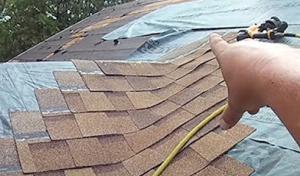
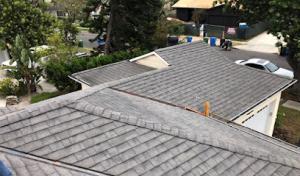
California's insurance market has tightened in wildfire- and wind-exposed areas, and Winnetka homeowners may face closer scrutiny of roof age and condition even without living in a mountain community. Wind-driven rain, UV exposure, and the Santa Ana pattern can age roofs faster than you expect, and carriers now routinely pull back on coverage or tighten terms when a roof shows its wear. When a policy is up for renewal or when a claim is considered, the adjuster will look beyond a fresh exterior to the roof's real condition, especially on aging or heavily weathered assemblies.
Insurers may ask for detailed roof photos, material information, and proof of condition before binding, renewing, or adjusting coverage on Los Angeles-area homes. Having an organized record reduces surprises and helps align expectations with what the carrier will review. Portraits alone won't tell the whole story-include close-ups of flashing, ventilation, seams, and any visible surface wear, but also provide context like roof age, prior repairs, and known damage from past Santa Ana winds or unusual heat waves. Ready-access records can smooth the path when coverage needs to be re-evaluated.
After wind or rain, note the sequence of events, dates, and any observed damage. Before-and-after photos are valuable because adjusters may request documentation to support a claim. Tag photos with location, roof section, and material type, and capture material specifications if you know them (tile, shingle type, underlayment, fasteners). Maintain product data sheets and installation dates, plus a simple maintenance log that shows ongoing upkeep. Having these on file helps establish the roof's condition independent of memory or evolving opinions, which can matter when insurers assess risk and eligibility.
Connect with contractors who help homeowners navigate the claims process from damage assessment to final approval.
Bryson & Sons Roofing
(818) 574-5154 roofingwinnetka.com
7111 Winnetka Ave #351, Winnetka, California
4.8 from 60 reviews
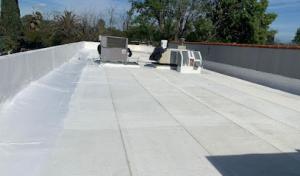
Southern California winter rains can expose the weaknesses of low-slope sections long before they show up on a daily weather forecast. In neighborhoods where patio covers, garage bays, and porch extensions sit below the main roofline, a steady shower can pool along seams and transitions. Winnetka homes frequently include these low-slope elements even when the primary roof is shingles or tile, so a careful inspection should start at those transitions where metal, membrane, or flashing meet the deck or wall. Check for hidden dips, clogged drains, and any field-applied coatings that have broken down after a season of UV and heat.
These sections are most vulnerable during Santa Ana-wind-driven storms, when rain comes in bursts and drainage cant keeps up. In practice, that means you should verify that all scuppers, gutters, and downspouts flow freely even when debris from nearby landscaping collects near the base of the wall. Look for standing water on low-slope areas after a moderate rain and test the edge detailing where the roof meets the parapet or wall. Seams, corner welds, and transition flashings deserve closer scrutiny, as failures there can lead to localized leaks that spread quickly across a low-slope deck.
Mixed-roof homes in the San Fernando Valley often need separate repair strategies for the main pitched roof and the lower-slope accessory sections. When planning repairs or replacements, treat the low-slope additions as their own system with dedicated waterproofing, flashing, and drainage checks. If a single contractor handles both areas, insist on clear coordination-do not assume that fixes on the main roof will automatically seal the low-slope area. Schedule targeted inspections after heavy rain and after major wind events to catch issues that a quick visual might miss.
Find specialists in TPO, EPDM, and built-up flat roofing systems for residential and commercial properties.
California Green Roofing
(747) 298-6407 www.californiagreenroofingremodeling.com
Serving
4.8 from 52 reviews
In sunny Valley neighborhoods like Winnetka, reroof planning often overlaps with existing or planned rooftop solar because homeowners want to avoid removing panels soon after a new roof is installed. When evaluating a roof, you should map existing or proposed panel layout, mounting rails, and any shading from nearby trees. This helps ensure the new roof surface provides clean, flat contact for mounts and minimizes future rework around penetrations.
Roof condition documentation is especially important when coordinating reroof work around penetrations, mounts, and flashing details associated with solar systems. A precise record of where penetrations sit, the type of flashing used, and the age of underlayment can save time and prevent leaks. Take high-resolution photos of every flash, boot, and seal, and attach a simple diagram to accompany the bid package.
Material choice in Winnetka can be influenced by whether the roof must support future solar work without creating difficult service access on tile or mixed-slope sections. Adhesive compatibility, weight considerations, and access for maintenance should guide selection-especially if tile is being considered or already present. Metal or concrete tile, for example, may offer kinder access to rail systems and easier panel removal or replacement compared to a clay tile surface, which can complicate flashing details.
Think ahead about how panels will be serviced years down the line. If a roof uses tightly tucked tiles or complex flashing around solar rails, plan for clean expansion joints and easy panel removal zones. A well-documented roof-to-solar interface reduces surprises during reroofing and keeps long-term energy goals on track.
Find contractors who integrate solar panels or solar shingles into your roof for long-term energy savings.