
Last updated: Apr 19, 2026
Tarzana sits in the San Fernando Valley, where summer heat is notably harsher than many coastal Los Angeles neighborhoods and accelerates UV aging and thermal expansion on exposed roof surfaces. That means shingles and tiles cook from sunrise to dusk, then cool rapidly at night, causing cycles of movement that crack seals, loosen fasteners, and shorten the life of the roof system. In plain terms: the roof don't get a break here. If you're weighing a reroof or a major repair, expect the material to respond to relentless sun-staining, fading, and small granule loss that adds up fast. The consequence is more frequent maintenance needs and a tighter window to address issues before they migrate into bigger leaks.
Santa Ana wind events affect the west Valley and can turn minor loose tiles, ridge pieces, and flashing issues into active leak problems very quickly. Dry, gusty air can lift edges, peel underlayment, or expose fasteners that seemed secure after a quick inspection. In Tarzana, that means a small problem on a hot afternoon can become a neighbor's ceiling drip by the next day if not treated with urgency. When a gust hits, don't assume a problem will hold-inspect after each storm, and treat any loose piece as an immediate warning sign. Quick, decisive action on ridge lines and flashing can stop a small breeze from turning into a full-blown roof failure.
Insurance pressure in wildfire-exposed Los Angeles neighborhoods has made roof age, fire rating, and visible condition more consequential in Tarzana than a simple leak/no-leak decision. Before you wait for a visible burn to push you, consider how a roof's fire resistance and overall condition influence coverage and renewals. A roof that looks worn but still "drips" is not just an aesthetic issue; it's a risk signal to insurers and lenders. When a roof is approaching the end of its fire-rated life or if tiles show cracking, the decision window tightens. In this climate, visible wear is a practical, financial first report card-address it now rather than letting it become a policy headache later.
Extreme sun, Santa Ana wind bursts, and wildfire-era insurance dynamics compress decision timelines. You may feel pressure to choose quickly, but speed should not trump safety. The fastest path is a focused assessment: confirm roof deck integrity, evaluate underlayment condition, and verify fire resistance credentials for the chosen system. If flashing or ridge components show even minor signs of movement, plan for repair or replacement rather than a temporary bandaid. Your goal is a roofing decision that stabilizes the home against heat, wind, and embers for the next decade, not a stopgap that buys a few extra months.
Start with a targeted inspection after the next heat spike or wind event. Check ridge caps, valley pans, and flashing around chimneys and vents for looseness or gaps. If visible aging or granule loss exists on shingles, tiles, or coatings, treat it as a red flag rather than a cosmetic issue. For extended exposure at high heat, prioritize systems with robust UV resistance and proven wind performance-look for manufacturers' ratings that translate into real, field-tested endurance in our climate. When in doubt, bring in a local roofer who understands Tarzana's sun schedule and Santa Ana patterns-an on-the-ground assessment tailored to this valley will save you from reactive repairs and unexpected leaks.
Tarzana's Mediterranean and ranch-style homes often rely on clay or concrete tile, which shield the interior while masking the aging of the underlayment beneath. In such houses, the life of the underlayment can determine when a full reroof becomes necessary long before a tile breaks. Inspect the underlayment at least every couple of years, paying close attention to areas where tiles sit over parapets, vents, and transitions to other roof sections. If the underlayment shows signs of wear-fraying edges, exposed felt, or cupped granules-plan for an underlayment upgrade in the next repair cycle. This approach can prevent unexpected leaks during the winter rains when heat and Santa Ana winds push moisture toward vulnerable seams.
Low-slope sections over patios, additions, and garages are a frequent trouble spot for Valley homes. They collect heat, and the heat-index effect accelerates aging of the membrane and fasteners. Leaks tend to appear first in these areas during winter rain, even if surrounding tile areas appear intact. When evaluating the roof, start with the low-slope zones: check for blisters, flashing gaps, and edge lift near corners and transitions to steeper tile fields. If a low-slope membrane shows signs of aging or heat-induced damage, plan targeted maintenance rather than a full roof replacement unless other indicators-like widespread membrane deterioration or failed flashing around a chimney-point to a larger issue. Keep an eye on the terminations where the membrane meets parapets or tile edges; improper mating here is a major source of quiet leaks.
In homes with both tile fields and low-slope membranes, transitions around walls, chimneys, and skylights demand close scrutiny. The most fragile spots are where tile meets a flat or draped membrane, especially at penetrations. Inspect every transition during dry-season inspections, and after heavy rain or wind events. Look for microbial growth, staining, or dampness near the wall line, which can signal membrane edge lifting or flashing degradation. At skylights, ensure the flashing remains continuous and sealed, with proper bedding under the tile above to prevent lift that funnels water into the membrane seam. A small leak here can travel along the interior walls before becoming obvious from the ceiling, so proactive checks matter.
Set a simple seasonal cadence focused on Tarzana's climate. In spring, verify the condition of the tile profiles and flashings after winter rains, and confirm that valley lines and parapets shed water cleanly. In late summer, recheck underlayment wear indicators in the hottest zones, especially around low-slope additions. After Santa Ana wind events, perform a focused inspection along ridges, hips, and any vent penetrations to catch wind-driven uplift or debris-related damage early. A practical home practice is to document your findings with notes and photos so any contractor can quickly identify the most at-risk areas.
When engaging a roofing contractor, emphasize the age indicators of clay or concrete tile systems in this climate: underlayment aging, flashing at transitions, and the integrity of low-slope membranes. Request a two-track assessment: first, the health of the tile field and its underlayment, and second, the condition of all low-slope sections, transitions, and penetrations. The goal is to map a clear, actionable plan that targets the most vulnerable zones first while outlining a longer-term maintenance path that respects the unique Tarzana roofscape.
Find contractors who specialize in clay and concrete tile roofs, known for their durability and curb appeal.
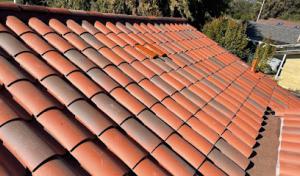
NEMA Roofing Solutions
(818) 528-6412 nemaroofing.com
18340 Ventura Blvd # 226, Tarzana, California
5.0 from 248 reviews
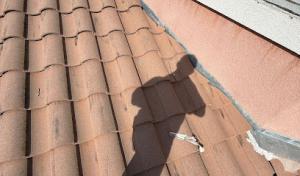
Superstar Roofing
(888) 910-9993 superstar-roofing.com
6316 Belmar Ave, Tarzana, California
4.9 from 144 reviews
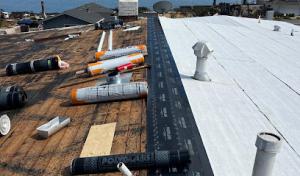
BH Roofing & Development
(855) 766-5933 bhroofing26.com
19528 Ventura Blvd Suite 494, Tarzana, California
4.9 from 172 reviews
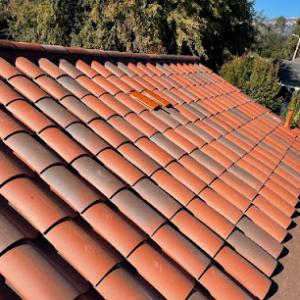
NEMA Roofing Solutions
(818) 528-6412 nemaroofing.com
18340 Ventura Blvd # 226, Tarzana, California
5.0 from 248 reviews
At NEMA Roofing, we specialize in providing top-notch roofing services to meet all your needs. As one of the leading roofing companies in the area, our team of experienced roofing contractors is dedicated to delivering high-quality roof repair near me, roof replacement, and metal roofing solutions. Whether you're a homeowner seeking residential roofing expertise or a business in need of commercial roofing services, we have the skills and resources to ensure your roof is durable and reliable. Our commitment to excellence and customer satisfaction makes us the go-to local roofers for all your roofing needs. In case of unexpected issues, we also offer emergency roof repair services to protect your property promptly.
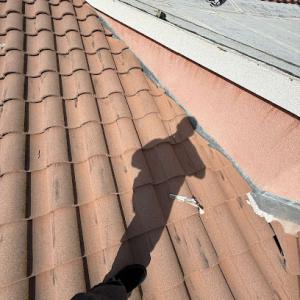
Superstar Roofing
(888) 910-9993 superstar-roofing.com
6316 Belmar Ave, Tarzana, California
4.9 from 144 reviews
Superstar Roofing We are a dedicated team of roofing professionals with years of experience providing top-tier roofing solutions. Our mission is to deliver reliable, affordable, and high-quality roofing services for both residential and commercial properties. Licensed, Bonded & Insured Reliable & Long-lasting Roofing Solutions Over 20 Years of Roofing Expertise Up to 50 Years Warranty on New Roofs Flexible Financing Options Available
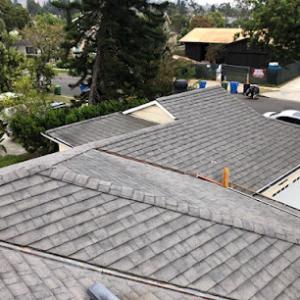
A1 American Roofing
(310) 606-2629 a1americanroofing.net
5955 Donna Ave, Tarzana, California
5.0 from 92 reviews
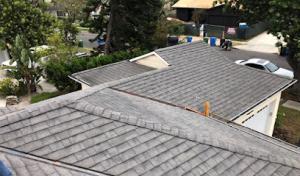
A1 American Roofing, has proudly served the Los Angeles CA and its neighboring areas over more than 20 years as a local, family-owned roofing company. Specializing in residential and commercial roofing services, we offer expert roof installation & replacement, roof repair, roof maintenance emergency service and roof inspection for a variety of roofing systems. Our unwavering commitment to quality and professionalism has earned us a reputation for excellence, ensuring that every project surpasses expectations. Experience the difference with A1 American Roofing, where skilled craftsmanship and dedication merge to deliver the perfect roofing solution.
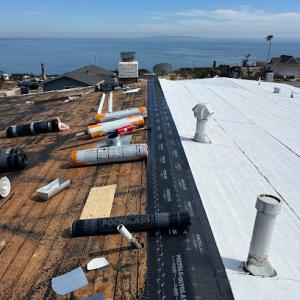
BH Roofing & Development
(855) 766-5933 bhroofing26.com
19528 Ventura Blvd Suite 494, Tarzana, California
4.9 from 172 reviews
For more than a decade, BH Roofing & Development has been the trusted name for roofing solutions in Los Angeles. Their team of experienced professionals guarantees top-quality and satisfaction for each project, no matter the scale. From residential to commercial clients, BH Roofing & Development provides an extensive range of services such as roofing installation, repairs, replacements, and inspections to fulfill your roofing needs. With a commitment to using the finest materials in every project, BH Roofing & Development ensures your building receives the ultimate protection and durability.
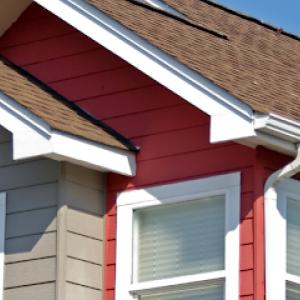
Prime Plus Roofing
(747) 330-0400 tarzanaroofing.com
18981 Ventura Blvd #222, Tarzana, California
4.8 from 64 reviews
Welcome to Prime Plus Roofing, where excellence meets reliability. Our dedicated team of professionals is committed to delivering exceptional results and exceeding customer expectations. With our attention to detail and superior craftsmanship, we provide top-quality roofing services that enhance the beauty and functionality of your property. Whether it's a new roof installation or repairs, trust Prime Plus Roofing for reliable and professional solutions. Experience the difference we can make for your home or business today.
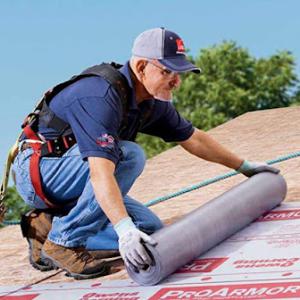
EverGreen Roofing & Solar
(888) 830-2085 evergreenroofingsolar.com
18102 Valley Vista Blvd, Tarzana, California
4.9 from 56 reviews
Evergreen roofing and solar is the leading roofing and solar company. We provide high quality roofing system for your homes at an affordable price. We have ready professionals who will handle your roofing installation. It does not matter if you are doing a new installation or replacing the old roof or even coatings, we are ready to work with you in realizing the home of your dreams without breaking the bank. There simply isn’t a job too big or too small for us to handle.

Overhead Roofing Inc – Los Angeles Roofing Contractors
(818) 369-3959 overheadroofingca.com
18520 Burbank Blvd suite 105, Tarzana, California
4.9 from 61 reviews
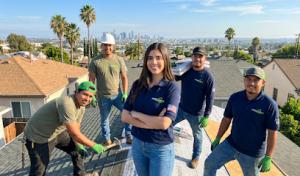
Roof repair and installation services in Tarzana by Overhead Roofing CA. With over 25 years of experience, we specialize in roof installations, repairs, maintenance, and inspections. Our skilled team provides high-quality roofing solutions at competitive prices. Licensed and insured for your peace of mind. Contact us today for a free estimate or consultation on your roofing needs.
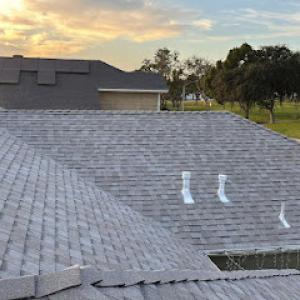
P.E.Y Roofing
(424) 424-2202 www.peyroofing.com
6258 Calvin Ave, Tarzana, California
4.9 from 31 reviews
P.E.Y Roofing is a reputable roofing company dedicated to providing top-quality roofing services With our skilled team of professionals, we specialize in a wide range of roofing solutions for both residential and commercial properties. From roof repairs to installations and maintenance, we have the knowledge and experience to handle projects of any size or complexity. Our commitment to excellence and customer satisfaction sets us apart. At P.E.Y Roofing , we pride ourselves on delivering exceptional craftsmanship and reliable service. Trust us for all your roofing needs.
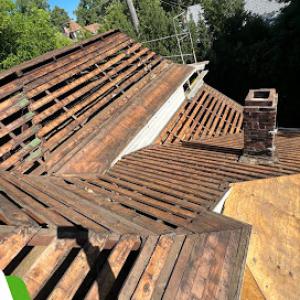
Citywide Roofing
(888) 933-5939 citywide-remodeling.com
6117 Reseda Blvd, Tarzana, California
4.7 from 44 reviews
Citywide Roofing is a fully licensed and insured home renovation company with over 8 years of experience serving the residents of California. We offer a wide range of services, including roofing, paving, HVAC installation, window and door installation, and more. Our team of skilled professionals is dedicated to providing our customers with the highest quality workmanship and customer service. We are proud to be a trusted name in home renovation, and we are committed to helping our customers make their homes the best they can be.
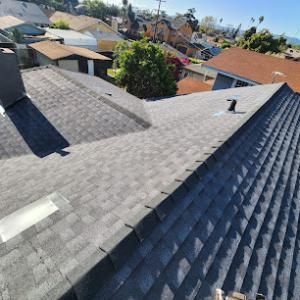
Be Real Roofing
(818) 672-6795 www.berealroofing.com
Serving
5.0 from 50 reviews
BeReal Roofing is your trusted partner for top-quality residential and commercial roofing services in Los Angeles. With years of experience and a commitment to excellence, we offer expert craftsmanship, timely project completion, and unbeatable customer satisfaction. Choose BeReal Roofing for reliable, high-quality solutions tailored to your needs.
RAA Roofing
Serving
5.0 from 49 reviews
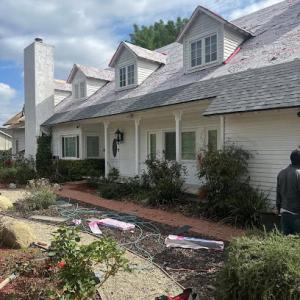
Since 2014, RAA Roofing has been a trusted name in roofing solutions for the Los Angeles area. Specializing in a wide range of services, their skilled team expertly handles everything from asphalt shingle and tile roof repairs to complete replacements and flat roof installations. They are dedicated to delivering exceptional quality with every project, utilizing premium, contractor-approved materials and managing all necessary permits. RAA Roofing is committed to providing reliable, professional service and ensuring the highest level of customer satisfaction for both residential and commercial clients.
On Point Roofing Encino
Serving
4.9 from 65 reviews
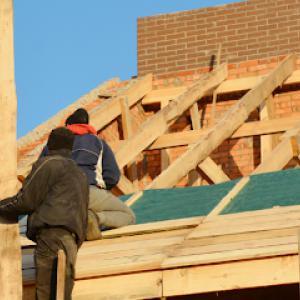
On Point Roofing Encino is your local roofing expert delivering precise and reliable solutions. Our team of skilled professionals is equipped to handle all your roofing needs with expertise and precision. From installations to repairs, we provide comprehensive services designed to ensure the longevity and functionality of your roof. Using quality materials and industry-leading techniques, we guarantee roofs that are built to withstand the test of time. Count on On Point Roofing Encino for dependable and professional roofing solutions you can rely on.
Spring and fall emerge as the most practical reroof windows for this valley neighborhood. Those seasons dodge the peak summer installation heat that can stress crews and materials, and they also sidestep the higher leak risk that comes with winter rain. A reroof scheduled for late spring or early fall reduces the chance of weather-driven setbacks and keeps interior spaces more comfortable during the work. In Tarzana, the decision clock moves faster when summer heat is relentless, so aligning with shoulder seasons helps keep projects on a predictable track.
Extreme summer temperatures slow both the crew and the handling of underlayment and sealants on exposed decks. On roofs with large exposed surfaces, asphalt, shakes, or tile products can become stiff or brittle as the day heats up, which can delay tasks like underlayment installation, flashing work, and sealant curing. If a project must start in midsummer, plan for longer window days, more break intervals, and shaded staging areas. The goal is to avoid rushing critical tasks when materials are hottest, which can compromise long-term performance in Tarzana's sunny climate.
Winter rainfall in Los Angeles can interrupt tear-off schedules, a concern that grows with older Tarzana homes where underlayment may already be near failure. Slippage in a rain-prone season can push crews into tight timelines that jeopardize insulation continuity and roof deck protection. When a roof has historic or aged components, winter work becomes a higher-risk proposition. If a winter window is unavoidable, ensure weather forecasting is monitored closely and contingency space is built into the plan for stringency on dry days.
Santa Ana wind events can introduce gusts that complicate rooftop work, especially during underlayment stapling and the placement of lightweight materials. In Tarzana's climate, plan for mornings with calmer air and afternoons that bring more wind. If a project overlaps with a known wind period, consider rescheduling the most exposed tasks to safer hours or days with reduced gusts, and ensure debris control is tight to prevent wind-driven hazards.
Coordinate with the crew to target a window when temps are moderate, humidity is reasonable, and rain is unlikely. Build in buffer days for heat or wind delays and communicate plan B dates early. For older homes or those with clay or concrete tile, allocate extra time at the tear-off stage to preserve deck integrity and allow careful inspection of underlayment and fasteners. In all cases, align the reroof plan with Tarzana's seasonal patterns to minimize weather-related disruptions and keep the project progressing toward a reliable, long-lasting result.
Get a clear picture of your project costs upfront - no commitment required.
Superstar Roofing
(888) 910-9993 superstar-roofing.com
6316 Belmar Ave, Tarzana, California
4.9 from 144 reviews
A1 American Roofing
(310) 606-2629 a1americanroofing.net
5955 Donna Ave, Tarzana, California
5.0 from 92 reviews
Overhead Roofing Inc – Los Angeles Roofing Contractors
(818) 369-3959 overheadroofingca.com
18520 Burbank Blvd suite 105, Tarzana, California
4.9 from 61 reviews
Tarzana homeowners often see tile systems appear more frequently, and for good reason. The heavier materials, plus more detailed flashing and the need for underlayment replacement alongside surface tile work, push installed cost higher than lighter options. In practice, a clay or concrete tile reroof in this market tends to run on the higher end of the spectrum and often requires careful coordination with multiple trades, especially if the job touches skylights, chimneys, or solar components. When you compare it to asphalt, the added weight and extended flashing work explain why tile projects show a larger upfront outlay even before any surface tile repairs are considered.
Tarzana projects will show material-cost ranges that reflect the local mix of homes with multiple roof planes and various angles. Asphalt shingles sit at the lower end of the scale, but heavy tile systems (clay or concrete) push the total per-square price upward, with clay tile tending toward the higher end given material weight and labor intensity. Synthetic or composite shingles offer a middle path-better weather resistance than some lighter options, yet still more affordable than full tile systems. On the higher end, metal roofing can be compelling for longevity and wind resistance, but it still carries a per-square price that can exceed basic asphalt when installation and trim work (valleys, ridges, and flashings) are factored in.
Costs in Tarzana rise when homes have multiple roof planes or attached low-slope sections, which is common in hillside layouts or properties with added wings. Skylights and chimneys add custom flashing challenges and sometimes require temporary removal or extra sealing work. Solar coordination is increasingly common in Los Angeles neighborhoods; aligning mounting hardware, skylight penetrations, and ridge lines with solar arrays can add to both material and labor time. Those factors can swing a reroof estimate by a noticeable margin, especially on a tile roof where each penetration demands careful integration with underlayment and tile flashing.
Asphalt Shingles: 360-700 USD per square. Metal Roofing: 700-1100 USD per square. Clay Tile: 1000-1800 USD per square. Concrete Tile: 950-1600 USD per square. Wood Shingles/Shakes: 520-1000 USD per square. Synthetic/Composite Shingles: 550-900 USD per square. In practice, Tarzana projects with multiple planes and higher-end materials tend to approach the upper ends of these ranges, especially when underlayment replacement and integrated flashing are needed rather than surface tile work alone.
Reroof work in this neighborhood follows Los Angeles Department of Building and Safety processes rather than a standalone city department. As a homeowner, you will engage LADBS for permit issuance and for the required inspections tied to reroof projects. The permit acts as the safeguard that your chosen materials, installation methods, and roof plan align with current codes, especially given Tarzana's high heat days and Santa Ana wind events. Plan to submit project details that show roof type, underlayment, flashing methods, penetration points, and venting, since these are the items most scrutinized in the plan review.
LADBS reviews will prioritize the integrity of underlayment and flashing, since Tarzana sees intense sun and gusty days that stress joints and transitions. The inspector will look for a continuous, code-compliant underlayment to resist heat and wind-driven moisture. Flashing at valleys, chimneys, skylights, and roof-to-wall transitions must be properly integrated with surrounding wall flashing and counters. Ventilation details matter: adequate attic or soffit venting reduces heat buildup and helps preserve roof assemblies in dry Santa Ana summers. Fire-rated assembly details are another common point of focus, given wildfire-era insurance considerations; ensure that any materials or configurations intended to improve wildfire resistance are clearly documented and properly installed.
Because Tarzana is not a separate municipality, permit expectations follow Los Angeles city procedures even though homeowners often identify projects by neighborhood rather than citywide jurisdiction. You should expect a staged review and multiple inspections. Start with a plan check submittal that includes roof plan, elevations, material specifications, and details for underlayment, flashing, and ventilation. After approval, inspections typically proceed in sequence: framing or deck condition, underlayment and flashing installation, final roof assembly and penetrations, and a final inspection before release of the permit. Bring product data, installation manuals, and any fire-rated assembly documentation to inspections so the inspector can verify code-compliant details on site. If a deviation is found, be prepared to adjust fast or provide an approved alternate method with proper documentation.
Coordinate scheduling to avoid weather risks that could affect underlayment and adhesive curing in the heat of summer. If your project involves tile or metal, confirm that fasteners, clips, and sealants are rated for high daytime temperatures and wind exposure. A thorough inspection packet that highlights wind-rated fasteners, roof-to-wall connections, and proper ventilation will help keep the process moving smoothly through LADBS review. Understanding these steps in the context of Tarzana's climate will reduce delays and align your reroof with both safety and insurance expectations.
California insurers have tightened underwriting in wildfire-prone areas, so Tarzana homeowners may face more questions about roof age, material type, and remaining service life before renewal or replacement. The Santa Ana winds and fire risk have pushed carriers to scrutinize roofs more closely, and a glimpse of age or a change in material can shift the timeline from "wait for wear to material failure" to "file for coverage as soon as possible." This pressure comes not from vanity but from the insurance ledger that weighs fire risk, wind resistance, and potential claim costs.
Adjusters and carriers may ask for roofer photos, estimates, and documented condition reports, especially after wind-driven damage or leak events. In Tarzana, keeping a well-organized roof file pays off. Start with a current, dated roof inventory: age of shingles or tiles, roof type, visible wear patterns, and any past repairs. Include professional inspection notes that address roof deck condition, underlayment integrity, and flashing around hips, valleys, and chimneys. Photograph all sides of the roof from multiple angles, plus entry points to attics and vents. When a claim or renewal arises, having these materials ready can shorten questions and speed decisions.
In Tarzana, a roof replacement decision can be influenced as much by insurability and documentation needs as by visible wear alone. A roof that still performs but raises red flags for insurers can trigger a proactive replacement discussion with your agent, sometimes ahead of when you would otherwise plan. The right documentation helps you avoid surprises during renewal or after a claim, and it can align your project with available coverage timelines and deductive considerations.
After wind events or leaks, capture the sequence: onset, damage progression, and any temporary fixes. Request a written condition report from your roofer, and maintain copies of all correspondence with the insurer and the agent. Store digital photos with clear dates and a simple log of what each image shows. Regularly refresh the file so it reflects current roof health, material type, and any changes in condition that could matter at renewal or in a claim.
Connect with contractors who help homeowners navigate the claims process from damage assessment to final approval.
Superstar Roofing
(888) 910-9993 superstar-roofing.com
6316 Belmar Ave, Tarzana, California
4.9 from 144 reviews
BH Roofing & Development
(855) 766-5933 bhroofing26.com
19528 Ventura Blvd Suite 494, Tarzana, California
4.9 from 172 reviews
Prime Plus Roofing
(747) 330-0400 tarzanaroofing.com
18981 Ventura Blvd #222, Tarzana, California
4.8 from 64 reviews
On Tarzana tile roofs, cracked or slipped pieces often matter less than deteriorated underlayment and flashing at penetrations where leaks first appear. The extreme sun and rapid temperature swings push tiles to flex, and that stress accumulates most where pipes, vents, and skylights break through the roof line. If the underlayment has begun to crumble or the fasteners have loosened, a small drip can grow into a slow curtain across an attic ceiling before a homeowner notices it. The practical focus is on the intersections-valleys, around vent pipes, and where tiles butt up against chimneys-more than on the most dramatic tile damage, because that's where water finds a pathway first.
Skylights, chimneys, and roof-to-wall transitions are recurring trouble spots on Valley homes because heat cycling and wind exposure stress sealants and metal details. Santa Ana conditions push sealants beyond their comfort zone, while wind hammers edge metals, lifting flashing and loosening fasteners. The consequence is often a slow seep that masquerades as a cosmetic issue until staining appears in the attic. A proactive homeowner checks after windy spells for loose step flashing, cracked mastic joints, and any daylight you can spot along abutments. Don't overlook the integrity of drip edges and metal trims that can corrode under persistent sun and dry Santa Ana blows.
Debris movement during Santa Ana conditions can damage vulnerable edges, ridge components, and older shingle tabs. Palm fronds, pine needles, and dust ride up and snag on ridge caps, accelerating wear at the crown of the roof. On tile roofs, ridge caps can crack or shift, inviting water under the tiles where it travels unseen. At the eaves and along edges, wind-driven debris scratches flashings and hastens deterioration of valley metals. Regular checks after Santa Ana events can catch edge damage before a small wind-driven impact becomes a costly roof-wide repair.
Find contractors experienced in skylight installation, flashing, and leak repairs to bring natural light into your home.
Superstar Roofing
(888) 910-9993 superstar-roofing.com
6316 Belmar Ave, Tarzana, California
4.9 from 144 reviews
BH Roofing & Development
(855) 766-5933 bhroofing26.com
19528 Ventura Blvd Suite 494, Tarzana, California
4.9 from 172 reviews
Prime Plus Roofing
(747) 330-0400 tarzanaroofing.com
18981 Ventura Blvd #222, Tarzana, California
4.8 from 64 reviews