
Last updated: Apr 19, 2026
Summer in the San Fernando Valley hits harder than many coastal neighborhoods, and that heat lands on your roof like a daily spotlight. Exposed surfaces-especially tiles and underlayment-face accelerated aging from relentless sun, high daytime temperatures, and rapid cooling at night. In Encino, you'll see faster granule loss on asphalt shingles, more hairline cracks on clay and concrete tiles, and higher wear on underlayment under UV stress. The result is a roof that becomes brittle, leaks sooner, and loses its wind resistance faster if not designed for the season's intensity. If your roof shows color fading, curling edges, or obvious dry patches on the underside of tiles, you're likely feeling the heat's toll in real time.
Santa Ana wind events are not a distant concern here; they're a recurring challenge that can turn a routine reroof into a high-stakes project. The gusts increase uplift forces on roofing materials, particularly on older or lighter-weight systems. Tile configurations that aren't mechanically fastened to resist uplift become susceptible to displacement, loosening fasteners, and the chance of wind-blown debris entering attic spaces. For tile roofs, this means a greater emphasis on underlayment that resists wind-driven leaks and on fastener patterns that lock tiles in place even when gusts spike. Shingle roofs face uplift exposure too, with missing or improperly sealed edges allowing wind to pry at seams. On job sites, Santa Anas can complicate staging: strong crosswinds require secure material handling, careful tarping, and quick, precise sequencing so no loose components become airborne during replacement. The practical takeaway: plan for tighter fastener schedules, wind-rated underlayment, and on-site wind protection that keeps both you and crews safe during high-wind days.
Being in the City of Los Angeles brings fire-resilience expectations that go beyond aesthetic choices. Tile choices matter not only for durability but for ember resistance and heat performance. Concrete and clay tiles offer robust fire resistance, but their value hinges on correct underlayment and proper detailing around hips, valleys, chimneys, and vent flashings. Underlayment quality becomes a frontline defense against ember intrusion and radiant heat penetration. In Encino's fire-prone context, a roof system that fails to seal penetrations, or that relies on a marginal underlayment, can become a vulnerability point. Details-such as continuous edge vents, properly sealed penetrations, and wind-vented eave protection-are not optional upgrades. They are essential. If a roof transition from deck to tile isn't fully sealed, or if fasteners don't align with tile profile and wind exposure, the risk of ember-driven ignition and hidden leaks rises quickly after a long dry spell and a windy day.
When choosing materials, consider how heat, wind, and ember risk interact with your home's layout. For tile roofs, weight-appropriate options paired with a reinforced underlayment provide a better balance of performance and longevity in this climate. If your home faces persistent sun exposure on eastern or southern elevations, plan for additional surface coatings or reflective finishes that reduce heat absorption without sacrificing tile compatibility. For a reroof, insist on a wind-resistant fastening plan that matches local expectations for uplift resistance, including tile clips and mechanically fastened underlayment where appropriate. Ensure the edge detailing at eaves and around penetrations is optimized for wind-driven rain and ember shields. In short, a roofing decision here is not just about covering your home; it's about securing it against a hot, windy, ember-prone environment that demands careful detailing, robust materials, and meticulous installation.
Due to Encino's climate, routine inspections after peak fire or wind season are prudent. Look for signs of movement, loose tiles, or compromised underlayment after storms or heat spikes. A properly staged replacement that respects the valley's wind patterns reduces downtime and protects interior spaces from weather-driven damage. By prioritizing heat-aware material choices, wind-rated detailing, and ember-conscious construction, you align your roof with Encino's unique demands-and you protect your home against the three biggest seasonal threats.
On Point Roofing Encino
16530 Ventura Blvd, Encino, California
4.9 from 65 reviews
On Point Roofing Encino is your local roofing expert delivering precise and reliable solutions. Our team of skilled professionals is equipped to handle all your roofing needs with expertise and precision. From installations to repairs, we provide comprehensive services designed to ensure the longevity and functionality of your roof. Using quality materials and industry-leading techniques, we guarantee roofs that are built to withstand the test of time. Count on On Point Roofing Encino for dependable and professional roofing solutions you can rely on.
Diamond Tech Roofing
(818) 797-7414 encinoroofing.com
16545 Ventura Blvd #145, Encino, California
4.9 from 64 reviews
Diamond Tech Roofing is a reputable roofing company known for its dedication to quality and customer satisfaction. With our experienced team of professionals, we specialize in delivering top-notch roofing solutions for residential and commercial properties. From roof installations to repairs, our skilled technicians are equipped with the knowledge and tools necessary to handle projects of any size or complexity. We prioritize using high-quality materials and employing proven techniques to ensure the longevity and durability of your roof. Trust Diamond Tech Roofing for reliable and efficient roofing services that provide lasting protection and enhance the aesthetic appeal of your property.
Be Real Roofing
(818) 672-6795 www.berealroofing.com
17834 Burbank Blvd, Encino, California
5.0 from 50 reviews
BeReal Roofing is your trusted partner for top-quality residential and commercial roofing services in Los Angeles. With years of experience and a commitment to excellence, we offer expert craftsmanship, timely project completion, and unbeatable customer satisfaction. Choose BeReal Roofing for reliable, high-quality solutions tailored to your needs.
EverGreen Roofing & Solar
(888) 830-2085 evergreenroofingsolar.com
Serving
4.9 from 56 reviews
Evergreen roofing and solar is the leading roofing and solar company. We provide high quality roofing system for your homes at an affordable price. We have ready professionals who will handle your roofing installation. It does not matter if you are doing a new installation or replacing the old roof or even coatings, we are ready to work with you in realizing the home of your dreams without breaking the bank. There simply isn’t a job too big or too small for us to handle.
NEMA Roofing Solutions
(818) 528-6412 nemaroofing.com
Serving
5.0 from 248 reviews
At NEMA Roofing, we specialize in providing top-notch roofing services to meet all your needs. As one of the leading roofing companies in the area, our team of experienced roofing contractors is dedicated to delivering high-quality roof repair near me, roof replacement, and metal roofing solutions. Whether you're a homeowner seeking residential roofing expertise or a business in need of commercial roofing services, we have the skills and resources to ensure your roof is durable and reliable. Our commitment to excellence and customer satisfaction makes us the go-to local roofers for all your roofing needs. In case of unexpected issues, we also offer emergency roof repair services to protect your property promptly.
Mega Roofing
(818) 407-4700 megaroofing.com
Serving
5.0 from 64 reviews
Mega Roofing is your trusted roofing contractor, providing reliable residential and commercial roofing services. We focus on roof installation, replacement, and repairs. We use high-quality materials and skilled work to protect your property for years. We work with asphalt shingles, metal, and flat roofs. We make sure your roof is durable, energy-efficient, and looks great. We pride ourselves on honest pricing, timely service, and exceptional results. If you need urgent roof repair after a storm, Mega Roofing can help. They also offer full roof replacement services. You can count on them for reliable solutions. Serving homeowners and businesses with professionalism and care — contact us today for a free estimate!
Infinity Roofers
(805) 225-7663 infinity-roofers.com
Serving
5.0 from 52 reviews
Are you looking for a trusted roofing contractor in Sherman Oaks, California? If yes, Infinity Roofers is the company you can count on for the job. We specialize in Residential Roofing, Commercial Roofing, Roof Repair, Roof Replacement, Roof Maintenance, Roof Inspection, Emergency Roof Repair, Shingle Roofing, Metal Roofing, Tile Roofing, Flat Roofing, and more. Our experienced team delivers some of the best roofing solutions in the Sherman Oaks, California area. As a trusted roofing company in Sherman Oaks, we have a well-trained crew of roofing professionals dedicated to providing high-quality, long-lasting results for every project. Contact us today to get a free estimate on your next roofing project in Sherman Oaks!
Alluring Homes | Roofing , Exteriors & Fire Safety Improvements
(818) 469-9695 alluringhomesinc.com
Serving
5.0 from 44 reviews
Alluring Homes specializes in energy-efficient solutions that meet California’s strict standards, offering eco-friendly, cost-effective services for luxury homes and commercial properties. We stay ahead of the curve by utilizing cutting-edge technology to ensure your project benefits from the latest innovations. With over two decades of experience, Alluring Homes delivers exceptional craftsmanship, turning your vision into reality. We provide detailed roof inspections, repairs, replacements, cool roof installations, exterior heat-reflective coatings, insulation, energy-efficient windows, HVAC systems, and elegant patio covers, all with a commitment to service, safety, and quality.
United Roofing California
(844) 951-3881 unitedroofingcalifornia.com
Serving
4.9 from 76 reviews
United Roofing California is your trusted roofing contractor serving Los Angeles, Orange, and Ventura counties. We specialize in roof repair, leak detection, new installations, and full replacements for residential and commercial properties. Our experienced team works with all major roofing systems, including asphalt shingles, flat roofs, tile roofs, and solar shingles. Whether you’re dealing with a leaking roof or planning a full upgrade, we provide high-quality, long-lasting solutions tailored to your needs in Southern California.
Overhead Roofing Inc – Los Angeles Roofing Contractors
(818) 369-3959 overheadroofingca.com
Serving
4.9 from 61 reviews
Roof repair and installation services in Tarzana by Overhead Roofing CA. With over 25 years of experience, we specialize in roof installations, repairs, maintenance, and inspections. Our skilled team provides high-quality roofing solutions at competitive prices. Licensed and insured for your peace of mind. Contact us today for a free estimate or consultation on your roofing needs.
Prime Plus Roofing
(747) 330-0400 tarzanaroofing.com
Serving
4.8 from 64 reviews
Welcome to Prime Plus Roofing, where excellence meets reliability. Our dedicated team of professionals is committed to delivering exceptional results and exceeding customer expectations. With our attention to detail and superior craftsmanship, we provide top-quality roofing services that enhance the beauty and functionality of your property. Whether it's a new roof installation or repairs, trust Prime Plus Roofing for reliable and professional solutions. Experience the difference we can make for your home or business today.
Samuel Roofing
(866) 685-3889 samuelroofinginc.com
Serving
5.0 from 78 reviews
At Samuel Roofing, we are proud to be a trusted family-owned business dedicated to quality, integrity, and care. With over 8 years of experience, our owner, Sam, transitioned from subcontracting to create a company focused on personalized service and exceptional craftsmanship for homeowners. We specialize in roofing solutions that combine traditional techniques with modern innovation, ensuring your home is safe and visually appealing. Our skilled artisans use the latest materials to deliver roofs that not only meet but exceed your expectations. Join our satisfied customers and experience the Samuel Roofing difference today, where your satisfaction is our top priority!
Spring and fall are the practical reroof windows in this hillside neighborhood. The aim is to dodge the Valley's peak summer heat, which can push crews to rush and compromise safety, and to avoid the wetter part of winter that can stall tear-off work. In Encino, solid planning around these seasons helps ensure materials cure and set properly without the stress of a heat surge or prolonged rain. If a project starts in early spring, compression in the schedule can be avoided by aligning trades so that underlayment and deck prep occur during cooler mornings, with roof installation progressing through the milder afternoons.
Winter rain in Los Angeles can interrupt tear-off schedules and increase the risk of temporary dry-in problems if work is underway during storms. The goal is a dry-in that holds through the first flush of winter storm activity, so scheduling should build in rain contingency days and allow for a non-urgent delay if long-range forecasts show repeated wet spells. On a hillside home, rain-oriented delays are especially consequential for crews working on exposed decks or slopes where wind-driven moisture can slow adhesive cures and shingle or tile seating.
Extended heat waves in the San Fernando Valley can shorten safe work windows for crews and affect installation pace on exposed roof decks. When heat spikes happen, work should shift to the coolest parts of the day and use shading and extra hydration measures to protect workers and materials. For shingles and tiles, heat can soften underlayment and imperfectly seat fasteners, so plan for a cooler morning block, with daylight hours allocated for careful fastening and fastening inspections. In a typical Encino home with a daylight mission, anticipate more pauses or shorter daily shifts during heat spikes.
Clay and concrete tiles require careful temperature and moisture conditions for setting and fastening, making spring or fall even more favorable. Asphalt shingles tolerate warmth better but still benefit from moderate temperatures to avoid warping or curling during long overhangs. Metal roofing, while durable, benefits from mild conditions to prevent expansion-related issues and to ensure sealant cure times stay predictable. For hillside properties with wind exposure, staggered installation days that minimize wind-driven debris and ensure continuous protection of underlayment can prevent rework and alignment problems as temperatures shift.
Santa Ana wind patterns can ramp up quickly, especially in late summer and fall. If a reroof is scheduled during a season prone to gusts, build in flexible days to pause work when wind speeds exceed safe thresholds for loose materials. This approach protects against material damage and reduces the likelihood of re-do work caused by shingle or tile displacement during high wind events. For crews, having a clear plan for securing loose components overnight and for rapid mobilization after quiet spells helps keep the project on track without sacrificing safety.
Coordinate a start date that lands in spring or fall, with a built-in buffer for a few days of warm spells or unexpected rain. Use the forecast window a week out and again 48 hours prior to the anticipated tear-off to confirm conditions. Establish a daily work pace that accounts for attic or deck exposure, ensuring underlayment and insulation sequences receive proper temperature and moisture conditions before tile or shingle seating begins. Finally, prepare a contingency schedule that can shift to a neighboring window in case of an unseasonal heat spike or a sudden rain cell, keeping the project-and the home-protected throughout the reroof process.
Tile systems dominate the typical Encino upgrade, and cost planning should reflect that reality. In this area, Encino cost expectations account for the district's frequent use of tile, which generally carries higher replacement costs than asphalt shingle roofs. When you compare bids, tile options-whether concrete or clay-tend to sit above asphalt shingles in both material cost and installation complexity. That reality isn't just about sticker price: tile roofs require careful underlayment, wind-resistant detailing, and precise staging on hillside homes, all of which push the bottom line upward in a way that a simple asphalt job does not.
Concrete tile and clay tile dominate the neighborhood's preferred aesthetics and performance needs, especially given sunny Valley heat and Santa Ana wind exposure. If you're weighing replacement now, expect base per-square pricing to reflect the higher end of the spectrum, with concrete tile generally sitting toward the mid-to-upper range and clay tile toward the higher end of the range. Asphalt shingles, while cheaper per square, often require different underlayment and detailing to meet Encino's wind and heat environment, which can narrow the true gap between shingle and tile once installation realities are factored in.
Large custom homes with complex rooflines and steep or high-access sections seen in parts of Encino push labor costs beyond the simple per-square price. Think extra crew mobilization, longer material-haul distances, and more meticulous sealing around valleys and penetrations. That means a straightforward roof swap on a rectangular, single-story home can still end up costing more than a basic square-foot estimate would suggest. When planning, budget for additional staging and safer access on hillsides, which is a recurring Encino-specific cost driver.
If you're deciding between tile and asphalt in Encino, the decision matrix isn't only upfront price. Consider long-term performance under intense sun, the risk profile for Santa Ana winds, and how well the chosen system tolerates local fire and wind resistance expectations. Clay tile and concrete tile bring durability and a longer replacement cycle, but the upfront outlay and handling needs are notably higher. Asphalt remains appealing for tighter budgets, yet may require more frequent maintenance in this climate, especially around flashing and venting in wind-prone zones.
The most popular roofing material in the US. Find pros who install, repair, and replace asphalt shingles.
Diamond Tech Roofing
(818) 797-7414 encinoroofing.com
16545 Ventura Blvd #145, Encino, California
4.9 from 64 reviews
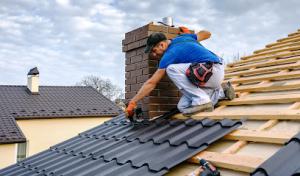
In this part of Los Angeles, the full reroof process is typically managed through the Los Angeles Department of Building and Safety (LADBS) rather than a separate suburban building office. Homeowners planning a major roof replacement should expect LADBS to issue the necessary permits and to oversee inspections from rough-in to final closeout. The city's approach reflects the visual standards and safe construction practices familiar to hillside-adjacent neighborhoods and properties that must withstand Santa Ana wind exposure and hot Valley heat. Reroof projects commonly rely on LADBS reviewers who focus on structural adequacy, fire resistance, and proper underlayment details that meet local code expectations for tile, underlayment, and wind-resistant detailing.
The inspection sequence for an Encino reroof typically starts with a rough-in inspection when applicable, prior to completing the surface layers. This early check ensures the roof deck, anchor points, attic ventilation, fastener patterns, and underlayment transitions meet code intent before the visible roofing material is installed. A final inspection follows after the tear-off, before the job is closed out and the permit is released. Planning for these inspections means building some time into the project schedule to accommodate the LADBS review cycles, especially when plan details touch on fire-rated assemblies or wind mitigation measures common to tile and underlayment systems.
Plan review time can affect project start dates in Los Angeles, so a reroof in Encino should build in administrative lead time before tear-off. When plans are submitted, the department may request clarifications or additional detail on rafter spacing, substrate conditions, and the proposed underlayment method. This is particularly relevant for tile installations, where wind-driven uplift and seismic considerations intersect with fire safety requirements. To minimize delays, ensure that submittals include complete roof framing drawings, product specifications for membranes, and manufacturer installation details that align with LADBS wind and fire codes. Engaging a licensed contractor who regularly navigates LADBS workflows can help keep the sequence on track, avoiding protracted waits that push tear-off into hotter parts of the year when Santa Ana winds are more likely.
Keep a centralized calendar noting permit submission dates, anticipated rough-in windows, and final inspection deadlines. Have a clear line of communication with the contractor about any LADBS requests for revised drawings or additional documentation. Remember that Los Angeles fire and permit requirements influence tile choices and underlayment strategies, so discuss these elements early in plan development to ensure the chosen system aligns with both local code and Encino's climate realities.
In Encino, California insurers increasingly ask for roof age and condition documentation as part of policy reviews and renewals. The aging roofs common in hillside neighborhoods can influence decisions on coverage, especially after a series of Santa Ana winds or a wet season. When claim history exists, adjusters in the Los Angeles market may treat damage as repairable wear, wind-related loss, or a basis for broader replacement. That reality makes it essential to have a clear, consistent record that demonstrates how the roof has held up over time and under weather stress.
Keep a dated log of notable events that affect the roof. Document wind-displaced materials after storms, including missing shingles, loose tiles, or lifted underlayment, with photos from multiple angles and close-ups of fasteners or flashing. During winter rains, record any active leaks or seepage, noting the exact dates and affected areas inside the home. Track the roof's age, any past repairs, and the type of roofing material installed, since this matters for coverage decisions. For clay or concrete tile, note any cracked or broken units and whether underlayment shows signs of wear beneath the tiles. Collect receipts, contractor notes, and inspection reports that corroborate the roof's condition at specific points in time. In Encino, a concise history that ties events to calendar dates and weather conditions helps an adjuster piece together what happened and what remains viable for repair versus replacement.
Store digital copies in a cloud folder labeled for roof documentation and back them up with a physical binder kept in a safe place. Create a simple year-by-year summary that ties major weather events to observed roof impacts. When possible, arrange professional inspections after severe wind events or heavy rains, and ensure inspection reports are tied to actual dates and visible roof features. Keeping these records orderly and accessible can smooth conversations with adjusters and reduce delays in coverage decisions when questions arise about the roof's long-term viability.
Connect with contractors who help homeowners navigate the claims process from damage assessment to final approval.
Diamond Tech Roofing
(818) 797-7414 encinoroofing.com
16545 Ventura Blvd #145, Encino, California
4.9 from 64 reviews
Alluring Homes | Roofing , Exteriors & Fire Safety Improvements
(818) 469-9695 alluringhomesinc.com
Serving
5.0 from 44 reviews
Encino features a mix of low-slope additions and modern sections where drainage paths and membrane transitions demand careful detailing. When planning a flat or low-slope roof over an addition or accessory structure, map the drainage early and align it with existing gutters and scuppers. Pay special attention to edge Terminations and transitions where the new membrane meets the old roof. In hillside-adjacent areas, ensure the slope is sufficient to move water away from penetrations and transitions, and consider heat-dissipation options to minimize membrane expansion and contraction over long dry stretches.
Skylights are a recurring leak point on Los Angeles homes when flashing ages or reroof tie-ins are handled poorly during replacement. If a skylight is part of a retrofit, verify that the curb flashing is integrated with the base roof flashing in a single water-tight system. Use a membrane-over-flashing approach at the curb and ensure the edge detailing protects against wind-driven rain. In Encino, where Santa Ana winds can lift loose edges, triple-check all seals around the skylight collar and ensure fasteners are corrosion-resistant and properly spaced.
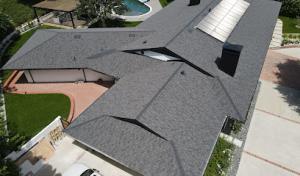
Solar-equipped roofs in Encino require reroof planning around penetrations, attachment points, and sequencing so the roof system is not compromised during removal and reinstallation. Before any panel work begins, review the roof plan for the location of vents, drains, and any edge-of-roof transitions. Coordinate removal and reattachment so that membrane sheets remain continuous where possible, and ensure flashing details around racking tracks are compatible with heat exposure and wind loads typical to this area.
Find specialists in TPO, EPDM, and built-up flat roofing systems for residential and commercial properties.
Diamond Tech Roofing
(818) 797-7414 encinoroofing.com
16545 Ventura Blvd #145, Encino, California
4.9 from 64 reviews
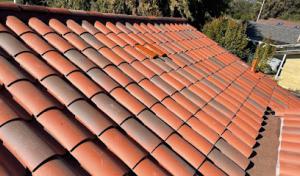
Because Encino projects often involve re-roofing rather than simple new construction, homeowners benefit from contractors experienced in tear-off, cleanup, and occupied-home job management. The right contractor will plan a staged teardown that minimizes exposure to weather and reduces disruption to daily life. Look for a detailed scope that includes weekly cleanup, drop cloths or containment to protect landscaping, and a clear plan for protecting interior spaces during material drops or attic work. A locally seasoned crew will anticipate common Encino quirks, such as hillside access, limited staging space, and the need for secure debris control on windy days.
In this Los Angeles submarket, quick response and cleanup are prominent hiring priorities, reflecting homeowner concern about active leaks, debris control, and minimizing disruption. Prioritize contractors who provide responsive communication, same-day or next-day assessments after a leak or wind event, and a written schedule with milestone dates. Ask for a dedicated point of contact during the project, and verify that the team will address unexpected issues without lengthy delays. Ensure the crew protects driveways, guest parking areas, and landscape features; request that they remove debris promptly at day's end and restore any disturbed surfaces before the next work session.
Manufacturer-backed workmanship and material warranty options can matter more in Encino when replacing premium systems such as tile, metal, or complex multi-plane roofs. Verify both manufacturer and contractor warranties, and understand what each covers: leak repair, misalignment, staining, or accelerated wear under Santa Ana wind conditions. For tile or metal systems, confirm that the warranty includes proper underlayment installation and detailing for wind resistance, as well as integration with hip, valley, and dormer geometry. Document existing conditions with photos before work begins, and ensure the warranty terms are clearly stated in the contract, including coverage period, what voids the warranty, and procedures for filing claims.
A reliable Encino contractor should offer a follow-up visit after completion to inspect for loose fasteners, flashing seating, and any minor, overlooked issues that can arise with hillside homes. Expect a concise punch list delivered in writing, plus a finish-cleanup pass to remove any residual debris. For peace of mind, request a written warranty card with serial numbers for long-term reference and a clear process for addressing future concerns.