
Last updated: Apr 19, 2026
Watsonville's coastal Mediterranean pattern shapes how a full reroof unfolds. Most full reroofs are best scheduled in the dry season rather than during winter rain periods, when storms can complicate tear-offs and extend project timelines. The Pajaro Valley's marine fog and coastal humidity mean shaded roof areas stay damp longer than inland parts of Santa Cruz County, which in turn influences when materials can dry and when crews can work efficiently. A practical approach keeps the job moving in the dry stretch, with careful coordination to avoid weather-induced delays and to minimize the risk of moisture-related setbacks.
Winter storms and heavy rainfall can delay tear-offs and create conditions where open sections of a roof worsen active leaks if weather clears slowly. If a reroof is underway when a storm rolls in, crews may need to pause work to protect interior spaces and to tarp vulnerable sections, which can add days to the schedule. In this climate, it is common to stage the project so the most weather-sensitive work-like the removal of old roof coverings and the installation of underlayment-occurs during a window with a reliable forecast. That window is typically the late fall through late winter in this coastal microclimate, but remains tentative if a series of frontal systems rolls through with persistent rain. Planning with the contractor around a predictable sequence and potential weather pivots helps avoid induced leaks and unnecessary back-tracking once a dry spell returns.
The dry season window is the practical backbone for planning a reroof in this region. Dry days, lower humidity, and the absence of offshore fog-dense mornings enable faster adhesive cures for membranes, sealants, and coatings. This is especially true for roof assemblies that incorporate clay or concrete tiles, metal, or synthetic shingles, where curing times and set-up accuracy matter for longevity. When scheduling, aim for a consecutive block of dry days rather than isolated sunny mornings sandwiched between wet spells. Coastal fog patterns can obscure moisture levels in the early morning hours; if moisture readings are doubtful, a quick test patch or a two-hour inspection delay can prevent premature sealing and future moss seeding. The goal is a clean dry deck before any insulation, underlayment, or flashing work proceeds, minimizing the risk of trapped moisture near walls and penetrations.
Marine fog and coastal humidity in the Pajaro Valley can keep shaded roof areas damp longer than inland parts of the county, affecting dry-out time and moss growth. Areas shaded by eaves, chimneys, or tall trees may trap dew and residual moisture into the afternoon. A practical response is to assess moisture at several points across the roof, not just where the sun hits first. If moss or algae show up in shaded zones, address it before laying new underlayment or tiles, since lingering growth can compromise adhesion and ventilation. For tile roofs, ensure the underlayment is fully dry and any fasteners have solid, clean surfaces for mounting. For metal or composite roofs, check that oxidation control and sealant applications do not rely on late-day sun that may not fully cure. If the forecast calls for a stretch of humid mornings, consider adjusting the sequence to place more weatherproof tasks-like flashing and valley protection-earlier in the day when moisture is manageable.
A Watsonville reroof plan benefits from aligning with a crew that understands coastal specifics: fog-driven moisture, frequent drizzle, and the cycle of warm days followed by cool, damp nights. Communicate clearly about the expected dry window and the need to halt work during active heavy rain or when shade-affected dampness is persistent. Build in a contingency for a potential week-long pause if back-to-back storms arrive, and identify a partial follow-up schedule to complete ballast or accessory installations once conditions improve. In short, the calendar should favor uninterrupted dry runs, with a flexible fallback that respects the coastal climate's tempo and the home's exposure to marine moisture.
Homes closer to Monterey Bay exposure can see faster corrosion on metal components because salt spray is a real coastal factor in this market. If your roof includes metal flashings, edge trim, or a metal deck, expect accelerated wear where salt-laden fog lingers overnight or after a windy marine day. You may notice white, chalky oxidation or small rust halos along fasteners and seam joints. To mitigate this, prioritize coatings and fasteners rated for coastal environments, and consider periodic resealing of exposed seams. When surveying a reroof candidate, pay particular attention to the condition of any exposed metal near rake edges, vent flashing, and valley hardware. A prudent approach is to schedule more frequent inspections during the wet months, so early rust spots don't silently propagate beneath coatings.
Older roofs in Watsonville's damp, shaded areas are more prone to moss, algae, and rot pressure than roofs in hotter inland valleys. Moss can trap moisture against the underlayment, speeding degradation of decking and shingle edges. In shaded microclimates, moisture lingers longer after rain, which fuels fungal growth and can compromise underlayment and fasteners over time. If you notice dark streaks, spongy feel under shingles, or persistent damp patches along eave lines and north-facing slopes, treat those zones as high-priority for cleaning and treatment. Regular removal of moss and debris, combined with a breathable vented system, helps reduce moisture buildup. When planning a reroof, choose materials with good moisture resistance and ensure flashing details shed water effectively to avoid invites for algae colonies in the shade.
Persistent moisture around flashings, valleys, and roof penetrations is a bigger local concern than hail impact or snow loading. Valleys, in particular, can act like water highways if not properly flashed and sealed. Over time, repeated wetting and drying cycles can loosen sealants and compromise the waterproofing layer beneath shingles or tiles. Pay attention to valley metal condition, apron flashings, and transition points around chimneys and vents. In a reroof plan, ensure that valley installations favor a robust, corrosion-resistant flashing strategy with compatible sealants that resist moisture creep. Consider toe-nailing and mechanically fastening valley elements where appropriate, and verify that drips and parapet detailing direct water away from joints rather than pooling near penetrations. If a roof shows chronic moisture staining around penetrations, treat those areas as red flags for future leakage risk and budget extra attention for preventative flashing work.
A proactive maintenance rhythm matters: biannual inspections timed around the wet winter season and the dry season can catch early signs of salt corrosion, moss encroachment, or flashing failures before they become costly repairs. Keep gutters clear of leaf litter and coastal debris that can back up moisture near the eaves. When hiring a contractor, emphasize proven coastal-quality flashings, corrosion-resistant fasteners, and a detailing plan that treats shaded, moss-prone zones with appropriate fungicidal and cleaning strategies. Remember that the moisture cycle dictates longevity here; tailor your reroof planning to align with and minimize the damp-season exposure.
Explore specialists in steel, aluminum, and standing seam metal roofs built to last 50 years or more.
Cal Coast Roofing
(408) 506-8261 calcoastroofs.com
2908 Freedom Blvd, Watsonville, California
5.0 from 5 reviews

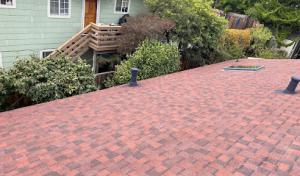
Clay and concrete tile are established roofing choices in Watsonville, reflecting the Central Coast and Spanish-influenced residential styles seen across the area. This look isn't just aesthetic; it aligns with the region's mild winters and dry summers, offering durable, long-lasting performance when installed properly. In neighborhoods with tile, you'll notice a mix of barrel, flat, and interlocking profiles that pair well with stucco or plaster walls and low-slope entries. The local coastal climate means that tile roofs encounter both fog-driven moisture and occasional intense winter rains, so selection and installation focus should balance moisture management with the visual rhythm of the streetscape.
Tile itself is visually impressive and highly durable, but the waterproofing layer beneath matters just as much as the surface. In this market, underlayment life deserves close attention because the visible tile can outlast the waterproofing layer beneath it. If the underlayment degrades or fails, water can penetrate through the deck long before tile shows wear. When planning reroofs, check the age and type of underlayment, and consider upgrading to a high-quality, moisture-resistant membrane designed for coastal humidity and periodic salt exposure. A well-chosen underlayment supports a long service life for the entire system, especially during the rainy season that can arrive with short notice.
Heavier roof systems can raise project complexity compared with asphalt, especially on older homes where reroof scope may expand once the deck is exposed. In Watsonville, many older structures were built with lighter framing that assumed lighter roofing materials. When tile is installed, the added weight can require temporary support, updated fasteners, or even structural reinforcement. If the deck reveals signs of prior water intrusion, rot, or compromised framing, the reroof plan should address those issues before tile installation proceeds. Planning for these contingencies helps avoid surprises that can extend timelines and complicate workmanship in a coastal environment where access and weather windows are factors.
Tile roofs respond best when installation avoids prolonged exposure to wet conditions. In this area, a dry-season window is a practical target for most tile projects, yet coastal fog and marine moisture can linger into late morning or early afternoon. Scheduling around typical Santa Cruz County weather patterns means prioritizing deck preparation and tile installation during periods with predictable sun and lower humidity. Protection from sea spray during the early months of the project matters too; temporary barriers and careful sealing of the edges reduce salt infiltration to fasteners and edges during construction.
Maintenance for tile roofs in these neighborhoods focuses on periodic inspection of the tile laps, ridge lines, and penetrations. Look for cracked or displaced tiles after heavy winds or seismic events, and verify that the underlayment remains intact under storm exposure. Because the tiles conceal the underlying waterproofing, small issues there can escalate if ignored. Regular cleaning to remove debris that can trap moisture near edges helps preserve gutter performance and reduces moss growth in shaded, fog-prone pockets of the roof. A thoughtful maintenance plan keeps a tile roof looking cohesive with the local architecture and performing within the coastal climate.
Find contractors who specialize in clay and concrete tile roofs, known for their durability and curb appeal.
Cal Coast Roofing
(408) 506-8261 calcoastroofs.com
2908 Freedom Blvd, Watsonville, California
5.0 from 5 reviews
Protect your largest investment with our reliable roofing services. We are a locally owned and operated roofing company currently serving Watsonville, CA and surrounding communities. If you want to make your roof last as long as possible, it is vital that you never put off a roof repair. Small issues with roofing become big issues in a hurry. No matter how major or minor the repair you need, we are here to help. We offer roofing contracting, roof installation, and standing seam roofing.
Shelton Roofing
135 Aviation Way Suite 18, Watsonville, California
4.1 from 8 reviews
With over 40 years experience and two generations of leadership, Shelton Roofing is the leading expert for your residential & commercial roofing needs. Now serving Santa Cruz and Monterey Counties.
Bay Quality Roofing
(888) 289-0009 bayqualityroofing.com
Serving
5.0 from 3 reviews
By using the highest-quality materials and providing great customer service, Bay Quality Roofing remains the go-to roofing contractor along the coast.
Kennedy Roofing
(831) 254-4900 kennedyroofing.net
Serving
5.0 from 13 reviews
Kennedy Roofing has been established over more than 20 years in the business completing work of exceptional quality throughout Watsonville and the surrounding cities. Our team of skilled roofers has the tools and the experience to confidently offer a comprehensive range of services for your roof. We service in general inspections, repairs of all scopes, the installation of brand new roofs and maintenance such as pressure washing. Beyond roofs themselves we also install seamless gutters and solar panels adding great value to your home. We work with you to make the process as convenient as possible and will work with you to get your project completed to your full satisfaction before receiving payment.
Ed's Tile & Shingle Roof Cleaning
(831) 277-7713 edsroofcleaning.com
Serving
5.0 from 6 reviews
Exterior power washing at it's best! For all of your exterior cleaning needs, call Ed's Tile & Shingle Roof Cleaning. Does your home look a little dull? Do you think you need to paint? Maybe all you need is a good exterior cleaning. Our qualified and insured technicians will clean and restore your exterior surfaces and bring out the beauty of your home which is more cost effective than painting! We also can clean and reseal your fences, decks, patios and porches, along with cleaning your gutters and downspouts so that they work more efficiently. Call Ed's Tile & Single Roof Cleaning today to schedule your next home improvement project.

Crysta Fix Roofing
(669) 280-7900 crystafixroofing.best
Serving
4.8 from 38 reviews
At Crysta Fix Artistry, we blend creativity with craftsmanship to transform walls into expressive, vibrant works of art. From timeless color refreshes to bold feature walls, our expert painters bring vision, precision, and beauty to every project — inside and out.
Redwood Roofing
(831) 888-7790 redwoodroofing.com
Serving
5.0 from 155 reviews
Need reliable roofing solutions in California? Serving Soquel, Freedom, Capitola, Aptos, Los Gatos, Aromas, Ben Lomond, Santa Cruz, Watsonville, Bonny Doon, Boulder Creek, and nearby areas, we’re here to assist! Our team specializes in roof replacements and repairs for flat and pitched roofs, both commercial and residential. From asphalt shingles to skylight repairs, we focus on quality and safety to give you peace of mind. Reach out for trusted, expert roofing care you can rely on.
Top Tier Roofing
(408) 337-6985 www.toptierroofing.com
Serving
4.9 from 53 reviews
We are a family owned and operated residential roofing contractor that provides service to Santa Clara, San Mateo, and Santa Cruz County David Weber, the owner of Top Tier Roofing, has almost 2 decades of residential roofing experience. We are Diamond Certified, have 5 stars on Google and Yelp, A+ rating on Better Business Bureau, neighborhood favorite on Nextdoor, Google Guaranteed, and Talk of the Town Award 5 years running. And we have been voted Best of Morgan Hill several years. Let us know how we can serve you.
Moriarty's Roofing
(831) 466-9948 www.moriartysroofing.com
Serving
4.8 from 350 reviews
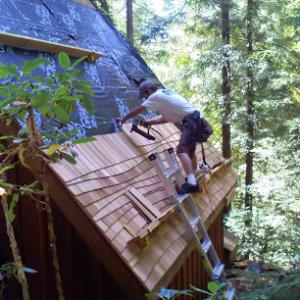
We are a local company that has been serving Santa Cruz County for over 20 years. As a full service roofing contractor, we are able to provide outstanding quality work in the areas of residential and commercial roofing. We pride ourselves on providing quality installs with quality products. We offer products with lifetime warranties on both steep and flat roofing applications and back all of our installations with a 10 year craftsman warranty. Whether you are looking for a luxury option for those making a statement, are needing a new roof or roof repair, we are the company you are looking for. We enjoy challenging projects and will do our best to make sure you are satisfied before we complete the project.
Daddario Roofing
(831) 476-9109 www.daddarioroofing.com
Serving
5.0 from 46 reviews
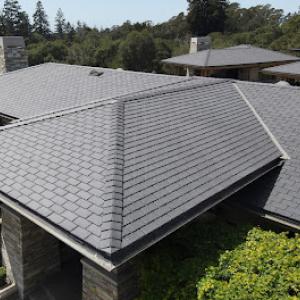
You can choose Daddario Roofing with confidence for all your roofing needs! Whether it is re-roofing, repairing an existing roof, or ordering a roof inspection Daddario Roofing Company is your very best choice.
Blue Wave Roofing
(831) 240-5487 bluewaveroofing.com
Serving
5.0 from 50 reviews
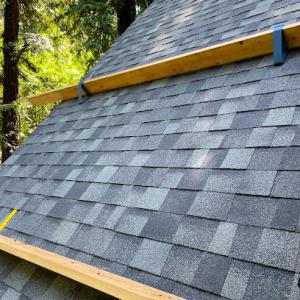
Blue Wave Roofing is proud to offer our full service roofing expertise and services to our community. As a local roofing company based in Santa Cruz, CA and serving the South Bay to Monterey Bay area, we have over 30+ years experience specialized in all aspects of residential roofing as well as commercial roofing.
Six Star Roofing
(831) 345-0134 sixstarroofing.com
Serving
5.0 from 68 reviews
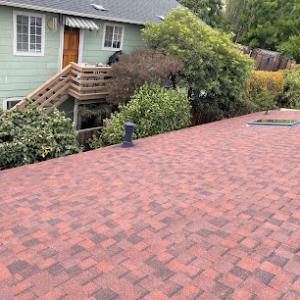
With unwavering dedication, we will approach your roofing project as if it were our own home. Throughout the process, we will collaborate closely with you, providing guidance and support from start to finish. Our ultimate objective is to ensure your utmost satisfaction, aiming for nothing less than 100% customer contentment! "During my high school and college years in Washington State, I gained substantial experience in the construction trades. Following a successful period in the health services field, I decided to return to my origins and establish Six Star Roofing in 2019. It brings me immense pride to operate a roofing company that strives for excellence in all aspects of its operations." Six Star Owner Jonathon Rank
In this market, planning starts with material choice. Local cost planning should start with these ranges per square: asphalt shingles 350 to 600, metal 600 to 1100, clay tile 1200 to 2500, concrete tile 900 to 1800, wood shingles or shakes 700 to 1400, and synthetic or composite shingles 600 to 1300. Costs in Watsonville can rise when winter weather compresses scheduling into the dry months and reroof demand bunches into a shorter installation season. For asphalt, you typically see the lower end on budget homes with simple slopes, while clay and concrete tiles push up materials and labor, especially when old underlayment or sags require extra work. Metal roofs, common on newer or mid-century homes here, balance durability with higher upfront costs; expect more fasteners and edge detailing near salt spray. Tile options (clay or concrete) demand careful installation in damp packing conditions and need corrosion-resistant fasteners and flashings to withstand coastal moisture. Wood shingles or shakes and synthetic options fill gaps where budget and weather windows collide, with synthetic often offering better moisture resistance in foggy, salty air.
Costs rise when winter weather compresses scheduling into a shorter dry season, which happens with notable regularity in the Pajaro Valley microclimate. You'll see tighter windows for reroofs, so the plan should account for a compressed calendar and avoid last-minute hires if possible. That pressure can also shave a bit off the margin for crews handling complex or multi-area jobs, so timing matters as you lock bids.
Project totals are shaped by tear-off scope, tile handling, corrosion-resistant components near the coast, and roof complexity on mixed older and newer housing stock. For asphalt, a simpler, single-slope roof will stay toward the lower end of the range, while multi-level or tile-over-older-sheathing increases labor. Tile options require precise installation and may incur higher waste disposal or repackaging fees. Coastal corrosion-resistant edge metals, flashing, and fasteners add to the sticker price but help prevent premature failures in salt-logged air.
Consider roof complexity: multi-level designs, skylights, dormers, and mixed stock add discreet labor hours that compound with winter rain. Tear-off quantity and waste handling affect totals; some contractors include disposal in price, others itemize. In a coastal Pajaro Valley climate, you may prefer metal or concrete tiles for longevity, even if the upfront cost is higher, to minimize call-backs during winter storms. Plan ahead, and your Watsonville reroof dries in spring sunshine with fewer surprises.
The most popular roofing material in the US. Find pros who install, repair, and replace asphalt shingles.
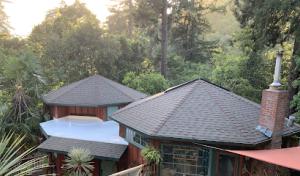
A full reroof in Watsonville typically requires a permit through the City of Watsonville Building Department. The permit ensures that work complies with local codes, protects the coastal moisture exposure, and accounts for the Pajaro Valley microclimate that can stress roofing assemblies differently than inland areas. Plans are reviewed for structural suitability, drainage, ventilation, and flashing details that withstand winter rain, fog, and salt exposure. The city's approach favors a careful match between the roof assembly and the underlying structure, so even a recover job should be evaluated for potential deck or deck-to-ridge connections.
The city handles plan review and issues inspections at multiple stages, ending with a final inspection after completion. Expect the plan review to look closely at roof-to-wall connections, step flashing along parapets, and any necessary waterproofing underlayment. Inspections are scheduled as the work progresses: framing and underlayment, rough-in of vents and flashing, and a mid-point check if a tear-off or replacement is involved. The final inspection confirms that the installed roofing system, fasteners, and ventilation meet code requirements and that penetrations through the roof sheath are properly sealed against coastal moisture and salt spray.
Permit paperwork varies with the project scope. A simple recover typically involves less phasing and fewer structural changes, while a full tear-off or more involved replacement triggers a deeper review and additional documentation. Expect to provide project details such as the roof area, venting calculations, and any changes to roof pitch or drainage. If the project touches structural members or attic ventilation, the permit packet may request calculations or product data for the roof system. Plan to schedule inspections in advance and to have the site prepared for access during each required check.
Watsonville's wet winters mean that the window for dry-season installation is a practical constraint. Scheduling around long stretches of dry, fog-sheltered days minimizes delays and protects exposed underlayment and decking from moisture intrusion. If a project spans the winter, the permit process becomes even more important to document temporary protections and to coordinate inspections after significant weather events. As weather changes, inspectors may emphasize water intrusion prevention at transitions, eave details, and valley installations to guard against coastal moisture and salt exposure.
Communicate with neighbors about staging equipment and noise, especially in tightly spaced residential blocks common in the area. The Building Department can provide guidance on temporary safety measures during inspections, scaffold use, and access routes that minimize disruption while maintaining safety for crews and residents. Keeping a clear log of inspection dates and any required corrections helps ensure the reroof proceeds without unnecessary delays.
Even though the coast keeps Watsonville's air cooler and damper than inland places, the broader California insurance market has tightened in wildfire-prone regions. That trend spills over into coastal towns where moisture, salt exposure, and a mix of tile-heavy and budget-friendly roofs create varied risk profiles. Expect carriers to probe the roof's current condition more closely during renewals or after a claim.
Insurers commonly want dated photos that show the roof's overall condition, clear contractor inspection notes, and detailed records of any replacement work. In practice, this means keeping a tidy trail: a pre-work photo set, notes from a licensed roofer, and receipts or warranties for any updates. Clear, consistent documentation helps prevent disputes when a claim is reviewed years later or when renewal terms are considered.
Coverage terms vary by carrier and policy, so Watsonville homeowners often need to compare whether repairing an aging roof versus fully reroofing will affect renewals, exclusions, or claim handling. In coastal climates, a reroof can trigger different expectations about moisture barriers, underlayment compatibility, and overall roof longevity, which insurers weigh against risk of future damage.
Maintain a simple, organized file with photos taken at regular intervals, especially after winter rains or heavy marine fog patches. Include contractor notes that reference age, material type, and any coastal-specific considerations like salt exposure or ventilation needs. When in doubt, add a brief summary of how ongoing maintenance aligns with the policy's loss history guidelines.
If a claim arises, ensure the documentation clearly shows what portion is original versus replaced, and document any maintenance that addresses existing wear. Clear, timestamped records help avoid delays and confusion during claim handling, particularly if the roof's condition fluctuates with unusually wet winters or dry-season installation windows.
Connect with contractors who help homeowners navigate the claims process from damage assessment to final approval.
Skylights are a meaningful specialty in this local contractor market, and that matters because coastal moisture makes flashing integrity especially important. In Pajaro Valley's damp pattern, a poorly seated flashing can quietly start weeping before a visible leak shows up inside the attic or ceiling. A skylight retrofit or new install should be treated as a small but critical waterproofing project, not a quick add-on.
Leak complaints around penetrations tend to become more noticeable during the city's wet winter pattern after long dry periods. When the roof dries out, sun and wind can stress seals and flashings; then, when the first storms hit, signatures of failure appear at the skylight base. Inspect around the curb, flashing boots, and shingle-to-flash transition after several dry weeks and again after a heavy rain, paying close attention to any staining or musty smells in the attic.
In this marine air, the combination of salt, fog, and high humidity can corrode metal flashing and degrade sealants faster than inland climates. Choose skylight details that emphasize robust flashing transitions: deck-seal priming, corrosion-resistant flashings, and backer tape where the curb meets the roof. If the skylight is integrated with solar equipment, ensure the penetrations for wiring, mounting feet, and drains are sealed with moisture-grade products and compatible sealants that stay flexible in coastal conditions.
Timing matters: aim for a dry-season installation window with a few good dry days to cure sealants without rain intrusion. Surface prep should include cleaning and dry fitting, plus test-fitting any curb adapter or flashing kit before final sealing. On repair jobs, remove old sealants cleanly and replace with products rated for longevity in fog-dense air and salt exposure.
Annual checks should focus on the skylight curb, flashing joints, and the seal between glass and frame. Look for chalking, cracking, or loose fasteners, and address them before a winter storm. Keep gutters near the skylight clear so runoff doesn't pool around the base. If solar equipment is present, examine penetrations around mounting rails and controllers for moisture intrusion and ensure proper isolation from any roof leaks.
Find contractors experienced in skylight installation, flashing, and leak repairs to bring natural light into your home.
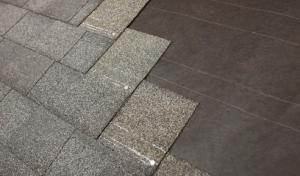
Watsonville features a mix of residential and commercial buildings, and low-slope roofs are a common sight on many commercial structures and some practical home additions. While pitched profiles dominate the homeowner market, the local climate makes low-slope systems a relevant consideration for durability and service life. When planning any reroof, recognize that a flat or near-flat deck requires attention to drainage and edge detailing to perform well across both the rainy season and the dry months that follow.
Winter ponding is not just a nuisance on low-slope roofs-it directly impacts long-term performance. In this coastal microclimate, winter moisture can linger on surfaces and stress seams, coatings, and flashings if drainage paths are obstructed or insufficient. A practical approach is to ensure roof decks are designed with adequate positive slope toward primary and secondary drains, along with clear pathways for water to shed from edges without creating backwater. Consider the placement of scuppers, internal drains, and overflow provisions that can handle seasonal rainfall without allowing water to pool near penetrations or along transitions.
Coastal moisture accelerates wear on seams and coatings more than freeze-thaw cycles do in this area. Regular inspection of clawed or glued seam tapes, perimeter edge details, and coating integrity is essential, especially after wet winters. Look for hairline cracks, loose fasteners, or disturbed sealants at parapet walls and skylight perimeters. Addressing small issues promptly helps prevent moisture from wicking into insulation or decking. In sites with salt exposure, routine cleaning of debris and salt-laden runoff near edges can extend the life of the waterproofing system.
The dry season offers the most reliable installation window for low-slope reroofs, but coastal conditions can bring marine fog and humidity that complicate curing times for coatings and sealants. Coordinate installations to begin after a dry spell and allow sufficient drying time before expected cool or damp periods. Staging work to avoid heavy winter weather reduces the risk of field failures and helps ensure that the finished system maintains its intended drainage and edge protection throughout the first winter.
Find specialists in TPO, EPDM, and built-up flat roofing systems for residential and commercial properties.
Cal Coast Roofing
(408) 506-8261 calcoastroofs.com
2908 Freedom Blvd, Watsonville, California
5.0 from 5 reviews
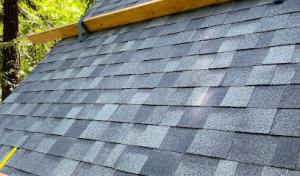
The strongest hiring signals in this coastal Pajaro Valley are reroofing work that includes cleanup, reliability, and fast turnaround. Homeowners expect crews to handle not just the new roof, but the cleanup after each day's work and at the end of the project. Affordability and a reasonable response time matter more than glossy, niche specialties here, where salt spray and fog demand practical, proven materials and method.
Residential reroofs dominate, reflecting the mix of older homes and newer budget-friendly builds in town. There is also a noticeable commercial segment, so when you call a contractor, confirm their recent experience matches the roof type you have-whether you're replacing a tile roof on a cottage or a low-slope commercial roof. A contractor with cross-over experience handles coastal moisture better, and can adapt their approach to both single-family homes and small commercial structures.
Long-established firms are present but not dominant, which means homeowners often compare service factors as much as company age. Look for contractors who openly discuss project sequencing, how they protect landscaping from wind-driven debris, and their street-by-street responsiveness after storms. In Watsonville, you'll notice crews that prioritize jobsite cleanliness and daily debris removal because coastal yards can be sensitive to grime and salt buildup.
When evaluating bids, prioritize those who outline a clear plan for handling winter rains, coastal moisture, and the dry-season installation window-timelines that align with local weather patterns. Ask for recent project photos and references on roofs similar to yours, and verify that the contractor's crew will perform a thorough cleanup at completion. A straightforward communicator who arrives prepared to discuss moisture considerations and material compatibility often proves most dependable in this market.