
Last updated: Apr 19, 2026
Monument sits on the Palmer Divide, a terrain feature known along the Front Range for volatile storm development, strong winds, and hail exposure that can produce sudden roof damage. The combination of high elevation, steep slopes, and pine-covered neighborhoods means hail can strike with little warning and bounce across shingles, flashing, and venting. Wind can drive lifted shingles and tarps, while sun exposure after a storm can reveal hidden damage fast. This is not a generic storm season scenario-this is a Palmer Divide pattern where a single storm can change a roof's condition in hours. Knowing that risk helps you prioritize inspections and maintenance before a major leak or interior damage appears.
When a storm roars through and leaves a quiet moment behind, you must act fast. Start by surveying from the ground for obvious signs: dents on metal vents, chipped edges on shingles, curling tabs, or missing granules in exposed areas. If you climb a ladder, inspect the ridge cap, flashing around skylights, chimneys, and roof-to-wall transitions, and look for irregular gaps where wind could have pried shingles loose. In neighborhoods within the Tri-Lakes area, storm years trigger a rush on roofers, so a careful, documented assessment helps you separate real damage from cosmetic evidence that won't leak. Take clear photos labeled with date and location on your roof, then compare to previous images to spot new trouble spots. If you do find damage, don't wait for a leak to appear-document and contact a local, reputable contractor who understands Palmer Divide conditions and how wind-driven hail behaves on steep slopes.
Your choice of roofing material matters more here than in milder climates. The local pattern of spring hailstorms and strong winds means you should consider materials that resist impact and hold up under rapid temperature swings. Asphalt shingles remain common, but in Monument many homeowners lean toward options with higher impact resistance and better wind performance. Metal roofs offer strong wind resilience and fast shedding of hail impact, yet installation quality and panel seams matter a lot on steep terrain. Clay and concrete tiles deliver impressive durability but require precise substructure and strong underlayment to handle wind uplift on pitched roofs. Wood shingles can crack under hail and sun, while synthetic or composite shingles aim to balance weight, impact resistance, and flexibility for long-term performance. When planning a repair or replacement, prioritize a product that contractors in the Palmer Divide area have refined for the seasonal storm mix, especially for steep-slope homes where hail paths and wind eddies vary block by block.
Because storm years in the Front Range trigger a rush on local roofers, you should establish a go-to emergency plan now. Create a short list of trusted local contractors who understand Palmer Divide weather, can document hail damage quickly, and offer temporary protection if installation must be delayed by weather or scheduling. Keep a ready set of tarp, sealant, and fasteners accessible for immediate weatherproofing after minor damage is found, while you coordinate with a roofer for a detailed assessment. Acting promptly limits interior risk and reduces the chance of secondary issues from untreated roof damage in Monument's volatile spring environment.
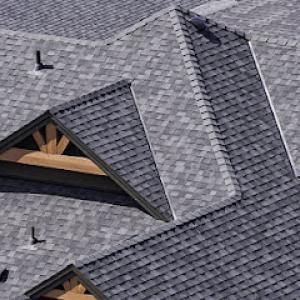
Prime Roofing
1824 Woodmoor Dr St 201A, Monument, Colorado
4.9 from 26 reviews
Prime Roofing Colorado, LLC provides residential and commercial roofing, skylight installation, and roofing inspections to the Monument, Colorado area.
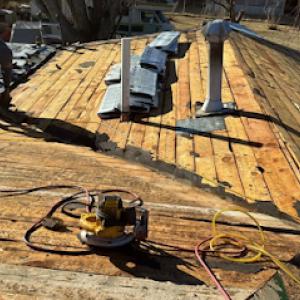
Raptor Roofing of Monument
16407 Mountain Flax Dr, Monument, Colorado
5.0 from 7 reviews
At Raptor Roofing of Monument, nestled in the heart of Monument, Colorado. Your quest for roofing excellence is met. From seamless installations and repairs to specialized hail damage remediation, our expert craftsman tackle roofing challenges with precision and experience. As a trusted roofing company, we go beyond roofing, bringing innovative energy solutions to harness the sun’s potential, empowering you to embrace sustainability and efficiency accompanied with high quality shingles and various materials. With an unwavering commitment to superior craftsmanship and personalized customer service, our team stands ready to safeguard and elevate the beauty and integrity of your property through our comprehensive roofing services.
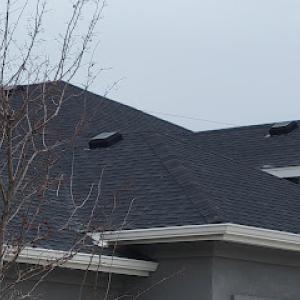
BudgetRoof.com
(720) 213-6602 budget-roof.com
16620 Hallmark Trail, Monument, Colorado
5.0 from 6 reviews
Roofer in Colorado
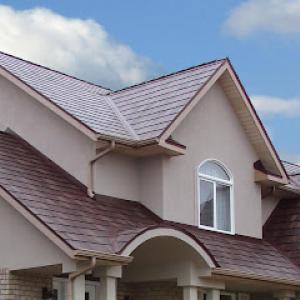
Inspire Roofing & Contracting
(719) 377-2072 www.inspireroofingllc.com
Monument, CO
5.0 from 5 reviews
Inspire Roofing and Contracting is a top-notch roofing and restoration company dedicated to providing exceptional service and quality craftsmanship. Specializing in both residential and commercial projects, they offer a wide range of services including roof repair, roof replacement, seamless gutters, siding, stucco, painting, windows and doors and comprehensive restoration solutions. With a team of experienced professionals, Inspire Roofing and Contracting ensures that every project is completed with precision and attention to detail as if it were their own! Their commitment to customer satisfaction and use of high-quality materials make them a trusted choice for all your roofing and restoration needs.
Viking Roofing
(720) 698-7891 www.vikingroofingco.com
15954 Jackson Creek Pkwy, Monument, Colorado
5.0 from 1 review
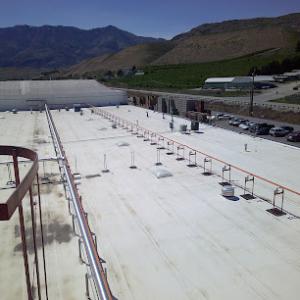
Reliable & Professional Roofing Company Viking Roofing is a licensed, bonded and insured expert roofing contractor for both residential & commercial properties. We are committed to providing our clients with 45+ years of professional workmanship, top-quality products, reasonable prices and education. We serve the Front Range areas of Colorado. Our highly trained team specializes in hail and wind claims with insurance companies.
BLU roofing
Serving
5.0 from 30 reviews
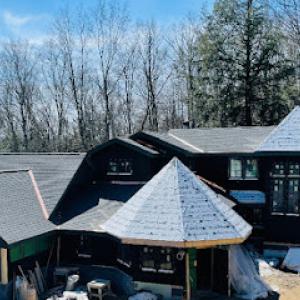
At BLU Roofing, we believe that a roof is more than just shingles and nails—it’s the protection your family relies on every day. We’ve built our business on the simple values of honesty, hard work, and showing up when we say we will. Whether it’s a small repair or a complex tile roof replacement, we treat every home with the same care and respect as if it were our own. We aren't here for the quick sale; we’re here to be help in time of need and the team you can trust for years to come.
CCP Roofing & Restoration
Serving
5.0 from 29 reviews
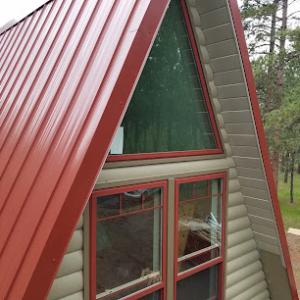
Since 1992, CCP Roofing & Restoration has been a trusted local roofing company serving Colorado Springs, Monument, Larkspur and surrounding areas. We specialize in high-quality roofing solutions, including metal roofing, roof repairs, gutters, stucco repairs and insurance claim assistance.

Storm Guard Roofing of Colorado Springs
(719) 642-6253 www.stormguardrc.com
Serving
4.9 from 239 reviews
A roof is the first line of defense against the elements. When it comes to your roof, trust a roofing team that can ensure your loved ones and belongings stay safe. Storm Guard of Colorado Springs is a roofing contractor specializing in repairs and replacement. When you see leaks or a bad storm has damaged your home, we'll be there to help you navigate the repair process. Our team is a one-stop shop for full home restoration, and we'll even work with your insurance company to manage your claim. Let us guide you through your roofing issue. Contact us today!
Klaus Roofing
(719) 290-5239 klausroofingcolorado.com
Serving
4.9 from 152 reviews
Asking for a locally owned Colorado Springs roofing company with 5 Star Reviews roofer near me? We take pride in helping residential homeowners with their roofing projects from roof inspections and roof replacements to roof certifications and roof repairs. We are a Colorado Springs Roofing Contractor that specializes in hail and wind damage storm claims and work with all insurance companies. As one of the best roofing contractors in Colorado Springs you can find, Klaus Roofing is licensed and insured and uses only the highest quality roofing materials and the most experienced roofing workmanship to make sure that your new roof is done right the first time. Free Online Estimates
Simple Roofing & Exteriors
(303) 500-1807 www.simpleexteriors.net
Serving
4.8 from 100 reviews
We are a full service Exterior General Contractor specializing in Hail Restoration. We do all forms of Roofing, Standing Seam Metal roofing, Roof Repairs, Gutters, LP Smartside and James Hardie Siding, Andersen, Pella and Milgard Windows, Fascia, Soffit, Stucco, Garage Doors, Entry Doors, Commercial Roofing, Flat Roof, EPDM.

Colorado Superior Roofing & Exteriors
(719) 428-2901 coloradosuperiorroofing.com
Serving
5.0 from 40 reviews
Since 2002, Colorado Superior Roofing & Exteriors has proudly served the Colorado Springs community as a premier roofing and exteriors specialist. Located at 1880 Office Club Pointe, Suite 263, we deliver exceptional craftsmanship for both residential and commercial properties. Our expertise spans comprehensive roofing solutions, siding, and painting, ensuring your home or business is protected and visually appealing. We're also highly skilled in navigating wind and hail damage claims, providing seamless support from assessment to completion. Trust us to enhance your property with superior quality and unwavering dedication.
EZ Roofing & Exteriors
(719) 675-5280 ezroofingcolorado.com
Serving
5.0 from 25 reviews
EZ Roofing & Exteriors is your trusted, family-owned roofing and exterior contractor, proudly serving communities across the Front Range, from Colorado Springs to Denver. As a licensed and insured general contractor, we specialize in roofing, gutters, siding, stucco, painting, and more for both residential and commercial properties. We understand that construction projects can be stressful and overwhelming, which is why we guide you through every step of the process. Our team is committed to clear communication, unbiased assessments, and delivering lasting quality on every project. We don’t just complete jobs, we build relationships. Our reputation is built on honesty, expert craftsmanship, and stress-free service. We Make It Easy!
Front Range Colorado is a frequent hail-claim region, and Monument homeowners can face higher deductibles, tighter underwriting, or coverage changes after severe storm seasons. The combination of high elevation, steep slopes, and sun exposure means roofs take a direct hit from hail and wind, which can lead to hidden damage that isn't obvious from the ground. Insurance filings in this market are often busy, and carriers push for timely responses and clear documentation. Understanding how this environment shapes decisions after a storm helps you avoid surprises down the road.
In Monument, replacement timing is often driven as much by claim deadlines and carrier response after hail events as by the roof's age alone. A roof might look fine to a casual eye, yet hail can compromise underlayment, decking, and flashings in ways that only show up after a few weeks or during a heavy rain. If a carrier flags a claim, delays can cascade through the process, pushing you into a later season window when schedules and material lead times tighten. Being aware of typical claim windows and responding promptly helps protect your long-term investment.
Homeowners here need thorough photo documentation immediately after storms because claim volume in hail-prone Colorado markets can slow adjuster scheduling. Take wide and close-up shots of every visible impact mark on shingles, metal edges, vents, and skylights. Photograph gutters, downspouts, and fascia for signs of looseness or wind damage. Keep a dated log of storm dates, hail size, and observed roof changes. If possible, have a trusted, nearby professional inspect the roof within a few days to corroborate your documentation. Digital photos should be time-stamped when available, and preserve metadata if you can. A well-organized dossier speeds the claim review and reduces back-and-forth friction.
The response to hail damage in Monument often includes a multipoint assessment: shingles or metal panels, underlayment, vent bootings, and decking integrity. Expect adjusters to request access to the attic or interior ceilings if there are signs of leaks. Be prepared to share the storm date range, nearby property reports, and any temporary mitigation steps you've taken. If a contractor notes additional issues beyond the initial scope, document those findings and discuss them with the insurer calmly. The goal is to proceed with a repair plan that addresses both the obvious and the hidden damage, reducing the risk of recurring leaks.
Actively monitor after a storm for any changes in attic warmth or moisture behind ceilings, and arrange for a professional roof evaluation promptly if leaks appear. Maintain organized records of all communications, photos, and repair estimates. If a claim is denied or reduced, request a detailed written explanation and consider a second opinion from a contractor experienced with Palmer Divide weather. In the end, the most resilient path is a transparent, timely collaboration with your insurer paired with a trusted local roofing professional who understands how Monument weather patterns and claim practices unfold.
Connect with contractors who help homeowners navigate the claims process from damage assessment to final approval.
Raptor Roofing of Monument
16407 Mountain Flax Dr, Monument, Colorado
5.0 from 7 reviews
Viking Roofing
(720) 698-7891 www.vikingroofingco.com
15954 Jackson Creek Pkwy, Monument, Colorado
5.0 from 1 review
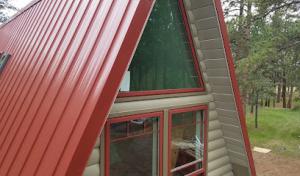
In this high-elevation Front Range setting, the window replacement schedule matters as much as the window type. The preferred window replacement window is a full replacement during late spring through early fall, when Monument's weather is more predictable and tear-off and sealing can proceed without the disruption of winter freeze-thaw conditions. Winter snow complicates the process, and prolonged cold can slow sealant curing and flashing installation. Plan the project for a window that will be removed and reinstalled during a stretch of dry, mild days to minimize the chance of condensation or hidden leaks forming behind trim and siding.
Summer monsoon moisture introduces a real leak risk if underlayment is left exposed during afternoon storms. The window crew should complete moisture barriers, flashing, and waterproofing in a single, continuous sequence. If storms threaten during installation, adjust the schedule to protect underlayment and shingle seals-temporary coverings and prompt resealing reduce the chance of water ingress. A seasoned crew will stack tasks so that weather windows are respected and the interior remains protected during any temporary gaps.
Fall and winter freeze-thaw cycles can stress flashing and shingle seals, making timing critical. When planning replacement windows, prioritize homes with seasoned flashing details that accommodate thermal movement and UV exposure from strong sun on the Palmer Divide. Ensure the retrofit includes compatible flashing materials that resist corrosion and maintain a tight seal across joints, especially around corners and at the header. Acknowledge that Monument homes often have varied roof line intersections; unique flashing kits or custom integration may be required to maintain a continuous weather barrier.
Choose frames and sills rated for wide temperature swings and sun exposure. Frames with polymer or vinyl reinforcement plus rigid insulation help minimize expansion and contraction, a common issue in Monument's sun-drenched exposure. Look for high-performance glazing with low-emissivity coatings to reduce heat gain in summer and maintain comfort in winter without overburdening the heating system. For homes with pine foregrounds or tall eaves, opt for hardware and sash configurations that tolerate wind-driven rain and blowing snow without compromising operation.
Engage a local contractor who documents weather contingencies and has a plan for rapid waterproofing once the glass and frame are in place. Clear communication about expected temperatures, storm forecasts, and contingency steps helps ensure the project does not linger in exposed layers. A dependable crew will protect interior finishings during any temporary exposure and verify that flashing, drip edges, and siding transitions are reconciled to prevent future leaks.
Asphalt shingles are a familiar sight on many roofs in Monument, shaped by practical convenience and the realities of a high-desert climate. The intense Colorado sun can beat down on these roofs year after year, and over time that UV exposure accelerates granule loss and surface aging. In high-elevation settings just north of the Springs, you'll see colorfast granules fade earlier than in milder climates, which can translate to less protective thickness and a shorter overall service life. This doesn't make asphalt inherently weak here, but it does demand attention to underlayment, proper attic ventilation, and regular inspections after hail events. If you opt for asphalt, consider a product line with higher granule adhesion and a longer warranty, and plan for more frequent maintenance checks after harsh sun seasons and hail storms. In practical terms, you'll want to keep an eye on edges, tabs, and the asphalt's appearance after summer storms, and have a local pro inspect for thin spots or lifted granules that could invite water intrusion.
Metal remains a strong local fit for this market because it handles both snow and hail with commendable performance. A metal roof sheds ice more predictably, reduces the risk of puncture damage from hail that could compromise other materials, and stands up well to the drying winds that sweep across the Palmer Divide. The flip side is visibility and curb appeal: metal reflects a distinctly modern or industrial aesthetic, which may not match every neighborhood or home style in newer subdivisions or pine-covered streets. If appearance matters in your architectural context, look for profiles and finishes that mimic traditional shingles, tiles, or shakes while preserving the protective benefits. Upfront considerations are real here, especially for larger projects or when reseaming portions of the roof; however, long-term durability often offsets the initial investment, particularly when frequent hail storms are a factor and winter snow adds load. A local contractor can help you choose coatings and color palettes that blend with the home's surroundings and resist fading over time.
Tile and wood roofs add distinctive character to select areas of the market, drawing admiration for their texture and warmth. Freeze-thaw cycles in Monument stress these materials differently than others, and snow loads must be calculated with precision to avoid overtaxing the decking and fasteners. Clay and concrete tiles deliver excellent longevity when properly engineered for local weather, but they can be brittle after hail impacts, with shards presenting repair challenges and potential secondary damage to underlayment. Wood shingles or shakes bring rustic charm, yet they demand disciplined maintenance to prevent moisture intrusion, rot, and insect risk in shaded, pine-rich settings. If choosing these options, secure a design that accounts for snow retention, proper ventilation, and reinforced edges where hail exposure is highest. Storm repairs tend to be more complex on these materials, so align with a local roofer who understands the nuances of Colorado freeze cycles and the seasonal hail patterns that land on steep slopes.
In all cases, your goal is to pair material characteristics with the local climate realities, maximizing protection against sun, snow, and hail while maintaining the home's aesthetic and value.
In this high-elevation Front Range setting, storm-driven demand spikes after hail events can tighten labor availability quickly. If a major hailstorm hits the Palmer Divide corridor, you may see roof crews and material supply tighten for a few weeks. That can push scheduling into late spring or early fall when replacement projects are more feasible. When planning, expect potential price shifts tied to weather-driven demand, especially after significant hail events that affect many homes in nearby pine-covered neighborhoods and newer subdivisions.
Steep pitches and custom layouts are common here, which means more labor hours for set-up, safety equipment, and tear-off. A simple low-pitch roof moves faster and cheaper; steep-slope roofs can add to the square footage charged per roofing square due to increased risk and rigging. If your home features multiple peaks, dormers, or a challenging ridge line, the project becomes more labor-intensive and may require longer project windows. This nuance matters when comparing bids, because the same square of material can cost more to install on a steep-slope home than on a standard ranch style.
Material choice matters sharply in this market. Asphalt shingles average 350 to 550 USD per square, while metal roofing generally runs 700 to 1100 USD per square. If clay tile is your target, expect 1100 to 1900 USD per square, and concrete tile 900 to 1500 USD per square. Wood shingles or shakes fall in the 800 to 1300 USD range, with synthetic or composite shingles at 600 to 1000 USD per square. Given Monument's climate-sun exposure, hail, and wind-choosing a durable option can reduce long-term maintenance and replacement cycles, but the upfront cost can be higher. Consider upgrade costs for underlayment and fasteners appropriate for high-wind conditions and freeze-thaw cycles typical of Palmer Divide winters.
Begin by getting three written bids and ask each contractor to break out tear-off, disposal, and waste-haul charges. Confirm whether the bid includes necessary high-wind-rated fasteners and impact-resistant underlayment, which are practical in this market. For steep-slope homes, request a detailed plan showing scaffold setup, ladder safety, and edge protection to understand labor intensity. Finally, build a contingency of 5 to 15 percent to cover potential storm-demand fluctuations or schedule shifts, especially if a hail event recently affected the area.
Get a clear picture of your project costs upfront - no commitment required.
Inspire Roofing & Contracting
(719) 377-2072 www.inspireroofingllc.com
Monument, CO
5.0 from 5 reviews
Viking Roofing
(720) 698-7891 www.vikingroofingco.com
15954 Jackson Creek Pkwy, Monument, Colorado
5.0 from 1 review
When a full residential re-roof is planned, the project is handled through Monument's local building department rather than treated as informal maintenance. That means you will file a permit specific to a reroof, supply project details, and typically have a licensed contractor pull the permit on your behalf. The process ensures the replacement aligns with local wind and snow loading requirements and with HOA rules if applicable. Expect the permit to reflect the scope of the work, including the chosen roofing system and underlayment, fasteners, and ventilation considerations for the steep-slope homes common in the Palmer Divide.
Inspections in Monument are structured to verify safety and code compliance at critical points. You should anticipate an attic or roof inspection during the installation to confirm proper underlayment, ventilation, and hardware installation before shingles or panels are brought to final. A separate final inspection follows once the material is installed to verify wind-resistance specifications and overall workmanship meet the adopted codes. If your home has attic access or a compact roof layout, the inspector may review fastener patterns and flashing, particularly around penetrations and roof-to-wall transitions.
Processing times in Monument are usually a few days to a couple of weeks, depending on department workload. This timing matters when scheduling around storm season or tight replacement windows after hail events. Coordinate with the contractor to align material deliveries and scaffold setup with these windows, and keep a buffer for possible revision requests from the building department. Early communication with the inspector can help avoid delays and ensure the project proceeds smoothly through each milestone.
Prepare to provide project details, including roof type, underlayment, venting plan, and any structural considerations noted by the contractor. Expect to sign the permit and arrange for required inspections in the proper sequence. If the home has a mountain-style roofline or pine-covered surroundings, discuss flashing around chimneys, skylights, and vent stacks to address wind-driven rain and potential ice dam considerations. Keep records of the final inspection approval and any compliance notes for insurance and future maintenance.
In this high-elevation setting, the summer monsoon can turn dry attic spaces into water detectors in a hurry. If a roof already carried hail or wind damage earlier in the year, the underlayment may be stretched, punctured, or weakened. When those buried flaws meet sudden, heavy afternoon rain, you might notice leaks popping up where you least expect them-around ridge lines, near valleys, or along fasteners. Inspect after every heavy rain and look for damp spots on ceilings that weren't there before. A careful check of attic insulation and ventilation can reveal hidden moisture pockets that signal underlayment failure, especially on steep pitches common to Palmer Divide homes.
Winter's freeze-thaw cycle can widen tiny flashing gaps and nail penetrations into active leaks by the time the next summer storms arrive. In practice, a minor flashing seam that seemed harmless after a snowstorm can punch through once heat and sun return, pushing water into the roof deck. Pay close attention to any plastic or metal step flashing at transitions-chimneys, vent pipes, and where the roof meets walls. If you notice peeling sealant, rust around nails, or dark staining near these joints, treat it as a warning sign that the next storm could reveal a larger failure.
Skylights in Monument deserve extra scrutiny because sudden heavy rain after dry spells can reveal weaknesses that were not obvious in fair weather. Look for gasket deterioration, condensation trapped around the curb, or discoloration around skylight flashing. During inspections, run a quick water test from within the attic after a rain to trace any dripping back to its source. If leaks trace to the skylight or surrounding flashing, plan a targeted reseal or flashing replacement rather than a full roof tear-off, which often saves time and reduces exposure to further weather damage.
Find contractors experienced in skylight installation, flashing, and leak repairs to bring natural light into your home.
Prime Roofing
1824 Woodmoor Dr St 201A, Monument, Colorado
4.9 from 26 reviews