
Last updated: Apr 19, 2026
In this Front Range corridor, spring and early summer bring the strongest hail chances, and the roofs in our neighborhood see the impact first. You'll notice dents, granule loss, and shingle edges curled up after intense hail events, especially on homes with asphalt shingles and lighter-colored surfaces. The weather swings-rapid freeze-thaw cycles after a hail strike-accelerate aging and can reveal leaks within weeks. Storms rarely arrive alone, so back-to-back hail events can compound damage quickly. When a storm rolls through, expect inspectors and contractors to be shoulder-to-shoulder at first light, chasing the urgent need to assess, document, and propose replacements before the next round of weather. This pattern creates a narrow window where timely action matters most.
The local insurance environment is shaped by frequent hail claims, so you need to move fast and be precise. After a significant hail event, the most powerful tools you have are clear, dated photo documentation and a robust date-of-loss record. Photograph the entire roof from multiple angles, capturing visible impact marks, granule loss in gutters, and any attic signs of water intrusion. Keep a written log noting the exact storm date, the time you first noticed damage, and any resulting leaks or interior staining. When you call your insurer or an adjuster, present that information upfront to set a credible, verifiable claim timeline. Contractors in this area often rely on these records to establish scope, justify replacements, and coordinate with adjusters before material shortages or scheduling bottlenecks take hold. Expect questions about model shingles, color matches, and ventilation-having your facts ready speeds the process and can prevent retrofit delays.
Storm-driven demand spikes across the south Denver metro area can compress contractor availability in a tight window right after major hail events. If your roof shows widespread damage or you've documented interior leaks, the clock starts ticking on scheduling. The best approach is to initiate a claim promptly and secure an inspection as soon as weather allows. Delays in inspection can mean longer project timelines, especially when crews are chasing multiple hail-damaged properties across the neighborhood. If a claim is approved, your replacement plan should align with the insurer's timeline, the contractor's preferred material lead times, and the anticipated weather pattern for the next 6-8 weeks. In practice, you'll want to lock in a start date as soon as you have an approval window, then reserve fallback dates in case of storm re-drafts or supply delays. Early planning also helps you coordinate color and shingle selection before materials dip into short supply.
Right after a hail event, the available local crews can vanish into backlogs quickly. You'll want to connect with a trusted local roofer who understands South Denver metro HOA expectations, as replacements often involve community design rules and approval workflows. When you call for quotes or inspections, emphasize urgency and your documented date of loss to avoid losing a preferred slot. Ask about storm-season contingencies: crew rotation, weather windows, and material delivery timelines. If an adjuster schedules an on-site visit, request a simultaneous contractor inspection so you can verify the scope together and reduce the risk of misalignment between claim estimates and actual replacement needs. In a tight market, clear communication and documented decisions are the difference between a timely repair and a prolonged exposure to weather and interior damage.
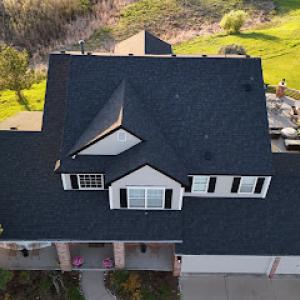
Homey Roofing & Restoration
(720) 948-5726 homeyroofing.com
10623 Ladera Point, Lone Tree, Colorado
4.8 from 129 reviews
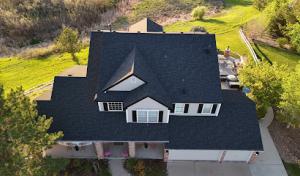
Homey Roofing and Restoration is Lone Tree’s trusted roofing expert, serving Denver metro areas from Fort Collins to Colorado Springs. Facing a leaky roof, hail damage, or high energy bills? We provide durable, energy-saving solutions tailored for Colorado’s climate. Our services include residential roofing, fast repairs, hail restoration, solar installations, gutters, and painting. As an Owens Corning-certified provider, we offer affordable financing and top warranties for peace of mind. Get a free, no-obligation estimate today and discover why we’re Colorado’s #1 choice for reliable, local roofing.
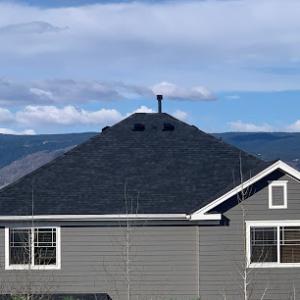
Hilltop Contracting
(720) 345-2070 www.hilltopcontractinggc.com
Lone Tree, CO
5.0 from 31 reviews
Proudly serving our local community with fast, dependable home exterior services — year-round! From expert snow removal in winter to top-quality roofing, seamless gutter installation, and professional painting, we’ve got your home covered in every season. Fully licensed, bonded, and insured, we hold ourselves to the highest standards of craftsmanship and customer care. When storms hit, we know your peace of mind matters most — that’s why we respond quickly and treat every property like it’s our own. Trust your home to local professionals who show up on time, work cleanly, and get the job done right the first time. Contact us today!
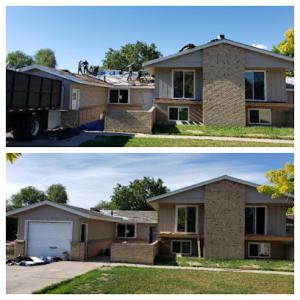
AT Roofing Specialists
(303) 596-7885 atroofingspecialistsinc.com
10504 Serengeti Dr, Lone Tree, Colorado
4.8 from 5 reviews
Full service Roofing Company specializing in Insurance Restoration, Roof Inspections, Roof Repairs and Roof Installation.
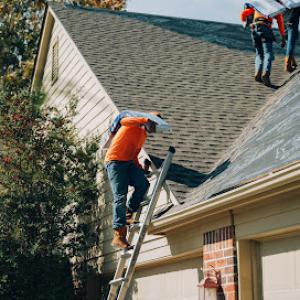
1st Priority Roofing
(720) 271-3718 1stpriorityroofing.com
Serving
4.9 from 434 reviews
“Improving Lives” is a motto we live by at 1st Priority Roofing. Providing lifetime value and comprehensive warranty coverage for your roofing gives peace of mind to you and knowledge of a job well done to us. Improving Lives and serving people with Excellent Roofing Service 1st Priority Roofing offers quality roofing craftsmanship. Award-winning and distinguished as one of GAF Master Elite Roofing Companies, we make you our first priority! We guide you through the entire process from color and material selection, to ordering, scheduling, and installing your roof. And we don’t stop there. We use quality products and guarantee our workmanship, so you can have full confidence in your new roof!

New Roof Plus
(720) 739-4800 www.newroofplus.com
Serving
5.0 from 34 reviews
New Roof Plus is a roofing contractor in Highlands Ranch, CO. Locally owned, and operated, New Roof Plus serves the entire Colorado Front Range and all of the Denver Metro Area. New Roof Plus offers complete roofing services, including shingle roof replacement, hail-proof shingles, metal roofing, commercial roofing and more. We provide roofing services in Highlands Ranch, Littleton, Lone Tree, Centennial, Parker, Castle Rock, and Castle Pines. Our reviews show we are highly trusted Highlands Ranch roofers. Our many roofing reviews are strong and reflect our motto, "Building New Roofs and Relationships". Customer satisfaction is our top priority. Free Roof Inspection available!
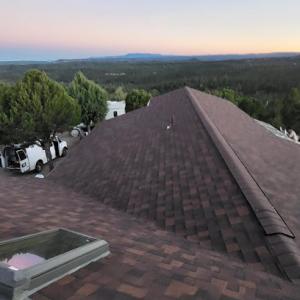
Just Roofs & Gutters
(303) 834-1126 justroofsandgutters.com
Serving
4.9 from 197 reviews
Just Roofs and Gutters, your trusted roofing contractor in the Denver metro area and the Colorado front range, brings you reliable solutions for roof replacement, roof repair, and gutter replacement. Our seasoned experts are here to safeguard your investment and ensure the safety of your residential or commercial property. With a focus on quality, safety, and time efficiency, we provide top-notch roofing materials and skilled crews. Whether it's hail impact-resistant, metal roofs, wood shake removal, rolled commercial roofing, or asphalt shingles, we've got you covered. Serving Englewood, Parker, Centennial, and beyond, we work seamlessly within the scope of insurance to make your new roof installation hassle-free.
Roof Maxx of S Aurora
Serving
4.9 from 16 reviews
Roof Maxx® is a scientifically formulated, and 100% safe, plant-based roof rejuvenating spray treatment that was developed by the world’s largest private research and development company.
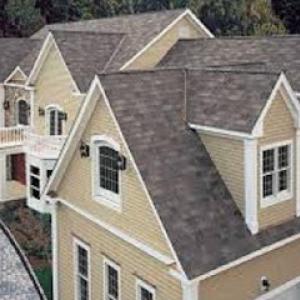
Rocky MTN Restoration
(720) 360-8546 www.thedenverroofer.com
Serving
5.0 from 67 reviews
Rocky Mtn Restoration provides expert residential roofing services across Denver and surrounding Colorado areas. From hail damage repairs to full roof replacements, our certified team delivers durable, high-quality work on time and on budget. We use only premium materials and follow strict OSHA and manufacturer training standards. Our goal is to build roofs that stand up to Colorado’s toughest weather — hail, wind, snow, and heat. Choose Rocky Mtn Restoration for honest estimates, dependable work, and lasting protection.

Apex Restoration & Roofing
(303) 691-5035 apexroofingusa.com
Serving
5.0 from 172 reviews
Apex Restoration and Roofing is a trusted Englewood roofing contractor dedicated to providing reliable and efficient roofing services. Whether you need roof repairs, gutter installation, or full roof replacements, our skilled team is equipped to handle residential and commercial projects. At Apex Restoration and Roofing, we prioritize high-quality materials and fast solutions tailored to your needs. With years of experience in the industry, our reputation is built on customer satisfaction and attention to detail. We’re proud to be your go-to roofing contractors in Englewood. Contact us today to discuss how we can improve your roof's safety and longevity!

Red Hawk Roofing - Denver
(720) 771-8921 redhawkroofing.com
Serving
4.9 from 138 reviews
Red Hawk Roofing, in Denver, specializes in residential and commercial roofing services. Red Hawk Roofing is established and locally owned. Red Hawk offers Denver residents services that include the installation and repair of new construction roofs, repairs to existing roofs, and full replacement roofing, including due to storm or other disaster damages. RedHawk Roofing is an A+ member of the BBB, NRCA, licensed, insured, and offers warranties on all installations.
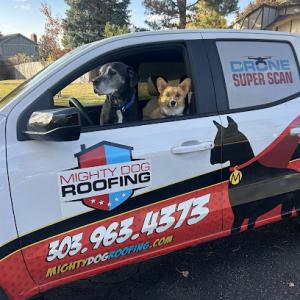
Mighty Dog Roofing of South Denver
(303) 625-6807 www.mightydogroofing.com
Serving
5.0 from 47 reviews
At Mighty Dog Roofing, we ensure your roof is always “top of mind. ” As Denver’s go-to roofing expert, we specialize in roofing, storm damage repair, siding, windows, and gutters, serving communities like Highlands Ranch, Castle Pines, Lone Tree, and Parker. Known for our fast response times, professional service, and high-quality craftsmanship, we offer free inspections using Drone Superscan technology and thorough 25-point inspections for unmatched precision and protection. Our Mighty Watchdog Maintenance Program helps prevent costly issues. Fully licensed, insured, and offering warranties on all work, we provide peace of mind for your roofing needs. Contact us today to schedule a free inspection!
Lifted High Roofing
(303) 409-7479 liftedhighroofing.com
Serving
5.0 from 27 reviews
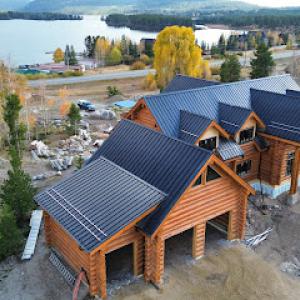
Lifted High Roofing is a Colorado-based roofing company that specializes in residential and commercial roof repair, replacement, and construction. We offer a wide range of services, including storm damage repairs, insurance claims processing, and energy-efficient roofing systems. Our team of experienced and qualified roofers is committed to providing our customers with the highest quality roofing solutions available.
In Lone Tree, repeated hail exposure on the Front Range makes impact resistance and granule retention key concerns. Asphalt shingles are common, but choosing an impact-resistant version can help minimize immediate hail dents and reduce accelerated granule loss after every storm. When evaluating shingles, look for a designated impact resistance rating and verify that the granule loss over the first few winters is reasonable for your neighborhood. If choosing tile, understand that clay and concrete tiles can crack with hail and freeze-thaw cycles, even when the roof isn't at end of life; that risk should steer you toward higher-quality underlayment, more robust fasteners, and careful tile selection in hail-prone zones. For metal roofs, ensure panels and fasteners are rated for our hail exposure and that the coating system is UV-stable to prevent early aging from sun exposure. The goal is a roof that can resist hail impacts, shed granules gradually, and maintain a weather-tight seal after a severe season.
Tile roofs bring durability and a distinct look to many homes, but freeze-thaw cycles plus hail can crack individual tiles even when the roof isn't near the end of life. If you have clay or concrete tiles, plan for a careful replacement strategy that prioritizes high-quality pockets of repair rather than blanket replacement after a single storm event. Inspect for cracked or displaced tiles after hail season, and map out sections that frequently show wear. In the long run, you'll benefit from a design that accommodates occasional tile replacement without compromising the entire roof's performance. When replacing tiles, consider reinforced flashing and re-sealing around penetrations to prevent water intrusion through micro-fissures caused by temperature swings.
Strong sun and UV at higher elevation increase thermal stress on exposed roofing materials. This can accelerate aging versus milder climates. Look for roofing systems with UV-stable coatings, reflective or cool-roof options, and underlayment choices that resist heat-induced degradation. For asphalt, this means selecting products with better infrared reflectivity and longer-lasting granules. For metal, verify color stability under long-term sun exposure. For tile, confirm that surface coatings and glaze maintain color and frost resistance over multiple summers. Prioritize roofing assemblies that maintain performance through hot afternoons, rapid temperature drops, and bright sun.
Because replacement decisions often involve insurance documentation and community design rules, prepare a paper trail early. After a major hail event, document damage with dated photos from multiple angles and keep a simple roof-coverage map showing affected zones. When HOA rules apply, align choices with approved profiles and materials to avoid delays; carry documentation that shows compliance with HOA guidelines and warranty expectations. In timing discussions, plan for storm-season windows where contractor availability aligns with insurance adjustments, avoiding peak busy weeks when possible to minimize scheduling friction.
In this part of the Front Range, storm seasons can pull crews from across Douglas County and the south metro, sending material and labor costs higher quickly. After a big hail event, it's common to see price spikes for both replacement materials and roofing crews as demand outpaces local availability. If your roof is due for replacement during or right after a hail storm, expect closer scheduling overlaps and modestly higher bids, especially for expedited projects or when specialty materials are requested. Planning a replacement for the off-peak window-late winter or early spring-can help you avoid some of those surge-price effects without sacrificing timely protection.
The market in this area offers asphalt, metal, clay tile, concrete tile, wood shake, and slate, each with very different labor needs and repair quirks. Asphalt shingles remain the most common, but the Front Range climate and hail exposure can push some homeowners toward metal or tile for longer life and better hail resistance. Metal roofing tends to carry higher upfront costs but can pay off in fewer repairs and faster installation, while tiles bring notable weight, structure considerations, and longer payback on durability. Labor intensity matters here: tile and slate installations demand specialized crews and more time, which drives up both material and labor costs. Because local crews often need to coordinate with HOA-approved materials, the final bid may separate material choices from ancillary work like underlayment or additional insulation.
In parts of Lone Tree, neighborhood design standards and HOA reviews constrain material substitutions and can extend the replacement scope. If the association has a preferred vendor list or requires specific profiles and colors, it can limit your ability to switch to a different material mid-project. Expect review timelines to be a factor in scheduling and a potential source of extra inspections or design alignment steps. In practice, confirm early with the HOA on approved products, color-matching rules, and any required documentation so the project remains on track and within the allowed scope.
Asphalt shingles range roughly from 350 to 700 USD per square. Metal roofing sits around 600 to 1100 USD per square. Clay tile comes in at 900 to 1700 USD per square, while concrete tile tends to run 900 to 1600 USD per square. Wood shingles or shakes are about 600 to 1100 USD per square, and slate pushes 1200 to 2300 USD per square. Given local conditions, these figures can shift upward quickly after hail events, so it's prudent to build in a contingency and align choices with long-term protection goals and HOA constraints.
Get a clear picture of your project costs upfront - no commitment required.
Homey Roofing & Restoration
(720) 948-5726 homeyroofing.com
10623 Ladera Point, Lone Tree, Colorado
4.8 from 129 reviews
Weatherguard Roofing & Restoration of Englewood
(970) 533-8738 wgrestoration.com
Serving
4.6 from 147 reviews
A full roof replacement in Lone Tree normally requires a building permit handled through the City of Lone Tree or the Douglas County building process. Start planning early in the process, because permit review can involve multiple departments, particularly if the replacement involves venting, skylights, or solar considerations. The goal is to have the permit with clear scope, an accurate set of plans, and evidence that the chosen material and underlayment meet local wind, hail, and snow requirements. Because inspections are tied to the project rather than just paperwork, expect on-site visits during key milestones-before shingle removal, after roof deck repair or replacement, and at final completion. Scheduling these in advance helps avoid delays, especially during Front Range storm windows when weather can compress timelines.
Inspections in this area are practical checks rather than formalities. You will see inspectors on-site during construction to verify decking integrity, flashing details, attic ventilation, and drainage considerations. A final inspection confirms that materials and installation meet code and permit specifications. Because the climate features rapid freeze-thaw cycles and hail exposure, inspectors pay close attention to attachment methods, wind uplift ratings, and the compatibility of coverings with existing gutters and downspouts. Prepare for inspectors to request photos or notes from the crew about any temporary protections used during severe weather. Plan to keep your project accessible for these visits and to address any corrections promptly to stay on schedule.
In neighborhoods with HOA governance, approval often hinges on both the permit process and community design standards. Even after permit planning starts, you may need neighborhood approval or material confirmation before work begins. Some HOAs specify approved roofing products, color palettes, or architectural details to preserve a uniform streetscape. Collect HOA guidelines early, and align your contractor's proposed materials and colors with those rules before submitting permit applications. If your HOA requires a pre-approval letter, obtain it in writing and attach it to the permit package. Communicate clearly with the contractor about any HOA submission deadlines or board meeting dates to avoid project holds.
Coordinate with your roofing contractor to reconcile permit timing and HOA review timelines. Gatekeeping between City or County reviewers and HOA boards can create tight windows around storm seasons, when homeowners are most eager to replace damaged roofs. Keep a centralized calendar with permit milestones, inspection windows, HOA submission dates, and board vote deadlines. If hail damage is involved, document damage thoroughly for insurance adjustments and ensure the scope presented for permits reflects any required structural repairs discovered during initial assessment. In sum, align local permitting, inspections, and HOA approvals early to minimize delays and keep the project moving through Lone Tree's Front Range weather cycles.
Spring in this area carries the highest hail risk, and that reality ripples through every homeowners' plans. You'll notice inspection demand and schedule volatility peaking before summer arrives, when storms still roll through on brief, dramatic bursts. If you've had hail, you want a timely, documented assessment so you aren't left scrambling later. A careful, front-loaded diagnostic in March or early April helps you separate cosmetic claim-worthy dents from professional-grade damage, and it minimizes the risk of delays during the insurance reconciliation window when weather is fickle and crews are booked. Expect to revisit timelines after each major storm, not just once, because the Front Range hail pattern can rewrite expectations in a matter of days.
Winter brings deep freezes and heavy snows that complicate more than just access. Tear-offs, underlayment installation, and the final sealing steps all require dry, steady conditions, which are rare during peak storms. If a replacement project begins in late fall or winter, plan for pauses as temperatures dip or a storm line lingers. Frost cycles can also affect adhesive and sealant performance, so the schedule often shifts toward waiting for reliable warm days rather than pushing through with compromised workmanship. Your contractor should build buffer days into the plan and communicate early about anticipated weather-driven gaps.
Mid-summer heat, high UV exposure, frequent thunderstorms, and gusty winds in the weekly forecast can quietly derail progress even when the forecast looks workable. Sealants cure more slowly in heat, and shingles or panels can react to rapid temperature swings if installation is rushed. Thunderstorm activity can force partial days or complete stoppages, leaving crews to pick up where they left off with moisture considerations that matter for the roof's long-term performance. If a replacement overlaps with monsoon season or heat waves, expect more on-site coordination, stronger contingency planning, and a readiness to adjust sequencing to protect edges, fasteners, and flashing details. In practice, the most reliable projects keep a conservative pace during peak heat and exercise patience during sudden squalls, rather than attempting back-to-back long days.
A practical approach centers on documenting pre-storm conditions, aligning with your insurer on what's required for claims, and confirming a flexible start window that respects the Front Range's volatile rhythm. When hail has just passed or a storm front is approaching, prioritize critical milestones-inspection, mitigation, and material verification-so the project can resume quickly once conditions cooperate. The calendar in this region rewards steady, transparent communication and a plan that adapts to the season's telltale swings.
In this market, tile roofing has a distinct presence and hail damage often pinpoints to individual pieces rather than replacing large sections. After a storm, inspect for cracked, chipped, or displaced tiles, especially on slopes facing prevailing winds. When hail strikes, small fractures can hide under edges or in color-matched surfaces, so a careful after-storm walkaround is essential. Document visible damage with close-up photos and map affected areas to help a contractor assess whether a snap replacement or selective tile repair is feasible.
Concrete and clay tile repairs can slow progress because older profiles or colors are not always easy to source. Start by identifying the exact profile and color batch of the existing tiles, then contact local suppliers early to verify availability. If a perfect match isn't possible, discuss alternatives-such as using a compatible new profile with color blending or re-tiling small sections to minimize mismatches. For HOA-driven homes, verify any design guidelines before ordering replacements, since appearance continuity matters for community approval.
Slate and wood shake exist in the local material mix, so some homes require specialty repair skills rather than general reroof crews. Slate may demand precise cutting and underlayment strategies to avoid future fractures, while wood shakes require controlled treatment against weathering and insect exposure. When choosing a contractor, confirm experience with these materials, request project photos of similar repairs, and plan for potential longer timelines if custom pieces must be sourced.
After a hail event, gather a repair plan with itemized tile work, expected timelines, and notes on material sourcing. Insurers appreciate a clear scope that distinguishes tile-only repairs from broader roof work. Prepare a written maintenance history for the visible sections, and keep a dated log of communications with the contractor to streamline the claim process.
Find contractors who specialize in clay and concrete tile roofs, known for their durability and curb appeal.
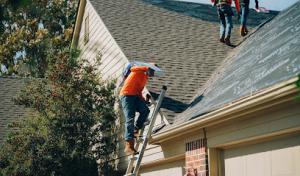

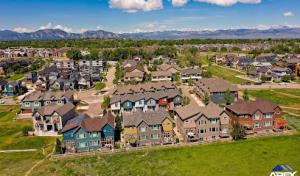
Because many Lone Tree projects are storm-driven replacements, homeowners need to distinguish manufacturer material coverage from contractor workmanship promises after hail work. Manufacturer warranties typically cover the material itself for defects but do not guarantee the labor or the roof's integration with the home's structure. A reputable installer should provide a separate workmanship warranty that outlines what is covered, for how long, and under what conditions. Clarify any limitations about coverage after hail impacts, and keep a copy of the exact materials installed, including batch numbers and warranty cards.
In a market with heavy insurance activity, documentation of scope changes and final completion matters for future claims and warranty questions. When the project scope shifts-such as additional areas added after initial assessment or changes to underlayment and flashing-ensure these changes are written into the contract and backed by updated invoices. Take dated photos before, during, and after the replacement, and store correspondence with the insurer and the contractor. If a dispute arises about what was promised or installed, this documentation becomes the practical record that clarifies obligations.
Post-storm contractor volume in the area makes cleanup quality and final inspection follow-through especially important. A thorough clean-up, including the removal of fasteners and debris, reduces the risk of overlooked issues that could affect warranties. Schedule a final inspection promptly after completion, and insist on a written punch list that confirms every item is addressed. If concerns arise after installation-such as new leaks or odd hail-related impressions-notify the contractor in writing and reference the warranty terms to guide the resolution.