
Last updated: Apr 19, 2026
Homosassa sits on Florida's Nature Coast in Citrus County, where June through November tropical weather can create both direct wind damage and long rain delays that leave exposed decking vulnerable once tear-off starts. After a named storm or tropical system, the first 24 to 48 hours matter: you need a quick, decisive plan to protect interior spaces and prevent further damage. If shingles are missing or flashing has failed, water can find its way to the decking and into ceilings fast, especially when tides and squalls push rain sideways against the coastline. Prioritize tarping any exposed roof areas, securing entry points for attic ventilation, and staging emergency materials so crews can work without delay when access roads reopen.
Because summer thunderstorms are routine here, emergency dry-in timing is essential after shingle loss or flashing failure to prevent fast interior water intrusion and deck deterioration. If a roof decking is exposed, a temporary dry-in should cover vents, penetrations, and joints within the shortest feasible window. Coordinate with your contractor to have tarps, boards, and fasteners ready before conditions deteriorate. In practice, this means a weather window plan: secure tarps to shed wind, seal perimeters with roofing tape or sealant, and establish a daily target to advance from tarps to a proper cover without leaving the house unprotected for longer than necessary. The goal is to minimize water intrusion during the wet season, when storms can stall crews and worsen damage.
The local roofing workload spikes after named storms and tropical systems affecting the Gulf side of Florida, which can slow tarp response, inspections, and permanent scheduling in Homosassa and nearby unincorporated communities. Expect delays and plan for contingencies: keep backup tarps on hand, designate a safe staging area for materials, and maintain clear paths for crews to access the roof during limited daylight hours. If a tarp must stay in place over more than a day, assign a check-in routine to verify fastener integrity after each rain event. Weather windows are your ally and your risk; use them to advance assessments and keep the deck and sheathing dry.
Document damage promptly with photos that capture sequence and scope-edges, corners, flashing, and any interior staining that points to roof leaks. Create a simple log noting dates of storms, tarping actions, penetrations observed, and any temporary repairs. In Homosassa, where rapid post-storm response matters, timely documentation supports faster claims and facilitates coordination with adjusters who understand Gulf-facing exposure. Keep digital copies organized, timestamped, and ready to share with your insurer or adjuster when they arrive.
The Gulf-facing Citrus County market rewards decisive action and clear communication. When coordinating with contractors, set expectations for emergency dry-in, a rapid tarping plan, and interim protections that prevent continued water intrusion. Keep neighbors informed about access and noise, especially during long, stormy weeks. In this community, a neighborly, transparent approach can shave days off response time and reduce interior damage while awaiting permanent repairs.
Metal roofing has strong local traction in this market, fitting storm-focused priorities and the need for durable performance in a hot, humid Gulf-coast environment. When a hurricane approaches, a metal roof tends to shed wind-driven rain more predictably and resists puncture better than many other coverings. In practical terms, look for panels with proper coastal-grade coatings to resist salt spray and a fastener pattern designed for high wind zones. In waterfront and near-water settings, consider stainless or galvanized hardware and corrosion-resistant trims to minimize maintenance needs. If you already have metal, schedule a quick inspection after heavy storms to check for loose panels or degraded sealant around penetrations, especially around skylights and vents that sit near the shore.
Asphalt shingles remain a common lower-cost choice, but in this hot, rainy environment they are more sensitive to granule wear, lifted tabs, and shortened service life if attic ventilation is poor. In Homosassa, attic venting plays a bigger role than you might expect in extending shingle life; a well-ventilated attic keeps roof sheathing cooler and reduces the risk of accelerated edge wear during the peak of summer heat. If you choose asphalt, look for high-sun and moisture-resistant granules, and ensure the entire attic space breathes with properly placed soffit and ridge vents. Regular inspection after heavy downpours helps catch lifted tabs early, which is easier to repair before water penetrates the underlayment. On waterfront properties, consider impact-rated and salt-resistant shingles or architectural profiles that minimize wind uplift and resist corrosion around fasteners.
Tile roofs appear in parts of Citrus County but their weight and repair complexity matter on older homes, while waterfront and near-water properties also need attention to corrosion-resistant components regardless of roof covering. Concrete and clay tiles can perform exceptionally well in heat, but installation and maintenance demand careful assessment of the structure's load-bearing capacity, especially on ranch-style or aging homes. If a tile roof is present on a dated structure, verify that the deck and supports can handle the weight and that the underlayment remains continuous under the tiles. Near the gulf, choose tiles with moisture resistance and ensure metal at hips, valleys, and flashing is corrosion-treated to endure salt exposure. Repairing cracked or broken tiles promptly matters more here than in drier climates, as exposed underlayment can quickly suffer from repeated rain intrusion.
In this climate, proactive maintenance buys you more rain-free days and fewer emergency calls. Perform a visual sweep after storms for loose fasteners, lifted shingles, and rusting metal parts near shorelines. Clean gutters of pine needles and debris that trap moisture against soffits and fascia. For any roof type, ensure flashing around chimneys, vents, and skylights is intact and sealed to prevent wind-driven water infiltration during tropical downpours.
Hurricane-season plans hinge on rapid response and solid documentation. Create a roof-focused emergency kit: keep photos of the roof from before and after storms, record any shingle or tile damage, and note lifting, leaking, or rusted components promptly. When filing insurance claims, organize a lag-free sequence of photos, storm logs, and a list of contractor contacts who can provide rapid stabilization work after a surge or wind event. A plan that emphasizes sturdy, corrosion-resistant materials and quick on-site assessment can smooth post-storm recovery and support timely, accurate claims.
Homosassa's hot subtropical pattern means late spring and summer installations face both extreme heat and near-daily afternoon storm interruptions. That combo can slow crews, complicate material handling, and stretch a project timeline. If a roof shows signs of wear right as summer rolls in-shingle curling, granule loss, or growing leaks-the urge to push ahead is natural, but timing matters for a steady pace and a dry-in.
After a major storm, inspect for wind-lifted shingles, exposed underlayment, and visible leaks in ceilings or walls. In the months between storms, watch for algae staining, faster granule loss on asphalt, and loose flashing at valleys or chimneys. If damage accumulates or is concentrated in a roof's southern exposure, start weighing options earlier rather than waiting for the next hurricane season's peak.
Drier scheduling windows are valuable here because full tear-offs during the wet season carry a higher risk of weather delays between removal and dry-in. If possible, target a stretch with reliable dry days-typically late fall through early spring-and coordinate with the contractor to sequence the tear-off and installation in a tight, weather-safe block. A well-timed dry spell reduces moisture buildup, minimizes interior disruption, and helps ensure the new roof cures correctly.
Citrus County roofs endure Gulf-facing exposure that concentrates wind uplift and moisture challenges. When scheduling, prioritize crews who understand wind mitigation details and can implement proper fasteners, eave detail, and flashing. In Homosassa, access can be shaped by lot layout and waterfront equipment needs, so confirm staging space and crane or ladder availability early to avoid weekend delays caused by storm-related backlog.
Seasonal storm demand can compress contractor availability after major weather events, so homeowners often need to plan re-roofs earlier than they would in less storm-prone inland markets. If a system shows urgent failure, don't delay the conversation with two or three local roofers. Seek a firm start window and a clear plan for removal, underlayment, and dry-in. Having options helps; some crews will stagger material deliveries to work around heat and storms more effectively.
Create a realistic schedule that starts with a pre-install inspection, then a guaranteed dry-in date, followed by a two-part sequence if needed: removal and deck inspection, then underlayment and final roof cover. Build in a weather contingency of 1-2 extra days for heat delays or unexpected lull caused by storms. Communicate a daily target to the crew so progress stays steady, and keep a backup plan for interior protection if a storm shifts the forecast suddenly.
Choose materials and details that stand up to heat, humidity, and wind. Favor proper venting, sealed shingles, and robust fasteners for Citrus County conditions. A well-timed, well-executed re-roof minimizes future calls for minor repairs and keeps the home dry through the next storm season.
Get a clear picture of your project costs upfront - no commitment required.
Boulerice Roofing & Supply
(352) 628-7445 www.boulericeroofing.net
6735 S Lewdingar Dr, Homosassa, Florida
4.6 from 64 reviews
Family-owned company providing residential and commercial roofing services in Citrus County, FL.
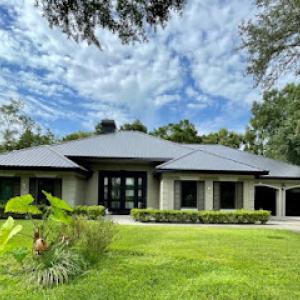
Progressive Roofing Services
(833) 766-3352 www.proroofserv.com
4581 W Mockingbird St, Homosassa, Florida
5.0 from 13 reviews
Full service Roofing company
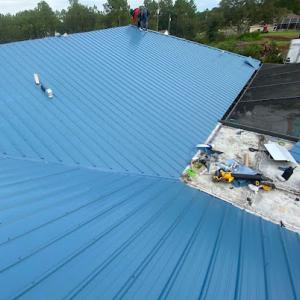
Creative Roofing Solution
(352) 749-1677 www.creativeroofingsolution.com
21 Black Willow Ct S, Homosassa, Florida
5.0 from 12 reviews
Veteran owned and operated .Full Service roofing company offering roof replacements, repairs , inspections. Outstanding service and 15 year workmanship warranty. servicing all of West central Florida, from Ocala to Tampa and everything in between. Financing is available.
Bodan Roofing
(813) 977-5919 www.bodanroofing.com
Serving
4.7 from 37 reviews
Bodan Roofing provides roofing services to the Wesley Chapel, FL, area.

Quality First Roofing
(352) 220-7367 qualityfirstroofingllc.com
Serving
4.8 from 328 reviews
Welcome to Quality First Roofing, your trusted source for top-quality roofing solutions. We specialize in installations, repairs, and maintenance for residential and commercial properties. Contact us today for a free estimate.
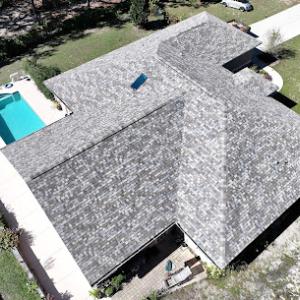
Scott Allen Roofing
(352) 795-2276 www.scottallenroofing.com
Serving
4.7 from 88 reviews
Roofing contractor, shingle, metal and roof repairs

Quality First Roof Specialist
Serving
4.9 from 60 reviews
Trust Quality First Roof Specialist for excellence in roofing services. As the best roofers near you, we handle roof repairs, installations, and inspections with precision. Specializing in flat roofs, metal, tile, and shingle roofing, we cover a wide range of materials. Our expertise extends to solar, soffit, fascia, gutter, and skylight repairs and installations.
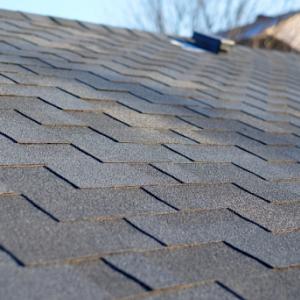
Nations Roofing & Construction LLC - Homosassa
(352) 269-6578 www.nationsroofingcompany.com
Serving
5.0 from 2 reviews
Nations Roofing & Construction is proud to offer our roofing and general contracting services to the Nature Coast areas of Homosassa, Homosassa Springs, and Sugarmill Woods.
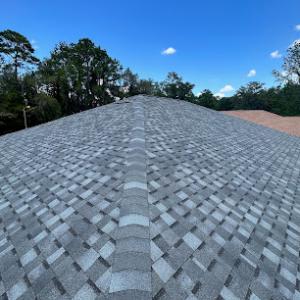
Washburn Roofing
(352) 586-8612 www.washburnroofing.com
Serving
5.0 from 32 reviews
We're a family owned and operated roofing business.
New Roots Construction & Roofing
(352) 613-0285 www.newrootsconstruction.com
Serving
5.0 from 56 reviews
Established in 2017, New Roots Construction & Roofing tackles residential and commercial roofing projects, new construction, and renovations in Citrus County, Florida. As a licensed contractor and licensed roofer, this husband-and-wife team brings expertise and personalized service to every project.
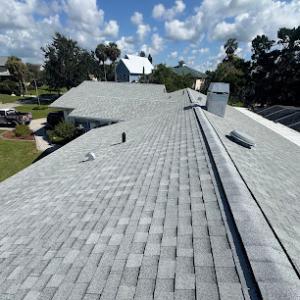
Raymond Frankart Roofing
Serving
4.9 from 127 reviews
Raymond Frankart Roofing is a veteran family owned and operated business! We have been serving citrus, and surrounding counties, since 1971! If you're looking for integrity and excellent craftsmanship, at a price you can afford, remember... "Don't let just any ass on your roof!" Call Raymond Frankart roofing! (352)637-3406 **Now offering financing options!!**
Alan's Roofing
(352) 309-0788 www.alansroofinginc.com
Serving
4.5 from 364 reviews
About Alan's Roofing Alan's Roofing, Inc. is a premier Roofing Contractor providing roof installations, replacements, and repairs for more than 30 years throughout Central Florida: Hernando-Pasco and the Greater Tampa Bay area, as well as serving the Greater Orlando area from our Apopka location. We also have an office in Charlotte Harbor which serves Southwest Florida. In addition to our comprehensive roofing services, we provide expert solar sales and installation to all of our markets. Contact us for a free estimate!
Local pricing is heavily influenced by storm-driven demand surges, especially after Gulf weather events when labor availability tightens across Citrus County. After a damaging event, crew schedules fill quickly and material shortages can push quotes higher for a few weeks. If you're timing replacement around peak season, plan for potential price inflation and slower scheduling, then compare multiple bids to lock in a reasonable window.
Costs can rise on homes needing upgraded underlayment, deck replacement from long-term moisture exposure, or wind-mmitigation improvements requested during permitting or by insurers. Material choice matters sharply in this market: asphalt shingles run about 350 to 700 USD per square, metal 600 to 1100, clay tile 800 to 1300, concrete tile 750 to 1300, wood shingles or shakes 600 to 1000, and synthetic or composite shingles 500 to 950. For waterfront or low-lying properties where salt spray and high humidity accelerate wear, heavier or more moisture-resistant options often deliver longer service life, even if upfront costs are higher. In practice, a coastal ranch with a smaller footprint might land toward the lower end of asphalt, while a two-story waterfront home could push metal or concrete tile into the upper tier, depending on installation complexity and long-term performance expectations.
Beyond the roof itself, upgrading underlayment or adding decking replacements due to moisture exposure drives up the project. If insurers request wind-mitigation features, such as improved fasteners, stronger sheathing, or hip-and-ridge reinforcement, budget accordingly since these items can noticeably affect total cost and eligibility for discounts. In this climate, a durable underlayment paired with a properly vented, moisture-resistant deck can pay off by reducing future repair frequency and helping insurance claims go smoother after a Gulf event.
Start with your home's exposure: waterfront or low-lying sites demand sturdier systems and potentially higher upfront investment. Get multiple bids that explicitly break out underlayment, decking, and wind-mitigation components. If your roof is near the higher end of a given material's range, ask for a long-term performance plan, including attic ventilation and moisture management strategies, to maximize value in a storm-prone market.
Don't let upfront costs delay a critical repair - these contractors offer payment plans to fit your budget.
Creative Roofing Solution
(352) 749-1677 www.creativeroofingsolution.com
21 Black Willow Ct S, Homosassa, Florida
5.0 from 12 reviews
Homosassa operates under Citrus County's permitting framework, not a separate large-city building department. When planning a re-roof, you should expect the application and inspection process to be handled at the county level. The process can feel different from more urban jurisdictions, but it's designed to cover the coastal exposure and variety of home styles found along Citrus County's Gulf-facing properties. Start by submitting your plan to the Citrus County Building Department, and be prepared for a few extra steps if your roof includes unusual framing, vents, or attic openings that require documentation.
A full re-roof typically requires inspections at key milestones. Commonly, inspections occur after the tear-off or dry-in stage and again at final completion. In practice, this means you'll likely have a rough-in check once the old roofing is removed and a dry-in before any underlayment or decking is concealed. The final inspection confirms that all venting, fasteners, and drainage provisions meet code and that the new roof is properly secured for wind loads. Given Homosassa's Gulf exposure, inspectors may pay close attention to nailing patterns, membrane installation, and attic ventilation as part of the final review.
The building department may request wind-mitigation-related details when you file for your permit. That could include documentation of roof deck adherence, attic access, and installation methods that minimize wind uplift. Having this information prepared in advance can help avoid delays. If your contractor has already completed a wind mitigation checklist for insurance purposes, share that with the county early in the process to align the two reviews and reduce back-and-forth.
Inspection timing can be affected by seasonal workload spikes during storm season and post-storm recovery periods. In peak times, scheduling slots may be tighter and responses slower, so it's wise to plan ahead and secure inspection windows as soon as possible after each milestone. If a storm event alters your project timeline, promptly notify the building department to keep the permit active and avoid penalties or reapplications.
Gather all required documents up front: a clear scope of work, manufacturer specifications for the chosen roofing system, and any wind-mitigation data you have. Ensure your contractor is aligned with Citrus County's expectations for fastener types, underlayment, and flashing details that meet Gulf Coast standards. Keep a consolidated folder of inspection notices and interim approvals so you can respond quickly if the department requests additional information. By coordinating early with the county and your contractor, re-roof work proceeds with fewer delays and aligns with the region's storm-resilience priorities.
In this Gulf-facing stretch of Citrus County, the storm season leaves a lasting print on how insurers view roofs. The combination of heavy summer rain and coastal winds means underwriting often weighs roof age, material type, and overall wind resilience more than ornament or curb appeal. If a roof has stood up to multiple seasons of salty spray and sudden squalls, it can help keep a policy issued or renewed, but the flip side is that older roofs can face stricter scrutiny and tighter coverage expectations. Understanding that risk profile helps you prepare the right documentation before notes from an adjuster ever land on the kitchen table.
Insurers may want detailed proof of wind-mitigation features and prompt post-storm records, so homeowners should keep dated photos, permit records, and installation documents organized. In practice, this means a quick, regular snapshot routine: before- and after-storm views of hips, ridges, and venting; a simple log of any weather-event impacts; and a secure folder for product specs and installation dates. If a retrofit adds continuous ridge vents, hurricane clips, or upgraded fasteners, have the receipts and installer certificates ready. This isn't merely paperwork; it's a concrete signal about your roof's current resilience and its maintenance history.
After severe weather, adjuster timelines and carrier requirements can vary widely, making it important to document damage before temporary repairs and to confirm any preferred claim procedures early. In practical terms, snap photos of every affected area, note exact dates, and keep a running list of all temporary fixes you implement. Then reach out to the insurer with a clear plan for next steps and a preference for how to submit evidence. The more you can present an organized, damage-before-repair record, the smoother the claim review tends to move.
Think of your roof as part of a broader emergency response plan rather than a single asset. Put a routine in place to photograph and file away wind-mitigation features, age indicators, and maintenance reminders. When a storm looms, knowing you have precise, organized documentation can cut down on guesswork and reduce the friction that often accompanies post-storm claims in this market.
Connect with contractors who help homeowners navigate the claims process from damage assessment to final approval.
Boulerice Roofing & Supply
(352) 628-7445 www.boulericeroofing.net
6735 S Lewdingar Dr, Homosassa, Florida
4.6 from 64 reviews

In this humid coastal region, repeated wetting from summer rains can turn small flashing or boot failures into deck rot and interior staining faster than in drier climates. A drip edge that wasn't seated properly, a boot that has started to lift, or a narrow seam sealant that has degraded can soak into attic materials quickly when the sky opens up. The result isn't just a leak on a ceiling tile; it can mean softened decking, warped sheathing, and mold that travels from attic to living space. Regular, focused checks after heavy downpours help catch these issues before they become sprawling repairs.
Wind-driven rain during tropical weather is a local concern because it can exploit lifted shingles, ridge vulnerabilities, and poorly sealed penetrations even when a roof does not suffer obvious blow-off damage. The first clues are damp spots along ceilings far from obvious surface damage, or staining along joints and penetrations. Pay attention to ridges, hips, and vents, where nail heads or flashing may be exposed to salt air and humidity. Re-sealing around flashing, replacing suspect sealants, and resealing penetrations with weather-grade materials can slow water migration during the next squall.
Low-slope sections, porch tie-ins, and transitions around additions are common trouble spots in older Florida homes and can be harder to keep watertight during Homosassa's prolonged rainy stretches. Water can pool at transitions, migrate along laps in flashing, or find tiny crevices where membranes have aged. Focus on proper flashing at all transitions, ensure adequate slope where feasible, and inspect these areas after consecutive rain events. A small upstream repair now can prevent larger, interior consequences later.
Find specialists in TPO, EPDM, and built-up flat roofing systems for residential and commercial properties.
Progressive Roofing Services
(833) 766-3352 www.proroofserv.com
4581 W Mockingbird St, Homosassa, Florida
5.0 from 13 reviews