
Last updated: Apr 19, 2026
Hurricane-season windows run from June through November, and in this inland Gulf-coast area you still face elevated wind and debris exposure that can shred shingles, loosen gutters, and lift flashing. Summer thunderstorms arrive fast, often with gusts that test ridge caps and vent seals, and once a roof is opened during wet weather, moisture intrusion risk climbs sharply. The pattern here is predictable: intense activity can catch an unprepared roof vulnerable, so respond with urgency at the first sign of trouble, not after a leak spreads.
When a fast leak or wind-driven damage appears, time is of the essence. Start with a quick exterior inspection from ground level if it's safe, looking for lifted shingles, damaged flashing, torn soffit, or fascia flex. If rain is threatening, cover the most exposed opening with a heavy-duty tarp or plywood-secure it firmly to prevent wind flapping. Inside, place buckets under drips and document every incident with clear, timestamped notes. If you notice moisture around attic framing or ceiling joints, treat it as an emergency: moisture travels fast through Florida-style humidity and can worsen attic insulation, mold risk, and structural weakness if left unaddressed.
This region carries a high-claim environment, so the documentation pack you prepare matters. Take pre-loss photos of the intact roof from multiple angles, then capture post-loss images showing the extent of wind or hail damage, missing shingles, or lifted flashing. Keep detailed project notes: dates, weather conditions, observed issues, and any temporary repairs performed. If a claim becomes necessary, you'll want to demonstrate a clear progression from pre-damage conditions to post-event reality, with wind-related records and any emergency tarping or repairs recorded. Clear, organized records can smooth the path to a timely assessment and replacement decision.
Create a quick-action storm kit for your roof area: a roll of exterior-grade tarps, heavy-duty fasteners, spare flashing pieces, and a utility knife. Maintain an exterior maintenance checklist for the season-re-secure loose shingles after debris events, re-secure gutters and downspouts, and inspect flashing around chimneys and vents after strong winds. If you need to open the roof for repairs, plan for dry-weather windows or temporary weather protection to minimize moisture intrusion. After a major event, call for a professional assessment promptly; the sooner the roof is evaluated, the better you can prevent moisture damage from seeping into insulation and framing.
Spring Hill faces a distinct pattern: inland Gulf-coast storms, humid heat, and the way Hernando County handles re-roof work. The most predictable window for a replacement is the dry season, when you can count on fewer rain interruptions. That typically runs from roughly November through April. Planning around this stretch helps you avoid weather-driven delays and keeps crews on track, which matters when a roof is the first line of defense against a Gulf breeze and tropical-storm season.
Begin by mapping out a two-phase plan: a preparation phase before the dry stretch and the actual installation during it. In the months leading into November, arrange for a thorough inspection of the existing roof, attic, decking, and ventilation. Note any underlying moisture or decking that looks questionable, because Central Florida heat and humidity can accelerate material aging and raise underside moisture concerns if decking or underlayment is exposed during rainy periods. If trouble spots are found, coordinate temporary measures to manage moisture and prevent leaks while waiting for the dry window.
During the dry season, lock in a start date with your contractor as soon as a stretch of dry weather is forecast. Although the broad window is November through April, keep flexible buffers for unseasonal cold fronts that occasionally drift into Hernando County. Dry-season planning is safer than assuming every fall or winter week will be interruption-free. Arranging confirmations now reduces the risk of last-minute weather slips that can cascade into weekend delays and extended exposure of underlayment, especially on newer or lighter-colored synthetic underlayment that degrades with heat and moisture.
In these parts, material aging accelerates when roof decking or underlayment is exposed to prolonged sun and humidity. When scheduling, consider the impact of heat on setup times: crews may need longer daytime windows to complete sections safely, particularly on steep pitches or tighter layouts. Discuss underlayment choices with your roofer to ensure a breathable, moisture-tolerant setup. Proper attic ventilation becomes more critical in the Spring Hill climate to prevent heat buildup that can stress shingles and tiles during installation. This is not just comfort; it protects the integrity of the roof system during and after replacement.
Hernando County is attentive to storm-ready status and documentation. Coordinate with your contractor to obtain any necessary warranty registrations, inspection records, and post-installation photos that document the new roof's condition. A clear, dated trail of the project helps when hurricane-season judgments or insurance-related questions arise later, and it makes recovery steps smoother if an after-storm assessment shows the new roof performed as designed.
If your calendar allows, plan for a conservative two- to three-week installation window rather than rushing a full roof in a single week. This reduces the odds of moisture intrusion if an unseasonal rain sneaks in. Ensure access to interior spaces is prepared well in advance, especially attics and ceilings that could be affected by any temporary gaps. Confirm with the crew that temporary tarping and leak protection will be in place if a stray shower comes through, even during the dry stretch. By anchoring the work in the November-to-April pattern and maintaining readiness for occasional cold fronts, you align the project with Spring Hill's climate realities and minimize the friction that weather can introduce.
Get a clear picture of your project costs upfront - no commitment required.
Bluewater Roofing Company
(352) 428-1047 www.bluewaterroofingcompany.com
Spring Hill, Florida
5.0 from 46 reviews
Amazing Home Contractors of Florida
(352) 818-0241 www.amazinghomecontractorsfl.com
15231 Camrose Ave, Spring Hill, Florida
4.9 from 40 reviews
Tampa Bay Roofing Services
(727) 496-7663 tampabayroofing.com
11934 Pasco Trails Blvd, Spring Hill, Florida
4.9 from 33 reviews
Bluewater Roofing Company
(352) 428-1047 www.bluewaterroofingcompany.com
Spring Hill, Florida
5.0 from 46 reviews
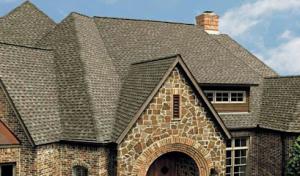
Bluewater Roofing Company specializes in residential and commercial roofing in the panhandle and central Florida. We strive very hard to provide a superior customer experience, while providing tremendous value for all of our customers. Owner Garry Gordon Jr., has over 25 years of experience in the roofing and construction industries, and is passionate about exceeding your expectations. His team are experienced professionals, who share his enthusiasm for performing exceptional work. With a new roof on your existing home or business, Bluewater Roofing Company will work diligently to ensure your project is completed to your utmost satisfaction. Visit our website and follow us on Facebook. Call today for your Free Estimate.
Benoit Home Remodeling Group
3191 Dothan Ave, Spring Hill, Florida
4.9 from 88 reviews
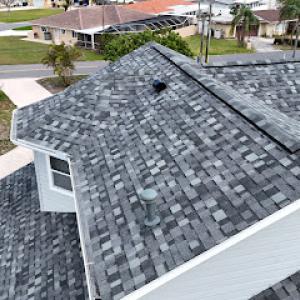
Benoit HRG was founded on the belief that Roofing industry is a powerful house part of your home and connects us together. We are fascinated by the idea of making your home as our own. While there are many ways to to do renovations, we realized there is no better way to experience something than doing business with us. A picture may be worth a thousand words, but taking care of your home is our top priority.
Amazing Home Contractors of Florida
(352) 818-0241 www.amazinghomecontractorsfl.com
15231 Camrose Ave, Spring Hill, Florida
4.9 from 40 reviews
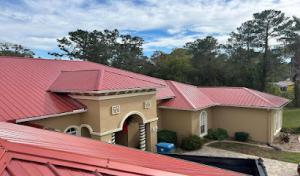
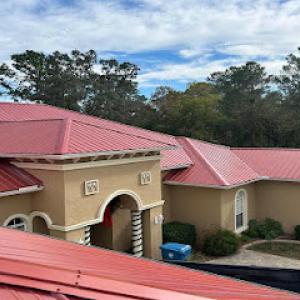
Call us today for your FREE ESTIMATE.

Tampa Bay Roofing Services
(727) 496-7663 tampabayroofing.com
11934 Pasco Trails Blvd, Spring Hill, Florida
4.9 from 33 reviews
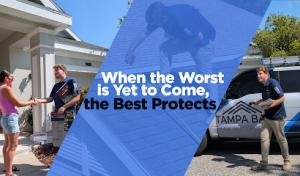
When the worst is yet to come, the best protects! We’re a 3rd Generation, Florida Roofer. As a family owned business, we handle every customer like family and each roofing project as if it were for our own home. We offer roof replacement, installation and roof repair primarily for tile and shingle in Tampa Bay. We’re the only roofer in Tampa Bay that offers 160 MPH wind protection! You can count on our roofs every rainy season for years and years to come, thanks to our exceptional, experienced craftsmen. Should you have any storm damage, our roof claim process is easy and painless without the long wait. See why we’re the best roofing contractor in Tampa Bay by contacting us now for a free, no obligation roof evaluation and estimate.
King Roofing & Sheet Metal
(813) 920-7663 www.kingworksfl.com
18045 US-41, Spring Hill, Florida
5.0 from 14 reviews
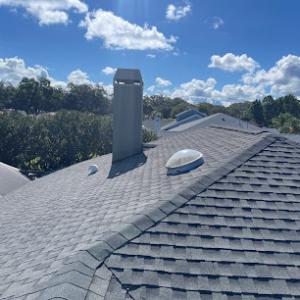
We are a family-owned business with over 30 years of experience in the roofing industry. We are proud to be a trusted and reliable name in the field. We have built a solid reputation for providing top-quality roofing solutions for both residential and commercial properties. Our commitment to excellence, attention to detail, and customer satisfaction have allowed us to become a leading roofing company in the area. We believe in delivering exceptional customer service, unparalleled quality, and honest pricing. We prioritize open communication and transparency throughout the entire process and are dedicated to completing projects on time, and within budget. “WE SAY WHAT WE DO AND DO WHAT WE SAY”
G&S Coastal Roofing
2108 Mariner Blvd, Spring Hill, Florida
3.7 from 7 reviews
G&S Coastal Roofing is the premier choice for residential roof replacement in Spring Hill, Florida, and surrounding areas. As a trusted roofing company, we have a team of highly skilled and experienced roofing contractors who are dedicated to delivering exceptional results. Our comprehensive range of services includes roof installation, repair, and maintenance. Whether you need a complete roof replacement or minor repairs, we handle every project with utmost care and precision. We take pride in being roofing specialists, offering top-notch craftsmanship, using high-quality materials, and adhering to industry standards. Trust G&S Coastal Roofing for all your roofing needs. Call us today to schedule a consultation.
Keith Melady Roofing
Serving
4.6 from 22 reviews
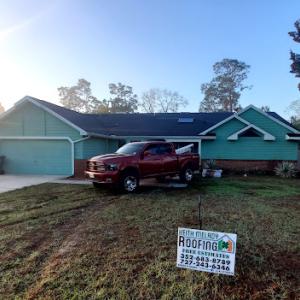
We are a family owned company that has been in business since 2001. We believe in doing roofing the right way and always provide written warrantys on all work provided from repairs to whole roofs.
Foster's Roofing Enterprises
(352) 799-0045 fostersroofing.co
Serving
4.7 from 181 reviews
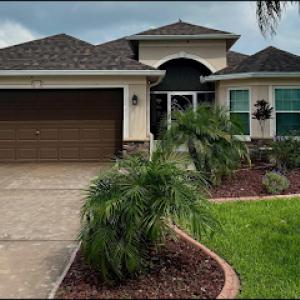
John Foster established our roofing company in 1984. Since then, Foster's Roofing has grown to be the premier roofing contractor in the Central Florida area. This is because we provide quality service that our customers can trust, as well as superior products that will last for years to come. Most of our business comes from word of mouth, and we have many repeat customers. Currently, we hold the highest level of certification for both GAF/ELK™ and CertainTeed™ products, and we work for more than 40 local and national contractors. We also specialize in commercial and residential reroofing projects, such as county and government-funded projects. You can count on the roofing contractors at Foster's Roofing.
Protech Roofing Services
(352) 605-0696 hernandoroofer.com
Serving
4.9 from 474 reviews
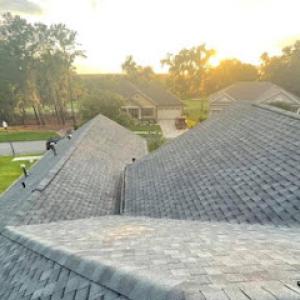
Protech Roofing Services is a licensed and insured roofing contractor based in Brooksville serving homeowners and businesses since 2008. Our in-house crews handle roof replacement, roof repair, storm damage restoration, emergency tarping, roof inspections, metal roofing, and commercial roofing across Hernando, Pasco, Citrus, Sumter, Polk, Hillsborough, and Pinellas counties. We install architectural shingles, standing seam metal, tile, flat, and TPO systems. Free estimates and financing available.
John Scott Roofing
(352) 754-2710 www.johnscottroofingflorida.com
Serving
4.7 from 233 reviews
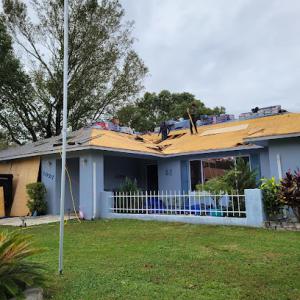
At John Scott Roofing, our family-owned & operated company is committed to providing you with the best possible roofing experience at a price you can afford. From shingled to flat roofs, we've got you covered. Our highly trained staff has over 23 years of experience in the commercial & residential roofing industry, & we have a reputation for providing exceptional service & workmanship throughout the area. Plus, we are licensed, bonded, & insured, & we are GAF-certified for your peace of mind. We have been serving satisfied customers in Brooksville, FL, & the surrounding counties of Hernando, Pasco, Citrus, and Hillsborough for years, & we're ready to bring our expertise to your home or business.
1st Choice Roofing
(727) 847-7663 www.1stchoiceroofers.com
Serving
4.8 from 334 reviews
At 1st Choice Roofing, we provide expert roof repairs, roof replacements, and new roof installations for both residential and commercial properties. With over 20 years of experience, we proudly serve Hudson, Spring Hill, Port Richey, New Port Richey, Odessa, Holiday, Brooksville, Weeki Wachee, Tarpon Springs, Trinity, Palm Harbor, Dunedin, Land O’ Lakes, and Safety Harbor. We specialize in shingle, metal, tile, and flat roofing systems, roof coatings, skylights, roof ventilation, and storm damage repair. As a licensed and insured roofing contractor (CBC1327354 / CCC1327354) and GAF Weather Stopper Contractor, we guarantee durable, high-quality roofing solutions. Contact us for a free roof inspection and estimate at 727-847-7663 (ROOF)

TeamCraft Roofing
Serving
5.0 from 8 reviews
TeamCraft Roofing is a leading full-service commercial roofing contractor with locations throughout the eastern half of the US. Since 1996, TeamCraft Roofing has been dedicated to honesty, safety, teamwork and quality in order to achieve ultimate customer satisfaction. We are proud to provide roofing services for any 24-hour emergency, leak and roof repairs, preventative maintenance programs, re-roofing projects, retrofit and new construction projects. Our roofing expertise ensures the right solution is selected for your facility. With 18 offices spread across 9 states, we shelter you.
Spring Hill's dominant residential choices include asphalt shingles, metal roofing, clay tile, concrete tile, wood shingles or shakes, and synthetic or composite shingles. That mix reflects a neighborhood fabric that has to cope with hot humidity, heavy summer rain, and tropical wind events. When you're looking at replacing or upgrading, expect reputable local installers to present these options as their core offerings. Each material has a different shape, weight, and installation nuance, but all are common enough to find skilled crews who understand how to work with your home's roof deck and eaves in this climate.
The local climate favors evaluating heat resistance, moisture handling, and wind performance more than snow load concerns. In practice, that means choosing a roof system with good reflective properties, durable under high humidity, and able to shed rain quickly without warping or leaking. You'll want to confirm that underlayment, flashing, and fastener choices are rated for tropical-storm winds and the occasional hail event. A roof that breathes well-through proper venting and unobstructed intake and exhaust paths-will help control attic heat and reduce attic ice-dam risks during rare cool spells. Look for systems that balance shade, insulation compatibility, and ease of maintenance after storm cleanup.
Tile and metal are especially relevant in this market because contractor specialization signals show strong local activity in both systems. Clay and concrete tiles offer durability and a long lifespan when properly installed, but they need a solid deck and careful nanning to resist movement under high winds. Metal roofs bring excellent wind performance and quick shedding of rain, along with lighter weight options and rapid installation timelines. The key with both is to verify that fasteners, flashing, and ridge vents are specifically rated for local wind zones and that roof penetrations (vents, chimneys, skylights) are sealed with coatings compatible with the chosen material. Local pros can demonstrate how clips, batten systems, or standing-seam details hold up against Gulf Coast gusts and heavy downpours.
Asphalt remains a common baseline option for re-roofing because of familiarity, cost-effectiveness, and broad contractor familiarity. In this market, asphalt shingles are most often paired with suitable underlayments and venting strategies that address humidity and heat buildup. When selecting asphalt, focus on wind-resistant shingles and a robust sealant system around the edges and hips. A well-installed asphalt roof can perform reliably through Florida's rain trains and afternoon thunderstorms, provided the installation emphasizes proper nailing patterns and storm-ready moisture barriers.
Regardless of material, maintenance in this climate means periodic checks after seasonal storm activity and following heavy rains. Look for shingle or tile displacement after storms, flashing integrity around chimneys and vents, and the condition of roof penetrations. A proactive approach-replacing damaged sections promptly, resealing flashing, and ensuring gables and soffits are vented-helps extend roof life here. For homeowners with tile or metal, keep an eye on edge conditions and fastener corrosion, especially in coastal-adjacent pockets of Hernando County. A local roofer can walk you through material-specific upkeep routines that fit your home's layout and neighborhood wind history.
Roofing work in this jurisdiction is handled through Hernando County rather than a separate city building department because the community is largely unincorporated. A full re-roof typically requires a roofing permit, with plans and permit applications filed at the county building department. The submission package should clearly identify the roof type, scope of work, and any structural changes. Check whether the project needs plans stamped by a licensed contractor or engineer, and make sure the documents describe fastener schedules, underlayment, and attachment details in a way that aligns with Florida wind requirements.
Prepare a concise set of plans that show roof geometry, venting, and drainage. Include a wind mitigation section if requested, especially for homes that have newer or unusual framing. The county often prefers documentation that demonstrates compliance with wind-resistance standards, which can influence permit approval and timing. If a contractor handles the submission, verify that they attach the appropriate forms and any contractor licensing records. Keep copies of all submittals for your files in case the county requests follow-up information during review.
Inspections are commonly scheduled at rough-in and final stages. The rough-in inspection covers basic framing, underlayment, and anchor points, while the final inspection confirms the completed roof assembly, flashings, and ventilation are in place and compliant. Because Spring Hill houses range from modest ranches to larger mid-century styles, be prepared for site access during inspections and for the inspector to verify that the roof meets current Florida standards for wind resistance and moisture barriers. If issues arise, address them promptly to avoid re-inspection fees and delays.
Florida wind-resistance requirements can trigger added underlayment or wind-mmitigation documentation checks. Collect any required tests or manufacturer data that support the wind performance of the chosen roofing system. For asphalt shingles or metal, the installer should provide fastening schedules and nailing patterns that meet the county's expectations. Have the documentation ready at inspection time to demonstrate compliance without withholding approvals.
Coordinate with the county early to understand any local backlogs, especially after storm events. Schedule the permit review and inspections with enough lead time to account for weather-driven setbacks. Keep the project site orderly so inspectors can move quickly through rough-in and final checks, and maintain open communication with the contractor to ensure the permit conditions are satisfied before the final sign-off.
The insurance landscape in this inland Gulf-coast pocket is seasoned by frequent tropical wind events and a history of pullbacks by insurers. When a storm wears on a roof, decisions to repair, re-roof, or upgrade materials can hinge on how aggressively a carrier manages risk in Hernando County. In practice, that means timing and the choice of materials matter, not only for performance but for how smoothly a carrier reviews your file after a claim. Expect closer scrutiny on when damage occurred and what is done to address it, especially during the peak storm season.
Because this is a frequent wind-claim environment, carriers may ask for detailed roof condition photos, storm-date documentation, and project records before approving or renewing coverage. Visual evidence should cover the entire roof surface and any penetrations, with dated images that show the condition before and after matters that could affect liability. Storm-date notes should correspond to local weather history, not just a generic calendar entry. If a claim is filed, be prepared to share a narrative of the event, including whether there was hail, wind gusts, or flying debris impacting the highest-risk corners of the roof.
Keep a running archive you can hand to an adjuster or underwriter. Store time-stamped photos from multiple angles, a simple roof diary noting leaks or staining, and invoices for any temporary repairs or tarp coverage. Maintain copies of correspondence with your insurer, adjuster reports, and contractor estimates. Having these records organized in a single folder, accessible during renewal or a claim, reduces delays and helps demonstrate proactive stewardship of the roof system through successive seasons.
Wind mitigation information can matter in this market not just for claims but also for underwriting and post-replacement paperwork. After a replacement, ensure you have appropriate documentation of the roof's wind resistance features, including fastener counts, underlayment choices, and any components designed to improve wind performance. This data can influence both the legitimacy of a claim and the ease of future policy renewals, especially if the underwriting climate tightens further.
Safely inspect the attic and exterior after a heavy blow or a reported event, noting any cracked decking or torn underlayment. Photograph interiors where leaks appear, and capture the exterior edges and soffits where wind damage tends to manifest first. Work with licensed professionals who can provide detailed condition reports and clear, date-stamped photos. Build a file early that couples storm timing with post-storm remediation steps, so that when insurers request documentation, you can respond quickly and accurately.
Connect with contractors who help homeowners navigate the claims process from damage assessment to final approval.
Bluewater Roofing Company
(352) 428-1047 www.bluewaterroofingcompany.com
Spring Hill, Florida
5.0 from 46 reviews
Benoit Home Remodeling Group
3191 Dothan Ave, Spring Hill, Florida
4.9 from 88 reviews
Tampa Bay Roofing Services
(727) 496-7663 tampabayroofing.com
11934 Pasco Trails Blvd, Spring Hill, Florida
4.9 from 33 reviews
In this market, the main price driver is the type of roofing material. Asphalt shingles sit at the lower end of the spectrum, roughly 350 to 700 USD per square. Metal runs 600 to 1100 USD per square, while concrete and clay tiles push higher, at 800 to 1500 and 900 to 1800 USD per square respectively. Wood shingles or shakes come in around 450 to 900 USD per square, and synthetic or composite shingles land near 550 to 1000 USD per square. The material choice matters more here than anywhere else, because local homes span a mix of traditional shingle, metal, and tile systems. When you're weighing bids, focus on the per-square price and the long-term value of each option, including expected life and wind performance.
Costs can rise when a storm hits and homeowners replace roofs in the weeks after, as crews get booked up and supply lines tighten. After a major hit, you may see higher crew availability charges and expedited delivery costs for materials. If storm season stretches your project window, expect longer installation times and potential temporary housing costs if displacement is needed during roofing work. Bagging a deal often means aligning with a contractor who can promise reliable response times and a clearly defined on-site schedule, not just the lowest base price.
Affordability in this market often comes down to overall value, not just sticker price. Homeowners frequently compare base price, cleanup, and how quickly crews can start and finish, as well as whether financing options are available. Given the local mix of aging shingles, metal, and tile homes, ask contractors to itemize tear-off, disposal, underlayment upgrades, and wind-rated fasteners in writing. This clarity helps compare apples to apples when the invoices arrive.
Don't let upfront costs delay a critical repair - these contractors offer payment plans to fit your budget.
Amazing Home Contractors of Florida
(352) 818-0241 www.amazinghomecontractorsfl.com
15231 Camrose Ave, Spring Hill, Florida
4.9 from 40 reviews
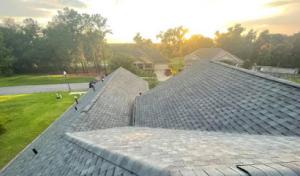
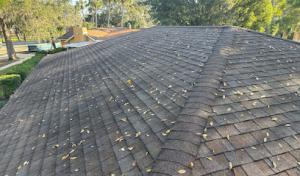
In this climate, repeated heat-humidity-rain cycles push homeowners to watch for accelerated aging, moisture intrusion, and underlayment vulnerability rather than freeze-thaw damage. Shingles may curl, granules shed faster, and roof deck fibers can loosen when moisture sits behind degraded or poorly vented decking. Edge seals and flashing are particularly susceptible to hidden wear after months of sun exposure and intermittent downpours. If you notice persistent damp spots in the attic or staining near penetrations after a storm, treat it as a warning rather than a nuisance, because hidden rot can quietly undermine roof stability.
Tropical wind events magnify the importance of edge securement, uplift resistance, and debris-related puncture or impact issues across common roof types. Flat or low-slope sections may be especially vulnerable to wind-driven rain finding seams and fasteners, while asphalt, metal, and tile roofs can suffer lifted shingles, cracked edges, or broken fasteners from airborne debris. Regularly inspecting ridge lines, hip corners, and around exhaust vents helps catch loose or damaged components before an isolated storm becomes a larger leak path.
Because many local contractors advertise emergency response and storm work, leak progression after storms is a more immediate homeowner concern than long snow-season deterioration. A small pool of water at the ceiling after a heavy downpour can escalate quickly if the attic is inadequately vented or if flashing has corroded. Do not assume a leak will stay localized; wind-driven leaks can widen their reach along rafters and into joist bays. Prompt inspection and documentation help prevent a temporary patch from becoming a structural issue.
After a storm, walk the interior with a flashlight to spot pinhole light streaks or damp insulation. Check around edges, vents, and chimneys for lifted sealant or torn flashing. If a leak is suspected, place a tarp temporarily and document with photos from multiple angles, noting the storm date and time. Keep a simple log of any new dampness, changes in attic temperature, or unusual musty smells to guide a timely assessment by a trusted professional.
Keep a clear record of water intrusion, prior repairs, and visible wear on flashing or shingles. When assessing after a storm, prioritize baselines that help determine whether a puncture or seam failure occurred during wind events or from slow moisture buildup. Having detailed photos and dates ready simplifies conversations with insurers and contractors and supports careful sequencing of any needed repairs.
When you can't wait, these contractors offer fast response times to stop leaks and prevent further damage.
Bluewater Roofing Company
(352) 428-1047 www.bluewaterroofingcompany.com
Spring Hill, Florida
5.0 from 46 reviews
Benoit Home Remodeling Group
3191 Dothan Ave, Spring Hill, Florida
4.9 from 88 reviews
Flat and low-slope roofing is a meaningful local specialty in this area's contractor market, reflecting enough residential and commercial demand to warrant dedicated planning. Home and shop roofs in this climate often blend traditional asphalt or metal decking with built-up membranes, making the selection of system type and edge details especially consequential. When evaluating a flat or low-slope project, look for a contractor who can demonstrate recent work on durable cap sheets, TPO, or modified bitumen, with a focus on long-term performance in hot, humid conditions and frequent storms.
Frequent rain and high humidity make drainage performance a top priority. Low-slope roofs in this part of Central Florida can struggle with standing water after heavy downpours, which accelerates membrane wear and can lead to slow leaks. Ensure the system includes a properly engineered drainage plan, with sufficient slope credits, clearly located internal drains or scuppers, and tested surface terminations around penetrations. Pay attention to flashing details at parapets, penetrations, and transitions to vertical walls, where moisture intrusion is a common weakness after storms or sustained downpours.
Roof coatings appear as a smaller but active local specialty, suggesting some owners consider restoration before full replacement on eligible low-slope systems. If a coating is considered, verify compatibility with the underlying membrane, expected service life, and the ability to shed water during Florida's rainy seasons. For aging roofs, a coating can buy time, but require thorough cleaning and surface preparation. Seek real-world validations from nearby properties with similar exposure, and ensure the contractor provides a clear maintenance plan for inspection cycles and recurring moisture checks.
Find specialists in TPO, EPDM, and built-up flat roofing systems for residential and commercial properties.
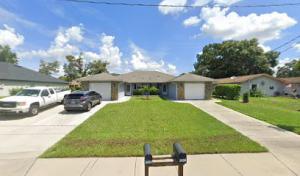
Tropical Roofing Of Hernando County
10339 Chalmer St, Spring Hill, Florida
4.9 from 32 reviews
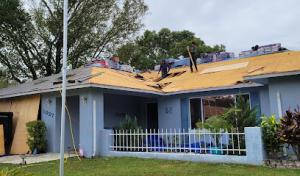
When a storm hits, the first concern is stopping the leak fast and getting the yard cleared of debris. In this market, homeowners expect crews that offer quick response and cleanup-included service. Look for firms that clearly outline same-day or next-day access for temporary tarping and a documented plan for debris removal. A fast, tidy initial visit reduces the risk of interior damage during the storm season and sets a practical tone for the project from day one.
A large share of bids in this area come from crews that emphasize re-roofing over niche new-construction work. That means you will likely see more replacement-oriented crews who can handle removal, underlayment, and full replacement efficiently. If a proposal leans toward patching or partial repairs, treat it as a red flag and request a full replacement scope with a written warranty. Verify that the bid includes tear-off, disposal, and a plan for matched flashing and vent work to minimize call-backs.
The local market favors family-owned, long-established agencies that are licensed, insured, and manufacturer-certified. Use these signals to compare stability and credentials. Ask for proof of insurance and current manufacturer certifications, and confirm the company has a long-standing local presence. A local crew with manufacturer backing is more likely to have tested materials suited for Gulf-coast storms and to stand behind both workmanship and product performance.
Ask about crew size, on-site supervision, and a clear work schedule. Inquire how cleanup will be handled daily and at project wrap, including tarp management, haul-off, and dust protection. Request a written project timeline that aligns with typical spring and early-hurricane-season weather windows. Finally, insist on a comprehensive warranty that covers both materials and workmanship for the full lifespan of the roof.
Get a clear picture of your project costs upfront - no commitment required.
Bluewater Roofing Company
(352) 428-1047 www.bluewaterroofingcompany.com
Spring Hill, Florida
5.0 from 46 reviews
Amazing Home Contractors of Florida
(352) 818-0241 www.amazinghomecontractorsfl.com
15231 Camrose Ave, Spring Hill, Florida
4.9 from 40 reviews
Tampa Bay Roofing Services
(727) 496-7663 tampabayroofing.com
11934 Pasco Trails Blvd, Spring Hill, Florida
4.9 from 33 reviews