Last updated: Apr 19, 2026
June through November drives a harsh rhythm for a Dunnellon roof. Heavy rain and gusty winds can turn a small leak into interior moisture problems in days, especially when roofs sit through back-to-back downpours. Work delays during peak season are common, so plan with a conservative schedule: expect weather gaps, bring forward critical repairs, and document potential damage as soon as a window opens. The inland position means you still see substantial wind-driven rain and roof stress, even if the area isn't right on the coastline. Treat every storm as a test of seal, flashing, and ridge lines, and act fast when you notice a red flag-peeling shingles, damp attic climbs, or new dusk-colored staining at ceilings.
Florida's insurance market has tightened roof underwriting, so a claim or replacement will hinge on solid, easy-to-verify evidence. Before you file, gather detailed photo documentation that shows the roof's overall condition and the specific areas impacted by wind, hail, or heavy rain. Include age information for the existing roof and any wind-mmiture features that can influence decision-making. Clear pictures of damaged flashing, lifted shingles, granule loss in gutters, and any interior water intrusion help avoid misunderstandings or delays. Keep a dated photo log from the first sign of trouble through every repair phase, because carriers and adjusters rely on a chronological record to assess risk and eligibility.
Because this area is inland rather than coastal, it's easy to underestimate wind-driven rain and related damage. Shingle edges that have curled, flashing around chimneys or vents that shows gaps, and moisture on ceilings or in attic spaces after a storm are red flags. Look for staining along walls where water could be seeping behind the roof line, and pay attention to returns or soffits that feel soft or blistered. These symptoms aren't just cosmetic; they can signal structural vulnerability that expands the scope of a claim or a replacement decision.
Create a rapid-response routine: after every significant storm, photograph the entire roof from multiple angles, plus any interior moisture hotspots. Note weather conditions, storm intensity, and the time of discovery. If a leak appears, prioritize temporary mitigation-tarps or plastic sheeting over affected areas-while you arrange an inspection. When contacting a contractor or insurer, present the photo log, the roof age, and the wind-related damage observations up front to shorten back-and-forth and move toward a timely assessment.
Storm work in this window can be interrupted by rain bands and tropical moisture. Build a phased plan that respects likely gaps: secure the most critical leaks first, then address flashing and shingles that show signs of wind uplift. Have open channels with your insurer and contractor so adjustments can be made quickly if a weather window opens or closes. Remember, early documentation and proactive communication often translate into fewer surprises when the adjuster arrives and faster restoration of a dry, secure roof.
Find local contractors experienced in assessing and restoring roofs after hail, wind, and severe weather events.
New Roots Construction & Roofing
(352) 613-0285 www.newrootsconstruction.com
Serving
5.0 from 56 reviews
Roof Systems Unlimited
(833) 778-7663 roofsystemsunlimited.net
13850 SE 98th St, Dunnellon, Florida
4.9 from 34 reviews
If you're looking for a local roofing contractor you can trust, you've come to the right place. Roof Systems Unlimited is a residential roofing company that provides reliable roofing and gutter services to homeowners in the Dunnellon, FL and surrounding areas (Williston, Morriston, Citrus Springs, Crystal River, Ocala,). Whether you need your old roof reroofed or your leaky roof repaired, our roofing contractors can make it happen. You can trust us to handle all your roof installation and repair needs. Call now to schedule roof leak repair services. We'll be happy to answer any questions and give you a free estimate.
C & S Roofing
(352) 489-4274 www.csroofingfl.com
18704 W Hwy 328, Dunnellon, Florida
3.9 from 13 reviews
We provide expert roofing services for commercial and industrial properties across the Southeast. From grocery chains and retail plazas to warehouses and industrial centers, we take on new construction, re-roofs, and tenant improvement (TI) projects.
New Roots Construction & Roofing
(352) 613-0285 www.newrootsconstruction.com
Serving
5.0 from 56 reviews
Established in 2017, New Roots Construction & Roofing tackles residential and commercial roofing projects, new construction, and renovations in Citrus County, Florida. As a licensed contractor and licensed roofer, this husband-and-wife team brings expertise and personalized service to every project.
FAS Roofing
Serving
5.0 from 41 reviews
FAS Roofing is a business built by home town men based on integrity, honesty, hard work and craftsmanship. We deliver trusted roofing services across Florida. We provide free roof inspections, expert repairs, full replacements, and storm restoration. We offer beautiful and durable shingle roofing and metal roofing solutions built to withstand Florida’s tough weather. Locally owned and operated, our team is committed to FAST response, ACCURATE workmanship, and SECURE results you can rely on. From quick leak repairs to complete roof replacements, we take pride in precision, professionalism, and five-star customer service.
Washburn Roofing
(352) 586-8612 www.washburnroofing.com
Serving
5.0 from 32 reviews
We're a family owned and operated roofing business.
Scott Allen Roofing
(352) 795-2276 www.scottallenroofing.com
Serving
4.7 from 88 reviews
Roofing contractor, shingle, metal and roof repairs

Quality First Roof Specialist
Serving
4.9 from 60 reviews
Trust Quality First Roof Specialist for excellence in roofing services. As the best roofers near you, we handle roof repairs, installations, and inspections with precision. Specializing in flat roofs, metal, tile, and shingle roofing, we cover a wide range of materials. Our expertise extends to solar, soffit, fascia, gutter, and skylight repairs and installations.

Quality First Roofing
(352) 220-7367 qualityfirstroofingllc.com
Serving
4.8 from 328 reviews
Welcome to Quality First Roofing, your trusted source for top-quality roofing solutions. We specialize in installations, repairs, and maintenance for residential and commercial properties. Contact us today for a free estimate.
Emc Roofing
(813) 535-1481 www.emcroofing.com
Serving
4.9 from 74 reviews
Professional Roofing Service, Residential, Commercial and Industrial
Raymond Frankart Roofing
Serving
4.9 from 127 reviews
Raymond Frankart Roofing is a veteran family owned and operated business! We have been serving citrus, and surrounding counties, since 1971! If you're looking for integrity and excellent craftsmanship, at a price you can afford, remember... "Don't let just any ass on your roof!" Call Raymond Frankart roofing! (352)637-3406 **Now offering financing options!!**
The Roof Guys
(352) 605-7513 theroofguys.com
Serving
5.0 from 262 reviews
A licensed, insured, family-owned roofing contractor serving Ocala, The Villages, and Central Florida since 2001. We specialize in asphalt shingle roof replacement, repair, and full system upgrades using top brands like GAF, Owens Corning, and Atlas. We’re a GAF Master Elite® Contractor and proud recipient of the GAF President’s Club Award. All crews are background-checked, factory-trained, and committed to honest, high-quality work. Over 40,000 homeowners trust us to protect their homes with durable, energy-smart roofing systems built for Florida homes. We offer flexible financing, top-rated warranties, and fast turnaround on repairs and replacements. Get an instant quote online now!
Don Poss Roofing
(352) 637-6687 donpossroofing.com
Serving
4.6 from 25 reviews
Don Poss Roofing has been installing tile and shingle roof systems to the homes of central Florida since 1991
In Dunnellon, reroof projects are commonly scheduled in the drier October through February window to reduce weather delays and lower the risk of exposing decking during humid, rainy stretches. Scheduling during this stretch helps keep underlayment, flashing, and insulation dry longer, which supports faster completion and fewer weather-related callbacks. If you're planning before the winter bug season hits, lock in a start date that aims for a solid stretch of 6-12 dry days in a row, with a cushion for any late-season cold snaps that push a project into early spring. The key is to align tear-off and installation with the calmer, cooler part of the year when afternoon thunderstorms are less frequent and won't interrupt critical steps like deck inspection and shingle nailing.
July through September heat and humidity can affect crew pace and material handling, which matters for tear-offs and underlayment exposure times in this part of Florida. High heat accelerates material expansion and can degrade certain underlayments if left exposed too long. Plan milestones with realistic daily targets and contingency time for days when heat and humidity push breaks or slow work at peak sun. If a project begins in late summer, expect longer visibility windows for moisture protection measures and a careful sequence that minimizes deck exposure during the hottest hours. A prudent approach is to schedule critical tasks such as roof-bedding and underlayment overlap for cooler mornings or evenings, and to have shade or misting options on site to keep crews productive without sacrificing material performance.
Demand can spike after regional storm events, so homeowners who wait until peak hurricane season may face longer scheduling times for inspections, labor, and material delivery. After a major storm, local crews and suppliers get booked up quickly, and supply chains tighten as manufacturers address surge demand. To avoid delays, establish preferred dates well before the storm season begins and maintain a flexible contingency plan for wear and tear assessments, temporary coverings, and rapid material restock. Build in early milestones for decking assessment, flashing replacement, and attic vent checks so that critical weatherproofing steps aren't rushed when the clock is ticking on storm forecasts.
Begin with a candid calendar review that prioritizes a fall-to-winter start. Confirm that suitable lead times exist for ordering underlayment, shingles, and flashing, and coordinate with a contractor who understands the local climate rhythms and the seasonal flow of crews. If a storm watch is active, request a phased schedule: first stabilize damaged areas, then proceed with a controlled tear-off window that minimizes exposure. Align your reroof plan with a clear sequence of steps-inspection, deck repair if needed, underlayment installation, cap flashing, shingles, and final sealant-so weather delays don't cascade. Finally, keep a communication buffer with the contractor for sudden changes in forecast, and set realistic expectations for completion timelines given the coastal humidity and inland storm exposure that defines this area.
Get a clear picture of your project costs upfront - no commitment required.
Roof Systems Unlimited
(833) 778-7663 roofsystemsunlimited.net
13850 SE 98th St, Dunnellon, Florida
4.9 from 34 reviews
Asphalt shingles and metal roofing are the most active specialties in the Dunnellon market, reflecting a local preference for practical reroof options that can be installed across a wide range of residential homes. Asphalt remains the go-to for many homeowners who want a balance of cost, ease of installation, and time-tested performance under Florida winds. Metal roofs, on the other hand, are favored where a long service life, rapid installation, and strong wind resistance matter most. The local market also sees clay and concrete tile in the broader material mix, but tile-specialist contractor activity is much lighter locally than metal or storm-repair work, which affects who is available for repairs versus full replacement. If a home already has tile, it's common to see retrofit projects that preserve the surface while upgrading underlayment and fasteners to meet current wind-retrofit standards.
Dunnellon's warm, humid climate accelerates wear patterns such as granule loss, sealant aging, algae staining, and underlayment deterioration, so material choice has to account for moisture as much as wind. Shingle granules can shed more quickly in heat and heavy rains, which means selecting asphalt products with reinforced cores and algae-resistant coatings can help preserve appearance and curb leaks. For metal, choosing color-coated panels with proper coating systems helps resist surface corrosion and staining in salty or humid air paths near the river corridors. Tile options carry excellent longevity in drier, well-ventilated homes, but in this climate they rely heavily on solid roof-to-wall detailing and high-quality underlayment to manage moisture transfer and prevent tile debonding during storms. Regardless of the system, ensure the roof deck and underlayment offer robust moisture barriers and venting to thwart heat buildup and moisture entrapment that accelerates deterioration.
Because asphalt and metal are the most active specialties here, you'll generally find broader contractor availability for replacements and repairs in those categories. Tile specialists do exist, but the pool is smaller, which can influence how quickly a repair or full replacement can be scheduled if a tile roof experiences storm damage. When planning a reroof, consider staged timelines that align with contractor availability, especially during the hurricane season window. For homes with existing tile or clay features, verify that any replacement plan includes careful integration with flashing, saddle details, and moisture barriers to prevent leaks around chimneys, skylights, and vent pipes. For asphalt or metal, pay attention to the choice of underlayment, fastener profile, and attic ventilation, as these factors play a big role in long-term performance under Dunnellon's moisture and wind exposure.
Explore specialists in steel, aluminum, and standing seam metal roofs built to last 50 years or more.
Grady Cross Roofing
(352) 257-6065 mustang0046.wixsite.com
19070 SW 49th Pl, Dunnellon, Florida
4.2 from 25 reviews
New Roots Construction & Roofing
(352) 613-0285 www.newrootsconstruction.com
Serving
5.0 from 56 reviews
Typical Dunnellon reroof pricing follows the provided per-square ranges: asphalt shingles at 350 to 650 USD per square, metal at 700 to 1200, clay tile at 900 to 1800, concrete tile at 800 to 1600, wood shingles or shakes at 600 to 1100, and synthetic or composite shingles at 350 to 700. Those figures give you a baseline for planning, but the final number hinges on the specifics of your job and the contractor you select. If you're replacing more than the membrane and sheathing, expect the price to climb accordingly.
In Dunnellon, costs can rise after storm periods when reroof demand increases across the surrounding region and contractors are pulled toward urgent leak and damage work. That spillover effect can tighten scheduling and push material or crew prices upward, even for straightforward roof replacements. If your project dovetails with a busy window after a storm, you may see higher quotes and shorter lead times for availability. On the flip side, a quieter month can yield more favorable pricing and flexible timing.
Local pricing also shifts based on whether the project is a straightforward reroof or involves decking repairs, underlayment replacement, skylight detailing, or insurer-requested upgrades tied to wind mitigation. If decking, insulation, or ventilation upgrades are on the plan, expect higher square-foot costs and longer timelines. Conversely, a simple tear-off and re-cover with basic underlayment and no add-ons will stay closer to the lower end of the ranges. In all cases, align your bid with documented storm damage and any insurer guidance to avoid over- or under-building for the expected wind zone demands.
Don't let upfront costs delay a critical repair - these contractors offer payment plans to fit your budget.
Roof Systems Unlimited
(833) 778-7663 roofsystemsunlimited.net
13850 SE 98th St, Dunnellon, Florida
4.9 from 34 reviews
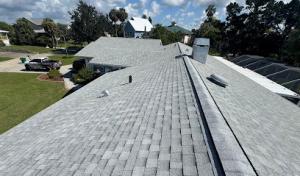
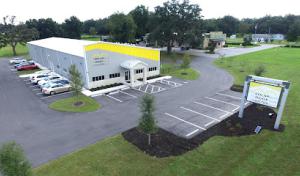
A full reroof in Dunnellon requires a building permit through the City of Dunnellon Building Department. This is not something to treat as optional paperwork hidden in the shuffle of a project; it is the framework that keeps a roof compliant with local codes and water intrusion safeguards, especially given the humid climate and storm exposure that local homes endure. Without the permit, a reroof can be stalled, and work may not be recognized for insurance or future resale.
Inspections are typically required at stages such as underlayment and final, so scheduling and passing those checkpoints is part of the reroof timeline in this city. In practical terms, you need to anticipate a sequence: the permit review, then the underlayment inspection after installation of the roof deck and underlayment, followed by a final inspection when the roof is complete and all penetrations are properly sealed. Weather and storm activity can compress or extend this timetable, so it is wise to plan a buffer. Here in Dunnellon, inspectors expect routes to be clear, access to the attic and roof edges, and documentation that flashings and vents meet current standards. Delay can stall the entire project and complicate insurance communications after a claim.
The Dunnellon permitting process may require supporting documentation such as wind-mitigation information in some cases, which can affect both approval and insurance follow-up. Wind-mitigation studies or forms, if requested, should be prepared early and filed with the permit application. In addition, the city may ask for product approvals, installation details, and confirmation that the chosen roofing system meets local wind-speed requirements. Having complete paperwork reduces the risk of a back-and-forth with the Building Department that could push a project into a storm-season timeline snag or complicate an insurance audit after a claim.
A practical approach is to start the permit process well before any tear-off begins. Confirm current code references with the Building Department, collect any wind-mitigation documents, and line up a licensed contractor who can coordinate with inspectors. Remember that permits and inspections are not just formalities; they are safeguards against future leaks, wind-driven damage, and post-storm claim disputes. If a permit lapses or an inspection fails, the project may need rework or reapproval, creating costly delays when quick reroofs are most needed. Plan for a clear inspection window and clear access for inspectors to avoid rework.
Florida's high-claim environment directly affects Dunnellon homeowners, with carriers scrutinizing roof age, condition, and storm documentation more closely than in many lower-risk states. When a storm rolls through the Rainbow River region, the risk clock ticks faster for insurers, and the decision on repair versus full reroof-or opting for an upgrade that improves insurability-can hinge on conservative interpretations of existing roof life and recent repairs. In practice, this means expectations shift quickly after a triggering event, and the window to present a solid case shrinks if documentation is sparse or scattered across different contractors.
For claims tied to Dunnellon weather, keeping date-stamped photos, contractor inspection notes, and records of temporary protection measures is essential. Insurers often want detailed evidence of storm-related damage before agreeing to coverage changes or replacements. Rapid, consistent record-keeping helps avoid last-minute disputes about what occurred and when. If a contractor spots discrepancies between prior reports and current condition, having a clear, timestamped trail can prevent back-and-forth delays that complicate settlements. In practice, assemble a single, organized set of materials early in the process, and maintain updates as repairs move forward.
The interior corridor around Dunnellon faces humid, storm-prone conditions that can stress roofing materials within a relatively short timeframe. When insurance pressure is telling you to move quickly, consider how timing aligns with storm season, indoor comfort, and long-term reliability. Taking measured steps-documenting damage promptly, scheduling objective inspections, and coordinating with a trusted local contractor who understands insurer expectations-can help you navigate the inevitable tension between prompt action and thorough, credible proof.
In the humid climate along the Rainbow and Withlacoochee corridors, roof systems soak up moisture from both air and occasional repetitive downpours. Underlayment can break down faster than you expect, leaving the deck vulnerable to hidden rot and mold. Stains creeping along trusses and rafters are a telltale sign of moisture lingering beneath the surface, especially where ventilation is limited or attic temperatures spike. If you notice soft spots, peeling shingles, or a damp attic, treat it as a warning: moisture is accelerating everything from shingle edges to flashing seals.
When a storm rolls through, Dunnellon shingles take a beating from wind-driven rain and debris. Lifted edges, torn tabs, and fastener pullouts become common after heavy downpours. Flashing seals at chimneys, vents, and valleys can fail, inviting leaks that surface near penetrations rather than directly overhead. Persistent humidity can compound this, causing rust on metal components and corrosion on fasteners. After a storm, inspect with a ladder only if safe, focusing on edges, seals, and any new gaps that previously weren't present.
Because emergency repair is a strong local signal, many homes endure active leaks or tarp setups before a full reroof. Quick fixes buy time, but they aren't long-term solutions. If you're dealing with tarps or flashing that doesn't hold, prioritize a professional assessment promptly to prevent further interior damage. Quick action saves wood framing, insulation, and ceiling finishes from escalating water damage.
After a storm, document everything with photos, note water entry points, and avoid walking on wet shingles. If you detect staining or moisture intrusion, contact a local pro for a rapid roof diagnostic. Until a fix is in place, maintain tarps over the most vulnerable areas and keep the attic well-ventilated to slow moisture buildup. Use careful monitoring to prevent surprises when the next front moves through.
When you can't wait, these contractors offer fast response times to stop leaks and prevent further damage.
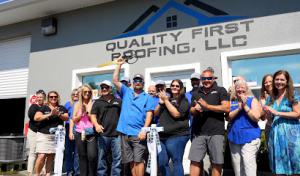
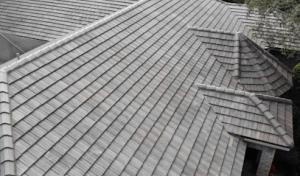
The Dunnellon market strongly favors reroofing contractors, so homeowners should verify whether a company is set up for full replacement logistics and city inspection coordination, not just small repairs. In this area, storm season stress stays high, and crews that can handle an entire roof replacement-from disposal to final clearance-tend to keep projects moving when distances and weather collide. Look for a contractor with a proven track record of coordinating with the city, scheduling inspections, and keeping a reliable crew on site from start to finish.
Affordable pricing, quick response, and cleanup are recurring local hiring priorities, which means homeowners here often compare responsiveness and jobsite handling as much as material brands. Ask for specific on-site cleanup plans, daily progress communication, and a dedicated supervisor who will be reachable during the project. A strong Dunnellon crew will show up with gear that minimizes damage to landscaping, driveways, and neighboring homes, and will maintain safe access in humid, storm-prone conditions.
Because storm and insurance work are common, homeowners should ask how the roofer documents damage, handles temporary dry-in, and communicates during claim-related projects. Request a clear process for recording hail and wind impacts, with dated photos and a written summary that you can attach to an insurance claim. Confirm who will provide the dry-in materials, how long the temporary cover will stay in place, and how updates are delivered if weather delays occur.
Choose a contractor who assigns a dedicated point of contact for the project and a realistic schedule you can track. In Dunnellon, rain events and river humidity can disrupt timelines; a reliable roofer will preemptively adjust the plan, keep you informed of weather-related risks, and maintain a tidy, secure jobsite to minimize disruption to neighbors.
Get a clear picture of your project costs upfront - no commitment required.
Roof Systems Unlimited
(833) 778-7663 roofsystemsunlimited.net
13850 SE 98th St, Dunnellon, Florida
4.9 from 34 reviews
In Dunnellon, solar-integrated roofing appears but is not a dominant local specialty, so homeowners should expect a narrower pool of contractors for combined reroof and solar work. If you are considering adding solar panels during a roof replacement, target contractors who have both roofing and solar credentials and can coordinate the two scopes under one project timeline. Expect longer lead times on equipment sourcing and scheduling when solar is included, and verify warranty terms for the roof and the solar system in writing before signing any contract.
These projects are best treated as special-case scopes rather than the standard path for most homeowners replacing storm-worn roofs. Treat solar integration as an adjacent trade, not a single-step replacement. Confirm that the chosen roofer either offers solar installation in-house or can clearly coordinate with a trusted solar contractor. Clarify how penetrations, flashing, and electrical interconnection will be handled to preserve roof integrity and to minimize potential leak paths in a humid interior corridor.
Flat or low-slope roofing is present only lightly in local contractor signals, suggesting it is a secondary concern compared with the city's much larger residential reroof market. If your roof displays low-slope sections, approach them as exceptions: verify that the roofing crew has experience with flashing details, moisture ventilation, and appropriate underlayment for the prevailing humidity. Expect minimal availability, and plan for additional scheduling cushion if a special-edge system is required.
Reroof work around hurricane season requires careful timing. If solar or low-slope elements are involved, coordinate weather windows that allow for a complete, watertight installation before peak storm risk. Ensure the contract specifies temporary protective measures, drainage protection, and a clear sequence of roofing and, if applicable, solar installation steps to minimize exposure to the elements during any gaps in work.
Find contractors who integrate solar panels or solar shingles into your roof for long-term energy savings.