
Last updated: Apr 19, 2026
Brooksville sits inland in Hernando County, so roofs take the brunt of tropical-storm wind, wind-driven rain, and thunderstorm lashings rather than long, salt-soaked coastal exposure. The area's ridge topography means gusts can whip across neighborhoods with little notice, and roofs that look fine on a sunny day can hide vulnerable flashing, ridge caps, or poorly sealed penetrations. The combination of hot, humid summers and sudden, intense downpours accelerates wear on aging asphalt shingles, tile, and metal, turning small flaws into active leaks in hours. Knowing this, readiness means assuming a storm can expose even minor flaws as urgent problems.
Late spring through fall brings heavy rain and tropical thunderstorms with surprising speed. Stock up on basics now: spare shingles or tiles that match your roof profile, sealants suitable for roofing, butyl tape, metal flashing, roof cement, a sturdy ladder, and a utility knife for quick cut repairs. Conduct a focused, attic-to-roof check each season: look for lifted edges, loose flashing at hips and valleys, dark spots indicating moisture intrusion, and deteriorating sealant around vent pipes. Address small issues promptly-each repair reduces the chance that a single thunderstorm becomes a leak catastrophe. Create a simple storm kit with tarps, heavy-duty plastic, and fasteners; you want a ready plan to cover compromised areas within hours, not days.
From June through November, hurricane season creates both damage risk and project delays, so temporary dry-in measures are essential. If a storm window approaches, your priority is to keep interior spaces dry while you arrange permanent fixes. Use heavy-duty tarps secured with battens or 2x4s over vulnerable valleys, chimneys, or flat sections where flashing has degraded. Ensure tarps extend at least several feet beyond the edge of the damage and are weighted down to resist wind gusts. Seal gaps with roof-approved tape or asphalt cement, then monitor the setup during the first storm if it's safe to do so. A dry-in is a bridge, not a finish; plan for professional roof work to resume as soon as weather and crews allow.
With Brooksville's frequent afternoon thunderstorms, a rapid, controlled survey is crucial. From ground level, look for missing shingles, visible daylight through the decking, or sagging sections along ridges. If you can safely access the roof, check flashing at chimneys and vents for displacement. Photograph all damage before making temporary repairs, especially if insulation or interior ceilings show signs of water intrusion. Prioritize sealing any active leaks, then secure professional help for a comprehensive, permanent repair. Delays are common during the peak season, so having a prepared plan and a staged dry-in approach minimizes damage and disruption when crews finally arrive. When weather allows, schedule a professional inspection promptly to contain costs and prevent secondary issues.
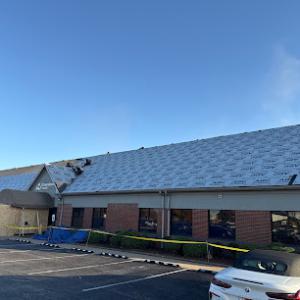
Tripeak Roofing
(352) 641-3974 tripeakroofers.com
632 W Jefferson St, Brooksville, Florida
5.0 from 275 reviews
Tripeak Roofing is a family owned and operated business out of Brooksville, FL. We take pride in helping our community in whatever way we can. Here at Tripeak we strive to provide the best quality roofing services in the industry. We believe that communication is key when it comes to the service industry. With Tripeak roofing we give high quality product and the best customer service possible.
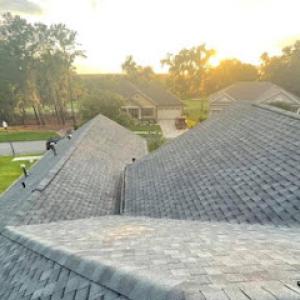
Protech Roofing Services
(352) 605-0696 hernandoroofer.com
9035 Jayson Dr, Brooksville, Florida
4.9 from 474 reviews
Protech Roofing Services is a licensed and insured roofing contractor based in Brooksville serving homeowners and businesses since 2008. Our in-house crews handle roof replacement, roof repair, storm damage restoration, emergency tarping, roof inspections, metal roofing, and commercial roofing across Hernando, Pasco, Citrus, Sumter, Polk, Hillsborough, and Pinellas counties. We install architectural shingles, standing seam metal, tile, flat, and TPO systems. Free estimates and financing available.
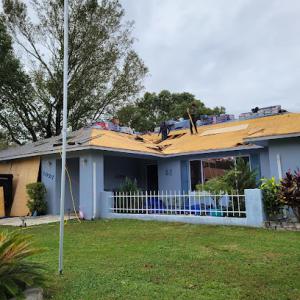
John Scott Roofing
(352) 754-2710 www.johnscottroofingflorida.com
18124 Powell Rd, Brooksville, Florida
4.7 from 233 reviews
At John Scott Roofing, our family-owned & operated company is committed to providing you with the best possible roofing experience at a price you can afford. From shingled to flat roofs, we've got you covered. Our highly trained staff has over 23 years of experience in the commercial & residential roofing industry, & we have a reputation for providing exceptional service & workmanship throughout the area. Plus, we are licensed, bonded, & insured, & we are GAF-certified for your peace of mind. We have been serving satisfied customers in Brooksville, FL, & the surrounding counties of Hernando, Pasco, Citrus, and Hillsborough for years, & we're ready to bring our expertise to your home or business.
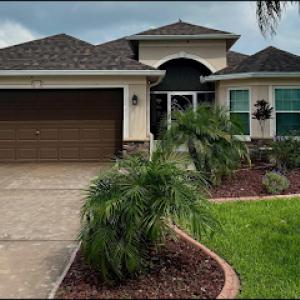
Foster's Roofing Enterprises
(352) 799-0045 fostersroofing.co
15250 Blair Ave, Brooksville, Florida
4.7 from 181 reviews
John Foster established our roofing company in 1984. Since then, Foster's Roofing has grown to be the premier roofing contractor in the Central Florida area. This is because we provide quality service that our customers can trust, as well as superior products that will last for years to come. Most of our business comes from word of mouth, and we have many repeat customers. Currently, we hold the highest level of certification for both GAF/ELK™ and CertainTeed™ products, and we work for more than 40 local and national contractors. We also specialize in commercial and residential reroofing projects, such as county and government-funded projects. You can count on the roofing contractors at Foster's Roofing.
PJ Roofing
(352) 230-5184 www.pjroofinginc.com
9330 Cobb Rd, Brooksville, Florida
4.6 from 134 reviews
PJ Roofing, Inc is family owned and operated. We provided roofing services in the state of Florida. We are located in Brooksville Florida. We can do all kinds of roofing including Metal, Shingles, TIle, Composite Tile, Fiberglass, and TPO roofing. We can also do residential or commercial roofing.
Roof Rejuvenate
(727) 755-2588 www.rejuvenateroof.com
Brooksville, FL
4.8 from 29 reviews
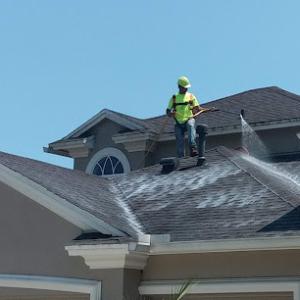
Roof Rejuvenate’s low-pressure all-natural treatment is guaranteed to extend your roof’s life by 5 years per treatment and up to 15 years with repeated treatments. Roof Rejuvenate uses a powerful, scientifically formulated treatment that is derived from corn. This plant-based oil quickly penetrates deep into brittle asphalt roofing shingles. The powerful all-natural formulation restores your roof's flexibility and waterproofing protection, while reducing the loss of the shingle's protective top granule coating. Roof Rejuvenate waterproofs the surface, suffocates algae, increases shingle flexibility, keeps granular in place, and improves fire resistance, making the shingles last longer, keeping them on your roof where they belong.
Alan's Roofing
(352) 309-0788 www.alansroofinginc.com
14498 Ponce De Leon Blvd, Brooksville, Florida
4.5 from 364 reviews
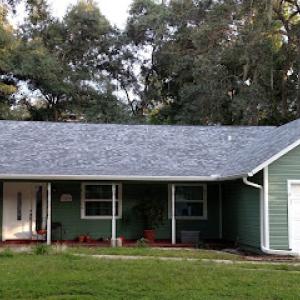
About Alan's Roofing Alan's Roofing, Inc. is a premier Roofing Contractor providing roof installations, replacements, and repairs for more than 30 years throughout Central Florida: Hernando-Pasco and the Greater Tampa Bay area, as well as serving the Greater Orlando area from our Apopka location. We also have an office in Charlotte Harbor which serves Southwest Florida. In addition to our comprehensive roofing services, we provide expert solar sales and installation to all of our markets. Contact us for a free estimate!
A Ready Roofing
(352) 796-4300 areadyroofing.com
25001 Cortez Blvd, Brooksville, Florida
4.5 from 78 reviews
A Ready Roofing is a premier roofing contractor serving Brooksville, FL, and the surrounding communities. We specialize in high-quality residential and commercial roofing solutions, including roof repairs, full replacements, and inspections. Our team is dedicated to providing durable craftsmanship, transparent pricing, and exceptional customer service to protect your home or business. Whether you're dealing with storm damage or looking to upgrade your property's exterior, A Ready Roofing is the trusted local name you can count on for reliable results!
TeamCraft Roofing
13318 Jacqueline Rd, Brooksville, Florida
5.0 from 8 reviews
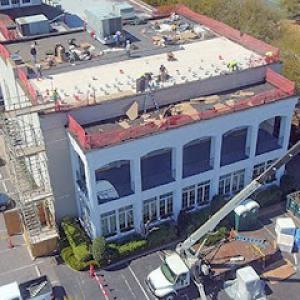
TeamCraft Roofing is a leading full-service commercial roofing contractor with locations throughout the eastern half of the US. Since 1996, TeamCraft Roofing has been dedicated to honesty, safety, teamwork and quality in order to achieve ultimate customer satisfaction. We are proud to provide roofing services for any 24-hour emergency, leak and roof repairs, preventative maintenance programs, re-roofing projects, retrofit and new construction projects. Our roofing expertise ensures the right solution is selected for your facility. With 18 offices spread across 9 states, we shelter you.
Benoit Home Remodeling Group
Serving
4.9 from 88 reviews
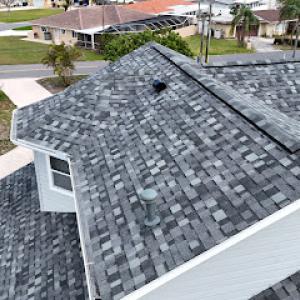
Benoit HRG was founded on the belief that Roofing industry is a powerful house part of your home and connects us together. We are fascinated by the idea of making your home as our own. While there are many ways to to do renovations, we realized there is no better way to experience something than doing business with us. A picture may be worth a thousand words, but taking care of your home is our top priority.
Bluewater Roofing Company
(352) 428-1047 www.bluewaterroofingcompany.com
Serving
5.0 from 46 reviews
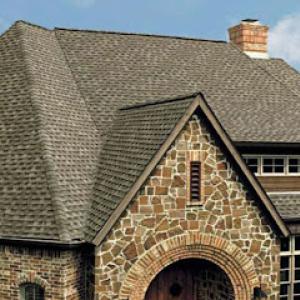
Bluewater Roofing Company specializes in residential and commercial roofing in the panhandle and central Florida. We strive very hard to provide a superior customer experience, while providing tremendous value for all of our customers. Owner Garry Gordon Jr., has over 25 years of experience in the roofing and construction industries, and is passionate about exceeding your expectations. His team are experienced professionals, who share his enthusiasm for performing exceptional work. With a new roof on your existing home or business, Bluewater Roofing Company will work diligently to ensure your project is completed to your utmost satisfaction. Visit our website and follow us on Facebook. Call today for your Free Estimate.
King Roofing & Sheet Metal
(813) 920-7663 www.kingworksfl.com
Serving
5.0 from 14 reviews
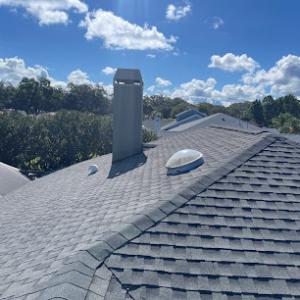
We are a family-owned business with over 30 years of experience in the roofing industry. We are proud to be a trusted and reliable name in the field. We have built a solid reputation for providing top-quality roofing solutions for both residential and commercial properties. Our commitment to excellence, attention to detail, and customer satisfaction have allowed us to become a leading roofing company in the area. We believe in delivering exceptional customer service, unparalleled quality, and honest pricing. We prioritize open communication and transparency throughout the entire process and are dedicated to completing projects on time, and within budget. “WE SAY WHAT WE DO AND DO WHAT WE SAY”
In this inland Hernando County setting, the storm season can strain policies as carriers scrutinize older roofs and visible wear more closely after a big wind event. Florida's strained homeowners-insurance market affects this area directly, with carriers commonly weighing roof age, visible condition, and wind-mitigation details when evaluating claims. That reality makes thorough documentation not a luxury but a practical safeguard. If a thunderstorm shows up with hail or gusts, you'll want to be able to show not just what failed, but what condition existed before the storm hit.
Because winds and hail are part of the normal storm cycle around here, keeping dated photos and professional notes from inspections becomes a practical habit. After a major event, you'll be tempted to rely on memory, but insurers often request a clear trail of evidence: photos of the undamaged roof prior to the storm, images of any changes to flashing or shingles post-event, and notes from a contractor's inspection that pinpoint what visibly failed and what survived. Retain contractor inspection notes, and keep a file of prior repairs, so you can demonstrate a pattern of maintenance or pinpoint deterioration that may influence claim outcomes. A chronological folder with dated entries helps prevent confusion when the adjuster arrives.
In this region, wind-driven damage and hail can compromise more than just the surface. You should document decking condition and any signs of moisture intrusion that could indicate hidden damage. Take close-ups of any lifted shingles, damaged underlayment, or compromised flashing, but also step back to photograph the overall roof line and attic access. Keep notes on vent boot replacement, sealant changes, and the integrity of any visible vent connections. After a storm, compare what you find with pre-storm photos to separate new damage from pre-existing issues. This distinction matters when insurance questions arise about cause and scope.
The timing of your documentation matters. The sooner you have clear, dated photos and notes after a storm, the more solid your claim packet will be. Organize the material so a claims adjuster can follow a simple narrative: pre-storm condition, storm impact, and post-storm condition. If you worked with a contractor to perform an expedited assessment, keep their written notes and the dates of any temporary repairs. In a market where insurers may request more detailed reports, having a ready-to-submit, coherent timeline reduces back-and-forth and helps protect your claim from delays.
As part of storm-ready upkeep, note any decking condition observations, underlayment upgrades, and code-related improvements performed during re-roofing or repairs. Detailed records of decking replacement, new underlayment, and weatherproofing improvements give you tangible proof of strengthening for future storms. When those improvements are documented, you have a clearer picture of the roof's resilience, which can translate into more precise claim discussions if another event occurs. Keeping a log of who performed the work, what materials were used, and when it happened adds credibility to your file and can help clarify the roof's current protective capacity during the next claim review.
Connect with contractors who help homeowners navigate the claims process from damage assessment to final approval.
Tripeak Roofing
(352) 641-3974 tripeakroofers.com
632 W Jefferson St, Brooksville, Florida
5.0 from 275 reviews
Protech Roofing Services
(352) 605-0696 hernandoroofer.com
9035 Jayson Dr, Brooksville, Florida
4.9 from 474 reviews
John Scott Roofing
(352) 754-2710 www.johnscottroofingflorida.com
18124 Powell Rd, Brooksville, Florida
4.7 from 233 reviews
Brooksville's dominant roofing mix spans asphalt shingles, metal roofing, clay tile, concrete tile, wood shingles or shakes, and synthetic or composite shingles. That broad range means you have practical options tailored to both storm resilience and humidity resistance. Asphalt shingles remain a budget-friendly, easy-to-install baseline for re-roofs, especially when speed and cost matter after a storm. Metal roofing offers standout durability against pounding thunderstorms and wind, with a cleanly reflective surface that helps less heat buildup on humid days. Clay and concrete tiles bring long-term durability and excellent moisture handling, though installation and weight are considerations. Wood shingles or shakes provide a rustic look but demand careful moisture management and regular maintenance to resist rot in the heat and humidity. Synthetic or composite shingles offer versatility and decent durability with often lighter weight than real tile, while still aiming to resist heat and mildew growth.
The hot, humid subtropical climate accelerates heat aging, algae staining, and moisture-related wear. Material selection should balance storm performance with resistance to prolonged summer humidity. Metal roofs excel in wind resistance and readiness to shed rain quickly, while clay and concrete tiles offer excellent moisture control and a long service life when properly installed on a sturdy deck. Asphalt shingles perform well in a broad range of conditions but can require proactive algae treatment and timely maintenance to keep granules from washing away in heavy summer downpours. If you choose tile, confirm a reinforced underlayment and proper attics/vented spaces to prevent heat transfer from the roof deck into living areas. Synthetic shingles tend to resist moisture buildup and can mimic the look of natural materials while staying lighter on the structure.
Tile and metal are especially relevant in this market because local contractor signals show strong specialization in both, while asphalt remains common for budget-sensitive re-roofing. When considering tile, ensure the roof structure is prepared for the weight and that the system includes an appropriate underlayment and ventilation plan to manage heat and humidity. Metal roofs benefit from sealed seams and corrosion-resistant coatings suitable for Florida's thunderstorm season. If opting for asphalt, emphasize UV-resistant granules and algae-resistant options to counter sun exposure and moisture-related staining. Finally, if wood shakes are chosen, plan for treatment and periodic resealing to mitigate humidity-driven rot, especially on roof edges and shaded areas.
Pricing in this market is best read as a per-square snapshot that stays anchored to the local realities of storm-driven demand and the typical housing stock in this area. When a tropical weather event hits Hernando County, emergency repairs and full replacements compete for the same crews, and you'll see price shifts that linger for weeks after a storm passes. That volatility is part of the landscape you're navigating in Brooksville.
Asphalt shingles come in around 350 to 700 dollars per square (a square covers 100 square feet). Metal roofing runs roughly 550 to 1100 dollars per square, reflecting the higher material and installation costs but enduring performance through pounding rains and high winds. Clay tile is typically 700 to 1500 dollars per square, with load considerations and specialty installation driving the upper end. Concrete tile sits in the 650 to 1100 dollars per square range, offering notable durability with a heavier deck requirement. Wood shingles or shakes are generally 500 to 900 dollars per square, prized for appearance but demanding on maintenance and wind resistance. Synthetic or composite shingles trend 450 to 900 dollars per square, often chosen for a balance of cost and performance. These figures are all per square and reflect typical Brooksville projects, not oversized luxury installs, and they exclude minor site factors like attic ventilation or existing deck damage.
Brooksville cost swings are heavily affected by storm-driven demand spikes in Hernando County, when emergency repairs and full replacements compete for the same crews after tropical weather. If a storm concentrates activity in your neighborhood, you may see a brief uptick in material options and crew availability. In practice, this means budgeting with a buffer and lining up backups for both material choice and contractor slotting when a major event is forecast.
Scheduling in Brooksville often favors cooler, drier periods because the city's pronounced rainy season can slow tear-off, decking dry-out, and inspection timing, which can increase labor time and temporary protection costs. If you can align replacement work to a stretch with several dry days, you reduce the chance of weather-driven delays and the need for extended tarping, which translates to steadier access to crews and better material utilization.
Start with a target square count for your home and apply the per-square ranges above for your preferred material. Add 5-10% for contingencies common to this area, such as underlayment or minor deck repairs discovered during removal. Build in a cushion for temporary protective measures if a storm window is anticipated or if the project overlaps with peak season. If weather forecasts point to significant storm risk, consider planning a provisional schedule with your contractor to lock in a favorable window before demand spikes.
Don't let upfront costs delay a critical repair - these contractors offer payment plans to fit your budget.
Protech Roofing Services
(352) 605-0696 hernandoroofer.com
9035 Jayson Dr, Brooksville, Florida
4.9 from 474 reviews
Amazing Home Contractors of Florida
(352) 818-0241 www.amazinghomecontractorsfl.com
Serving
4.9 from 40 reviews
Nations Roofing & Construction
(813) 485-4440 www.nationsroofingcompany.com
Serving
4.8 from 115 reviews
For Brooksville homes, a full roof replacement typically requires a permit through the Hernando County Building Department rather than being handled as an informal contractor-only job. This process helps ensure the new roof meets local wind, load, and moisture standards that are critical in the area's storm-prone climate. A permit also provides a traceable record for insurance documentation and property records, which can matter when a storm claim needs to be supported by code-compliant work. As work begins, the permit sets expectations for the contractor's responsibilities, drawings, and submittals that demonstrate the roof's design and attachment methods align with county requirements.
The local process includes plan or application review followed by inspections at key milestones. Typical milestones include preliminary or rough framing and decking, mid-roof, and final inspection. The preliminary stage focuses on deck attachment, attic ventilation, and any structural adjustments needed to address Florida's wind and uplift demands. The mid-roof check is often where inspectors verify proper nailing patterns, underlayment, and shingle or tile alignment, which influences long-term performance against tropical downpours and heat-driven expansion. The final inspection confirms completion of all components, flashing details, and proper roof-to-wall interfaces, ensuring the installation withstands Brooksville's thunderstorm season.
Brooksville homeowners should expect the project to remain open until final sign-off is completed, making inspection scheduling an important part of avoiding delays in payment, insurance documentation, and closeout. Plan ahead for weather windows-storms can interrupt framing or decking work, and inspections typically require clear, dry conditions. Coordinate with the contractor to confirm each milestone date and to reserve a slot with Hernando County inspectors. Keeping the project timeline aligned with permit progress helps prevent gaps that might stall insurance documentation or payment processing after a storm-repaired roof.
A frequent pitfall is assuming inspections can be skipped or shortened to save time. In this jurisdiction, skipping or delaying inspections can trigger pinched permit status, which complicates insurance claims and can delay final payment. If a contractor offers to "handle the permit informally," approach with caution and verify license and approval status with the county. For storm resilience, the combination of proper permits, documented plan approvals, and timely inspections creates a solid foundation for a roof that stands up to Brooksville's hot, humid summers and seasonal thunderstorms.
In Brooksville's humid, storm-prone climate, asphalt roofs endure repeated summer storm cycles that chew away at granules, loosen tabs, and push water toward vulnerable seams. Granule loss accelerates under hot sun and driving rain, leaving underlying asphalt exposed and more prone to rapid deterioration after each thunderstorm. Lifted or missing tabs create pathways for driven rain, especially where trees shed leaves that trap moisture. The result is a pattern of sudden, localized leaks that can grow into bigger problems if moisture sits around flashing, connectors, and vent penetrations. Regular eye-checks after storms help catch early delamination before interior damage becomes obvious.
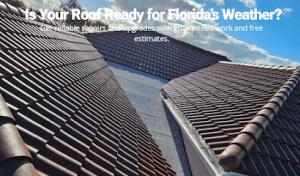
Tile roofs in this area often outlast the visible surface, but the waterproofing layers beneath can age out or crack with seasonal cycles. Visible tiles may still look intact while the underlayment develops hairline cracks or becomes brittle from heat and moisture. When underlayment fails, even small cracks can allow water to bypass the tile field and travel along roof gullies, valleys, or eave edges. In practice, a homeowner may notice damp spots on ceilings or stronger moisture smells after heavy rains, long after the tiles themselves appear sound. Proactive replacement or targeted resealing of underlayment, especially around penetrations, is crucial to avoid cascading water intrusion.
Even without coastal salt exposure, inland central-west Florida poses wind-driven rain that tests metal panel transitions and penetrations during thunderstorms. Improper or aging fasteners can work loose, and flashing details at valleys, ridges, and roof-to-wall junctures may lose their seal under pressure. Silver linings exist when panels are solidly fastened and properly flashed, but the region's thunderstorm pulses emphasize edge and seam failures more than mid-span issues. Regular inspection of seams, screws, and sealants around vents, chimneys, and skylights helps prevent small leaks from turning into bigger problems after a storm spike.
Post-storm checks focus on the most storm-exposed areas: eave edges, penetrations, and transition points for all roof types. Look for lifted edges, granule saturation in gutters, and discolored ceilings inside attic spaces near roof penetrations. Develop a routine for tightening loose flashings and resealing where flashing meets siding or brick, before water has a chance to follow a path into the attic. In this climate, a steady rhythm of inspection and timely repairs keeps storm damage from compounding year after year.
In Brooksville, flat-roof specialization is meaningfully present in the inland Hernando County market, indicating a real need among local homeowners and property owners rather than being a purely commercial niche. That means you'll often see low-slope sections on porches, additions, and mixed-roof homes that still demand weather resilience and proper drainage as a core feature of the design.
Drainage and ponding control take on added importance with the frequent heavy summer rain. Low-slope areas can shed water slowly, so deliberate attention to scuppers, drains, and deck-to-flash transitions matters more than you'd expect. On porch roofs and covered entries, test water flow under a quick downpour to confirm that edge drains keep water moving away from walls and foundations. If you notice any standing water after a heavy storm, address it promptly, because repeated ponding invites membrane wear and accelerated edge deterioration.
Leak sources in this inland climate often show up around transitions, edge details, and penetrations before the main roof field fails. Pay particular attention to where the low-slope roof meets existing roofing materials, skylight or vent penetrations, and curbs for HVAC units. Edges and terminations require extra sealant and fully secured flashing. A common early warning sign is moisture staining or dampness at the interface between flat sections and steeper, higher-slope areas-follow up with a careful inspection of flashing metal, sealant joints, and fastener integrity at those seams.
Maintenance and inspection steps help you stay ahead of problems. Schedule a biannual check, ideally after the peak storm season and just before it, and focus the walk-around on drainage outlets, protective coatings, and visible fasteners. Clean debris from gutters and scuppers, inspect for membrane uplift near transitions, and verify that ponding remains minimal after rain. For any area showing loose flashing, lifted edges, or compromised sealant, plan a targeted repair rather than waiting for a larger section to fail, since this market tends to reveal trouble at the edges well before the field.
When selecting materials or a contractor for flat and low-slope work, prioritize those with documented experience on porch and addition applications in this climate, and favor systems designed to maintain drainage performance under routine tropical thunderstorms.
Find specialists in TPO, EPDM, and built-up flat roofing systems for residential and commercial properties.
Protech Roofing Services
(352) 605-0696 hernandoroofer.com
9035 Jayson Dr, Brooksville, Florida
4.9 from 474 reviews
John Scott Roofing
(352) 754-2710 www.johnscottroofingflorida.com
18124 Powell Rd, Brooksville, Florida
4.7 from 233 reviews
PJ Roofing
(352) 230-5184 www.pjroofinginc.com
9330 Cobb Rd, Brooksville, Florida
4.6 from 134 reviews