
Last updated: Apr 19, 2026
In Citrus County, June through November brings a relentless mix of hurricane season winds and heavy rain that can turn a minor roof issue into a full-blown interior leak in a heartbeat. Summer afternoon thunderstorms are common year-round, so the clock is always ticking once a shingle lifts or a flashing seam shows wear. The risk isn't just roof collapse on a direct hit; it's water tracking along attic spaces, soffits, and ceiling lines that can show up far from the original damage. Recognize the pattern: a quick burst of wind followed by heavy rain can drive water under edges, around skylights, or through compromised seals long after the storm has moved on.
When a storm hits, prioritize containment in the first hour. If you notice daylight or wind-driven rain intruding, lay temporary tarping across the affected area, overlapping protected zones to minimize wind lift. Use durable tarps, weighted edges, and nails or ballast that won't tear in the wind. For attic access, place plastic sheeting over exposed penetrations and seal with exterior-grade tape or adhesive sealant. In a worst-case scenario, you should be able to create a dry zone below the leak to limit interior damage while arranging professional help. If a ceiling bulge or active drip occurs, don't delay shutting off the water at the main valve or stopping the flow from any plumbing that's contributing to the leak path. The objective is to reduce ongoing damage until repairs can be completed.
Storm wear often triggers insurance considerations for aging roofs, so take sharp, dated documentation before any temporary repairs are covered or considered in a claim. Photo the roof from multiple angles, capturing shingles, flashing, vents, gutters, and any visible leaks. Take a dated close-up of each problem area and broader shots showing surrounding roof sections for context. Keep records of your storm event: the date and time of the wind gusts, the duration of heavy rainfall, and any accompanying meteorological notices. If a contractor provides a temporary repair or tarp, photograph the setup and keep the receipts or work orders. When talking to the insurer, present the photos with dates, note any prior damage or recurring leaks, and clearly outline what was damaged during the recent storm. The emphasis is on showing a covered, insurable loss rather than cosmetic wear.
After the storm, call your insurer promptly to report the damage and request an adjuster visit. Do not authorize permanent repairs until the adjuster has assessed the situation unless you need an immediate stopgap. If the claim process involves a contractor's temporary repairs, ensure the contractor's work is clearly documented as stabilization only, with a plan for permanent restoration once the claim settles. Maintain a logical sequence of events: what failed, when it failed, what you did to contain it, and what the insurer agrees to cover. In practice, this means organizing your files by storm date, damage type (shingle lift, flashing failure, gutter displacement), and response action, so the claim can be reviewed quickly by an adjuster who understands the local weather dynamics.
Once a claim is filed or in progress, prioritize repairs that restore a watertight roof and address wind-driven vulnerabilities specific to the season. In this region, roof longevity often hinges on flashing integrity around chimneys and vents, sealant resilience against Florida sun and rain, and the ability of the roofing system to shed heavy rain without pooling. Plan for a durable, storm-resilient solution that accounts for the possibility of back-to-back storms during hurricane season, and keep communications open with both insurer and contractor to ensure timelines line up with weather windows. This approach minimizes downtime and protects the home's interior during Florida's dynamic storm cycles.
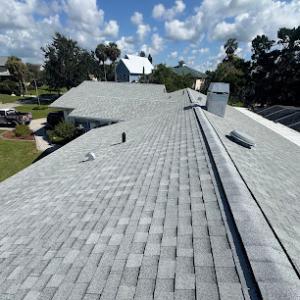
Raymond Frankart Roofing
4069 S William Ave, Inverness, Florida
4.9 from 127 reviews
Raymond Frankart Roofing is a veteran family owned and operated business! We have been serving citrus, and surrounding counties, since 1971! If you're looking for integrity and excellent craftsmanship, at a price you can afford, remember... "Don't let just any ass on your roof!" Call Raymond Frankart roofing! (352)637-3406 **Now offering financing options!!**
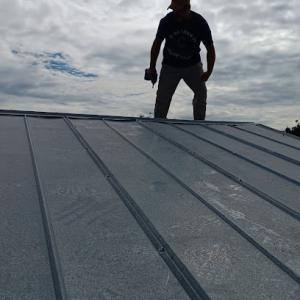
CK Peters Roofing & Building Maintenance
943 US Hwy 41 S, Inverness, Florida
5.0 from 20 reviews
Protect your Citrus County home inside and out. With over 29 years of expertise, we are a local, family-owned contractor specializing in metal roof repair, building maintenance, and painting services. From emergency leak fixes and storm damage repair to exterior painting and property upkeep, we offer affordable, lasting solutions for residents in Inverness, Crystal River, Beverly Hills, and all of Citrus County. Licensed & insured. Call today for your free inspection!
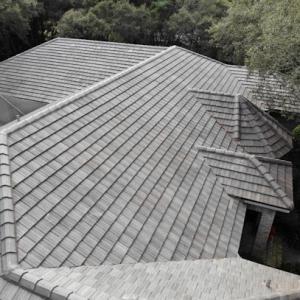
Don Poss Roofing
(352) 637-6687 donpossroofing.com
2050 Hwy 44 W, Inverness, Florida
4.6 from 25 reviews
Don Poss Roofing has been installing tile and shingle roof systems to the homes of central Florida since 1991
FAS Roofing
Serving
5.0 from 41 reviews
FAS Roofing is a business built by home town men based on integrity, honesty, hard work and craftsmanship. We deliver trusted roofing services across Florida. We provide free roof inspections, expert repairs, full replacements, and storm restoration. We offer beautiful and durable shingle roofing and metal roofing solutions built to withstand Florida’s tough weather. Locally owned and operated, our team is committed to FAST response, ACCURATE workmanship, and SECURE results you can rely on. From quick leak repairs to complete roof replacements, we take pride in precision, professionalism, and five-star customer service.

Quality First Roof Specialist
Serving
4.9 from 60 reviews
Trust Quality First Roof Specialist for excellence in roofing services. As the best roofers near you, we handle roof repairs, installations, and inspections with precision. Specializing in flat roofs, metal, tile, and shingle roofing, we cover a wide range of materials. Our expertise extends to solar, soffit, fascia, gutter, and skylight repairs and installations.
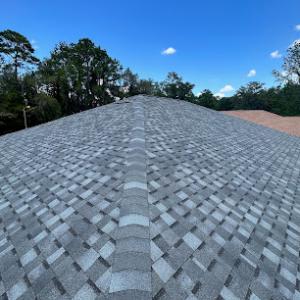
Washburn Roofing
(352) 586-8612 www.washburnroofing.com
Serving
5.0 from 32 reviews
We're a family owned and operated roofing business.

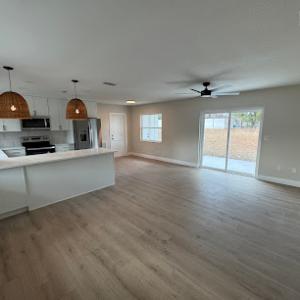
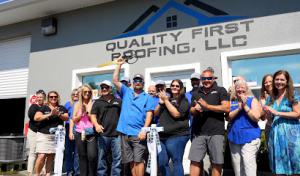
Quality First Roofing
(352) 220-7367 qualityfirstroofingllc.com
Serving
4.8 from 328 reviews
Welcome to Quality First Roofing, your trusted source for top-quality roofing solutions. We specialize in installations, repairs, and maintenance for residential and commercial properties. Contact us today for a free estimate.
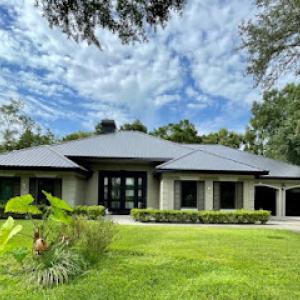
New Roots Construction & Roofing
(352) 613-0285 www.newrootsconstruction.com
Serving
5.0 from 56 reviews
Established in 2017, New Roots Construction & Roofing tackles residential and commercial roofing projects, new construction, and renovations in Citrus County, Florida. As a licensed contractor and licensed roofer, this husband-and-wife team brings expertise and personalized service to every project.
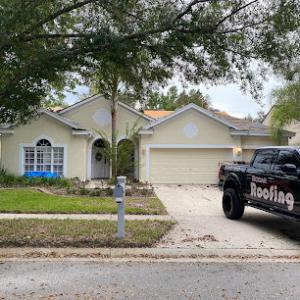
Progressive Roofing Services
(833) 766-3352 www.proroofserv.com
Serving
5.0 from 13 reviews
Full service Roofing company
Bodan Roofing
(813) 977-5919 www.bodanroofing.com
Serving
4.7 from 37 reviews
Bodan Roofing provides roofing services to the Wesley Chapel, FL, area.
Cover All Roofing & Remodeling
(352) 999-7877 coverallroofingandremodeling.com
Serving
4.5 from 15 reviews
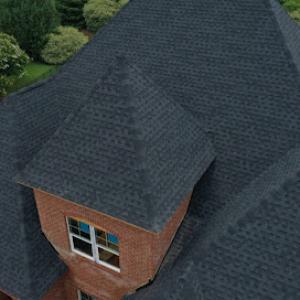
Protect your largest investment with our reliable roofing services. We are a locally owned and operated roofing company currently serving Floral City, FL and surrounding communities. If you want to make your roof last as long as possible, it is vital that you never put off a roof repair. Small issues with roofing become big issues in a hurry. No matter how major or minor the repair you need, we are here to help. We offer roofing contracting, asphalt shingle repair, and roofing installation.
Scott Allen Roofing
(352) 795-2276 www.scottallenroofing.com
Serving
4.7 from 88 reviews
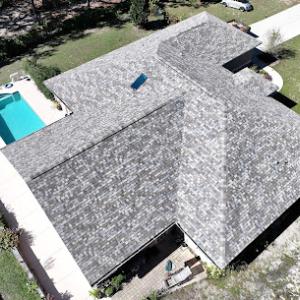
Roofing contractor, shingle, metal and roof repairs
The dominant local material mix includes asphalt shingles, metal roofing, clay tile, concrete tile, synthetic/composite shingles, and EPDM for low-slope areas, which reflects the housing stock and replacement patterns seen in Inverness. That variety means decisions aren't abstract-each option has a footprint in performance, longevity, and how it holds up to the seasonal humidity and thunderstorm activity. When choosing, look at what survives best in your neighborhood's microclimate, not just what pattern your neighbor followed for their last roof. A practical approach is to map your roof's slope, exposure, and attic ventilation and then compare how each material behaves under those conditions.
Hot, humid summers in the area accelerate aging in asphalt-based systems and increase attention to ventilation, moisture management, and algae-related appearance issues compared with drier inland markets. If a roof relies on attic air exchange to comb through moisture, ensure soffit and ridge vents are clear and sized for the space. Look for signs of moisture pooling or condensation in cooler mornings, especially on roofs with limited shade. In practice, that means closer inspection after the peak of summer storms and a plan to address any vent blockages before the next wet season. For asphalt, pay attention to loss of granules and curling edges, which can be exaggerated by humidity and heat cycling.
Tile and metal are common upgrade conversations in this area because homeowners are weighing storm resilience, long-term aging in humidity, and insurance perception alongside upfront cost. Clay and concrete tiles shed water well and resist wind-driven strike damage, but fasteners and underlayment must be compatible with humid conditions to prevent creeping underlayment rot. Metal roofs, though costlier upfront, resist corrosion and wind uplift and can reflect heat when installed with proper underlayment and attic cooling. For both, confirm that the roof deck and flashing are rated for high humidity, and verify that coatings or sealants are compatible with local weather cycles to minimize algae growth and staining.
EPDM rubber roofing remains a practical choice for low-slope sections, garages, or porches where water must shed reliably without pooling. In a humid climate, the seam integrity and edge detailing are critical, as prolonged moisture around seams can lead to slow leaks and hidden damage. Ensure edge details, flashing, and drains are kept clear, and consider a reflective coating or lighter color to help manage internal temperatures. For homeowners weighing this option, the balance is between ease of maintenance and the specialized handling some contractors require for long-term performance in heat and humidity.
Storm-season damage poses a real risk when aging roofs sit beneath heavy afternoon thunderstorms. Regular inspections after major storms, careful debris removal, and prompt gutter cleaning help preserve the roof's life and its ability to shed water quickly. Keep an eye on algae-related staining, which can hide underlying deterioration and complicate insurance documentation if an event leads to leaks. Establish a simple, annual routine to check flashing, vent boots, and skylight interfaces, then schedule a mid-season walk-through when humidity peaks.
Aging roofs can trigger insurance scrutiny, making thorough documentation essential. For any repair or replacement, capture dated photos of the roof surface, attic ventilation, and visible flashing. Maintain a running record of weather events that caused roof impacts and the corresponding response actions. When communicating with an insurer, emphasize the roof's current ventilation strategy, moisture management plan, and any upgrades that improve resilience against humidity and wind. This local approach to documentation supports smoother claims and clearer expectations during hurricane-season storm damage responses.
Local reroof demand can spike after hurricane-season wind and rain events, which can tighten scheduling and push pricing upward compared with quieter parts of the year. Increases are most noticeable when multiple homes in a neighborhood need replacement in a short window, and suppliers run low on popular materials. If you're weighing options, plan for a longer window from contract to completion and anticipate some schedule momentum around the first clear week after a major storm. Asphalt shingles remain the most common choice for affordability, but the exact timing can tilt the price per square upward as crews book out.
Late fall through winter generally offers drier, more predictable working conditions in Inverness, which can reduce weather delays compared with summer installations interrupted by thunderstorms. If you can time your project, targeting cooling, drier months often yields steadier progress and fewer weather-related hold-ups. With winter sun and cooler days, crews may work more efficiently, which can help offset some premium costs that occur after storm events.
Costs in this market are strongly shaped by the chosen material mix common in the area, from lower-cost asphalt shingles to higher-cost tile systems and metal roofs that are frequently marketed locally. Asphalt shingles typically sit in the lower end of the spectrum, while metal roofing and concrete or clay tile push the price higher per square. If insurance discussions or storm-related damage justify a higher-end upgrade, metal or tile options can be appealing for longevity and wind resistance, though they come with larger upfront costs. Your decision should align with how long you plan to stay in the home and the local climate's demand for rugged performance.
Start with a clear estimate range for your chosen material: asphalt shingles (350-700 USD per square), metal (600-1100 USD per square), clay tile (1100-1900 USD per square), concrete tile (900-1700 USD per square), synthetic/composite shingles (450-900 USD per square), or EPDM rubber (4-8 USD per square foot). Factor in the storm-season pricing premium if work is necessary soon after a major event. Get at least three written quotes with itemized line items, and verify each contractor's ability to maintain a steady progress pace during drier months, should you decide to push the project into late fall or winter. Finally, document all storm-related damage thoroughly for any insurance review, so the project aligns with coverage expectations and avoids surprises in the deductible or scope.
Get a clear picture of your project costs upfront - no commitment required.
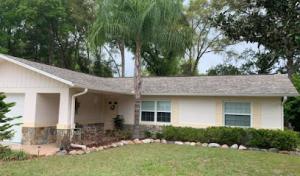
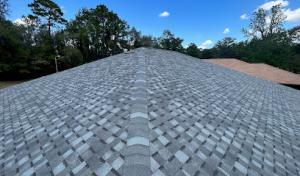
In this area, a full re-roof typically requires a permit through the Citrus County Building Department rather than a separate city-only roofing office. That means the project is reviewed at the county level, and the building department handles the permit, plan review (if required), and inspections. Understanding that process up front helps scheduling around the busy late-summer months when storm seasons and insurance reviews can slow things down.
Citrus County requires a valid contractor license for permit processing. Before work is scheduled, verify the roofing contractor's license with the state and cross-check that it's active and in good standing. This practical first step protects the homeowner from delays caused by paperwork gaps or noncompliant contractors. If the license or business address raises questions, use the county's license lookup and request written proof before submitting permit materials.
Permit processing commonly takes about 1 to 2 weeks depending on workload. Start early if a storm window or insurance-imposed deadline is approaching. The typical sequence starts with the contractor submitting the permit application, project scope, and any required drawings or product specifications. Expect a review period where the county may request clarifications or additional details. Once approved, a permit will be issued, and work can begin under the permit's terms.
Inspections occur during and after installation, with rough-in and final inspections as standard milestones. Rough-in inspections are typically conducted while the roof deck is exposed and underlayment is in place, ensuring the structure and fastenings meet code expectations. The final inspection confirms the roofing system installation is complete, vents and flashing are correctly sealed, and the system is weather-tight. If any deficiencies are found, a re-inspection will be scheduled after corrective work is completed. Coordinating with the contractor to align scheduling with anticipated inspection dates helps avoid delays, especially during peak hurricane-season activity when inspectors may be tied up.
Prepare early by gathering the contractor's license details, insurance certificate, and any prior permit numbers from your property records. Ask your contractor to provide a concise scope of work and product specifications to accompany the permit application, then confirm whether any local overlays or homeowner association rules apply to your lot. Keep a calendar of inspection targets and have repairable access to the roof area and interior for quick entry when inspectors arrive. Finally, expect that storm-related accessibility or supply chain hiccups can extend timelines; building a small buffer into your plan helps maintain momentum during a re-roof project.
Florida's elevated hurricane and wind claim environment affects you directly, and carriers here are often asking for a detailed snapshot of roof condition before underwriting or renewal decisions. In this market, a simple hail dent or a weathered shingle edge can spark questions about repair versus replacement, especially on aging roofs. Knowing that the insurer may want to see a curated story of the roof's history-photos, maintenance notes, and any wind-related damage-gives you a practical starting point. Expect that gaps in documentation can slow down decisions or tilt them toward more conservative outcomes.
Photos do more than show what is visible; they can illustrate patterns that aren't obvious at first glance. A sequence of images from different seasons, close-ups of fasteners, and attic ventilation views can help demonstrate a roof's overall health. Maintenance records matter; a log of recent repairs, shingle replacements, or minor leaks that were promptly addressed can smooth the path toward an approved repair rather than a full roof replacement. Wind-mitigation details-sealed penetrations, reinforced underlayment, and secure hip and ridge connections-add credibility to a claim that a roof endured a Florida storm season without catastrophic failure.
Longer adjuster timelines and tighter carrier availability in Florida mean you should document damage carefully and early after storms rather than waiting for visible leaks to worsen. Start with a thorough exterior examination as soon as it's safe, noting missing granules, lifted shingles, or granule loss on gutters and downspouts. If interior moisture appears, capture the source and progression with dated photos, and keep a log of any temporary measures you take to mitigate further damage. A well-timed, well-documented report reduces ambiguity and helps insurers align on a practical path forward.
Because aging roofs can prompt questions about repair versus replacement, establish a clear, organized file now: current photos, a repair history, and a concise note on any wind-related incidents, including dates and what was done. This preparation supports a faster, fairer review when the next storm season arrives. If a claim is flagged for more review, the documented details serve as a reliable backbone for conversations with adjusters, reducing back-and-forth and aligning expectations.
Connect with contractors who help homeowners navigate the claims process from damage assessment to final approval.
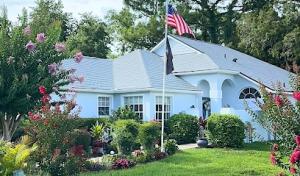

Dry, mild late-fall and winter conditions are generally the safest and most predictable installation window for reroof work. The plan should lean toward those months when the air is less humid and temperatures stay moderate, reducing adhesive cure variability and easing material handling. Summer in this area brings heat and humidity that can slow cure times and make staging more delicate, so scheduling during the cooler parts of the day helps crews stay on track.
Hot, humid summers can affect adhesive cure times and material handling, making scheduling and staging more sensitive than during cooler months. Frequent summer thunderstorms can interrupt tear-off and dry-in windows, so project timing matters more here than in regions with steadier summer weather. Build in buffer days for rain, and align tear-off with a forecast that promises several dry days in a row to avoid repeated wet-weather setbacks.
Hurricane-season brings sudden wind and rain risks that can compromise a roof in progress. Plan for potential wind interruptions and have temporary protections ready to limit interior exposure. After a damaging storm, prioritize rapid temporary tarping and a clear assessment to determine if replacement is needed versus a staged repair, with documentation ready for insurance purposes.
Coordinate with the roofing crew to lock a dry, cooler window and to reserve a few backup days for weather swings. Clear, proactive communication about forecast shifts helps keep the project on track and minimizes leak exposure between tear-off and dry-in phases.
In a market where re-roofing dominates over new builds, the contractor you choose should have a strong track record delivering complete tear-off and replacement jobs, not just quick overlays or cosmetic updates. Look for recent projects with visible storm-related wind and rain exposure, and ask for references from neighborhoods with similar home styles and roof lines. The goal is to partner with a crew that knows how to manage debris, crew staging, and weather delays without sacrificing material integrity or long-term performance.
Evaluate contractors by how often they replace roofs rather than perform partial repairs. Request a portfolio that shows full roof replacements, including attic insulation checks, underlayment continuity, and proper venting in humid climates. In areas prone to afternoon thunderstorms, a solid hand-off between tear-off and the dry-in phase is crucial. Favor firms that document their installation sequence, warranty specifics, and color-matched shingle libraries that withstand Florida sun and wind.
Cleanup stands out in this market, where storm debris and urgent dry-ins can compress schedules. Ask about daily cleanup routines, dumpster placement, and on-site dust control. A reliable contractor should respond promptly to storm-related emergencies, with a written plan for prioritizing critical roof sections and coordinating with neighbors to minimize disruption.
Family-owned and long-established companies form a visible part of the landscape, so homeowners often weigh responsiveness and post-storm follow-through as much as price. Seek a contractor with defined post-installation check-ins, a documented channel for snagging issues, and a reputation for standing by workmanship after the last shingle is laid. In Inverness, the familiar touch matters as much as the skill.