
Last updated: Apr 19, 2026
North Miami Beach sits in coastal Miami-Dade County, where June through November brings tropical storm threats, abrupt rain bands, and wind events that can interrupt tear-offs and dry-in schedules. The deluge pattern and sudden gusts in these months mean that a roof project is as much about weather planning as it is about materials and decking. When a storm watch goes up, crews cannot safely perform high-tangle tear-offs or secure weatherproofing, and delays ripple through the project timeline. This is not a guess-it's proven in every storm season you've lived through here.
The city's drier window is generally November through March, making that period more favorable for planned roof replacement than the wet summer pattern. If possible, align a major roof project to start late fall or early winter, when back-to-back rain events are less likely and wind risk is comparatively lower. If a replacement must begin during the rainy season, insist on a plan that prioritizes a reliable dry-in within the first dry stretch, so interior spaces stay protected and fastener patterns can be finalized before a tropical system bearing down. Ask contractors to delineate critical path milestones: plastic sheeting or roofing underlayment installation, secure temporary weatherproofing, and rapid final closure if a passing front delivers a window of calm.
South Florida's high-wind exposure makes uplift resistance non-negotiable. Your project should start with a comprehensive assessment of the existing structure's ability to withstand hurricane-season wind loads. Roofs common to this area often require corrected nailing patterns, upgraded fasteners, and a continuous barrier that resists blow-off during gusts. If the existing deck or sheathing shows signs of water intrusion or joints loosening, address those issues early, because a marginal dry-in compromises the entire season's performance. Ensure the chosen materials and installation details are aligned with high-wind requirements-this is where the right underlayment, solid drip edges, and secure ridge lines pay off when a storm is bearing down.
In this climate, weatherproofing cannot be treated as a courtesy item; it is the core safety measure. The goal is to lock in a weather-tight roof deck as quickly as possible after tear-off, with rapid installation of overlying layers that stand up to salty air, humidity, and driving rain. Expect and plan for eventual schedule interruptions, but design the sequence to minimize periods of exposure. A crew that can pivot between dry-in and rapid finish work, while maintaining a roof every step of the way, is essential. Communicate a realistic plan for contingencies: temporary tarps, reinforced edges, and a clear signal when a storm watch shifts to a warning so that work can either accelerate or pause with minimal risk to the home.
Ask for a detailed, week-by-week schedule that identifies weather-sensitive activities, expected dry-down periods, and the exact sequence from tear-off to final seal. Insist on weather-responsive milestones, with explicit criteria to pause or accelerate based on local forecasts. And because this area endures frequent humidity and salt-laden air, require tests or inspections that verify deck integrity and moisture barriers before finalizing the dry-in. In practice, the project should move with deliberate urgency during windows of calm, but never sacrifice the roof's long-term resilience for a quick completion. This balance-speed paired with solid uplift protection-defines a North Miami Beach roof that survives season after season.
In this metro area, clay and concrete tile dominate many streetscapes, especially on Mediterranean-style homes and newer low-slope additions. Clay and concrete tiles bring a coastal look that holds up to the salt air when paired with a proper underlayment and good fasteners. The key is to verify that the underlayment is in solid condition and that field tiles aren't hiding deterioration behind the wall line or under eaves. Even when surface tiles appear serviceable from the ground, aging underlayment can drive replacement decisions, so a careful inspection of the substrate and flashing is essential. If you're balancing aesthetics with durability, prefer tiles that are rated for hurricane wind zones and ensure the mounting rack system is corrosion-resistant and correctly sized for the local humidity and wind loads. For flat areas or low-slope portions, consider upgrading transitions where tile meets flat roofing to minimize water intrusion risks.
Metal and aluminum roofs are particularly relevant here because of the coastal humidity and wind exposure. Homeowners often weigh corrosion resistance, fastening quality, and wind performance when choosing metal. Metal options respond well to the heat and salty air if the system uses stainless or coated fasteners and a corrosion-resistant substrate. Look for a concealed-fastener or standing-seam design with proper sealant integration at penetrations and along the rake and eave zones. In areas with high wind risk, confirm that the system uses a wind-rated panel profile and tested clips and screws designed for Florida-type wind loads. While metal can carry a higher upfront cost, its longevity and resistance to hail and impact can be a favorable trade-off in this climate when installed correctly.
Flat-roof work remains highly active after storm events, often tied to low-slope additions and commercial-type properties. Flat roofs in this region require meticulous attention to drainage, flashing, and membrane compatibility, especially where old coatings meet new deck materials. When choosing a flat-roof system, prioritize membranes with proven UV resistance and good adhesion to the substrate, plus reliable seam integrity. In coastal neighborhoods, consider enhanced edge detailing and scuppers or overflow paths that align with typical seasonal rainfall patterns. Given the mix of homes and commercial buildings, you may encounter a blend of built-up, modified bitumen, or single-pply systems; the best choice depends on deck condition, insulation needs, and the expected service life under hurricane-season exposure.
Regardless of material, verify the condition of flashing, penetrations, and eave details since those are frequent failure points in this market. Check for signs of corrosion at metal roofing penetrations and fasteners, and look behind gutters for hidden moisture damage. For tile installations, ensure there are no loose or cracked tiles that could become wind-borne projectiles. With any roof in this climate, prioritize a robust underlayment system and verify that the chosen materials meet Florida's storm performance expectations, especially for wind uplift resistance. A thoughtful combination of material selection, proper installation details, and meticulous maintenance is what keeps these roofs performing through a storm season and the salt-saturated air.
North Miami Beach's hot, humid subtropical climate creates long wet-season exposure that can turn small flashing or underlayment defects into recurring interior leaks. When heavy rains arrive, the rhythm is immediate: a burst of downpours overwhelms aging joints and tight corners, and the water finds any weak seam or poorly sealed fastener. The result is a pattern you'll start recognizing after a few seasonal storms-a drip that seems to show up after a particularly intense downpour or during a steadier, tropical rain cycle. This is not a single event but a cycle that stretches through the wettest months, testing any roof system that has even modest wear.
Rapid summer downpours in coastal Miami-Dade often expose weaknesses around roof-to-wall transitions, penetrations, and low-slope drainage areas before homeowners notice broader roof aging. In flat or low-slope sections, water can linger and back up if drains or scuppers aren't functioning cleanly, making seemingly minor gaps feel consequential. Flashings around penetrations-vent pipes, chimneys, and skylights-often become focal points because these areas witness constant vibration, temperature swings, and salt-laden air that corrodes fasteners and sealants. Even tile and metal roofs, which look sturdy, reveal revealing leaks through seams, underlayment wear, or subtle shifting when the structure is repeatedly jostled by wind-driven rain. The pattern is cumulative: a few seasons of moisture accumulation can intensify the impact on joints and transitions you might not routinely inspect.
High humidity in North Miami Beach can slow drying after storms, so trapped moisture and repeated leak cycles are a practical concern during the rainy season. Moisture lingering in decking, underlayment, or concealed fastener heads can degrade materials from the inside out, diminishing a roof's resilience over time. This means even if a leak seems to disappear after a storm, dampness can linger behind walls or under attic insulation, setting up recurrent leaks after the next rain event. The result is a cycle that feels like "rinse and repeat" during the wet season if underlying issues aren't addressed promptly.
Start with a careful, daylight inspection after a rain event, focusing on transitions where roof and wall meet, plus around vents, chimneys, and skylights. Look for damp spots that appear along seams or under flashings, and note any staining on exterior walls or ceiling corners inside. Inspect drainage areas for debris buildup that could impede water flow, and check underlayment if accessible from the attic or eaves for signs of moisture or foam softening. When in doubt, address the smallest, most visible seam issues first; small fixes in a humid climate can prevent bigger, interior leaks that develop in red-flag weather patterns. If moisture returns after a storm, treat it as a warning sign rather than a one-off nuisance, and consider a targeted assessment of vulnerable sections before the next series of storms.
When you can't wait, these contractors offer fast response times to stop leaks and prevent further damage.

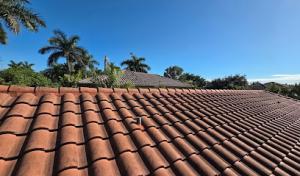
Provided local pricing ranges are $350-$600 per square for asphalt shingles, $700-$1100 for metal roofing, $800-$1400 for clay tile, $700-$1200 for concrete tile, $1200-$2500 for slate, and $650-$1000 for aluminum roofing. These figures reflect the mix of roof shapes common here, from low-slope sections to tile tear-offs and complex transitions. In practice, a homeowner may see the higher end if a roof has multiple levels, a difficult ceiling line, or requires extensive underlayment and detailing to meet coastal wind expectations.
Costs are often pushed up by Miami-Dade wind-resistance requirements, the labor intensity of tile systems, and demand spikes after tropical weather when many owners seek repairs or full replacements at once. When a storm window hits, crews are pressed, materials are snapped up quickly, and scheduling shifts can add days or weeks to a project. Expect tile installations to land toward the upper end of their range if tear-off work is involved or if a roof has to be re-flashed around chimneys, vents, or a low-slope transition.
Costs can also vary with the city's common roof mix: low-slope sections, tile tear-offs, and complex transitions on South Florida homes typically require more detail work than a simple single-plane roof. Clay and concrete tiles are popular here, but both demand careful removal, brittle handling, and precise re-seating on battens or deck. That extra labor shows up in pricing, particularly when you're dealing with curved ridges, multiple valleys, or a roof that spans intricate geometry.
In practice, timing matters. After a hurricane, demand spikes and prices rise, while in a calm season the schedule can push toward mid-range pricing. If a reroof is planned in advance, you have more room to negotiate better terms and coordinate with experienced tile crews who understand coastal detailing. If a full replacement is needed, budget for improved underlayment, fasteners rated for salt air, and wind-vented ridge systems, all of which can influence final cost versus a simple re-cover.
For a typical home with mixed sections and a tile-focused profile, anticipate a total project cost that reflects the higher end of the local ranges for any tile or metal portion, plus a modest premium for complex transitions. If asphalt shingles are in play for a low-slope area, that portion will remain comparatively economical, but expect coastal wind ratings to still factor into underlayment choices and fastener schedules. Planning with these realities helps align expectations with the neighborhood's historic storm season cycles.
Nessco Construction
3363 NE 163rd St, North Miami Beach, Florida
4.4 from 75 reviews
Local General Contractor focusing on Roofing and Impact Hurricane windows, serving South Florida . We do full roof replacements, including shingle, tile, and flat roofs. We provide full Hurricane impact windows and doors systems installations.
Global Contractors
(305) 663-0000 globalcontractorsusa.com
Serving
5.0 from 103 reviews
We are licensed and insured and are highly experienced contractors in the field of home improvement. Collectively, we have been serving homeowners in South Florida for over 20 years and have worked on many many projects. Reliability is always a huge factor when it comes to home improvement projects. Our dedicated and reliable staff works diligently to get the job done quickly and efficiently. We make it our # 1 priority to show up on time and complete your home improvement project on schedule. We offer affordable financial options stemming from our long-term alliances with leading financial institutions.
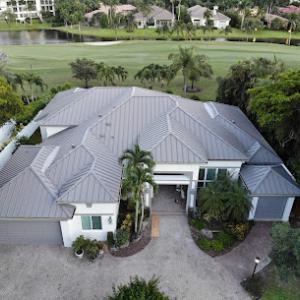
Proper Roofing Inc. - Top Rated Roofing, Windows & Remodeling.
(786) 891-1771 www.properoofing.com
Serving
5.0 from 612 reviews
With nearly three decades of experience, Proper Roofing has been a trusted leader among Miami's roofing companies. Specializing in top-tier roofing solutions, their team of expert contractors provides superior service for both residential and commercial properties. Whether you need a full replacement, professional repair, or a new installation with shingles, tile, or metal, their commitment to using quality materials ensures lasting results. Their expertise also extends to exceptional kitchen and bathroom renovations, bringing a new level of craftsmanship and reliability to your home improvement projects.

Exact Roofing
(786) 807-6343 www.exactcontractors.com
Serving
4.5 from 87 reviews
Exact Roofing is your premier Roofing Contractor in South Florida, specializing in top-tier Roofing Services including Roof Replacement, Roof Repair, and New Roof Installation. Located at 20161 NE 16th Pl, we proudly serve Miami-Dade, Broward, and Palm Beach counties, offering Residential Roofing solutions that ensure durability and style. With over 20 years of experience, our expert team delivers exceptional craftsmanship, utilizing high-quality materials for lasting results. As a trusted Roofing Company, we provide honest assessments and impressive warranties, ensuring satisfaction and peace of mind. Choose Exact Roofing for reliable roofing services and discover a stress-free roofing experience.
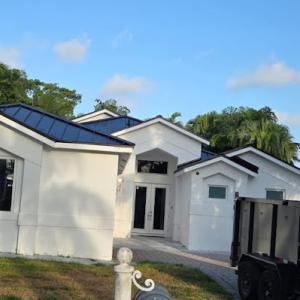
Praxis Industries Inc (Roofing Contractors)
(305) 777-8922 www.praxisindustries.com
Serving
5.0 from 33 reviews
At Praxis Industries, we specialize in durable, high-performance roofing solutions tailored for both residential and commercial properties. Whether it’s installation, repairs, or full replacements, we guarantee expert craftsmanship and long-lasting protection.
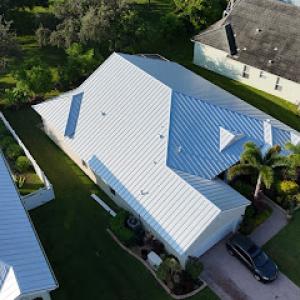
Big Al's Roofing
(305) 900-8297 bigalsroofing.com
Serving
4.8 from 68 reviews
Big Al’s Roofing is South Florida’s trusted luxury roofing contractor serving Miami, Coral Gables, Pinecrest, Palmetto Bay, Southwest Ranches, Davie, Weston, and nearby communities. Since 2015, we’ve installed premium tile, metal, shingle, and flat roofing systems engineered for long-term durability and hurricane strength. Clients choose us for proven craftsmanship, honest pricing, detailed communication, and results that elevate curb appeal and property value. If you’re searching for roof replacement, roof repair, or new roofing options in Miami and West Broward, contact Big Al’s Roofing—where quality, integrity, expertise, and lasting performance set us apart in South Florida’s roofing industry, delivering trusted results for you.
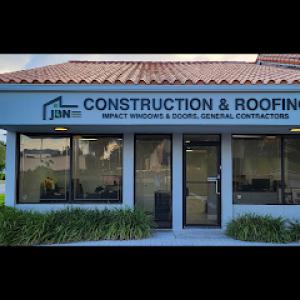
JBN Construction & Roofing
Serving
4.2 from 52 reviews
JBN offers home improvement services including window, door, and roof replacement, HVAC installation, and more. With over 25 years of experience, we provide reliable and quick service. Contact us for a free consultation.
Ecotech Homes
(786) 833-2999 ecotech-homes.com
Serving
5.0 from 129 reviews
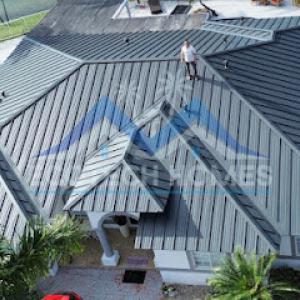
Ecotech Homes is a trusted provider of hurricane-resistant roofing, impact windows, and doors in Florida. We specialize in expert installations designed to protect your home from unpredictable storms and extreme weather conditions. Our services include free drone inspections to evaluate your current setup, flexible financing options, and assistance with all necessary permits for your home upgrades. We focus on durability and high-quality materials to ensure your home remains secure and resilient during the toughest weather. With a 10-year labor warranty and a team of licensed professionals, you can trust Ecotech Homes for reliable protection. Safeguard your property and family today with our premium services.
Roofing 4 less FL
(305) 390-2523 roofing4lessflorida.com
Serving
4.9 from 60 reviews
Roofing 4 Less Florida is a trusted roofing contractor in Miami, FL, dedicated to providing top-notch roofing services, including repairs, replacement, and installations. With a solid reputation built over years of experience, we pride ourselves on delivering reliable, affordable, and long-lasting roofing solutions for both residential and commercial clients.
DLJ Roofing Contractors
(954) 663-5944 www.dljroofing.com
Serving
4.8 from 33 reviews
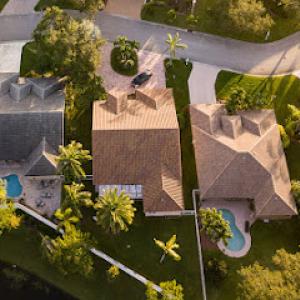
DLJ Roofing Contractors is a reputable, highly established local roofing company in South Florida. We provide high-quality roofing services to commercial and residential communities in Miami-Dade, Broward, and Palm Beach counties. We offer quality roofing services backed by a rigorous labor verification process which outputs precise results that no major roofing company can match. Spanning from inspections to re-roofing and extending to repairs and yearly maintenance contracts, our comprehensive roofing services are tailored to meet and exceed all Florida Building Code requirements. Moreover, we offer a quick turnaround and up to 10-year industry labor warranty. We are a Florida state certified roofing contractor, licensed and insured.
Perkins Roofing - Miami
(305) 518-1059 perkinsroofing.net
Serving
4.8 from 164 reviews
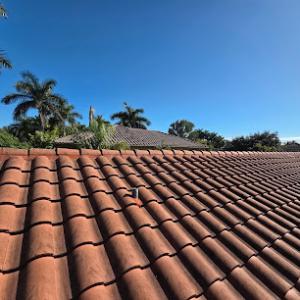
Perkins Roofing - Miami provides expert roof repair, roof replacement, and maintenance services for homes and businesses in Miami. Call now for a free estimate! Perkins Roofing is a licensed, insured, family-owned roofing company serving South Florida for 40+ years. Based in Miami, we provide commercial and residential roofing services, including roof repairs, re-roofing, emergency services, roof maintenance, and leak prevention. We also offer impact windows, impact doors, and exterior painting. From St. Lucie to Monroe County, trust our team for quality work. Call 305-687-6521 for a free estimate!
Stateside Exteriors
(267) 276-3232 statesideexteriors.com
Serving
4.9 from 44 reviews
If you're searching for an exterior contractor, there's no one better than Stateside Exteriors. Our four decades of experience make us the go-to choice for your home improvement project. We provide roofing services throughout New Jersey. Whether you need a few asphalt shingles replaced or you're replacing your commercial rubber roof, our team will get the job done right.
In North Miami Beach, a building permit is required for a full roof replacement. This isn't just a formality-the city uses the permit process to ensure that new roofing assemblies meet South Florida storm codes and local wind resistance standards. Before any hammer hits shingles or tiles, your project must be registered with the Building Department, and a scope of work aligned to the current code must be on file. This helps align the replacement with hurricane-season resilience expectations that are common in coastal neighborhoods.
Applicants submit plans and material specifications to the city's Building Department before work begins. For a full roof replacement, those plans should reflect the chosen roofing system, underlayment, flashing details, roof penetrations, and any ventilation or drainage changes. In this climate, documentation that demonstrates wind-rated components and code-compliant installation methods is essential. Expect to include product data for underlayment and fasteners, as well as installation details that show how the roof meets the local wind uplift requirements. If the existing structure has any unique features-such as flat areas, tile overlays, or metal fascia-include notes on how those details will be preserved or upgraded to maintain hurricane-season performance.
Inspections are scheduled throughout the project to verify that the work matches approved plans and meets the applicable building codes. Typical checks cover deck integrity, nailing patterns, underlayment installation, flashing around chimneys and vents, and proper tile or shingle attachment in wind-prone zones. In a coastal setting, inspectors may pay close attention to roof-to-wall connections and the suitability of metal or tile fasteners for Florida's persistent humidity and salt exposure. It's important to keep the site accessible and to coordinate with the contractor so that the points of inspection can be reached quickly. Any deviations from the approved plan should be discussed with the Building Department before proceeding.
A final inspection is required before the permit can be closed. This final check confirms that the entire roof replacement complies with the approved plans and all applicable codes, and that ventilation, drainage, and flashing are correctly installed. If deficiencies are found, a re-inspection will be scheduled after corrections are made. In coastal neighborhoods, ensuring a clean final inspection also helps with insurance scrutiny and guarantees that the roof's wind-resistance details will stand up to hurricane-season testing. Keep records of all inspection approvals and any amendments to the plans, as those documents will be part of the permit closure packet.
In this coastal storm corridor, carriers are pulling back and tightening rules more than ever. The volatile insurance market means roof age, condition, and thorough documentation can determine whether a policy remains in force or a claim is approved. You must treat your roof's current state as a primary risk signal, not an afterthought.
When insurers and adjusters evaluate coverage or claims, expect demands for roof-condition photos, project details, and wind-mitigation documentation. Have clear pictures of the entire roof, attic ventilation, and any recent repairs ready. Gather records from prior storms, maintenance logs, and material specs. If you've upgraded fasteners, underlayment, or tiles, document those changes with invoices and manufacturer datasheets.
After storms affecting the area, claim handling hinges on dated photos and contractor findings. Immediate action matters: photograph damage as soon as it's visible, preserve damaged shingles or tiles, and obtain a professional assessment that notes pre-loss condition. A dated report that ties current findings to the roof's age and original installation can prevent coverage disputes and speed processing.
Create a labeled, timestamped photo folder for the roof and attic, including interior photos of water spots and ceiling stains. If upgrades or repairs have occurred, compile a concise project summary with dates, materials, and installer credentials. Share this proactively with your insurer or adjuster to reduce delays and keep your policy protection aligned with the risk in this storm-exposed area.
Connect with contractors who help homeowners navigate the claims process from damage assessment to final approval.
Praxis Industries Inc (Roofing Contractors)
(305) 777-8922 www.praxisindustries.com
Serving
5.0 from 33 reviews
Contractors in this area lean heavily toward re-roofing projects rather than niche new-construction work. When you solicit bids, expect crews that emphasize fast leak control, debris cleanup, and complete roof replacement. The best fit is a crew that can demonstrate reliable rapid response, thorough site protection, and a concrete plan for restoring weather-tightness quickly after a storm event.
Tile, metal, flat, and emergency repair work all show strong local prevalence, so compatibility matters more than price alone. Look for documented experience with your roof style, including any tile or metal proficiencies, and ask for project references with similar coastal conditions. Local crews that regularly handle storm-related damage will often deliver the most dependable results and smoother insurance communication.
In a storm-driven market, quick communication and meticulous cleanup are non-negotiables. Verify response times for initial contact, on-site evaluation, and mobilization. Ask how debris will be contained, removed, and disposed of, and request a written outline of their temporary protective measures for ongoing weather exposure during work.
Expect a coordinated schedule that minimizes disruption and exposure to wind-driven rain. Confirm staging areas, material storage, and daily site cleanup. If your roof includes metal or tile, inquire about underlayment compatibility and the sequencing of tile or panel removal to protect adjacent surfaces. A reputable contractor provides a detailed, site-specific plan with clear milestones and predictable handover moments.