
Last updated: Apr 19, 2026
In inland Miami-Dade, the wind regime during hurricane season drives every replacement decision. Mediterranean- and ranch-style homes often rely on concrete or clay tiles, which behave very differently from asphalt shingles in gusty conditions. Your priority is to maximize uplift resistance from the roofline to the eave line. That means choosing a system with a proven, continuous edge fasten, properly integrated starter and ridge components, and fasteners that secure through the sheathing into solid framing. If the roof is older, the entire edge perimeter and rake lines deserve a meticulous re-seating to prevent lift even in short bursts of extreme wind. Expect that the choice will hinge on the tile type, the underlayment that sits beneath it, and how well the fasteners tie the whole assembly to the structure. In this climate, a reroof is not merely cosmetic; it is a reinforcement of the home's shield against the season's most aggressive winds.
Concrete and clay tiles are common here, and their weight, shape, and fastening behavior set the bar for replacement strategy. Uplift resistance cannot be treated as an afterthought. The underlayment should be a high-quality, weather-tight membrane that maintains integrity under heat and tropical downpours, not a bare deck to absorb moisture or degrade under UV exposure. Edge securement is central: every tile course at the eaves and rake must be reinforced to prevent birds' nests of movement during a tropical squall. Look for a system that uses continuous, corrosion-resistant clips or interlocking profiles that guarantee coverage against wind-driven debris without compromising drainage. If you have long, uninterrupted tile runs, insist on a robust layout that minimizes the risk of micro-movements along the edge where wind pressure concentrates.
In this climate, underlayment is the first line of defense when the outer tile layer is compromised by wind-driven rain. A premium underlayment choice that resists tearing and maintains flexibility in heat is essential. It should extend cleanly under all ridges and along the eaves, forming a continuous barrier even as tiles settle or shift over time. Edge securement is not a luxury; it is a must-have. Fasteners must be applied at proper intervals with corrosion-resistant materials, and tiles should be seated to prevent lift without creating hard points that crack tiles. The goal is a seamless, wind-resistant envelope that remains watertight no matter how fierce the storm gets.
Densely built blocks of homes in this area experience frequent tropical downpours. Since storm season can turn the roof replacement itself into a dry-in or tear-off exposure, scheduling around Atlantic hurricane season is not simply prudent-it's practical protection for your investment. Work windows should be chosen to minimize time spent with exposed decking, and crews should plan for rapid, efficient teardown and re-seating. Weather contingencies matter: ask about staged removal versus full teardown, and ensure the plan includes secure temporary coverings if rain becomes imminent. The aim is to finish with a roof that's ready to resist the inland wind exposure, not a roof left vulnerable to sudden squalls.
Choose a contractor with demonstrable experience in tile-heavy homes and a track record of performing uplift-focused reroofing in hurricane-prone settings. Ask for details on how they test edge securement, how they address underlayment continuity, and how they verify fastener performance under simulated wind loads. A local expert will understand the nuances of concrete versus clay tile behavior under heat, and how to adapt the roof-to-wall interface to minimize water intrusion during heavy rain events. In this market, you are shopping for a partner who treats roof replacement as a strategic, storm-ready upgrade-not a routine upgrade.
Tile roofing is especially prominent in Hialeah compared with many U.S. cities, reflecting South Florida architecture and making cracked tiles, slipped tiles, and aging underlayment common local service calls. When planning a hurricane-ready re-roof, you start with the tile system as a whole, not just the surface. The visible covering may look fine, but the waterproofing layer beneath tile is where stability in a storm is won or lost. Begin by confirming the integrity of the underlayment, flashings, and the membrane that sits under the tiles. In many homes the underlayment bears the brunt of heat, rain, and wind-driven debris, so it often drives decisions more than tile appearance alone.
Turn the first inspection into a tile-specific checklist. Look for cracked or loose tiles, especially along eaves and hip lines where wind loads concentrate. Note any slipped tiles that expose the underlayment to sun and rain. Inspect valley linings and ridge caps, since failures there can trigger leaks that mimic a simple tile issue. If you see damp spots in the attic, map them back to roof sections to pinpoint whether the problem is a tile gap, a flashing joint, or a compromised underlayment. In this climate, the waterproofing layer can wear out even when tiles still look acceptable, so treat that as a warning sign rather than a cosmetic concern.
Metal roofing is also strongly represented in the local contractor market, often considered by homeowners seeking lighter weight and strong wind performance in Miami-Dade conditions. For hurricane-ready re-roofs, metal options bring advantages in wind uplift resistance and rapid shedding of rain. The key is choosing the correct profile, coating, and fastener pattern to match local wind forces. A metal roof should be continuous at hips and ridges where possible, with flashings that seal properly against the home's transitions to walls, chimneys, and vents. Pay attention to the seam condition and panel overlap; loose or poorly sealed seams can become entry points during a tropical downpour or hurricane.
On Hialeah homes, the decision often hinges on how the roof fails in practice. If tile underlayment shows signs of aging or moisture progression, a re-roof that readdresses waterproofing is prudent, even if tiles themselves appear intact. If the structure can support a lighter, wind-tolerant profile without sacrificing aesthetics, metal can be a durable alternative, provided the fasteners and flashing are installed to handle the region's gusts. In both cases, ensure that accessory components-valleys, ridges, and penetrations for vents and skylights-are fully integrated into a weather-tight system. A well-executed re-roof for either material should reduce the risk of interior moisture while standing up to the storm-season demands that South Florida neighborhoods regularly face.
Find contractors who specialize in clay and concrete tile roofs, known for their durability and curb appeal.
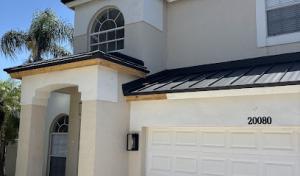
All Pro Roofing Group
(786) 891-4117 www.allproroofinggroup.com
2160 W 10th Ave, Hialeah, Florida
5.0 from 58 reviews
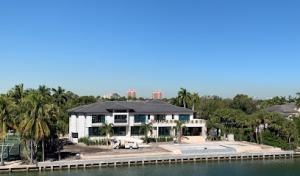
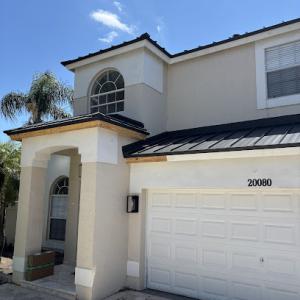
All Pro Roofing Group
(786) 891-4117 www.allproroofinggroup.com
2160 W 10th Ave, Hialeah, Florida
5.0 from 58 reviews
Roofing. Metal, Tile, Shingle, Flat roofs. Roof repairs
Florida Roof-Tech
2730 W 78th St, Hialeah, Florida
4.6 from 146 reviews
Florida Roof-Tech is a residential and commercial roofing contractor established in 1990. We have years of experience in the business and believe in pursuing excellence. We offer complete roof replacement and roof repairs and a fair cost and with a very reliable roofing contractor. We are a very reliable and highly competent roofing contractor that will take care of your roofing projects? Get in touch with us today to schedule your free estimate.
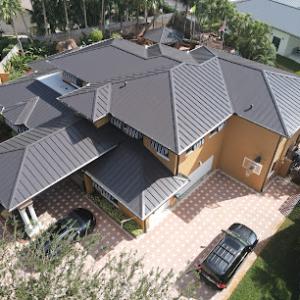
Z Roofing & Waterproofing
7709 W 20th Ave, Hialeah, Florida
4.6 from 139 reviews
Z Roofing & Waterproofing has been providing quality service in the commercial, residential, and industrial roofing industry since 1998. Our services include waterproofing, new roof installations, repairs, annual maintenance, and more. We are fully licensed and insured and offer warranties for up to 20 years, so that you can rest assured you’re protected. Our experienced team builds on years of expertise while incorporating the latest technological advancements to provide you with the best roofing and waterproofing services in the industry. At ZRW, we take pride in our work and concentrate on exceeding our customers’ expectations. We strive to create long term relationships with our clients by offering quality, integrity and lasting value.
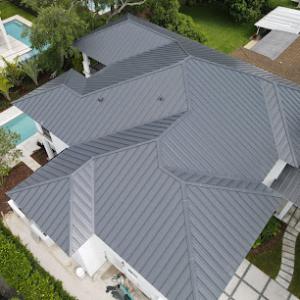
Top Seal Services
(305) 986-3270 topsealservices.com
1111 E 24th St, Hialeah, Florida
4.6 from 50 reviews
Top Seal Services is a Certified Roofing Company with over 25 years of experience located in Miami and Central Florida. We provide roof repair, roof replacement and new roof installations. We also install residential roof coatings as well as commercial roof coatings and waterproofing services. For all your roofing needs, make us your first call. We also offer 24-hour emergency roof repair!
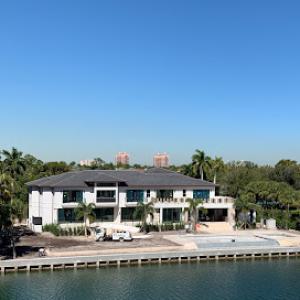
Coda Roofing
4678 E 10th Ln, Hialeah, Florida
4.2 from 30 reviews
We specialize in Clay, Concrete, Metal, Shingle, and TPO roofs. Re-roofing and New Construction for Residential and Commercial properties. We also specialize in Sika and Tremco waterproofing systems.
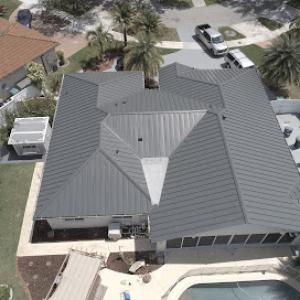
Sunlight Roofing
(305) 231-2000 sunlightroofing.com
Serving
5.0 from 193 reviews
Sunlight Roofing is South Florida’s trusted roofing contractor proudly serving Miami-Dade and Broward County. We specialize in roof repairs, roof replacement, and new roof installations for residential and commercial properties. Our licensed and insured team works with Metal, Shingle, and Tile Roofs, providing reliable, professional, and high-quality roofing services designed to protect your home or business. We take pride in delivering honest estimates, timely communication, and exceptional craftsmanship on every project. Call us anytime for a roof inspection or consultation and experience why homeowners and business owners across South Florida trust Sunlight Roofing for their roofing needs.
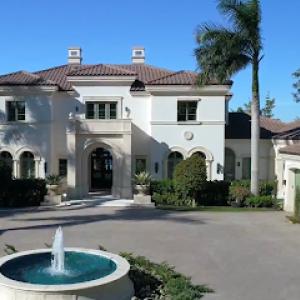
Omega Roofing
(954) 464-8699 commercialroofservicesfl.com
Serving
4.8 from 68 reviews
Benefits of Commercial & Residential Roofing Maintenance and Services We provide hard work Maintenance and Services for our Clients. Our Installed roofing systems with adequate maintenance avoids emergency call into your property. Early research helps identify issues; providing the resources for extending the life cycle of al types of the roofing systems. LEAKS MAKE A CHEAP ROOF EXPENSIVE. YOUR BUSINESS DESERVES THE BEST. WE DELIVER IT. GET IN TOUCH OMEGA COMMERCIAL ROOFING SYSTEMS Omega Florida Commercial & Residential Roofing Company Your roofing Experts in Dade and Broward County as well as South Florida

Roofing Nation Llc Roofing Contractor
(305) 249-1011 www.roofing-nation.com
Serving
5.0 from 80 reviews
Roofing Nation Roofing Contractor - Florida roofing license (#CCC1333780). Specialists in residential and commercial roof repair and replacement. As a roofing company, we offer commercial flat roof maintenance, repair, and replacement services. Services offered by our roofing company - Emergency roof repair and replacement - Roof inspections - Skylight installation and repair - Flashing repair and patching - Metal roofing contractor - New roofs - New roof financing Call us and request a free, no-obligation roof inspection and estimate. Roof replacement company specializing in flat roofs, tile roofs, metal roofs, commercial roofs, and galvanized roof systems. Roofing contractor near me in Hialeah Gardens and all of Miami-Dade County.
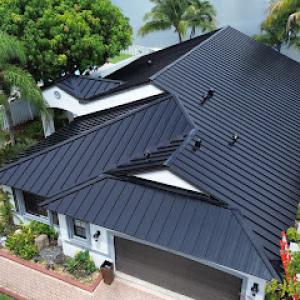
Metal Roof Master
(786) 351-3914 metalroofmaster.com
Serving
4.8 from 79 reviews
Metal coil supplier, metal panel manufacturing of aluminum metal, galvalume metal and copper metal roofing systems. Our 303 MPH tornado roof panel materials are made with the highest quality ideally for hurricane metal roofing systems to ensure durability and performance. Metal Roof Master has over 71 years of roofing experience in South Florida hurricane zones.
Builtech Roofing
Serving
4.9 from 56 reviews
Builtech Roofing is a licensed and insured roofing contractor proudly serving Miami-Dade and Broward County. We specialize in roof replacements, roof repairs, leak detection, and preventative maintenance for residential and commercial properties. Our team has hands-on experience with shingle, tile, metal, and flat roofing systems, delivering durable solutions designed for South Florida’s climate. From single-family homes to multi-building communities and commercial properties, we focus on quality workmanship, clear communication, and code-compliant installations. Contact Builtech Roofing today to schedule an inspection or consultation with a trusted local roofing professional.
Alonso Roofing
(305) 600-3393 www.alonsoroofing.com
Serving
4.9 from 68 reviews
At Alonso Roofing, we are proud to offer quality, reliable roofing services to the Hialeah and North Miami areas. We are a roofing contractor that was built on family values, and we make sure every job is done right the first time. We can complete both residential and commercial roofing services, from constructing entirely new roofs to repairing your current one. Ask us today for a free quote!
Property Solutions
(954) 200-8975 propertysolutionsfl.com
Serving
4.9 from 95 reviews
Our roofing & solar energy system services prioritize the safety of our customers. Every installation is promised to ensure quality storm protection.
Summer in the local area brings relentless afternoon downpours that hit with little warning. Hialeah's wet-season thunderstorms can turn small roof defects into active interior leaks quickly because repeated heavy rain events arrive throughout summer rather than as isolated storms. That means a tiny crack or a missing shingle edge today can become a soaked ceiling tomorrow, and interior damage can cascade fast through ceilings, walls, and insulation. The rhythm is continuous, not occasional, so every potential weak spot on a tile or metal roof deserves immediate attention when you spot it.
With tile-heavy housing stock, shallow penetrations, vent collars, and edge fasteners are common vulnerability points. Look for hairline cracks across ridge caps, softened mortar at the hip line, displaced tiles, or any granule loss along the eaves. When a downpour hits, listen for dripping in attic spaces and inspect exterior walls for damp spots near the roofline. In a climate where storms arrive in rapid succession, even a temporary tarping plan should be ready to deploy at a moment's notice to protect living spaces while a professional is en route.
Work interruptions are a real local scheduling issue, since tear-off, dry-in, and material staging can be disrupted by sudden afternoon downpours common across the Miami area. If a reroof is in the plan, coordinate with contractors to cluster outdoor activities in windows between storms and maintain a short-term contingency to shield the project from an unexpected shower. Quick, focused inspections after a heavy rain can catch issues early, minimizing water intrusion during the next round of storms.
The strong prevalence of emergency repair services in Hialeah reflects homeowner demand for tarping and rapid leak response during stormy months, not just planned replacements. Keep a readily accessible emergency tarp kit and a list of trusted responders who can arrive quickly when a leak is detected. In the event of active leakage, prioritize temporary containment-cover the affected area with a sturdy tarp, elevate and protect electrical fixtures, and document the damage with photos for rapid insurer or contractor reference. A fast response reduces interior damage and buys time for a coordinated repair plan.
Install and regularly inspect high-risk features: secure ridge caps, reinforced edge details, and properly sealed penetrations. Maintain clear drainage paths on the roof and keep gutters free of debris to prevent water backup that compounds leaks during heavy storms. In this climate, readiness isn't a one-time step-it's a continuous habit.
When you can't wait, these contractors offer fast response times to stop leaks and prevent further damage.
Top Seal Services
(305) 986-3270 topsealservices.com
1111 E 24th St, Hialeah, Florida
4.6 from 50 reviews
Roofing Nation Llc Roofing Contractor
(305) 249-1011 www.roofing-nation.com
Serving
5.0 from 80 reviews
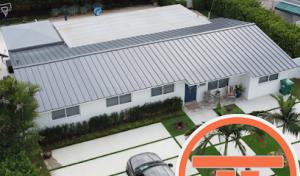
Although tile dominates many main rooflines, a meaningful share of homes in this area feature flat or low-slope sections on additions, porches, carports, and some mixed-use structures that blend residential and small-scale commercial elements. Those low-slope pockets behave differently from the steep main roof, so treat them as a separate system with its own maintenance rhythm and failure points. In practice, plan for a reliable transition where the flat portion meets the tile or shingle roof, paying close attention to fascia, flashing, and edge details.
In the high-humidity, high-rain environment, ponding water and drainage problems on low-slope roofs can become chronic if scuppers, drains, or transitions are poorly maintained. Inspect drains and scuppers twice a year, and after major storms, for blockages or sagging. Ensure the edge details shed water toward the drain and not toward the interior walls. Check the internal transitions where the flat roof sits against the main roof: misaligned flashings there invite slow leaks that are tough to locate from above.
If the main roof is tile, the flat section should be treated as a separate assembly with compatible flashing and membrane details. Select a low-slope roofing system that tolerates heat and tropical moisture, and install continuous insulation and a robust vapor barrier to reduce condensation risk. Pay particular attention to the interface where the flat roof meets parapets or tile overhangs; compelled movement at these joints is a common leak source in this climate.
Create a simple reminder to walk the flat areas after heavy rains, looking for standing water, pool edges, or soft spots in the deck. Remember that fasteners and sealants tend to deteriorate with heat exposure, so reseal or replace overly aged components proactively. Keep a close eye on joints around vents, condensate lines, and any skylight penetrations common to retrofitted additions.
Local contractor demand for flat-roof work suggests many homeowners are not dealing with a single roof type but with combinations of tile or shingle main roofs and low-slope secondary sections. When contracting, specify a seamless transition detailing that addresses both the vertical and horizontal planes, including edge flashing, parapet capping, and proper roof-to-wall termination. A careful integration reduces the likelihood of water finding its way into the interior through a shared seam.
Find specialists in TPO, EPDM, and built-up flat roofing systems for residential and commercial properties.
All Pro Roofing Group
(786) 891-4117 www.allproroofinggroup.com
2160 W 10th Ave, Hialeah, Florida
5.0 from 58 reviews
Top Seal Services
(305) 986-3270 topsealservices.com
1111 E 24th St, Hialeah, Florida
4.6 from 50 reviews
Provided local ranges run per square from $350 to $700 for asphalt shingles, $600 to $1200 for metal, $900 to $1800 for clay tile, $700 to $1400 for concrete tile, $550 to $1000 for wood shingles or shakes, and $600 to $1100 for synthetic or composite shingles. Those figures reflect a neighborhood where roofs are often large, pitched, and built to endure long tropical seasons. Material choice matters, but so does the work that accompanies tile systems in this market.
In this city, tile roofs aren't just about the tile itself. Tear-off and disposal of older roofs, underlayment upgrades, and the handling of heavier roof systems add meaningful cost. Clay and concrete tiles weigh significantly more than asphalt, so framing, fasteners, and installation labor ramp up quickly. If your home already has a tile stock, you're likely paying for careful removal of old layers and precise re-seating to maintain wind performance. Expect these added steps to show up in the overall bid, especially on larger or more complex layouts.
Storm-driven demand spikes can push scheduling and pricing pressure higher after major wind events, and the storm season in South Florida often tightens the window for getting a roof replaced. Extreme summer heat and frequent heavy rains can slow labor pacing and complicate logistics, from material delivery to crew accessibility on steep or tight lots. Plan for potential minor delays, but also know that reputable crews will prioritize securing wind-rated install details to keep roofs resilient through future storms.
If you're weighing options, think beyond the sticker price. A tile roof's long-term strength hinges on correct tear-off, disposal, underlayment, and careful handling of heavy materials. For asphalt or metal, the upfront costs may be lower, but in a densely built neighborhood with varied rooflines, those heavier tile systems often end up providing the best balance of durability and wind resistance. Getting multiple written bids that itemize tear-off, disposal, underlayment, and any required structural work helps you compare the true cost of a hurricane-ready re-roof.
After a major wind event, expect scheduling to compress and prices to adjust as crews swing into demand. If you need a tile re-roof, locking in a schedule early and confirming wind-resistance details in the contract reduces the risk of surprises when the crew arrives. In this market, solid communication with the contractor about material handling and sequencing can save both time and trouble when the weather finally cooperates.
Get a clear picture of your project costs upfront - no commitment required.
Roofing Nation Llc Roofing Contractor
(305) 249-1011 www.roofing-nation.com
Serving
5.0 from 80 reviews
In Hialeah, a full re-roof generally requires a permit through the city building department rather than being treated as minor maintenance. That distinction matters: a permit triggers formal reviews, documented tear-off, and a clear path to code compliance. If a contractor treats the job as simple maintenance, you risk missteps that can lead to code violations, rejected inspections, or costly rework. Ensure the project scope is defined up front and that the permit application reflects a complete tear-off, new underlayment, and proper roof venting.
Permit applications are typically submitted by the contractor or other licensed professional, not by the homeowner alone. Expect the process to include submission of plans that show the chosen roofing system, fastener schedules, and flashing details compatible with tile and Miami-Dade wind requirements. Inspections occur at key stages during tear-off and after installation, followed by a final approval for code compliance. If the contractor cannot coordinate these milestones, you risk delays that compound heat and storm exposure during the rebuild.
Because Miami-Dade County sits under Florida's high-wind regulatory environment, wind mitigation considerations and Florida Building Code compliance are especially relevant during review and inspection. The review will scrutinize how the roof connects to walls, the quality of flashings around chimneys and vents, and the protection of tile edges against uplift. The inspector may request documentation of underlayment type, fastening patterns, and hurricane clips or straps. Plan for a meticulous process that prioritizes wind resilience, even if your roof shows initial compliance in plans.
Create a clear line of communication with the licensed contractor about document timelines, required inspections, and any adjustments that arise during tear-off. Schedule inspections promptly and prepare for potential weather-related delays common in the season. If an inspection fails, identify the corrective steps quickly to avoid prolonged exposure to heat and rain and keep the re-roof moving toward final code approval.
In Hialeah, homeowners are navigating Florida's tough insurance market where hurricane exposure, wind claims, and carrier pullbacks directly affect roofing choices and replacement timing. The consequences aren't only about patching a leak; they can influence the ability to renew coverage or even get a policy renewed at all. The safer approach is to view your roof as part of an overall risk profile. A roof that stands up to wind and moisture reduces the chance of a hailstorm or tropical downpour turning into a claim that triggers a premium spike or a policy drop. The goal is to choose a system that minimizes exposure while fitting the home's tile-heavy layout.
Insurers commonly want documentation such as photos, dates of loss, repair records, and wind mitigation information. That makes pre-storm roof records especially valuable. Keep a dated album of the roof's current condition, including close-ups of fasteners, flashing, and any tile integrity issues. Save receipts and contractor notes for any temporary fixes, and maintain a simple log of roof work and weather events. When a claim is possible, having organized records can streamline the process and reduce back-and-forth. In some cases, carriers will request wind mitigation forms and upgrades completed before a major event; having these ready can prevent delays in claim handling.
In Hialeah, roofing decisions are often tied to insurability as much as leak prevention, since older roofs or poorly documented storm damage can complicate underwriting and renewals. If a roof is showing its age or lacks current wind-resistance features, insurers may challenge coverage or require proof of recent mitigation work. This isn't a scare tactic-it's a practical consequence of riding out Florida's climate and the market's risk assessments. Your best path is proactive, keeping up with weather-rated materials, solid anchoring, and a clear paper trail of maintenance. That approach protects both the home's structural performance and the wallet when renewal time rolls around.
Connect with contractors who help homeowners navigate the claims process from damage assessment to final approval.
Xpert Roofing of South Florida Corp. Doral, Fl
(786) 365-1160 xpertroofingflorida.com
Serving
4.7 from 52 reviews
A-1 Commercial Roofing Contractor
(786) 952-5012 www.a1roofingcontractors.com
Serving
4.5 from 114 reviews