
Last updated: Apr 19, 2026
Pompano Beach sits on the Atlantic side of Broward County, so your roof must be prepared for June through November hurricane season rather than winter freeze concerns. The city's coastal exposure means wind-driven rain is a major leak source even when the covering itself hasn't blown off. That means protective details-edges, hips, ridges, and penetrations-need to be treated as critical failure points, not nice-to-haves. When a major storm asks for a quick, reliable seal, you'll want a roof that behaves like a system, not a pile of parts. This section helps you plan for the highest-risk period, with actions you can take now and during the first hours after a storm.
Start with a visual audit of shingles, tiles, seams, and flashings. If you have coastal clay or concrete tiles, inspect for cracked tiles and loose fasteners, because salt in the air accelerates corrosion and stress on mounting. Metal roofs should be checked for sealant integrity at all seams and around vents; even a small gap can become a funnel for wind-driven rain. Flat roofs or low-slope systems must be evaluated for edge detail and drainage, since standing water can exacerbate leaks once the wind shifts and pushes rain through weak points. Plan a dry-season maintenance window because frequent summer thunderstorms can interrupt tear-off and dry-in work. Scheduling in a window with reliably calm days reduces the chance that you'll have to delay critical repairs when storm season arrives. A focused, professional inspection now pays off later by identifying underlayment vulnerabilities, flashing deterioration, and roof-to-wall interfaces that are easy to overlook.
If a storm is approaching and you notice active leaks, prioritize safety first. Use towels, buckets, or containers to manage water intrusions and prevent further interior damage. If a leak is streaming along a seam or under a vent pipe, document with photos from multiple angles while staying off the roof. Do not attempt to climb onto a roof in gale-force winds; let trained crews handle urgent repairs as soon as conditions allow. When the rain abates, conduct a restrained exterior check from ground level to identify obvious displacements or lifted shingles. Capture data for your contractor by noting wind direction, observed leaks, and any shingle or tile displacement you can safely verify from the ground. Quick, accurate information translates into faster, targeted post-storm response.
After a storm, the priority is to stop interior damage and secure the roof's critical failure points. Begin with a cautious exterior inspection from ground level to spot obvious issues: lifted edges, broken tiles, or displaced flashing. If you observe displaced fasteners or compromised sealant around chimneys, vents, or skylights, contact a professional immediately for a temporary fix designed to withstand residual wind and rain. Document everything with dates and photos and share these notes with your roofing team to guide triage and scheduling. A rapid response crew can apply temporary tarps, patch leaks, and stabilize the problem area while you arrange permanent repairs. In coastal systems, where wind-driven rain can exploit minor gaps, don't wait for a second storm to reassess the roof's protective envelope. The fastest path to resilience is a focused plan that addresses both the visible leak and the hidden pathways that wind can exploit.
Because wet conditions interrupt tear-off and dry-in work, align major projects with the dry-season calendar whenever possible. This reduces the risk of weather-driven delays during peak hurricane readiness windows. Coordination with experienced local crews matters: a contractor who understands coastal wind patterns, salt exposure, and the typical housing stock types-tiles, metal, and flat roofs-can design a robust detailing plan that minimizes future leak risk. The goal is a roof that not only withstands the first impact of a storm but also drains and seals efficiently as the rain moves in and out, preserving the home's interior during the most volatile months.
Tile roofs are a defining feature of this market, mirroring the South Florida housing stock and the large number of local tile-focused contractors. When considering tile on the coast, you should expect a broader range of profiles and installation approaches-from traditional barrel tiles to modern low-profile forms. Because tile work is so common, you can find crews who understand the wind uplift requirements and the need for solid substrate prep in salt-air environments. Practical steps: verify your chosen contractor's track record with coastal projects, and ask specifically about underlayment compatibility with Florida's humidity and heat. Schedule work for cooler mornings to protect edge installations from rapid thermal expansion, and insist on high-quality fasteners and corrosion-resistant metal clips where applicable to hold tiles securely during storm events.
Metal roofing is another major local specialty, driven by concerns over wind performance, longevity, and lower maintenance once installed. Homeowners weighing options should compare thickness, coating type, and fastener systems designed for salt spray and high humidity. Practical steps: choose a metal system with a proven coastal rating, and require hidden-fastener or corrosion-resistant exposed-fastener configurations appropriate for your roof geometry. Confirm panel seams are continuous and sealed with materials that resist salt-laden air. Consider color choices that reflect heat and help protect underlying sheathing, while recognizing that reflective coatings may require periodic renewal to maintain appearance and performance in this climate.
Salt-heavy air near the ocean makes finish quality, fastener selection, and corrosion resistance more important here than in inland Florida markets. Pay close attention to the finish warranty and the substrate preparation. In tile installations, ensure proper underlayment rated for high humidity and a frost-free, wind-driven environment; in metal, review the coating system and fastener materials, ensuring they are rated for salt exposure. Your local crew should show you examples of coastal projects and explain how they protected edges and penetrations from salt seepage and splash zones. A thorough inspection plan after storm surges or heavy rain will save you time and prevent hidden rust or tile edge failures.
For hurricane-season readiness, consider both tile and metal surfaces in terms of wind resistance and rapid response to leaks. Tile roofs benefit from continuous interlocking systems and sealants designed to resist salt and heat. Metal roofs require attention to panel laps, ridge caps, and penetrations around vents, skylights, and HVAC curbs, where corrosion can initiate if sealants degrade. Develop a post-storm inspection routine that focuses on exposed edges, flashings, and gutters, especially near the coast. If any lag in securing fasteners or flashing is observed, address it promptly with a coastal-capable contractor who understands the local wind patterns and the urgency of quick leak response.
Maintain a proactive maintenance habit that accounts for the coastal environment: annual inspections after the hurricane season, targeted cleaning of salt deposits from fasteners and seams, and timely resealing where necessary. Tile systems should be checked for cracked or displaced tiles after storms, with prompt replacement to prevent water intrusion behind the underlayment. Metal systems benefit from a corrosion check of exposed fasteners and painted edges, with repainting or resealing as needed to maintain a continuous protective coating. In this market, a dependable response culture-from diagnosis to repair-helps keep roofs performing through the next season's gusts and spray.
Find contractors who specialize in clay and concrete tile roofs, known for their durability and curb appeal.
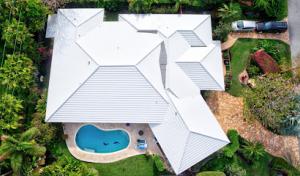
Monarch Roofing
(954) 426-8050 monarchroof.com
4629 N Dixie Hwy, Pompano Beach, Florida
5.0 from 138 reviews
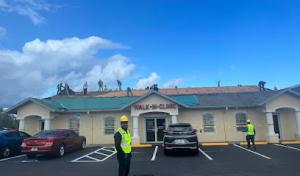
New Era Roofing Concepts
(954) 398-3193 www.neweraroofingconcepts.com
3311 NE 5th Ave, Pompano Beach, Florida
5.0 from 473 reviews
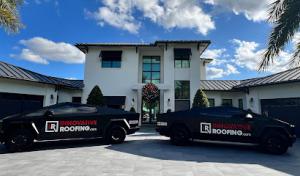
Innovative Roofing
(855) 455-6063 www.innovativeroofing.com
1254 SW 6th St, Pompano Beach, Florida
5.0 from 222 reviews
Monarch Roofing
(954) 426-8050 monarchroof.com
4629 N Dixie Hwy, Pompano Beach, Florida
5.0 from 138 reviews
Monarchs Roofing, established in 2005, reigns as the premier full-service roofing contractor within South Florida. Led by a dedicated family team, the company masters the artistry of asphalt shingles, tile, metal and flat roofing. Monarch's scope features projects from new installations to reroofing, repairs, and coating maintenance executed with swift craftsmanship and a commitment to integrity, guaranteeing an unmatched roofing experience for every client.
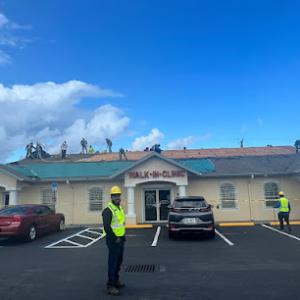
New Era Roofing Concepts
(954) 398-3193 www.neweraroofingconcepts.com
3311 NE 5th Ave, Pompano Beach, Florida
5.0 from 473 reviews
At New Era Roofing Concepts our mission is to build long term relationship with our community in Fort Lauderdale, and all of Broward County. Our Roofing License is CCC133700. We have workers comp insurance, great warranty, and we’re a multigenerational roofing company, with over 150 years of experience combined. We cover all of Broward County including Fort Lauderdale, Hollywood, Plantation, Deerfield Beach, Boca Raton, Pembroke Pines, Delray Beach, Hallandale, Boynton Beach, Pompano Beach, and Coral Springs. We do it all, we repair asphalt shingle, tile roofs, wood shake roofs, metal roofs, flat single ply roofs, TPO roofs, flat roofing systems, skylight repairs and skylight installations, commercial flat roofs, re-roofing! We do it all!
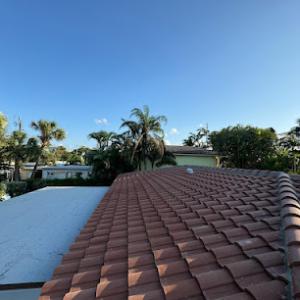
The Roof Xperts
(561) 740-5516 www.theroofxperts.com
1000 S Dixie Hwy W #8, Pompano Beach, Florida
4.9 from 598 reviews
The Roof Xperts service residential, commercial and industrial properties that are in need of quality roof work. We do all phases of roof work from repairs to re-roofs. We offer excellent warranties and our work is performed by seasoned professionals to provide quality control. Call us for any roofing problem, large or small!!

Innovative Roofing
(855) 455-6063 www.innovativeroofing.com
1254 SW 6th St, Pompano Beach, Florida
5.0 from 222 reviews
As a State Licensed and Certified Roofing Contractor, Innovative Roofing provides unsurpassed products and services to our valued customers. Innovative Roofing specializes in both Commercial and Residential roofing applications in South Florida. With our extensive knowledge in industry advancements and best practices, we are able to value engineer and offer turn-key solutions, even under the most demanding conditions. These attributes are what allows us to deliver unparalleled Customer Service & Workmanship time and time again.
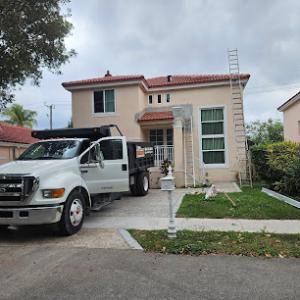
Hyer Quality Roofing & Construction
(954) 781-8556 www.hyerroofing.com
601 NE 24th Ave, Pompano Beach, Florida
5.0 from 106 reviews
Hyer Quality Roofing & Construction delivers premier roofing, re-roofing, and waterproofing services across Broward and Palm Beach County, ensuring quality at competitive prices. With over 20 years in the industry, we bring expertise to meet your needs, completing each project to leave you with results you’ll be proud of. No job is too large or small for us. We offer a more personal touch than other firms—many customers become friends. Our foundation of honesty, dependability, and top-quality work has driven our success, making us a trusted choice for South Florida’s roofing and construction needs.

FL Pro Roofing & Solar
(954) 803-7493 flproroofing.com
2141 NW 22nd St, Pompano Beach, Florida
5.0 from 132 reviews
Since 1997, Fl Pro Roofing and Solar, a My Florida Safe Home Approved Contractor, has been providing professional roofing solutions in the South Florida community. We pride ourselves on the quality of work that we conduct on a day-to-day basis. We provide roof installation and solar panel installation to commercial and residential customers. We have built great relationships with our clients over the years. Providing the highest quality of workmanship has always been our highest priority. Our vast experience and client relationships have become the most important components of our success. When you need an experienced roofer, give us a call!
Air Force Roofing
(954) 666-0864 airforceroofing.com
1960 NW 16th St, Pompano Beach, Florida
5.0 from 126 reviews
Air Force Roofing has over 20 years of experience providing the highest quality roof replacements, repairs and preventive maintenance services with only the top professional installers.
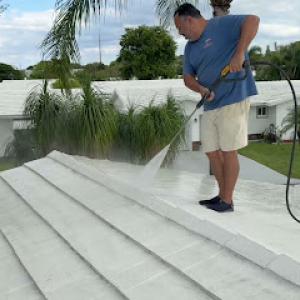
Low Price Roofing
812 NE 11th Ave, Pompano Beach, Florida
5.0 from 77 reviews
Low Price Roofing Florida's best since 25 years. we provide free estimates, same-day response. senior and veteran discounts. We do all types of roofing. Roof repairs, tiles, slats, shingles, flat roofs, silicone, metal roof, roof maintenance, roof Inspections. All work is guaranteed. We assure you we are one of the outstanding Local Roofing Companies in Pompano Beach, FL. Contact us today or visit our website for more information.
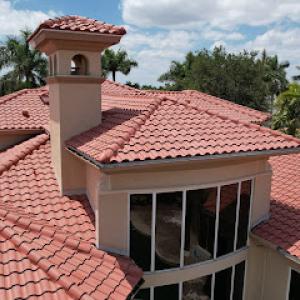
Elite Seal Roofing
(561) 273-5666 elitesealroofing.com
Office, 1000 E Atlantic Blvd, Pompano Beach, Florida
5.0 from 101 reviews
Elite Seal Roofing is a licensed and insured Florida roofing contractor . Providing services such as Roof replacement , Roof repairs , Roof Coating , Residential roofing , Commercial Roofing , Roof inspections , HOA Roofs . Specializing in Metal Roof ,Clay Tile Roof , Concrete Tile Roof , Asphalt Shingle Roof , BUR Roof , Low slope flat roofs , Silicone roof systems . Serving the areas of Miami Dade County , Broward County , Palm Beach County , Martin County , St. Luice County .
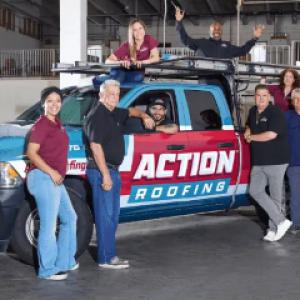
Action Roofing Services
(954) 787-5340 actionroofing.com
3009 NW 25th Ave, Pompano Beach, Florida
4.9 from 305 reviews
Action Roofing has been a trusted name in roofing services throughout Pompano, FL, for nearly 40 years, delivering expert craftsmanship and unmatched integrity. Specializing in residential and commercial projects, the company handles everything from routine maintenance and repairs to complex re-roofing and large-scale installations. As a leading tile roofer, they partner with top manufacturers like Owens Corning, Westlake, CertainTeed, GAF, and Eagle Roofing Products to ensure durable, high-quality results. Committed to a hassle-free process, Action Roofing works directly with public adjusters and insurance companies to streamline claims and repairs.
Distinctive Roofing
(954) 846-7663 distinctiveroofing.net
3635 Park Central Blvd N, Pompano Beach, Florida
4.9 from 159 reviews
At Distinctive Roofing, we’re passionate about roofing, but we’re even more passionate about serving our local customers with the best roofing experience around. Whether you’re a homeowner or managing a series of condominiums, you have a need for a solid roof built to last. That’s where we come in. With decades of roofing experience under our belts, we’ve been able to learn the best and most optimal roofing techniques and partner with top manufacturers for superior roofing materials and even better warranties.
T-rex Roofing
(954) 258-5977 www.gotrexroofing.com
2540 NE 11th Terrace, Pompano Beach, Florida
5.0 from 57 reviews
T-REX ROOFING is your trusted local roofing contractor serving Miami-Dade, Broward and Palm Beach County. We specialize in residential reroofing, roof repairs, and full roof replacements using high-quality materials and expert craftsmanship. Licensed and insured, we’re known for fast, reliable service and honest pricing. Whether you're dealing with storm damage or need a full roof upgrade, we offer free estimates and professional solutions designed to fit your home. Call today for expert roofing you can count on.
Flat and low-slope roofing is a meaningful local category, especially on condos, multifamily buildings, additions, and commercial properties common in coastal South Florida. The combination of salt-laden humidity and persistent wind exposure means membranes and flashing live with a tougher environment than many dry regions. In tropical downpours, drainage performance becomes a bigger practical issue than snow load or ice damming. A small edge void or subtle membrane wrinkle may not matter on a sunny day, but when a wall of rain pounds onto a terrace or rooftop, those tiny weak points can reveal themselves quickly.
Ponding water is more than an aesthetic concern; it directly translates to faster deterioration and higher leak risk during the wet season. Look for any areas where water tends to collect after a downpour-these spots are your warning lights. Check the slope along perimeter walls, inside transitions near parapets, and around any penetrations such as HVAC curbs, vents, or skylights. Over time, pooled water can soften substrates, stress seams, and push membranes toward seam failure. In this climate, even slight sagging or localized drainage changes can become leak portals within hours of rain.
When a heavy shower hits, interior leaks can materialize swiftly. If you notice staining, damp ceilings, or warped drywall after a storm, document the date and the exact location of any signs. Do not wait for the next inspection cycle to address it. Small patch spots may look tempting as a temporary fix, but aging or damaged membranes beneath can continue to fail. If you identify active dripping, reduce interior damage by moving belongings away from affected walls, placing buckets under the leak path, and protecting electrical fixtures until a professional can assess the roof system.
Regular, targeted inspections after heavy rains help catch problems before they cascade. Focus on seams, edge details, chimney and vent flashings, and any flashing terminations near the parapet. Clean debris from roof drains and scuppers so water can exit freely. Flag anything that smells or looks bubbled, stretched, or curled, and arrange a professional evaluation promptly. In a coastal environment, the goal is not perfection but resilience: keeping the drainage path clear, the membrane intact, and the flashing sleeves fully secured so a routine shower doesn't become a headline leak.
Find specialists in TPO, EPDM, and built-up flat roofing systems for residential and commercial properties.
Monarch Roofing
(954) 426-8050 monarchroof.com
4629 N Dixie Hwy, Pompano Beach, Florida
5.0 from 138 reviews
New Era Roofing Concepts
(954) 398-3193 www.neweraroofingconcepts.com
3311 NE 5th Ave, Pompano Beach, Florida
5.0 from 473 reviews
Hyer Quality Roofing & Construction
(954) 781-8556 www.hyerroofing.com
601 NE 24th Ave, Pompano Beach, Florida
5.0 from 106 reviews
In this city, the June to November storm window and the July-to-September heat and humidity peak directly shape when you schedule a reroof. The off-season lull is short, and by the time you're past early fall you're often measuring a tighter window for material availability and crew mobilization. Plan with the assumption that late spring and early summer are your best bets for pre-storm reroofs, but stay flexible for sudden weather shifts that can push work into the shoulder months.
The practical rule is to lock in a start date well before peak season-ideally when forecasts begin to show consistent tropical activity, not just when a system appears in the Atlantic. Material deliveries can be delayed by coastal supply lines, so confirm lead times and have a contingency plan for suppliers. If a tropical system forms, expect contractor schedules to tighten within days as crews shift to emergency leak responses for neighboring homes and commercial properties.
July through September brings the highest heat and humidity, which affects both the pace of work and the quality control on underlayment and sealants. Plan for mid-morning start times, with shaded breaks and hydration for crews, and coordinate temporary shade or fans at the job site. Weather-induced delays-heavy afternoon downpours, elevated humidity, and heat advisories-are common, so build built-in buffers in the project timeline.
After a tropical system affects Broward County, post-storm demand can spike, tightening contractor availability. If a system impacts the area, expect potential short-notice scheduling changes and accelerated timelines to address leaks and wind damage. Maintain open lines of communication with your contractor about response priorities: temporary coverings, tarping, and emergency leak mitigation should be part of the immediate plan while a full reroof is organized.
Even as peak season winds down, sudden rain events remain possible. Do not assume risk drops immediately after the peak summer period. October and November can still bring rapid weather shifts that interrupt ordinary workflows. Have a plan for temporary weatherproofing and rapid mobilization if a late-season system threatens exposed roofs. Staying proactive helps ensure your reroof proceeds without protracted delays when the next storm is forecast.
Get a clear picture of your project costs upfront - no commitment required.
T-rex Roofing
(954) 258-5977 www.gotrexroofing.com
2540 NE 11th Terrace, Pompano Beach, Florida
5.0 from 57 reviews
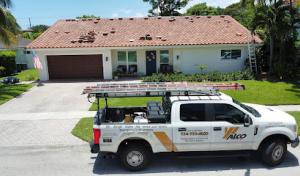
Alco Roofing
(754) 755-2526 alcoroofingfl.com
709 NE 3rd Ave, Pompano Beach, Florida
4.9 from 116 reviews
In this coastal town, a full reroof requires a permit processed through Broward County's Building Department rather than being handled as permit-free maintenance. The permit governs the entire reroof scope, from demolition through completed installation, and must align with current Broward codes that respond to hurricane readiness and wind resistance. Preparation involves submitting project plans, material choices, and a notice of any structural changes. This process is designed to ensure that a reroof, especially in a wind-prone environment, meets the county's safety and performance standards. A permit acknowledgment is not a mere formality; it anchors inspections, approvals, and the ability to secure specialized materials that suit the coastal climate.
Local reroof projects are inspected at roof installation milestones and again for final approval, so scheduling and inspection signoff affect project duration. Expect inspections at key points such as after roof deck preparation, once underlayment and fasteners are in place, and after the finished roofing is installed. In Broward County, inspectors verify that fastener schedules, uplift resistance, and flashing details meet the specific wind-load requirements for the coast. Because inspections occur at defined milestones, coordinating with weather windows and contractor readiness can prevent delays. Plan for a window of time around inspections to accommodate any corrective work that might be requested on-site.
Wind mitigation documentation may be requested in connection with the reroof, which matters in this Broward coastal insurance environment. The process may involve compiling evidence such as roof deck attachments, type of underlayment, and details about roof-to-wall connections. Having this documentation prepared ahead of time can streamline the permit review and post-installation validation. For homeowners facing insurance considerations, the documentation not only supports compliance with county requirements but can also influence the coverage stance and potential premium impacts after the project is completed. In areas with frequent tropical weather exposure, ensuring a robust wind-resistive installation and a complete wind mitigation packet can help protect the investment and reduce downtime between permit approval and final occupancy. If the project is located in or near a storm-prone zone, working with a contractor who understands Broward's inspection cadence and wind requirements can help keep the reroof on schedule in the post-storm period.
Pompano Beach homeowners are operating in Florida's tightened insurance market, where wind and hurricane exposure heavily influence underwriting and roof-related documentation demands. In practice, that means carriers scrutinize how a roof held up under wind pressures, how it was installed, and whether the design aligns with current guidance for coastal climates. If a claim looks marginal, coverage decisions or credits can hinge on the details.
Adjusters in this market may ask for detailed photos, wind mitigation reports, and proof the roof work meets current code before granting coverage or credits. After a storm, clear, well-organized documentation is not optional-it can shape the speed of resolution and the eventual support you receive. Prepare to show layers, penetrations, fasteners, attic ventilation, and any retrofit work that improves wind resistance.
Because Broward County sees frequent wind-driven storm claims, documentation quality after a leak or storm event can affect both claim handling and future insurability. Keep a running file with date-stamped images of shingles, flashing, and connections, plus notes on repairs or replacements. A simple, thorough record can smooth future renewals, even if the roof was replaced years ago.
Invest in high-quality, current-technology wind mitigation measures that are visible from the attic and exterior, such as upgraded fasteners or improved nailing patterns. When a contractor completes a repair or replacement, request a concise summary that highlights wind-related enhancements and any code-match features. This kind of documentation tends to travel better with insurers and adjusters when storms threaten.
Connect with contractors who help homeowners navigate the claims process from damage assessment to final approval.
Monarch Roofing
(954) 426-8050 monarchroof.com
4629 N Dixie Hwy, Pompano Beach, Florida
5.0 from 138 reviews
Air Force Roofing
(954) 666-0864 airforceroofing.com
1960 NW 16th St, Pompano Beach, Florida
5.0 from 126 reviews
In this market, the mix of tile and metal roofs is far from rare, so project pricing often sits above basic shingle reroofs. The city's coastal exposure makes tile and metal choices common for wind resistance and long-term durability, which shifts the typical cost canvas upward. Concrete tile and clay tile commonly land in the higher end of the range, while metal roofs can push higher still when fasteners, coatings, and coastal hardware are factored in. Asphalt shingles remain a viable option, but a Pompano Beach project may still land closer to the upper end of their range due to installation challenges near salt air and the need for integrated underlayment and coastal detailing.
Asphalt shingles run from about 350 to 550 USD per square, but many coastal projects end up smoother into higher pricing because of fast-tracking storm-ready work and edge detailing. Metal roofing generally ranges from 600 to 1200 USD per square, reflecting coastal fasteners, corrosion-resistant hardware, and higher transport costs. Clay tile often sits between 900 and 1800 USD per square, driven by weight considerations, structural checks, and meticulous coastal detailing. Concrete tile comes in roughly 850 to 1700 USD per square, which aligns with the need for careful deck and parapet integration in salt-laden environments. Wood shingles/shakes and synthetic options sit in their respective bands, but coastal demand and wind, rain, and debris exposure can nudge pricing toward the upper ends of those ranges.
Storm-driven demand surges in Broward County can raise labor pressure and extend scheduling, especially after major wind events. When a post-storm window opens, crews may be booked weeks out, and coastal crews with tile and metal specialty skills can command premium response times. This environment also affects material sourcing, lead times for coastal-grade underlayment, fasteners, and sealants, and can push a project's total cost beyond initial estimates if rushed work is required to prevent leaks during the peak of storm season.
If you anticipate a fast leak response need after a wind event, budgeting a contingency for expedited scheduling, coastal-code-compliant detailing, and enhanced fasteners is wise. Prioritize roof types with proven wind performance for the area and confirm that the chosen materials receive corrosion-resistant coatings appropriate for salt air. Talk through sequencing, staging, and debris management with the contractor to minimize additional access and labor costs during peak storm periods.