
Last updated: Apr 19, 2026
Hollywood homeowners face the Atlantic hurricane season from June through November, when wind exposure, heavy rain, and contractor backlogs can turn minor roof defects into interior damage quickly. That means a small leak today can become a major ceiling collapse once a tropical storm stirs the air. Start with a focused, pre-season check: inspect visibly for loose shingles, exposed underlayment, and gaps where wind-driven rain could pry open a seam. If a roof edge shows any lift or the attic feels damp after a heavy downpour, treat it as a high-priority defect. In six-month terms, you're balancing the risk of a fast-moving storm with the time pressures of repairs, so act on small issues before a named storm changes the game.
The city's hot, humid wet season overlaps with peak storm months, so leak tracing, underlayment failures, and drying-in work are harder to schedule than in the late-fall-to-spring dry season. When a storm warning hits, crews flood in, and backlogs spike. That means you should align improvements with forecasted dry spells rather than wait for a convenient weekend. If moisture is detected in the attic or ceiling, don't delay tracing the source to its origin. Pinpoint whether the issue lies with penetrations, chimneys, or flashing, then address it with a targeted fix that won't be undone by the next gust. A proactive approach reduces the chance of rush decisions under pressure, which often leads to suboptimal material choices or incomplete drying and sealing.
The mix of coastal tile roofs, inland shingle re-roofs, and many low-slope systems means you'll encounter a range of repair realities. Clay and concrete tiles can crack under direct impact or extreme wind if fasteners are aged or improperly installed, while asphalt and synthetic shingles may suffer lift at the edges during a hurricane-driven gust. Low-slope roofs in mid-century homes can trap moisture if drainage and flashing aren't pristine. For any upgrade or patch, insist on proven wind-mitigation details: properly sealed penetrations, reinforced flashing at valleys and eaves, and a waterproofed drying-in plan that minimizes exposure time. If an upgrade is needed, plan around the possibility of insurance-driven documentation, so the chosen system not only resists the next storm but also supports insurability after a claim.
Because South Florida insurers increasingly want wind-mitigation documentation after upgrades or storm claims, roof replacements are often planned around both storm readiness and insurability rather than age alone. A replacement plan should consider the likelihood of back-to-back storms and the availability of skilled crews who can execute a complete, air-tight drying-in and re-sealing sequence quickly. Coordinate replacement windows to avoid peak hurricane activity, aiming for a short, tightly managed project that minimizes exposure and reduces the risk of wind-driven intrusion during the work. In practice, this means setting milestones with your contractor: pre-cut components delivered during calmer weeks, a staged removal and replacement to keep the interior protected, and a clear drying-in protocol that preserves your attic's ventilation balance while the roof is opened.
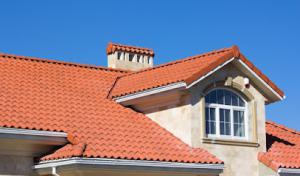
In this market, clay and concrete tile are common sights on Broward County homes, and their popularity isn't hard to justify-durability, curb appeal, and compatibility with coastal climates. Yet failures often show up not at the visible tile but underneath: aging underlayment can wear out or shrink long before the tiles themselves. From the street, a roof may look serviceable while leaks quietly take hold in the attic or between deck profiles. The key clue is damp rafters or staining that doesn't match visible tile damage. When planning repairs, inspect the underlayment age as closely as the tile condition, especially on older or mid-century homes with mixed roof lines.
Hollywood's housing stock spans tile-roofed single-family homes, low-slope sections, and multifamily or commercial builds with flat or near-flat surfaces. These transitions demand different repair and replacement strategies. A tile roof that adjoins a low-slope area can develop drainage or flashing gaps at the seam, allowing water to infiltrate at the transition point rather than over the tile field. Pay particular attention to valley flashing, step flashing where the tile meets a low-slope roof, and the edge details along parapets. When a transition shows signs of water intrusion, the remedy often requires targeted flashing upgrades rather than a full roof replacement on the entire structure.
In this climate, the roof's underlayment handles wind-driven rain and seasonal humidity. When underlayment ages, it loses its ability to seal, and moisture can travel laterally, presenting as surface staining or delayed leaks after heavy rains. The symptom can mimic a failing tile or shingle, which may mislead overlook-and-patch approaches. In practice, this means that any reroofing decision should factor in underlayment condition as a primary consideration, not a secondary afterthought. A sound approach is to sequence inspections: first identify the visible roofing products, second assess the flashing and transitions, and third verify the integrity and age of the underlayment before selecting replacement materials.
A substantial portion of Hollywood's homes mixes pitched roofs with flat or low-slope areas, creating a mosaic of aging conditions. Additions, porches, and carports often piggyback onto existing pitched roofs, changing drainage patterns and sometimes creating hidden pockets of moisture. This reality pushes the urgency for storm-driven re-roof timing decisions. In practice, that means staging replacements in a way that aligns the life expectancy of high-slope tiles with that of flat-roof membranes and their flashing details. If the low-slope portion shows signs of aging or poor drainage, addressing that section first can prevent cascading leaks into the prepared tile areas.
The coastal-influenced environment brings salt exposure, wind-driven rain, and rapid temperature swings. A proactive cadence-seasonal visual checks, targeted inspections after hurricane season, and a plan for resealing or replacing underlayment before the heat of summer-helps prevent stress fractures and sealant failures that compromise both tile and flat-roof sections. For mid-century homes with flat extensions, consider reinforcing drainage paths at the terminations and ensuring that parapet edges maintain their seal. Keeping gutters, downspouts, and flashings clear and intact is not just cosmetic; it directly supports the longevity of metal, tile, and flat-roof systems under Hollywood's climate pressures.
Care Construction
(954) 551-0057 careconstructioninc.com
2640 Hollywood Blvd #200, Hollywood, Florida
5.0 from 155 reviews
Care is all about meeting the highest standards in commercial and residential roofing and window systems as well as concrete restoration and 40 years certification. We are skilled craftsmen and project managers who know how to marshal the right resources to achieve outstanding results that satisfy project budgets and timelines for high end, luxury properties. We listen to you and tailor the job to your specific desires. The quality of our work and your satisfaction with the results is all that matters to us. In South Florida, finding a roofing contractor who truly cares about the long term future of your property isn’t always easy. When you work with Care, you partner with a company you can believe in. Let us show you how much we care.
Trust My Roofer
5832 Stirling Rd, Hollywood, Florida
5.0 from 230 reviews
Trust My Roofer is the premier roofing repair and installation service in South Florida. Our team of experienced professionals has been providing the community with reliable roofing services. Whether you're looking for a brand new roof, needing repairs to existing roofing, or just need some maintenance attention, we have you covered from top to bottom! We take great pride in delivering superior customer service as well. Our staff go out of their way to make sure that every customer is completely satisfied – we view our relationship with you as a long term partnership. And best of all, Trust My Roofer offers competitive pricing that won’t break the bank while still delivering outstanding results.
Global Roofing Spec
(561) 914-6706 globalroofingspecinc.com
2761 Ocean Club Blvd unit 207, Hollywood, Florida
5.0 from 113 reviews
Global Roofing Spec offers top-notch residential and commercial roofing services you can rely on. Whether you need a new roof installation, maintenance, or repair, our team of experts ensures high-quality results and customer satisfaction. Trust us to protect your property with durable and efficient roofing solutions. Contact us today for all your roofing needs!
Dream Team Roofing
(954) 699-0090 dreamteammetalroofingandsolar.com
3100 Stirling Rd Unit #102, Hollywood, Florida
5.0 from 57 reviews
Dream Team Roofing has been a trusted roofing contractor, bringing decades of experience and excellence to Hollywood and its surrounding areas. With a commitment to quality and safety, their team of professionals provides comprehensive solutions for both residential and commercial properties. Specializing in new installations, repairs, and full replacements, they ensure every project is completed to the highest standards. Dream Team Roofing is dedicated to delivering superior craftsmanship and customer satisfaction, making them a leading choice for all your roofing needs.
Roof Giants
(954) 519-4637 www.roofgiants.com
3363 Sheridan St #209, Hollywood, Florida
4.9 from 111 reviews
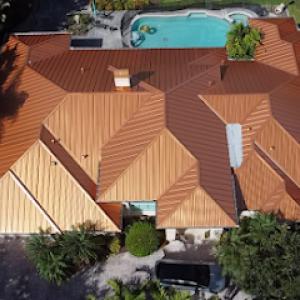
Roof Giants is a top-tier roofing contractor serving Broward, Palm Beach, and Miami-Dade counties in South Florida. Specializing in both residential and commercial roofing, we provide expert services for flat roofs, metal roofs, shingle roofs, and tile roofs. As a professional roofing company, we understand the importance of prompt service, offering next-day repairs and emergency assistance. If you're searching for "commercial roofing contractors near me" or need reliable local roofing contractors, Roof Giants has you covered. We offer competitive pricing for metal roof costs in Florida, ensuring quality and durability. Trust Roof Giants for all your Miami commercial roofing and residential roofing needs. Call us today!
Earl W. Johnston Roofing
(954) 989-7794 www.johnstonroofing.com
5721 Dewey St, Hollywood, Florida
4.8 from 389 reviews
ABOUT US A Certified Roofing Contractor Serving South Florida A roof makes up around one-third of a building’s total exterior, so any damage can seriously compromise the integrity of a structure. Earl W. Johnston Roofing, LLC specializes in roof repair for homes and businesses in the Hollywood area of South Florida. Our highly qualified team is ready to go to work on any residential or commercial roofing job. Repair, installation and maintenance services are just part of what we do; we are the full-service roofing contractor that our neighbors depend on. Our long-standing reputation for excellence has made Earl W. Johnston Roofing, LLC a preferred service provider for generations.
El Mago's Roofing
(786) 419-9600 elmagosroofing.com
6145 Johnson St, Hollywood, Florida
4.7 from 437 reviews
NO ROOFING TASK IS OUT OF OUR REACH. WE ARE THE ROOFING COMPANY THAT CAN DO IT ALL. Every structure needs a quality roof. Even if you had a top-notch roof installed years ago, it might be time for repairs. Whatever your circumstance, you can depend on El Mago's Roofing for the roofing services you need- residential roofing, commercial roofing, and repairs or replacements. We have the tools and experience required to handle any roofing job. From basic roof leak repairs to complete roof replacements, your building is in good hands with us. We are the roofing contractor that can handle the job. Email El Mago's Roofing now to discuss your roofing needs. Schedule your consultation today!
Century Roofing Specialists
(305) 210-1010 www.centuryroofingspecialists.com
1200 N Federal Hwy, Hollywood, Florida
5.0 from 35 reviews
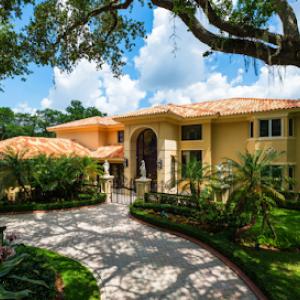
Century Roofing Specialists: Your Premier Roofing Company in Hollywood, FL Century Roofing Specialists is a top-rated roofing company, and the surrounding areas. We specialize in roof replacement, roof repairs, and roof installation services in Orlando, FL. Contact us today for all your roofing contractor needs! Since 2006, we have been among the leading roofing companies in Florida, known for our expertise in roof repair, installation, and replacement. We pride ourselves on delivering quality roofing services to our customers. Our commitment to high standards and exceptional work has kept us a trusted choice for roof services year after year. We take on roofing projects that other contractors may turn away. All our technic
Roofing Quality Consulting
2996 Lakewood Ln, Hollywood, Florida
4.9 from 36 reviews
Roofing Quality Consulting provides roofing inspections and quality consulting in Hollywood, FL. We help homeowners and property owners understand roof conditions, identify issues, and make confident repair or replacement decisions.
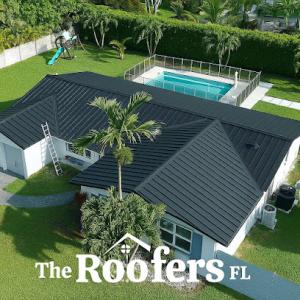
The Roofers FL
(954) 281-4118 www.theroofersfl.com
2950 N 28th Terrace #28, Hollywood, Florida
4.8 from 42 reviews
The Roofers FL is a trusted roofing company based in Hollywood, FL, proudly serving Broward County, Miami, and Palm Beach. Shingle Roof, Metal Roof, Tiles, and flat roof. Repair and Replacement. Commercial and residential.We specialize in roof repair and replacement for residential and commercial properties, offering solutions for flat, metal, shingle, tile roofs, and more. Quality work, honest service—your roof is in expert hands.
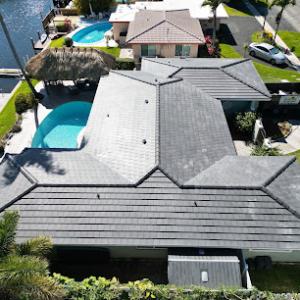
J & K Roofing
(954) 961-9879 jkroofinginc.com
2010 Sherman St, Hollywood, Florida
4.6 from 108 reviews
J & K Roofing, Inc., conveniently located at 2010 Sherman Street in the heart of Hollywood, Florida, is a premier roofing service provider dedicated to enhancing the protection and beauty of your property. Their team of skilled craftsmen, equipped with the latest techniques and materials, delivers exceptional roofing solutions tailored to your unique needs, ensuring your roof is not only functional but also aesthetically stunning.
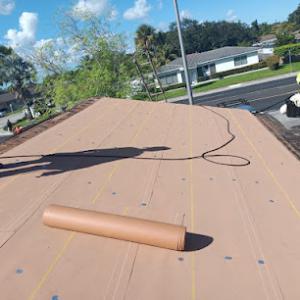
Carpediem Improvements
(888) 519-4555 carpediemsales.com
2719 Hollywood Blvd #247, Hollywood, Florida
4.7 from 48 reviews
Carpediem Improvements is your trusted roofing contractor in Hollywood, FL, serving Broward, Miami-Dade, and Palm Beach Counties. We specialize in residential and commercial roofing, providing expert services in roof repair, installation, and replacement for shingles, metal, slate, tile, and flat roofs. As a licensed, certified, and insured contractor, we pride ourselves on delivering high-quality, affordable solutions that meet your needs. Our experienced team is available six days a week, from 9 am to 6 pm, ensuring prompt and reliable service. Protect your home or business with Carpediem Improvements – where quality meets commitment. Contact us today for a free estimate!
In Hollywood, repeated summer thunderstorms can expose flashing and underlayment weaknesses long before a named storm arrives, especially where roofs have aging penetrations or mixed roof planes. Those tiny, almost invisible gaps around vent pipes, skylights, and chimneys can become darlings of wind-driven rain when the roof is already stressed from humidity and heat. A quick, hard shower may not flood a room, but it can push moisture into spaces that were never meant to carry it. The result is a cascade of slow-drying leaks that show up days or weeks later, not at the first sign of a storm.
High humidity in coastal Broward slows drying after intrusion, so homeowners often discover ceiling staining, attic moisture, or mold concerns after recurring rain rather than after a single event. In a climate where air rarely fully dries before the next storm, a single drenching can leave a damp footprint that compounds over time. That lingering dampness feeds rot, and gives mold a foothold in attic spaces and wall cavities. If you notice a musty odor or damp insulation, treat it as a warning sign, not a quirky quirk of the season.
Wind-driven rain is a local problem in South Florida storms, making edge details, valleys, wall intersections, and low-slope transitions more failure-prone than homeowners expect from a simple visual check. Edges and flashings bear the brunt of gusts, especially where roof planes meet or where a low-slope section tucks into a steeper area. Valleys that drain poorly or where two roof planes converge are particularly vulnerable to pooling and seepage during a heavy shower. A quick upstairs peek after a storm can reveal damp patches that the outdoor daylight view misses.
Look for subtle stains that appear after a stretch of rain rather than after a single event. Check attic spaces for condensation on wood, metal, or insulation and feel for warmth or humidity near penetrations. Examine ceiling drywall for any new halos or crunchy edges near vent stacks, skylights, or chimney bases. If a leak seems to surface only after prolonged wet weather, it's a clue that the root cause lies in a flashing seam, underlayment, or a compromised penetration rather than in a plainly visible water mark.
During the wet season, focus on inspections that target edge details and penetrations first. Have a trusted roofer re-seal flashing around penetrations, replace damaged underlayment in suspect areas, and address any aging joints before a major storm arrives. Document recurring spots with photos after each storm so you can track patterns over the season. Consider a dedicated moisture test in the attic if stains persist, as hidden dampness often travels along rafters and into insulation. In practice, prevention means catching the quiet failures early and treating dampness as a warning rather than a nuisance.
Find contractors experienced in skylight installation, flashing, and leak repairs to bring natural light into your home.
Global Roofing Spec
(561) 914-6706 globalroofingspecinc.com
2761 Ocean Club Blvd unit 207, Hollywood, Florida
5.0 from 113 reviews
In Hollywood, pricing for re-roofs shifts with South Florida storm demand. After tropical systems, emergency demand tightens labor availability and can push scheduling back weeks or even faster-filling weeks for full replacements. You'll notice crews prioritizing immediate needs, and you may see seasonal price bumps on both material and labor. Plan for a window where you have options: ask for early arrivals, confirm which portion of the project is contingent on weather, and understand that delays can cascade into higher daily crew rates if demand stays high. If you are considering a re-roof, build a flexible timeline with your contractor that accounts for potential short-notice changes caused by storms.
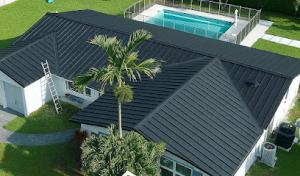
Tile and metal roofs are central to cost conversations in this area because they're common and require crews familiar with South Florida wind-resistance details. Tile, whether clay or concrete, typically commands higher up-front costs than asphalt but often yields longer service life in the hot, humid climate if properly installed. Metal, ranging into the higher end of per-square pricing, offers excellent wind performance when paired with correct fastening and underlayment. If you're weighing across tile and metal, insist on a breakdown that includes underlayment-compatible fasteners, wind-rated clips, and sealants designed for coastal conditions. For cities with mixed housing stock, the choice isn't only about upfront price-it's about performance under tropical downpours and gusts, and compatibility with older structures where tie-ins and roof geometry vary.
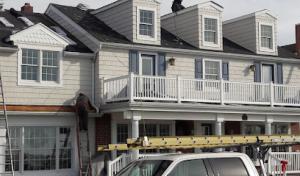
Hollywood's mix of older homes, multifamily properties, and low-slope tie-ins increases tear-off complexity compared with simple single-plane shingle replacements. Expect more triple-peak intersections, parapets, and transitions where a new roof must integrate with existing drainage and parapet walls. This can extend labor time and raise waste disposal costs. When you request bids, have the contractor itemize tear-off quantity, debris containment, and disposal fees, plus any extra bracing or scupper work needed for low-slope portions. For multi-family or 2-3 story setups, ensure accessibility plans are clear, because staging equipment and material carts add to daily costs.
If a storm threat looms, ask about weather-mitigated start dates and partial-day work options to keep some progress moving even when full replacement is delayed. Prioritize ensuring the roof deck is sound before installing new panels, so you don't trigger unnecessary callbacks if a quick tropical pulse damages sealants or flashing later. For overall value, request a fixed-price bid with a clearly defined phase approach: teardown, deck prep, underlayment, and final penetration sealing. This helps shield you from sudden price shifts caused by labor scarcity or material delays during peak storm windows.
The most popular roofing material in the US. Find pros who install, repair, and replace asphalt shingles.
Global Roofing Spec
(561) 914-6706 globalroofingspecinc.com
2761 Ocean Club Blvd unit 207, Hollywood, Florida
5.0 from 113 reviews
The Roofers FL
(954) 281-4118 www.theroofersfl.com
2950 N 28th Terrace #28, Hollywood, Florida
4.8 from 42 reviews
In Hollywood, most full re-roof projects require permits through the City of Hollywood Building Department rather than being handled informally by the contractor alone. Those permits are not just a formality; they establish a paper trail that confirms the work aligns with current Florida Building Code provisions and local amendments, especially in a city coping with hurricane-season wind and rain exposure. The permit process also serves as a safety checkpoint for work near coastal tile roofs, mid-century low-slope setups, and mixed roof lines common to the area. Starting with a permit helps prevent future insurance or resale headaches, and it clarifies responsibilities if issues arise later.
Hollywood projects can involve plan review for more complex roof designs, which matters for homes with multiple roof sections, specialty materials, or structural scope beyond a straightforward re-roof. If your project includes a standing-seam metal interface, clay or concrete tile transitions, or structural modifications to accommodate a new tile rack or underlayment system, expect the plan review to assess roofing geometry, load paths, and attachment methods. Even modest deviations from standard single-slope configurations-such as introducing dormers, skylights, or multiple ridges-can trigger additional scrutiny. Having clear, labeled plans and a concise materials list speeds up the review and reduces back-and-forth with the department.
Inspections occur during and after the work to confirm Florida code compliance, and wind-mitigation considerations can become part of the discussion on older homes or certain roof assemblies. A typical sequence includes an exterior inspection to verify eave and fascia treatment, ridge and hip fasteners, and proper underlayment installation, followed by interior checks if any structural framing work is performed. The wind-mitigation discussion is not just about meeting a box-ticking requirement; it can influence your roof's performance in hurricane season by validating components like roof-to-wall connections and secondary water barriers. Expect a final inspection to verify that all permits are closed out and that the installation matches the approved plans.
Coordinate with the permit office early to align scheduling with the contractor's sequence, especially if there will be multiple crews for sheathing, underlayment, and tile or shingle installations. Any changes to the original plan-material substitutions, altered layouts, or added vents-should be re-submitted for review to avoid delays or compliance issues. Ensure the contractor provides documentation of wind-load considerations and compatible fasteners, as required for the specific roof type. Keeping these steps in mind reduces the risk of work stoppages and helps ensure the roof protection remains robust when the next storm rolls in.
In Broward County, insurers have tightened underwriting in high-risk coastal areas, and the condition of your roof directly affects renewals and premiums. If your roof shows wear, missing shingles, or aging underlayment, expect more scrutiny, higher deductibles, or even non-renewal notes. This is not theoretical: your day-to-day decisions about maintenance, upgrades, and documentation can affect whether you keep coverage without sudden premium jumps.
Wind-mitigation forms, installation photos, and builder or material specifications are increasingly important in Hollywood because insurers may request documentation before honoring discounts or processing roof-related claims. Gather stamped plans, product specs, and a clear record of retrofits or approved upgrades. When you replace a roof, make sure the contractor provides comprehensive wind-resistance details and quality-control photos. Keep a dated, organized portfolio you can share quickly if a renewal or claim arises.
During active storm periods in South Florida, adjuster timelines can slow down, so Hollywood homeowners benefit from documenting damage immediately and preserving evidence before temporary repairs are made. Photograph any penetration points, detached flashing, or uplifted shingles from multiple angles and heights. Do not rely on memory if claims are challenged later-timestamp images, note dates, and record weather conditions. If temporary tarping or cover-ups are needed, document the process and materials used, then follow up with a formal inspection as soon as access is possible.
Prioritize timely roof-care tasks that support favorable insurance outcomes: schedule professional inspections after hurricane season, invest in visible improvements with documented wind-rated products, and organize your claims-ready files before a storm hits. When the time comes, you'll already be ahead of the curve, with clear records that can streamline renewals, discounts, and potential payouts.
Connect with contractors who help homeowners navigate the claims process from damage assessment to final approval.
Care Construction
(954) 551-0057 careconstructioninc.com
2640 Hollywood Blvd #200, Hollywood, Florida
5.0 from 155 reviews
Dream Team Roofing
(954) 699-0090 dreamteammetalroofingandsolar.com
3100 Stirling Rd Unit #102, Hollywood, Florida
5.0 from 57 reviews
Late fall through spring is generally the easier replacement window in this city because it avoids the heaviest rain pattern and reduces weather-related stoppages. If planning around the storm season, target a sequence of dry, cool days that let crews work steadily from morning through early afternoon. In this period, material handling is smoother and tarps, edge protection, and temporary weather barriers stay in place without the constant wash of rain. For homes with coastal tile or low-slope roofs, matching a window with a string of dry days minimizes re-cleaning and reduces the chance of wind-blown debris entering the attic or living spaces during the project.
Summer scheduling is harder not just because of rain but because extreme heat and humidity affect crew productivity and material handling on exposed roofs. If replacement must occur in the hottest months, plan for longer workdays with shaded storage and frequent breaks for workers and for material cooling. Early start times can help avoid the peak heat, and you may need additional site protection to prevent heat damage to underlayment and synthetic underlayment products. In dense neighborhoods, path clearances and neighbor coordination become more critical to keep streets and driveways free of interruptions during hot afternoons and sudden downpours.
Dry-season work still requires planning for windy conditions and site protection, especially on tile tear-offs and projects where debris control matters. Tall or protruding tiles can act like sails in brisk episodes, so securing all loose pieces and using edge wraps for gutters prevents wind-driven project fallout. For mid-century homes with low-slope roofs, ensure temporary windbreaks or netting are set up, since blown granules and shingles pose a greater risk to nearby properties and landscaping. Schedule with weather outlooks in mind, keeping a short buffer of flexible days to absorb unexpected wind or stray shower passages without stalling the project.