Last updated: Apr 19, 2026
This barrier island sits on a narrow Atlantic line, so every roof faces unbroken coastal winds and rain-driven onshore and offshore storm paths. If a roof isn't configured for direct wind pressure from both oceanfront and bay-side approaches, debris and rain can infiltrate at joints, penetrations, and edge details long before a hurricane warning arrives. Prioritize a roof system that minimizes fastener penetrations through the roof plane, and choose materials and assemblies that resist uplift in a straight, salt-laden wind stream. A well-sealed roof with continuous perimeters and properly integrated venting reduces the chance that a single weak point becomes a channel for wind-driven water.
South Florida's weather window tightens quickly when tropical systems develop. Access to roofs, staging areas, and crews can evaporate as storms approach, leaving partial repairs or compromised installations in their wake. In practical terms, plan for installations and major repairs to be weather-resilient even under short notice. Prioritize assemblies that can be completed rapidly and that hold integrity under compressed schedules. When a hurricane threat emerges, you'll want a system that doesn't require last-minute retrofit work or patching that could fail under gusts and driving rain. This means choosing roof components and attachment methods that are proven to perform under rapid deployment, with redundancy built into critical joints and penetrations.
Salt-heavy marine air accelerates corrosion at fasteners, flashings, edge metal, and rooftop equipment connections. Your roof should use corrosion-resistant alloys or coatings, especially in exposed eave lines, ridge caps, and edge trim. Flashings must be continuous and integrated with high-quality sealants that tolerate constant salt exposure and sun. Consider through-fastened or corrosion-dominant attachment schemes that keep fasteners concealed yet accessible for inspection. Pay attention to rooftop equipment penetrations-HVAC curbs, ductwork, and plumbing vents-that are often the first breakpoints for corrosion and moisture intrusion. A system designed with salt-air realities in mind will hold up longer between service visits and resist the gradual creep of rust that undermines wind resistance.
The roof's edge is a common failure point when storm winds press water up and over parapets or eave lines. Edge metal should be paired with corrosion-resistant caps and properly sealed joints to prevent water from migrating under shingles, tiles, or metal coverings. Flashing transitions around chimney openings, penthouses, and vents must be bracketed with robust sealant channels and tested under simulated wind-driven rain conditions. For tile or shake roofs, ensure the underlayment and nailing patterns provide continuous coverage above the drip edge, so wind-driven rain cannot find its way beneath the upper layers. If the edge isn't robust, the entire roof's resistance to a hurricane can be compromised by a single mismanaged stroke of wind.
In these conditions, a roofing system should not rely on a single defensive element. Redundant sealing at joints, overlapping layers, and weatherproof membranes under tile, shingle, or metal coverings create a fail-safe network. While Mediterranean tile or concrete tile bring aesthetic and durability benefits, the system must be paired with an appropriate underlayment and attachment method for uplift resistance and salt tolerance. For low-slope buildings, emphasize water-shedding design, continuous membrane transitions, and enhanced edge detailing that protect against wind-driven rain across the full footprint. In all cases, select components with proven performance in harsh coastal climates and ensure that the installation integrates seamlessly with the chosen materials for a unified hurricane-ready envelope.
The housing stock here shows a clear split: Mediterranean-style homes with clay and concrete tile roofs, and a dense array of low-slope roofs on condos, apartments, hotels, and commercial buildings. Tile roofs sit on elevations and fascias that face salt air and intense sun, while low-slope systems must contend with frequent tropical downpours and the risk of standing water. The coastal climate shapes every decision, from fast-drying underlayment choices to fasteners that resist corrosion and wind scour.
Tile roofs are common and attractive, but in hurricane season they reveal their vulnerabilities. Cracked or displaced tiles are a real risk after strong gusts and flying debris, and even small gaps can become routes for moisture intrusion. When tiles crack or lift, the underlayment and substrate are exposed, which accelerates moisture problems in attic spaces and ceilings. In addition, salt-laden air accelerates wear on fasteners and metal components around roof openings. A practical plan is to inspect after any severe wind event and to replace damaged tiles promptly to maintain an intact, wind-resistant surface. Regular niche maintenance-checking ridge caps, hip tiles, and flashings-reduces the chance that a minor issue becomes a leak path during the next storm.
Low-slope roofs here face ponding risk due to frequent heavy showers and coastal drainage patterns. Seam failure or compromised flashing can produce slow leaks that mimic other roof problems, making diagnosis tricky in condo or multifamily settings. A key practice is to keep the surface clean and free of debris that blocks scuppers or drains. Inspect seam tape, membrane laps, and flashing around parapets and vents after major rain events. If a repeat leak trace points toward a seam or flashing, plan targeted repairs rather than a full roof replacement. Because buildings are often tightly spaced or attached, shrinkage and movement at walls can stress the roof edge; ensure edge metal and sealants are thoroughly maintained and replaced when signs of deterioration appear.
Leak tracing on attached buildings is inherently more complex than on detached homes. Water can travel along roof sheathing and through wall cavities before a visible sign appears. Start with a systematic approach: map all penetration points (vents, HVAC, skylights, plumbing stacks) and test each with controlled moisture introduction or dye tracing if needed. Move methodically from the most likely source to the least, checking interior ceilings and walls for signs that water follows a path beyond the obvious ceiling stain. In multifamily settings, coordinate with building management to isolate sections or units to identify the exact source without disrupting tenants or compromising shared structures.
Create a seasonal routine that prioritizes wind and moisture resilience. For tile roofs, replace any cracked or displaced tiles promptly, reseal ridge and hip caps, and confirm underlayment integrity behind suspect tiles. For low-slope roofs, keep drains clear, verify flashing at terminations, and inspect seams after heavy downpours. In all cases, document observed issues and address fastener corrosion or sealant failures quickly to extend the life of the roof system in a salt-air environment.
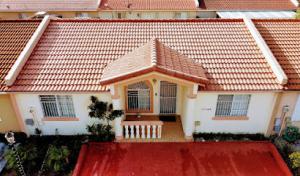
Find contractors who specialize in clay and concrete tile roofs, known for their durability and curb appeal.
Isaac David Roofing
1200 Normandy Dr, Miami Beach, Florida
5.0 from 54 reviews
Isaac David Roofing
1200 Normandy Dr, Miami Beach, Florida
5.0 from 54 reviews
GG Roofers is a Miami-based, family-owned roofing company with over 15 years of experience. We offer a wide range of services, including Roof Installation, Roof Replacement, and Roof repair, which includes Roof Vents, Gutters, and Skylight Installation and Repair. Our team of experienced and certified Roofers is dedicated to providing our customers with the highest quality workmanship and customer service. We are proud to be recognized as one of the Best Roofing Companies in Miami Beach, FL, and we offer a 10-year labor warranty on all New Roofs.
Palma Roofing
(786) 803-5439 palmaroofing.com
Serving
4.9 from 62 reviews
Welcome to Palma Roofing.Your Trusted Roofing Experts in South Florida.Third generation roofing company with over 50 years of combined experience, our expert roofing solutions in Miami Dade and Broward Counties provide affordable and reliable services. Our team prioritizes durability, delivering long-lasting results, backed by our warranty. Upgrade your roofing experience with our services: Standing Seam Metal Roofing System. Tile Roofing System. Dimensional Asphalt Shingle Roofing System. Low Slope Flat Roofing System. TPO Roofing System. Built-up roofing (BUR) Roofing Maintenance. Modify Bitumen Roofing. Roofing Installation And Repair. EPDM.
Dynasty Roofing
(786) 935-7228 dynastyroofingllc.us
Serving
4.9 from 106 reviews
Family business dedicated to serve Florida, Dynasty Roofing is a company that specializes in repair and installation of roof, we have more than 30 years of experience in all types of repairs and installation of roof. Commercial and domestic flat roof, we offer free estimate and help you determine which is the ideal roof for your home. Changing the roof of your house or repairing it can be a difficult process if you do not have the knowledge so in Dynasty Roofing we always educate our customers before making deals with them, we want to help you in your repair or installation of roof.
Ultra Roof Repair Miami
(305) 676-8110 ultraroofrepair.com
Serving
4.9 from 35 reviews
At Ultra Roof Repair Miami, we pride ourselves on delivering top-tier roofing solutions to homeowners and businesses across the greater Miami area. With years of experience in the industry, our team of skilled professionals is equipped to handle any roofing challenge, from minor repairs to complete replacements. We specialize in a wide range of roofing materials, including tile, shingle, metal, and flat roof systems, ensuring we can meet the diverse needs of our clients.Our team consists of certified roofing specialists who undergo regular training to stay abreast of the latest industry advancements. Choose Ultra Roof Repair Miami for unparalleled expertise and customer care that goes above and beyond.
Praxis Industries Inc (Roofing Contractors)
(305) 777-8922 www.praxisindustries.com
Serving
5.0 from 33 reviews
At Praxis Industries, we specialize in durable, high-performance roofing solutions tailored for both residential and commercial properties. Whether it’s installation, repairs, or full replacements, we guarantee expert craftsmanship and long-lasting protection.

Roofing 4 less FL
(305) 390-2523 roofing4lessflorida.com
Serving
4.9 from 60 reviews
Roofing 4 Less Florida is a trusted roofing contractor in Miami, FL, dedicated to providing top-notch roofing services, including repairs, replacement, and installations. With a solid reputation built over years of experience, we pride ourselves on delivering reliable, affordable, and long-lasting roofing solutions for both residential and commercial clients.
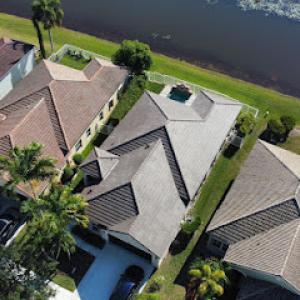
MRT Construction
Serving
5.0 from 105 reviews
MRT Construction is a Licensed, Insured & Bonded Commercial and Residential Roofing Contractor in the State of Florida that specializes in different types of roofing systems; working with homeowners, general contractors, real estate developers, and property management companies.
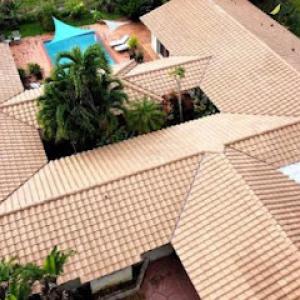
T&S Roofing Systems
(305) 676-7043 www.tsroofingsystems.com
Serving
4.8 from 1158 reviews
Since 2004, T&S Roofing Systems has been providing quality roofing services to homeowners and building owners in Miami-Dade and Broward County. Our team is focused on estimating projects accurately and installing roofs with the highest standard of quality.

Global Contractors
(305) 663-0000 globalcontractorsusa.com
Serving
5.0 from 103 reviews
We are licensed and insured and are highly experienced contractors in the field of home improvement. Collectively, we have been serving homeowners in South Florida for over 20 years and have worked on many many projects. Reliability is always a huge factor when it comes to home improvement projects. Our dedicated and reliable staff works diligently to get the job done quickly and efficiently. We make it our # 1 priority to show up on time and complete your home improvement project on schedule. We offer affordable financial options stemming from our long-term alliances with leading financial institutions.

Jireh Roofing Contractor USA
(305) 900-9322 www.jirehroofingcontractorusainc.com
Serving
4.9 from 210 reviews
Jireh Roofing Contractor USA, INC is a family-owned business with licenses covering Six significant construction categories. We specialize in delivering top-notch roofing and construction services to both commercial and residential property owners throughout the state of Florida. Our foundation rests upon years of experience, unwavering determination, and a commitment to craftsmanship. We pride ourselves on offering roofing and construction services that are not only high in quality but also affordable and reliable. Providing Roofing Service in Miami, Broward, Palm Beach County & Areas Near You! Disclaimer: We are NOT associated with any other “Jireh Roofing” we are a ONE AND ONLY entity under licensure as, Jireh Roofing Contractor USA INC!
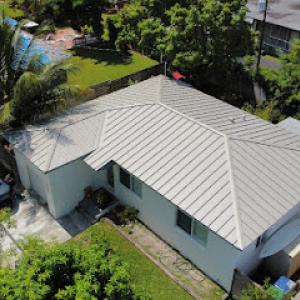
Centurion Roofing
(786) 372-4754 centurionroofing.net
Serving
4.9 from 63 reviews
Centurion Roofing, a family owned company since 2019, specializes in repairing and replacing commercial and residential roofs in Miami and Broward counties. With over 30 years of industry knowledge, our experienced roofers utilize high-quality materials to provide exceptional roofing solutions to protect your property while ensuring your peace of mind. Whether you need a minor repair or a complete roof replacement, Centurion Roofing offers affordable, reliable, and efficient services that will make your roofing project a seamless and satisfactory experience.
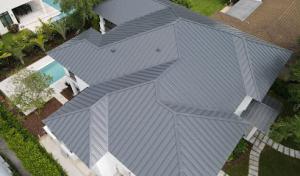
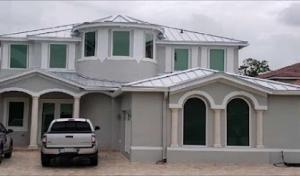
Metal roofing in a barrier island setting must be evaluated not just for wind performance but for how well panels, clips, fasteners, and trim hold up in a marine environment. The salt air accelerates corrosion on hardware and edges, so choosing metal systems with a corrosion-resistant coating and compatible accessories is essential. Pay attention to fastener material compatibility with the underlayment and deck, because even a top-tier panel can fail if the clips or screws begin to corrode or loosen after repeated storm-driven spray. In addition, consider the longevity of sealant joints around vents, chimneys, and rake lines; these are often the first points where moisture seeps in when salt-laden spray is whipped by strong winds. A robust installation requires not only a sound panel but a full package of corrosion-resistant trim, micro-sealants, and properly seated expansion gaps to prevent wind-driven moisture intrusion during storm cycles.
Asphalt shingles are used locally but can age faster under intense UV, heat, humidity, and frequent rain cycles than in cooler or drier regions. The sun's glare and high humidity accelerate granule loss and mat degradation, which weakens impact resistance and wind uplift performance over time. Look for fibrous compositions with UV-stable granules and reinforced mats that resist curling and splitting after repeated wet-dry cycles. In practice, this means paying special attention to edge and field configurations, ensuring proper nailing patterns for wind zones, and selecting lighter colors to reduce heat soak. Keep an eye on flashing around roof-to-wall transitions, skylights, and vents; improper flashing in a salt-air climate invites moisture infiltration behind the shingles and into the attic. Maintenance should include periodic inspection after hurricane season for granule loss, lifted edges, and any signs of fastener loosening.
Wood shingles and shakes are a less natural fit for a humid coastal climate because persistent moisture and storm exposure increase maintenance concerns. The high moisture content that wood experiences in this environment promotes faster swelling, warping, and fiber exposure at cut edges. In humid air, fasteners can back out as wood expands and contracts with heat and rainfall, creating gaps where water and salt begin their gradual intrusion. If wood is chosen, select rot-resistant species, factory-treated options, and thicker shingle profiles that weather better; expect more frequent caulking and re-sealing along trim and ridge lines. Regular inspections should focus on checking for soft spots, coating failures, and fastener corrosion in salt-air contact zones. Storm-driven debris can also gouge or split wooden coverings, so a proactive approach to trimming nearby trees and clearing roof lines helps mitigate degradation.
Neighborhoods with tile, metal, and flat-roof segments present a unique challenge: differential movement between materials under wind uplift and thermal cycling. When different systems share eave lines or beading, ensure that edge detailing remains watertight and that metal-to-tile interfaces are protected with compatible seals and flashing. The salt-air environment compounds maintenance needs, making early detection of corrosion, membrane failure, or sealant deterioration critical. A practical approach hinges on a thoughtful maintenance plan that prioritizes high-wault interfaces, valley integrity, and rooftop penetrations. In this setting, proactive monitoring after heavy rains and tropical systems is a smart habit, not a luxury, to preserve roof performance and minimize moisture intrusion.
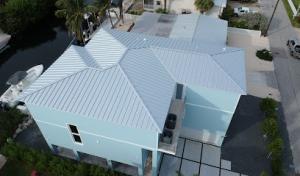
Explore specialists in steel, aluminum, and standing seam metal roofs built to last 50 years or more.
Drier, cooler weeks are the best window for a full replacement when the decking and underlayment are exposed. In practice, that means aiming for a start after the late-winter dry spell and before the peak heat of spring. The goal is to minimize interruptions caused by sudden rain squalls and high humidity that can linger into early summer. Set your crew's site access and material staging in a way that front-loads the tear-off and dry-in phases during consecutive dry days, so the roof can stay weather-tight as long as possible.
Summer thunderstorms can stop tear-off and dry-in progress with little notice, which matters more in this area because moisture intrusion can spread quickly in older coastal buildings and multifamily structures. Plan a contingency schedule that leaves a day or two of buffer between critical, moisture-sensitive steps and the typical daily shower risk. If a storm is forecast, have a ready plan to close vents, fold back underlayment, or temporarily seal exposed sections to slow water ingress. Communicate with neighbors or building managers about expected rain windows, especially on rooftops shared by multiple units.
Extreme heat in South Florida affects crew productivity and material handling, so project pacing and daily start times can influence how long a reroof stays exposed. Start work early to front-load strenuous tasks like tear-off and deck inspection, then shift to less physically demanding steps as the sun climbs. Schedule material deliveries and staging for first light hours to reduce heat impact on adhesives, fasteners, and sealants. If the job is multi-unit, coordinate access so that multiple crews don't collide in the hottest afternoon hours, which also helps preserve underlayment integrity.
Older coastal structures and multifamily buildings demand meticulous moisture management. Check decking for soft or stained boards during tear-off, and plan immediate replacement or reinforcement where needed. Limit exposure of plywood or gypsum underlayment to only the necessary window of time, and keep a tight schedule for flashings and waterproof detailing once the roof is closed back up. In tight urban lots, an efficient sequence-from tear-off to dry-in to final sealant-reduces the risk of rework caused by shifting weather or salt-laden air.
Set milestone goals by week rather than by day when possible, and build acceptance checks into the calendar after the heaviest seasonal rains. A practical rhythm keeps crews focused, materials arranged, and the roof protected, so the project finishes with a durable, weather-ready system rather than a rushed, moisture-prone finish. In Miami Beach, full replacements are often best scheduled in the drier part of the year because exposed decking and underlayment are at higher risk when frequent summer rain interrupts work.
Get a clear picture of your project costs upfront - no commitment required.
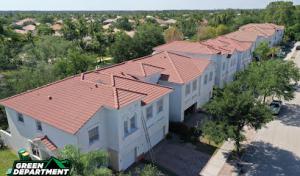
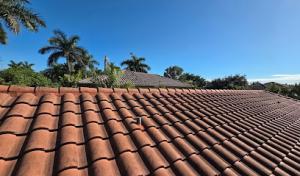
In this barrier-island setting, your roof choices must resist salt air, hurricane winds, and quick heat. Costs per square in the area reflect this. Asphalt Shingles range 350 to 650 USD per square, Metal 800 to 1500, Clay Tile 1500 to 2500, Concrete Tile 1200 to 2100, Wood 700 to 1400, Synthetic 400 to 900. These figures assume proven marine-grade fasteners and corrosion-resistant flashing.
When selecting materials, consider the typical coastal housing stock. Tile and composition shingles perform well against wind-driven rain if installed with heavy-duty underlayment and coordinated fasteners. In this market, labor intensity for tile work and for low-slope waterproofing adds to the price, especially on structures with limited staging access and tight lot lines.
Concrete tile and clay tile are common choices here, but you pay for heavier weight and longer installation times. Concrete tile commonly lands in the 1200 to 2100 range per square, clay tile from 1500 to 2500. For a Mediterranean or coastal modern mix, a reliable installer will pair high-quality sealants and corrosion-resistant metal flashing to counter salt spray.
If you lean toward metal, expect higher upfront material costs yet faster installation and excellent wind performance. Metal roofing runs roughly 800 to 1500 per square, depending on finish and gauge, with coating designed for salt-air exposure. Synthetic or composite shingles sit between asphalt and more premium options, offering decent durability for less weight and faster work.
Finally, understand that pricing can rise due to permit timing, dense neighborhood access, and post-storm demand in South Florida. Schedule windows may shift, and crews can be stretched thin after a major event, so plan for potential scheduling bumps and a bit tighter access on coastal blocks.
In renovations, attention to flashing around chimneys, roof-to-wall intersections, vents, and curbs helps prevent moisture intrusion. Choose a contractor who uses marine-grade fasteners, corrosion-resistant nails, and sealants rated for environments. For tile roofs, insist on purlin spacing, underlayment, and secure fastener patterns that meet wind-load expectations on the island. Confirm drainage considerations with the crew to avoid ponding.
A building permit is required for a full reroof in Miami Beach. The local housing stock-salt-laden air, coastal humidity, and mixed architectural styles-means permit reviewers expect careful attention to attachment details, wind-rated components, and proper underlayment for moisture control. Before a tear-off begins, a contractor should submit plans that show roof deck condition, fastener schedules, drip edge, flashing transitions, and the chosen new roof system. Expect the permit reviewer to look closely at how edge details tie into parapets, overhangs, and any adjacent structures or features that could influence wind uplift.
The Miami Beach building department reviews roofing work for code compliance, with inspections at key milestones including decking or underlayment and the final roof covering. A typical sequence includes an inspection after the roof deck and underlayment are installed and before any temporary weather protection is removed, ensuring proper nailing patterns, ventilation, and moisture barriers. The final inspection confirms that the completed roof aligns with approved plans, permitted materials, and any site-specific requirements such as coastal flood considerations or hurricane-rated components. Plan to have wiring, vents, and penetrations finished in a way that remains accessible for the inspector while not compromising the roof's integrity.
Permit queue times can affect scheduling in Miami Beach, so homeowners should account for administrative lead time before tear-off is planned. Local staff workload, weather windows, and coordination with HOA or condo associations (where applicable) can extend timelines. To minimize impact, work with an experienced contractor who tracks permit status, submits complete documentation, and aligns the tear-off with dry-season windows and hurricane-season considerations. Communicate anticipated timelines to neighbors and ensure that temporary closures or safety barriers are in place during the process.
In this barrier-island setting, the insurance environment carries elevated wind and hurricane claim activity, and some carriers have reduced coverage or tightened underwriting. A roof built to resist salt-air corrosion and rapid storm onslaught is not a luxury here-it directly affects your ability to maintain coverage after a storm. When evaluating replacement or retrofit options, expect that adjusters may scrutinize wind resistance features and the overall robustness of the roof system in coastal exposure. A roof that shows clear vulnerability to salt spray and hurricane winds can complicate claims and lead to longer settlement timelines.
Claims in this market often require detailed roof condition documentation, wind mitigation records, and a clear separation of storm damage from pre-existing wear. You should prepare a concise history of recent upgrades, tests, and maintenance, with dates and contractor details. If you've undertaken retrofits or improvements to enhance wind performance, gather product specs, installation notes, and any inspection reports. Elevated wind risk, coupled with salt air, makes precise documentation a critical factor in negotiating with insurers and pursuing timely payouts.
Adjusters may closely review recent roofing work, especially in a coastal climate where storm claims are common and pre-loss condition is often contested. Ensure you can demonstrate that work was performed by licensed professionals, that materials are suitable for salt exposure, and that installation adhered to recognized wind-load standards. Misalignment between the reported condition and the actual roof state can trigger disputes, so keep your records orderly and ready for review.
Plan for a thorough visual and written assessment of the roof's current condition, focusing on fasteners, underlayment, flashing, and corrosion resistance. Maintain a dated set of photographs from multiple angles, plus a log of any weather events that may have impacted the roof. If there is prior storm activity in the area, be prepared to explain how the roof performed under those conditions and what remediation steps were taken since then. In this climate, proactive upkeep and transparent records are your best defense against unexpected claim friction.
Connect with contractors who help homeowners navigate the claims process from damage assessment to final approval.
Praxis Industries Inc (Roofing Contractors)
(305) 777-8922 www.praxisindustries.com
Serving
5.0 from 33 reviews
After tropical weather, the first failures often show up at flashings, roof penetrations, displaced tiles, and low-slope transitions rather than as obvious full-roof blow-offs. In a barrier-island setting, wind-driven rain finds small gaps and follows channels created by salt air and aging seals. Look for dampness around chase outlets, vents, vent stacks, and skylights, then trace any staining or musty odors back to the source. In practice, these leaks can appear quickly on upper floors and along shared walls where moisture travels through ceilings and into cavities.
Emergency response matters locally because wind-driven rain can enter quickly through small openings and spread into upper-floor units, shared walls, and ceiling cavities. A single small penetration can cascade into mold, damaged insulation, and ruined finishes, especially in multi-unit buildings where a single fault affects neighbors. Do not wait for drips to become a flood-assess and seal as soon as you can access the attic or roof deck.
Temporary dry-in measures are especially important during hurricane season when follow-up repairs may be delayed by weather windows and citywide contractor demand. Cover exposed penetrations with watertight tarps or roofing fabric secured with ballast or fasteners, ensuring edges are sealed to the deck and any flashing joints are protected. If you detect active leaks, redirect the flow with clean buckets placed to catch drips, and prioritize securing the most vulnerable areas first-around penetrations, transitions, and low-slope zones. After the storm, document every issue with photos for rapid coordination with a trusted local roofer.
When you can't wait, these contractors offer fast response times to stop leaks and prevent further damage.
On aging low-slope roofs, coatings can be a practical restoration step before full replacement, but decisions must hinge on moisture and substrate condition. In this barrier-island environment, salt-laden air accelerates oxidative wear, so you should verify that the deck is dry, structurally solid, and that any existing leaks have been remediated. A coating that seals minor moisture pathways can extend life, but if moisture is lingering or substrates are degraded, coating alone won't stop rot or mold growth. In older coastal structures, the presence of existing penetrations, raised parapets, or mismatched flashings changes how well a coating adheres, so surface prep and detail work become critical. Choose products with proven UV resistance and salt-spray testing relevant to salty atmospheres, and schedule follow-up inspections after heavy storms to catch any micro-blisters or edge lifting early.
Solar-related roof work must be evaluated against hurricane exposure, attachment detailing, and the remaining life of the existing roof. Panels add wind load considerations, so assess whether racking systems can resist coastal gusts and salt corrosion over time. For metal clips, rails, and fasteners, corrosion resistance matters as much as aesthetic compatibility. If the roof is already nearing the end of its service life, mounting solar may warrant a staged approach: first restore or replace the roof deck and underlayment, then assess panel removal plans for major storm events. The best outcomes come from designs that minimize penetrations through vulnerable flashing lines and properly seal around rooftop fixtures.
On coastal buildings, salt exposure should drive a careful look at metal details and penetrations. Corrrosion on flashing, drip edge, and vent collars can undermine coatings and the roof's overall moisture barrier. Before adding coatings or solar, inspect for rust, pitting, or loosened fasteners around every metal detail. Treat active corrosion and plan for compatible, corrosion-resistant materials-especially at terms where salt spray daily impacts metal. If existing metal is compromised, restoration or selective replacement prevents accelerated deterioration later, preserving both performance and value long term.
Extend the life of your existing roof with reflective or waterproof coatings that protect against UV and moisture.