Last updated: Apr 19, 2026
Atlantic hurricane season runs June through November, and that window perfectly aligns with the risks you face on the coast. For homeowners with tile-heavy roofs, letting a storm season drive the decision-making is not optional-it's practical. If a roof has reached a point where wind uplift and water intrusion are plausible, delaying a tear-off until the last possible moment in the season can mean weather-driven delays and more complications. Plan ahead to secure a target start before peak season, but guard against scheduling conflicts that storms or surge events can create. The goal is to avoid a rushed install during or immediately before a severe weather event, which increases risk of incomplete dry-ins, flashing gaps, or improperly seated tiles.
Boca Raton's summer is famous for intense afternoon thunderstorms. Those bursts can interrupt dry-in and final inspection timing, especially for tile and concrete tile roofs that require careful sealant cure times and moisture-sensitive work. In practice, crews may push projects into the drier portion of the year, when the humidity is lower and chances of sudden downpours are reduced. If your roofer advises delaying certain steps to a longer dry spell, treat that as a safeguard, not a setback. A properly staged schedule-beginning with weather-resilient materials staging, followed by a controlled dry-in period, and capped by a thorough final inspection-limits the risk of moisture entrapment behind tiles and in underlayment seams.
Storm readiness isn't an afterthought in this market; it drives the decision tree. Wind mitigation features that reduce uplift and improve sealing can have a meaningful impact on insurance considerations, and those discounts hinge on the roof's ability to resist wind-driven events. When planning the replacement, include upgraded detailing such as enhanced underlayment, properly sealed ridge vents, improved fastener patterns for clay or concrete tile, and corrosion-resistant metal components where applicable. These upgrades should be incorporated alongside tile choice and color to optimize both performance and longevity. The goal is not cosmetic compliance but a robust, wind-resilient envelope that stands up to Boca's salt-laden air and intense storms.
Begin with a realistic assessment of current roof conditions, focusing on lift points, flashing integrity, and tile condition under typical Atlantic humidity. If a full tear-off is indicated, coordinate with the contractor to lock in a start date during the drier stretch of the year, but with a contingency plan for potential early-season storms. Establish a dry-in target that avoids mid-summer humidity spikes and aligns with a dry window long enough to cure sealants and underlayment. Throughout the process, insist on staging that minimizes exposure time of the roof deck and avoids long gaps between removal and reinstall, which can invite water damage from brief squalls.
Because wind mitigations influence discounts, approach the project as an opportunity to improve long-term risk management as well as immediate resilience. Insurers are attentive to a roof that demonstrates upgraded fasteners, corrosion-resistant materials, and a proven plan for wind uplift resistance. Document upgrades with photos and a clear specification packet, and ensure your contractor tests every critical seam and flashing point to guarantee a tight envelope. In the South Florida climate, a well-timed replacement that prioritizes storm-readiness reduces the chance of costly post-storm claims and the cascading effect of wind-driven damage.
As the project wraps, schedule the final inspection during a dry spell and ensure all tiles are properly seated with correct alignment and sealant cure. A thorough leak test, including checks around penetrations and vents, minimizes the likelihood of hidden issues surfacing after a hurricane. When you're standing on a finished roof, you should feel the confidence that the system is ready to face the Atlantic season head-on, with wind-resistant geometry and corrosion-conscious components that keep you protected through Boca's unique climate.
Tile roofs are unusually prominent in this market, matching the Mediterranean and upscale South Florida homes that line many neighborhoods. Clay and concrete tiles both show up on a wide swath of houses, and that mix drives a lot of the service and repair dynamics you'll see. In older structures, clay tile tends to ride higher on underlayment age and roof deck compatibility, so careful assessment of the substrate matters more than on newer builds. Concrete tile, while sturdy and wind-friendly, carries more weight and can stress older fasteners or counterflashing if the roof hasn't had regular maintenance. If you're replacing an older tile roof, plan for a thorough check of edge flashing, tile alignment, and the condition of the roof deck. For new construction, ensure the deck and underlayment are sized and rated for the anticipated lifetime and local wind requirements, since the coastal climate accelerates wear on any underlayment.
Local practice favors tile with salt-air resilience and long-term color performance. When you're evaluating options, consider the weight load on your structure and whether the existing support shoulders the full tile system without retrofits. Underlayment choices matter here more than in many markets: a high-quality, breathable or moisture-guarded layer under clay versus concrete tiles can influence durability, especially after salty exposure and heavy humidity spells. Maintenance tends to be less frequent than shingle systems, but when repair is needed, matching tile style and finish becomes a practical constraint-round up spare pieces from the original batch when ordering replacements, as colors and textures can be specific to the manufacturer line.
If you're leaning toward clay versus concrete, think through local wind and impact guidelines and how each type behaves when hit by tropical debris. Clay tiles offer a classic look and solid fire resistance, but they break more readily under impact and can require careful installation to prevent water intrusion around fasteners. Concrete tiles are heavier and generally more forgiving in impact resistance, with a longer, more uniform glide when resealing after a storm. Both require professional installation to maintain warranty and performance, especially on roofs with multiple penetrations or complex ridge lines.
Metal remains a major specialty because you're weighing wind performance and corrosion resistance against a higher upfront cost in a coastal environment. A metal roof delivers a tight barrier against wind-driven rain and can shed salt-laden spray more effectively when the system is upgraded with fully sealed seams and corrosion-resistant fasteners. In practice, many homeowners choose metal to extend roof life in the face of frequent hurricane-driven stress and to simplify future maintenance compared with heavy tile systems. A key local consideration is the panel profile and coating finish: a lighter profile can reduce lift in high winds, while a robust, marine-grade coating helps counter salt exposure. A professional should verify that gutters and fascia are integrated with the roof so that salt accumulation and wind-driven debris don't create easy entry points for moisture.
For repairs, metal roofs can be more forgiving if damaged by impact or hail, but missing or damaged panels typically require precise color-matched replacements to preserve the curb appeal so common in neighborhood streetscapes. If choosing metal, plan for compatible underlayment and flashing that align with the coastal climate and the roof's anticipated service life. In Boca Raton's market, homeowners often pair metal with a standing-seam or exposed-fastener system designed for performance under salt-laden humidity, while preserving a clean, modern look that still respects the area's Mediterranean aesthetic.
The coastal humidity and salt exposure in this market can accelerate corrosion of fasteners, flashings, and metal accessories compared with inland markets. When salt spray drifts onto a roof, metal components face a steady, corrosive kiss that wears at protective coatings and penetrates joints over time. In practical terms, this means more frequent wear around penetrations, vents, and edge details, where sealants and metal transitions meet. If a roof system relies on metal flashings or exposed fasteners, expect a tighter maintenance cadence to catch and address corrosion before leaks or rust compromises metal-to-roof connections.
The hot, humid subtropical climate speeds UV-related aging, which is especially relevant for exposed components and asphalt-based roofing products. Shingle granules can shed more quickly under relentless sun, and asphalt products may experience accelerated brittleness at edges and around transitions. Exposed components-ridge details, vent collars, and pipe boots-are particularly vulnerable to cracking or deteriorating sealants when sun and heat push materials to their limits. In this climate, the longevity of untreated or poorly sealed edges often becomes a root cause of minor leaks that turn into bigger concerns after a summer thunderstorm.
Heavy summer rainfall in Boca Raton can turn small flashing or underlayment defects into active leaks quickly, especially around penetrations and transitions. A tiny gap at a vent boot, a compromised step flashing along a chimney, or a misaligned seam near a valley can become a direct path for water in the middle of a downpour. The combination of sticky humidity and driving rain means that even those seemingly minor flaws can escalate fast, leaving sensitive attic spaces damp or mold-prone if not addressed promptly. In practice, this translates to a greater emphasis on inspecting perimeter flashings, transitions, and any shingle overhangs that channel water toward vulnerable joints.
Because of these conditions, a roof in this area benefits from proactive inspections after hurricane season and periodic checks during the rainy months. Look for exposed fastener corrosion, discolored or peeling flashings, loose or missing sealants around penetrations, and any soft spots along the eaves where standing water could deteriorate decking over time. If a technician mentions metal accessories showing signs of wear or brackets showing rust, treat that as a warning flag rather than a cosmetic nuisance. The goal is to keep moisture out without letting salt-laced air and relentless sun steadily erode critical details that hold the roof together. In the long run, timely attention to these coastal cues preserves the roof's integrity through both salt-laden summers and hurricane-driven storms.
Find contractors experienced in skylight installation, flashing, and leak repairs to bring natural light into your home.
Caldwell Roofing
(561) 475-5279 caldwellroofing.com
103 NW 43rd St, Boca Raton, Florida
4.9 from 31 reviews
Security Roofing Systems
(954) 252-9010 securityroofing.com
2960 NW Boca Raton Blvd STE 11, Boca Raton, Florida
4.6 from 49 reviews
RAINSHIELD ROOFING CORP (Suntek)
(954) 282-9111 www.rainshieldroofing.net
Serving
4.9 from 187 reviews
Local cost expectations vary widely because premium options like clay tile, concrete tile, and metal roofing are in strong demand, alongside asphalt shingles. In this market, materials that resist salt air, humidity, and Miami-to-Boca dynamics command attention and can push up the bottom line. When planning a re-roof, anticipate that premium materials may be chosen not just for longevity but for matching upscale neighborhoods and tile-heavy architecture that are common here. The price ranges reflect that mix: asphalt shingles are on the lower end, while clay and concrete tiles, plus metal roofing, sit toward the higher end of the spectrum.
Tile-heavy architecture is a hallmark here, and that shapes labor costs as much as material costs. Removal, staging, and replacement for clay or concrete tile involves careful handling to avoid breakage, extra safety measures for tall eaves and second-story tiles, and longer project timelines. Even when the per-square cost for tile is clear, expect the crew's logistics to add to the total. Concrete and clay tile installations can stretch the crew's required hours, especially if there are unusual roof angles or multiple levels to navigate. This reality translates into steadier or slightly higher pricing than a standard shingle swap.
Storm-driven demand spikes in South Florida can affect contractor availability and pricing, especially after tropical weather events when emergency work surges. In the window after a hurricane or tropical system, materials may be prioritized for urgent replacements, and scheduling becomes tighter. If a storm redefines the local insurance and replacement timeline, the typical lead times for materials like clay tile or metal can extend. Planning ahead and building a buffer for weather-driven delays helps keep the project on track without compromising the chosen material's performance in hurricane conditions.
When lining up a re-roof, expect a broader spread in bids if premium materials are chosen, driven by material availability and the tile-focused labor pool. In a tile-forward neighborhood, the project schedule and crew staging become as influential on the final price as the material selection itself. Align expectations with your contractor about removal complexity, waste handling for tile, and contingency costs for storm-driven timing shifts.
Don't let upfront costs delay a critical repair - these contractors offer payment plans to fit your budget.
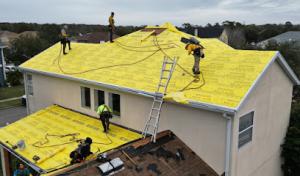
RoofClaim
4800 NW 2nd Ave Unit 1, Boca Raton, Florida
5.0 from 135 reviews
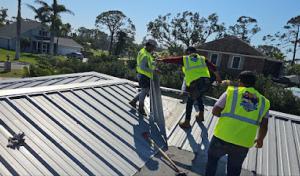
Dream Team Roofing
(954) 754-8282 dreamteammetalroofingandsolar.com
301 NE 36th St, Boca Raton, Florida
5.0 from 31 reviews
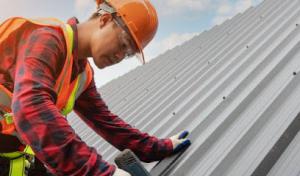
Hurricane Heroes Roofing, Solar, & Impact Windows
(954) 800-0570 www.hurricaneheroesgo.com
1700 N DIXIE HWY STE 120 BOCA RATON FL 33432-1807, Boca Raton, FL
4.7 from 160 reviews
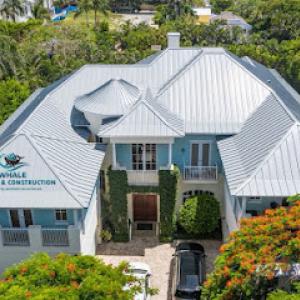
Whale Roofing & Construction
(561) 467-7946 whaleroofing.com
1825 Corporate Blvd NW #110, Boca Raton, Florida
5.0 from 266 reviews
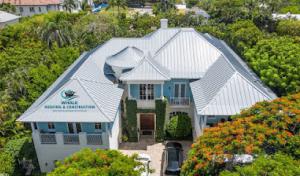
Whale Roofing & Construction is a locally trusted roofing contractor in Boca Raton, FL, providing professional roof replacement, roof repair, and new roof installation for residential and commercial properties throughout Boca Raton and Palm Beach County. Our licensed and insured roofing team specializes in metal roofing, tile roofing, shingle roofing, and flat roofing systems, designed to perform in South Florida’s coastal and hurricane-prone climate. With extensive experience working in Boca Raton neighborhoods, we handle everything from detailed roof inspections and insurance-related repairs to permitting and HOA coordination. Homeowners and business owners rely on Whale Roofing for honest pricing, clear communication, and quality crafts
Builders of America
(561) 701-9897 www.buildersofamerica.org
2300 Corporate Blvd NW, Boca Raton, Florida
5.0 from 92 reviews
We install all types of roofing systems on single-family homes as well as commercial buildings. Our tile, shingle and metal roof replacements are of the highest quality possible. We have been happily servicing the Boca Raton community for years. In addition to roof installations we also provide emergency service on specific repairs your home or business may need within 24 hours.
RoofClaim
4800 NW 2nd Ave Unit 1, Boca Raton, Florida
5.0 from 135 reviews
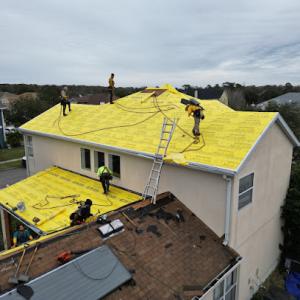
We're a national roofing company providing roof inspections, roof repair, & roof replacement backed by a Million Dollar Guarantee. At RoofClaim we handle your roofing needs from start to finish. Shingle roof replacements can be completed in one day using top-quality materials. We offer financing and customized payment solutions. Over 11,000 satisfied customers and a 4.9 star average Google rating. Book your free roof inspection today!
Blues Brothers Roofing
(561) 361-6378 www.bluesbrothersroofing.com
4260 NW 1st Ave, Boca Raton, Florida
4.8 from 473 reviews
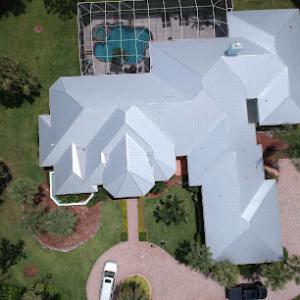
Dedicated to the highest level of customer experience, the professionals at Blues Brothers Roofing have the reputation and knowledge to assist our customers with roof repairs or roof replacements from Boca Raton through the surrounding cities.
Build Masters; Roof Masters
(561) 757-6587 www.roofmasters.us
2420 NW 1st Ave, Boca Raton, Florida
4.9 from 170 reviews
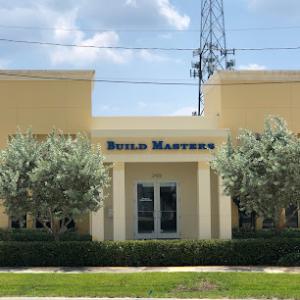
Build Masters, LC is a full-service General Contractor and Roofing Contractor (CGC1505687, CCC1327296) with over a century of combined expertise, dedicated to delivering superior quality and peace of mind. We specialize in Roofing Services, Insurance Claim Repairs, Remodeling, New Construction, Tenant Improvements, and Design-Build Services, ensuring a seamless experience from start to finish. With all necessary licenses, insurance, certifications, and bonding capabilities, Build Masters is your trusted partner for any project. We are proud members of reputable organizations such as the BBB (Better Business Bureau), AIA (American Institute of Architects), IICRC (Institute of Inspection Cleaning and Restoration), RCASF (Roofing Contractors
CLS Roofing Contractor of Boca Raton
(561) 918-2477 clsroofingllc.com
4301 Oak Cir Ste 18, Boca Raton, Florida
5.0 from 60 reviews
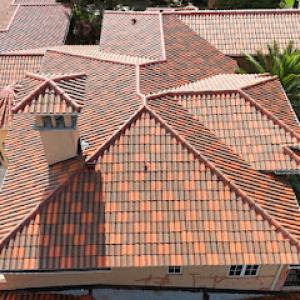
CLS Roofing Contractor of Boca Raton is your premier choice for all roofing needs at 4301 Oak Cir. Specializing in comprehensive roof repair and replacement, we are a leading roofing contractor renowned for exceptional residential and commercial roofing services. Our expertise includes shingle roofing, metal roofing, and asphalt roofing solutions, tailored to withstand Florida's climate. We offer reliable emergency roof repair with a commitment to quality and customer satisfaction. Trust CLS Roofing Contractor for unmatched craftsmanship and top-notch roofing services in Boca Raton. Contact us today to ensure your roof's longevity and durability.
Forte Roofing
(561) 668-9843 www.forteroofingfl.com
2431 NE 5th Ave, Boca Raton, Florida
5.0 from 52 reviews
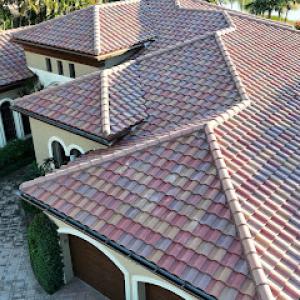
Forte Roofing: Your trusted roofing partner in Boca Raton and Delray Beach, Florida. Since 2016, our family-owned company has provided top-tier roofing solutions, specializing in roof replacement, repair, and maintenance. We're dedicated to quality, durability, and exceptional customer service, offering a diverse range of roofing systems, from asphalt shingles to metal and tile, with sustainable options designed for Florida's climate. Experience the peace of mind that comes with our commitment to precision craftsmanship. Forte Roofing provides the expertise you need for a durable, beautiful, and secure roof over your head.
Dream Team Roofing
(954) 754-8282 dreamteammetalroofingandsolar.com
301 NE 36th St, Boca Raton, Florida
5.0 from 31 reviews
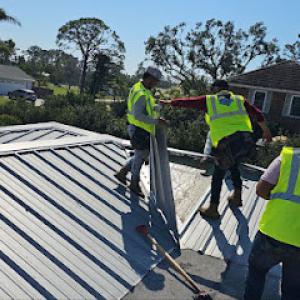
Dream Team Roofing is your trusted roofing contractor in Boca Raton, specializing in roof repair, leak roof repair, and emergency roof repair. Our licensed and insured team provides fast, reliable service for storm damage, flat roof repair, tile roof repair, and metal roofing systems. Whether you have a small roof leak or need urgent emergency roof repair after heavy rain, we respond quickly to protect your home or business. We also offer preventative roof maintenance, roof replacement, and hurricane-ready roofing solutions designed for Boca Raton properties. Known for honesty, quality, and dependable results, Dream Team Roofing keeps your roof strong, safe, and built to last.
Hurricane Heroes Roofing, Solar, & Impact Windows
(954) 800-0570 www.hurricaneheroesgo.com
1700 N DIXIE HWY STE 120 BOCA RATON FL 33432-1807, Boca Raton, FL
4.7 from 160 reviews
Hurricane Heroes Roofing, Solar & Impact Windows is a locally owned and operated business that has been serving the Hollywood, FL area since 2003. We offer a wide range of services, including roofing, solar energy, and impact windows. We are committed to providing our customers with the highest quality products and services at the best possible prices. Our team of experienced professionals is dedicated to helping you protect your home from the elements and save money on your energy bills. Contact us today to learn more about how we can help you.
Exact Roofing
(954) 620-1484 exact-roofing-boca-raton.localo.site
Boca Raton, Florida
5.0 from 25 reviews
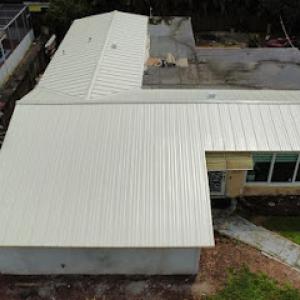
Exact Roofing is your go-to roofing contractor in South Florida, specializing in Roof Replacement, Roof Repair, and Roof Installation services. With over two decades of expertise throughout Miami-Dade, Broward, and Palm Beach counties, we expertly handle Metal Roofing, Shingle Roofing, Commercial Roofing, Residential Roofing, Asphalt Roofing, and Tile Roofing with an emphasis on hurricane-resistant and energy-efficient solutions. Our fully licensed team prides itself on professionalism and customer satisfaction, offering innovative financing through Florida PACE. Trust us for all your roofing needs and enjoy peace of mind with Exact Roofing.
Genius Roofing Solutions
7300 W Camino Real, Boca Raton, Florida
5.0 from 20 reviews
Dreaming of a flawless roof over your head? GENIUS ROOFING SOLUTIONS delivers exceptional roofing contractor services throughout Boca Raton, FL. We're dedicated to understanding your unique needs and providing top-notch solutions. Trust our expertise to protect your home or business with quality craftsmanship and unparalleled service. GENIUS ROOFING SOLUTIONS: Securing Boca Raton, one roof at a time.
Proper Roofing Boca Raton
(561) 589-6386 properoofing.com
3198 N Federal Hwy, Boca Raton, Florida
5.0 from 20 reviews
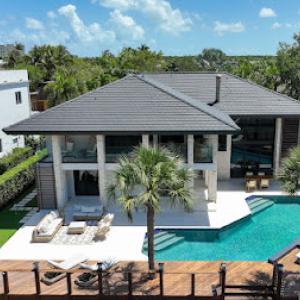
Proper Roofing of Boca Raton is a leading contractor dedicated to transforming homes with exceptional craftsmanship and innovative solutions. Our team specializes in comprehensive roofing services, ensuring your property is protected with quality materials and expert installation. Beyond roofing, we excel in custom kitchen and bathroom remodels, turning your visions into reality. With a commitment to excellence in every project, we are your premier choice for both robust construction and exquisite home renovations.
A full roof replacement requires a building permit issued by the City of Boca Raton Building Department. This isn't a formality meant to slow you down; it sets the standards for wind resistance, corrosion protection from salt air, and the specific drainage and flashing details that coastal neighborhoods rely on. The permitting process helps ensure that the selected roofing system meets today's hurricane and code requirements, including tie-downs, underlayment, and fastener schedules appropriate for high-wind zones. Before scheduling any major work, verify you have the correct permit pathway in motion to avoid costly delays if inspectors show up mid-project.
Roof work in this market is typically inspected as the job progresses, with distinct milestones that matter for timing and compliance. A rough or underlayment stage is commonly reviewed early, confirming that the roof deck is sound, the underlayment is properly attached, and flashing details align with local expectations for coastal exposure. The final inspection confirms that the completed installation aligns with the permit drawings and the applicable Florida Building Code amendments for wind resistance and moisture control. Keeping a responsive line of communication with your contractor helps ensure inspections stay on schedule and that any issues flagged by inspectors are addressed promptly.
Processing times in this area commonly run about 1 to 2 weeks, depending on backlog. That window can stretch during busy storm and re-roof seasons when the Building Department sees higher volume. Start planning for a potential start-date shift if your project lands in a peak period, and coordinate with your contractor to align material deliveries and crew availability with the anticipated inspection schedule. Being proactive about paperwork, including any required storm mitigation declarations or contractor registrations, can help streamline the process. If a permit extension or re-approval becomes necessary, act quickly to minimize downtime and keep the project moving toward a secure, code-compliant roof.
Hold onto all permit numbers and inspector contact information, and keep a clear line of communication with both the contractor and the Building Department during the project. Schedule inspections with enough lead time to prevent weather pauses or weekend delays. Given the region's climate and salt exposure, ensure that the chosen system and installation details align with local wind resistance expectations and corrosion considerations so that the permit-specific requirements translate into long-term performance.
In this market, homeowners face a broader Florida insurance rhythm where carrier pullbacks and premium increases hinge on roof age and condition. Insurers increasingly view the roof as the front line of a home's resilience, and a visibly aged or vulnerable roof can tilt decisions toward non-renewal or tighter coverage terms. The reality is that a roof's age becomes a major underwriting issue, not just a maintenance concern, and carriers are weighing how much storm exposure the home has before they bind or renew a policy.
Storms and brush with coastal humidity elevate scrutiny after each event. Documentation of the roof's condition, any storm-related damage, and installed wind mitigation features can move the process forward, not stall it. Prepare a clear record: recent inspection reports, photos showing wear from salt air and UV exposure, and notes on any upgrades that improve wind resistance. If a mitigation feature exists-such as upgraded fasteners, hip roof geometry, or reinforced openings-compile third-party verification to back those claims. When renewing, insurers may request detailed evidence of this work, so having organized files ready can shorten review times and reduce the risk of coverage gaps.
Following a hurricane or tropical storm, insurers tighten review because wind and water exposure can trigger closer scrutiny. Expect enhanced documentation requests and occasionally a temporary hold on new bindings until the file is reviewed. You may be asked for post-storm assessments, contractor statements, and proof of any repairs or retrofits. The local reality is that preparedness now can prevent a longer, more confusing insurance process later, and timely, accurate records minimize the chance of coverage delays when the next storm season looms.
Connect with contractors who help homeowners navigate the claims process from damage assessment to final approval.
Whale Roofing & Construction
(561) 467-7946 whaleroofing.com
1825 Corporate Blvd NW #110, Boca Raton, Florida
5.0 from 266 reviews
Builders of America
(561) 701-9897 www.buildersofamerica.org
2300 Corporate Blvd NW, Boca Raton, Florida
5.0 from 92 reviews
RoofClaim
4800 NW 2nd Ave Unit 1, Boca Raton, Florida
5.0 from 135 reviews
Flat and low-slope roofing is a meaningful local specialty in Boca Raton, reflecting the city's mix of modern homes, additions, condos, and commercial properties. The salt air, high humidity, and intense summer downpours put drainage and ponding control at the front of priority lists. In many neighborhoods, the bottom line is a roof that stays dry while storms roll in off the Atlantic.
On flat sections, ensure you have positive drainage toward designated outlets and minimal flat "puddling." In the hot, heavy rain of summer, even small depressions can become pools that force water toward flashing details and seams. Inspect for hail or wind-driven debris that can clog scuppers, gutters, and drip edges. If you notice standing water after a rain, plan a targeted improvement before the next storm season-adding taper or a shallow slope can make a meaningful difference in long-term performance.
Transitions between tile or shingle main roofs and flat roof sections are a common local leak-risk area because South Florida storms test flashing details hard. Pay close attention to the interface where materials meet, including counterflashing, sealant conditioning, and fastener exposure. Ask for a detailed inspection of all transitions, especially at parapets, curbs, and skylights. In areas with heavy salt exposure, choose flashing metals and sealants known for coastal resistance and ensure the caulk line remains continuous and intact.
Develop a seasonal maintenance rhythm focused on flat sections: clear debris from drains, test for ponding after storms, and monitor any lift or curl in membrane edges. If you see accelerated wear near flashings or at the edge of a low-slope roof, address it promptly to avoid deeper, more expensive damage. A proactive approach keeps the roof resilient through hurricane season and heavy rains.
Find specialists in TPO, EPDM, and built-up flat roofing systems for residential and commercial properties.
Whale Roofing & Construction
(561) 467-7946 whaleroofing.com
1825 Corporate Blvd NW #110, Boca Raton, Florida
5.0 from 266 reviews
Build Masters; Roof Masters
(561) 757-6587 www.roofmasters.us
2420 NW 1st Ave, Boca Raton, Florida
4.9 from 170 reviews
CLS Roofing Contractor of Boca Raton
(561) 918-2477 clsroofingllc.com
4301 Oak Cir Ste 18, Boca Raton, Florida
5.0 from 60 reviews
The Boca Raton market is heavily oriented toward re-roofing rather than only new construction, so homeowners should compare crews based on replacement experience in occupied homes. Look for crews that have completed full roof swaps without forcing residents to relocate, and ask specifically about projects where interiors stayed protected during storm-season months. A crew that has refurbed a tile-heavy home under living conditions tends to handle the unique sequence of tile removal, underlayment, and reinstallation more smoothly than a general contractor with mostly new-build experience.
Quick response and cleanup are especially visible hiring priorities locally, which matters in a city where sudden summer rain can expose interiors during active work. Request a defined schedule with anchors for weather-related pauses and a clear plan for tarping, debris containment, and daily cleanup. Verify they commit to bringing waste containment and a dedicated crew for on-site housekeeping so yard and driveway stay clear between rain spells and daily storms.
Because Boca Raton has many long-established and family-owned roofers alongside affordable operators, homeowners often balance tenure and responsiveness against price. Look for a track record of retaining skilled installers and fast on-site communication. Contact multiple references and ask about how crews handled hail risk, coastal salt exposure, and wind-driven debris scenarios. Prioritize crews that demonstrate consistent, visible attention to protective measures, material handling, and punctual, respectful work in neighborhoods with upscale tile stock.
Get a clear picture of your project costs upfront - no commitment required.
Dan the Shingle Man Roofing
(561) 488-7099 www.dantheshingleman.com
12821 Mill Cir, Boca Raton, Florida
4.8 from 41 reviews
RAINSHIELD ROOFING CORP (Suntek)
(954) 282-9111 www.rainshieldroofing.net
Serving
4.9 from 187 reviews