Last updated: Apr 19, 2026
Hallandale Beach sits on the southeast Broward coast, where the Atlantic test comes every hurricane season. Roof work can be interrupted with little notice as tropical systems drift in, sometimes within hours. The tight schedule means you cannot assume a long, calm window to complete a tear-off and installation. A missed window isn't just an inconvenience-it can leave exposed decks and underlayment vulnerable to sudden downpours and shifting winds. In this market, the clock isn't friendly to delays, so planning for a precise start date, steady pace, and rapid on-site progress is essential.
The area endures hot, humid summers and frequent rain, and the daily storms that roll in in the afternoon are notorious for catching crews off guard. That makes the safest replacement window shorter than what you'd expect in drier climates. A planned replacement should occur during a stretch of days with clear afternoons and a reliable weather forecast, not just a "best available" weekend. When a tropical system is near, crews may need to stop work mid-tear-off and secure materials, which adds days of potential disruption and increases risk to exposed roof decks. The result is a need for tight coordination, a clear backup plan, and a proactive calendar that aligns with reliable weather patterns rather than a best-guess schedule.
In this landscape, insurers and buyers scrutinize roof age, storm history, and wind-resistance documentation more than in many places. Having a comprehensive pre- and post-replacement packet ready can accelerate approvals and reduce back-and-forth during opportunistic weather windows. That means gathering structural notes, wind-resistance ratings, and manufacturer-recommended installation sequences before the first sheet is lifted. When a storm alters the plan, a well-organized dossier helps you pivot quickly without scrambling for missing specs or approvals. Expect to present a clear narrative of the roof's vulnerabilities and the upgrade's wind-resistance enhancements to support fast decisions in high-pressure moments.
Coordinate with a trusted contractor who understands the local wind zones and the likelihood of sudden weather shifts. Lock in a replacement window with a small, clearly defined start-date and a contingency plan for advancing or delaying only if a tropical system is imminent. If a forecast shows two consecutive dry days with low tropical risk, that becomes the priority target. Ensure that the crew has a rapid-access staging area for materials so a last-minute shift in schedule due to a storm doesn't stall the entire job. Clear communication protocols with the crew and the homeowner are essential-phone, text, and on-site check-ins must be real-time and decisive. In this climate, speed and clarity are not luxuries; they are protective measures for your roof, your attic, and your home's interior from the next Atlantic gust.
Begin by identifying a preferred start date window during a period of historically calm late-spring or early fall, then build a short, flexible schedule around a reliable weather pattern. Prepare a storm contingency plan with your contractor that outlines what triggers a pause in work and how quickly the crew can resume once skies clear. Assemble a complete document set that demonstrates wind-resistance improvements and roof-safety measures to satisfy buyers and insurers at the moment a window opens. Finally, designate a single point of contact for weather-related decisions so the replacement stays on track even when a front moves in with little notice.
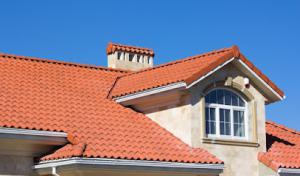
Hallandale Beach's roofscape is a mix of asphalt shingles, metal, clay and concrete tile, wood products, and synthetic/composite options. That blend mirrors older South Florida housing stock and newer coastal re-roofing decisions. When planning a replacement, think about how each material reads from the street: tile and metal are the most visible, setting the neighborhood's character and influencing resale impressions. If a home sits on or near salty air corridors, the choice should balance aesthetics with long-term resistance to corrosion and wind uplift. The dry, windy months and the humid, salt-saturated air each reward a careful material selection that minimizes maintenance and maximizes life under Broward's wind-driven seasonal storms.
In this coastal environment, corrosion resistance matters more than in inland markets. Fasteners and metal components should be stainless or coated to resist salt creep, while underlayment needs to stay forgiving under heat and moisture cycles. UV exposure accelerates aging of roof coverings; choosing a color and finish that reflects heat can extend membrane life and reduce attic temperature swings. For tile and metal, verify that the chosen installation system accounts for expansion and contraction caused by hot days and sudden sea breezes. For low-slope sections-whether on condos, multifamily buildings, additions, or commercial projects-the transitional moment between material types is a common weak point. Pay particular attention to edge details, flashing continuity, and drainage where those transitions occur, so the whole roof acts as a single, water-tight system.
Tile roofs benefit from a robust rafter-to-screw strategy and a compatible underlayment that won't deteriorate prematurely in humidity. Concrete and clay tiles tolerate harsh exposure, but weight, attachment method, and wind resistance must align with Florida's wind standards for coastal zones. Metal systems should rely on corrosion-resistant panels, with a ventilated installation that prevents condensation beneath coatings. Synthetic or composite shingles can offer a balance of durability and ease of installation, particularly where rooflines require lighter materials or quicker replacements behind a transitioning roof plane. For homes with mixed materials, ensure the integration points-along eaves, ridges, and parapets-are engineered to flex and seal against salt spray and heavy rains.
When the weather pattern begins to tilt toward storm season, plan for a replacement window that minimizes exposure during peak wind events. Start with a contractor who documents the exact roof plane, material types, fastener choices, and flashing configurations. In coastal Broward neighborhoods, a detailed spec package helps insurance and ensure the job holds up under scrutiny after a hurricane. The documentation should include product data sheets for all components, installation manuals, and a clear sequence of steps from underlayment to final sealant. Before work begins, create a written scope that flags any needed upgrades to add-ons-like strengthened edge restraints or upgraded anchor systems-that correspond to higher wind zones. After completion, request a completion packet that confirms the installed system matches the approved plan, with photos of critical transitions and a certificate of compliance from the contractor for wind-rated assemblies.
A hallmarked, hurricane-ready roof requires regular checks after storms and during seasonal transitions. Inspect fasteners, flashing joints, and ridge lines for signs of movement or corrosion. Salt air tends to accelerate wear at penetrations and near coastal edges, so prioritize resealing around vent stacks, skylights, and chimney assemblies. For low-slope sections, verify drainage paths stay clear and look for any ponding that might indicate a need for minor adjustments to the slope or flashing. A well-documented, material-specific maintenance plan keeps a coastal roof performing well through years of heat, humidity, and salt spray.
Flat and low-slope roofing is a meaningful part of the Hallandale Beach market, not just on commercial buildings but also on multifamily properties, carports, porches, and additions common in South Florida. The combination of frequent rain, salt-laden humidity, and coastal storms presses flat sections to the limit. When a transition from a low-slope surface to tile or shingle planes isn't seamless, water can penetrate at the most vulnerable seams, parapets, or where drains and scuppers meet the roof plane. The result is not always dramatic; leaks often start as slow drips from small gaps that widen under heavier downpours. Left unaddressed, those drips can compromise insulation, decking, and even the interior finish, especially in homes that rely on a single dry-in for an entire wing or addition.
Drain locations and scuppers are the most common failure sites on this coastline. Ponding-prone low-slope areas that don't drain promptly become reservoirs after a sudden shower, pushing water toward edge details and transitions. Parapet edges are another risk zone where wind-driven spray can lift edge flashing if it wasn't properly integrated with the transition to a higher slope roof. Where flat sections tie into tile or shingle planes, the critical detail is the continuity of waterproofing across the joint. If the transition flashing or gasket details are compromised, even small openings can grow into persistent leaks during the frequent summer storms.
In hurricane-prone coastal Broward, waiting for a dramatic leak to appear can be costly. The weather window for installing or replacing flat-to-tile transitions is unpredictable, with sudden summer storms capable of interrupting work and leaving temporary dry-in protections exposed. Replacement timing should consider not only the age of the transition, but also the measured condition of drainage, flashing integrity, and the likelihood of continued ponding. If a flat portion shows recurrent staining, damp decking, or recurring paint lift at the transition, approaching the project with a proactive plan minimizes the risk of a mid-storm compromise. A premature but well-sealed dry-in can prevent emergency-water exposure during a storm while the rest of the roof is upgraded.
Documentation matters more here than in regions with longer installation windows. When preparing to replace a flat-to-tile transition, keep detailed records of deck condition, prior leak history, and drainage performance. Photos that show ponding patterns, the alignment of parapet edges, and the exact spot where the flat plane meets the tile or shingle roof provide a defensible baseline. Request a dry-in with proven sealing methods at all transitions and water-tight test results that demonstrate performance under simulated rain. After completion, retain warranty papers, inspection notes, and any maintenance recommendations tailored to coastal exposure to ensure the transition remains resilient through the next season of rapid weather changes.
Find specialists in TPO, EPDM, and built-up flat roofing systems for residential and commercial properties.
DLJ Roofing Contractors
(954) 663-5944 www.dljroofing.com
Serving
4.8 from 33 reviews
DLJ Roofing Contractors is a reputable, highly established local roofing company in South Florida. We provide high-quality roofing services to commercial and residential communities in Miami-Dade, Broward, and Palm Beach counties. We offer quality roofing services backed by a rigorous labor verification process which outputs precise results that no major roofing company can match. Spanning from inspections to re-roofing and extending to repairs and yearly maintenance contracts, our comprehensive roofing services are tailored to meet and exceed all Florida Building Code requirements. Moreover, we offer a quick turnaround and up to 10-year industry labor warranty. We are a Florida state certified roofing contractor, licensed and insured.
Ecotech Homes
(786) 833-2999 ecotech-homes.com
Serving
5.0 from 129 reviews
Ecotech Homes is a trusted provider of hurricane-resistant roofing, impact windows, and doors in Florida. We specialize in expert installations designed to protect your home from unpredictable storms and extreme weather conditions. Our services include free drone inspections to evaluate your current setup, flexible financing options, and assistance with all necessary permits for your home upgrades. We focus on durability and high-quality materials to ensure your home remains secure and resilient during the toughest weather. With a 10-year labor warranty and a team of licensed professionals, you can trust Ecotech Homes for reliable protection. Safeguard your property and family today with our premium services.
Care Construction
(954) 551-0057 careconstructioninc.com
Serving
5.0 from 155 reviews
Care is all about meeting the highest standards in commercial and residential roofing and window systems as well as concrete restoration and 40 years certification. We are skilled craftsmen and project managers who know how to marshal the right resources to achieve outstanding results that satisfy project budgets and timelines for high end, luxury properties. We listen to you and tailor the job to your specific desires. The quality of our work and your satisfaction with the results is all that matters to us. In South Florida, finding a roofing contractor who truly cares about the long term future of your property isn’t always easy. When you work with Care, you partner with a company you can believe in. Let us show you how much we care.
Proper Roofing Inc. - Top Rated Roofing, Windows & Remodeling.
(786) 891-1771 www.properoofing.com
Serving
5.0 from 612 reviews
With nearly three decades of experience, Proper Roofing has been a trusted leader among Miami's roofing companies. Specializing in top-tier roofing solutions, their team of expert contractors provides superior service for both residential and commercial properties. Whether you need a full replacement, professional repair, or a new installation with shingles, tile, or metal, their commitment to using quality materials ensures lasting results. Their expertise also extends to exceptional kitchen and bathroom renovations, bringing a new level of craftsmanship and reliability to your home improvement projects.

Exact Roofing
(786) 807-6343 www.exactcontractors.com
Serving
4.5 from 87 reviews
Exact Roofing is your premier Roofing Contractor in South Florida, specializing in top-tier Roofing Services including Roof Replacement, Roof Repair, and New Roof Installation. Located at 20161 NE 16th Pl, we proudly serve Miami-Dade, Broward, and Palm Beach counties, offering Residential Roofing solutions that ensure durability and style. With over 20 years of experience, our expert team delivers exceptional craftsmanship, utilizing high-quality materials for lasting results. As a trusted Roofing Company, we provide honest assessments and impressive warranties, ensuring satisfaction and peace of mind. Choose Exact Roofing for reliable roofing services and discover a stress-free roofing experience.
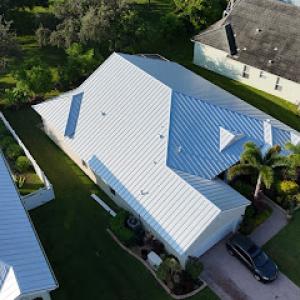
Big Al's Roofing
(305) 900-8297 bigalsroofing.com
Serving
4.8 from 68 reviews
Big Al’s Roofing is South Florida’s trusted luxury roofing contractor serving Miami, Coral Gables, Pinecrest, Palmetto Bay, Southwest Ranches, Davie, Weston, and nearby communities. Since 2015, we’ve installed premium tile, metal, shingle, and flat roofing systems engineered for long-term durability and hurricane strength. Clients choose us for proven craftsmanship, honest pricing, detailed communication, and results that elevate curb appeal and property value. If you’re searching for roof replacement, roof repair, or new roofing options in Miami and West Broward, contact Big Al’s Roofing—where quality, integrity, expertise, and lasting performance set us apart in South Florida’s roofing industry, delivering trusted results for you.
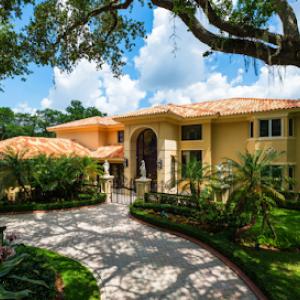
Century Roofing Specialists
(305) 210-1010 www.centuryroofingspecialists.com
Serving
5.0 from 35 reviews
Century Roofing Specialists: Your Premier Roofing Company in Hollywood, FL Century Roofing Specialists is a top-rated roofing company, and the surrounding areas. We specialize in roof replacement, roof repairs, and roof installation services in Orlando, FL. Contact us today for all your roofing contractor needs! Since 2006, we have been among the leading roofing companies in Florida, known for our expertise in roof repair, installation, and replacement. We pride ourselves on delivering quality roofing services to our customers. Our commitment to high standards and exceptional work has kept us a trusted choice for roof services year after year. We take on roofing projects that other contractors may turn away. All our technic
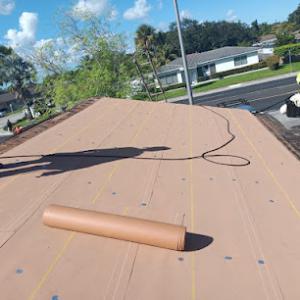
Carpediem Improvements
(888) 519-4555 carpediemsales.com
Serving
4.7 from 48 reviews
Carpediem Improvements is your trusted roofing contractor in Hollywood, FL, serving Broward, Miami-Dade, and Palm Beach Counties. We specialize in residential and commercial roofing, providing expert services in roof repair, installation, and replacement for shingles, metal, slate, tile, and flat roofs. As a licensed, certified, and insured contractor, we pride ourselves on delivering high-quality, affordable solutions that meet your needs. Our experienced team is available six days a week, from 9 am to 6 pm, ensuring prompt and reliable service. Protect your home or business with Carpediem Improvements – where quality meets commitment. Contact us today for a free estimate!
JBN Construction & Roofing
Serving
4.2 from 52 reviews
JBN offers home improvement services including window, door, and roof replacement, HVAC installation, and more. With over 25 years of experience, we provide reliable and quick service. Contact us for a free consultation.
Victory E&I Roofing & Construction
(954) 626-0667 www.victoryroofer.com
Serving
4.6 from 101 reviews
Victory E&I Roofing and Construction is a family-owned, second-generation business with over 30 years of experience in commercial and residential roofing. Our team of experienced and certified roofers is dedicated to ensuring that your roof is properly installed and maintained, so that you can enjoy peace of mind for years to come. ✓$0 Down ✓100% Financing ✓Easy approvals ✓No Prepayment Penalty Contact us for your FREE estimate today!
Pioneer Roofing Company
(954) 920-7688 www.pioneerroofingcompany.com
Serving
4.5 from 96 reviews
With almost 50 years of experience, Pioneer Roofing works to exceed client expectations at every turn. Our team delivers the highest standards of quality in both roofing and service. Pioneer Roofing’s relationship-driven approach means that we build our business on trust. We are committed to putting the client first by delivering quality roofing and getting our team of roofing specialists to your location quickly, especially when leaks or issues are present.
Novara Roofing
(954) 406-6308 novararoofing.com
Serving
5.0 from 95 reviews
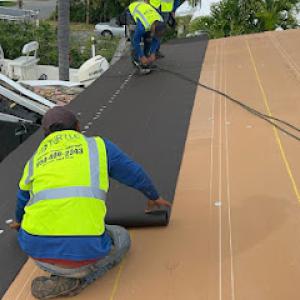
Welcome to Novara Roofing (aka Turtle Roofing), the leading roofing contractor serving Dania Beach, Florida, and the surrounding areas of Broward County, Miami-Dade County, and Palm Beach County. Backed by over 15 years of industry experience, our team of skilled roofers is dedicated to meeting all your roofing needs. Whether you require new roof installation, replacements, or repairs, we're here to assist you every step of the way. Our expertise encompasses various roofing types, including flat roofs, shingle roofing, metal roofs, and tile roofs. Additionally, we specialize in silicone coating applications to enhance your roof's longevity and durability. Reach out to us today to schedule a FREE consultation with our roofing experts!
In this market, roofing costs are driven by wind-resistance requirements, the prevalence of tile and metal systems, and the labor intensity of working around low-slope tie-ins and multifamily layouts common in southeast Broward. Tile and metal options dominate the skyline, and those choices come with higher upfront material costs and longer installation times, especially on complex or multi-unit roofs. If your home uses low-slope sections or integrates adjoining structures, expect crews to spend more time sealing edge details and ties, which pushes the per-square price upward compared to flat-slope homes.
After tropical events affecting Broward and neighboring Miami-Dade, demand spikes tighten contractor availability. Scheduling can push out by several weeks, and pricing may rise as crews fill the calendar with storm-damaged replacements or high-priority repairs. In practical terms, start planning as soon as possible after a storm, but secure clear, written timelines and scope with your contractor to avoid sudden changes if the weather window shifts.
Dry-season installation windows are more predictable here, so homeowners who wait until peak storm periods may face both weather delays and a more crowded contractor calendar. If you're weighing a full roof replacement, aim to lock in a contractor during the dry months and coordinate start dates that minimize rain risk, gutter work disruptions, and interior moisture exposure. The rhythm of these projects often follows the calendar: calmer weeks in late fall and winter can mean steadier crews and steadier price quotes, even for tile and metal systems.
Typical cost ranges reflect material and labor intensity. Asphalt shingles run roughly from 520 to 900 USD per square. Metal roofing spans about 750 to 1500 USD per square, with tile options higher still. Clay tile can range from 1000 to 2000 USD per square, and concrete tile from 800 to 1600 USD per square. Wood shingles and synthetic/composite options sit in the 550 to 1500 USD per square band, depending on profile and underlayment needs. In hurricane-ready replacements, you'll also see add-ons for enhanced wind-rated underlayment, fasteners, and edge-protection, which can tilt final numbers higher.
Don't let upfront costs delay a critical repair - these contractors offer payment plans to fit your budget.
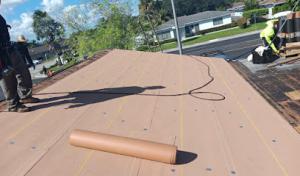
A full re-roof in Hallandale Beach generally requires a permit, and the roofing contractor typically handles the application rather than the homeowner. In this coastal city, where roofs face salt-laden humidity and seasonal threats, a permit acts as the formal check that the plan meets Broward County wind and building code standards. Your contractor should pull the permit before any material arrives on site and coordinate the submission of structural drawings, roof vent details, and underlayment specifications. Expect weather-related delays to surface during the permit window, and factor those into the project timeline.
Projects are commonly inspected at rough, underlayment, and final stages, so scheduling must account for inspection timing as well as weather interruptions. The rough inspection confirms framing and deck connections are sound, which is critical under hurricane exposure scenarios. The underlayment stage verifies a clean barrier against moisture intrusion, a non-negotiable in this salt-air environment. The final inspection ensures compliance with wind mitigation requirements and that all installed components match the permit plans. In Hallandale Beach, a smooth inspection process often hinges on precise documentation and clear access for inspectors, so designate an easily navigable work zone and communicate any anticipated weather delays to the local building department and your contractor in advance.
Broward County places emphasis on wind mitigation documentation when applicable, which makes permit records and final paperwork especially important for future insurance use. Keep a complete file of all permit approvals, plan corrections, and inspector stickers or digital confirmations. If mitigation features such as upgraded fasteners, secondary water barriers, or specific shingle or tile attachment methods are included, ensure the documentation clearly reflects these choices. This paper trail not only supports compliance during audits but also streamlines potential future insurance adjustments after a storm. Remember to secure stamped and signed final records once the project wraps, and verify that the final paperwork includes any wind-resistance enhancements noted during construction.
Florida's insurance market has tightened sharply, and in Hallandale Beach that pressure is amplified by coastal storm exposure and roof-related underwriting scrutiny. Homeowners face closer scrutiny of loss history, roof age, and the roof's ability to withstand high winds. The combination of salt air, humid air, and frequent storm threats means carriers want solid, verifiable protection rather than optimistic estimates. A careful, well-documented roof narrative can influence both coverage scope and claim responsiveness when a weather event hits.
Homeowners here often need thorough roof documentation, including pre-loss and post-loss photos and records tied to wind mitigation features, because adjusters closely review roof condition and storm causation. Keep dated images of every roof plane, flashing, and fastener pattern, plus notes on visible wear. If a storm event occurs, gather service reports, contractor evaluations, and any certifications for wind-resisting elements. This paperwork helps distinguish a covered loss from wear-related damage and supports the integrity of the claim under tight underwriting practices.
Replacement timing in this city is often influenced not just by leaks but by policy renewals, carrier restrictions, and whether the roof can support wind-mitigation credits. If a roof is near the end of its effective wind performance, delaying replacement can elevate risk and complicate renewals. Conversely, a timely replacement that meets current wind standards can unlock credits and smoother claim handling, especially after a storm-season spike in weather events.
Begin compiling a comprehensive roof file: dated photos from multiple angles, recent inspection reports, and any documentation of wind-mitigation features such as reinforced clips, straps, or modern underlayment. Arrange a condition assessment with a qualified roofer who understands local storm patterns and the wind-related criteria insurers emphasize. After any maintenance, update records promptly and store backups in a secure, accessible location so you can present them quickly if an insurer requests evidence.
Connect with contractors who help homeowners navigate the claims process from damage assessment to final approval.

Emergency response is highly relevant in Hallandale Beach because tropical weather, wind-driven rain, and sudden afternoon storms can turn minor roof defects into interior water damage quickly. If gutters clog or flashing lifts, water can surge into ceilings and penetrate walls before a contractor can arrive. In tight, dense coastal blocks, a single leak can cascade across ceilings and into adjacent units where damage travels through shared ceilings, copings, or parapets. Stay sharp for fast-changing conditions: a sunlit afternoon can flip to a sudden squall that tests every seam, seam tape, and ridge.
When you notice active dripping or rising moisture, your first move is to protect interiors without delay. Place a sturdy tarp or heavy-duty plastic over the affected slope, anchoring edges with sandbags or weighted boards. If a vent, chimney, or skylight is involved, cover the opening securely to prevent wind from lifting the tarp. Use 2x4s as windbreaks to keep the tarp flush and prevent billowing; lash with rope or ratchet straps, not loose cords. Clear a clear path for interior protection: move furniture, rugs, and valuables away from the area and place buckets under drips. Avoid stepping on wet roof surfaces; never climb a ladder in gusty gusts or during lightning. Coordinate with a neighbor if the leak is near shared walls to minimize spread.
Dense coastal development means leak response often involves protecting interiors in attached or closely spaced properties where water intrusion can spread beyond a single roof section. Communicate quickly with neighbors about the location of the leak, intended tarp placement, and access needs for crews. Preserve access routes for emergency responders and future repairs. Document any spreading water so mitigation can address entire affected zones rather than isolated patches.
Photograph leaks, tarps, and any interior water invasion as soon as it's safe. Note date, time, wind direction, and rainfall intensity if observed. Share images with the insurer and your roofing professional to support an urgent dry-in plan and expedited scheduling. Keep a log of all emergency actions and contacts for warmer days ahead, because storm-season delays can push replacement timelines when Broward-wide demand surges after major weather events.
When you can't wait, these contractors offer fast response times to stop leaks and prevent further damage.