
Last updated: Apr 19, 2026
You are living in a coastal heat-and-humidity belt where wind-driven rain can strike with little warning. Hurricane season peaks from June through November, and those storms don't wait for the calendar to cooperate with your plans. Reroofing here must be treated as a hurricane-ready project from day one: every underlayment seam, every fastener pattern, every tile or shingle must be chosen and installed to withstand gusts that threaten uplift. The stakes are higher when the salt-air environment accelerates corrosion and dulls protective coatings, so your reroof plan needs to anticipate salt exposure, rapid temperature swings, and the need for rapid, reliable water exclusion during a storm. This is not a seasonal hobby project - it is a shield for your home during the storms that routinely test coastal roofs.
Local homeowners plan reroofs around Atlantic hurricane season because June through November brings the highest risk of wind-driven rain, emergency leaks, and schedule disruption. Dry-season windows offer the best chance to complete tear-off, installation, and dry-in without afternoon thunderstorms sabotaging progress. If you delay too long into fall, you risk last-minute weather setbacks that echo into the winter living season. Your project schedule should lock in a long, dry stretch for the critical tear-off and wind-rated attachment phase, with contingency days planned for unexpected squalls. It's not just about finishing a roof; it's about avoiding a mid-season leak crisis that can derail the entire home's comfort and value.
Dry-season scheduling is more predictable in Fort Lauderdale than summer work, when afternoon thunderstorms and high humidity can interrupt tear-off and dry-in timing. When the crew arrives, expect a heavy focus on underlayment quality, attachment patterns, and wind-rated installation details. Underlayment must be continuous and properly lapped to resist wind-driven rain, with seams taped or heat-welded as needed in your chosen system. Attachment patterns should align with wind load expectations for the most exposed elevations; clips, screws, and battens should be corrosion-resistant and installed with correct spacing. A thorough inspection will verify that fasteners tie the roof system into the structure without creating opportunities for uplift or water intrusion during a hurricane.
Coastal salt exposure accelerates fastener corrosion and can degrade certain roof assemblies faster than inland climates. Your reroof plan should prioritize materials and configurations proven to perform in wind-prone, salty environments. Consider the match between roofing material and wind-rated installation requirements, ensuring that the chosen product's wind resistance is supported by the fastening method, sealant choices, and edge treatments. Details around drip edges, starter courses, and hip-and-valley transitions demand particular care, because these are common failure points when gusts whip across open eaves and ridges. You deserve a system designed to resist wind-driven rain, maintain a tight envelope, and tolerate Fort Lauderdale's heat and humidity without compromising performance after the first strong storm.
Fort Lauderdale's coastal salt air can accelerate corrosion of exposed metal components, fasteners, flashings, and edge metals if the roof system is not selected and detailed for marine exposure. That means your chosen materials and the way they're secured, flashed, and integrated matter just as much as the appearance. When you're evaluating options, look for metal systems with corrosion-resistant fasteners and edge detailing that are rated for salt spray. Also check that any accessory metals-drip edges, base plates, and gutters-are compatible with your chosen roof system and coated to withstand the local environment.
Tile and metal are especially visible in housing stock along the coast, but each performs differently in the city's heat, humidity, and storm environment. Metal can deliver a crisp, long-lasting look and fast installation, yet it benefits from a high-quality coating and careful flashing to resist salt exposure. Clay and concrete tiles bring a traditional, durable look and can excel in wind resistance when installed with proper underlayment and secure fasteners, but their weight and thermal expansion demand a robust structure and precise alignment. If you prefer a low-profile appearance, synthetic or composite options can mimic the look of tile or shingle while offering improved resistance to salt air, provided the system is installed with correct sealants and edge details.
Material choice in this region goes beyond appearance. The heat and humidity accelerate aging, while heavy rains and coastal moisture test every seam. For metal, prioritize coatings designed for salt spray and ensure clips, screws, and flashings are stainless or coated for marine exposure. For tile, confirm that underlayment and fasteners are rated for high UV and heat, and that the tile lay pattern minimizes gaps where wind-driven rain can intrude. For asphalt and synthetic shingles, verify UV-stable granules and a sealing strip that remains effective in humidity to prevent lifting during storms. Each system should have a well-sealed ridge and integrated venting that won't degrade under salt-laden spray.
Edge metals and flashing deserve as much attention as the main roof surface. Salt air can corrode exposed components quickly, so select designs with reinforced, corrosion-resistant edging and flush install details that reduce crevices where salt crystals can accumulate. Ask for a detailed project plan that shows how valleys, hips, and flashings tie into gutters and coping without creating salt-collecting seams. A coastal-ready installation also accounts for wind uplift: confirm that the chosen roof system has appropriate wind ratings and that the contractor uses wind-appropriate fasteners and sealants at every transition.
In this climate, maintenance isn't a once-a-year formality; it's a habit. Inspect after tropical storms for loose fasteners, lifted flashing, or salt buildup on metal edges. Rinse salt deposits from exposed metal components periodically to slow corrosion, and keep roof surfaces clear of leaves and debris that can trap moisture. A proactive approach helps ensure that the coast-friendly choice you made retains its appearance and performance for years to come.
Flat and low-slope roofs in this area face the quickest push to the limit when a heavy downpour arrives. Fort Lauderdale's frequent heavy showers can expose drainage weaknesses within minutes, especially where ponding or slow runoff develops during summer storms. You'll notice edges that stay damp longer, scuppers that seem to clog, and membranes that show wear where standing water sits. That lingering moisture accelerates deterioration of sealants, flashings, and the roof edge details. If your roof has even a shallow dip or a misaligned drain, the water doesn't just disappear-it migrates to joints and penetrations, and every season adds another stress cycle. The bottom line: what seems like a small problem after a storm can become a costly leak a few weeks later if drainage isn't prioritized.
Rapid spring rainfall and summer thunderstorm cycles aren't kind to flat roofs. They tend to come in quick, intense bursts, which can force temporary work stoppages for crews working on dry-in tasks. When that happens, the sequence of flashing, sealant cures, and membrane laps becomes more critical. If a project is paused mid-dry-in, there's a higher chance for wind-driven rain to intrude or for dust and debris to clog drainage paths. In practice, a tight schedule and a well-planned dry-in sequence on low-slope sections aren't just about speed-they're about reducing real-time exposure to sudden storms and maintaining membrane integrity until a full cure and test-phase are complete.
Flat-roof service demand stays notably active here, reflecting the prevalence of leak-prone low-slope areas on local homes, additions, and mixed residential-commercial properties. In neighborhoods with older tar-and-gravel or single-pply membranes, the risk compounds as edges lift and penetrations accumulate around vents, skylights, and HVAC curbs. You're more likely to see recurring leaks near transitions-from roof-to-wall or where a new addition meets existing roofing. Frequent fixes aren't just about patching; they're about restoring proper drainage paths and ensuring those critical flashings stay bonded under heat and humidity.
Start with a walk-around after every heavy rain to identify any new damp spots along edges, penetrations, or low corners. Look for water staining on ceilings in the attic that aligns with the roof's lowest zones. Keep scuppers and internal drains clear, and note if runoff pools along the edge, suggesting fascia or gutter misalignment that needs attention. When planning work, insist on a staged dry-in with continuous weather monitoring, so no portion of the low-slope roof is left exposed during a rain window. For any repair, prioritize a detail-focused approach-proper flashing at terminations, secure seam bonding, and a tested sealant system compatible with the local salt-air exposure. In this climate, how a roof is finished can determine whether a storm becomes a leak you live with for weeks.
Find specialists in TPO, EPDM, and built-up flat roofing systems for residential and commercial properties.
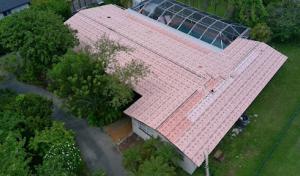
SkyGuard Roofing
(754) 946-4344 www.skyguardroofingllc.com
4491 S State Rd 7 Unit 201, Fort Lauderdale, Florida
5.0 from 114 reviews
Maze Roofing Fort Lauderdale
(754) 258-4590 mazeroofingfortlauderdale.com
5731 NE 14th Ave Unit B, Fort Lauderdale, Florida
4.9 from 155 reviews
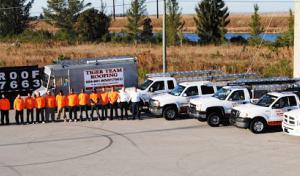
Tiger Team Roofing
(954) 833-8591 www.tigerteamroofing.com
5311 NW 22nd Ave, Fort Lauderdale, Florida
4.8 from 304 reviews
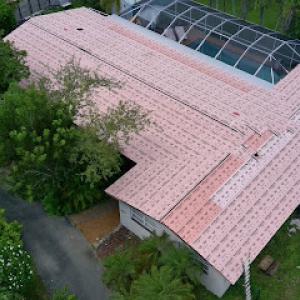
SkyGuard Roofing
(754) 946-4344 www.skyguardroofingllc.com
4491 S State Rd 7 Unit 201, Fort Lauderdale, Florida
5.0 from 114 reviews
SkyGuard Roofing is South Florida’s trusted roofing contractor, providing expert solutions for both residential and commercial properties. We offer complete roofing services, including small repairs, full roof replacements, and new installations designed to protect your home or business. Serving Broward and Miami-Dade counties, our experienced team installs and repairs shingle, tile, metal, and flat roofing systems using premium materials for long-lasting durability. Known for fast response times, efficient work, and attention to detail, SkyGuard Roofing delivers exceptional craftsmanship and transparent communication—helping you protect your property and investment with confidence.
Maze Roofing Fort Lauderdale
(754) 258-4590 mazeroofingfortlauderdale.com
5731 NE 14th Ave Unit B, Fort Lauderdale, Florida
4.9 from 155 reviews
Maze Roofing is a licensed roofing and general contracting company with an A+ accreditation from the Better Business Bureau (BBB). Serving all of South Florida since 2006, we have established ourselves as a trusted provider of high-quality residential and commercial roofing services. Our core values are simple: great communication, great service, and great prices. We believe clear communication is the foundation of customer satisfaction. Our skilled professionals use top-quality materials and the latest techniques to ensure every project meets the highest standards.
Tiger Team Roofing
(954) 833-8591 www.tigerteamroofing.com
5311 NW 22nd Ave, Fort Lauderdale, Florida
4.8 from 304 reviews
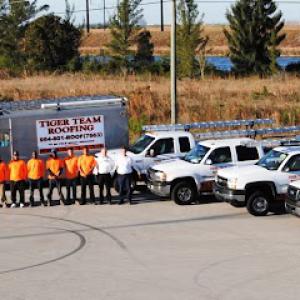
Tiger Team Roofing is a trusted roofing company serving Fort Lauderdale, Palm Beach, and surrounding South Florida communities. We specialize in roof repair, preventative maintenance, and full roof replacement for Broward County and nearby areas. We do not require deposits—payment is only due when the job is complete and you are satisfied. Every project is handled with clear communication, detailed workmanship, and a focus on long-term roof performance. Whether addressing active leaks with emergency roof repair, storm damage roof repair, or an aging roof system, we deliver reliable roofing solutions designed to protect South Florida homes.
LaPorta Roofing
(561) 287-9331 laportaroofing.com
2821 E Commercial Blvd Suite 219, Fort Lauderdale, Florida
5.0 from 49 reviews
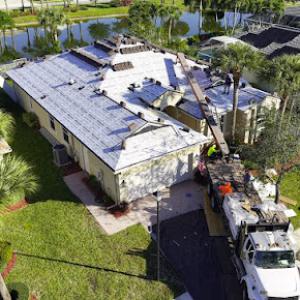
Established in 1983, LaPorta Roofing is a local, family-owned roofing contractor with offices in Fort Lauderdale and Largo. With a focus on residential and commercial roofing projects, they handle replacements, repairs, and emergency work.
Kairos Roofing
(954) 787-4026 www.kairosroofingllc.com
2190 W State Rd 84, Fort Lauderdale, Florida
4.8 from 486 reviews
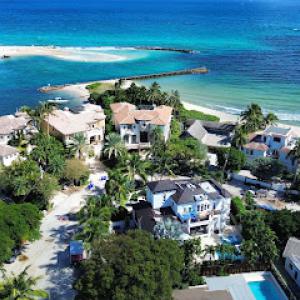
Residential roofing contractors focused on leak detection, roofing repairs, roof replacements, custom sheet metal and waterproofing. As a third generation commercial roofing expert, Zachary Wallick, was serving as Vice President at one of South Florida’s largest and most well respected commercial roofing companies, Best Roofing. However, with over 15 years of commercial roofing experience under his “construction” belt, Zack felt he had a calling to serve his community in a more intimate way. He wanted to be a residential roofer and make an impact on the families around him. Thus Kairos Roofing was born. License #: CCC1332202 General Contractor License #: CGC1528364
Rocket Roofing & Repair
(954) 388-9422 rocketroofingandrepair.com
416 SW 1st Ave, Fort Lauderdale, Florida
5.0 from 38 reviews
Rocket Roofing & Repair provides reliable residential and commercial roofing services across South Florida, serving Miami-Dade, Broward, Palm Beach, and Martin Counties. We specialize in roof repairs, full roof replacements, storm damage restoration, leak detection, and preventative roof maintenance. Our experienced team works with shingle, metal, and flat roofing systems, delivering honest inspections, quality materials, and dependable workmanship. From small repairs to complete roof replacements, we’re committed to protecting your home or business against South Florida weather. Free inspections and estimates available.
Ricketts Roofing & Construction
(954) 588-5670 rickettsroofing.com
1211 NW 29th Way, Fort Lauderdale, Florida
4.8 from 106 reviews
Ricketts Roofing And Construction is the premier Fort Lauderdale roofing contractor serving residential and commercial customers in South Florida. We deliver quality craftsmanship, attention to details and excellent customer service. We offer affordable pricing, flexible financing options and the best value for money among qualified roofers in new roofs, roof repairs and in re-roofing. Want an affordable price for a great job?, then simply fill out our online form and get your free, no-obligation quote today! We have been helping customers build World Class Construction Projects Since 1993 WHAT WE DO NEW-ROOFS RE-ROOFS ROOF REPAIRS ROOF REPLACEMENT Roof Maintenanve GENERAL BUILDER HOUSE EXTENSION BATHROOMS KITCHENS Fence Installation

Planet Roofing
(954) 600-1462 planetroofingfl.com
100 N Federal Hwy Unit 842, Fort Lauderdale, Florida
4.8 from 235 reviews
Planet Roofing | Roof Only Once – Trusted Roofing Contractor in Fort Lauderdale & South Florida At Planet Roofing, we believe in doing it right the first time — Roof Only Once. As a trusted contractor in Fort Lauderdale and South Florida, we offer expert roof repair, installation, and re-roofing services. Proudly serving Broward, Miami-Dade, and Palm Beach counties, we’re known for quality workmanship, strong relationships, and long-lasting roofing solutions using top-grade materials. Whether it's flat, shingle, tile, or metal roofing, count on us for durable results and exceptional service.
Best Roofing
1600 NE 12th Terrace, Fort Lauderdale, Florida
4.7 from 341 reviews
Best Roofing provides expert commercial and industrial roofing services across Miami, Fort Lauderdale, and West Palm Beach in South Florida. As an experienced roofing contractor, we handle everything from routine maintenance to complex roof replacements with a focus on long-term performance and safety. Our team works closely with property managers, building owners, and contractors to deliver timely, cost-effective solutions tailored to Florida’s climate. We use high-quality materials, follow strict safety standards, and ensure minimal disruption during work. Whether you're dealing with leaks, aging systems, or planning upgrades, Best Roofing is equipped to manage your roofing needs with professionalism and precision.
Nast Roofing
(954) 475-0610 www.nastroofing.com
138 W State Rd 84, Fort Lauderdale, Florida
4.6 from 352 reviews
Family owned and operated since 1994. We are your local roofer trusted by thousands of your neighbors. We are experts in both residential and commercial roofing systems for the South Florida weather climate. Pitched Roofs, Flat Roofs, Shingle, Tile, Metal, Silicone, we have been factory trained and certified on many of the materials and roofing technology used today!
Level Up Contractors
(954) 419-5940 levelupcontractors.com
2990 Griffin Rd Ste 4, Fort Lauderdale, Florida
4.8 from 40 reviews
Our company specializes in roofing, both commercially and residentially! We are driven to provide services that lead to satisfaction, without compromising responsibility and quality. We believe that Professionalism starts at the helm.
Advanced Roofing
(954) 522-6868 www.advancedroofing.com
1950 NW 22nd St, Fort Lauderdale, Florida
4.5 from 120 reviews
Advanced Roofing is a leading commercial roofing contractor established in 1983 by Rob Kornahrens in Fort Lauderdale, FL. Over the years, the company has expanded to 7 offices in Florida with over 575 employees. We provide re-roofing, roof repairs, HVAC services, & solar energy solutions to a wide range of customers including condominiums, high-rise buildings, hospitals, schools, and local governments in South Florida. Advanced Roofing has been recognized as the top commercial roofing contractor in Florida & serves areas including Miami, Jupiter, Hollywood, Boca Raton, & West Palm Beach. The company is also known for their philanthropy work with organizations like MS Bike Ride & the Boys and Girls Club of South Florida, Kids In Distress.
A full roof replacement commonly requires a permit through the City's online permitting system. Before any materials arrive, you or your contractor should submit the project details, including roof type, underlayment, and wind-rated components, through the portal. The city's digital process expects accurate scope and wind-resistance ratings to align with local hurricane-ready standards. Plan for a short wait while plans are reviewed, and ensure contact information on file is current so the permit officer can reach you quickly if questions arise.
In this climate, early coordination with the permit office matters. A pre-roof or pre-inspection is typically scheduled once the permit is issued and the crew is set to bring in underlayment, fasteners, and the starter systems. Have the project address, licensed contractor details, and proof of wind-rated materials ready for the inspector. The goal is to confirm that the proposed roof assembly meets Fort Lauderdale's wind and flood considerations before any tear-off begins.
Mid-roof inspections focus on embedded components such as anchor points, nailing patterns, and underlayment installation. In coastal settings, inspectors verify that fasteners and structural connections are appropriate for hurricane winds and salt exposure. Keep clear access to the attic or roof lines for quick verification, and document any deviations from the approved plan with notes or revised drawings. Delays often occur if undersized fasteners or improper flashings are spotted, so address concerns promptly.
The final inspection confirms that the installation matches the permit and meets safety standards. Expect verification of ventilation, insulation, and drainage, in addition to the completed roof covering and flashing. Once approved, the permit is closed in the system. Retain the final inspection report and any corrective action notes for your records, as some lenders or HOAs may request documentation during or after project closeout.
Some Fort Lauderdale neighborhoods add HOA review requirements on top of city permitting, which can affect material approval and project timing. Contact the HOA early to confirm any color, warranty, or component restrictions and to align the project timeline with board review cycles. If HOA approval is delayed, coordinate with the city process to avoid permitting lapses, and keep neighbors informed about access and noise during installation.
This coastal climate puts your roof under salt spray, year-round heat, and hurricane pressure. Insurance reviews commonly require wind mitigation documentation and post-storm roof photos as part of claim review. Have ready a recent roof inspection report, attic ventilation details, and observed wind-driven damage so you can reply fast and avoid gaps in the file.
Fort Lauderdale sits in Florida's high wind-claim environment, where carriers often want wind mitigation documentation and post-storm roof photos before or during claim review.
Statewide insurer pullbacks and tighter underwriting in Florida affect homeowners directly, influencing whether they repair, reroof, or upgrade materials.
After tropical weather, homeowners benefit from documenting visible damage, interior leaks, and temporary tarping immediately because claim volume can spike after regional storm events.
To reduce friction, coordinate with a contractor who understands wind-rated installation and coastal salt-air effects, so the documentation matches what reviewers look for.
Keep a dated photo log from before and after every storm, including wide shots of the entire roof and close-ups of flashing, seams, and fasteners. In Fort Lauderdale, salt-air corrosion can advance quickly, so show rust around nails and metal drip edges, and note the age of the roof and last service.
If a leak appears indoors, take interior photos of ceilings and walls, mark the location on a simple sketch, and record dates. When tarps are in place, photograph them from multiple angles and keep receipts for temporary measures. This level of meticulousness reduces back-and-forth with adjusters and speeds settlement.
Also arrange a pre-storm and post-storm assessment with a licensed roofer who can provide documented wind-rated replacements and updated underlayment if needed. Your claim file should reflect not just damage, but whether the roof system complies with the high-wind expectations in this market.
Communicate early with the insurer's desk and document every contact, promised timelines, and any requests you can't meet immediately. In this climate, delays cost money and can push you toward expedited reroof decisions that may not be best.
Connect with contractors who help homeowners navigate the claims process from damage assessment to final approval.
Kairos Roofing
(954) 787-4026 www.kairosroofingllc.com
2190 W State Rd 84, Fort Lauderdale, Florida
4.8 from 486 reviews
Rocket Roofing & Repair
(954) 388-9422 rocketroofingandrepair.com
416 SW 1st Ave, Fort Lauderdale, Florida
5.0 from 38 reviews
Planet Roofing
(954) 600-1462 planetroofingfl.com
100 N Federal Hwy Unit 842, Fort Lauderdale, Florida
4.8 from 235 reviews
When a storm hits Broward County, you see hurricane-driven demand spikes that tighten labor and scheduling across the area. In Fort Lauderdale, material and labor costs can jump quickly after major activity, and crews may book out weeks in advance. Asphalt shingles stay the most economical starting point, but even they feel the pinch when crews are scarce. Concrete and clay tiles look appealing for longevity, yet their weight and installation intricacy push totals higher, especially in seaside settings.
Metal roofing and tile options are common in the local housing mix, and both carry added cost pressure from wind-rated detailing and corrosion-resistant components. Heavier systems demand careful fastening to the roof deck and accurate wind-uplift calculations. Tile installations often require reinforced framing and specialized underlayment to meet wind requirements, with labor intensity translating to higher per-square pricing. Synthetic and composite shingles offer a balance, resisting salt air and heat but not immune to the same scheduling delays.
Project pricing can move with permit processing, HOA approval timing in certain communities, and weather delays during the rainy and hurricane seasons. For reference, the provided typical costs reflect installed per square (one square = 100 square feet) ranges, with asphalt shingles from roughly 350 to 750, metal from 700 to 1300, clay tile 900 to 1800, concrete tile 850 to 1600, wood 600 to 1100, and synthetic 550 to 1000. In practice, expect the higher end of these ranges if wind-rated connections and corrosion protection are emphasized. That balance helps avoid rework after a storm.
Don't let upfront costs delay a critical repair - these contractors offer payment plans to fit your budget.
Ricketts Roofing & Construction
(954) 588-5670 rickettsroofing.com
1211 NW 29th Way, Fort Lauderdale, Florida
4.8 from 106 reviews
Planet Roofing
(954) 600-1462 planetroofingfl.com
100 N Federal Hwy Unit 842, Fort Lauderdale, Florida
4.8 from 235 reviews
Roof Replacement | Green Roofing & Solar
(954) 496-3581 greenroofingsolarfl.com
Serving
5.0 from 82 reviews
Tile roofs are common enough that cracked or displaced tiles after wind events become a recurring service issue rather than a niche problem. In this climate, fast-moving gusts can lift edges and expose underlayment, inviting water intrusion during the next downpour. Regular inspections after storms help catch small cracks before they turn into leaks.
Metal roofs perform well on the coast when connectors and flashings stay shielded from salt spray, but corrosion over time is a real threat. Salt-laden air can attack vulnerable joints, screws, and sealant lines. Pay attention to the condition of edge flashings, hip and valley connections, and any areas where salt buildup can linger. Proactive coating refreshes and targeted inspections can save headaches when the first heavy rain arrives.
Skylight penetrations can become leak points during the city's intense rain bursts if flashing and surrounding transitions are not maintained carefully. Aging sealants, cracked flashing, or improper slope around the curb can channel water inward. If a skylight is a frequent trouble spot, verify flashing integrity and ensure the surrounding roof transitions shed water cleanly after every storm.
In this climate, small issues often escalate quickly. The goal is proactive, not reactive, maintenance: scheduling timely checks after severe weather, addressing even minor signs of movement or corrosion, and keeping flashings, seals, and transitions solid is essential to preserving a durable roof over the long haul.
Find contractors experienced in skylight installation, flashing, and leak repairs to bring natural light into your home.

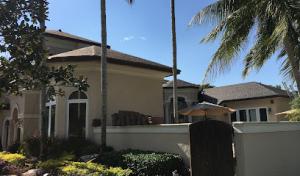
After a severe weather event, the contractor pool swells with storm-chasers and quick-buck outfits. In this market, you need to separate real local capacity from transient crews. Look for firms with a stable local roster, multiple crews trained for coastal conditions, and a documented history of working here rather than just visiting after a storm. Ask for a physical local office address, steady staffing, and evidence of ongoing client communications beyond the sale.
Your project should explicitly address wind performance and storm resilience. Confirm that the roofer uses installation details and materials rated for high wind and salt exposure, with appropriate underlayment choices and fastener patterns for coastal environments. Request written notes on wind zone compliance, and expect a plan that includes improved edge protection, secure ridge systems, and reliable flashing around vents and penetrations. A clear sequence-from teardown to protection to final seal-helps ensure no weak points are left behind.
In this market, the ability to respond rapidly to post-storm leaks or sudden interior intrusion is a practical signal of reliability. When you call, assess not just the quote but the contractor's stated response timeframe, on-site mobilization, and debris-removal plan. A dependable crew will scaffold, tarp, and cordon off affected areas promptly, then coordinate a focused cleanup and secure temporary containment while pursuing the full reroof.
Long-established and family-owned firms often stand out for ongoing follow-through. Look for consistency in communications after the job, a dedicated point of contact, and a documented warranty process with clear inspection timelines. Ask about how punch lists are managed, who signs off on final completion, and how repair items are tracked if any issues arise after installation. In a market with frequent heavy rains, knowing that a contractor will return to address concerns without escalation adds real value.
Evaluate local references with recent, coastal-relevant work, verify that the crew is properly equipped for salt air and heat, and confirm they provide a detailed, written scope that covers wind-rated installation, edge protection, and flashing integrity. Favor firms that demonstrate steady local presence, transparent communication, and a proven track record of reliable post-installation support.